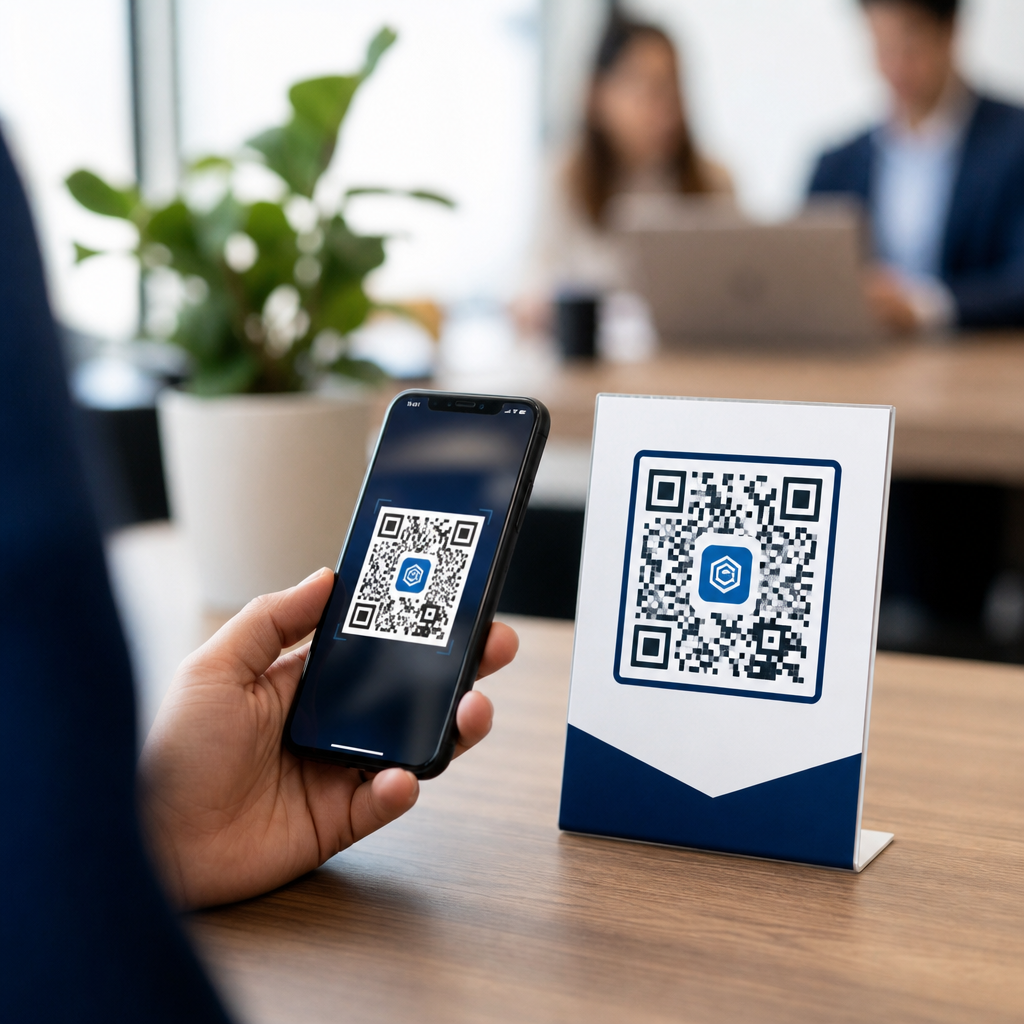
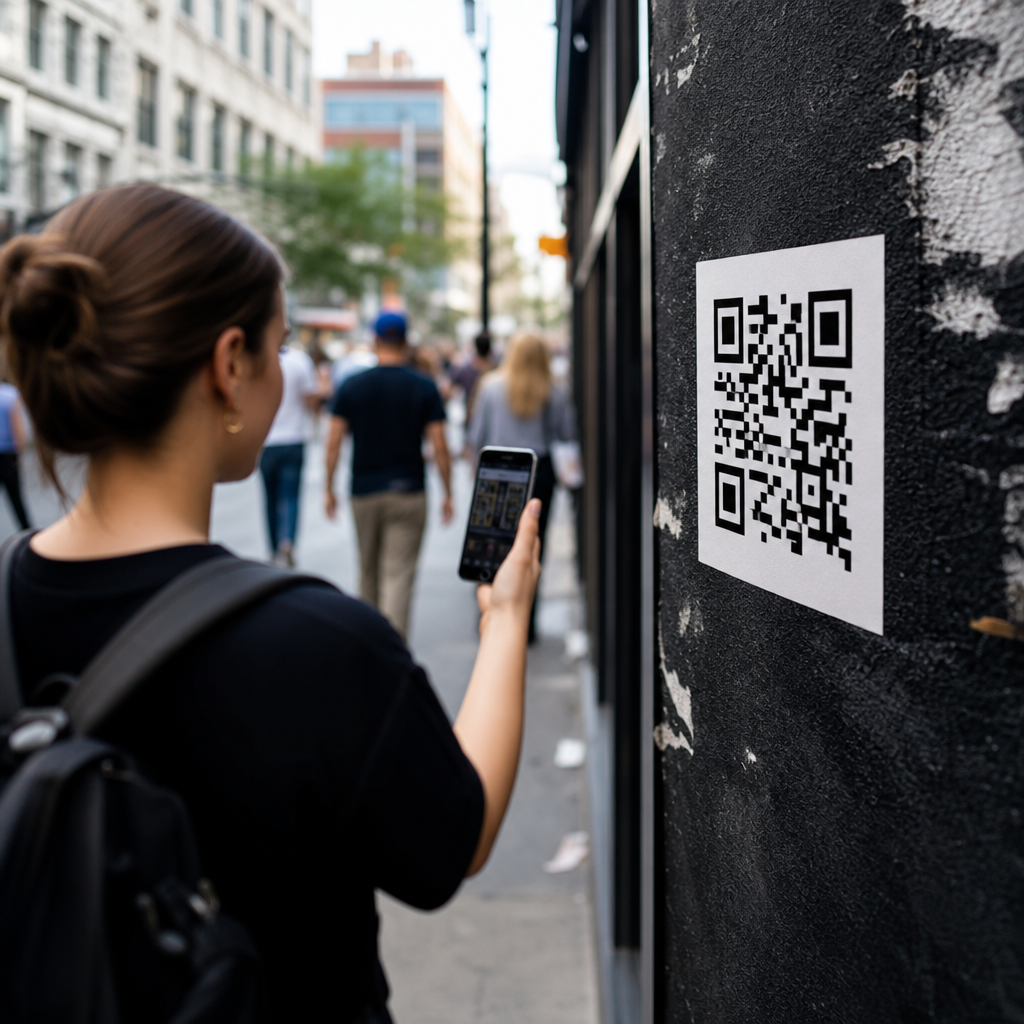
QR codes in guerrilla marketing campaigns turn ordinary surfaces, fleeting encounters, and street-level curiosity into measurable customer actions. A guerrilla campaign is a low-cost, high-impact promotion placed in unexpected settings, while a QR code is a scannable matrix barcode that sends a person to digital content with one camera tap. Put together, they bridge physical attention and digital conversion. I have used QR deployments on posters, retail windows, event installations, packaging stickers, and transit placements, and the pattern is consistent: when the creative concept earns a pause, the code captures intent immediately. That combination matters because guerrilla marketing often wins awareness but loses attribution. A memorable mural may generate buzz, yet without a direct response path, the brand cannot tell which passerby became a lead, subscriber, or buyer. QR codes solve that gap by connecting the offline impression to a landing page, coupon, video, app download, or sign-up form. They also fit the broader shift in consumer behavior. Smartphone cameras now detect codes natively on iPhone and Android devices, reducing friction that once limited adoption. During the pandemic, consumers became comfortable scanning menus, tickets, and check-in points, which normalized the behavior for promotions as well. For brands building a QR code design and branding strategy, creative QR code campaigns are not just tactical add-ons. They are a scalable way to combine design, location, timing, and analytics into one response system.
To use QR codes effectively in guerrilla marketing campaigns, three ideas must stay aligned: visibility, value, and verifiability. Visibility means the code is easy to notice and scan from the distance and angle where the audience first encounters it. Value means the destination rewards the scan with something relevant, such as exclusive content, limited access, a game mechanic, useful information, or a clear savings offer. Verifiability means the brand can track scans, unique visitors, device types, location clusters, on-page behavior, and downstream conversions using UTM parameters, analytics platforms, and dynamic QR management tools. A static code printed once can work for a simple destination, but dynamic QR codes are usually the better choice because they allow URL changes, campaign pausing, A/B testing, and scan reporting without reprinting assets. Good campaigns also account for practical constraints: contrast ratios, quiet zones, error correction levels, weather exposure, surface curvature, and mobile page speed. A QR code embedded into art may look striking, but if the finder patterns are distorted or the contrast is weak, scan rates collapse. The strongest creative QR code campaigns balance novelty with function. They stop people, invite interaction, and complete a measurable next step, which is exactly why this topic deserves hub-level attention within QR code design and branding.
Why QR codes work so well in guerrilla marketing
QR codes work in guerrilla marketing because they convert ambient attention into immediate action at the exact moment interest peaks. Traditional out-of-home placements often rely on memory: see the message now, search later. That delay is costly. Every extra step reduces response. A QR code removes recall friction by letting a person act instantly while emotion and curiosity are still high. In campaigns I have reviewed, scan intent rises when the physical execution creates a micro-mystery. A stencil on a sidewalk that says “See what this wall remembers,” paired with a code, invites resolution more effectively than a generic “Learn more.” The code becomes part of the payoff rather than an afterthought.
Another reason QR codes perform well is operational efficiency. Guerrilla budgets are usually constrained, and media environments may be temporary or opportunistic. Dynamic QR platforms such as Bitly, QR Code Generator Pro, Uniqode, and Flowcode let marketers update destinations after installation, which is critical when event timings shift, stock levels change, or legal copy needs revision. They also make performance visible. Instead of judging success only by social chatter or foot traffic, teams can compare scan volume by location, hour, and creative variant. That data improves future placements and supports conversations with stakeholders who need evidence, not anecdotes.
Core ingredients of a high-performing creative QR code campaign
A strong creative QR code campaign starts with the offer-content match. The physical experience should logically connect to the digital destination. If a fitness brand wraps a stairway with motivational copy, the code should open a short training challenge, class pass, or coach-led video, not the generic homepage. Relevance lifts conversion because the scan fulfills the promise made in the environment. The second ingredient is scan usability. Use high contrast, preserve a sufficient quiet zone, and size the code for likely distance. As a rule, larger is safer outdoors, especially where people move quickly. Printing on matte surfaces helps reduce glare, and testing on multiple phone models is non-negotiable.
The third ingredient is landing page design. Guerrilla scans often happen on mobile networks with divided attention, so pages must load fast and present one clear action. Compress images, reduce scripts, and keep forms short. The fourth ingredient is incentive structure. Not every campaign needs a discount; in fact, novelty, access, status, and utility can outperform coupons when the audience is motivated by participation. A fashion label might unlock a hidden drop calendar, while a museum may reveal an augmented layer of a public installation. The final ingredient is instrumentation. Attach UTM parameters, set events in GA4, define conversions, and map scans to outcomes such as email capture, booking, redemption, or store visit.
| Campaign element | Best practice | Why it matters |
|---|---|---|
| Code type | Use dynamic QR codes | Allows destination changes, testing, and reporting after print |
| Placement | Match height and angle to natural line of sight | Improves first-time scan success in busy environments |
| Design | Keep strong contrast and protected quiet zone | Prevents failed scans caused by decorative overreach |
| Destination | Send users to a dedicated mobile landing page | Raises conversion by aligning message and action |
| Measurement | Track with UTM tags and GA4 events | Connects offline exposure to digital outcomes |
Proven guerrilla marketing formats that pair naturally with QR codes
Posters and wheatpaste walls remain among the most practical formats for QR codes in guerrilla marketing campaigns. They are affordable, fast to deploy, and easy to version by neighborhood. A music venue can place teaser posters near campuses and nightlife streets, each with a distinct code leading to artist previews and a time-limited ticket price. Window takeovers are equally effective because glass offers visibility day and night, though glare testing matters. I have seen retail pop-ups use oversized window graphics with a single code that opens a store map, product waitlist, and launch reminder in one mobile experience.
Sidewalk decals, stair risers, bench ads, and transit shelter takeovers work when the code is positioned where people naturally pause. Temporary installations create even more engagement. A beverage brand might build a heat-reactive mural that reveals a scan prompt in sunlight, sending users to a flavor vote or coupon wallet pass. Product sampling can also benefit. Instead of handing out flyers, staff can direct people to scan packaging sleeves for ingredient sourcing, recipes, or reorder links. Event activations are especially strong because attendance already signals interest. Codes on lanyards, booth structures, or scavenger hunt checkpoints can route visitors into segmented follow-up flows based on what they scanned.
Designing branded QR codes without hurting scan performance
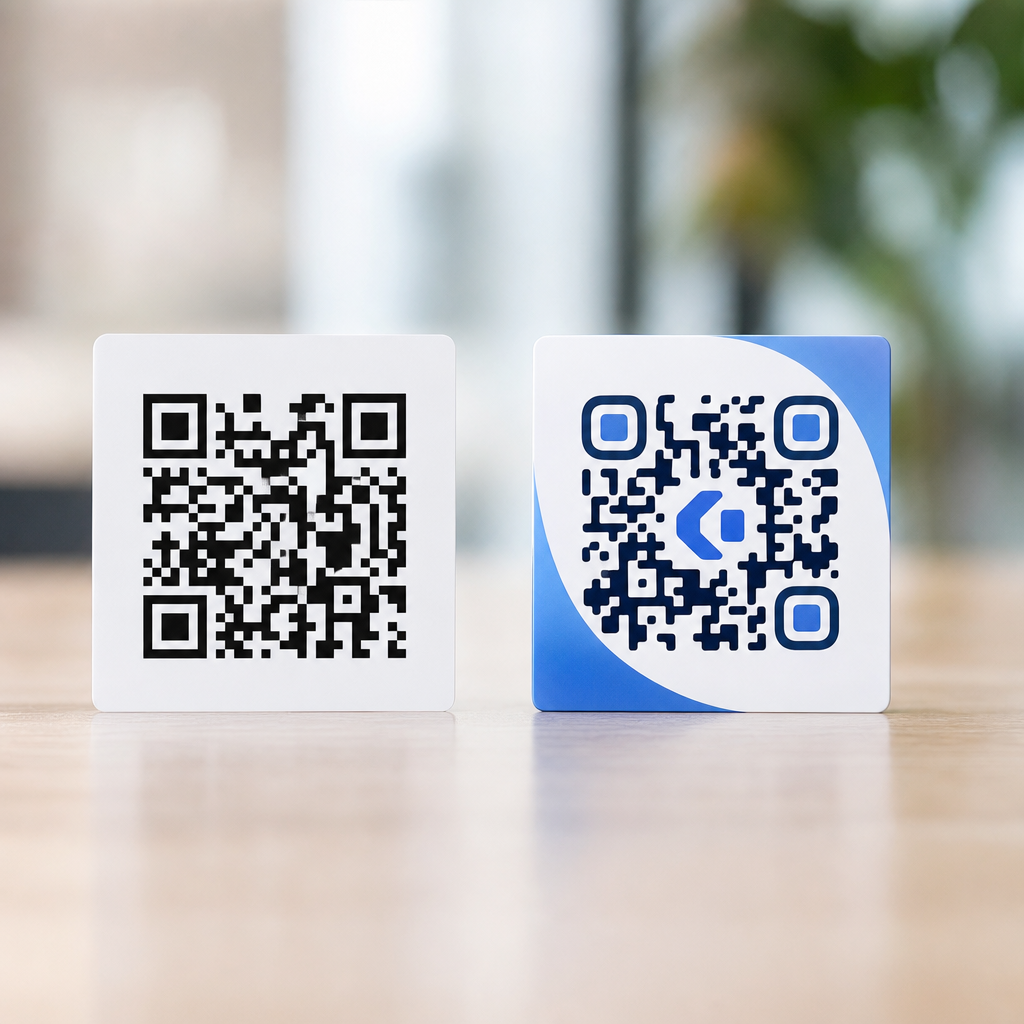
Within QR code design and branding, the temptation is to over-customize. Brand color, logo insertion, rounded modules, and artistic framing can absolutely improve recognition, but only within functional limits. The finder patterns in the corners must remain clear, contrast must stay high, and the quiet zone around the code cannot be crowded by background art. Error correction helps absorb some customization, yet it is not a license for heavy distortion. In practice, I recommend creating a plain control version and a branded version, then testing both under real lighting and distance conditions before rollout.
Branded QR codes should also reflect campaign context. A premium cosmetics brand can use restrained styling and elegant framing, while a streetwear label may lean into bold shapes and sticker aesthetics. The key is consistency with the visual system surrounding the code. Add a clear call to action directly above or below it: “Scan to unlock the drop,” “Scan for tonight’s map,” or “Scan to see the hidden layer.” People scan more when the benefit is explicit. Avoid vague labels like “Discover more.” The best-performing codes look intentional, branded, and easy, not clever at the expense of readability.
Measurement, attribution, and optimization for offline-to-online results
Measurement is where QR codes elevate guerrilla marketing from creative stunt to repeatable growth channel. At minimum, each placement should use a unique dynamic URL with UTM parameters that identify campaign, medium, location, and creative. GA4 can record sessions, engaged sessions, conversions, and revenue, while CRM integrations can tie scans to leads and purchases. If the goal is store traffic, use redemption codes, wallet passes, appointment bookings, or location-specific offers to create a measurable bridge. For higher-budget programs, teams may compare scan spikes with footfall data, ad server timing, or social mentions to understand halo effects.
Optimization usually comes from simple tests. Change the call to action, not just the art. Test “Scan for 20% off today” against “Scan to reveal today’s color drop.” Swap a homepage destination for a purpose-built page. Compare a single large code with multiple smaller codes across a long mural. Review scan failures during field audits; low scans may signal poor visibility rather than weak creative. Timing matters too. Commuter locations often peak during morning and evening windows, while entertainment districts respond later. When teams track by hour and geography, they can redeploy assets and staff toward the placements that actually move results.
Common mistakes, legal considerations, and campaign longevity
The most common mistake in creative QR code campaigns is treating the code as decoration rather than interface. If users cannot tell what they will get, many will ignore it. The second mistake is linking to a generic page that does not continue the story started in the physical world. The third is inadequate testing. I have seen beautiful activations fail because glossy lamination created reflections that blocked scans at midday. Small codes, low contrast, unstable mobile pages, and missing analytics are equally damaging. Another frequent issue is overcrowding the visual field. One strong code with one strong action usually beats a collage of options.
Legal and operational considerations matter because guerrilla tactics often occupy ambiguous spaces. Brands should secure permissions where required, especially for private property, transit environments, event venues, and municipal installations. Include privacy-compliant disclosures when collecting personal data, and make sure promotions meet local rules on sweepstakes, coupons, and alcohol marketing if relevant. Campaign longevity also deserves planning. Weather, vandalism, and link rot can undermine performance. Use durable materials where exposure is expected, monitor destinations regularly, and set redirects if pages change. A QR code in the wild can continue circulating in photos and social posts long after the physical asset is removed, so the destination should remain useful.
QR codes in guerrilla marketing campaigns succeed when creative surprise meets frictionless action and disciplined measurement. The code is not the idea by itself; it is the conversion bridge that makes the idea useful, trackable, and scalable. For brands building out creative QR code campaigns under a broader QR code design and branding strategy, the priorities are clear: choose environments where attention naturally pauses, design codes that stay scannable under real conditions, send users to fast mobile destinations with a single relevant next step, and instrument every placement so results are visible. The strongest examples do more than generate scans. They create a coherent experience from street encounter to digital follow-through, whether the goal is sales, sign-ups, content engagement, or store visits.
As a hub topic, creative QR code campaigns connect multiple specialties: branded QR design, landing page optimization, offline attribution, experiential marketing, and local audience targeting. That is why this approach continues to outperform one-off stunts. Every campaign teaches the next one where people scanned, what message moved them, and which physical formats delivered the best return. If you are planning a guerrilla activation, start with one measurable use case, one compelling value exchange, and one well-tested code. Then expand with location-specific variants, stronger creative prompts, and cleaner analytics. Done well, QR codes turn guerrilla marketing from memorable exposure into measurable business results. Review your current out-of-home ideas, identify where curiosity peaks, and build the scan path before you print.
Frequently Asked Questions
What makes QR codes so effective in guerrilla marketing campaigns?
QR codes work especially well in guerrilla marketing because they connect surprise and curiosity with immediate action. A guerrilla campaign is designed to interrupt routine in a memorable way, often by appearing in an unexpected place such as a sidewalk display, a retail window, a pop-up installation, product packaging, or a temporary street activation. That moment of surprise gets attention, but attention alone does not always lead to measurable business results. A QR code closes that gap by giving people a friction-light next step they can take instantly with a phone camera.
Instead of asking someone to remember a brand name, type in a long URL, or search later, the QR code moves them directly from the physical experience to a digital destination. That destination can be a landing page, video, giveaway entry form, coupon, product catalog, ticketing page, map, social profile, or lead form. In practical terms, that means the campaign does more than create buzz. It creates trackable visits, sign-ups, purchases, downloads, and other measurable conversions.
Another major advantage is flexibility. The same creative concept can be adapted across multiple locations and formats while still leading users into a consistent digital funnel. You can place one QR code on posters and another on window clings, event signage, or packaging inserts, then compare performance by location or audience segment. This gives guerrilla marketing a level of accountability it often lacks. When done well, QR codes transform a one-time street-level impression into a data-rich customer journey.
Where should QR codes be placed in a guerrilla marketing campaign for the best results?
The best placements are high-visibility, high-dwell environments where people have enough time and comfort to notice the creative, process the message, and scan. In guerrilla marketing, that often means surfaces and settings that naturally attract pauses rather than pure pass-through traffic. Retail windows, event installations, branded murals, transit waiting areas, pop-up displays, café tables, product packaging, and interactive street fixtures are strong options because they combine attention with a realistic opportunity to act.
Placement should always match user behavior. If a person is walking quickly through a crowded area, the code needs to be large, clearly framed, and supported by a very simple call to action. If they are standing in line, sitting at an event, or browsing a storefront, you have more room for layered messaging and richer creative. The code should be easy to reach visually, not hidden inside clutter, and positioned at a comfortable scanning height. Lighting matters as well. Glare on glass, poor contrast, wrinkles on posters, and awkward angles can all reduce scan rates even if the concept itself is strong.
It is also wise to think in terms of context. A QR code on packaging may perform best when it unlocks tutorials, loyalty rewards, or exclusive offers after purchase. A code in a window display may work better when it leads to a limited-time promotion or store locator. A code at an event installation may be ideal for contests, photo galleries, or follow-up email capture. The strongest placements are not just physically visible. They are strategically aligned with what the audience is likely to want in that exact moment.
What should a QR code lead to after someone scans it?
A QR code should lead to a destination that feels like a natural continuation of the physical experience, not a generic homepage. In guerrilla marketing, momentum matters. The person scanned because something caught their attention in the moment, so the landing experience should reward that action immediately. If the creative promised a discount, reveal the discount right away. If the installation teased a video, load the video first. If the campaign centers on discovery or exclusivity, deliver a page that feels custom-built for that campaign rather than a broad website navigation menu.
Strong destinations are mobile-first, fast-loading, and focused on one primary action. That action might be claiming an offer, registering for an event, watching a short brand story, entering a contest, exploring a featured product line, joining a text or email list, or sharing content socially. The key is clarity. Too many choices can dilute the response. A targeted landing page with a strong headline, concise supporting copy, and one prominent next step typically performs far better than a general site page.
It is also smart to align the destination with the stage of customer intent. If the campaign is aimed at cold audiences, educational or entertaining content may be more effective than a hard sales ask. If the audience is already familiar with the brand, a promotional page or direct checkout flow can work well. In all cases, the landing page should include tracking so you can see scan volume, conversion rate, time on page, and downstream actions. That is how the QR code becomes more than a novelty. It becomes a conversion tool tied directly to campaign goals.
How can you measure the success of QR codes in guerrilla marketing?
Success should be measured beyond raw scan counts. Scans are an important starting metric because they show whether the placement and creative generated enough interest to prompt action, but they do not tell the full story. The more meaningful evaluation comes from understanding what happened after the scan. That includes landing page visits, bounce rate, form submissions, coupon redemptions, purchases, appointments booked, email sign-ups, social follows, and any other conversion tied to the campaign objective.
To make those insights possible, each QR code should be linked to a trackable destination. Many marketers use unique URLs, UTM parameters, dynamic QR code platforms, or campaign-specific landing pages so they can compare performance across locations, surfaces, or audience segments. For example, one code on a poster wall may outperform the same code concept on packaging, or a retail window placement may generate fewer scans but a higher purchase rate. This kind of reporting helps refine future campaigns rather than relying on guesswork.
Offline observations also matter. If possible, pair scan data with contextual information such as foot traffic, time of day, weather, event attendance, or neighborhood demographics. In guerrilla marketing, environment has a major influence on outcomes. A code may not be underperforming because the offer is weak. It may simply be placed where people cannot stop long enough to scan. The best measurement approach combines digital analytics with real-world situational awareness. That gives you a much more accurate read on both creative impact and business value.
What are the most common mistakes to avoid when using QR codes in guerrilla campaigns?
One of the biggest mistakes is treating the QR code as the campaign rather than as the bridge within the campaign. A code by itself is not compelling. People need a reason to scan, and that reason should be obvious at a glance. If the surrounding creative does not create intrigue, promise value, or explain what happens next, response rates usually suffer. A short, direct call to action such as “Scan for the hidden drop,” “Unlock 20% off,” or “See the full installation in motion” often makes a major difference.
Another common problem is poor usability. Codes that are too small, distorted, low-contrast, placed too high or too low, printed on reflective surfaces, or surrounded by visual clutter can be difficult to scan. Marketers also make the mistake of sending users to non-mobile pages, slow-loading experiences, or generic homepages that force extra clicks. In guerrilla marketing, the audience is usually on the move, so every bit of friction costs conversions. The technical basics need to be flawless.
There is also a strategic mistake many brands make: failing to match the offer to the environment. A person scanning from a street poster may want speed and simplicity, while a person engaging with packaging at home may be open to richer content. Another issue is not testing enough before launch. You should test the code on different phones, from different distances, in daylight and low light, and in the actual installation setting if possible. Finally, brands often skip performance tracking, which means they cannot learn from the campaign. The most effective QR-driven guerrilla efforts combine strong creative, practical usability, contextual relevance, and disciplined measurement.