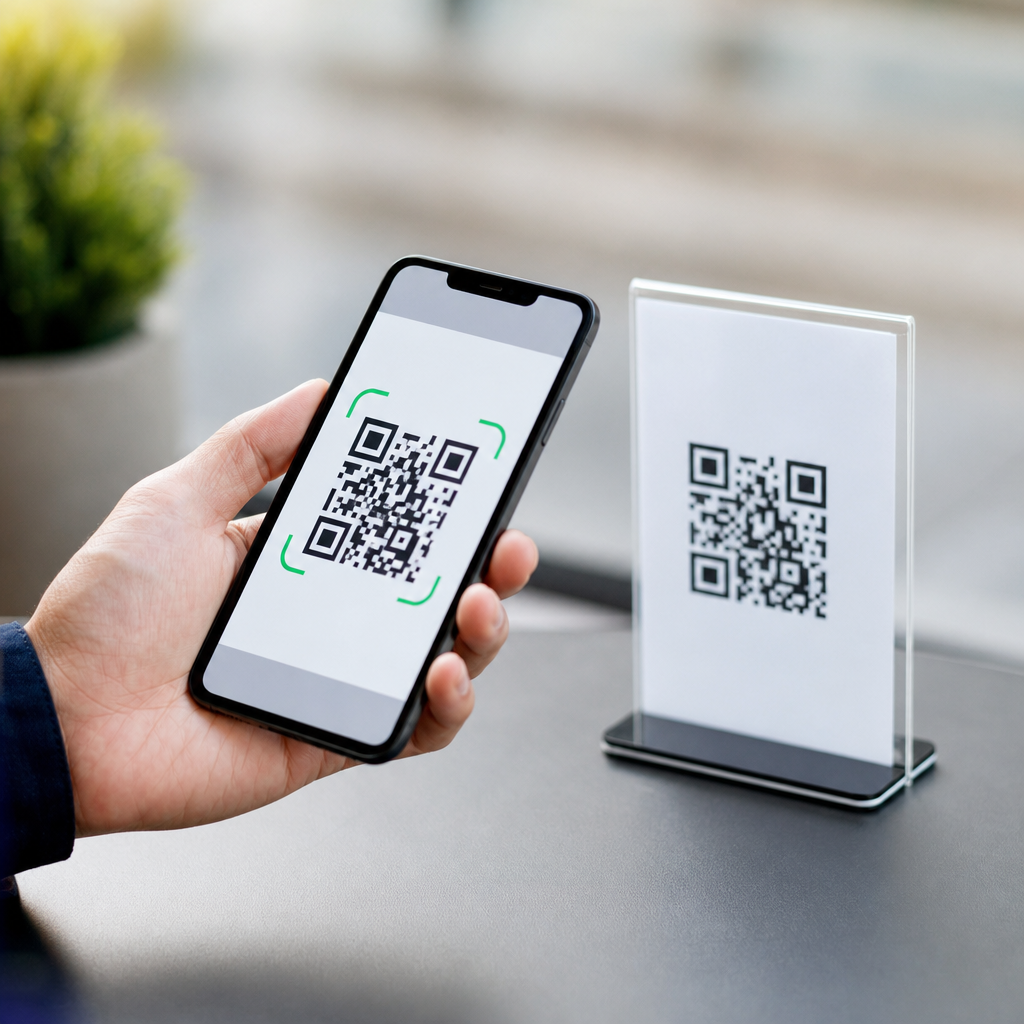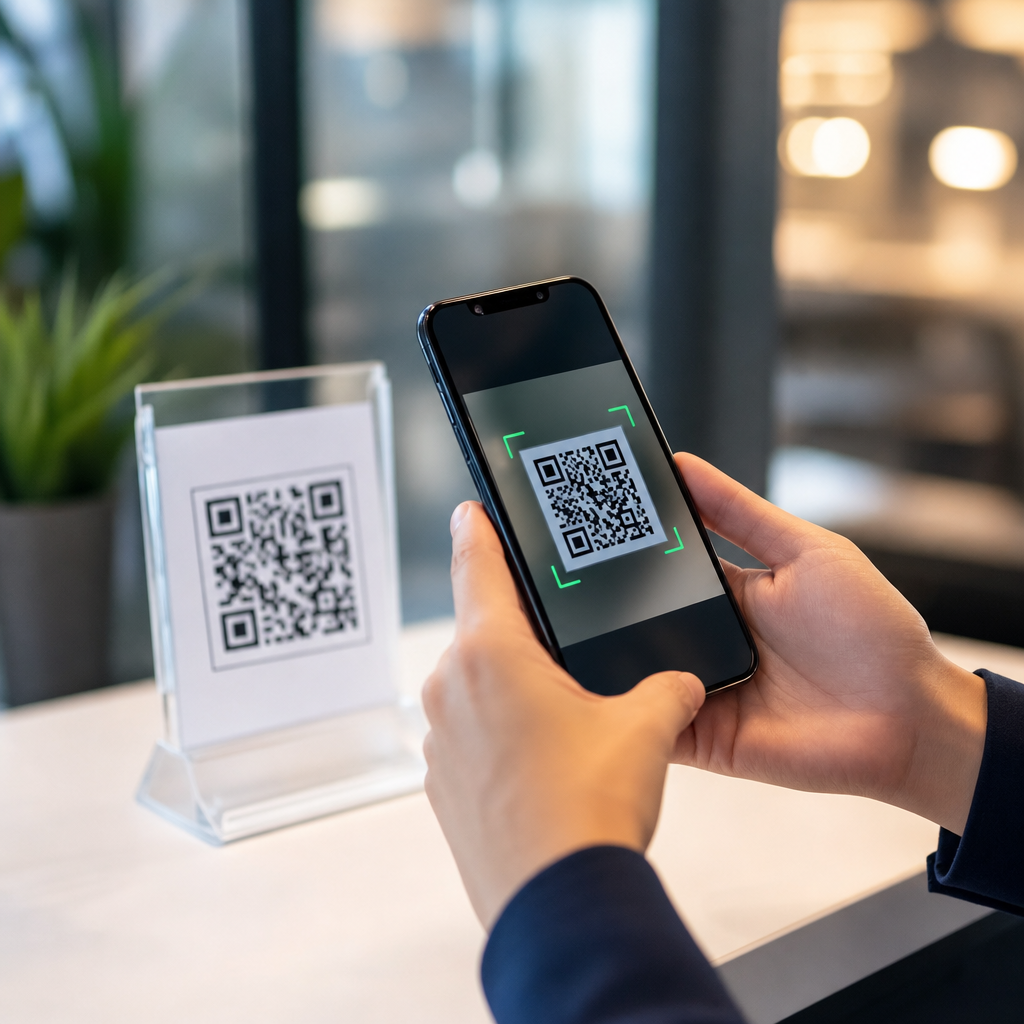
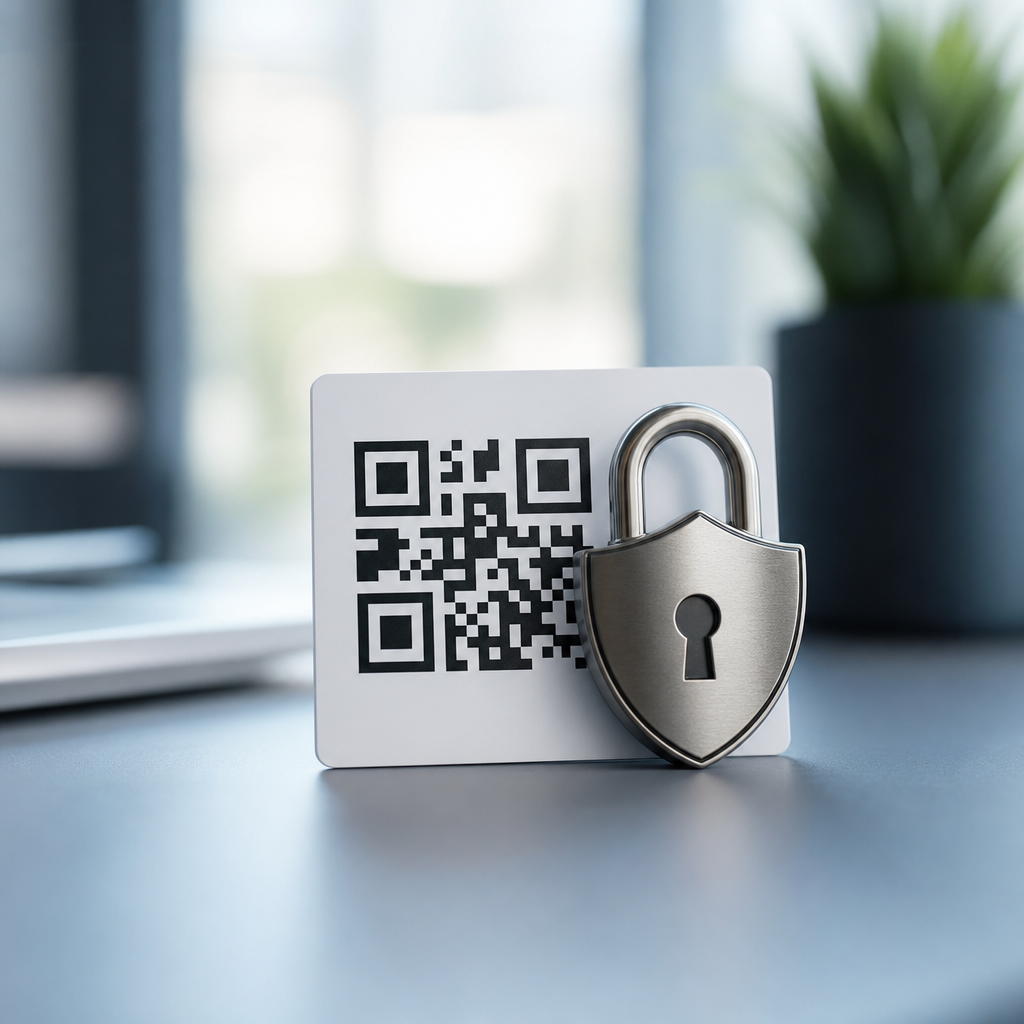
QR codes are now part of daily business operations, from restaurant menus and parcel tracking to payment links, patient intake forms, and factory asset labels. That convenience creates a security problem: a QR code is easy to copy, replace, redirect, or misuse without attracting attention. If you need to protect your QR codes from tampering, you need more than a clear image and a short URL. You need secure QR code practices that cover design, printing, hosting, monitoring, and incident response.
Tampering means any unauthorized change that alters what a QR code does or what users believe it will do. In practice, that includes sticker overlays placed on public signs, counterfeit labels added to products, malicious redirects hidden behind dynamic QR links, and unauthorized edits to destination pages after a code has been distributed. I have seen organizations focus on scan performance and branding while overlooking the controls that determine whether a customer lands on the intended page or on a phishing site. That gap is where most real-world QR fraud begins.
This matters because the QR code itself is usually trusted by the person scanning it. Unlike a normal hyperlink on a desktop screen, a QR code often appears in a physical environment where users assume legitimacy. Attackers exploit that assumption. A fake parking meter code can route drivers to a lookalike payment page. A modified product code can send buyers to a warranty scam. A tampered event check-in code can capture credentials or distribute malware through a browser exploit chain. The damage can include payment fraud, account compromise, privacy violations, chargebacks, and brand distrust.
Secure QR code practices reduce those risks by treating the code as part of a broader trust system. The code must be generated reliably, linked to a controlled destination, placed in a tamper-aware context, and monitored after deployment. For regulated sectors, such as healthcare, retail payments, and logistics, the controls also intersect with privacy, recordkeeping, and vendor governance. This hub article explains the core measures that work, the tradeoffs between static and dynamic codes, the importance of domain control, and the operational steps that keep QR campaigns secure over time.
Understand the Main QR Code Tampering Threats
The first step is to identify how QR codes are attacked in the real world. Physical replacement is the most visible method. Criminals print a new code and place it over the original on a poster, kiosk, table tent, parking machine, or product carton. The victim scans what appears to be an official code and is sent to a fraudulent destination. This method succeeds because people rarely inspect printed labels closely, especially in busy public spaces.
Digital tampering is less obvious and often more damaging. If a company uses a dynamic QR platform, an attacker who gains access to that platform can change the destination without altering the printed image. If the linked landing page is compromised through weak content management controls, the code becomes malicious by association. I have also seen teams reuse old redirect paths without inventory control, creating opportunities for abandoned pages, open redirects, or expired domains to be hijacked.
Social engineering amplifies both threats. Attackers use familiar branding, urgency, and small-screen behavior to lower suspicion. A payment QR code that opens a cloned checkout page may still look credible on a phone. A support QR code in a shipment box may ask a user to log in again, exposing credentials. That is why secure QR code practices must combine physical safeguards with identity, hosting, and user experience controls.
Choose the Right QR Code Architecture
The safest implementation begins with architecture. Static QR codes encode the final destination directly. They are simple, durable, and cannot be re-pointed through a platform dashboard. That reduces one class of risk, but static codes are hard to update if a URL changes or a page is compromised. Dynamic QR codes encode a short redirect URL that points to a managed destination. They support analytics, rotation, and campaign changes, but they introduce a control plane that must be secured like any other production system.
For most organizations, dynamic QR codes are the better business choice if they are governed properly. They allow you to move users away from a suspected malicious page, rotate tracking parameters, and maintain continuity when website structures change. The critical requirement is that the redirect service be under your domain, your TLS certificate, and your access controls. Relying on a free third-party shortener or a consumer-grade generator increases supply-chain risk and weakens auditability.
A good rule is simple: the more important the QR code function, the more directly you should control the full chain from image generation to final destination. Payment, authentication, healthcare intake, and account management flows should not depend on unmanaged redirects, personal accounts, or unverified plugins.
Lock Down the Destination URL and Domain
Most QR security failures happen after the scan. The code may be intact, but the URL behind it is not adequately protected. Start by using a domain that clearly belongs to your organization, ideally a short branded domain reserved for QR experiences. Branded domains improve recognition and reduce phishing success because users can preview a meaningful host name before tapping through. They also make certificate management, DNS governance, and redirect policy easier to standardize.
Use HTTPS everywhere, enforce HSTS where appropriate, and maintain strict redirect rules. Remove open redirects. Limit who can edit DNS records. Protect registrar accounts with phishing-resistant multi-factor authentication, not just SMS. If your QR code routes into a content management system, harden that system with role-based access control, patching discipline, web application firewall rules, and change approval workflows. A secure QR code is only as trustworthy as the landing environment it points to.
It is also wise to create destination pages specifically for QR traffic. Dedicated pages let you validate parameters, minimize unnecessary scripts, and present a clear trust signal to the user. For example, a parking payment page reached by QR should state the location, operator, and fee before collecting payment. That context helps users detect fraudulent substitutions quickly.
Secure Generation, Access, and Change Control
QR code generation should be treated as a controlled publishing process, not a casual design task. Use approved generators that support error correction settings, export integrity, and documented ownership. Maintain an inventory that records each code’s purpose, target URL, creation date, owner, distribution channel, and retirement plan. Without an inventory, teams lose track of what is live, which codes are high risk, and where emergency replacements are needed.
Access control matters most with dynamic QR systems. Restrict dashboard access through single sign-on, least privilege, and separate roles for creation, approval, and analytics. Require change logs and alerts for edits to destination URLs. In mature environments, route changes through a ticketing system so you can link every modification to a request, approver, and business reason. That evidence becomes invaluable during investigations.
Version control also helps. If a landing page changes materially, archive the prior state and note the effective time. When fraud teams compare user reports against system logs, timing is everything. A scan that failed at 2:14 p.m. may correspond to a redirect change made at 2:09 p.m. Good records turn suspicion into proof.
Use Tamper-Evident Physical Deployment Controls
Physical protection is essential wherever the public encounters QR codes. If a code is displayed on a payment terminal, parking meter, storefront window, or product shelf, assume someone may try to cover it. Use tamper-evident labels, destructive adhesives, serialized stickers, or protective laminates that show visible damage when removed. On higher-risk assets, pair the QR code with printed human-readable text, such as the official domain or service name, so users have another trust reference.
Placement also affects risk. Avoid isolated surfaces where fake overlays can remain unnoticed for days. Position codes where staff can inspect them easily during normal operations. In logistics and manufacturing, include QR verification in routine line checks or site rounds. I have found that a simple documented inspection step, assigned to an existing operational checklist, catches more problems than expensive one-off controls that no one maintains.
Packaging deserves special attention. Counterfeiters may reproduce external carton codes convincingly. For higher-value goods, combine overt features like serialized labels with backend validation that confirms whether a scanned code matches a known unit, batch, or shipping event. If the same code appears in two distant locations within an impossible timeframe, your monitoring should flag it.
Monitor Scans, Redirects, and Anomalies
Monitoring turns secure QR code practices from static policy into active defense. You should know which codes are scanned, from where, at what rate, and to which destinations. Dynamic QR platforms often provide baseline analytics, but important programs usually need more. Feed redirect logs, web analytics, and security events into a SIEM such as Microsoft Sentinel, Splunk, or Google Security Operations. Correlating scan spikes with threat intelligence or geolocation anomalies can expose misuse early.
Look for patterns that indicate tampering: sudden scans from unexpected regions, a sharp rise in failed page loads, duplicate scans from physically distant sites, or conversions dropping on a previously stable code. Public payment and support codes deserve higher alerting thresholds because they are prime phishing targets. If a code printed for one city garage starts receiving scans tied to another region’s ad campaign, investigate immediately.
| Control Area | What to Implement | Why It Reduces Tampering Risk |
|---|---|---|
| Domain security | Branded short domain, HTTPS, MFA on registrar, no open redirects | Prevents hijacking and makes phishing substitutions easier to spot |
| Platform access | SSO, least privilege, change logs, approval workflow | Stops unauthorized destination edits and preserves audit trails |
| Physical deployment | Tamper-evident labels, visible placement, inspection checklist | Reveals sticker overlays and speeds local detection |
| Landing pages | Dedicated pages, clear branding, validated parameters | Reduces fraud success after the scan and improves user trust |
| Monitoring | Scan analytics, SIEM alerts, anomaly thresholds | Detects abuse, duplication, and malicious redirects quickly |
Do not forget reputation monitoring. Search for your QR landing domains, watch certificate transparency logs for lookalike domains, and review app store or social complaints that mention fake QR links. Users often report fraud publicly before they contact support.
Design Safer User Experiences After the Scan
User experience is a security control. When someone scans a QR code, the first screen should confirm where they are and what will happen next. Display the company name, purpose, and any transaction details before asking for credentials or payment. If login is necessary, explain why. If payment is required, show the merchant identity, amount basis, and support contact. This transparency interrupts phishing flow and gives users a chance to pause.
Minimize friction that encourages risky shortcuts. If a QR code opens a mobile page cluttered with pop-ups, redirects, or inconsistent branding, users become conditioned to odd behavior and are less likely to notice fraud later. Keep pages fast, mobile-optimized, and visually consistent with your main site. Apple App Clips, Android App Links, and wallet passes can support secure journeys when implemented correctly, but only if the underlying domain trust and app association files are managed carefully.
Education has a role too. Train staff and customers to preview URLs when possible, avoid codes placed over existing signage, and report suspicious labels. Clear reporting channels matter. A front-line employee who notices a sticker overlay should know exactly whom to contact and what to photograph.
Plan for Incident Response and Recovery
No control set is perfect, so prepare for tampering before it happens. Define playbooks for suspected physical replacement, malicious redirect changes, counterfeit packaging, and compromised landing pages. Each playbook should assign responsibilities across security, marketing, operations, legal, customer support, and any third-party platform provider. Time matters. A response that takes hours instead of days can materially reduce fraud losses and customer exposure.
Your first actions should include disabling or redirecting affected codes, preserving logs, capturing photos of physical evidence, and notifying impacted stakeholders. If payment data or personal data may be involved, follow applicable notification rules and forensic procedures. After containment, rotate credentials, review access logs, inspect nearby assets for similar tampering, and assess why the control failed. Was the label easy to replace? Was a dashboard account overprivileged? Did monitoring thresholds miss an obvious signal?
The most resilient organizations run periodic drills. Test whether a field team can identify and remove a fake code, whether support can guide users safely, and whether security can reroute dynamic codes quickly. Practice turns written policy into operational capability.
Protecting QR codes from tampering requires a layered approach because the risk spans both physical and digital environments. The core practices are consistent: choose the right architecture, control the domain and destination, restrict who can make changes, deploy tamper-evident materials, monitor for anomalies, and design landing pages that help users verify trust. When these controls work together, a QR code stops being a weak visual shortcut and becomes a managed entry point with clear ownership and accountability.
As a hub for secure QR code practices, this topic should lead naturally into deeper guidance on dynamic versus static QR code risk, branded short domains, phishing-resistant payment flows, privacy considerations for scan analytics, vendor due diligence, and incident response procedures. Those subtopics matter because QR security is not one decision; it is an operating model that must hold up across campaigns, locations, and business units.
The benefit of doing this well is straightforward: safer customer interactions, lower fraud exposure, stronger compliance posture, and fewer emergency replacements after a problem reaches the public. Review your active QR codes, build an inventory, and start hardening the highest-risk use cases first. That practical audit is the fastest way to reduce tampering risk today.
Frequently Asked Questions
What are the most common ways QR codes get tampered with?
The most common QR code tampering methods are surprisingly low-tech. In many cases, someone simply places a sticker with a different QR code on top of the original one. That replacement code may send users to a phishing page, a fake payment portal, a malware download, or a fraudulent form that collects login credentials or personal data. This is especially common in public-facing environments such as restaurant tables, parking meters, posters, storefront windows, and package labels where a code can be physically accessed without much scrutiny.
Digital tampering is also a major concern. If a QR code points to a short URL or redirect service, an attacker may try to compromise the destination, alter the redirect settings, or exploit weak access controls in the account managing the code. A printed QR code may look unchanged, but the destination behind it can be switched silently. That is why tampering is not limited to the visible square itself. It also includes unauthorized changes to the linked web page, landing page, form endpoint, or payment workflow.
Another common issue is code duplication and misuse. A legitimate QR code can be copied from packaging, signs, invoices, or documents and reused in unauthorized places. For example, a criminal might copy a real payment QR code and place it in a fake invoice, social post, or counterfeit product label. In industrial and healthcare settings, copied codes can also create operational confusion by pointing staff to the wrong asset record, patient form, or maintenance log.
There is also the risk of social engineering built around QR codes. Users often trust them because scanning feels fast and routine. Attackers exploit that behavior by creating codes that look official and placing them where people expect to find them. In practice, protecting QR codes means defending against physical replacement, digital redirect manipulation, unauthorized copying, and deceptive placement. A secure strategy has to address all four, not just the printed image.
How can businesses make QR codes harder to replace or copy in the real world?
The first step is to treat the QR code as a security-sensitive asset, not just a graphic. If the code is printed in a public location, its presentation should make tampering obvious. That means embedding the code into branded materials instead of placing it as a plain black-and-white square on a generic label. Use custom layouts, distinct brand colors within safe scanning limits, recognizable logos, and surrounding text that describes the expected destination. A tampered code is easier to spot when the original design is specific, polished, and consistent.
Physical anti-tamper measures matter as well. Use tamper-evident labels, destructible stickers, security seal materials, laminated inserts, or protected sign holders depending on the environment. For asset labels, medical forms, inventory tags, and parcel workflows, choose materials that show tearing, residue, or visible damage if someone tries to peel and replace them. In high-risk locations such as unattended kiosks or outdoor signs, put the code behind a transparent cover, inside locked frames, or on surfaces checked frequently by staff.
Placement is another practical defense. Put QR codes where employees or customers can compare them with other trust signals, such as a company name, website domain, support phone number, or instruction line like “This code should only direct to example.com.” If the code appears on a payment sign, include the payee name in plain text nearby. If it appears on packaging or equipment, include a serial number or identifier that matches internal records. The goal is to make substitution more difficult and more noticeable.
Businesses should also avoid using one static code everywhere unless there is a strong reason to do so. Segmenting codes by location, campaign, product batch, or use case makes misuse easier to detect. If a code meant for one factory station suddenly receives scans from another region, or a restaurant table code starts generating unusual traffic patterns, that may indicate copying or replacement. Unique codes create traceability. Combined with regular inspections and staff awareness, they significantly reduce the chance that physical tampering goes unnoticed for long.
Is using a short URL or dynamic QR code safe, and what controls should be in place?
Short URLs and dynamic QR codes can be very useful, but they should never be assumed safe by default. Their biggest advantage is flexibility: you can change the destination without reprinting the code, track usage, and disable a code quickly during an incident. Their biggest risk is that they introduce another layer that can be attacked. If someone gains access to the redirect platform or short-link account, they may be able to change the destination of many QR codes at once without touching the printed materials.
To use dynamic QR codes safely, the redirect infrastructure needs strong controls. Start with a trustworthy platform, ideally one under your organization’s direct control or managed by a vetted provider with strong security practices. Protect admin access with multi-factor authentication, unique user accounts, role-based permissions, and strict change management. Do not let multiple staff members share one login. Limit who can edit redirect destinations, and log every change so you can see who updated what and when.
It is also wise to use your own branded domain rather than a generic public shortener whenever possible. A branded domain builds user trust, improves transparency, and gives your team more visibility and control. Secure that domain with registrar locks, strong account protection, DNS monitoring, and HTTPS across all linked pages. The QR code itself may be static, but everything behind the destination must be managed as part of your attack surface.
Monitoring is just as important as access control. Set alerts for destination changes, certificate issues, unusual scan spikes, geographic anomalies, and failed page loads. Review analytics for patterns that suggest abuse, such as traffic appearing in places where the code was never distributed. In short, dynamic QR codes are safe only when they are treated like a managed digital service. They provide excellent control during normal operations and during incident response, but only if the redirect layer is secured, monitored, and governed properly.
What should a secure QR code workflow include from design through hosting?
A secure QR code workflow should begin before the code is ever generated. First, define the business purpose of each code: menu access, payment, patient intake, asset tracking, parcel verification, form submission, or product information. Then decide whether the code should be static or dynamic, who owns it internally, where it will be placed, and what level of risk applies to that use case. A QR code tied to a payment link or medical intake form deserves stricter controls than one linking to a general informational page.
During design, make the code identifiable and context-rich. Add branding, destination cues, and plain-language instructions so users know what should happen after scanning. Use high-quality generation tools and test readability across devices, lighting conditions, sizes, and print materials. Avoid overly aggressive styling that hurts scan reliability, because poor scanning performance can push users toward unsafe workarounds or make them less likely to notice suspicious behavior.
Printing and distribution should follow documented procedures. Keep source files in a controlled repository, use approved vendors, and verify final proofs before production. For sensitive deployments, maintain a record of where each code is placed, when it was installed, and who approved it. If codes appear on physical assets, labels, packaging, or public signage, schedule periodic visual inspections. In sectors like manufacturing, logistics, or healthcare, those inspections should be part of routine operational checks rather than handled informally.
On the hosting side, secure every landing page linked by a QR code. Use HTTPS, keep content management systems patched, protect forms against abuse, validate payment flows, and minimize redirects. If the destination collects customer, patient, or operational data, apply the same security standards you would for any customer-facing application: authentication where appropriate, least-privilege administration, logging, backups, vulnerability management, and incident alerting. A secure QR code is not just a readable image. It is a full lifecycle process spanning creation, approval, printing, placement, hosting, monitoring, and retirement.
What should a company do if it discovers a tampered or suspicious QR code?
The response should be fast, structured, and documented. First, remove or isolate the affected QR code if it is physically accessible. If the threat is digital, disable the destination, pause the redirect, or reroute users to a safe notification page. If the code is dynamic, this is where that flexibility becomes valuable. The immediate goal is to stop further exposure while preserving enough information for investigation.
Next, determine the scope of the issue. Ask whether the tampering is limited to one location or whether copied or redirected versions may exist elsewhere. Check scan logs, redirect histories, content management logs, and user reports. Compare known installation records against current field conditions. If the QR code was used for payments, credentials, patient intake, or sensitive forms, assess whether users may have submitted financial or personal information to an unauthorized destination. That assessment will shape both legal obligations and customer communications.
Communication is critical. Notify relevant internal teams such as security, operations, compliance, marketing, and customer support. If customers, patients, or partners may have been affected, provide clear guidance on what happened, what actions they should take, and how they can verify legitimate QR codes going forward. Depending on the industry and jurisdiction, breach notification, fraud reporting, or regulatory escalation may also be required. Silence or vague messaging usually makes the damage