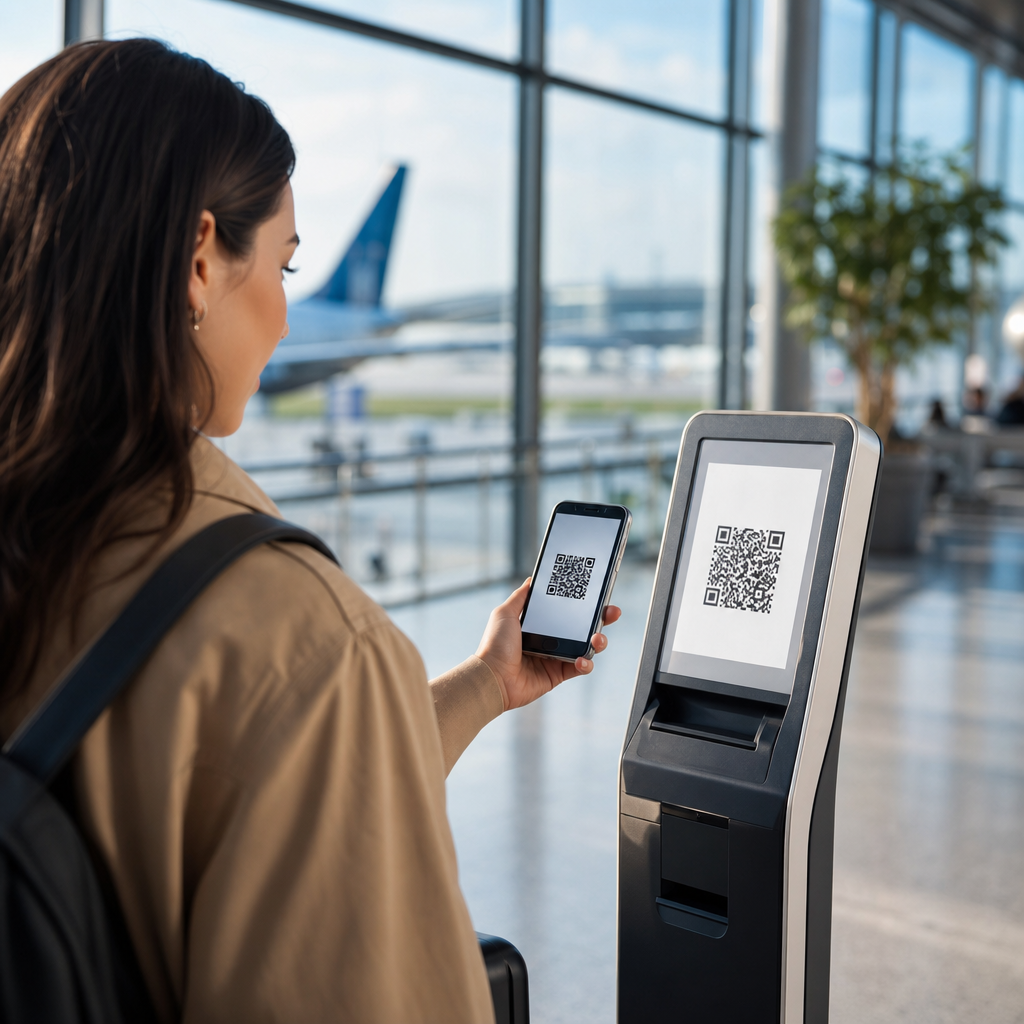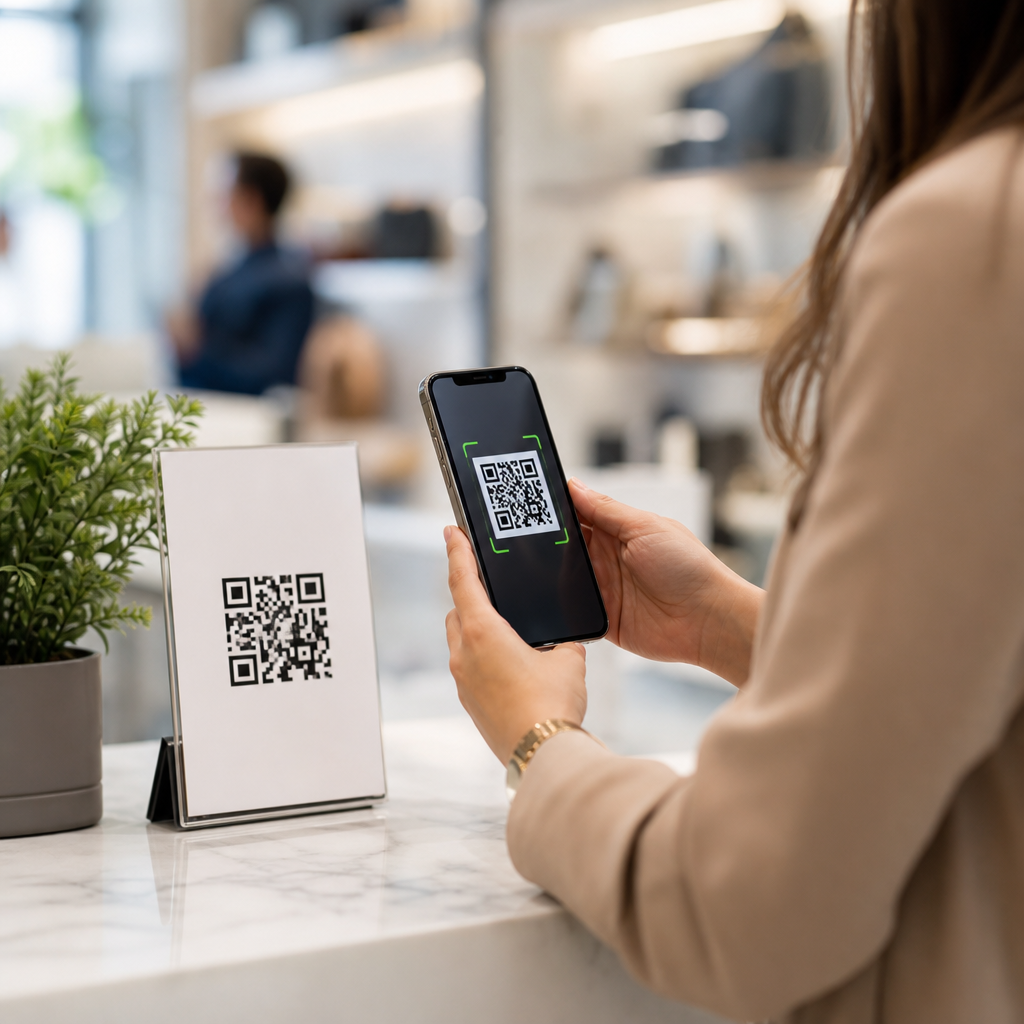
QR codes have moved from functional shortcuts to one of the most versatile engagement tools in modern marketing. A brand can place a scannable square on packaging, signage, direct mail, receipts, in-store displays, event badges, or video screens and send people instantly to content, commerce, support, or community. When marketers ask how brands use QR codes to drive engagement, they are really asking how to reduce friction between interest and action. The answer is simple: QR codes connect offline attention to digital behavior in one tap, and that connection creates measurable opportunities across the customer journey.
A successful QR code campaign is any campaign that uses a QR code with a clear user benefit, a strong destination experience, and a measurable business outcome. Engagement can mean scans, sign-ups, video views, app downloads, coupon redemptions, loyalty enrollments, product education, user-generated content, or repeat purchases. Dynamic QR codes matter here because they allow marketers to change the destination after printing, segment traffic by channel, and track performance with analytics. Static codes still have uses for permanent information such as Wi-Fi access or fixed contact details, but campaign work usually benefits from dynamic management.
I have seen the difference between average and high-performing QR code marketing come down to execution details more than design novelty. A code alone does not drive engagement. The offer, context, landing page speed, call to action, and placement do. Brands that treat the scan as the beginning of an experience outperform those that use QR codes as decorative add-ons. This hub explains successful QR code campaigns across retail, food and beverage, events, packaging, out-of-home media, and loyalty programs so marketers can understand what works, why it works, and how to build stronger campaigns from the start.
What Makes a QR Code Campaign Successful
Successful QR code campaigns share five characteristics: relevance, clarity, convenience, value, and measurement. Relevance means the code appears at a moment when the customer naturally wants more information or a next step. Clarity means the call to action answers the question, “Why should I scan?” Convenience means the landing experience loads quickly, is mobile-first, and removes unnecessary form fields. Value means the user gets something tangible, such as exclusive content, a discount, how-to guidance, loyalty points, or faster service. Measurement means the brand can attribute scans, conversions, and downstream revenue to the campaign.
Good examples are everywhere. A cosmetics brand can place QR codes on packaging that lead to shade-matching tutorials and ingredient explainers. A restaurant can print table tent codes that open menus, allergen details, and limited-time offers. A consumer electronics company can add setup videos and warranty registration to the unboxing flow. In each case, the scan solves an immediate problem. That practical utility is why campaigns perform. According to GS1 standards work and mobile adoption trends, consumers increasingly expect packaging and printed materials to provide digital access points, especially when product details exceed what fits on a label.
Brands also need to define engagement by objective. If the goal is awareness, scan volume and time on page may be primary. If the goal is conversion, track add-to-cart rate, redemption rate, or booked appointments. If the goal is retention, watch repeat scans, loyalty sign-ups, and first-party data capture. The strongest programs map one code placement to one intent. For example, a QR code on a product shelf should not send users to a generic homepage. It should open a product-specific page with reviews, price, availability, and a clear next action.
How Packaging Turns QR Codes Into Ongoing Customer Touchpoints
Packaging is one of the best places to use QR codes because it reaches customers at multiple high-intent moments: before purchase, during unboxing, at first use, and during reordering. Brands use packaging QR codes to extend limited physical space with digital content, and that makes products more helpful and more memorable. In food and beverage, brands often link to sourcing stories, recipes, nutrition details, and promotional sweepstakes. In beauty, codes can unlock tutorials, routines, and before-and-after examples. In home goods, they commonly open assembly help, care instructions, and reorder pages for replacement parts or consumables.
One reason packaging performs so well is persistence. A billboard is temporary, but a box or bottle stays in the home. That gives brands repeated opportunities for scans over time. I have seen household products gain higher repeat engagement when the code destination changes after launch. During the first month, the code may lead to onboarding tips. Later, the same dynamic code can switch to subscription offers, seasonal usage ideas, or referral incentives. This is a practical advantage of dynamic QR code infrastructure used by platforms such as Bitly, Flowcode, QR Code Generator Pro, and Beaconstac.
Packaging campaigns work best when they answer specific customer questions. Is this product authentic? How do I use it correctly? Where was it made? What should I buy next? A coffee brand, for example, can link each bag to origin information, roast notes, brew guides, and a review form. A supplement brand can link lot-specific packaging to testing details and usage instructions. These experiences build trust while collecting analytics that help brands understand product-level engagement. For a sub-pillar focused on successful QR code campaigns, packaging belongs at the center because it combines education, conversion, and retention in one channel.
Retail, Restaurants, and In-Store Engagement
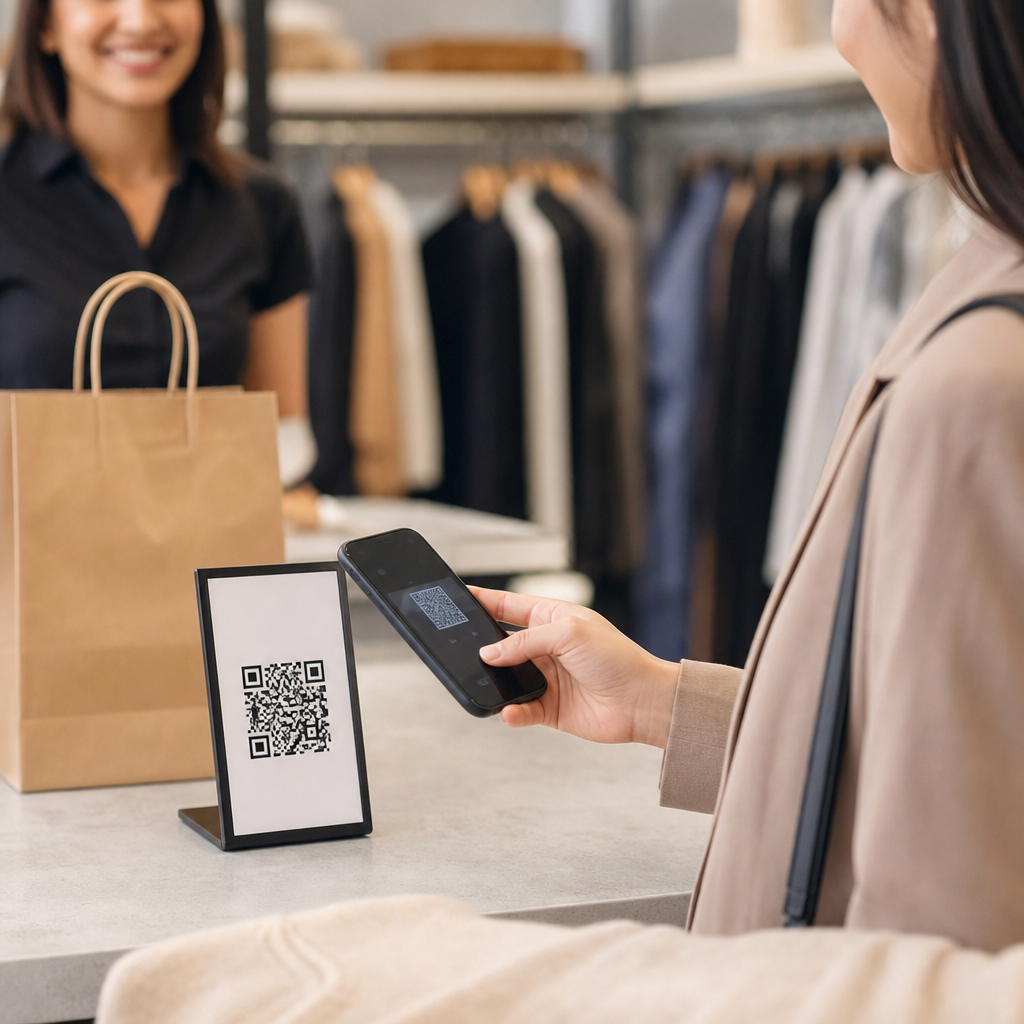
In-store QR code campaigns succeed when they improve decision-making or reduce waiting. Retailers place codes on shelf talkers, endcaps, fitting room signage, and receipts to connect physical browsing with digital proof points. A furniture retailer can add a code beside a sofa display that opens dimensions, fabric options, augmented visualization, financing details, and local inventory. That keeps the shopper moving instead of hunting for assistance. Grocery stores can use shelf-edge codes for recipes, coupons, and dietary filters, helping shoppers convert intent into basket additions.
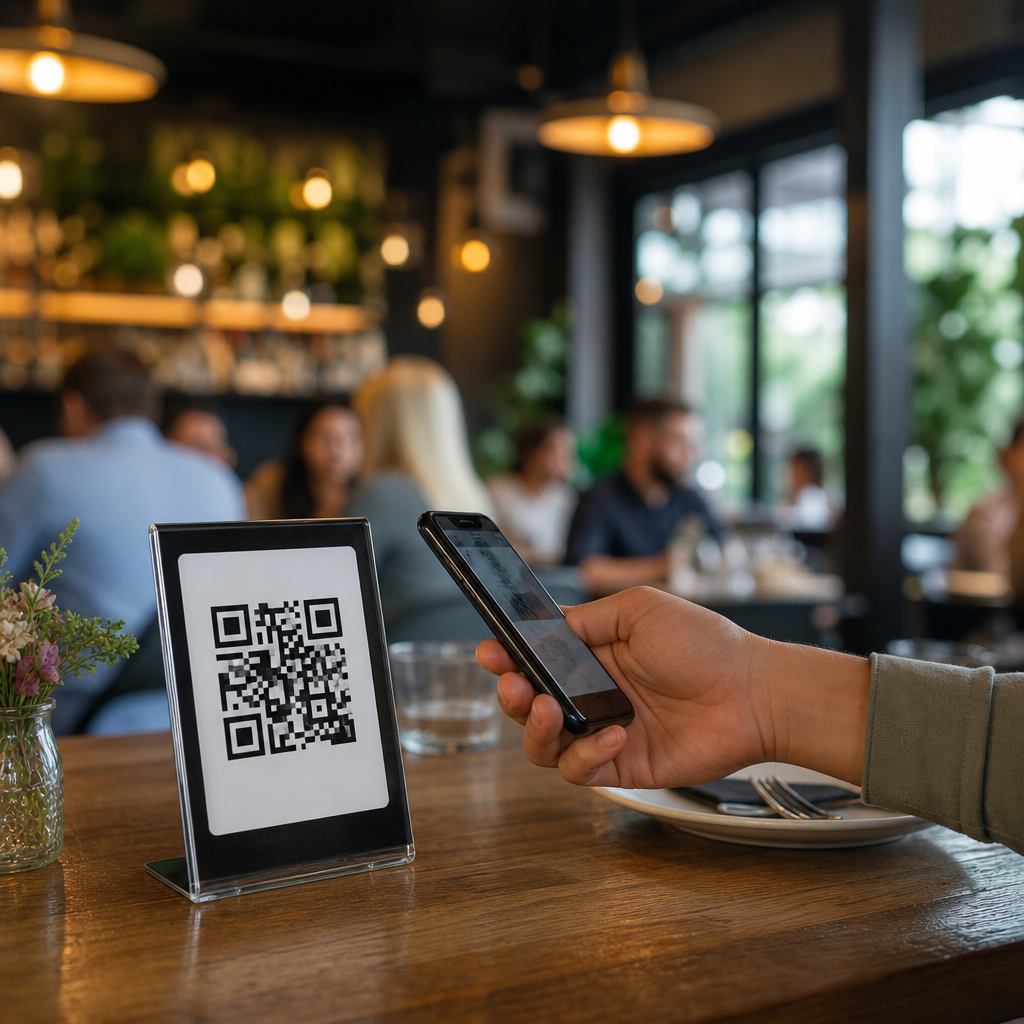
Restaurants and quick-service brands have used QR codes for menu access, loyalty enrollment, tabletop ordering, and limited-time promotions, but the most effective campaigns go further than replacing printed menus. They use the scan to personalize the experience. A diner who scans a dessert code after the meal is showing different intent than someone who scans at the host stand. The destination should reflect that. Late-funnel scans can emphasize rewards, upsells, or feedback requests. Early scans can focus on menu discovery, waitlist joining, or nutrition information. Context improves conversion because it respects user intent.
Receipts are another underused engagement surface. A QR code printed on a receipt can invite a post-purchase review, offer setup help, trigger loyalty enrollment, or deliver a bounce-back coupon valid within seven days. This works especially well for specialty retail, where the buying decision continues after the transaction. Sports stores can link to training plans for purchased equipment. Pet brands can link to care guides. Electronics retailers can route customers to setup videos and service booking. These are not gimmicks; they are service enhancements that increase satisfaction while giving the brand attributed behavioral data.
Events, Out-of-Home Media, and Cross-Channel Attribution
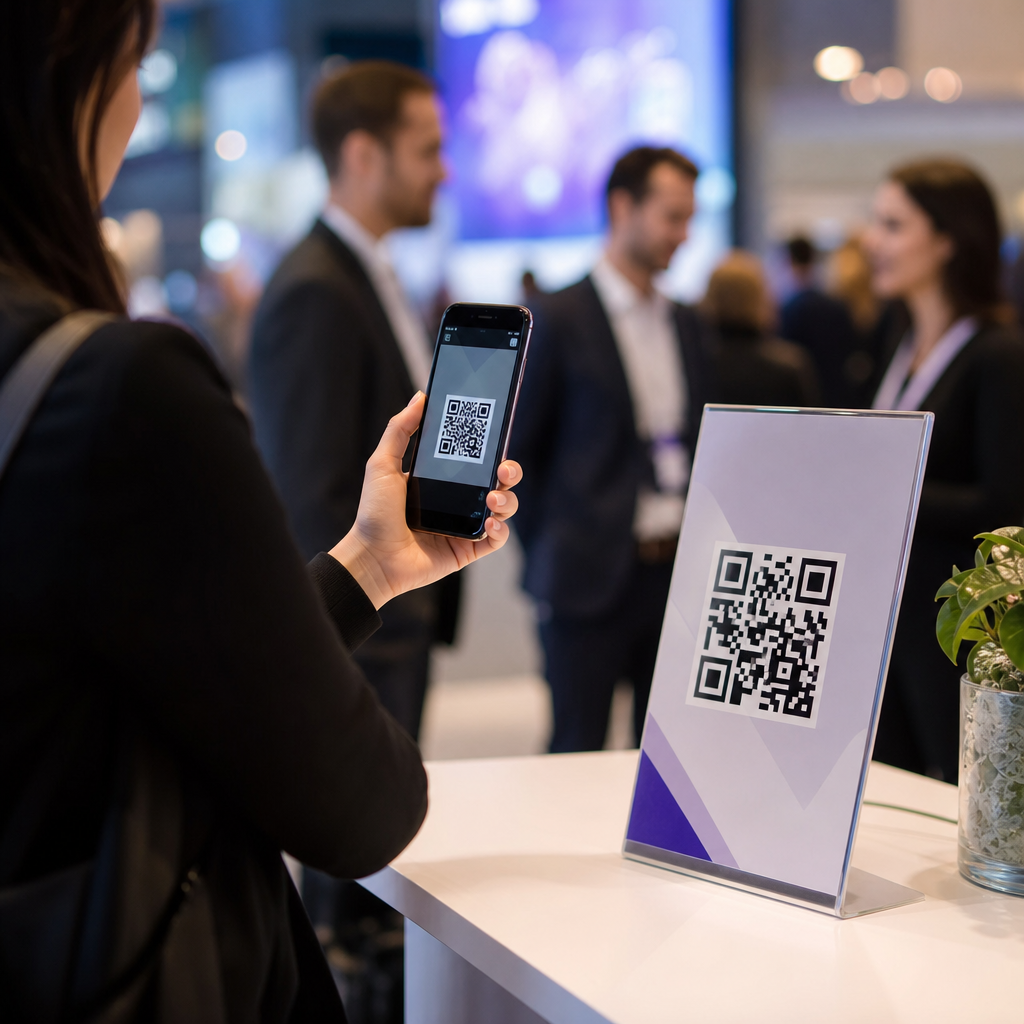
QR codes are especially powerful in environments where attention is limited and immediate action matters. At conferences, festivals, and trade shows, brands use codes on badges, booth graphics, stage screens, and handouts to capture leads, distribute schedules, unlock demos, and collect feedback. The advantage is speed. A visitor can move from seeing a product to booking a follow-up in seconds. In my experience, event teams get better results when every code is unique to a placement, because attribution then reveals which booth zone, session, or sponsor asset drove the most qualified scans.
Out-of-home advertising has also changed because mobile behavior changed. People now expect to scan posters, transit ads, window displays, and digital billboards for immediate action. The destination should match the moment. A commuter scanning a station ad might respond to a map, a limited-time coupon, or a fast product finder, but not to a long brand video. Luxury brands have used storefront QR codes to extend after-hours browsing into appointment booking. Entertainment campaigns often use teaser posters with codes leading to trailers, countdown pages, or interactive reveals. The common thread is low-friction curiosity capture.
Cross-channel attribution is where these campaigns become strategically valuable. By using UTM parameters, device analytics, and platform-level reporting, marketers can compare scan rates by location, creative, and time of day. That means a brand can learn whether a mall poster outperformed a bus shelter, whether a trade show handout beat a booth wall, or whether a weekend scan generated higher purchase intent than a weekday scan. This level of measurement helps justify spend and refine creative choices in future campaigns.
| Channel | Common QR Code Goal | Best Destination | Key Metric |
|---|---|---|---|
| Packaging | Education and repeat purchase | How-to page, reorder page, product story | Repeat scans, conversion rate |
| Retail signage | Purchase confidence | Product detail page with reviews and inventory | Add-to-cart, assisted sales |
| Restaurant tables | Faster ordering and upsells | Menu, loyalty sign-up, offer page | Average order value, enrollments |
| Events | Lead capture | Booking form, demo page, downloadable asset | Qualified leads, meetings booked |
| Out-of-home ads | Immediate response | Coupon, locator, trailer, appointment page | Scan-through rate, landing page completion |
Loyalty, First-Party Data, and Personalized Journeys
One of the most important reasons brands use QR codes to drive engagement is first-party data capture. Browser changes, privacy expectations, and rising acquisition costs have made owned customer relationships more valuable. QR codes can support that shift when they lead users into consent-based sign-ups, loyalty programs, SMS lists, or app experiences. The key is to offer a clear exchange of value. Consumers will share an email address or phone number when they receive something useful in return, such as rewards points, exclusive access, personalized recommendations, or easier reordering.
Loyalty campaigns work best when the scan is embedded in routine behavior. Coffee shops can put a code on cups and counter cards to enroll customers in rewards. Apparel brands can place codes on hangtags that unlock style guidance and member discounts. Consumer packaged goods brands can print codes inside packaging to register purchases and accumulate points over time. This approach reduces friction because the entry point is already in the customer’s hand. When the loyalty flow includes progressive profiling instead of long forms, completion rates improve and customer data quality usually increases.
Personalization can begin with something as simple as source-aware routing. A code on premium packaging can open a different experience than the same campaign shown on an in-store display. Returning visitors can see reorder prompts, while new visitors see education content first. More advanced teams connect scan events to customer relationship management systems such as HubSpot, Salesforce, or Klaviyo, allowing follow-up sequences based on product interest or campaign source. This is where successful QR code campaigns stop being isolated tactics and become part of a broader lifecycle marketing system.
Common Mistakes and the Campaign Practices That Actually Work
The most common QR code mistake is sending every scan to the homepage. That wastes intent. If a customer scans a code on a cereal box, they should not have to hunt for recipes or nutrition details. The second mistake is using a vague call to action such as “Scan me.” Specific language performs better: “Scan for assembly video,” “Scan for 15% off,” or “Scan to see ingredients and reviews.” The third mistake is ignoring mobile landing page performance. Google research has long shown that mobile users abandon slow pages quickly, so compressed assets, clean layouts, and minimal fields are essential.
Design choices matter too. A QR code should have strong contrast, adequate quiet zone space, and enough physical size for the scanning distance. Tiny codes on glossy curved packaging often fail in real conditions. So do codes placed where users cannot easily stop, such as on fast-moving digital signage with no time to respond. Testing should happen on multiple devices, under different lighting conditions, and across operating systems. Marketers should also add fallback cues such as short URLs, because not every camera app or environment performs the same way.
The campaigns that actually work are disciplined. They use one goal per placement, one audience promise per creative, and one landing page aligned to user intent. They track scans, completions, and downstream conversion rather than celebrating scan volume alone. They refresh offers over time, especially on packaging and in-store materials that remain visible for months. And they connect campaign learnings across channels. A brand that sees high engagement on tutorial content from packaging can reuse that insight in retail signage, email flows, and support content, compounding the value of each test.
What Brands Should Do Next
Brands that want stronger customer engagement should treat QR codes as journey connectors, not just scannable graphics. The best results come when every code serves a clear purpose, appears in the right context, and opens a mobile experience designed for immediate action. Packaging can educate and drive repeat purchase. Stores and restaurants can reduce friction and increase conversion. Events and out-of-home placements can capture demand in the moment. Loyalty programs can turn scans into lasting first-party relationships. Across all of these use cases, the principle is consistent: make the next step easier and more valuable than doing nothing.
As a hub for successful QR code campaigns, this topic should guide planning as much as inspiration. Start by choosing one high-intent touchpoint, such as packaging, shelf signage, receipts, or event materials. Use a dynamic QR code, define the user benefit in plain language, build a dedicated landing page, and measure the full path from scan to outcome. Then expand based on evidence. The brands that win with QR code marketing are not the ones with the flashiest artwork. They are the ones that remove friction, answer customer questions quickly, and keep optimizing every scan into a better experience.
If you are building a campaign now, audit every existing QR code your brand uses. Check where it appears, what promise it makes, where it lands, how fast it loads, and whether it creates measurable value. Fix the weakest links first, then test one improved campaign with clear attribution. That is the fastest route to more engagement, better customer insight, and stronger performance from every physical and digital touchpoint.
Frequently Asked Questions
How do brands use QR codes to drive customer engagement across different marketing channels?
Brands use QR codes as a fast, low-friction bridge between physical touchpoints and digital experiences. Instead of asking customers to remember a website, search for a product, or manually type in a long URL, a QR code lets them move from interest to action in seconds. That simple shift matters because engagement often drops when there are too many steps between attention and response. By placing QR codes on product packaging, retail displays, print ads, direct mail, receipts, menus, event signage, window decals, and even video screens, brands create immediate opportunities for people to interact when curiosity is highest.
In practice, the destination behind the code can vary based on the goal of the campaign. A consumer brand might link to product tutorials, ingredient sourcing information, loyalty signups, customer reviews, or limited-time offers. A retailer may use QR codes to connect shoppers to mobile checkout, store maps, personalized discounts, or extended online inventory when something is out of stock on the shelf. At events, brands often use them for agenda access, speaker bios, giveaways, lead capture forms, or social media participation. Service-based businesses may direct users to appointment scheduling, support resources, FAQs, or account portals. In every case, the QR code works because it removes delay and gives the audience a clear next step in the moment they are already engaged.
The strongest strategies treat QR codes as part of a broader customer journey, not as a novelty. Brands get better results when the code is supported by context, such as a clear call to action, a visible benefit, and a mobile-friendly landing page that matches the promise made at the point of scan. When done well, QR codes do more than generate clicks. They create measurable engagement, help connect offline media to online behavior, and make campaigns easier to personalize, optimize, and scale.
What makes QR codes effective for reducing friction between customer interest and action?
The main reason QR codes are so effective is that they simplify decision-making and remove unnecessary effort. In marketing, every extra step creates an opportunity for abandonment. If a person has to open a browser, search for a brand, choose the right result, and then navigate to the relevant page, many will lose interest before they complete the action. A QR code compresses that journey into a single scan, which makes it much easier for brands to capture intent while it is still fresh.
This reduction in friction is especially valuable in environments where attention spans are short and distractions are everywhere. In a store aisle, on a trade show floor, while opening a package, or when reading a postcard, consumers are not looking for complexity. They respond to convenience. QR codes provide that convenience by making information, offers, support, or purchasing options instantly accessible. A shopper can scan to compare products, watch a demo, redeem a promotion, or complete a purchase without leaving the moment. That convenience does not just improve usability; it directly supports stronger engagement and conversion.
QR codes also work well because they fit naturally into mobile behavior. People already use their phones as research tools, shopping devices, cameras, wallets, and communication hubs. Scanning a code feels like an intuitive extension of those habits. For brands, that means QR codes can serve as a practical way to connect offline attention to mobile-first action. The most effective campaigns reinforce that ease by pairing the code with specific language such as “Scan to watch,” “Scan for 10% off,” or “Scan to join.” When the value is obvious and the destination is immediate, the path from awareness to engagement becomes much more efficient.
Where should brands place QR codes to get the highest engagement?
High-performing QR code placement starts with context. Brands tend to get the best engagement when codes appear in places where customers are already pausing, evaluating, waiting, or making a decision. Packaging is one of the strongest examples because it reaches people at multiple stages: during product consideration, at the point of purchase, and after the sale. A code on packaging can support onboarding, how-to content, subscription programs, reviews, cross-sells, and loyalty experiences long after the initial transaction. In-store displays, shelf talkers, end caps, and fitting rooms are also effective because they catch attention during active shopping moments.
Beyond retail, direct mail remains a powerful placement because it combines physical presence with digital follow-through. A postcard or catalog can use a QR code to drive recipients to a personalized landing page, appointment scheduler, product configurator, or promotional offer. Event materials are another strong use case. QR codes on badges, booth signage, handouts, and screens can help attendees access schedules, demos, lead forms, downloadable content, and social activations. Restaurants and hospitality brands often place them on menus, tables, receipts, room materials, and window signage to streamline ordering, feedback collection, loyalty enrollment, and upselling.
The key is not simply visibility but timing and relevance. A QR code should appear where the customer has a natural reason to want more information or a quick next step. It should also be easy to scan, large enough to notice, and paired with a compelling prompt that explains why the scan is worth doing. Brands that place QR codes strategically rather than generically usually see stronger results because they align the code with real user intent. Good placement turns the code into a helpful interaction point instead of a disconnected design element.
What types of content should a QR code link to if a brand wants stronger engagement?
The best QR code destinations are the ones that deliver immediate value and match the customer’s intent in that specific moment. If someone scans a code on packaging, they may want setup help, product education, care instructions, or proof that they made a smart purchase. If they scan from a storefront or display, they may be looking for pricing, availability, reviews, or a quick way to buy. Because of that, there is no single ideal destination for every QR code. The strongest choice depends on where the code appears, what the customer is doing, and what action the brand wants to encourage next.
That said, some content formats consistently perform well. Product videos, interactive demos, tutorials, FAQs, comparison guides, and customer reviews can build confidence and keep users engaged longer. Promotional landing pages with exclusive discounts, limited-time bundles, or loyalty rewards are effective when the goal is conversion. Brands focused on relationship-building often link QR codes to community experiences such as membership signups, social campaigns, referral programs, user-generated content submissions, or newsletter subscriptions. Support-oriented use cases can include warranty registration, troubleshooting content, live chat access, or service request forms. Event and experiential campaigns may point to polls, contests, schedules, digital brochures, or immersive branded content.
What matters most is that the destination feels useful, fast, and relevant. A generic homepage is often a missed opportunity because it forces users to keep searching after they scan. A dedicated landing page usually works better because it continues the story started by the physical touchpoint and makes the next action obvious. Brands also benefit from tailoring content by audience segment, location, product line, or campaign objective. When the scan leads to a well-designed mobile experience with a clear purpose, engagement becomes more meaningful and more measurable.
How can brands measure whether their QR code campaigns are actually increasing engagement?
Brands can measure QR code performance by treating each code as a trackable campaign asset rather than a static image. The most basic metric is scan volume, which shows how often people interact with the code. But stronger measurement goes beyond raw scans to evaluate what users do after they arrive. That includes click-through behavior, time on page, video views, form completions, purchases, app downloads, coupon redemptions, loyalty signups, repeat visits, and other actions tied to the campaign goal. Looking at post-scan behavior is essential because a high number of scans does not always mean meaningful engagement if users leave immediately or fail to convert.
Brands also gain valuable insight by comparing performance across placement types, channels, creative treatments, and audience segments. For example, a company might test the same offer on packaging, receipts, and direct mail to see which context produces the strongest response. It can also compare scan rates by store location, product category, event type, or time period. Dynamic QR codes are especially useful because they allow marketers to update destinations without changing printed materials, while also enabling better analytics and campaign flexibility. UTM parameters, analytics platforms, customer relationship management systems, and conversion tracking tools help connect scan activity to downstream business outcomes.
To evaluate true engagement impact, brands should define success before launch. If the purpose is education, metrics like content completion and return visits may matter more than immediate sales. If the purpose is commerce, cart adds, checkout completion, and revenue attribution become more important. If the campaign supports customer retention, loyalty enrollments and repeat interactions may be the clearest signals. The most effective brands use QR code data not just to report results but to optimize future campaigns. They refine placement, messaging, incentives, and landing page experiences based on what the numbers reveal. That is where QR codes become more than a convenience tool and start functioning as a measurable engagement engine.