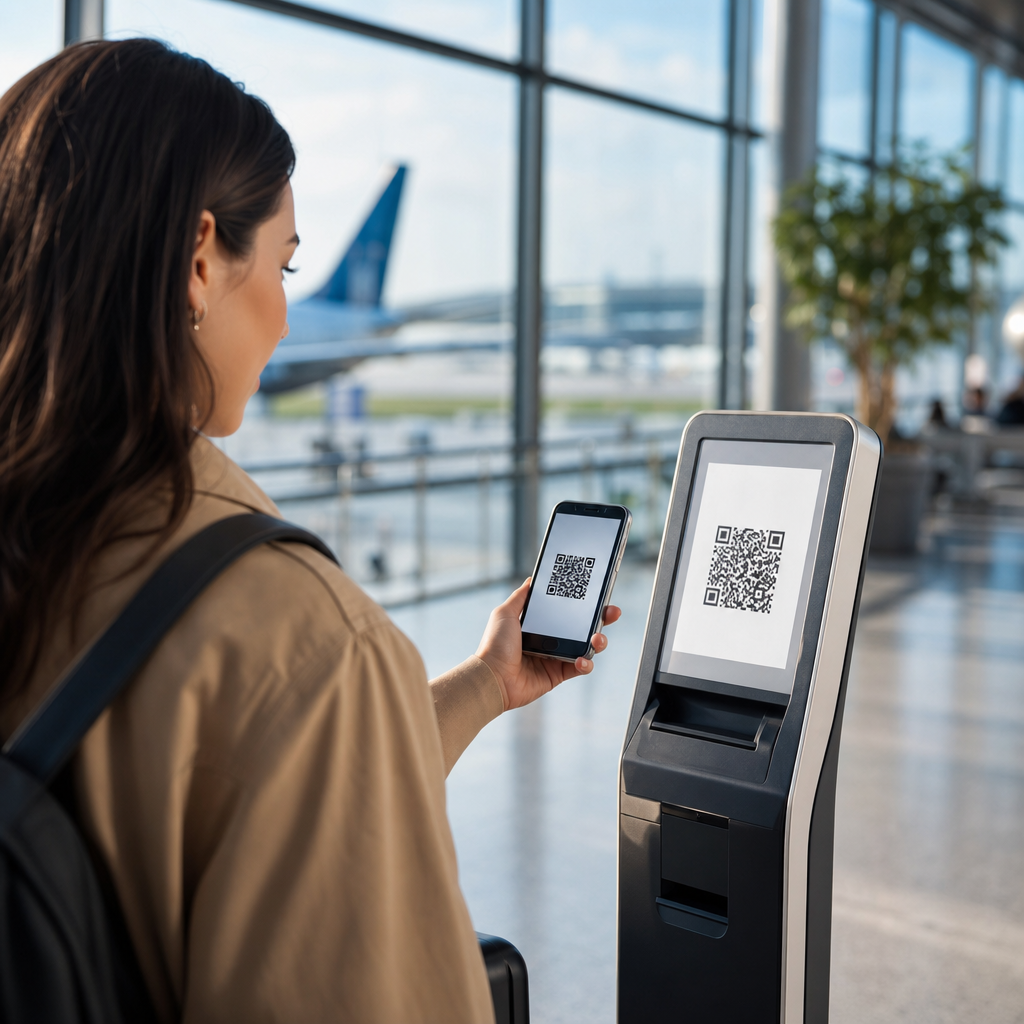
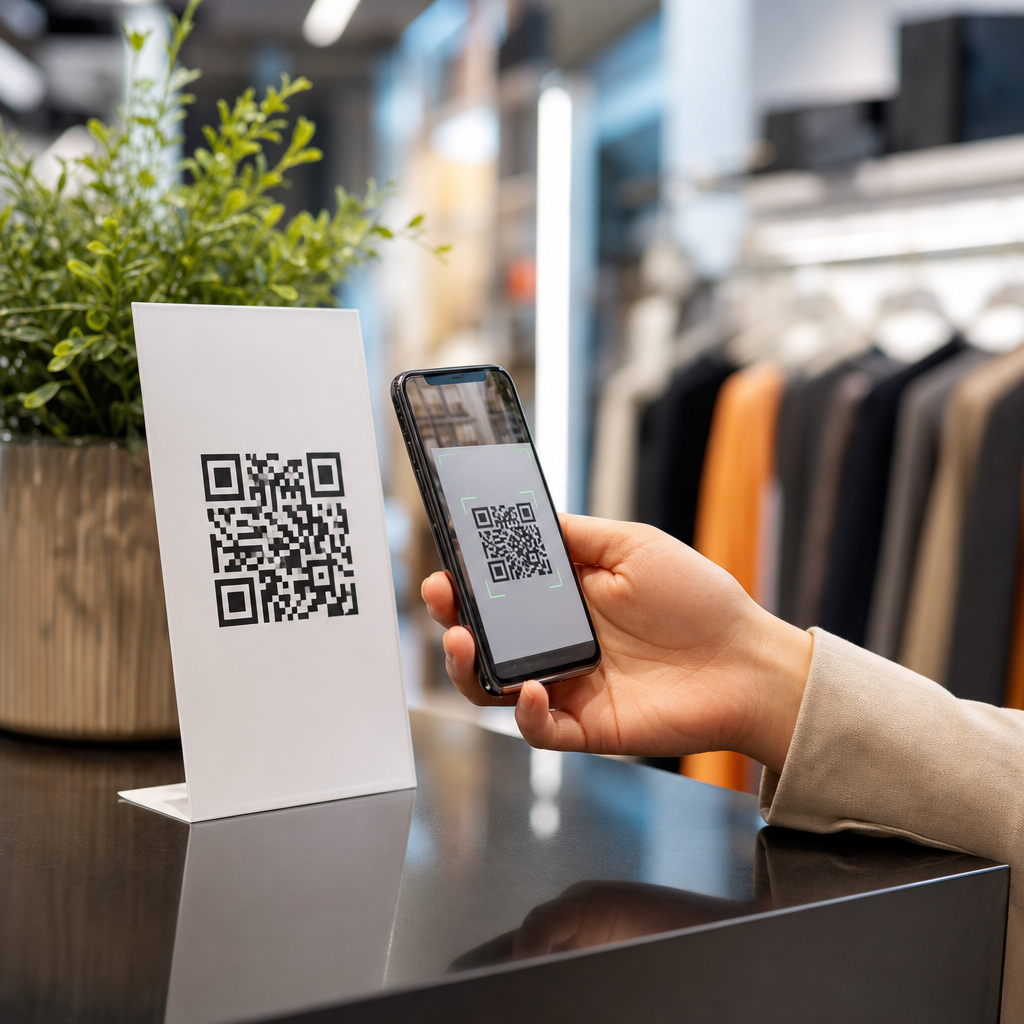
Best QR code marketing campaigns in 2026 prove that the format has moved far beyond simple web links and become a measurable bridge between physical attention and digital action. A QR code is a scannable matrix barcode that sends a user to a destination such as a landing page, app download, payment screen, coupon, video, form, or augmented reality experience. In marketing, successful QR code campaigns use that bridge deliberately: they reduce friction, capture intent at the exact moment of interest, and connect offline placements with first-party data, conversion tracking, and personalized follow-up.
I have worked on QR campaigns for retail, events, packaging, and out-of-home media, and the pattern is consistent. The best results come from pairing a clear reason to scan with a fast, mobile-first experience after the scan. Brands that simply place a code on a poster and hope for curiosity usually underperform. Brands that answer the user’s immediate question—What do I get, how long will it take, and can I trust this?—generate stronger scan-through rates, better attribution, and higher downstream revenue.
This matters more in 2026 because consumer behavior and privacy rules have changed how campaigns are measured. Third-party cookies remain unreliable, paid media costs are volatile, and marketers need durable ways to connect physical media to owned channels. QR codes help solve that problem. They turn packaging, direct mail, displays, receipts, menus, product tags, and even connected TV screens into response media. They also fit naturally with loyalty programs, digital wallets, social contests, lead capture, and location-based offers. For a hub focused on successful QR code campaigns, the key is not only inspiration but pattern recognition: what separates gimmicks from repeatable performance.
The strongest campaigns in 2026 share several traits. They use dynamic QR codes rather than static ones, so destinations can be updated without reprinting assets. They attach UTM parameters and analytics events, often through Google Analytics 4, Adobe Analytics, or CRM integrations like HubSpot and Salesforce. They optimize page speed because a slow landing page destroys scan intent. They design for accessibility with adequate contrast, sufficient quiet zone, and concise instructions. Most importantly, they align the code with a specific job: redeem an offer, authenticate a product, unlock content, join a list, make a payment, or continue a story. When that job is obvious, QR code marketing becomes practical, not novel.
What Makes a QR Code Campaign Successful in 2026
A successful QR code campaign in 2026 is defined by outcome quality, not by scan volume alone. Scans matter, but smart teams look deeper at unique scans, repeat scans, bounce rate, form completion, revenue per scan, assisted conversions, and retention after first engagement. If 20,000 people scan a code on transit ads but only 0.3 percent convert, the campaign may be less effective than a packaging program that generates 2,000 scans with a 12 percent repeat purchase rate. The best QR code marketing campaigns are built around conversion design and measurement discipline.
In practice, success starts with context. A commuter sees a QR code on a subway platform for only a few seconds, so the offer must be immediate and the landing page must load almost instantly. A shopper holding a product has more attention and may accept richer content such as ingredient transparency, tutorials, or reviews. An event attendee may be ready to join a waitlist, download slides, or network. The campaign succeeds when the post-scan experience matches the user’s available time and intent. That is why good marketers build separate destinations for out-of-home, packaging, in-store, and direct mail rather than reusing one generic page.
Trust is another deciding factor. People scan more often when the CTA explains the destination plainly: “Scan to see price drops,” “Scan to verify product authenticity,” or “Scan for 20% off today.” Generic instructions like “Scan me” are weak because they force the user to guess. I have repeatedly seen scan rates improve after replacing novelty language with a concrete benefit. Security also matters. Brands should use recognizable branded domains or custom short links, HTTPS pages, and clear privacy language when collecting data. In higher-risk categories such as finance, healthcare, and ticketing, trust signals are not optional.
Finally, successful QR code campaigns account for operational detail. Codes must be tested across iOS and Android cameras, different screen brightness settings, and varied printing surfaces. Placement height, glare, distance, and minimum code size affect scanability. For out-of-home, the common rule is simple: the farther the viewer stands, the larger the code must be. Teams that treat QR as a serious performance channel—creative, analytics, QA, and compliance included—consistently outperform those that treat it as a design afterthought.
Best QR Code Marketing Campaigns by Use Case
The best QR code marketing campaigns in 2026 cluster around a handful of use cases because each use case solves a concrete customer problem. Retail packaging campaigns are among the strongest performers. Beauty and food brands use package codes to deliver tutorials, sourcing details, allergy information, loyalty enrollment, and replenishment offers. A skincare brand, for example, can place a code on the carton that opens a mobile skin routine quiz, then recommends products and captures an email for reorder reminders. The code becomes both a service layer and a retention asset.
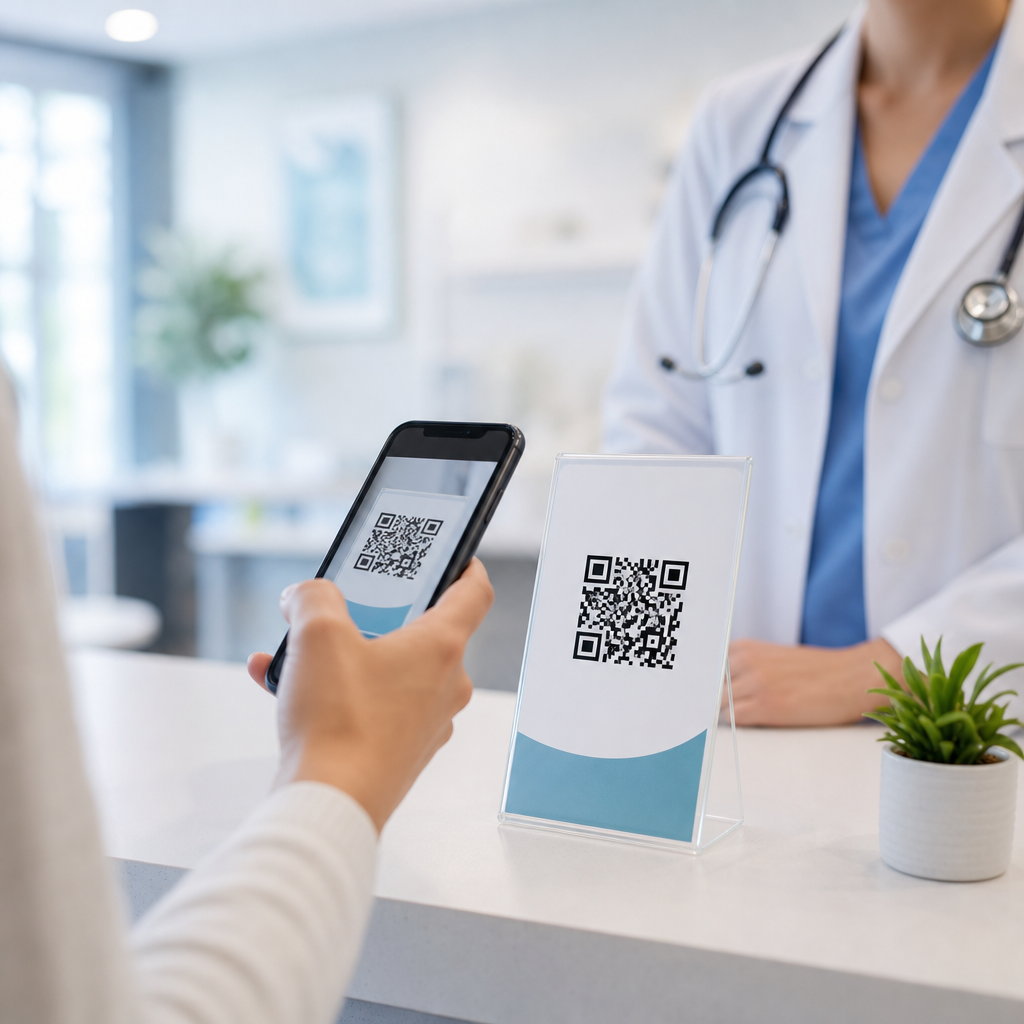
Direct mail has also made a comeback because QR codes remove typing friction. Financial services firms, home services providers, and healthcare networks use personalized mailers with dynamic codes that route recipients to prefilled forms or appointment booking pages. In one home improvement campaign model, each mail segment receives a unique destination with region-specific offers, so scan data can be tied back to creative version, zip code, and sales outcome. That level of attribution is hard to achieve with print alone and far more useful than vanity metrics.
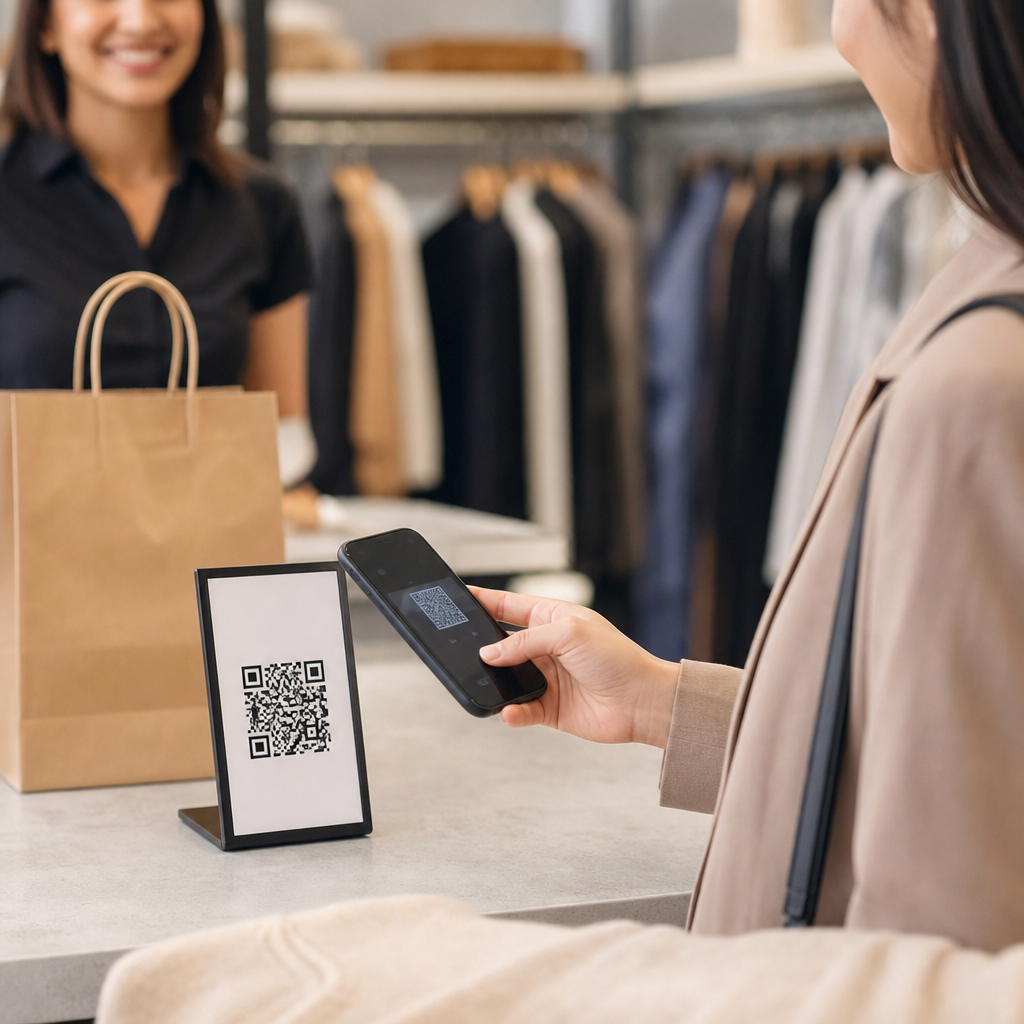
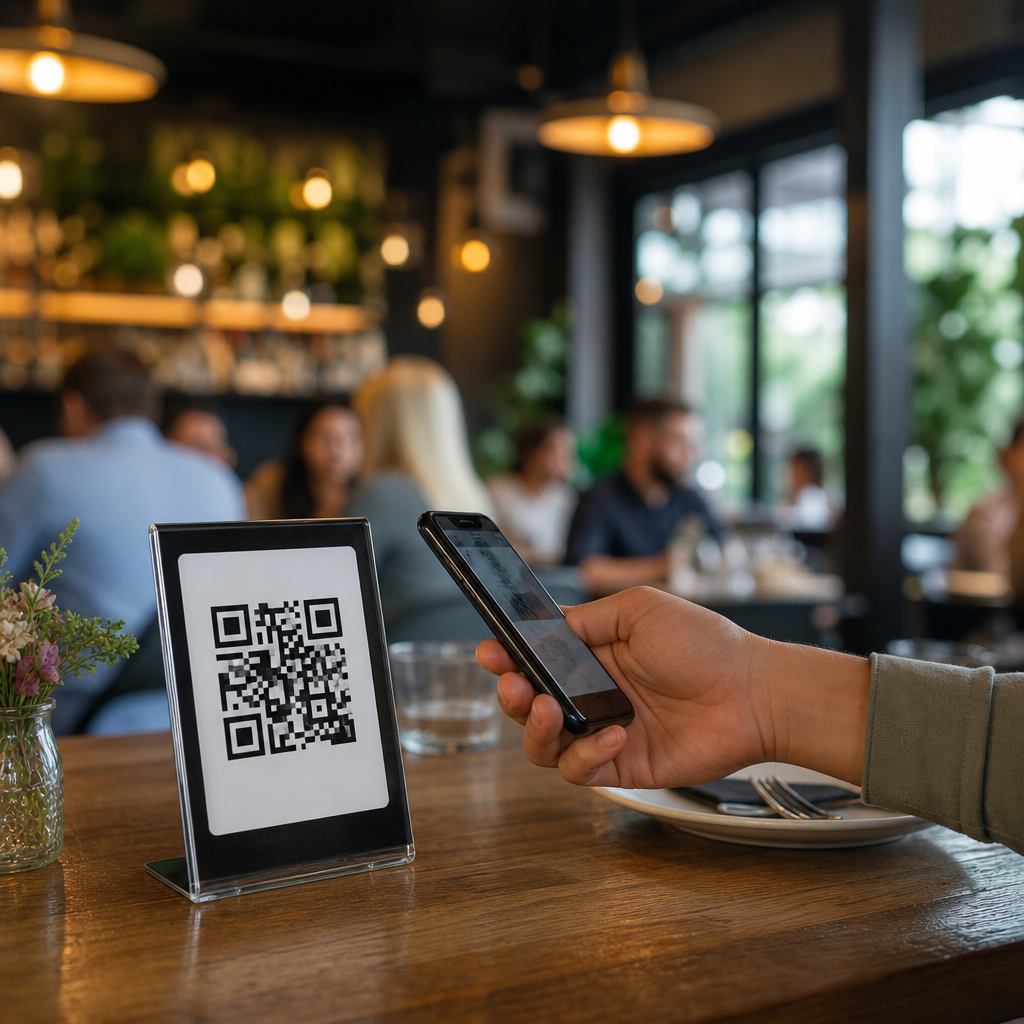
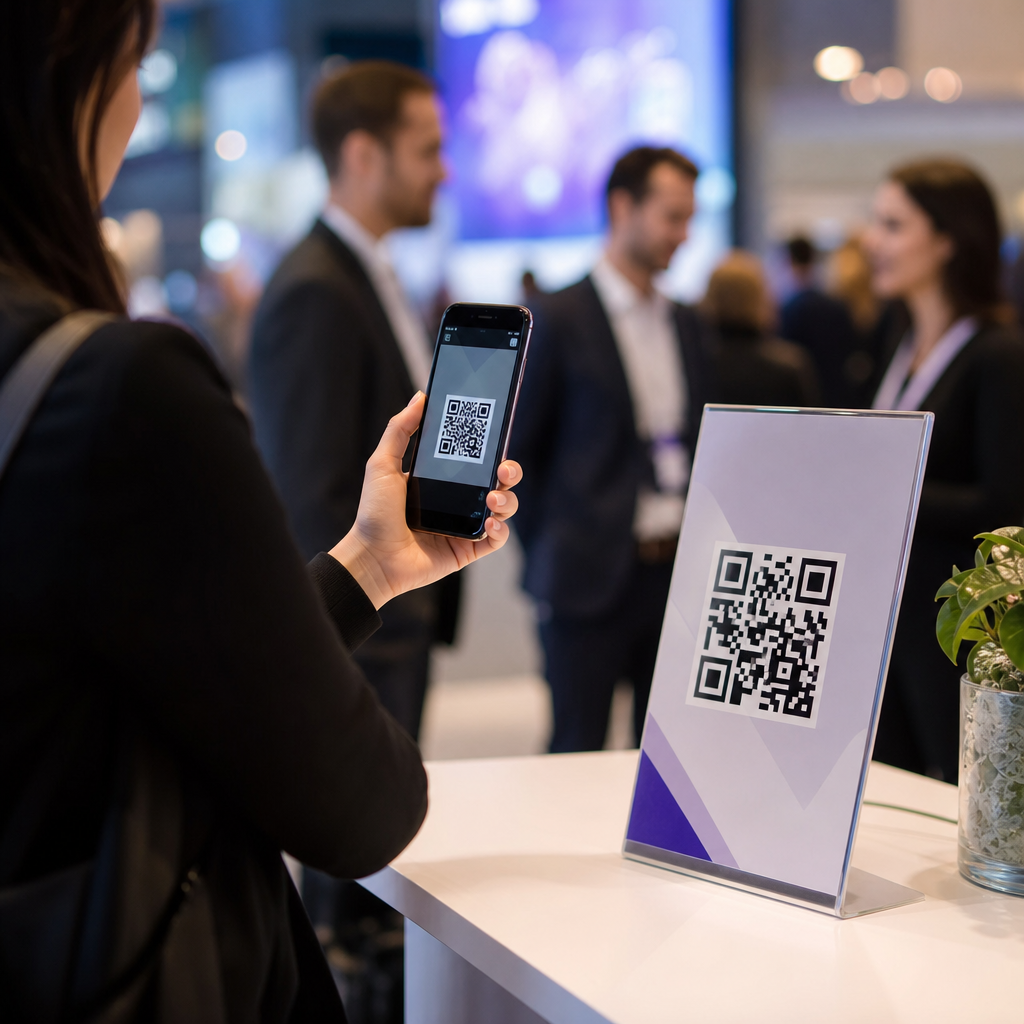
Out-of-home and retail signage campaigns succeed when urgency is built into the offer. Limited-time discounts, store locator actions, mobile wallet coupons, and “reserve now, pick up today” flows work especially well. Restaurants and quick-service chains continue to use QR for menus, but the more advanced programs layer on loyalty points, upsell bundles, and instant feedback prompts after purchase. Events and conferences rely on QR codes for registration, session downloads, lead capture, contact exchange, and sponsor activation. Here the strongest campaigns reduce queue time while preserving accurate attendee tracking.
Connected TV and live streaming have become a major growth area. Brands now place on-screen QR codes during commercials, sports broadcasts, and creator content to shorten the path from awareness to action. This works best when the destination is simple: claim an offer, enter a sweepstakes, or buy the featured product. Because viewers often scan from the couch, the mobile page must support one-handed use and minimal typing. Consumer packaged goods brands are also using QR for product authentication and anti-counterfeit verification, especially in supplements, cosmetics, and luxury accessories, where trust and provenance directly influence purchase decisions.
| Use Case | Primary Goal | Best CTA | Key Metric |
|---|---|---|---|
| Packaging | Education and retention | Scan for how-to and rewards | Repeat purchase rate |
| Direct mail | Lead generation | Scan for your personalized quote | Qualified leads per segment |
| Out-of-home | Immediate action | Scan for today’s offer | Unique scans to conversion |
| Events | Registration and engagement | Scan to get slides and connect | Attendee completion rate |
| CTV | Response from awareness media | Scan to shop now | Cost per acquisition |
Real-World Patterns Behind High-Performing Campaigns
Across successful QR code campaigns, several repeatable patterns stand out. First, incentive and relevance beat creativity alone. A beautifully designed code with no clear value loses to a plain design tied to a meaningful benefit. Second, dynamic routing improves performance over time. Teams can test different destinations, update inventory status, pause broken pages, and localize by device, language, or geography without changing the printed code. Third, campaigns perform better when the scan is the shortest path to completion. If users must pinch, zoom, wait, and complete long forms, response drops quickly.
One common winning structure is a three-step flow: promise, scan, reward. The promise is visible before the scan and names the benefit in plain language. The scan opens a destination tailored to the placement. The reward arrives quickly, whether that is a discount code, video, booking slot, loyalty enrollment, or product information. When I audit underperforming campaigns, the missing piece is often the reward speed. Marketers ask for too much information before giving the user anything useful. Reducing form fields from six to three or moving account creation after the first value moment often lifts completion rates significantly.
Another pattern is channel integration. The best campaigns do not end at the landing page. They feed CRM records, trigger email or SMS workflows, support retargeting where consent permits, and synchronize with in-store redemption systems. A retailer might use a QR code on shelf talkers that opens product comparisons, then sends a saved cart reminder if the shopper opts in. A B2B exhibitor might use booth codes to deliver spec sheets and push leads directly into Salesforce with campaign source data attached. The QR code is effective because it is embedded in a larger operating system, not because the code itself is magical.
Creative execution matters too. Error correction level, contrast, logo placement, and surrounding whitespace all affect readability. Custom branded codes can improve trust, but overdesigned codes often fail in real conditions. The reliable approach is to brand lightly, test heavily, and prioritize function. Short instruction text near the code usually helps. So does directional design that guides the eye toward the code without overpowering the CTA. These are small decisions, but they separate campaigns that look modern from campaigns that actually produce measurable business results.
How to Build a QR Code Campaign That Actually Converts
Start with the action you want after the scan and work backward. If the goal is email capture, build a page that explains the value exchange and requests only essential fields. If the goal is purchase, send users to a product page with preselected variants, fast checkout options, and mobile wallet support. If the goal is education, use concise video, comparison charts, FAQs, and testimonials above the fold. Every extra click after the scan creates leakage. The best QR code marketing campaigns minimize that leakage through ruthless simplification.
Choose dynamic QR code software that supports redirects, analytics, expiration rules, password protection when needed, and bulk management. Established options include Bitly, QR Code Generator Pro, Uniqode, Beaconstac, and Flowcode. For enterprise programs, governance matters as much as features. Teams need naming conventions, ownership, destination review, and archival processes so links do not break after campaigns end or staff changes occur. I recommend creating a QR inventory with placement, live URL, UTM structure, launch date, and success KPI. That single operational document prevents many avoidable failures.
Measurement should be designed before launch. Use UTMs consistently, define events in Google Analytics 4, and connect post-scan behavior to business outcomes inside your CRM or commerce platform. Distinguish unique from total scans, and segment by placement, geography, creative, and device. If redemption happens offline, train staff to ask for the code or use POS-level coupon identifiers. Run A/B tests on CTA language, incentive value, landing page format, and time-to-value. Even mature programs often find easy gains by changing the headline or reducing page weight. Core Web Vitals still matter because scan intent is fragile.
Compliance and accessibility should be built in, not patched on. If you collect personal data, provide clear consent language and honor regional privacy requirements. If the campaign targets regulated products or financial offers, route copy through legal review early. Ensure sufficient color contrast, use readable font sizes, and never rely on color alone to explain the action. Include a fallback short URL for users whose camera or environment makes scanning difficult. These details may feel procedural, but in practice they improve both reach and trust.
Trends Shaping Successful QR Code Campaigns This Year
Several 2026 trends are raising the standard for successful QR code campaigns. The first is the shift from one-size-fits-all destinations to adaptive landing experiences. Marketers increasingly tailor the destination by location, time, product inventory, weather, and customer segment. A beverage brand can show a summer promotion in warm regions and a recipe page in colder markets using the same printed code. That flexibility improves relevance without increasing production complexity.
The second trend is first-party data capture with immediate utility. Consumers are more willing to share information when the return is clear and instant, such as order tracking, receipts, warranty registration, exclusive content, or loyalty rewards. The third trend is product transparency. Regulations and consumer expectations are pushing brands to provide sourcing, ingredients, recycling guidance, and authenticity verification on demand. QR codes are a practical delivery mechanism because packaging space is limited and digital content can be updated.
Another important shift is tighter integration with payments and wallets. Restaurants, parking operators, event venues, and service businesses now use QR to accelerate checkout, tip flows, ticket retrieval, and wallet pass installation. Finally, brands are treating QR as a long-term owned media layer. Instead of running isolated experiments, they are building libraries of reusable templates, governance rules, and reporting frameworks across product lines and regions. That organizational maturity is what turns occasional wins into a dependable growth channel.
The best QR code marketing campaigns in 2026 are successful because they solve real customer tasks at the moment of highest intent. They do not rely on novelty. They pair a specific promise with a fast, trustworthy, mobile-first destination; they use dynamic codes, disciplined analytics, and clear governance; and they fit the context, whether that context is packaging, direct mail, in-store signage, events, or connected TV. When these fundamentals are in place, QR codes become one of the most efficient ways to connect physical media with measurable digital outcomes.
For teams building a hub around successful QR code campaigns, the main takeaway is simple: focus on use case, user intent, and post-scan experience before worrying about visual flair. Measure beyond scans, connect campaign data to revenue or retention, and test every step from placement to page speed. The brands getting the best results are not necessarily the ones using the flashiest creative; they are the ones removing friction and giving people a compelling reason to act now.
If you are planning your next campaign, audit your current QR placements, identify the highest-intent moments in your customer journey, and launch one tightly measured pilot with a clear CTA and dynamic tracking. Then expand what works across channels. That is how successful QR code campaigns become repeatable, scalable, and profitable.
Frequently Asked Questions
What makes the best QR code marketing campaigns in 2026 stand out from basic QR code promotions?
The best QR code marketing campaigns in 2026 stand out because they are designed as full customer journeys, not just scannable shortcuts. A basic promotion might place a code on packaging or signage and send users to a generic homepage. A high-performing campaign, by contrast, connects the scan to a specific moment of intent and delivers an experience that feels immediate, relevant, and useful. That destination might be a personalized landing page, a limited-time offer, a product demo, an app install flow, a payment screen, a loyalty reward, or an augmented reality interaction. The difference is strategic intent: every scan has a purpose, and every destination is built to convert that attention into action.
Another major differentiator is measurability. Leading brands now use dynamic QR codes, campaign-specific URLs, first-party analytics, and audience segmentation to understand what happened after the scan. They can track where scans occurred, what devices were used, which creative assets performed best, and whether users completed a desired action such as signing up, purchasing, downloading, or sharing. In 2026, the strongest campaigns also integrate QR performance into broader attribution models, helping marketers compare offline placements with digital channels in a much more reliable way.
Just as important, top campaigns reduce friction. The best examples remove unnecessary steps between interest and outcome. If someone sees a product on a shelf, a poster in transit, a table tent in a restaurant, or a code during a live event, the scan should take them directly to the most relevant next step. That speed matters. In practice, standout campaigns combine clear calls to action, fast mobile destinations, strong creative design, and a compelling value exchange. When those elements work together, QR codes become more than a link format; they become a measurable bridge between physical attention and digital action.
Where are brands using QR codes most effectively in 2026 marketing campaigns?
Brands are using QR codes most effectively anywhere consumer attention exists in the physical world and can be converted into a digital response in seconds. Product packaging remains one of the strongest placements because it reaches people at high-intent moments: while shopping, unboxing, comparing products, or using an item at home. In these cases, QR codes can unlock tutorials, ingredient sourcing, product registration, replenishment options, subscription offers, loyalty programs, reviews, and cross-sell recommendations. Packaging works especially well because the code stays with the consumer beyond the initial purchase, creating multiple opportunities for engagement.
Out-of-home advertising is another powerful use case. QR codes on transit ads, retail windows, billboards, event signage, and point-of-sale displays allow brands to convert passive impressions into measurable interactions. A commuter who scans a code from a station poster can be taken directly to a localized offer. A shopper who scans in-store can compare features, watch a quick explainer, or access a time-sensitive discount. In 2026, this is especially effective because consumers are more comfortable scanning in public settings, and mobile landing experiences are far more optimized than they were in earlier phases of QR adoption.
Events, hospitality, and experiential marketing have also become major growth areas. At conferences, sports venues, pop-up activations, concerts, and restaurants, QR codes now support check-in, lead capture, menu access, merch purchases, contests, gamified experiences, and post-event follow-up. In these environments, the code acts as a real-time response mechanism, translating attention into participation. The most effective brands do not use the same QR strategy everywhere. They tailor the destination and the message to the context, which is exactly why the strongest 2026 campaigns feel useful rather than gimmicky.
How can marketers measure the success of a QR code campaign accurately?
Measuring QR code campaign success accurately starts with defining the real objective before the code is ever published. Some campaigns are built for awareness, while others are designed for lead generation, direct sales, app downloads, coupon redemption, event engagement, or repeat purchases. Once the goal is clear, marketers can align the QR destination, the call to action, and the tracking setup around that outcome. Too many campaigns still focus only on scan volume, but scans are just the top of the funnel. The real question is what happened next.
In 2026, effective measurement typically includes scan-through data, landing page engagement, conversion rate, time to action, and downstream revenue or lead quality. Dynamic QR codes are especially important because they allow marketers to update destinations without reprinting assets and provide campaign-level analytics tied to different placements, regions, or creatives. Brands often pair this with UTM parameters, CRM integration, event tracking, coupon codes, mobile attribution tools, and server-side analytics to build a more complete picture. This helps answer practical questions such as which in-store display drove the most purchases, which packaging variant generated the highest repeat engagement, or which event activation produced the strongest qualified leads.
The most sophisticated teams also compare QR performance against the context in which the scan occurred. Location, time of day, device type, repeat scans, conversion lag, and audience segment can all reveal whether a campaign is actually working or simply generating curiosity. For example, a billboard may produce fewer scans than product packaging but lead to higher-value conversions. A restaurant table QR code may generate a large number of scans but only moderate upsell performance, signaling the need to improve the offer. Accurate measurement comes from connecting the scan to business results, not just reporting interaction counts. That is what separates a modern QR campaign from a novelty tactic.
What are the most important best practices for creating a high-converting QR code campaign?
The most important best practice is to give people a clear reason to scan. A QR code by itself is not persuasive. Users need immediate context and a concrete benefit, such as “Get 20% off,” “Watch the demo,” “See how it works,” “Claim your reward,” or “Unlock the AR experience.” The value proposition should be visible next to the code, not hidden after the scan. In the best QR code marketing campaigns in 2026, the message, design, placement, and destination all work together to answer one simple user question: Why should I scan this right now?
The second major best practice is destination quality. The post-scan experience must be mobile-first, fast-loading, and tightly matched to the promise made in the call to action. Sending users to a homepage is rarely the best choice because it introduces friction and forces them to search for what they expected. A dedicated landing page, prefilled form, direct app store link, one-click coupon, or product-specific page will almost always perform better. Marketers should also test the full experience across devices, operating systems, browsers, and lighting conditions to make sure the code is easy to scan and the destination is easy to use.
Design and placement matter as well. Codes need sufficient contrast, quiet space, and size to scan reliably, especially in outdoor, low-light, or fast-moving environments. Placement should match real user behavior: eye level in-store, reachable on packaging, visible on menus, legible on print, and safe to scan in public settings. Finally, marketers should use dynamic codes and structured analytics from the beginning. That allows creative testing, destination updates, and campaign optimization without replacing physical materials. When brands combine a strong incentive, a frictionless destination, sound technical execution, and measurable tracking, QR codes can perform like one of the most efficient response tools in the marketing mix.
Are QR code marketing campaigns still growing in 2026, and what trends are shaping their future?
Yes, QR code marketing campaigns are still growing in 2026, but the growth is no longer driven by novelty. It is being driven by utility, better consumer behavior alignment, and stronger measurement. QR codes have become a practical interface between offline attention and digital outcomes, which makes them useful across retail, events, packaging, hospitality, healthcare, entertainment, and local commerce. As smartphone scanning behavior becomes second nature and mobile web experiences continue to improve, the barrier to adoption keeps getting lower. Brands are not asking whether people know how to scan anymore; they are asking how to design the most valuable action after the scan.
One of the biggest trends shaping the future is personalization. Dynamic QR infrastructure allows brands to route users to different experiences based on campaign source, location, language, device type, time, or audience segment. That means the same printed code can support more relevant experiences without changing the physical creative. Another major trend is the expansion of richer destinations, including augmented reality, shoppable video, digital wallets, instant checkout, loyalty enrollment, and interactive product storytelling. These experiences make the scan feel less like a redirect and more like an extension of the brand moment.
Privacy and first-party data strategy are also influencing how QR campaigns evolve. Because QR codes can drive users into owned environments such as branded landing pages, apps, membership programs, and consent-based forms, they fit well into a marketing ecosystem that values direct relationships and measurable consented engagement. At the same time, brands are becoming more disciplined about trust and transparency, making it clear where a scan will lead and what value the user will receive. Looking ahead, the best QR code marketing campaigns will continue to succeed not because the format is flashy, but because it is flexible, measurable, low-friction, and uniquely effective at turning real-world attention into trackable digital action.</