Holiday QR code campaign ideas give marketers a practical way to connect seasonal attention with measurable action. A holiday QR code campaign uses scannable codes in print, packaging, signage, email, receipts, and in-store displays to move customers from a festive message to a specific digital experience. That experience might be a gift guide, limited-time coupon, event registration page, loyalty offer, product bundle, social contest, or post-purchase survey. I have used QR campaigns across retail, hospitality, restaurants, and local events, and the pattern is consistent: seasonal urgency raises scan rates when the offer is clear, the destination loads fast, and the creative matches the moment.
Seasonal campaign ideas matter because holiday buying behavior is compressed, emotional, and highly competitive. Black Friday shoppers compare prices quickly. Christmas buyers look for convenience, gifting help, and last-minute solutions. Valentine’s Day campaigns perform best when they reduce decision fatigue. Back-to-school promotions win when they simplify lists, bundles, and deadlines. QR codes help because they remove friction between physical attention and digital conversion. Instead of asking someone to remember a URL, search a product, or download an app later, you let them scan and act immediately.
For a seasonal campaign hub, the important terms are simple. A static QR code points to a fixed destination and cannot be changed after printing. A dynamic QR code redirects through a managed link, so you can update the destination, add UTM parameters, run A/B tests, and measure scans by time, device, and location. A landing page is the screen users reach after scanning. Conversion means the action you want, such as purchase, redemption, booking, registration, review submission, or loyalty enrollment. Attribution is how you connect scans to revenue or other outcomes. Those definitions shape every strong holiday QR code strategy.
The reason this topic deserves a dedicated hub is that seasonal QR code campaign ideas are not one-size-fits-all. The best holiday QR code for Christmas is often different from the best Black Friday QR code, because shopper intent changes. Christmas emphasizes discovery, gifting, and logistics. Black Friday emphasizes urgency, deal validation, and inventory movement. Halloween often favors events, gamification, and social sharing. Mother’s Day and Father’s Day work well with curated bundles and personalized messages. New Year campaigns often focus on memberships, wellness plans, and renewal offers. A strong hub page should therefore help readers choose the right campaign structure by season, objective, channel, and audience.
How to plan a holiday QR code campaign that converts
Start with one clear seasonal objective. In practice, most underperforming campaigns fail because they ask one code to do too much. If your Black Friday poster sends people to a generic homepage, you lose urgency and relevance. If your Christmas table tent links to a broad catalog instead of a gift finder, the user has to work too hard. I recommend mapping every holiday QR code campaign to a single primary action and one supporting metric. For example, a Christmas gift guide campaign may target email captures as the primary action and assisted purchases as the supporting metric. A restaurant’s New Year’s Eve campaign may target prepaid reservations first and menu views second.
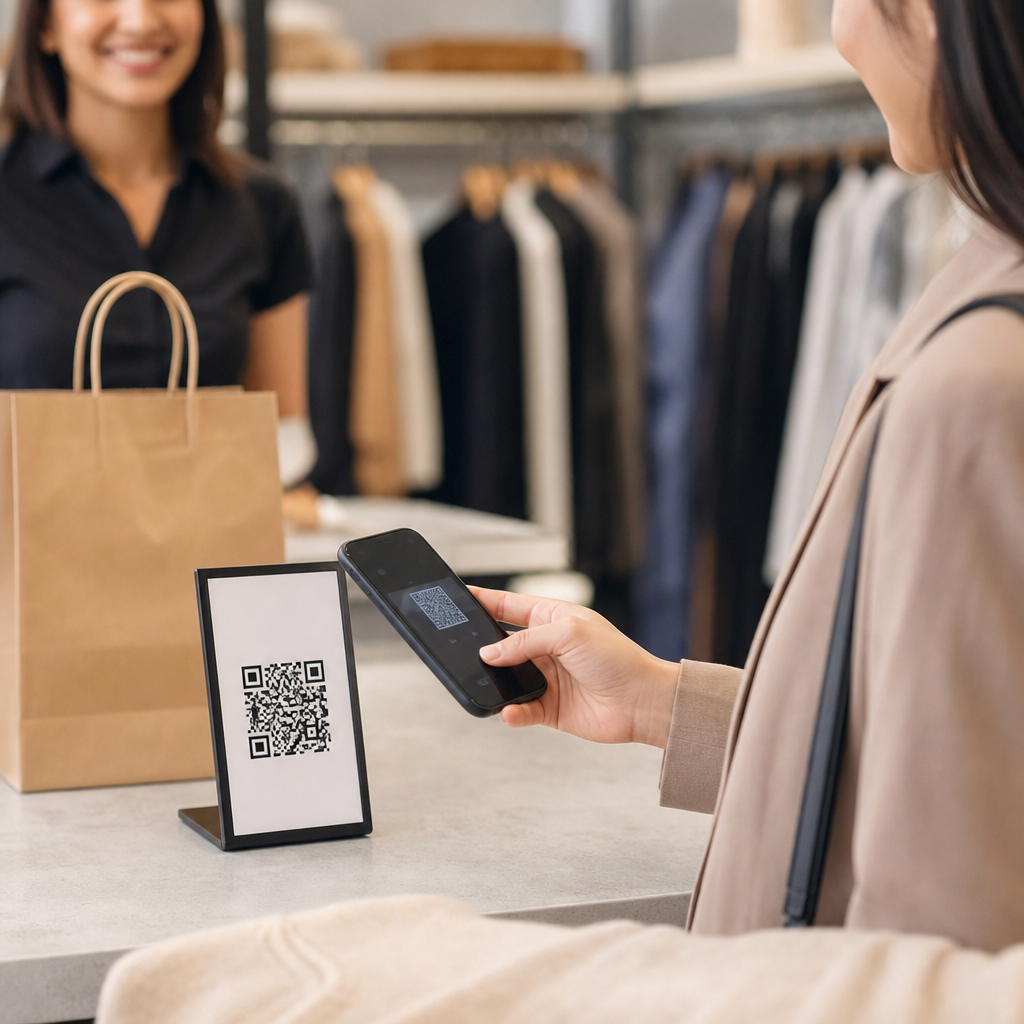
Next, match placement to context. Window signage works for foot traffic, so the destination should answer “What can I get right now?” Shelf talkers work near the point of decision, so the landing page should highlight product details, reviews, and discount eligibility. Packaging inserts reach existing buyers, making them ideal for bounce-back offers, referrals, and loyalty enrollment. Event banners perform best when the destination is mobile-first and takes under three seconds to understand. The code itself should sit beside a direct call to action such as “Scan for today’s Black Friday doorbusters” or “Scan for Christmas pickup deadlines.” Generic prompts like “Learn more” consistently produce weaker scan intent.
Measurement should be built in before launch. Use dynamic QR codes from platforms such as Bitly, Beaconstac, QR Code Generator Pro, or Flowcode, then append UTM parameters so scans appear cleanly in Google Analytics 4. Create separate codes for each placement instead of reusing one code everywhere. That gives you meaningful data by channel, store, city, package insert, or creative variation. I also advise building a campaign naming convention before the season starts. When holiday traffic spikes, organized attribution is the difference between learning what worked and guessing.
Christmas QR code campaign ideas
Christmas QR code campaign ideas perform best when they reduce gifting uncertainty. One of the highest-converting approaches I have seen is the interactive gift guide. A code on store windows, catalogs, direct mail, or product tags can open a mobile guide segmented by recipient, budget, and delivery speed. For example, “Gifts under $25,” “For parents,” “For coworkers,” and “Ready for pickup today” are practical pathways that shorten decision time. Retailers can improve conversion by preloading local inventory and showing cutoffs for shipping, curbside pickup, and same-day delivery.
A second strong idea is the personalized holiday message campaign. Brands can place QR codes on gift packaging, greeting cards, ornaments, or restaurant checks that open a custom video greeting, playlist, or digital thank-you. This works especially well for hospitality and food brands. A bakery can add a code to Christmas cake boxes that links to serving tips, storage guidance, and a January bounce-back coupon. A hotel can place codes in festive lobby signage that link to holiday event schedules, spa bundles, and gift card offers. The key is not novelty alone; the destination should solve a seasonal question or deepen the purchase experience.
Christmas also rewards post-purchase QR strategy. Inserts inside shipping boxes can drive repeat business with “Scan to register your gift,” “Scan for assembly help,” or “Scan for a New Year loyalty reward.” This is useful for electronics, toys, home goods, and subscription brands where gifting separates buyer from end user. If the recipient scans, you gain a new first-party relationship. If the buyer scans, you can trigger product education, support, and referral incentives. In either case, the seasonal purchase becomes a retention opportunity instead of a one-time sale.
Black Friday and Cyber Monday QR code campaign ideas
Black Friday QR code campaign ideas need speed and proof. Consumers are price-sensitive, impatient, and often in a comparison mindset. The most effective use case is a deal activation page tied to a precise time window. A QR code on storefront signs, newspaper inserts, shelf displays, or social graphics can open “today only” offers, store maps, or category-specific flash sales. When I have run these campaigns, the highest scan rates came from codes that answered immediate shopping questions: what is discounted, how long the price lasts, whether inventory remains, and where the item sits in the store.
For physical retail, queue-line QR codes are underused and highly effective. While customers wait to enter or check out, a code can lead them to add-on bundles, financing options, warranty upgrades, or app-exclusive offers. This turns waiting time into browse time. For ecommerce brands with pop-up shops or in-store pickup counters, the same idea works with digital carts and saved wish lists. The user scans, signs in, and checks stock or reserves an item before it sells out. That reduces staff pressure and gives shoppers confidence during high-volume periods.
Cyber Monday campaigns benefit from QR-enabled cross-channel continuity. A code in Sunday circulars, retail packaging, or email footers can route users to a category landing page where prices update automatically at launch. Dynamic redirects are essential here because offers change rapidly. If a product sells out, reroute the scan to an equivalent bundle, a waitlist, or a higher-margin alternative. The worst holiday campaign mistake is printing thousands of codes that lead to expired promotions or dead pages. Dynamic control protects campaign spend and keeps seasonal traffic monetizable.
Seasonal campaign ideas by holiday and business type
Different holidays reward different mechanics. Valentine’s Day works for couples menus, gift bundles, reservation pages, and personalized notes. St. Patrick’s Day often supports pub crawls, live event schedules, and limited-run merchandise. Easter is effective for family event registration, preorders, and church or community programming. Mother’s Day and Father’s Day are ideal for curated collections, booking experiences, and gift cards. Halloween favors scavenger hunts, costume voting, haunted attraction tickets, and social contests. Back-to-school campaigns succeed with supply lists, student discounts, and appointment scheduling for services like eye exams, tutoring, or haircuts.
Business type matters just as much as season. Restaurants can use QR codes for holiday set menus, waitlists, catering orders, and gift card upsells. Retailers can use them for gift guides, in-store navigation, stock alerts, and loyalty onboarding. Real estate teams can deploy seasonal neighborhood guides, holiday open house routes, and local business partnerships. Museums, attractions, and event organizers can use them for timed-entry tickets, scavenger hunts, donor campaigns, and membership drives. B2B companies are not excluded either. Trade show giveaways, year-end budget planning tools, and seasonal direct mail can all use QR codes to move leads into demos, calculators, or webinar registrations.
| Season | Best QR campaign use case | Typical destination | Primary metric |
|---|---|---|---|
| Christmas | Gift finder and shipping cutoff guide | Segmented holiday landing page | Purchases per scan |
| Black Friday | Flash deal activation | Time-sensitive offer page | Revenue by placement |
| Valentine’s Day | Reservation or gift bundle | Booking page or curated collection | Bookings completed |
| Halloween | Contest or event entry | Registration form or voting page | Entries submitted |
| Back-to-school | Checklist and bundle builder | Shoppable supply list | Average order value |
Creative formats, channels, and landing page tactics
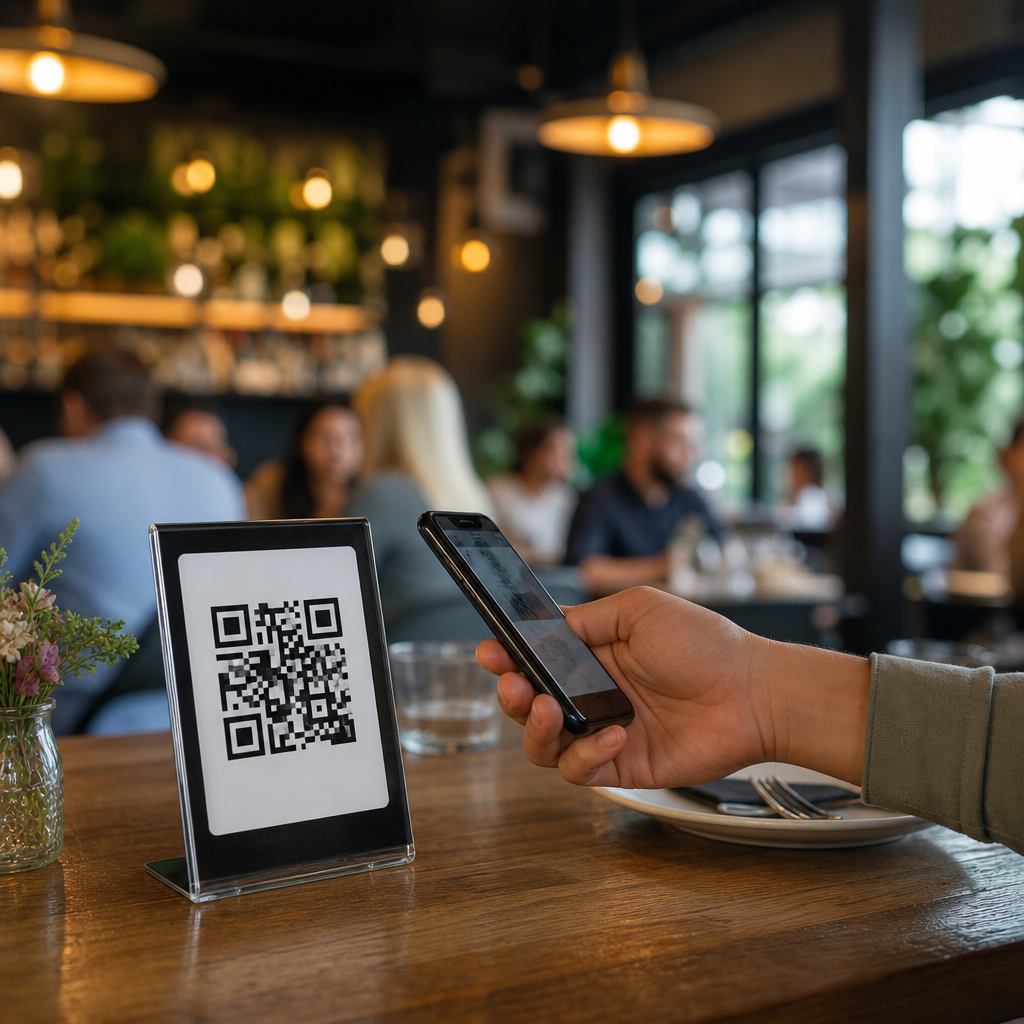
The best holiday QR code campaign ideas are channel-specific. On packaging, the code should extend the product experience with setup help, recipes, care tips, user-generated content, or bounce-back offers. On printed direct mail, use the code to bridge offline reach with measurable digital action, such as a personalized holiday collection or appointment scheduler. On in-store signage, focus on urgency, product education, or aisle-level guidance. On receipts, promote referrals, reviews, loyalty sign-ups, and January recovery offers. On menus and table tents, use QR codes for seasonal specials, waitlists, catering, or event RSVPs.
Landing pages should be built for mobile thumb behavior. Above the fold, users need a matching headline, clear value proposition, one dominant action, and proof. Proof can be inventory visibility, ratings, customer photos, countdown timers, pickup windows, or a short list of what happens next. Keep forms short. If you ask for more than a first name, email, and maybe ZIP code on a holiday lead capture page, conversion will usually drop. For commerce pages, Apple Pay, Google Pay, Shop Pay, and guest checkout are not nice extras during peak season; they are conversion safeguards.
Creative execution matters more than many teams expect. Maintain high contrast, quiet space around the code, and a tested size that works from the intended scanning distance. ISO/IEC 18004 standards exist for a reason: poor error correction choices, overdesigned codes, reflective surfaces, and low-contrast holiday artwork can kill usability. I have seen beautifully festive displays fail because metallic inks interfered with scanning under store lights. Always test on multiple phone models, under real lighting, and with weak cellular conditions. A working QR code campaign is partly a design project, partly a conversion project, and partly an operations project.
Common mistakes, compliance, and how to measure success
The most common holiday QR code campaign mistake is sending every scan to the homepage. The second is forgetting campaign continuity after the holiday peak. If your Christmas campaign ends on December 24, the code should not die on December 25. Redirect it to gift redemption help, returns guidance, support content, or a New Year offer. Other frequent issues include using one code across all placements, failing to tag campaigns, launching pages that are not mobile optimized, and offering discounts without clear terms. These mistakes reduce trust exactly when seasonal shoppers are deciding quickly.
Compliance and transparency matter, especially when QR codes collect data, enable payments, or trigger SMS or email follow-up. State what the user will get when they scan. If you collect personal information, link to a privacy policy and honor consent requirements under laws such as GDPR and CCPA where applicable. For coupon campaigns, clearly show expiration dates, exclusions, and redemption rules. For event campaigns, include capacity limits and refund policies. Trust increases scan completion rates because users understand the outcome before they act.
Success should be measured in layers. Start with scan rate by placement, then review landing page engagement, conversion rate, revenue per scan, and assisted revenue where relevant. In stores, compare scan activity to footfall and point-of-sale data. For direct mail, compare response by audience segment and creative version. For restaurants and hospitality, track reservations, average ticket size, and return visits. For ecommerce, track repeat purchases and list growth beyond the seasonal window. The best holiday QR code campaigns create not only immediate transactions but reusable audience insight for the next promotion. If you are building out your broader QR Code Campaign Ideas & Case Studies cluster, use this seasonal hub as the planning anchor, then branch into dedicated pages for Christmas QR code campaigns, Black Friday QR campaigns, retail case studies, restaurant examples, and QR landing page optimization. Audit your next seasonal promotion with one question: after the scan, does every step feel useful, fast, and timely?
Frequently Asked Questions
What are the best use cases for a holiday QR code campaign during Christmas, Black Friday, and other seasonal promotions?
The best holiday QR code campaigns are built around a clear customer action and a timely seasonal offer. During high-traffic periods like Christmas, Black Friday, Cyber Monday, Valentine’s Day, Halloween, or back-to-school, QR codes work especially well because they reduce friction between a customer seeing a promotion and taking action immediately. Marketers can place them on store signage, product packaging, direct mail, window decals, shelf talkers, event materials, receipts, and email graphics to direct people to a specific landing page tied to the campaign.
Some of the strongest use cases include gift guides, flash-sale landing pages, product bundle pages, buy-online-pickup-in-store promotions, limited-time coupons, holiday event RSVPs, digital catalogs, and loyalty signups. For example, a Christmas campaign might use QR codes on in-store displays to send shoppers to a curated “gifts under $50” guide, while a Black Friday campaign might use codes in print ads or on sidewalk signage to unlock early-access deals. Restaurants can use holiday QR campaigns for seasonal menus or reservation pages. Retailers can connect packaging QR codes to product tutorials, cross-sell recommendations, or post-purchase bounce-back offers for New Year promotions.
The most effective campaigns match the code placement to customer intent. A shopper scanning a code on a window display may want store hours, featured products, or a same-day shopping offer. Someone scanning from packaging after purchase may be more interested in loyalty rewards, setup instructions, or a review request. When the destination feels useful, relevant, and immediate, QR codes become more than a novelty—they become a measurable bridge between offline holiday attention and online conversion.
How do you create a holiday QR code campaign that actually converts instead of just getting scans?
A high-converting holiday QR code campaign starts with a single objective. Before generating the code, decide what success looks like: more coupon redemptions, event signups, higher average order value, increased loyalty enrollment, more gift guide views, or stronger post-purchase engagement. Once the objective is clear, build the destination experience around that one action. Sending customers to a generic homepage usually weakens performance. Sending them to a focused seasonal landing page with a strong headline, clear offer, mobile-friendly design, and one obvious next step is much more effective.
Conversion also depends on context. The message around the QR code should explain exactly why someone should scan and what they will get. “Scan for our holiday gift guide,” “Scan to unlock today’s Black Friday bundle,” or “Scan to claim your in-store coupon” gives customers a reason to act. Calls to action should be specific, benefit-driven, and time-sensitive when appropriate. During holiday campaigns, urgency matters, but clarity matters even more. Customers should never have to guess what happens after scanning.
Design and usability are equally important. The code should be large enough to scan easily, placed where customers can access it comfortably, and printed with sufficient contrast. The landing page should load quickly on mobile, since most holiday scans happen on phones. Avoid long forms, cluttered pages, and confusing navigation. If you need customer information, ask only for the essentials. Also make sure campaign tracking is in place with UTM parameters, QR platform analytics, and conversion events in your analytics tools. That way, you can see not just how many people scanned, but how many completed the intended action. In practical terms, the campaigns that convert best are the ones that combine a relevant offer, a simple scan experience, a mobile-optimized destination, and a well-defined metric for success.
Where should businesses place QR codes for holiday marketing to get the most engagement?
The best placement depends on where holiday customers naturally pause, browse, or make decisions. In physical retail, strong placements include front-window displays, entry signage, checkout counters, product shelves, aisle endcaps, fitting rooms, table tents, and seasonal displays. These areas capture attention when shoppers are already primed to explore gifts, compare options, or respond to limited-time offers. A QR code near a holiday bundle display, for example, can link directly to reviews, product details, inventory availability, or an exclusive add-on offer.
Packaging is another highly effective placement because it extends engagement beyond the initial sale. A QR code on holiday gift packaging can lead to assembly instructions, care guides, upsell recommendations, loyalty rewards, or a post-purchase survey. On receipts, a code can promote a bounce-back offer for January, invite customers to leave a review, or encourage signups for SMS and email campaigns. For restaurants, hospitality brands, and events, holiday QR codes work well on menus, posters, reservation cards, gift cards, and table signage. For service businesses, direct mailers, postcards, catalogs, and flyers can use QR codes to drive appointments, seasonal consultations, or gift certificate purchases.
Digital environments can also support holiday QR campaigns. Including a QR code in email newsletters, event invites, printed inserts, or even trade show materials can help connect online messaging with mobile action in a simple way. The key is to think about customer mindset at each touchpoint. If someone is in discovery mode, the code should lead to inspiration, such as a gift guide or holiday lookbook. If they are close to purchase, the destination should support decision-making, such as a discount, product comparison, or store locator. If they have already purchased, the QR code can guide them into retention activities like rewards, referrals, or feedback. Good placement is less about putting QR codes everywhere and more about putting them exactly where they support a natural next step.
How can you track and measure the performance of a holiday QR code campaign?
Tracking a holiday QR code campaign begins with setting measurable goals tied to business outcomes. Scans are useful, but they are only the first layer of performance. Marketers should define whether the campaign is intended to generate sales, coupon redemptions, event registrations, gift guide clicks, loyalty enrollments, app downloads, social contest entries, or post-purchase survey completions. Once those goals are set, each QR code should point to a dedicated landing page or campaign URL with clear tracking parameters so performance can be measured accurately.
Dynamic QR codes are especially valuable because they allow marketers to update destinations without reprinting materials and often provide scan analytics such as total scans, time of scan, device type, and location data. Pairing dynamic QR data with website analytics platforms gives a fuller picture. UTM-tagged URLs can identify which holiday asset drove traffic, whether that was a shelf sign, catalog, receipt, or storefront poster. On the landing page, conversion events should be configured so you can measure what happened after the scan. That might include completed purchases, submitted forms, redeemed promo codes, added-to-cart sessions, or clicks to call.
The most useful reporting compares placements, offers, and audience behavior. For example, you may find that a Black Friday QR code on in-store signage generated more scans, but a QR code on packaging drove more loyalty signups. A Christmas direct-mail code might have a lower scan volume but a higher average order value. These are the kinds of insights that help marketers improve future campaigns. It is also smart to run light A/B tests on calls to action, landing page formats, and offer types. Holiday campaigns move quickly, so even small adjustments—such as changing “Scan here” to “Scan to unlock 20% off today”—can improve response. Strong measurement turns QR codes from a seasonal tactic into a reliable performance channel.
What are the most common mistakes to avoid with holiday QR code campaigns?
One of the biggest mistakes is sending every scan to a generic homepage instead of a tailored holiday landing page. Seasonal campaigns perform best when the post-scan experience matches the customer’s expectation exactly. If a sign promises a holiday coupon, the customer should land on the coupon, not on a broad site navigation page. Another common problem is using vague calls to action. Simply displaying a QR code without explaining the benefit often leads to poor engagement. Customers are much more likely to scan when they understand what they will receive, whether that is a gift guide, early access sale, festive menu, product bundle, or loyalty reward.
Poor technical execution is another frequent issue. Codes that are too small, low contrast, distorted, or placed where people cannot comfortably scan them create immediate friction. Landing pages that load slowly, are not mobile-optimized, or require too many steps can cause abandonment even after a successful scan. During peak holiday periods, businesses should test every code in real-world conditions on multiple devices, verify that links work, and confirm that pages can handle increased traffic. If the campaign uses discount codes, event registration, or store-specific offers, those details should be accurate and easy to redeem.
Marketers also sometimes overlook the customer journey after conversion. A successful holiday QR campaign should not end at the first click. If someone signs up for a holiday offer, there should be a follow-up email or SMS sequence. If they buy a seasonal product, there may be an opportunity to invite them into a loyalty program, request a review, or promote a January comeback offer. Finally, failing to track results is a costly mistake. Without analytics, it is difficult to know which placements, messages, and offers actually worked. The most successful holiday QR campaigns are intentional from start to finish: clear