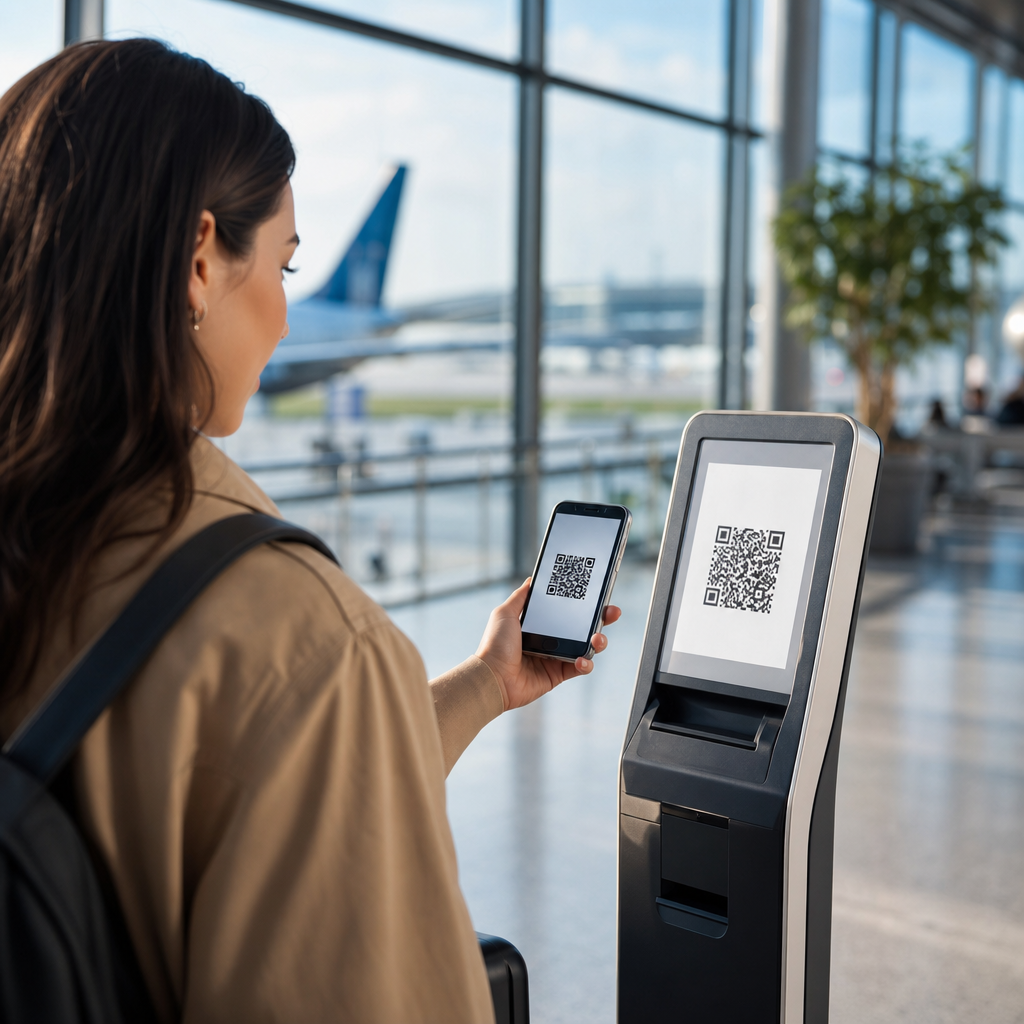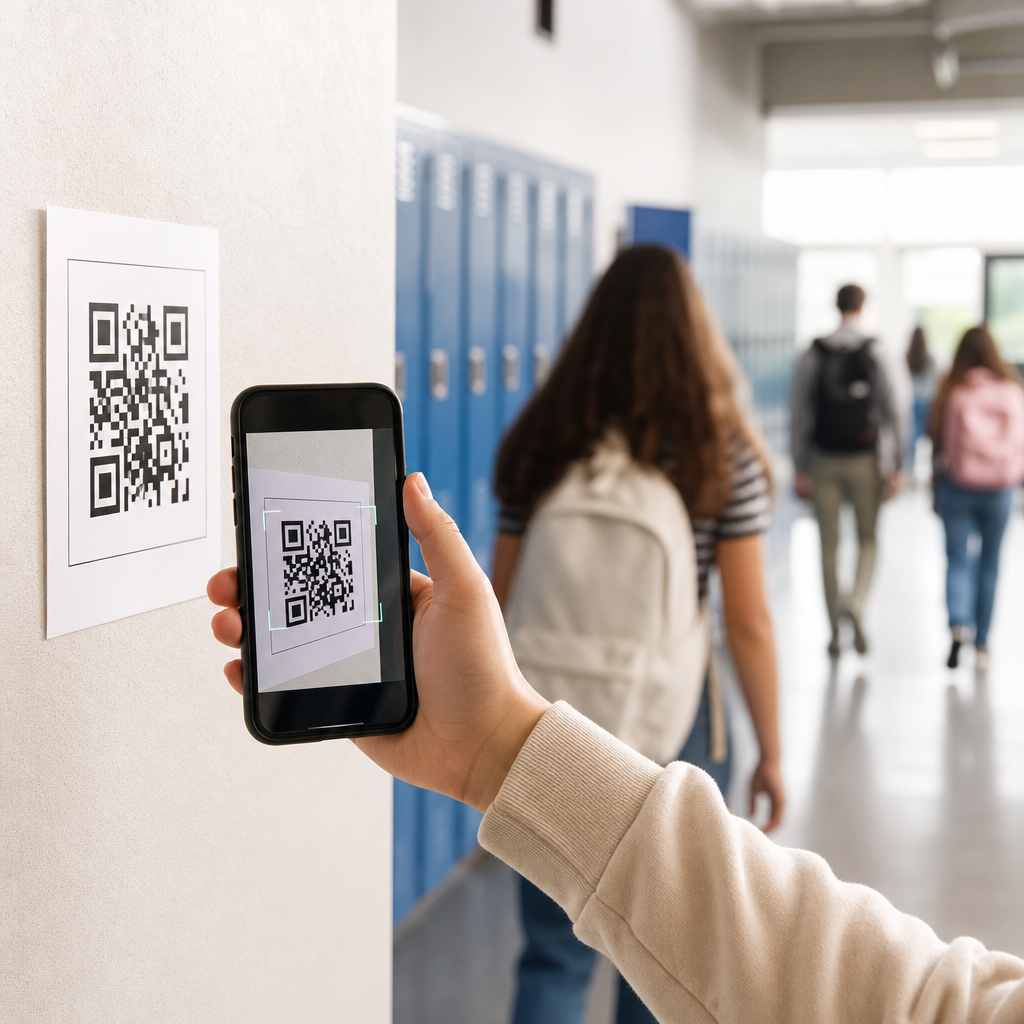
Back-to-school QR code campaign ideas give schools, retailers, restaurants, libraries, and local service businesses a fast way to connect physical audiences with digital actions at the exact moment families are planning routines, shopping lists, and schedules. A QR code is a scannable two-dimensional barcode that opens a landing page, app, form, video, coupon, map, or file on a smartphone. In seasonal marketing, that matters because timing changes behavior: parents compare prices, students seek orientation details, teachers gather supplies, and campus organizations recruit members within a compressed window. I have built school-year campaigns for multi-location businesses and community institutions, and the best results always come from pairing a useful scan destination with a clear real-world context. Back-to-school campaigns work when the code solves a specific problem immediately, such as finding a checklist, claiming a discount, registering for an event, or accessing a class resource. This article serves as a hub for seasonal campaign ideas, showing where QR codes fit, which formats perform best, how different organizations can use them, and what measurement practices turn a simple scan into a repeatable marketing system.
Why back-to-school season is ideal for QR code campaigns
Back-to-school season concentrates high-intent audiences into predictable places: storefronts, school entrances, orientation packets, dorm move-in areas, sports events, libraries, buses, cafeterias, and community centers. That physical density is exactly why QR codes outperform many passive ads. A poster near a student union can send traffic to a club fair signup page. A shelf tag in a stationery aisle can open a bundled supply guide by grade level. A flyer at pediatric clinics can direct parents to vaccination hours or school physical appointment booking. In practice, campaigns do best when they acknowledge the user’s immediate question. What supplies do I need? Where do I park? How do I get the student discount? What time is open house? What is the meal plan link? A code that answers one urgent question consistently beats a code linked to a generic homepage.
Seasonality also improves campaign economics. Creative assets can be reused across channels, but the destination can be updated without reprinting if you use dynamic QR codes. That allows one code on window clings, direct mail, teacher handouts, and event signage to point to different offers by week. For example, week one might promote a checklist, week two an orientation RSVP, and week three a tutoring signup. Retailers often use this approach to shift from school supplies to lunchbox products to after-school essentials as demand changes. Schools and nonprofits can do the same by changing the destination from registration forms to volunteer schedules to fall event calendars. The operational advantage is substantial: one printed asset, multiple campaign phases, and measurable scans by date, location, and device.
Campaign ideas for retailers, restaurants, and local businesses
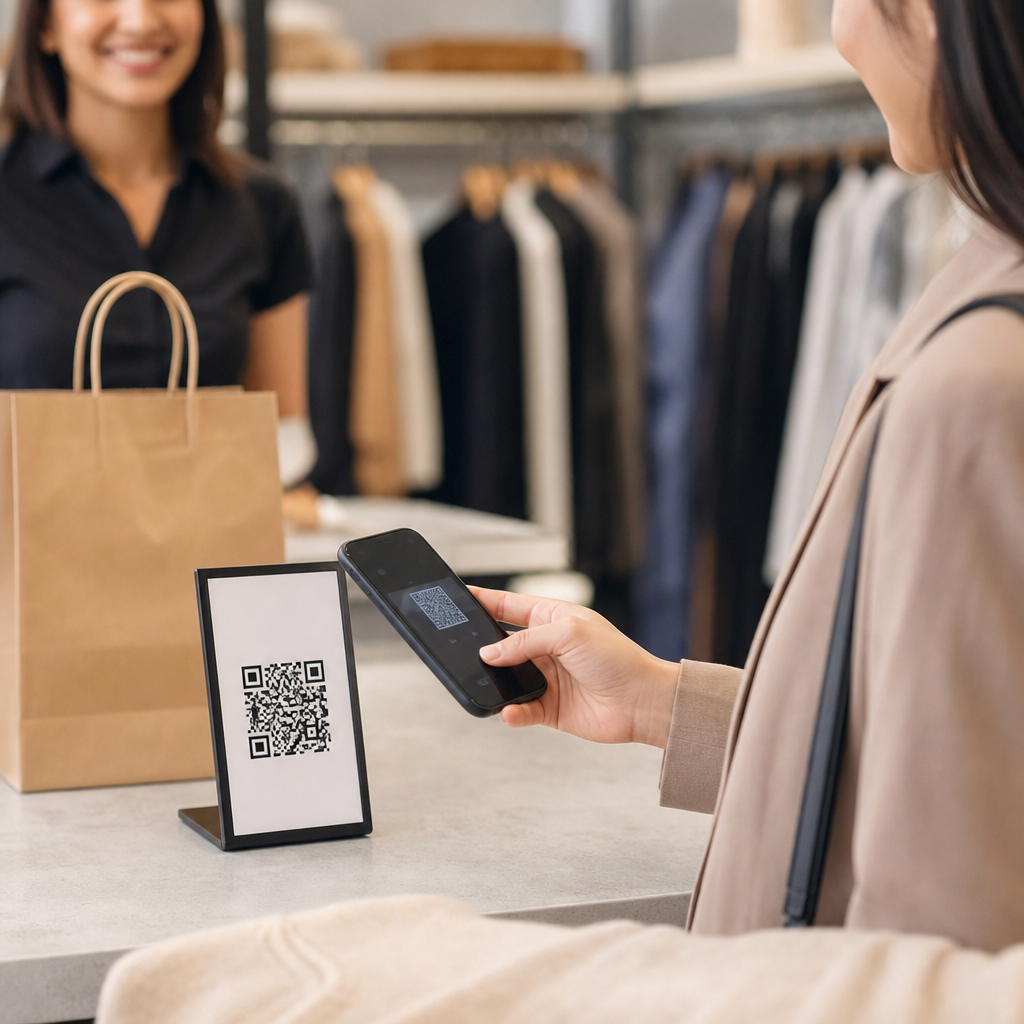
Retail businesses can use back-to-school QR code campaign ideas to shorten the path from browsing to buying. In apparel, fitting-room signs can link to student discount verification or curated outfit pages for middle school, high school, and campus life. In office supply and big-box environments, aisle endcaps can open grade-specific lists, teacher-approved bundles, or inventory alerts for high-demand items such as graphing calculators and composition notebooks. Bookstores can place codes beside assigned reading displays that open summaries, discussion guides, or buy-online-pickup-in-store options. The strongest retail campaigns reduce decision friction rather than simply announcing a sale.
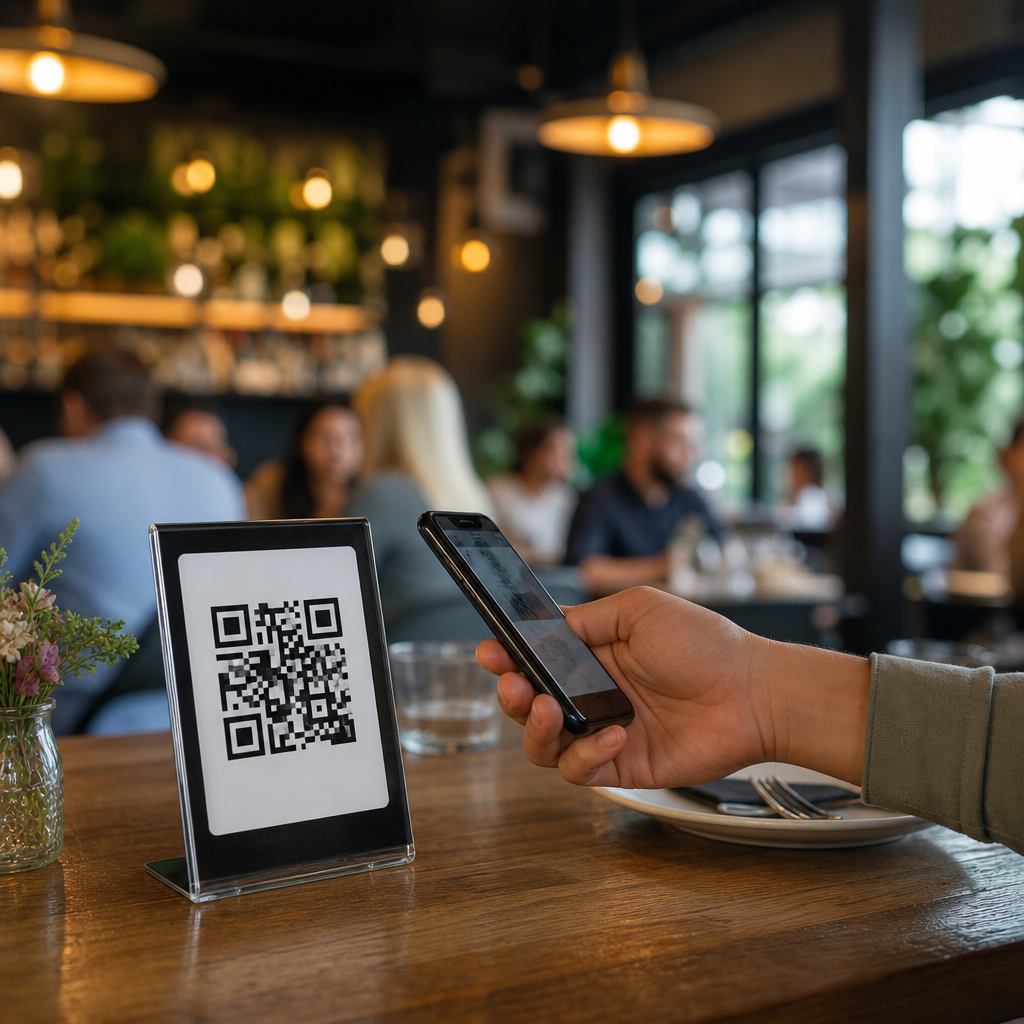
Restaurants and cafes near schools can turn foot traffic into loyalty enrollment. Table tents, counter cards, and sidewalk signs can link to student meal deals, mobile ordering, or a “first week of school” breakfast bundle. A coffee shop near a commuter campus might place a code at the register that opens a digital punch card and asks one qualifying question: student, teacher, or parent. That single segmentation step lets the business tailor offers later, such as early-hour teacher specials or late-night exam week promos. Family restaurants can add codes to kids’ menus that open downloadable homework planners or coloring sheets sponsored by local businesses, creating utility instead of pure promotion.
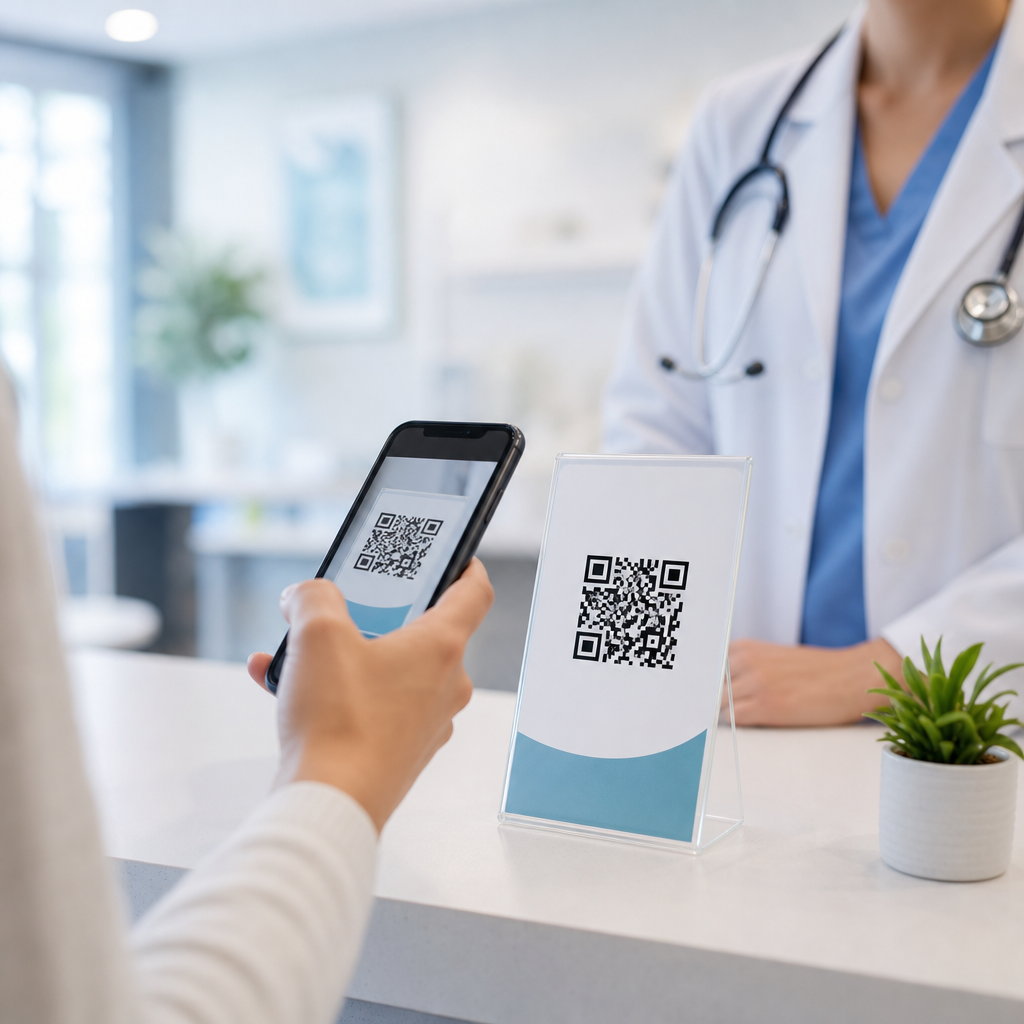
Service businesses also benefit. Dentists can promote school-year cleaning appointments, optometrists can link to eye exam booking before classes begin, and print shops can provide fast access to custom label orders for notebooks, uniforms, and dorm supplies. Gyms can target parents resuming routines with after-school childcare information, while salons can feature “picture day prep” booking links. In each case, the landing page should match the context of the sign. If a code appears on a dorm bulletin board, the page should lead with move-in, local essentials, and convenience services, not a broad company overview.
School, campus, and community use cases that drive engagement
Educational institutions have even more opportunities because they control both the environment and many of the recurring touchpoints. Schools can place QR codes on welcome packets, student ID sleeves, locker signage, and classroom doors to centralize orientation resources. One code can open the academic calendar, transportation updates, lunch account setup, and emergency contact forms. Another can direct new families to translated materials, which is especially valuable in multilingual districts. Colleges can use residence hall posters for move-in checklists, Wi-Fi setup instructions, mental health resources, and event schedules during the first month of classes.
Community organizations can support back-to-school outcomes through practical scans. Libraries can place codes on posters and bookmarks that open homework help hours, free database access, library card registration, and teen programs. After-school programs can use codes on bus stop signage or school newsletters to simplify registration. Nonprofits distributing backpacks can include a code on product tags that links families to food assistance, internet subsidy programs, tutoring, or immunization clinics. I have seen the best engagement when institutions treat QR codes as access tools, not decorative add-ons. A code near a pickup line that opens dismissal procedures is useful; a code that says “learn more” without context is ignored.
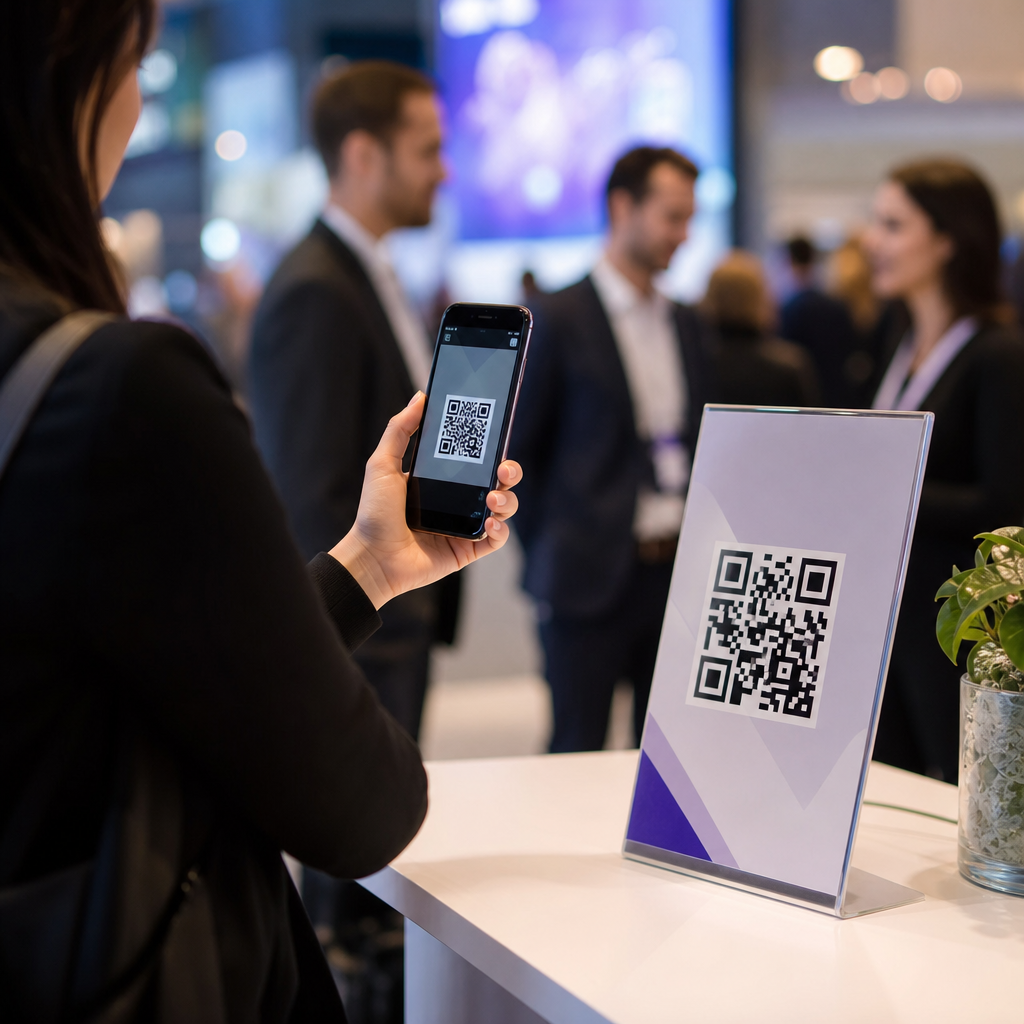
For event-based activation, think in sequences. At open house, a code at the entrance can route parents to a live map. A second code in each classroom can open the teacher’s syllabus, wish list, and communication preferences. A third code near the exit can trigger a satisfaction survey or PTA signup. This staged design mirrors the user journey, which increases completion rates because each scan corresponds to a clear task in a specific location.
| Campaign setting | Best QR destination | Primary goal | Example metric |
|---|---|---|---|
| Retail supply aisle | Grade-specific shopping list | Increase basket size | Average order value from scan traffic |
| Campus orientation | Interactive map and checklist | Reduce confusion | Completion rate of orientation tasks |
| Restaurant near school | Student meal deal landing page | Drive repeat visits | Loyalty signups per 100 scans |
| Library display | Homework help registration | Boost program enrollment | Registrations by poster location |
| Open house event | Teacher page and volunteer form | Increase parent engagement | Form submissions during event window |
Creative formats, offers, and content that earn scans
The design of a back-to-school QR code campaign should start with the incentive, but incentive does not always mean a discount. Utility often wins. The highest-performing formats I have used include supply checklists, event maps, printable planners, dorm setup guides, teacher recommendation lists, scholarship alerts, club registration pages, and lunch calendar downloads. These assets work because they save time. If an offer is commercial, keep it specific: “Scan for 15% off backpacks today” is stronger than “scan for deals.” If the value is informational, say exactly what the user receives: “Scan for the seventh-grade supply list and teacher notes.”
Content type should also match audience. Parents respond well to checklists, schedule tools, and deadline reminders. Students engage with interactive quizzes, scavenger hunts, digital badges, and short-form video explainers. Teachers are more likely to scan for classroom resources, wish lists, reimbursement forms, or local educator discounts. Colleges can use codes to drive app downloads, campus tour videos, safety escort information, and club recruitment pages. Retailers can add social proof with “most-purchased by freshmen” or “teacher favorites” modules on the landing page, which helps undecided shoppers convert faster.
Gamified campaigns can work if the prize is relevant and the mechanics are simple. A bookstore might create a campus scavenger hunt with codes across departments, each unlocking a clue and ending with a giveaway for school supplies or branded merchandise. A district could run a reading challenge where students scan a poster after completing library tasks. The caution is that game mechanics should not obscure the action. If users need too many steps before receiving value, scan rates fall quickly. Clear promise, fast load time, and mobile-first forms are nonnegotiable.
Execution best practices: placement, landing pages, and tracking
Placement determines whether people notice and trust a QR code. Put codes where the next action is obvious: on shelf talkers next to products, on event signs where attendees need directions, on handouts people will keep, or on checkout counters where a discount can be redeemed immediately. Size matters. For print viewed at arm’s length, about 1 by 1 inch is a practical minimum, but larger is safer in high-traffic settings. Maintain strong contrast, avoid glossy surfaces that create glare, and always include a short call to action above or below the code. Users scan more often when they know what happens next.
The landing page is where campaign performance is won or lost. It should load quickly, display correctly on mobile, and begin with one headline that matches the sign. If the poster says “Scan for your dorm checklist,” the landing page headline should repeat that promise. Limit competing links. For transactional campaigns, use one primary button such as “Claim student discount,” “Register for orientation,” or “Download supply list.” For schools and public institutions, accessibility matters. Follow WCAG-aligned practices by using readable typography, alt text on key images, sufficient color contrast, and simple form labels. For multilingual audiences, offer a prominent language switch at the top of the page.
Tracking should be planned before printing. Use dynamic codes connected to URLs with UTM parameters so analytics platforms can attribute traffic by source, medium, campaign, and placement. In Google Analytics 4, monitor engaged sessions, conversion events, and landing page performance from scan traffic. If you operate across locations, create distinct codes for each store, building, or event zone. That lets you compare, for example, whether the code on a bus shelter drives more meal plan signups than the code in the student center. Add QR-specific conversions in your CRM or email platform where possible, so scan-origin leads can be nurtured with relevant follow-up.
How to build a seasonal hub strategy that supports related articles
Because this page functions as a hub for seasonal campaign ideas, the strongest content strategy is to organize subtopics around audience, setting, and objective. That means related articles can drill into narrower themes such as retail QR promotions for school supply season, college orientation QR code examples, PTA fundraising ideas, restaurant student discount campaigns, library engagement programs, and fall event check-in workflows. The hub should define the landscape and help readers identify which branch applies to them. Then supporting articles can go deeper into templates, case studies, design specifications, and analytics benchmarks.
Internal linking should reflect how practitioners actually plan campaigns. A marketer starting with this hub may next need pages on dynamic versus static QR codes, QR code landing page best practices, event marketing with QR codes, coupon campaign examples, or school communication workflows. A principal may want district registration examples and multilingual access guides. A retailer may need visual merchandising tactics and loyalty signup case studies. The hub earns authority by being genuinely useful as a decision point. It should answer broad questions directly while making the next step obvious for specialized needs.
Seasonal hubs also benefit from annual refreshes. Update examples, timelines, and references each summer as school calendars, app behaviors, and privacy expectations evolve. Review scan data from prior years and add what changed. If move-in weekend traffic shifted heavily to mobile ordering, say so. If printed checklists underperformed compared with SMS signup pages, document that. Specific observations strengthen future planning and keep the hub relevant across search, direct visits, and AI-generated recommendations.
Back-to-school QR code campaign ideas work best when they are practical, timely, and tightly matched to user intent. The most effective campaigns do not ask audiences to explore aimlessly; they help parents, students, teachers, and communities complete a task right now. Use QR codes to shorten steps, not add novelty. Place them where questions naturally arise, send users to mobile pages built for one outcome, and measure performance by location and audience segment. Whether you run a retail chain, a neighborhood cafe, a public library, or a school district, the same rule applies: utility drives scans, and relevance drives conversions.
As the seasonal hub for this topic, this page should guide your planning for every back-to-school activation, from orientation and supply shopping to meal deals, tutoring, fundraising, and community support. Start with one high-intent use case, create a clear landing page, deploy dynamic codes in the right physical context, and track what happens after the scan. Then expand into related seasonal articles and campaign tests as you learn. If you are planning fall promotions now, choose one audience, one problem, and one action, and build your first QR code campaign around that simple path.
Frequently Asked Questions
What are the most effective back-to-school QR code campaign ideas for schools and local businesses?
The most effective back-to-school QR code campaigns are the ones that reduce friction and give families something immediately useful. For schools, that often means linking QR codes to enrollment forms, supply lists, transportation updates, lunch menus, orientation videos, event calendars, volunteer sign-ups, and parent-teacher communication pages. A code placed on printed flyers, hallway posters, student packets, or welcome banners can turn a static handout into a fast digital action, which is especially valuable during the busy back-to-school season when parents are making quick decisions and juggling multiple schedules.
For retailers, strong campaign ideas include QR codes that open grade-specific shopping lists, product bundles, digital coupons, loyalty sign-up pages, store maps, or “shop this list” landing pages. Restaurants can use QR codes for student meal deals, after-school specials, fundraising promotions, or app-based ordering tied to school pickup times. Libraries can link codes to reading challenges, library card applications, homework help resources, study event calendars, and recommended reading lists by age group. Local service businesses such as tutoring centers, pediatric clinics, orthodontists, childcare providers, and family fitness programs can use QR codes to connect families to appointment booking, educational resources, trial offers, or seasonal promotions.
The key is relevance at the exact moment the code is scanned. A parent in a school office likely wants forms or schedules. A shopper in a supply aisle wants savings, product guidance, or list completion. A student at an event may want a map, club sign-up, or social link. Campaigns perform best when each QR code has a single clear purpose, a short and obvious call to action, and a mobile-friendly destination page designed for fast completion. In other words, the best back-to-school QR code idea is not just creative—it is practical, timely, and directly connected to what families need most in that setting.
Where should back-to-school QR codes be placed to get the highest scan rates?
Placement has a major impact on scan performance because QR codes work best when they appear exactly where interest and intent are already high. For schools, top placements include front office signage, registration desks, classroom doors, gym entrances during orientations, cafeteria lines, student handbooks, teacher welcome packets, event banners, and pickup or drop-off areas. These are all places where parents, students, and staff are actively looking for information. A code that links to schedules, forms, maps, or announcements feels helpful in those moments rather than promotional.
For retailers, high-performing placements include endcaps, shelf talkers, shopping carts, storefront windows, printed circulars, product displays, fitting rooms, checkout counters, and bag inserts. A QR code beside notebooks or uniforms can lead to bundle deals or a complete shopping list. At checkout, it can drive loyalty sign-ups, digital receipts, or next-visit discounts. Restaurants can place codes on table tents, front windows, counter signs, tray liners, school fundraiser flyers, and takeout packaging. Libraries can add them to bookmarks, reading program posters, community bulletin boards, and service desks. Local businesses often see strong results from mailers, door signage, waiting room materials, event booths, and partnership flyers distributed through schools or neighborhood organizations.
Good placement is not only about visibility but also usability. The code should be easy to scan from a natural distance, printed at an appropriate size, and supported by a short line of text that tells people what they will get. It should be placed in a well-lit area and avoid curved, reflective, or obstructed surfaces. Most importantly, the user should not have to guess why they should scan it. “Scan for the school supply list,” “Scan for 15% off uniforms,” or “Scan to book a tutoring assessment” will almost always outperform a generic “Scan me.” Context drives action, and strong placement puts the QR code where motivation is already present.
What should a back-to-school QR code link to in order to increase conversions?
A back-to-school QR code should link to a destination that matches the user’s immediate intent and removes unnecessary steps. High-converting destinations include mobile landing pages, coupons, digital checklists, product collections, registration forms, event sign-ups, short videos, appointment schedulers, app downloads, maps, and downloadable PDFs such as supply lists or calendars. The most important principle is alignment: if the sign says “Scan for school supply savings,” the landing page should open directly to those savings, not to a general homepage where the user has to search for the offer.
For schools, effective destinations include parent portals, student schedule pages, online forms, after-school program registrations, volunteer applications, bus route information, orientation recordings, and staff directories. For retail, the best links often lead to curated shopping pages organized by grade, teacher list, budget, or category. Restaurants may send users to online ordering, limited-time family deals, fundraiser pages, or rewards programs. Libraries can direct users to reading logs, event registration, digital learning resources, or catalog pages for recommended books. Service businesses often convert well with QR codes linked to free consultations, seasonal discounts, FAQ pages, appointment booking tools, or downloadable guides for parents.
To improve conversion rates, the landing page must be fast, mobile-optimized, and focused on one main action. Keep forms short, make buttons easy to tap, and eliminate distractions that compete with the intended next step. If possible, use dynamic QR codes so the destination can be updated without reprinting materials. It also helps to add tracking parameters so you can measure scans, page visits, conversions, and campaign performance by location or audience segment. A QR code is only as effective as the experience that follows the scan, so the destination should feel immediate, relevant, and simple to complete on a phone in under a minute.
How can businesses and schools track the success of a back-to-school QR code campaign?
Tracking success starts with defining what the campaign is supposed to accomplish. Some back-to-school QR code campaigns are designed to drive awareness, while others are meant to produce measurable actions such as purchases, registrations, coupon redemptions, bookings, or downloads. Once the goal is clear, organizations can track metrics such as total scans, unique scans, scan time, scan location, click-through rate, form completion rate, coupon usage, conversion rate, and revenue or sign-up volume associated with each code. This makes QR campaigns much more measurable than many traditional print efforts because each physical placement can lead to a digitally tracked outcome.
Dynamic QR codes are especially useful because they often include built-in analytics and can be edited after printing. By assigning different QR codes to different posters, mailers, store sections, classrooms, or partner locations, you can identify which placements generate the strongest engagement. UTM parameters can also be added to links so traffic appears clearly in analytics platforms. A retailer, for example, can compare scans from window signage versus in-aisle displays. A school can compare orientation packet scans against front-office poster scans. A library can see whether bookmarks or event signage generate more reading challenge registrations.
Beyond raw scan data, the most valuable measurement comes from downstream behavior. Did users actually complete the form, claim the offer, place the order, or schedule the appointment? Did a school reduce paperwork bottlenecks or improve attendance at orientation events? Did a restaurant increase after-school traffic during key weekday hours? Did a tutoring center generate qualified leads from neighborhood flyers? Looking at scans alone can be misleading if the landing page does not convert. The strongest campaign analysis combines scan metrics with business results, allowing organizations to refine messaging, placement, timing, and destination pages throughout the back-to-school season.
What are the biggest mistakes to avoid in a back-to-school QR code campaign?
The biggest mistake is sending users to a generic homepage instead of a dedicated mobile landing page. During back-to-school season, families are short on time and scanning with a specific expectation. If they land on a broad website and have to search for the right page, many will leave immediately. Another common mistake is failing to explain what the QR code does. A code without context creates hesitation, while a simple benefit-driven prompt such as “Scan for the printable supply list” or “Scan for this week’s student meal deal” gives users a reason to act.
Poor print execution is another frequent issue. Codes that are too small, blurry, low-contrast, placed on reflective surfaces, or positioned where scanning is awkward can dramatically reduce usage. It is also a mistake to ignore mobile experience. If the landing page loads slowly, contains too much text, uses tiny buttons, or asks users to fill out long forms, conversion rates will suffer. Back-to-school campaigns often happen in real-world moments—walking through a store, standing in a school line, waiting in a carpool lane—so the scan-to-action experience needs to be quick and easy.
Organizations should also avoid using one code for too many different goals. A single campaign works best when each QR code serves one primary action tailored to a specific audience and setting. Lack of testing is another problem. Every code should be tested on multiple phones before launch, and every landing page should be checked for speed, accuracy, and ease of use. Finally, many campaigns miss opportunities by not tracking results. Without analytics, it is hard to know which placements, messages, or offers actually worked. The most successful back-to-school QR