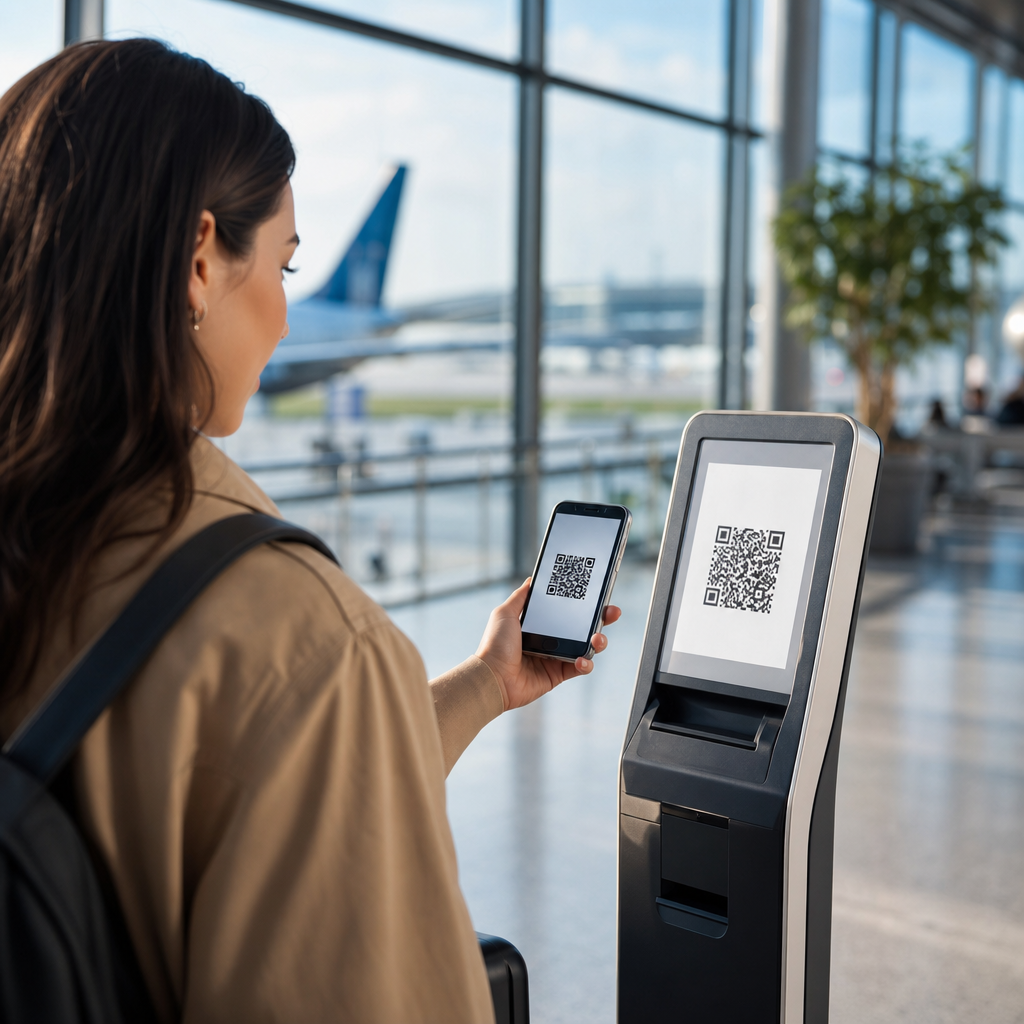
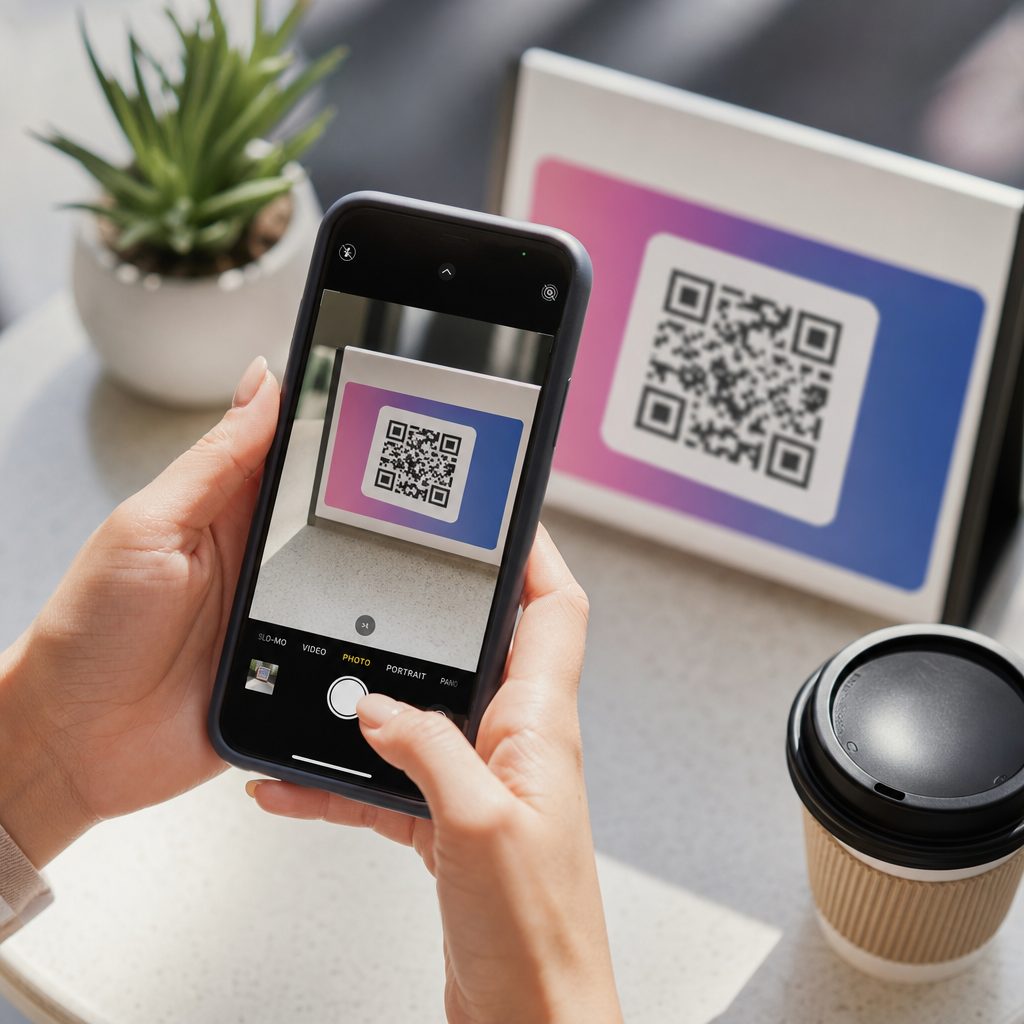
Creative QR code ideas for social media campaigns turn a simple scan into measurable engagement, bridging offline attention with online action in ways that standard posts, flyers, and display ads rarely achieve. A QR code, or quick response code, is a scannable matrix barcode that opens a digital destination instantly, while a social media campaign is a coordinated effort to drive awareness, interaction, leads, or sales across platforms such as Instagram, TikTok, Facebook, LinkedIn, Pinterest, YouTube, and X. Put together, they create a low-friction path from physical moments to digital behavior: a package sends a buyer to a challenge hashtag, a store window opens a location-specific reel, or an event badge unlocks a creator collaboration page. I have used QR codes in retail, events, restaurant promotions, and B2B lead generation, and the pattern is consistent: campaigns perform best when the code delivers a fast, relevant payoff rather than a generic homepage. That matters because social platforms reward immediate engagement signals. If someone scans and lands on a mobile-optimized page with one clear action, completion rates rise. If they land on clutter, they bounce. For brands building integrated campaigns, QR codes are not a novelty. They are a conversion mechanism, a tracking layer, and a creative device that can make social media more interactive, attributable, and memorable across the full customer journey.
Why QR codes work so well in social media campaigns
QR codes succeed in social media marketing because they remove search friction. Instead of asking a user to remember a handle, type a URL, or search for a hashtag later, the scan captures intent at the exact moment of attention. That timing advantage is critical in high-distraction environments such as packaging, outdoor signage, trade shows, menus, direct mail, and product inserts. A well-built code can send users to a profile, a deep-linked post, a campaign landing page with social buttons, a UGC submission form, or a shoppable page tied to creator content. Dynamic QR platforms such as Bitly, QR Code Generator Pro, Beaconstac, and Flowcode add analytics, retargeting pixels, geographic reporting, and editable destinations, so a printed code can be updated after launch without reprinting assets.
From a practical standpoint, the strongest campaigns answer three questions before launch: what behavior do you want after the scan, what incentive makes that behavior worth taking, and how will you measure success. In my campaigns, vanity metrics like scans matter less than post-scan actions such as follows, saves, email signups, coupon redemptions, UGC submissions, demo requests, and attributed revenue. Brands often underperform because they place a code everywhere but define no single conversion event. For example, a cosmetics brand can place one code on a display unit that opens an Instagram tutorial series and a separate code on packaging that opens a review-and-repost prompt. Each code has a different job, audience moment, and KPI. That separation improves reporting and creative clarity.
Creative marketing ideas using QR codes for awareness and follower growth
If your goal is top-of-funnel reach, the best creative QR code ideas for social media campaigns make scanning feel exclusive, playful, or useful. One effective format is the “scan to unlock” mechanic. A brand teases a giveaway, teaser trailer, behind-the-scenes video, or limited social announcement, and the code leads to a page that embeds the content and prompts users to follow a channel before accessing the next step. I have seen this work especially well in storefront windows after hours because passersby are curious and already holding a phone. Another proven tactic is the creator trail: place different QR codes across packaging, posters, or booths, each leading to a different influencer video or challenge entry. This creates collectability and encourages repeat interaction.
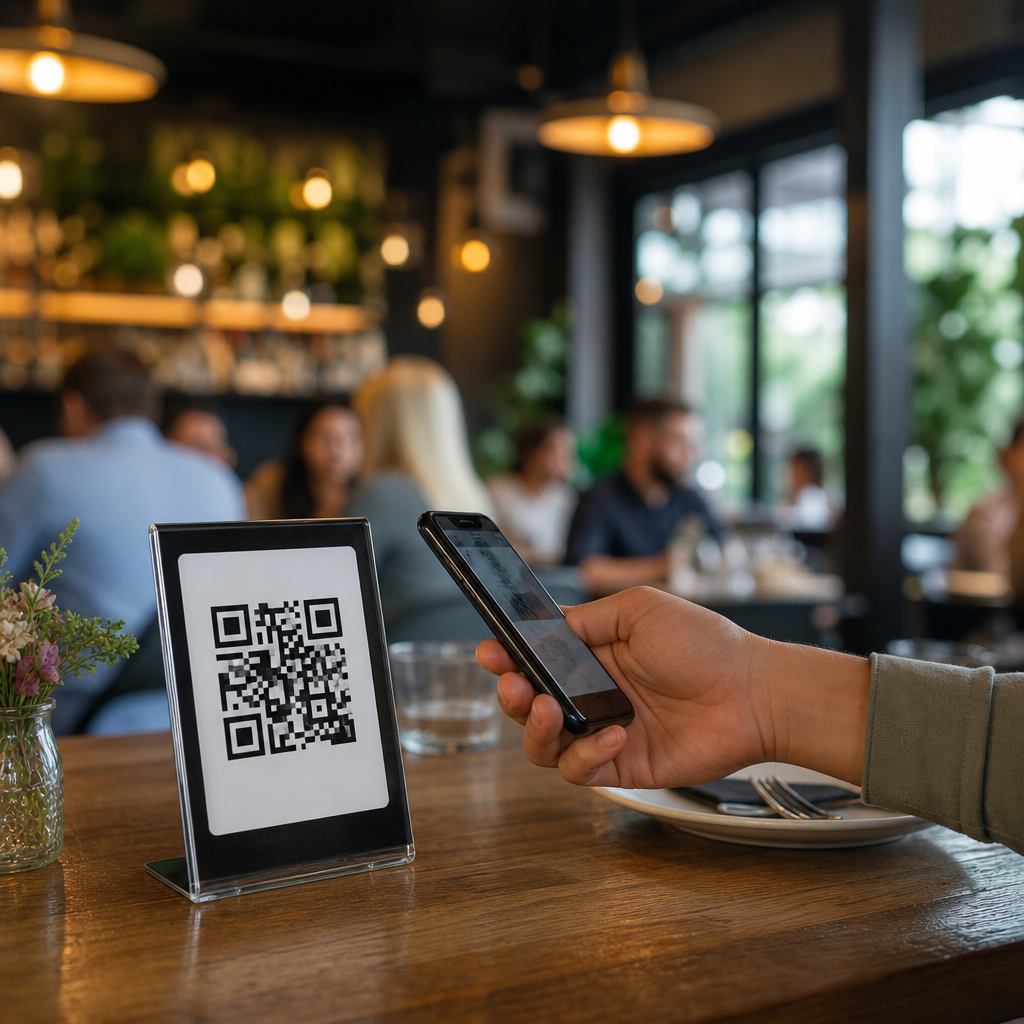
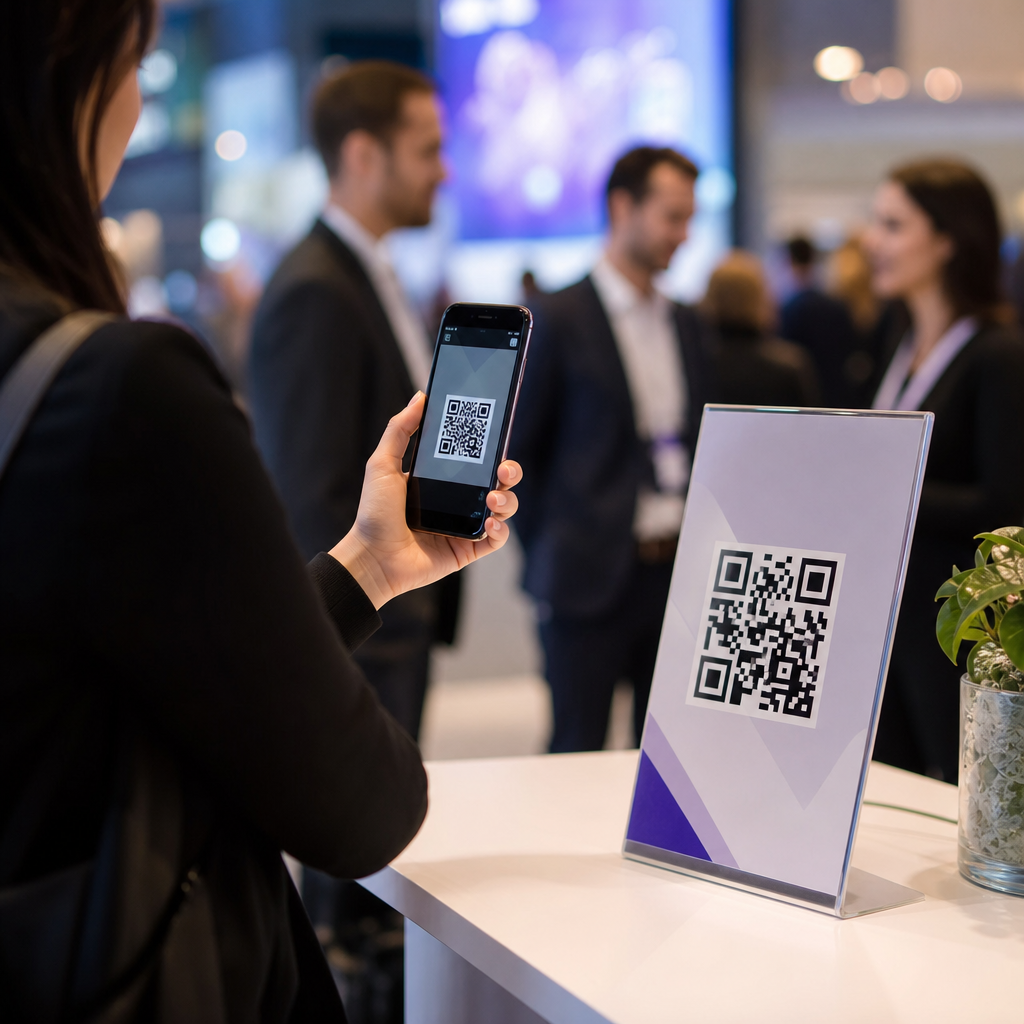
Location-based campaigns are another strong option. A fitness studio can print neighborhood-specific QR codes on street team flyers, each opening a reel filmed at that exact location, with local trainers tagged and a booking incentive attached. A restaurant can place table tents with codes that lead to a “vote for next month’s special” Instagram Story highlight, turning diners into content participants. For conferences, badges and booth graphics can send visitors to LinkedIn follow pages, live recap threads, or a short social poll about the most interesting session. The key is contextual relevance. The creative idea does not need expensive production; it needs a clear reason to scan now. Urgency, exclusivity, and localized content usually outperform generic “follow us” requests because they give the user a concrete payoff.
Using QR codes to drive user-generated content and community participation
User-generated content is where QR codes become especially valuable because they shorten the gap between inspiration and contribution. Instead of telling customers to tag a brand later, a QR code can take them straight to a submission hub that explains the campaign, shows examples, and links out to the preferred platform. For Instagram and TikTok campaigns, I recommend creating a lightweight mobile landing page rather than linking directly to a profile alone. The page can include the hashtag, posting instructions, creator terms, prize details, and one tap-through button to the app. This reduces confusion, and it is easier to track. In-store mirror decals, fitting room signs, café cup sleeves, and product inserts are prime placements because they catch users when they are already interacting with the product.
A reliable format is the challenge campaign. A beverage brand might print codes on multipacks that open a page inviting customers to post their best game-day setup using a campaign hashtag. A home décor brand can place a code inside packaging that asks buyers to share a styled room reveal for a chance to be featured. I have also used QR codes at live events to collect social entries in real time. Attendees scan a code on stage screens, post a photo or thought with the event hashtag, and the moderation team features selected entries during the session. That loop creates visible participation, which increases social proof and drives more submissions. The legal and operational details matter here: publish clear entry rules, moderation standards, privacy expectations, and submission deadlines so contributors know exactly how the campaign works.
Best QR code campaign formats by objective
Different campaign goals require different QR code experiences. The table below summarizes formats I have found most effective in live campaigns and explains when each one works best.
| Campaign objective | Best QR code destination | Why it works | Example |
|---|---|---|---|
| Follower growth | Mobile landing page with social profile links | Lets users choose their preferred platform and preserves tracking | Retail window code offering early access to a product drop |
| UGC submissions | Campaign page with hashtag rules and app links | Clarifies steps and increases valid entries | Packaging insert inviting customers to post unboxing videos |
| Lead generation | Short form plus social proof clips | Captures intent while social content reinforces trust | Trade show booth code tied to a demo request page |
| Sales conversion | Shoppable page featuring creator content | Reduces friction from discovery to purchase | Shelf talker code linking to influencer tutorials and product bundles |
| Event engagement | Live agenda, poll, or hashtag wall | Encourages immediate participation during the event | Conference screen code collecting attendee reactions |
Platform-specific QR code ideas that match user behavior
Creative QR code ideas for social media campaigns work better when they reflect how each platform is actually used. On Instagram, visual aspiration and creator discovery dominate, so QR codes should lead to reels, tutorials, limited-time drops, or story-based voting experiences. On TikTok, scanning should open challenge prompts, duet invitations, trend participation pages, or creator-led demos with a clear hook in the first seconds. On LinkedIn, the scan should feel professionally useful: event recap carousels, benchmark reports, webinar clips, speaker profiles, or case study pages connected to company updates. On Pinterest, codes can link to seasonal boards, product collections, or step-by-step inspiration guides. On YouTube, long-form proof wins, so a code can open how-to playlists, testimonials, or launch videos. Each destination should mirror the native expectations of the platform.
Cross-platform campaigns need one message but not one destination. A common mistake is using one static QR code for every asset and sending everyone to a general social hub. A better approach is asset-specific dynamic codes. A poster aimed at Gen Z can route to TikTok; a product manual aimed at evaluators can route to YouTube or LinkedIn. Restaurant receipts can invite diners to leave a short video reaction on Instagram, while countertop displays can push local review content on Google and Facebook. In B2B, booth signage often performs best when the QR code opens a landing page with a product clip, three customer logos, and a form, plus links to follow the company on LinkedIn for ongoing updates. Matching the destination to user intent is what turns a scan into meaningful engagement.
Design, tracking, and testing practices that improve results
A QR code campaign fails more often from execution errors than from weak creative. First, codes must be easy to scan: strong contrast, adequate quiet zone, sufficient size, and tested readability from the expected distance. As a rule, small packaging codes may work at around 1.5 to 2 centimeters, but posters, menus, and outdoor signs need much larger dimensions. Avoid over-stylizing the pattern to the point that error correction cannot compensate. Brand colors are fine if contrast remains strong. Add a plain-language call to action beside the code, such as “Scan to join the challenge” or “Scan to watch the tutorial,” because response rates fall when users do not know what happens next.
Tracking should be planned before design finalization. Use dynamic QR codes with UTM parameters, event tracking in Google Analytics 4, and dedicated campaign pages for each placement. If paid social supports it, add retargeting pixels so scanners can be re-engaged later with follow-up content or offers. In my implementations, the most useful dashboard includes scans, unique visitors, bounce rate, time on page, click-through to social platforms, form completions, and assisted conversions. Testing matters too. Compare incentive language, landing page layouts, and destination types. A/B test “scan to enter” against “scan to watch,” or a direct social deep link against a microsite. Also test operational details: different sign heights, product insert placements, and whether staff verbally prompt scanning. Small adjustments often produce outsized gains because the margin between scanning and ignoring is thin.
Building a scalable hub strategy for QR code campaign ideas and case studies
As a hub topic, creative marketing ideas using QR codes should connect broad campaign strategy with narrower use cases and proof. The practical way to structure this is by audience, channel, and objective. One supporting article can cover QR code giveaway campaigns, another can break down restaurant QR promotions, another can focus on event activations, and another can analyze ecommerce packaging inserts. This hub then links those use cases together through shared principles: clear intent, platform-fit destinations, strong incentives, reliable tracking, and compliant data handling. That structure helps teams repurpose wins. If a scan-to-vote mechanic works in hospitality, the same framework can be adapted for retail or higher education with different creative assets and incentives.
Case studies strengthen this hub because they show the mechanics behind outcomes. When documenting results, include the traffic source, placement context, landing experience, conversion target, and post-launch adjustments. For example, if a beauty retailer saw higher scan rates from shelf talkers than from endcaps, note the difference in shopper dwell time and message clarity. If an event campaign generated many scans but few social posts, note whether the submission flow required too many steps. This level of specificity makes future planning more reliable than generic success stories. The main benefit of QR code social campaigns is not simply that they are interactive. It is that they connect physical and digital touchpoints with measurable intent. Start with one focused objective, design the scan experience around that moment, and build from there with disciplined testing and documented learnings.
Frequently Asked Questions
1. What are the most effective creative QR code ideas for social media campaigns?
The most effective QR code ideas are the ones that connect a real-world moment to a clear social action. Instead of sending every scan to a generic homepage, strong campaigns use QR codes to direct people to a specific destination such as an Instagram giveaway post, a TikTok challenge landing page, a Facebook event signup, a LinkedIn lead form, or a curated social hub with platform choices. This makes the experience feel intentional and improves conversion rates because users know exactly what to do next.
Creative execution matters just as much as the destination. Brands often place QR codes on product packaging, in-store signage, event booths, window displays, direct mail, business cards, presentation slides, receipts, and outdoor ads. To make the campaign more engaging, the code can unlock exclusive content like behind-the-scenes videos, limited-time promo codes, user-generated content contests, influencer collaborations, early access launches, or “scan to vote” social polls. For example, a beauty brand might place a QR code on packaging that opens an Instagram Reel tutorial, while a restaurant might use table tents that send guests to a TikTok challenge featuring a signature menu item.
The best ideas also include a measurable call to action. Phrases like “Scan to join the challenge,” “Scan to unlock the giveaway,” or “Scan to follow for exclusive drops” give people a reason to act immediately. Dynamic QR codes are especially useful because they allow you to change the link destination without reprinting the code, making them ideal for multi-phase campaigns. In short, the most effective QR code strategies combine relevance, creativity, convenience, and trackability so that every scan supports a specific social media goal.
2. How can QR codes increase engagement in a social media campaign?
QR codes increase engagement by removing friction between interest and action. When someone notices a product, poster, event display, or printed ad, a QR code gives them an instant path to continue the experience online. Instead of asking users to search for a brand manually, type a long URL, or remember a campaign hashtag later, the scan takes them directly to the content you want them to see. That convenience often leads to higher participation, especially in fast-moving environments where attention is limited.
They also work well because they can turn passive audiences into active participants. A scan can lead people to comment on a post, enter a contest, follow an account, watch a live stream, submit user-generated content, vote in a poll, claim an exclusive offer, or share branded content with their own followers. This is especially powerful in omnichannel campaigns where offline visibility supports online interaction. For instance, a QR code on event signage can send attendees to a branded Instagram Story template, while a code on packaging can invite customers to post an unboxing video on TikTok using a campaign hashtag.
Another major advantage is that QR codes create measurable engagement opportunities. By using trackable links, UTM parameters, and dynamic QR code platforms, marketers can monitor scans by location, device, time, and campaign asset. That data helps identify which placements drive the most social actions and which creative messages produce the strongest response. Rather than treating engagement as a vague outcome, QR codes make it easier to connect real-world impressions with specific digital behaviors such as follows, clicks, shares, and conversions.
3. Where should businesses place QR codes to support social media campaigns?
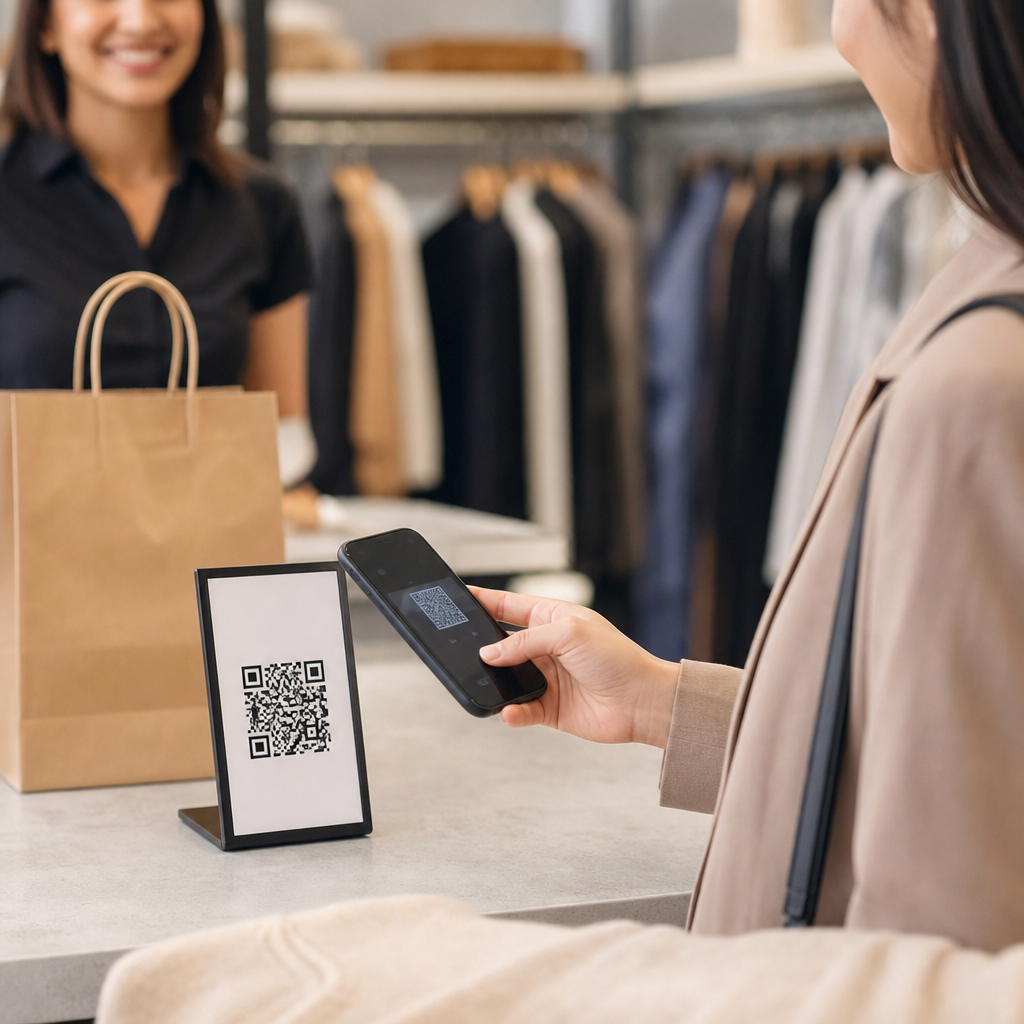
Businesses should place QR codes anywhere their audience is already paying attention and likely to act in the moment. High-performing placements typically include product packaging, retail displays, checkout counters, menus, posters, flyers, brochures, event badges, trade show booths, direct mail pieces, receipts, print ads, and storefront windows. The key is to choose surfaces that give users enough time and space to scan comfortably. A QR code placed near a decision point, such as at a shelf, table, or point of sale, often performs better than one placed in a rushed or hard-to-reach environment.
Context is critical. The placement should match the campaign objective and the audience’s mindset. In a store, a QR code might encourage shoppers to follow an Instagram account for styling tips or scan to enter a giveaway. At a conference, it might route visitors to a LinkedIn contact form, a speaker recap on social media, or a branded networking group. In hospitality settings, QR codes on menus, room cards, or table signage can direct guests to social contests, review prompts, or short-form video content. Outdoor placements can work too, but only if the code is large enough, easy to scan, and paired with a compelling message.
Design and usability are just as important as location. The code should have strong contrast, enough white space, and a visible call to action that explains the value of scanning. It should also link to a mobile-optimized destination because most users scan with smartphones. Before launching, businesses should test the QR code under real conditions, including different lighting, distances, and devices. A well-placed QR code does not just sit on the page or display; it acts as a bridge between physical visibility and social media interaction.
4. What should a QR code link to in a social media marketing campaign?
In a social media marketing campaign, a QR code should link to the most relevant next step for the audience, not simply the brand’s homepage. The destination should reflect the specific campaign goal, whether that is increasing followers, promoting a user-generated content challenge, collecting leads, driving event attendance, boosting video views, or generating sales. For example, if the objective is awareness, the QR code could open a social profile or a campaign video. If the goal is engagement, it might lead to a contest page, voting form, or branded hashtag challenge. If the goal is conversion, it could route users to a landing page with a social proof section and a purchase offer.
Many brands benefit from using a mobile-friendly landing page that acts as a campaign hub. This page can include buttons to Instagram, TikTok, Facebook, LinkedIn, Pinterest, YouTube, or other relevant platforms, along with embedded videos, giveaway rules, featured posts, and clear calls to action. A hub is especially useful when the campaign spans multiple channels or when the audience may prefer different platforms. It also provides more control over branding, analytics, and messaging than sending users directly to a single social post.
The destination should always be optimized for speed and relevance. If people scan a code expecting a special offer or exclusive content, they should reach it immediately. Every extra step reduces performance. Using dynamic QR codes gives marketers flexibility to update the link as the campaign evolves, while tracked URLs help measure which destinations perform best. Ultimately, the ideal QR code destination is one that feels seamless, delivers instant value, and guides users toward one clear action aligned with the campaign’s purpose.
5. How can marketers measure the success of QR code-driven social media campaigns?
Marketers can measure success by looking beyond raw scan counts and connecting QR activity to meaningful campaign outcomes. Scans are a useful starting point because they show interest, but the most important metrics depend on the objective of the campaign. If the goal is follower growth, marketers should track new followers generated after scans. If the goal is engagement, they should measure likes, comments, shares, saves, video views, contest entries, hashtag usage, and user-generated content submissions. If the goal is lead generation or sales, then form completions, coupon redemptions, purchases, and assisted conversions become more important than scan volume alone.
Using dynamic QR codes, UTM-tagged links, analytics dashboards, and platform-specific insights allows teams to understand performance in detail. They can compare locations, print materials, calls to action, creative treatments, and audience segments. For example, a brand may discover that a QR code on packaging drives more Instagram follows, while a code on event signage produces more LinkedIn form submissions. This level of attribution is one of the strongest advantages of QR code marketing because it reveals which offline touchpoints actually contribute to digital results.
To improve accuracy, marketers should define benchmarks before launch and review the full conversion path. That means analyzing not just who scanned, but what happened next. Did users bounce immediately, watch the video, follow the account, complete the form, or make a purchase? A/B testing can also help refine performance by comparing different CTA wording, destinations, designs, and placements. When measurement is set up properly, QR codes become more than a novelty. They become a practical performance tool that helps marketers optimize social media campaigns with real-world engagement data.