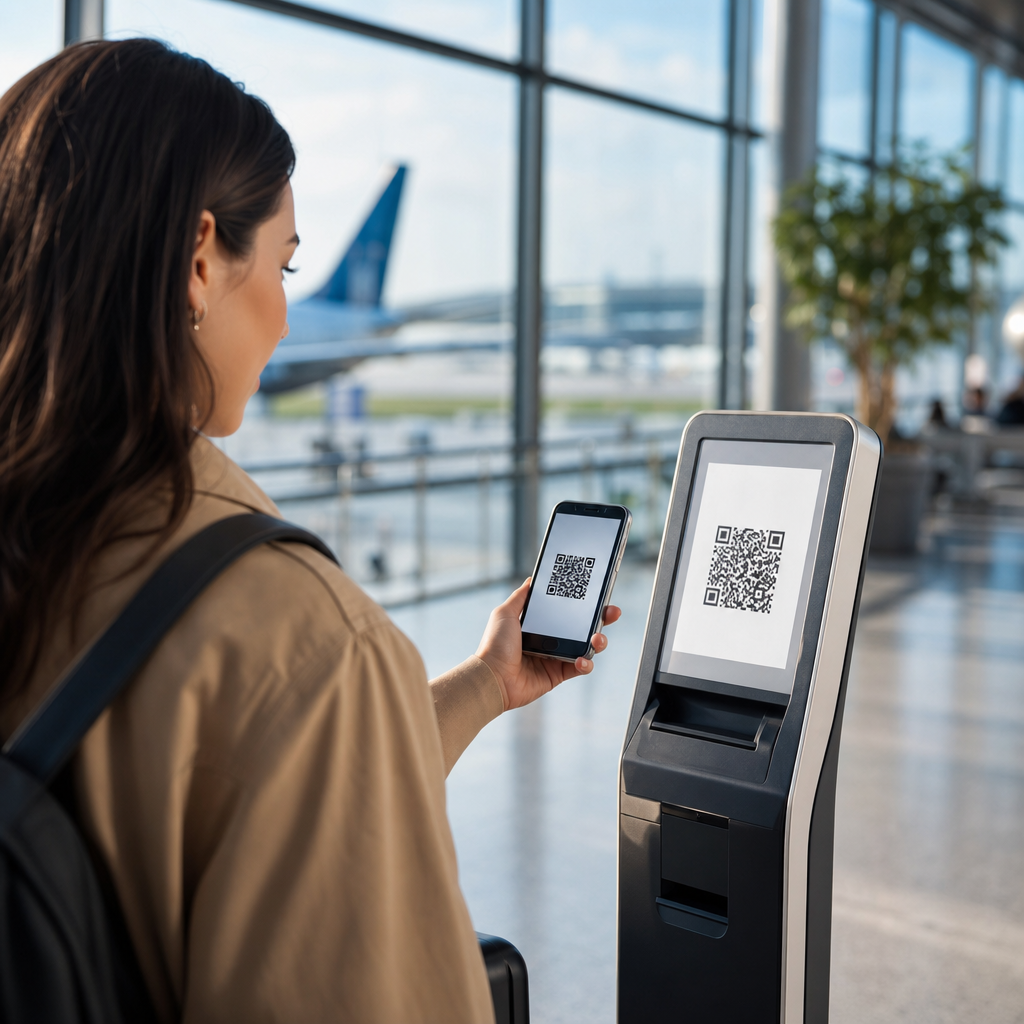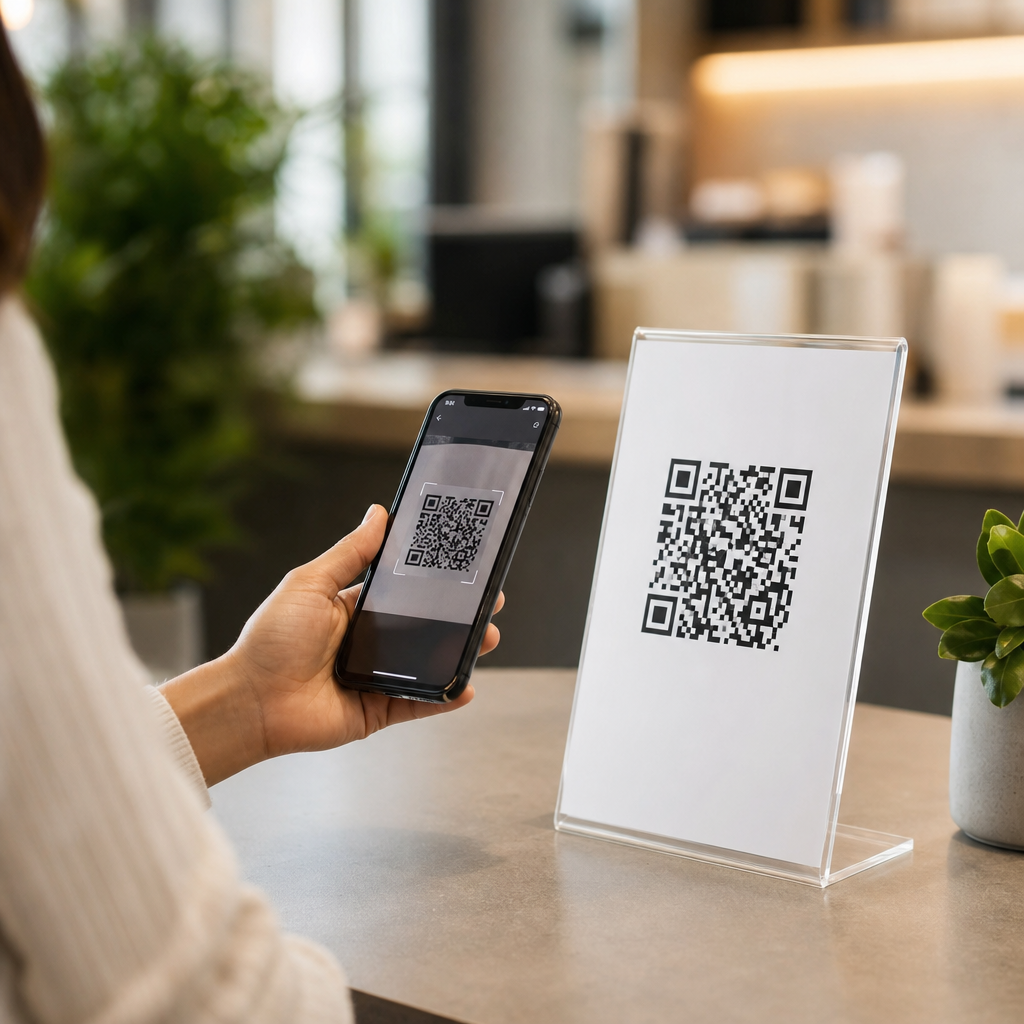
Interactive QR code ideas for customer engagement give marketers a fast way to turn offline attention into measurable digital action. A QR code is a scannable matrix barcode that opens a destination such as a website, video, coupon, form, app download, payment page, or augmented reality experience. The interactive part matters because the code should not simply send people to a generic homepage. It should trigger a useful next step that feels relevant to the moment, whether that moment happens on product packaging, in a storefront, at an event, on direct mail, or inside a restaurant. When I build QR campaigns, the strongest results come from matching context, incentive, and destination with absolute precision.
This topic matters because smartphones have removed most of the friction that used to limit adoption. Native camera scanning on iPhone and Android, widespread mobile payments, and comfort with touchless interactions have made QR behavior normal in daily life. Brands now use dynamic QR codes to update destinations without reprinting materials, add UTM parameters for attribution, and personalize landing pages by location or audience segment. For a business, that means one printed asset can become a live performance channel. For a customer, it means immediate access to information, rewards, support, or entertainment.
Creative marketing ideas using QR codes work best when they solve a real customer need first and promote second. A diner wants a quick menu, allergen details, and payment options. A retail shopper wants reviews, size help, inventory checks, and a discount worth claiming. An event attendee wants schedule changes, speaker bios, and lead capture without waiting in line. Each use case can deepen customer engagement by shortening the path from curiosity to action. The hub approach is important here because QR codes are not one tactic. They are a flexible bridge between physical media and digital experiences across acquisition, conversion, retention, and advocacy.
To use this guide well, think of it as a planning map for your QR code campaign ideas and case studies. It covers where QR codes fit, which formats perform, how to design destinations that convert, and how to measure impact. It also explains tradeoffs. A beautiful code that is hard to scan will underperform. A high scan rate with a weak landing page still wastes budget. Lasting success comes from pairing technical execution with customer psychology, then testing every detail from placement and size to incentive and follow-up.
Build interactive QR campaigns around customer intent
The most effective interactive QR code ideas start with intent mapping. Ask what the customer is trying to do at the exact point of scan. In retail, the dominant intents are learn, compare, save, and buy. In hospitality, they are browse, order, request service, and review. In B2B events, they are discover, connect, book, and download. When teams skip this step, they often send every scan to the same generic page and wonder why engagement is shallow. The code is only a trigger; the destination must answer the customer’s immediate question better than any alternative.
I usually group QR experiences into four campaign roles. First is utility, such as menus, manuals, care instructions, setup guides, warranty registration, or store maps. Utility produces trust because it saves time. Second is incentive, such as discounts, loyalty points, sweepstakes entries, or limited drops. Incentive boosts first scans but needs clear terms and a fast redemption path. Third is storytelling, including founder videos, sourcing information, behind-the-scenes content, or interactive product demos. Storytelling builds brand recall when the content feels exclusive. Fourth is service, such as appointment booking, chat initiation, reorder flows, or issue reporting. Service works especially well after purchase because it reduces friction at a high-value moment.
Dynamic QR codes are usually the better choice for customer engagement because they allow editing the target URL, adding campaign parameters, rotating offers, and tracking scans by time, location, and device. Static codes still have a place for permanent destinations like Wi-Fi access or long-lived technical documentation, but they limit optimization. If a flyer with a static code points to an expired offer, the print piece becomes dead inventory. Dynamic routing prevents that. It also supports localization, so one code can send users to a language-specific page based on browser settings or geolocation.
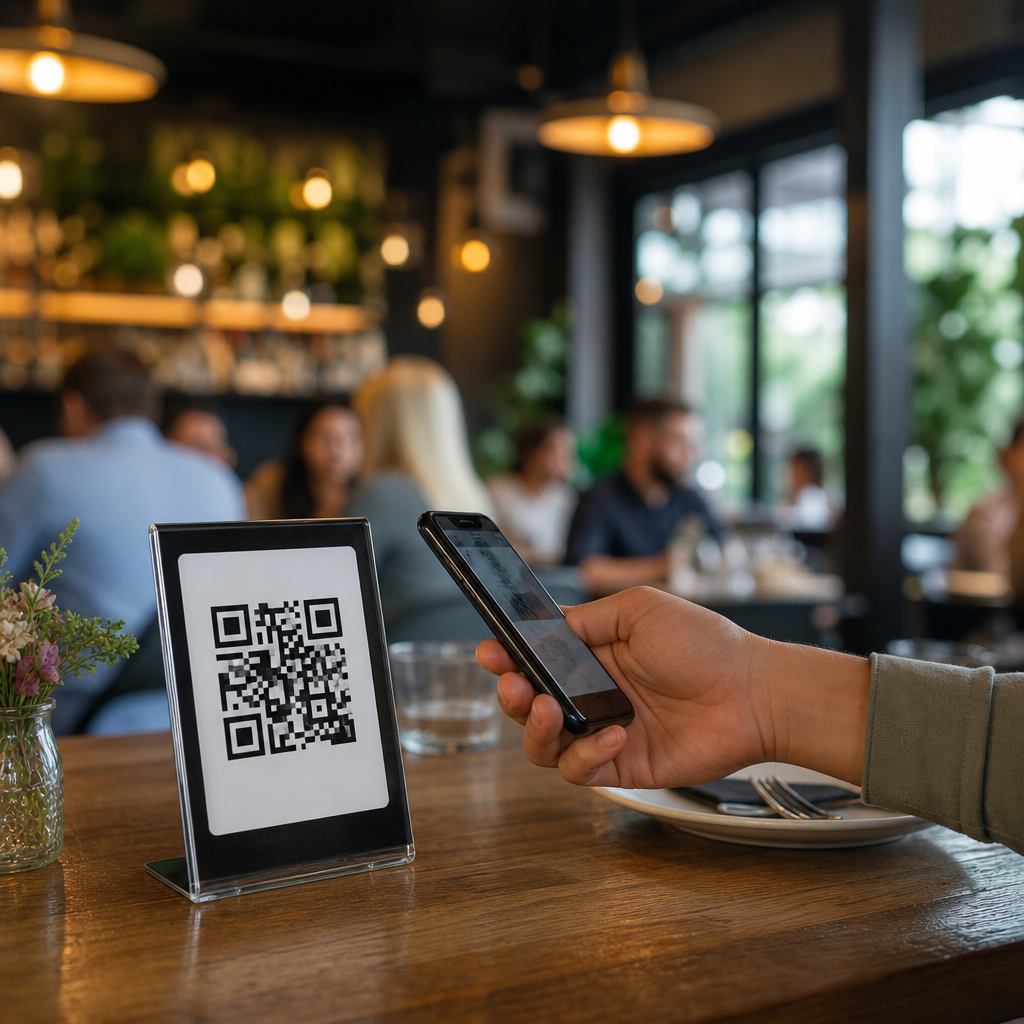
Context also determines placement and creative treatment. On packaging, a small callout near usage instructions can outperform a large promotional badge because it aligns with why the customer is holding the product. On windows and outdoor posters, scan distance and glare become critical, so larger codes, higher contrast, and shorter load times matter more than dense creative. On table tents, a code that opens an order flow should sit next to a simple benefit statement such as “Scan to pay in under 30 seconds.” Good campaigns remove ambiguity. People scan more when they know exactly what happens next.
Creative marketing ideas using QR codes across channels
Creative marketing ideas using QR codes are easiest to plan when organized by channel. Packaging is one of the most underrated placements because attention is already captured. A coffee brand can place a code on the bag that opens brew guides, origin stories, playlists, and subscription offers. A cosmetics company can link from carton panels to shade matching, tutorial videos, and replenishment reminders. Consumer packaged goods brands also use package-level QR codes for ingredient transparency and recycling instructions, which strengthens trust while adding measurable engagement after sale.
In-store retail offers more immediate conversion opportunities. Shelf talkers can link to comparison charts, verified reviews, and in-stock variants. Fitting rooms can use QR codes for alternate sizes, style bundles, or associate assistance. Endcaps can trigger instant rebates through mobile wallet offers instead of paper coupons. I have seen stores improve assisted selling by putting product education codes directly on display fixtures so customers can self-serve basic questions and staff can focus on closing. The key is speed. If the mobile page takes too long, shoppers return to browsing and the moment is lost.
Restaurants and hospitality businesses can go beyond digital menus. Hotels can place room QR codes for late checkout requests, spa booking, local guides, and room service reordering. Cafes can connect table codes to loyalty sign-up and seasonal drinks. Restaurants can invite diners to scan dessert menus that unlock chef notes or wine pairings. These experiences feel interactive when they reduce wait time or add discovery. They fail when they force unnecessary steps, such as downloading an app before showing the menu. Progressive web pages often outperform app-first experiences for first-time users.
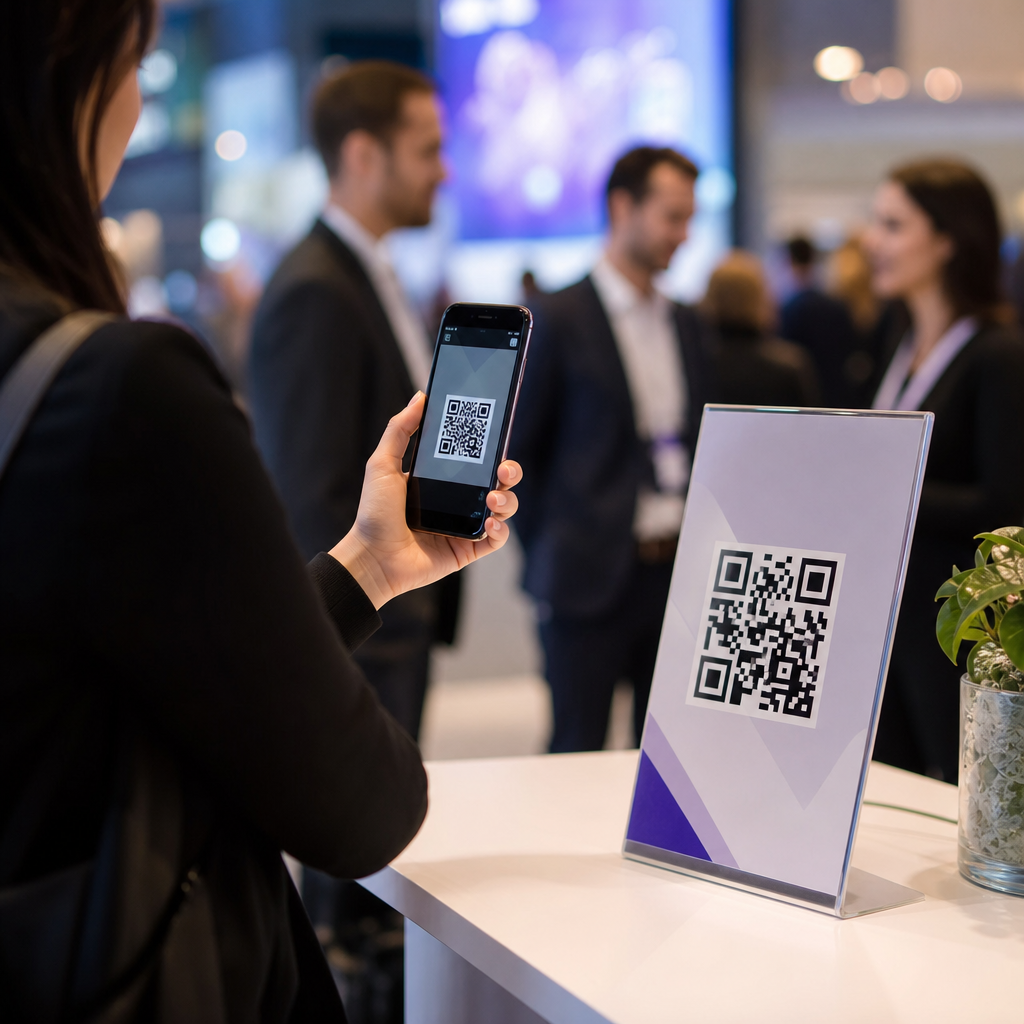
Events, direct mail, and out-of-home media are especially strong for lead capture and attribution. Trade show booths can use QR codes for product sheets, demo booking, badge-free lead forms, and post-event nurture sequences. Direct mail can personalize the landing page by recipient segment, making response rates easier to attribute than vanity URLs alone. Billboards and transit ads work when the offer is extremely simple, such as “Scan for today’s code” or “Scan to find the nearest store.” Complex actions do not belong in fast-moving environments. Match the friction level to the setting and the campaign will feel natural.
| Channel | Best QR Use | Customer Benefit | Primary Metric |
|---|---|---|---|
| Packaging | How-to content, registration, replenishment | Faster setup and stronger product confidence | Repeat visits and registrations |
| Retail store | Reviews, inventory, instant offers | Better purchase decisions on the spot | Scan-to-purchase rate |
| Restaurant | Menus, ordering, loyalty, payment | Less waiting and easier reorders | Average order value |
| Event booth | Demos, lead forms, downloadable assets | Quick access without paperwork | Qualified leads captured |
| Direct mail | Personalized landing pages and offers | Relevant message with low effort | Response rate |
Design landing pages and experiences that increase scans and conversions
A QR code campaign succeeds or fails on the destination experience. The landing page should load quickly, reflect the promise made near the code, and present one primary action. If the sign says “Scan for 15% off,” the page should show the discount immediately, not bury it under navigation. If the code is on packaging for assembly help, the first screen should offer a clear video, step-by-step setup, and support contact. Message match is the simplest and most reliable conversion principle in QR marketing. It is also the most frequently ignored.
Mobile-first design is mandatory. Keep forms short, use large tap targets, and avoid intrusive pop-ups that block the content users scanned to see. Apple Wallet and Google Wallet passes can improve redemption because they save offers in a familiar place. SMS capture can work, but only after the core value is delivered. For example, a winery tasting room might let visitors scan for tasting notes and then offer club updates by text. That sequence respects intent. Asking for data before delivering value usually reduces completion rates and creates distrust.
Interactive elements should feel useful, not gimmicky. Product configurators, spin-to-reveal discounts, quizzes, augmented reality try-ons, and location-aware store maps can all perform well if they support a buying decision. Beauty brands often use shade finders because they shorten a difficult choice. Home improvement retailers can use room calculators tied to square footage and product quantity, reducing returns caused by ordering mistakes. Even a simple reorder button can be highly interactive when it removes a repetitive task. Utility wins because it creates a measurable business outcome and a positive customer memory at the same time.
Accessibility is part of conversion, not a separate checklist. Use high color contrast, readable type, descriptive headings, and alt text where appropriate. The QR code itself needs sufficient quiet zone, strong contrast, and an error correction level suited to the creative treatment. ISO/IEC 18004 defines the QR code standard, and following scanner-friendly design rules is nonnegotiable. Avoid placing codes on curved surfaces when possible, and test with older devices, weak lighting, and low connectivity. Real-world conditions reveal problems that desktop previews never show. Reliable scanning is the foundation of every engagement metric that follows.
Measure performance, attribution, and optimization opportunities
Measurement is where QR marketing becomes a serious channel rather than a novelty. At minimum, track scans, unique visitors, bounce rate, conversion rate, time on page, and assisted revenue. Dynamic QR platforms commonly provide scan timestamp, rough location, operating system, and repeat scan behavior. Google Analytics 4, Adobe Analytics, HubSpot, and Salesforce can connect downstream actions such as purchases, form submissions, and booked meetings. When QR traffic is tagged consistently with campaign, medium, creative, and placement identifiers, you can compare a package insert against a shelf sign or a window decal against a direct mail piece with confidence.
The most useful KPI depends on the job of the code. For awareness, reach and engagement depth may be enough. For commerce, scan-to-cart and scan-to-purchase rates are more important than raw scans. For retention, repeat scans, loyalty enrollments, and reorder frequency tell a stronger story. I prefer to build a measurement framework before design starts because it influences architecture. If you need store-level attribution, each location needs its own code or parameter set. If you need salesperson attribution at an event, each rep should have a unique destination. Clean data begins with campaign structure, not with dashboard styling.
Testing should be continuous. Run A/B tests on the call to action near the code, the incentive, the landing page headline, and the form length. Compare “Scan for a free sample” against “Scan to claim today’s free sample” rather than changing five elements at once. In physical environments, placement tests are often more impactful than copy tests. Moving a code from the bottom corner of a sign to eye level near the price can double scan volume simply because customers notice it sooner. The same logic applies to print finish, lighting, distance, and surrounding clutter.
There are limits to attribution, and honest teams acknowledge them. Not every scan leads to an immediate digital conversion. Some scans influence an in-store purchase later, and some customers switch devices before buying. Privacy settings and consent requirements also affect data completeness. That does not make QR measurement weak. It means marketers should combine first-party analytics, coupon redemption data, CRM status, and periodic lift analysis. When several signals point in the same direction, the channel’s contribution becomes clear enough to guide budgeting and creative decisions responsibly.
Common mistakes, compliance issues, and practical next steps
Several mistakes appear in weak QR campaigns again and again. The first is offering no reason to scan. A bare code without a clear benefit underperforms because people do not want surprises. The second is sending users to a homepage instead of a purpose-built mobile destination. The third is poor print execution, including tiny codes, low contrast, crowded backgrounds, or placement where glare blocks the camera. The fourth is forgetting maintenance. Expired pages, broken redirects, and outdated event details quickly erode trust. A QR code campaign should have an owner, a review schedule, and a documented update process.
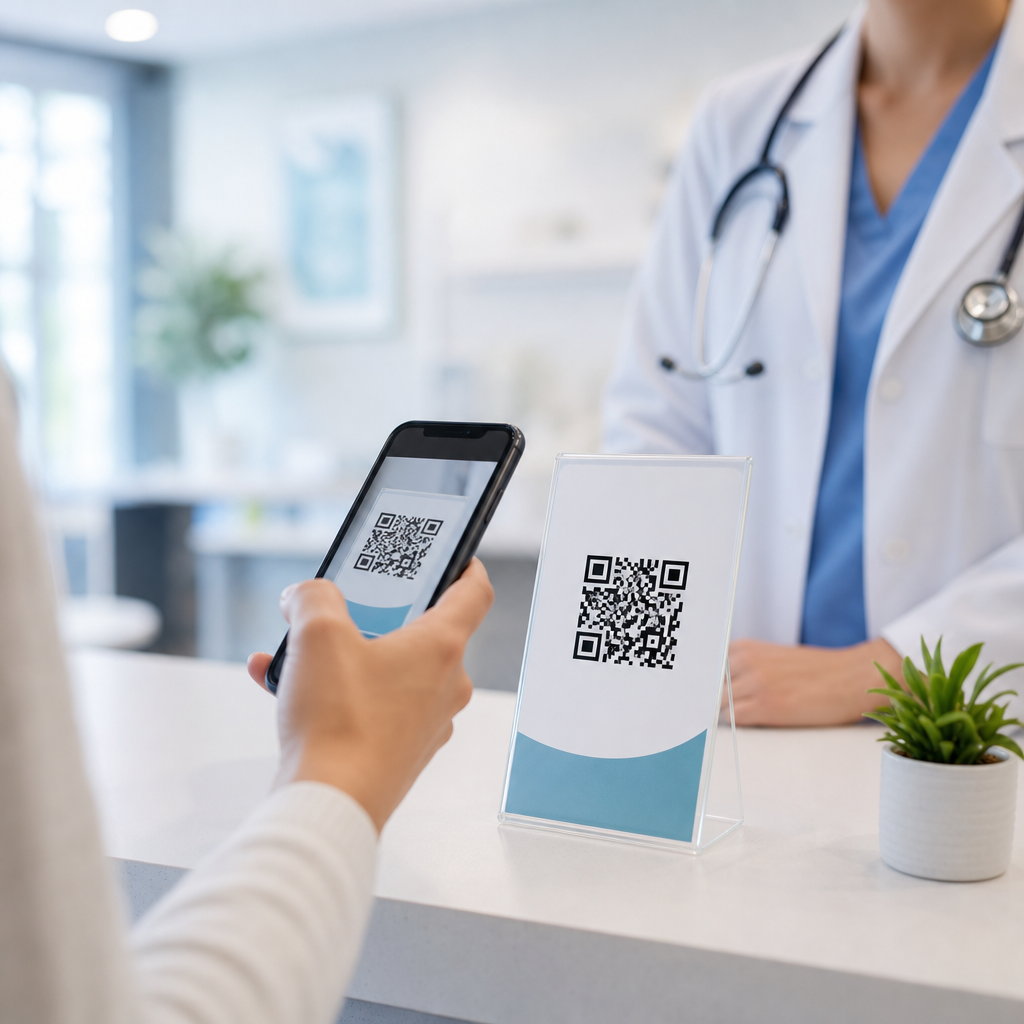
Compliance deserves equal attention. If a code leads to data capture, disclose what information is collected and how it will be used. If the experience includes SMS or email enrollment, follow applicable consent rules and provide straightforward opt-out language. For regulated industries such as healthcare, alcohol, finance, and pharmaceuticals, the destination content may need additional disclosures, age gates, or approval workflows. Security also matters. Branded domains, HTTPS, and clear visual identity help users trust that the code is legitimate. In public spaces, tamper checks are wise because malicious stickers can replace printed codes and redirect traffic.
For teams building a hub around QR code campaign ideas and case studies, the practical next step is to create a repeatable playbook. Start with three high-intent use cases, one per stage of the customer journey: discovery, conversion, and retention. Define the offer, destination, measurement plan, and update process for each. Then document lessons by industry, placement, and audience segment. Over time, that library becomes a source of proven QR code ideas that can be adapted across markets. Interactive QR code ideas for customer engagement are powerful because they connect physical attention to digital action with very little friction. Use them deliberately, test them rigorously, and build each scan into a better customer experience.
Frequently Asked Questions
What makes a QR code interactive instead of just a basic link?
An interactive QR code does more than send someone to a generic homepage. It is designed to match the context of the scan and guide the user into a specific action that feels timely and useful. For example, instead of linking to your main website, an interactive QR code might open a product demo video, a limited-time coupon, a feedback form, an event check-in page, a menu, a payment screen, or an augmented reality experience. The goal is to reduce friction and make the next step obvious.
What makes this especially powerful for customer engagement is relevance. A code printed on packaging can unlock setup instructions or loyalty rewards. A code on a store display can open a comparison guide or a “buy now” page. A code at a live event can trigger a giveaway entry or connect attendees to a digital brochure. In each case, the scan is tied to the moment the customer is already in, which makes the experience feel helpful rather than promotional.
Interactive QR codes also become stronger when paired with tracking, personalization, and mobile-friendly landing pages. Marketers can measure scans, locations, devices, conversion rates, and campaign performance, then refine the destination over time. That means the code is not just a shortcut. It becomes a measurable engagement tool that bridges offline attention and digital action.
What are the best interactive QR code ideas for improving customer engagement?
Some of the most effective QR code ideas are the ones that solve an immediate customer need while creating a reason to continue interacting with your brand. Popular options include instant discount codes, loyalty program sign-ups, product tutorials, interactive quizzes, customer review prompts, contest entry forms, appointment booking pages, app download links, and digital menus or catalogs. These experiences work because they offer a clear benefit in exchange for a simple scan.
For retail and product-based businesses, QR codes on packaging, shelf talkers, and window signage can lead to how-to videos, restock alerts, user guides, or bundles related to the item being viewed. For restaurants and hospitality brands, they can power menu browsing, order-ahead tools, reservation pages, feedback forms, and local attraction guides. For service businesses, they can be used on flyers, invoices, vehicles, and business cards to open quote forms, consultation scheduling pages, testimonial galleries, or before-and-after portfolios.
More creative engagement ideas include gamified experiences such as spin-to-win offers, scavenger hunts, hidden content, or location-based challenges. Brands can also use QR codes to invite customers into augmented reality try-ons, behind-the-scenes videos, or customer communities. The best idea depends on your audience and the setting, but the strongest campaigns always answer one question well: why should someone scan right now?
Where should businesses place QR codes to get the most scans and engagement?
Placement has a major impact on performance because people are far more likely to scan when the code appears at a moment of attention, curiosity, or decision-making. Strong placements include product packaging, in-store displays, checkout counters, direct mail pieces, event signage, menus, receipts, posters, window decals, table tents, brochures, and business cards. These locations work because they reach people when they are already physically interacting with your brand or considering a next step.
The highest-performing placements usually combine visibility with context. A QR code next to a featured product should offer something related to that product, such as a demo, coupon, review page, or buying guide. A code on a receipt might invite customers to join a rewards program or complete a short satisfaction survey. A code on event materials can direct people to speaker bios, downloadable resources, or live polling. If the destination feels disconnected from where the code appears, engagement tends to drop.
It is also important to think about usability. The code should be large enough to scan easily, placed where lighting and distance are reasonable, and supported by a short call to action such as “Scan for 10% off,” “Watch the demo,” or “Book your free consultation.” Businesses should test placements in real conditions before rolling out a campaign widely. A technically functional QR code is not enough. It has to be visible, intuitive, and worth scanning.
How can businesses measure whether an interactive QR code campaign is successful?
Success starts with defining the action you want people to take after scanning. Depending on the campaign, that might be purchases, form submissions, coupon redemptions, app installs, bookings, reviews, video views, or loyalty sign-ups. Once that goal is clear, businesses can track not only scan volume but also conversion behavior. This is what separates a vanity metric from real engagement. A campaign with fewer scans but stronger conversions may be far more valuable than one with high curiosity and low follow-through.
Most modern QR code platforms provide analytics such as total scans, unique scans, time of day, device type, approximate location, and scan trends over time. These insights help marketers understand where engagement is strongest and which placements or offers are underperforming. UTM parameters, dedicated landing pages, coupon codes, and CRM integrations can extend visibility even further, making it easier to connect offline scan activity with downstream sales or lead generation outcomes.
Businesses should also evaluate the full user experience after the scan. If people scan but quickly leave the page, the issue may be a slow load time, poor mobile design, weak message match, or an unclear call to action. A good testing process includes comparing different destinations, offers, visuals, and placement strategies. Measuring QR code success is not just about how many people scanned. It is about whether the scan led to a meaningful and measurable customer action.
What are the most important best practices for creating effective QR code experiences?
The first best practice is to give people a compelling reason to scan. A QR code by itself does not create engagement. The value behind it does. Every code should be paired with a clear call to action and a destination that is specific to the customer’s situation. Instead of saying only “Scan me,” explain the benefit: “Scan to unlock a discount,” “Scan to see how it works,” or “Scan to leave feedback in 30 seconds.” Clear expectations increase trust and improve scan rates.
The second priority is mobile experience. Because most QR scans happen on smartphones, the destination must load quickly, display cleanly on smaller screens, and make the next action easy to complete. Keep landing pages focused, reduce unnecessary steps, and make forms short where possible. If you are sending users to video, payments, scheduling, or app installs, the path should feel seamless from scan to completion. Friction after the scan is one of the most common reasons campaigns underperform.
Finally, use dynamic QR codes when possible so you can update the destination without reprinting materials, monitor analytics, and optimize performance over time. Maintain strong contrast for easy scanning, avoid overcrowded designs, test across multiple phone types, and make sure the code is placed where users can scan comfortably. When businesses combine strong creative, relevance, tracking, and a smooth mobile experience, QR codes become much more than a novelty. They become a practical and scalable customer engagement channel.