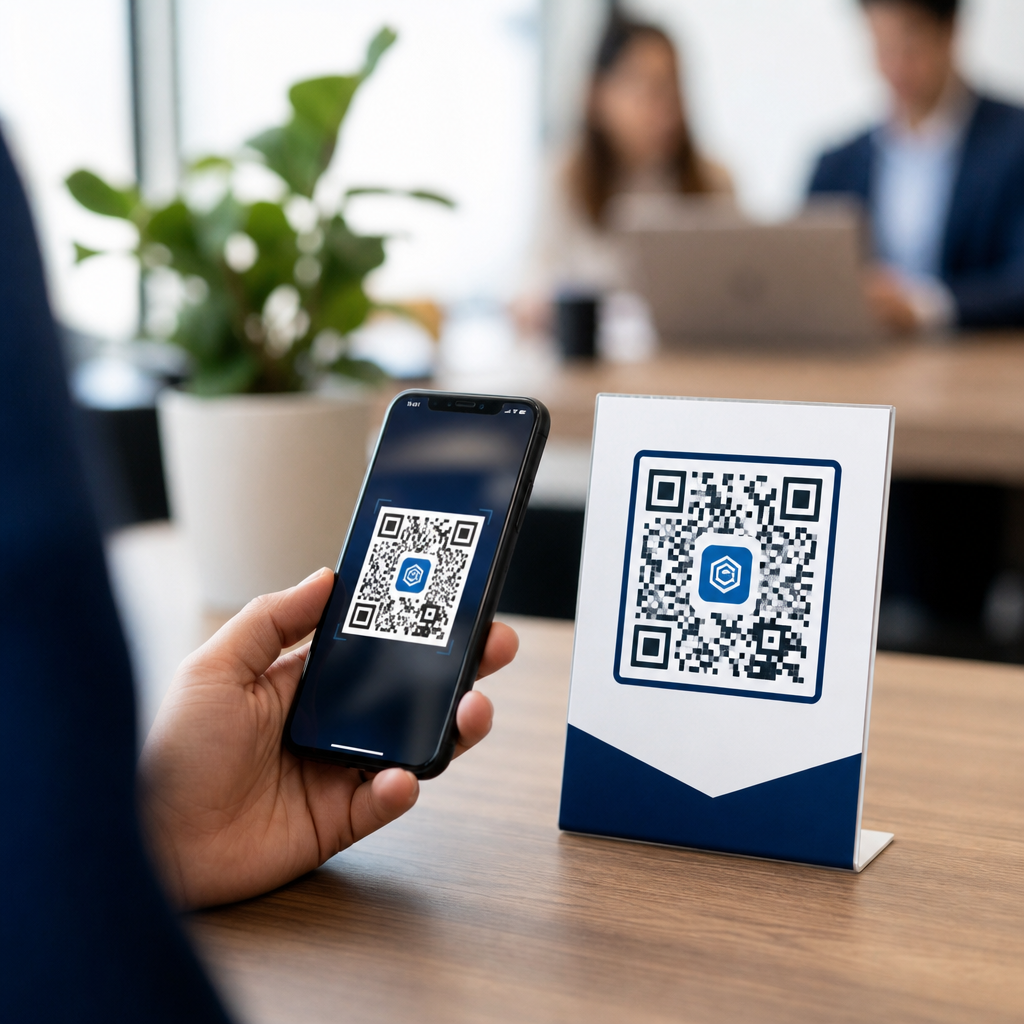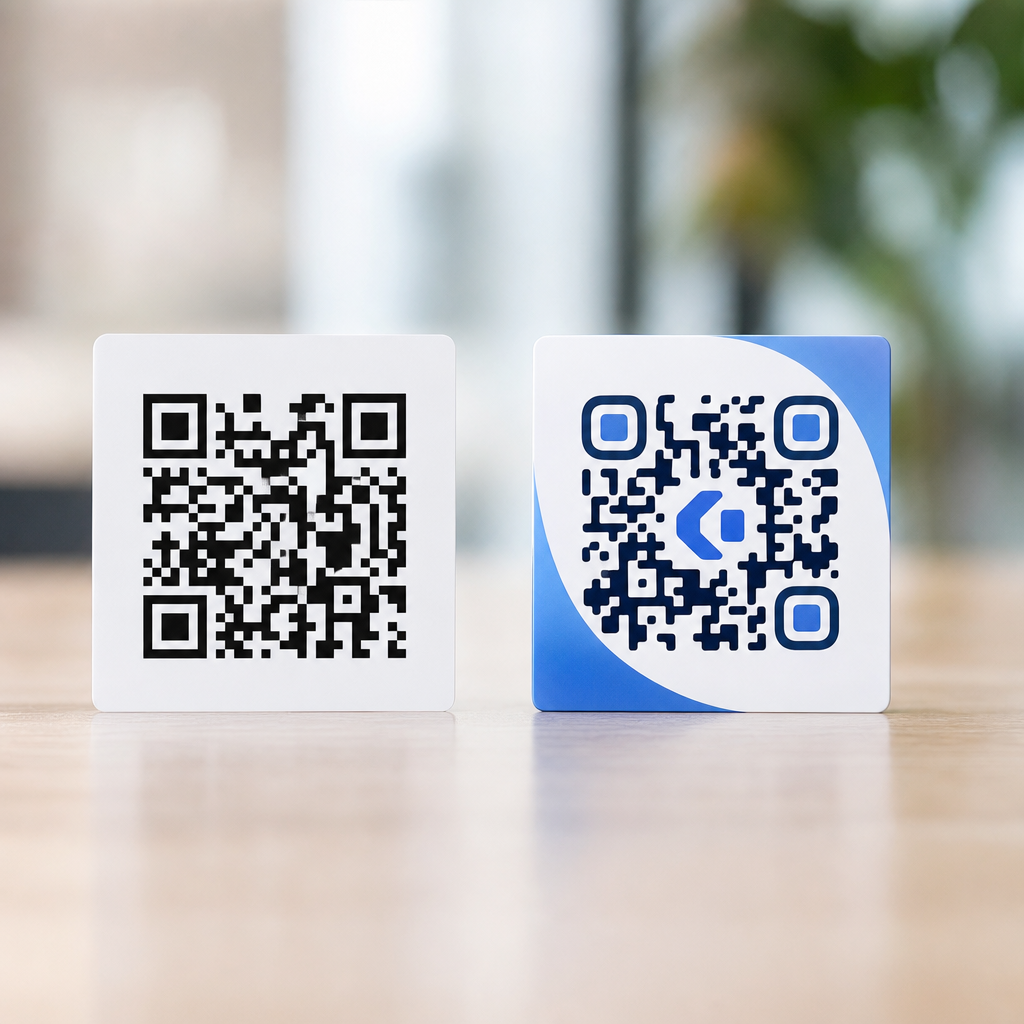
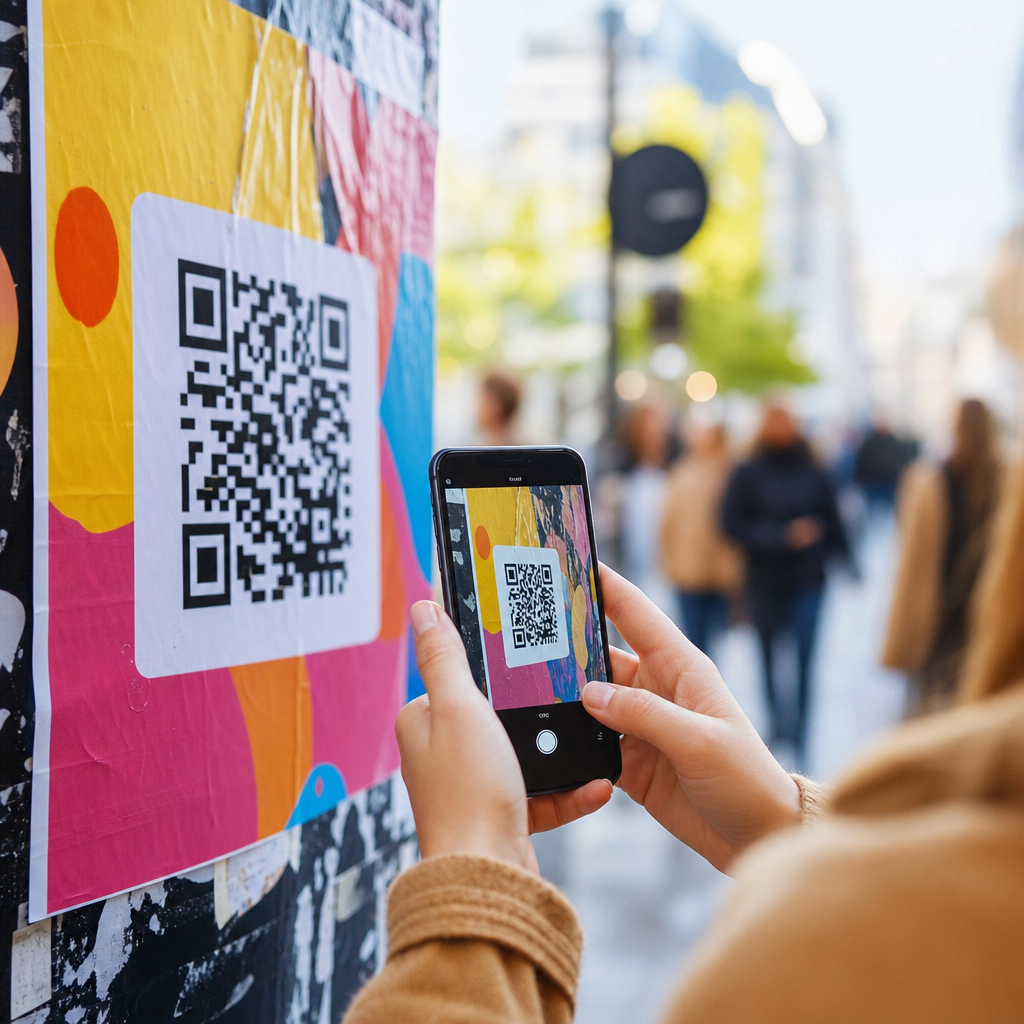
Creative QR code campaigns work when the scan gives people an immediate, relevant payoff and when the code itself is placed, designed, and measured as part of a broader customer journey. In practice, the strongest campaigns are not built around novelty alone. They connect physical attention to digital action, reduce friction, and make the next step obvious. That is why creative QR code campaign ideas have become a core part of modern brand marketing, retail activation, packaging design, events, and out-of-home media.
A QR code, or Quick Response code, is a two-dimensional barcode that stores a destination such as a website, landing page, payment link, app deep link, coupon, video, form, or file. Most smartphone cameras now scan QR codes natively, which has removed the old adoption barrier of needing a separate app. That shift matters. A tactic that once felt experimental is now normal consumer behavior in restaurants, stores, airports, product packaging, and direct mail. Brands can use dynamic QR codes to change the destination after printing, track scans by time and location, and run A/B tests on offers, pages, and creative treatments.
I have worked on QR code campaigns for retail displays, trade show booths, packaging refreshes, and print mailers, and the pattern is consistent: the campaigns that perform best answer three questions instantly. Why should I scan? What will I get? How long will it take? If the value exchange is vague, scan rates fall. If the page loads slowly, conversions collapse. If the code is too small, poorly contrasted, or hidden in clutter, even strong offers underperform. Creative execution matters, but utility closes the loop.
This hub article explains creative QR code campaigns from strategy through execution. It covers campaign types, design principles, placements, measurement, and common mistakes. It also serves as a practical guide for marketers building branded QR experiences across packaging, posters, menus, product tags, in-store signage, business cards, vehicle wraps, and event collateral. The goal is not just to inspire ideas, but to show which creative QR code campaign ideas actually work, why they work, and how to build them with reliable performance and brand consistency.
What makes a QR code campaign effective
An effective QR code campaign is built on intent matching. The context in which someone sees the code should align with the destination and call to action. A commuter at a train station can respond to a concise offer, such as “Scan for today’s store pickup discount,” but is unlikely to complete a ten-field lead form. A shopper holding a product box is more willing to view assembly instructions, compare colors, register a warranty, or unlock loyalty points because the scan supports an immediate need. Good campaigns respect the user’s moment.
The second driver is perceived value. People scan for savings, convenience, access, exclusivity, entertainment, or information. The strongest examples state that benefit directly beside the code. “Scan to watch the recipe,” “Scan to enter the giveaway,” and “Scan to verify authenticity” all outperform generic language such as “Learn more.” In my experience, replacing a vague CTA with a specific promise regularly increases scans because it removes guesswork and gives the user a reason to act now rather than later.
Third, campaign quality depends on execution details: error correction level, quiet zone, contrast, destination speed, and analytics setup. ISO/IEC 18004 standards define QR code structure, but practical deployment also requires testing at real sizes, distances, and lighting conditions. A beautifully branded code is useless if a matte black code sits on a dark photo background or if a logo overlay damages readability. Effective design keeps the code scannable first and decorative second.
Creative QR code campaign ideas by channel
Creative QR code campaign ideas work best when tailored to where the audience encounters them. On product packaging, use QR codes for recipes, tutorials, refill subscriptions, ingredient sourcing, or post-purchase onboarding. A coffee brand can place a code on the bag that opens brew guides for French press, pour-over, and espresso. A skincare company can send users to a routine builder based on skin type. These campaigns succeed because the buyer already has intent and the package is a recurring touchpoint in the home.
In retail stores, QR codes can bridge shelf browsing and assisted selling. A furniture retailer can place codes on room sets that open AR placement tools, fabric options, dimensions, and financing details. Beauty stores can use codes beside testers to launch shade-matching quizzes or short videos with application tips. Grocery chains can attach codes to seasonal displays that reveal meal plans, digital coupons, and shopping lists. The scan becomes a self-service layer that helps the customer move from curiosity to confidence.
At events and trade shows, the most effective campaigns reduce line friction and improve lead quality. Instead of collecting stacks of business cards, exhibitors can use branded QR codes on booth graphics for instant brochure access, meeting booking, prize entries, and CRM-connected lead forms. A software company can create separate dynamic codes for each product demo station, then compare scan-to-meeting rates by interest area. Because event traffic is noisy and time-limited, short landing pages with one next step perform better than general homepage links.
Print media remains highly effective when the QR code closes the gap between offline attention and mobile action. Direct mail pieces can use personalized QR codes that open location-specific offers or prefilled quote forms. Posters and transit ads can connect to app downloads, limited-time promotions, or interactive maps. Restaurants can go beyond menus and use tabletop QR codes for loyalty enrollment, waitlist management, and chef video stories. The creative idea should always be anchored in an action that is easy to complete on a phone in under a minute.
| Channel | High-performing QR use case | Why it works |
|---|---|---|
| Packaging | How-to videos, product registration, refills | Reaches buyers post-purchase when intent is high |
| Retail signage | Reviews, color options, coupons, AR demos | Supports decisions at the shelf without staff assistance |
| Events | Lead capture, scheduling, gated assets | Reduces friction and enables measurable follow-up |
| Direct mail | Personalized offers, quote requests, payments | Turns print attention into immediate mobile response |
| Out-of-home | Limited-time offers, maps, app downloads | Creates fast action during otherwise passive exposure |
Campaign concepts that consistently drive scans
Several campaign structures repeatedly outperform because they give the user a concrete benefit. One is the instant utility campaign. This includes setup guides, repair instructions, ingredient details, event schedules, and map-based directions. For example, a consumer electronics brand can put a code on the box lid for “5-minute setup,” reducing support calls while improving first-use satisfaction. Utility campaigns are not flashy, but they produce strong scan rates because they solve a real problem in the moment.
Another proven model is the incentive campaign. Retailers use QR codes to deliver first-purchase discounts, bundle offers, loyalty rewards, or mystery prizes. The key is transparency. “Scan for 15% off today” usually performs better than “Scan for a surprise,” unless the audience already trusts the brand and enjoys gamified promotions. Fast-food chains and convenience retailers often combine geotargeted dynamic codes with redemption tracking to measure which store posters and window decals produce visits and purchases.
Storytelling campaigns are especially powerful for premium brands, nonprofits, and mission-led products. A wine label can link to vineyard footage, tasting notes, and food pairings. A nonprofit annual report can use QR codes to show beneficiary stories, audit summaries, and donation options. A fashion brand can connect hangtags to designer interviews or supply chain transparency pages. These experiences deepen brand perception when they remain concise and visually strong. If the video is too long or the destination is cluttered, users drop off quickly.
Gamified campaigns can be effective when the mechanics are simple. Scavenger hunts, scan-to-win promotions, stamp trails at festivals, and collectible digital badges all create repeat engagement. The mistake many brands make is adding too many rules. The better approach is straightforward: scan, unlock, and receive. A museum can place QR codes throughout an exhibit that reveal clues and collectible content. A campus orientation program can use codes at key buildings to guide new students while rewarding completed stops. The creative idea works because the scan advances progress.
Designing branded QR codes without hurting scan performance
Branded QR codes can raise attention and improve trust, but only when fundamentals are protected. Maintain strong contrast, preserve the quiet zone, and test the final code at production size on the actual material. Light modules on dark backgrounds can scan, but dark modules on light backgrounds remain more reliable across older phones and difficult lighting. Keep logos modest and use error correction carefully. High error correction can tolerate more design changes, yet it also increases density, which can make small codes harder to scan from a distance.
Size and placement should reflect viewing conditions. A code on a business card may work at 0.8 inches if printed sharply, while a code on a shop window or bus shelter should be much larger and easy to reach visually. I usually test scan distance using a simple rule: if the intended scan happens from several feet away, increase size aggressively and eliminate surrounding clutter. Avoid placing codes on curved surfaces that distort modules, glossy materials that create glare, or folded edges that break the pattern.
The call to action is part of the design, not an afterthought. Put a clear benefit next to the code, use directional visual cues if needed, and keep nearby copy brief. If the destination is a video, say so. If the code opens a menu, booking page, coupon, or warranty form, state that plainly. Strong design also supports brand consistency. Use approved colors, typography, and landing page elements so the scan experience feels continuous from print to phone. A creative QR code campaign should look intentional, not bolted on.
How to measure QR code campaign success
Measurement starts before launch. Use dynamic QR codes so destinations can be edited and analytics captured without reprinting. Set clear KPIs by campaign type: scan rate, unique scans, click-through rate, conversion rate, average order value, booking rate, coupon redemption, form completion, or assisted revenue. Add UTM parameters and connect landing pages to analytics platforms such as Google Analytics 4, Adobe Analytics, HubSpot, or Salesforce. For physical locations, pair scans with point-of-sale redemptions or store visit proxies where possible.
The most useful analysis compares contexts, not just totals. A code on packaging may generate fewer scans than one in email signatures, but those scans may convert at a far higher rate because they occur post-purchase. Segment by placement, creative version, device type, daypart, and geography. If one poster location drives scans but not sales, the offer may be misaligned. If scans are strong but bounce rate is high, the landing page may be too slow, too generic, or not mobile friendly. Numbers only matter when tied to decision points.
Testing should be continuous. A/B test CTA wording, page layout, incentive type, and destination format. For example, compare “Scan for 10% off” against “Scan to unlock today’s discount,” or a short form against one-tap wallet pass delivery. In one retail campaign I worked on, changing the landing page from a homepage to a mobile coupon page increased redemption because users no longer had to navigate. That kind of lift is common. QR campaigns usually fail from friction after the scan, not from the code itself.
Common mistakes and how to avoid them
The biggest mistake is sending users to a homepage. A homepage asks the visitor to figure out the next step, and most will not. Every QR code should lead to a dedicated mobile landing page matched to the context and promise of the CTA. Another frequent error is treating every scan as a lead-generation opportunity. If the person wants assembly help, forcing them through a form creates resentment and abandonment. Respect the intent of the moment, then offer an optional next step such as email signup or loyalty enrollment.
Poor production decisions also hurt performance. Tiny codes, low contrast, overdesigned patterns, and weak internet environments all reduce scans. Teams often forget to test from real devices under real lighting, or they print static QR codes before the destination is finalized. Compliance and privacy can be another weak point. If the page collects data, say what is being collected and why. Use secure destinations, avoid link shorteners that look suspicious, and make sure redirects do not trigger browser warnings.
Finally, many brands stop at one-off activations instead of building a repeatable QR code system. The stronger approach is to create templates for campaigns, naming conventions for analytics, landing page modules, and brand rules for placement and CTA copy. That turns creative QR code campaigns into a scalable channel rather than a series of isolated experiments. Start with one high-intent use case, measure it carefully, and expand what proves value. When the scan experience is useful, fast, and clearly branded, QR codes become one of the most practical bridges between physical marketing and digital conversion.
Creative QR code campaigns succeed because they turn attention into action with very little friction. The best ideas are specific, context-aware, and measurable. They use packaging, retail signage, events, direct mail, and out-of-home media to answer a real user need, whether that need is information, savings, convenience, proof, or entertainment. They also respect the basics: scannable design, strong calls to action, fast mobile pages, and analytics that show what happened after the scan.
As a hub within QR code design and branding, this topic connects strategy with execution. Creative concepts matter, but performance depends on fit between placement, audience, offer, and landing page. Utility campaigns, incentive campaigns, storytelling experiences, and simple gamified journeys all work when the payoff is immediate and the path is clear. Branded QR codes can improve trust and recognition, yet design choices should never compromise readability. In every case, the code is only the doorway; the destination creates the result.
If you are building your next campaign, begin with one customer moment where a scan can remove friction or add value. Create a dedicated mobile destination, write a direct CTA, test the code in real conditions, and track outcomes with dynamic links and campaign analytics. Then refine and expand. The brands that get the most from QR codes are not the ones using the flashiest designs. They are the ones delivering the clearest benefit, every time someone scans.
Frequently Asked Questions
What makes a creative QR code campaign actually effective instead of just gimmicky?
A creative QR code campaign works when the scan leads to something useful, timely, and clearly connected to the moment in which a person encounters it. In other words, the success of the campaign usually has less to do with the novelty of the QR code itself and more to do with what happens immediately after someone scans. The strongest campaigns provide an obvious value exchange: exclusive content, a discount, a product demo, a how-to guide, event access, loyalty rewards, a quick purchase path, or some other next step that feels worth the effort. If the user has to guess why they should scan, or if the landing experience is slow, generic, or confusing, performance drops quickly.
Effective campaigns also fit naturally into a broader customer journey. A QR code on packaging should solve a packaging-related need, such as product instructions, refill ordering, ingredient transparency, or membership enrollment. A code in a store should support in-store decisions, such as checking inventory, unlocking a bundle offer, or comparing product features. At events, the QR code should speed up registration, content access, lead capture, or social participation. Relevance is what turns a creative idea into a campaign that produces measurable business results.
Just as important, high-performing campaigns reduce friction. The design should make the code easy to notice and easy to scan. The call to action should be explicit, such as “Scan to see the demo,” “Scan for 15% off,” or “Scan to unlock the full collection.” The destination should be mobile-first, fast-loading, and focused on a single primary action. Brands that treat QR codes as conversion tools rather than decorative add-ons tend to see better engagement, more qualified traffic, and stronger attribution across offline and online channels.
Where should brands place QR codes for the best campaign results?
The best placement depends on intent, context, and timing. QR codes perform best when they appear at a point where the user is already primed to take the next step. That could be on product packaging at the exact moment someone is considering how to use the item, on a shelf talker when they are comparing options in-store, on direct mail when they are reviewing an offer, or at an event booth when they are ready to learn more. Placement matters because QR codes are most effective when they connect physical attention with immediate digital action.
Visibility and scanability are practical considerations that often determine results. The code should be large enough to scan comfortably, positioned at a height and angle that makes scanning natural, and printed with enough contrast to avoid misreads. If the campaign appears in public spaces like transit ads, windows, posters, menus, or billboards, the environment matters too. People need enough time and proximity to scan. A beautifully designed code placed where users cannot reach it, see it clearly, or understand its purpose will underperform regardless of the creative concept behind it.
Strong marketers also match placement to audience mindset. Packaging is ideal for education, repeat purchase, and loyalty. Retail displays work well for product discovery and promotional offers. Receipts and inserts can encourage reviews, referrals, or post-purchase onboarding. Event signage can drive agenda downloads, lead capture, and content engagement. Restaurant tables can support ordering, upsells, and feedback. Vehicle wraps, outdoor placements, and experiential installations can work well for awareness if they include a compelling reason to scan and a simple destination. The key is to choose locations where the code helps people do something they already want to do, faster and with less friction.
What are some creative QR code campaign ideas that consistently perform well?
The most reliable QR code campaign ideas are the ones that combine creativity with clear user benefit. One strong example is packaging-based storytelling. A consumer scans a code on the product and lands on short-form content about ingredients, sourcing, craftsmanship, care instructions, or usage tips. This works especially well for food, beauty, apparel, home goods, and wellness brands because it adds value after the sale while building trust and product satisfaction. Another proven idea is scan-to-save or scan-to-unlock campaigns in retail, where shoppers receive a limited-time offer, bundle recommendation, or exclusive variant while they are already in buying mode.
Event activations are another high-performing category. Brands can use QR codes for quick registration, digital swag, scavenger hunts, instant giveaways, booth demos, post-event follow-up, or personalized content delivery based on attendee interests. These campaigns succeed because they remove manual steps and create a seamless bridge between the live experience and digital engagement. Similarly, restaurants and hospitality brands often see strong results from QR-powered menus, loyalty sign-ups, table-side ordering, local recommendations, and feedback flows because the value is immediate and highly relevant to the setting.
Interactive campaigns also tend to perform well when the reward is clear. Examples include scan-to-vote experiences, product quizzes, before-and-after visualizers, augmented reality try-ons, surprise-and-delight offers, or location-based treasure hunts. For B2B and service brands, QR codes can support case study downloads, consultation booking, product configurators, and gated content tied to trade shows or print collateral. Across all of these ideas, the common thread is not creativity for its own sake. It is creativity attached to a specific customer need, a simple call to action, and a destination that moves the person naturally toward conversion, retention, or advocacy.
How can brands track and measure the success of a QR code campaign?
Measurement starts by defining the real objective of the campaign before the code is ever printed. Some campaigns are designed to drive direct sales, while others focus on email sign-ups, event registrations, app downloads, product education, repeat purchase, or customer support deflection. Once that goal is clear, the QR code should point to a trackable destination with campaign parameters, analytics integration, and a landing page built around one primary action. This allows marketers to go beyond scan counts and evaluate whether the campaign actually influenced business outcomes.
Useful metrics typically include total scans, unique scans, scan location, device type, time of day, conversion rate, bounce rate, form completions, coupon redemptions, add-to-cart activity, revenue per scan, and downstream engagement such as repeat visits or loyalty enrollment. For retail or packaging campaigns, brands may also compare performance by product line, store region, display type, or creative variation. For event campaigns, they may track lead quality, follow-up engagement, demo requests, and pipeline influence. The goal is to understand not just how many people scanned, but what happened after the scan and whether that behavior justified the campaign investment.
A/B testing can make QR campaigns significantly more effective over time. Brands can test different calls to action, incentive types, landing page layouts, code placements, visual treatments, and audience segments. Dynamic QR codes are especially valuable because they allow destination updates without reprinting materials and often support richer analytics. Marketers should also look for friction points, such as slow pages, unclear value propositions, or too many steps after the scan. When QR measurement is tied to broader attribution and conversion tracking, the channel becomes much more than a novelty tactic. It becomes a measurable bridge between offline exposure and digital performance.
What are the biggest mistakes to avoid when launching a QR code marketing campaign?
One of the most common mistakes is leading users to a generic homepage instead of a purpose-built mobile landing page. People scan because they expect a direct path to something specific, and sending them into a broad website experience creates unnecessary friction. Another frequent problem is weak or missing calls to action. A QR code by itself does not explain why someone should engage. Clear prompts such as “Scan for the recipe,” “Scan to book a demo,” or “Scan to claim today’s offer” consistently outperform vague presentations because they set immediate expectations and make the benefit obvious.
Brands also often underestimate design and usability details. Codes that are too small, poorly contrasted, distorted by creative styling, or placed in awkward positions can reduce scan rates dramatically. The same goes for destinations that are slow, not mobile-optimized, or overloaded with options. A successful QR campaign should feel easy from start to finish. That means fast load times, focused content, minimal form friction, and a logical next step that matches the user’s intent in that physical setting. If the code appears on packaging, in-store signage, direct mail, or event materials, the post-scan experience should reflect that context immediately.
Another major mistake is failing to plan for measurement and iteration. Without trackable links, analytics, and clear success criteria, it becomes difficult to know whether the campaign worked or how to improve it. Some brands also rely too heavily on novelty, assuming that a visually interesting QR code or unconventional placement is enough to drive engagement. In reality, performance comes from relevance, clarity, and payoff. The best campaigns make the scan feel like the shortest route to something the audience already values. When brands focus on that principle, QR codes become a practical, high-impact tool for modern marketing rather than a short-lived gimmick.