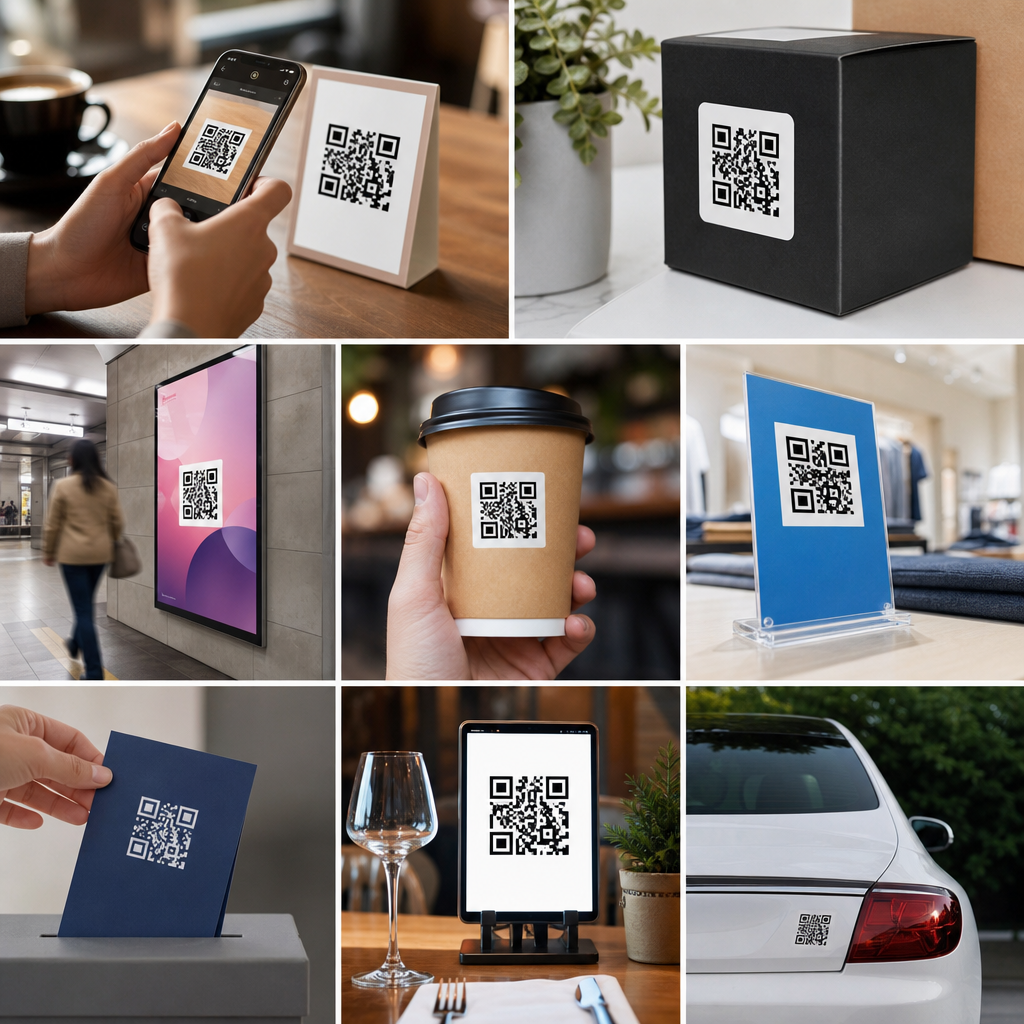
QR codes have moved far beyond simple links on posters, and the brands getting the best results now treat them as flexible campaign tools rather than technical add-ons. A QR code, or quick response code, is a two-dimensional barcode that smartphones can scan to open a webpage, launch an app, save contact details, reveal a coupon, start a payment flow, or trigger other digital actions. In marketing, that matters because the code creates a direct bridge between a physical touchpoint and a measurable digital experience. I have used QR codes in retail launches, event programs, direct mail, and packaging redesigns, and the performance gap between “just add a code” and “build a campaign around the scan” is enormous.
Creative QR code campaigns work because they remove friction at the exact moment attention is highest. A shopper standing in an aisle, a diner holding a menu, or an attendee waiting for a keynote is already engaged. If the code offers a clear value exchange, such as exclusive content, faster checkout, loyalty points, or a personalized offer, scan rates rise and conversion quality improves. Industry adoption also supports the trend. Smartphone camera apps now scan natively on iOS and Android devices, and platforms such as Bitly, Beaconstac, QR Code Generator Pro, Flowcode, and Uniqode make dynamic codes, analytics, and design customization practical for businesses of any size.
This article serves as a hub for creative QR code campaigns within a broader QR code design and branding strategy. It covers ten proven ways to use QR codes in marketing, what makes each tactic effective, and where the limitations are. The core rule is simple: the destination matters more than the code itself. Strong campaigns align the code design, placement, call to action, and landing experience with one specific user intent. When that alignment is missing, even beautifully branded QR codes underperform. When it is present, QR codes can increase attribution, improve offline-to-online tracking, and turn static materials into interactive brand assets.
1. Turn product packaging into an owned media channel
Packaging is one of the most underused places for creative QR code campaigns because it reaches customers after purchase, when interest is strongest and attention is undivided. Instead of sending every scan to a homepage, route buyers to product tutorials, setup instructions, care guides, warranty registration, ingredient sourcing, refill subscriptions, or cross-sell bundles. A skincare brand, for example, can place a dynamic QR code on the carton that opens a short routine builder based on skin type. A coffee roaster can link to farm profiles, brew ratios, and reorder pages. In my experience, packaging scans often deliver higher engagement time than ad traffic because the user already owns the product and wants help or reassurance.
Dynamic codes are especially useful here because they let marketers update the destination without reprinting inventory. That matters for seasonal campaigns, recall notices, updated manuals, or localized landing pages. The code should be placed where the hand naturally pauses, near opening tabs, side panels, or usage instructions, and paired with a direct prompt like “Scan for setup in 60 seconds” or “Scan to unlock refill pricing.” This tactic also supports internal linking strategy across your QR code campaign content: packaging pages can connect to articles on branded QR code design, landing page best practices, and analytics setup, helping the broader topic cluster perform better.
2. Make direct mail interactive and measurable
Direct mail remains effective because physical pieces command attention, but traditional mail has long struggled with attribution. QR codes solve that problem when each segment receives a campaign-specific destination. A real estate brokerage can mail neighborhood reports with a code leading to a valuation tool. A dental clinic can send recall cards with a code to appointment booking. A B2B software company can mail executive briefs that open a personalized video from the account rep. The creative leap is not the code itself; it is matching the message, audience, and landing page tightly enough that the scan feels like the natural next step.
Use unique dynamic QR codes by list segment, offer, or geography, then compare scan-through rate, bounce rate, form completion, and downstream revenue in Google Analytics 4 or Adobe Analytics. Add UTM parameters so offline mail can be evaluated beside paid search and social. The biggest mistake I see is linking mailers to generic pages that make recipients search again for the promised offer. If the postcard says “Claim your spring tune-up for $49,” the scan should open directly to that service page with the coupon preloaded. Friction destroys response rates, while relevance makes direct mail measurable at a level that older campaign managers could only estimate.
3. Use in-store displays to educate shoppers at the shelf
In retail, shelf-edge QR codes can answer the final questions that prevent purchase: size, compatibility, ingredients, assembly difficulty, warranty terms, and customer reviews. This works particularly well in categories with high consideration or limited package space, including consumer electronics, home improvement, supplements, and specialty food. A hardware retailer can place codes on display units that open installation videos for smart thermostats. A grocery chain can link private-label products to recipes and allergy information. A furniture showroom can open augmented room previews or fabric care instructions. The scan gives shoppers confidence without requiring an associate to be present.
Success depends on physical context. Codes must be large enough to scan from natural standing distance, printed with strong contrast, and placed where glare from store lighting will not interfere. Retailers should also plan for weak connectivity by using lightweight mobile pages that load quickly on in-store networks. If multiple products share one display, use a table on the landing page to compare dimensions, pricing tiers, and key features. When I have audited underperforming in-store QR code campaigns, the problem was usually not demand but poor usability: low placement, slow pages, or vague calls to action such as “Learn more” instead of “See if this fits your sink in 30 seconds.”
4. Upgrade event marketing before, during, and after attendance
Events are ideal for QR code marketing because attendees move through repeated physical touchpoints: invitations, badges, signage, slides, booths, and handouts. Before the event, codes can simplify registration, agenda selection, and calendar adds. During the event, they can unlock speaker bios, session polls, giveaway entries, lead capture forms, and downloadable resources. Afterward, the same dynamic destinations can be updated to host recordings, presentation decks, and follow-up offers. Trade show teams especially benefit because booth staff can qualify leads with one scan instead of collecting business cards manually.
The most effective event campaigns assign a different code to each placement and purpose. A badge code may store contact details in vCard format, while a booth banner links to a product demo, and a slide deck code opens the session worksheet. That structure lets marketers attribute scans by audience intent. One software client I worked with found that booth-side demo QR codes converted to pipeline at nearly double the rate of general event landing pages because the user had already self-selected into a specific product interest. For compliance and trust, always label what happens after the scan, particularly when data capture is involved, and avoid forcing long forms on mobile users standing in crowded spaces.
5. Add QR codes to menus, table tents, and hospitality touchpoints
Restaurants, hotels, and venues often first adopted QR codes for contactless menus, but the stronger opportunity is broader guest engagement. A menu code can do more than display dishes; it can highlight chef stories, dietary filters, wine pairings, limited-time specials, and loyalty enrollment. A hotel room code can open late checkout requests, spa booking, room service ordering, local guides, or Wi-Fi instructions. A stadium concession code can direct fans to express pickup ordering, reducing lines while increasing average order value. These uses turn service environments into personalized, measurable digital journeys.
The hospitality setting rewards concise experiences. Guests are often hungry, in transit, or multitasking, so the landing page must present the most likely action first. For example, a cocktail menu scan should not bury reservations, happy-hour timing, or ingredients beneath long brand copy. Accessibility also matters. Use readable type, multilingual options where needed, and alt text on linked images. Because hospitality relies heavily on repeat visits, connect scans to CRM and loyalty systems such as Toast, SevenRooms, OpenTable, or Salesforce Marketing Cloud. That allows follow-up offers based on actual table behavior, not just assumptions, while keeping the interaction useful in the moment rather than purely promotional.
6. Power social contests and user-generated content campaigns
QR codes can connect offline audiences to social participation more smoothly than asking them to search for a hashtag or remember a profile name. On packaging, retail displays, receipts, or event signage, a code can send users to an Instagram entry page, a TikTok challenge brief, a photo upload form, or a branded gallery showing recent submissions. Beverage brands, cosmetics companies, and sports teams use this tactic well because customers already like showing products in real-world settings. The code lowers the effort required to join the campaign and gives the brand a controlled destination before users move to social platforms.
| Campaign type | Best QR destination | Main metric | Practical example |
|---|---|---|---|
| Packaging contest | Mobile entry page | Entry rate | Snack brand rewards creative lunchbox photos |
| Retail display challenge | Hashtag guide and gallery | Post volume | Beauty retailer features before-and-after looks |
| Event photo activation | Upload form with consent | Qualified leads | Conference booth collects team selfies for prizes |
| Receipt-based giveaway | Proof-of-purchase submission page | Repeat purchase rate | Café chain enters customers into monthly draw |
To keep these campaigns compliant and usable, spell out the rules, deadlines, prizes, and content permissions at the destination page. If moderation is required, use tools that separate submission from publication so unsafe or off-brand content never appears publicly without review. Short, explicit prompts outperform abstract creative briefs. “Scan to upload your game-day setup and win VIP seats” is clearer than “Join the movement.” When social campaigns underperform, it is usually because the reward is weak, the instructions are unclear, or the scan lands on a page that feels disconnected from the physical touchpoint that inspired it.
7. Deliver instant coupons and loyalty rewards at the point of decision
Coupons work best when redemption is immediate and easy, and QR codes are excellent at that final-mile delivery. In-store signage, window decals, receipts, and package inserts can trigger mobile coupons, wallet passes, or loyalty enrollments at the precise moment a customer is deciding whether to buy again. A quick-service restaurant can place a code on trays for “Scan now, get fries on your next visit.” A fitness studio can put one at reception to unlock a referral credit. A boutique can use fitting-room signage to offer first-party SMS signup discounts without requiring customers to type anything.
There are tradeoffs. Overusing discounts can train buyers to wait for offers, so the most sustainable approach is to vary rewards by audience and objective. New visitors may receive a first-purchase incentive, while existing customers get loyalty points, birthday perks, or early access instead. Retailers should also build fraud controls, such as single-use codes, limited redemption windows, or POS validation through platforms like Square, Shopify, or Lightspeed. The QR code itself should communicate the benefit plainly: “Scan for 10% off today” will outperform decorative codes with no explanation. Clarity, redemption speed, and accurate tracking are what make coupon campaigns profitable rather than noisy.
8. Use printed ads and outdoor media to create two-step storytelling
Billboards, transit posters, magazine ads, and out-of-home placements typically suffer from limited space and low interaction, but QR codes can extend them into richer narratives. The creative principle is simple: the ad earns curiosity, and the scan delivers substance. A film distributor can use a teaser poster that opens a trailer and showtimes. A nonprofit can place a code on subway ads that opens a 30-second donor story with one-tap giving. An apparel brand can turn a lookbook spread into a shoppable collection page filtered to the exact items shown in the image. This approach works best when the first step is emotionally strong and the second step is frictionless.
Outdoor campaigns do require realism. People scanning from sidewalks or vehicles need larger codes, concise URLs as fallbacks, and fast-loading destinations. Weather, lighting, and viewing angle affect scannability, so print testing is not optional. I recommend measuring not just scans, but assisted conversions and geographic lift where possible. Mobile location data, branded search increases, and landing page heatmaps can help separate casual curiosity from true campaign impact. A QR code on a billboard should never open a cluttered homepage. It should answer the next obvious question immediately, whether that is “Where do I buy this?” “What is the trailer?” or “How do I donate in under a minute?”
9. Support sales enablement with QR-powered print collateral
Brochures, catalogs, business cards, one-sheets, and proposal leave-behinds remain common in B2B and high-ticket sales, yet they often go stale the moment they are printed. QR codes keep printed collateral useful by connecting it to current case studies, explainer videos, ROI calculators, implementation timelines, or interactive product selectors. A manufacturer can place a code in a trade binder that opens updated specification sheets and CAD files. A consulting firm can use one on a capabilities deck to link to a relevant industry benchmark report. A realtor can add property-specific codes to flyers for virtual tours, disclosures, and lender calculators.
This tactic also improves handoff between marketing and sales. Each rep, territory, or campaign can use a distinct dynamic QR code, allowing attribution by source even when meetings happen offline. CRM integrations with HubSpot, Salesforce, or Microsoft Dynamics can tag scans to accounts and trigger follow-up sequences automatically. The key is to respect buyer stage. A prospect receiving an introductory one-sheet should not be sent straight into a hard demo request if they still need education. Effective sales collateral uses QR codes to continue the exact conversation started on paper, with messaging continuity that makes the experience feel intentional rather than stitched together.
10. Build post-purchase advocacy, reviews, and referrals
Some of the highest-value creative QR code campaigns happen after the sale. Inserts, receipts, thank-you cards, onboarding emails rendered for print, and shipping boxes can all carry codes that guide customers to review requests, setup checklists, community forums, referral programs, or replenishment reminders. Consumer brands often chase acquisition while neglecting the customers they already paid to win. A QR code placed in the unboxing flow can ask for a review at the right moment, invite buyers to share a referral link, or direct them to support resources before frustration appears. That improves retention while also generating social proof for future buyers.
Timing and sequencing matter. Ask for a review only after the product has had enough time to deliver value, and route unhappy users to support before asking for public feedback. Platforms such as Yotpo, Okendo, Trustpilot, and Bazaarvoice can manage this workflow, while referral tools like ReferralCandy or Friendbuy can track advocacy outcomes. The most effective post-purchase codes are specific and human: “Need setup help?” “Love it? Refer a friend.” “Ready to reorder?” That language reflects the customer’s real situation. Creative QR code campaigns succeed when they solve the next problem or unlock the next benefit, not when they ask users to do unnecessary work.
Used well, QR codes make marketing more direct, more measurable, and more useful to customers. The ten approaches in this guide, from packaging and direct mail to events, hospitality, loyalty, outdoor advertising, sales collateral, and post-purchase advocacy, all follow the same principle: every scan should lead to a clear, relevant action. Creative QR code campaigns are not about novelty. They are about reducing friction, matching intent, and connecting physical brand moments to digital experiences that can be tracked and improved over time.
As the hub page for creative QR code campaigns, this article should anchor your broader QR code design and branding strategy. The strongest programs combine branded code design, smart placement, mobile-first landing pages, dynamic destination management, and analytics that tie scans to business outcomes. If you are planning your next campaign, start with one high-intent touchpoint, define the exact value of the scan, and test the full journey from code placement to conversion. Then expand what works. That disciplined approach turns QR codes from decorative add-ons into reliable marketing infrastructure.
Frequently Asked Questions
1. How can businesses use QR codes creatively in marketing beyond linking to a homepage?
QR codes are most effective when they do far more than send people to a generic landing page. Creative marketers use them as flexible campaign tools that connect a physical moment to a specific digital action. For example, a restaurant can place QR codes on packaging that unlock a limited-time recipe, playlist, or loyalty reward. A retail brand can add codes to in-store displays that launch product comparison pages, style guides, or customer reviews. Event marketers can print QR codes on signage, badges, or giveaways to drive app downloads, schedule access, speaker bios, or real-time contests. Direct mail campaigns can use personalized QR codes that lead recipients to custom offers based on location, audience segment, or purchase history.
Other high-impact uses include QR-powered scavenger hunts, video demonstrations on product packaging, instant discount redemption, digital business card downloads, gated content access, and post-purchase onboarding. The key is to match the QR experience to the customer’s context. If someone scans from a storefront window, the destination should help them shop or learn immediately. If they scan from packaging, it should deepen the product experience. The most creative campaigns treat the QR code as an entry point into something useful, exclusive, or interactive rather than as a simple technical shortcut.
2. What are the best places to put QR codes in a marketing campaign?
The best placement depends on where your audience is most likely to notice the code and have enough time and motivation to scan it. High-performing placements often include product packaging, retail shelves, store windows, event booths, menus, flyers, brochures, catalogs, direct mail pieces, business cards, posters, vehicle wraps, trade show materials, and even receipts. Digital-to-physical crossover placements also work well, such as QR codes in presentation slides, print ads, magazine spreads, and conference signage. In each case, the code should appear where it naturally supports the customer journey instead of interrupting it.
Good placement also requires practical thinking. The code needs to be large enough to scan easily, placed at a comfortable height or viewing distance, and printed with enough contrast to remain readable. A QR code on a billboard, for example, may be ineffective if people cannot safely scan it. A code on product packaging should not be tucked into a fold or curved around a hard-to-read surface. It is also important to include a short call to action near the code, such as “Scan for 15% off,” “Watch the demo,” or “See today’s menu,” so people instantly understand the value. Strong placement combines visibility, convenience, and a clear reason to engage.
3. How do QR codes help marketers track performance and measure campaign results?
One of the biggest advantages of QR codes in marketing is that they create a measurable bridge between offline exposure and online behavior. When a customer scans a QR code, that action can be tracked as a campaign touchpoint. Marketers can use unique URLs, UTM parameters, dynamic QR code platforms, and analytics tools to monitor how many scans occurred, when they happened, where they came from, what devices were used, and what users did after landing on the destination. This makes it much easier to evaluate the effectiveness of printed materials, physical displays, packaging, or event promotions that would otherwise be difficult to measure accurately.
More advanced tracking can reveal which placements, offers, or audience segments perform best. For example, a brand might assign different QR codes to in-store signage, direct mail, and product inserts to compare scan rates and conversion rates across channels. A campaign can also measure deeper actions such as purchases, app installs, form submissions, coupon redemptions, or video completions. Dynamic QR codes are especially valuable because they allow marketers to update the destination without reprinting the code and often provide built-in reporting dashboards. Used correctly, QR codes turn static marketing assets into trackable performance tools, helping teams optimize creative, placement, and messaging based on real user behavior.
4. What makes a QR code campaign successful from a user experience standpoint?
A successful QR code campaign feels effortless and relevant to the person scanning it. The first requirement is clarity. Users need to know exactly what will happen when they scan, and why it is worth their time. A simple call to action like “Scan to claim your free sample,” “Scan to watch how it works,” or “Scan to join the giveaway” removes uncertainty and improves engagement. The second requirement is speed. The destination should load quickly, work well on mobile devices, and take users directly to the promised content rather than forcing extra clicks or sending them to a generic homepage.
Relevance is equally important. The content behind the code should match the moment in which the scan happens. Someone scanning from a product label may want setup instructions, ingredient details, or warranty registration. Someone scanning from a poster may want event details, ticket access, or a promotional offer. Good campaigns also reduce friction by avoiding unnecessary form fields, confusing navigation, or outdated pages. Finally, strong design matters. The QR code should be easy to find and easy to scan, but it should also feel integrated into the brand experience. When marketers combine a compelling incentive, a seamless mobile destination, and context-aware messaging, the QR code becomes a helpful customer tool instead of a novelty.
5. Are dynamic QR codes better than static QR codes for marketing?
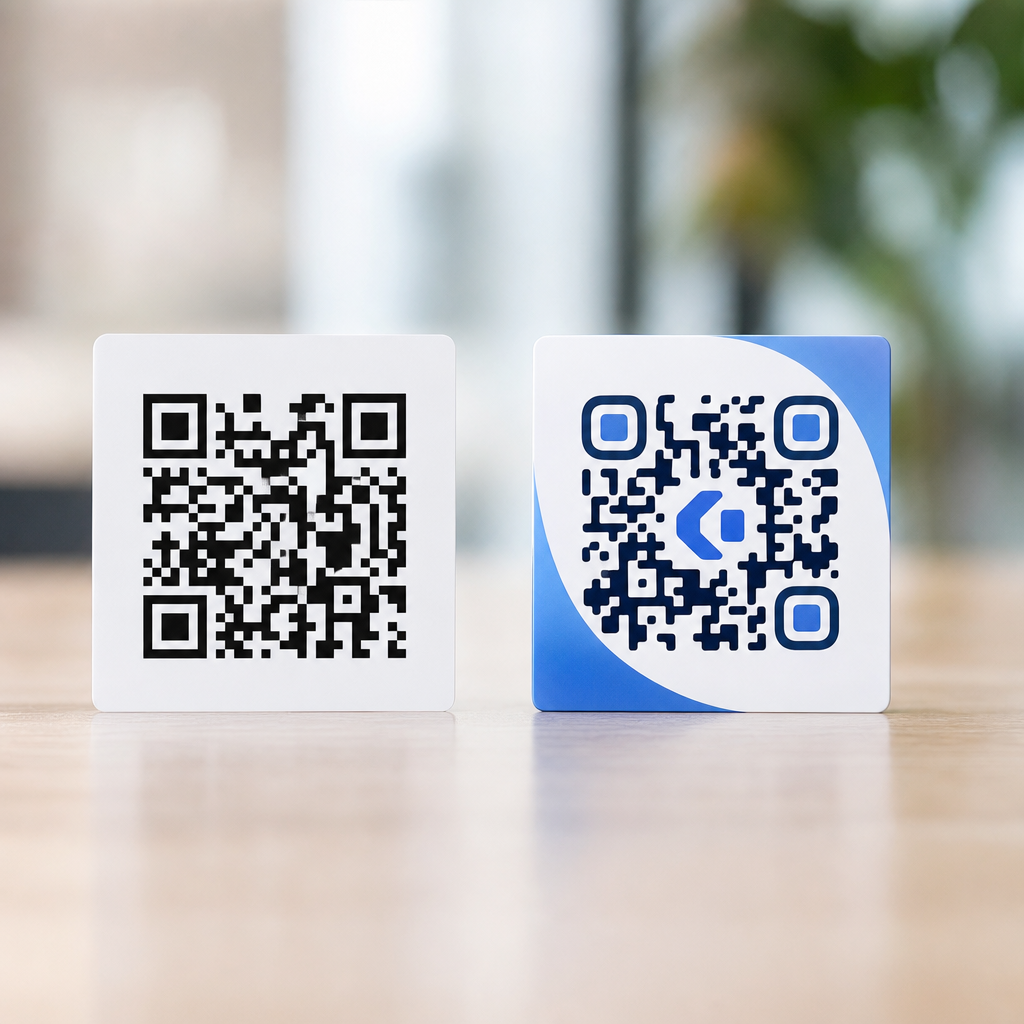
In most marketing situations, dynamic QR codes are the better choice because they offer flexibility, control, and better analytics. A static QR code points to a fixed destination that cannot be changed once printed. That can be fine for simple, permanent uses, such as linking to a basic contact page or Wi-Fi login. However, marketing campaigns often evolve. Promotions expire, landing pages change, offers get updated, and audiences may need to be redirected to different content over time. With a dynamic QR code, marketers can change the destination URL without changing the printed code itself, which saves time and avoids reprint costs.
Dynamic QR codes also support stronger campaign management. Many platforms provide scan analytics, geographic data, device insights, time-based reporting, and integration with broader marketing tools. That means a single printed code on packaging, signage, or direct mail can continue delivering value long after launch because the destination can be optimized based on results. Dynamic codes can also be used for A/B testing, seasonal promotions, localized experiences, or emergency content updates if a page breaks or an offer changes. Static QR codes still have a place, but for brands that want measurable, adaptable, and long-term marketing performance, dynamic QR codes are usually the more strategic option.