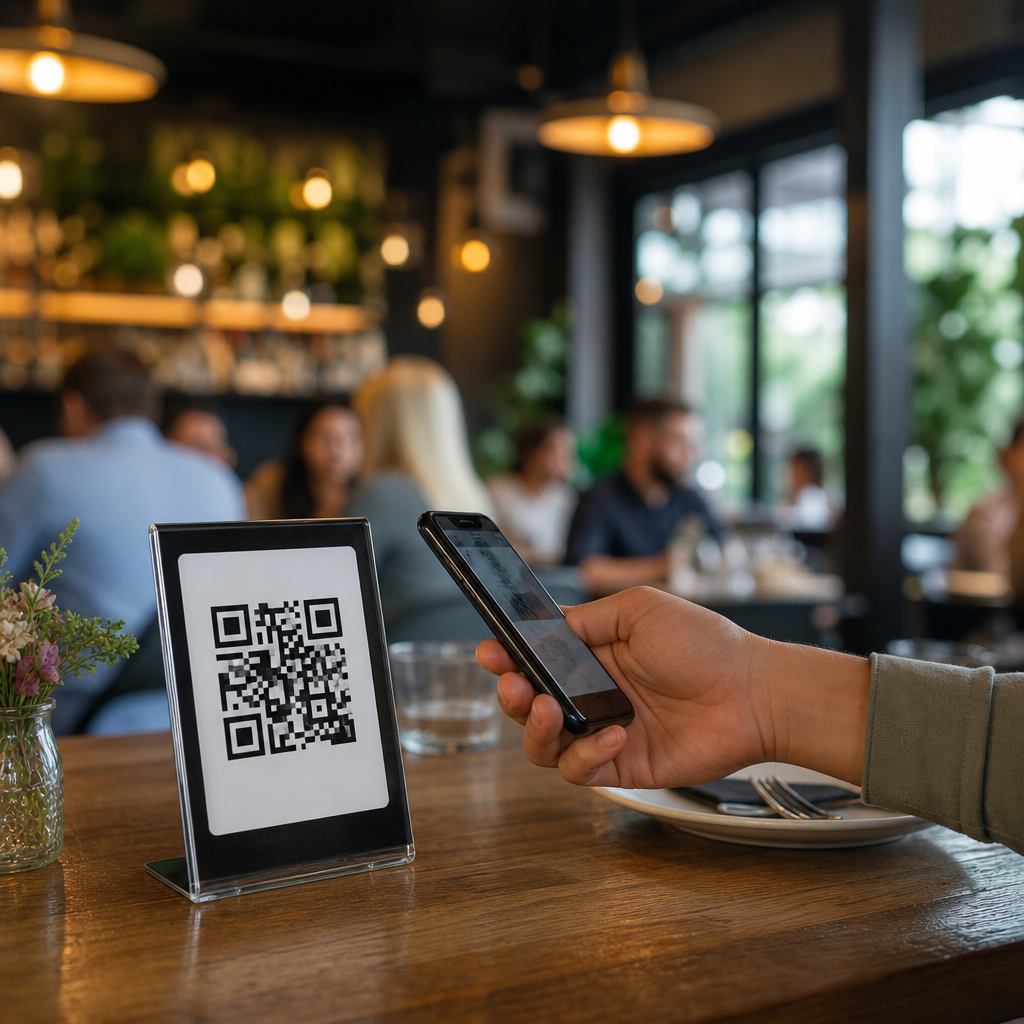
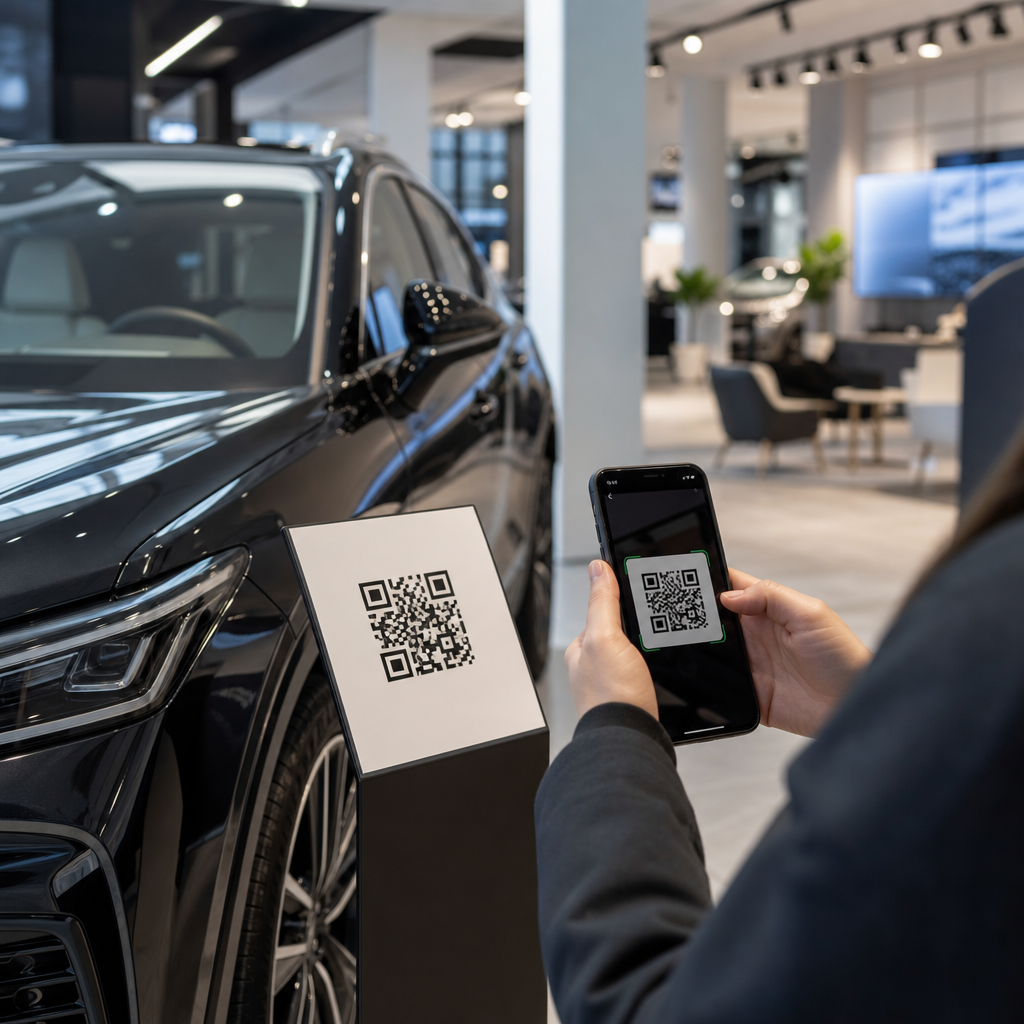
QR codes have become a practical bridge between physical vehicles, dealership spaces, and digital customer journeys, making them especially valuable in automotive marketing where purchase decisions span research, showroom visits, financing, and after-sales service. In this brand case study hub, I will show how QR codes in automotive marketing work, why leading car brands use them, and which campaign patterns consistently produce measurable results. A QR code is a scannable two-dimensional barcode that opens a webpage, app, video, form, coupon, or other digital asset. In automotive settings, that simple function solves a persistent problem I have seen across launches and dealer campaigns: buyers need more information than a poster, windshield sticker, direct mail piece, or outdoor display can hold. When a shopper can scan from a vehicle window, brochure, charging station, event banner, or service reminder, the brand can extend the conversation instantly and track engagement. That matters because automotive purchases are high consideration, often involve multiple stakeholders, and depend on trust built over time. QR-driven campaigns help brands connect awareness to action, whether the goal is a test drive booking, model comparison, financing prequalification, accessory upsell, or service retention. They also create data that marketers can use to improve dealer follow-up, audience segmentation, and campaign attribution.
Why QR codes fit the automotive buying journey
Automotive marketing is uniquely complex because customers move between online research and offline touchpoints repeatedly before they buy. A prospective buyer may see an SUV on the road, check reviews on a phone, visit a dealer, compare trims at home, and return later for a test drive. QR codes reduce friction at each step. On a showroom standee, a scan can open a trim comparison page. On an out-of-home ad, it can launch a model configurator. On direct mail, it can connect to local inventory. In service lanes, it can pull up maintenance packages or owner manuals. I have worked on campaigns where simply replacing a generic homepage link with a QR code tied to the exact model page increased qualified traffic because the scan matched the shopper’s immediate intent.
The best automotive QR code campaigns share three characteristics. First, they offer a clear value exchange, such as “scan to book a test drive” or “scan to see this VIN’s features.” Second, they land on mobile-first pages that load quickly and minimize form fields. Third, they connect the scan data to dealership CRM and analytics platforms so the marketing team can measure outcomes. Without that infrastructure, QR codes become a novelty rather than a performance channel. With it, they support awareness, lead generation, retail conversion, and owner loyalty in one system.
Brand case study patterns that work across automotive campaigns
While each car brand has different positioning, successful automotive QR strategies usually follow a small set of repeatable patterns. The first is product education. Premium and electric vehicle brands often need to explain technology, charging, safety systems, and feature differences. QR codes on window clings, event signage, and brochures can open videos, battery range explainers, interactive dashboards, or side-by-side trim pages. The second is retail activation. Dealers use QR codes to direct shoppers to test drive forms, trade-in valuation tools, finance calculators, and inventory feeds. The third is experiential marketing. Auto shows, pop-up drives, sponsorship activations, and race events rely on QR codes to capture interest without requiring staff to manually enter data. The fourth is ownership support, including service scheduling, accessory catalogs, warranty information, and how-to content.
These patterns matter because they map to actual buyer questions. What does this model do? Is it available near me? Can I afford it? What happens after I buy? A strong brand case study in automotive marketing answers those questions directly and shows where the QR code sat in the customer journey. That is why this hub should be read alongside related subtopic articles on dealership QR campaigns, auto show QR code ideas, EV education journeys, and service retention programs. The hub perspective is useful because it highlights the frameworks behind brand results, not just isolated creative examples.
Case study model launches: turning curiosity into qualified leads
Model launches are one of the strongest use cases for QR codes in automotive marketing because they generate broad awareness that must quickly convert into dealer-level demand. Imagine a new crossover launch supported by outdoor media, print inserts, paid social, and mall displays. A QR code on each asset can lead to the same core journey while using unique parameters for attribution. The landing page can detect location, show the nearest dealers, offer a test drive scheduler, and capture preferences such as trim, fuel type, and monthly budget. That data is far more useful than a generic brochure download because it signals purchase intent.
I have seen launch campaigns improve response quality when QR flows include a short value-led sequence rather than a single form. For example, after scanning, users first see a 30-second overview video, then key model features, then a “build and book” path. This sequence warms the lead and reduces abandonment. For electric vehicles, a launch page can also include charging time, estimated home charger cost, and range calculators. Those details answer the practical objections that often slow EV adoption. Brands that connect these scans to Google Analytics 4, dealer management systems, and marketing automation platforms can separate top-of-funnel curiosity from retailer-ready leads.
| Automotive QR campaign type | Typical placement | Primary objective | Best landing experience |
|---|---|---|---|
| New model launch | Billboards, print ads, event displays | Lead generation and awareness | Model overview plus local test drive booking |
| Dealer inventory | Window stickers, lot signage | Vehicle detail engagement | VIN-specific specs, price, finance options |
| EV education | Charging stations, brochures, pop-ups | Reduce buyer hesitation | Range, charging, incentives, TCO calculator |
| Service retention | Service reminders, waiting area posters | Appointment bookings | One-tap scheduling and maintenance offers |
Dealer and showroom case studies: using QR codes at the point of decision
In dealerships, QR codes are most effective when they supplement staff rather than replace them. Shoppers often browse independently before they are ready to speak with a salesperson, especially on weekends or after hours. A QR code on a vehicle can open a VIN-specific page with exact specifications, packages, price, fuel economy, warranty, and available incentives. That is much more useful than linking every car to a generic inventory page. Some dealer groups also connect the scan to a saved vehicle feature, so the shopper can continue comparing cars at home. This supports the real behavior of modern buyers who rarely complete evaluation in one visit.
Another strong showroom pattern is the “silent salesperson” approach. On standees near advanced driver assistance features, QR codes can open short demonstrations showing lane centering, adaptive cruise control, or parking assist in plain language. That is especially important because automotive technology terminology can confuse buyers. When marketing teams explain features clearly and visually, they reduce the burden on sales staff and increase trust. I have also seen service departments use QR codes on inspection reports, enabling customers to review recommended work, approve repairs, and pay on mobile. This expands QR marketing beyond acquisition into operational convenience, which is often where retention gains appear.
EV and hybrid brand case studies: answering the questions buyers actually ask
Electric and hybrid vehicles have accelerated QR adoption because they require more education than conventional models. Most shoppers do not ask abstract questions about sustainability first; they ask whether charging is convenient, how far the car goes, what incentives exist, and whether ownership costs are lower. QR codes are ideal for these intent-rich moments. At an auto show or charging partner location, a scan can open an EV education hub with range estimates, charging maps, tax credit guidance, and a total cost of ownership calculator. This approach works because it addresses decision barriers immediately.
Brands marketing EVs also benefit from dynamic QR codes, which allow destinations to be updated without replacing printed materials. If incentive rules change, charging partner offers rotate, or local inventory shifts, the same code can still send users to current information. That flexibility matters in EV campaigns where policy, rebates, and availability move quickly. The strongest examples pair education with a next step. After answering charging and cost questions, the page should offer a reservation, consultation, or test drive. Informational content alone creates interest; a guided conversion path turns interest into pipeline. For this reason, EV brand case studies often show better performance when the scan experience combines calculators, FAQs, and retail action in one flow.
Motorsport, sponsorship, and event activations
Automotive brands have long used sponsorships, racing, and experiential events to build emotional connection, but those channels historically struggled with attribution. QR codes help fix that. At a race paddock, fan zone, or sponsored concert, a scan can unlock exclusive content, prize entries, merchandise offers, or behind-the-scenes video while capturing first-party data. The key is aligning the reward with audience intent. If the event audience is broad, a sweepstakes or content hub may work best. If the audience is already brand engaged, a model-specific test drive or dealer offer is more effective.
A useful case study pattern here is tiered engagement. The first scan offers something immediate, such as a driver interview or augmented reality vehicle view. The second step invites the fan to personalize interest by selecting body style, performance preferences, or nearest dealer. This staged design respects the context of events, where people have limited time and attention. Marketers should also ensure scanability from distance by using sufficient code size, contrast, and quiet zone spacing according to ISO/IEC 18004 standards. Many event QR failures are not strategic; they are simple production errors, such as glossy surfaces, low contrast, or poor cellular connectivity at the venue.
Measurement, attribution, and the metrics that matter
Any serious article about QR codes in automotive marketing has to address measurement. The core metrics are scans, unique scans, landing-page engagement, form completion rate, appointment bookings, dealership handoff, and downstream sales or service revenue. But the interpretation matters. High scan volume is not inherently good if the landing page loads slowly or sends every visitor to an irrelevant generic homepage. In my experience, the most informative KPI is qualified action rate: the percentage of scans that become a meaningful next step such as a booked test drive, finance inquiry, service appointment, or saved vehicle.
Marketers should tag every QR destination with campaign parameters and feed results into GA4, CRM, and dealer platforms such as Salesforce Automotive Cloud, CDK, or Reynolds and Reynolds, depending on the retailer environment. Call tracking and offline conversion imports can connect scans to eventual sales. For multi-location brands, store-level dashboards are essential because one dealership may convert QR traffic far better than another based on response speed, inventory depth, or appointment handling. This is where brand case studies become genuinely useful: they reveal not just that a QR code was used, but how operations, analytics, and creative execution worked together.
Best practices and common mistakes for automotive QR campaigns
The most reliable best practice is matching the QR code to a single user intent. If the code appears on a vehicle sticker, the destination should center on that vehicle, not the corporate homepage. If it appears in a service reminder, the destination should be one-tap scheduling, not a general maintenance article. Mobile page speed matters because dealership lots and events often have inconsistent connectivity. Forms should ask only what the next step requires. A test drive form may need name, contact details, preferred model, and dealer. Asking for full household information too early depresses conversion.
Common mistakes are equally clear. Broken links erode trust immediately. Static QR codes become obsolete when offers expire. Poor printing causes scan failures. Landing pages that ignore local inventory create disappointment. Another frequent error is excluding staff from the process. Dealers need to know what the code promises so they can continue the conversation seamlessly. Finally, privacy compliance is nonnegotiable. If the scan leads to lead capture, cookie consent, SMS opt-in rules, and transparent data handling must align with applicable regulations and brand policy.
QR codes in automotive marketing work best when brands treat them as infrastructure, not decoration. The strongest brand case studies show the same pattern: place codes where buyer intent is highest, link each scan to a useful mobile experience, connect the data to dealer and CRM systems, and measure qualified outcomes rather than vanity traffic. For automakers, dealers, and agency teams, the benefit is straightforward. QR codes shorten the distance between interest and action across launches, showrooms, events, EV education, and after-sales engagement. They also make offline media more accountable by turning physical touchpoints into trackable digital journeys. As this hub for brand case studies under QR Code Campaign Ideas & Case Studies expands, use it as your starting framework: study the intent behind each scan, build destinations around real customer questions, and optimize for the next action the shopper actually wants to take. If you are planning a campaign, audit one current automotive touchpoint this week and redesign its QR journey around a single measurable goal.
Frequently Asked Questions
How are QR codes actually used in automotive marketing campaigns?
QR codes are used in automotive marketing as a direct connection point between physical touchpoints and digital experiences. In practice, that means a code can appear on a vehicle window sticker, showroom signage, direct mail piece, print ad, event display, service reminder, or even inside the car itself. When scanned, the code can take a shopper to a model comparison page, financing calculator, trade-in form, vehicle walkaround video, brochure download, configurator, test-drive booking page, or a dealer inventory listing. This makes the customer journey faster and more measurable because the brand does not have to rely on the buyer manually typing a URL or searching for the right page later.
What makes this especially effective in automotive is the length and complexity of the buying cycle. Most car buyers move between online research and in-person dealership visits multiple times before making a decision. QR codes help maintain continuity across those steps. For example, someone scanning a code on a display vehicle at a mall activation can be taken to the exact trim, color, and offer being promoted, rather than a generic homepage. A service customer scanning a code in the waiting area can be shown maintenance packages, upgrade accessories, or loyalty incentives tailored to their vehicle. In strong campaigns, QR codes are not treated as a novelty. They are built into the broader marketing funnel to reduce friction, capture intent, and move shoppers from curiosity to action.
Why do leading automotive brands continue to invest in QR codes?
Leading automotive brands use QR codes because they solve a practical marketing problem: how to connect an offline audience with a digital action in a way that is immediate, trackable, and scalable. Automotive marketers operate across dealerships, events, out-of-home ads, print materials, service departments, and vehicle packaging. QR codes provide a low-friction way to turn all of those physical environments into measurable digital entry points. Instead of hoping a customer remembers a campaign URL, the brand can create a one-scan experience that leads directly to the intended content or conversion page.
Another reason major brands keep using them is that QR codes support personalization and campaign agility. A dynamic QR code can be updated without reprinting the physical asset, which matters when offers, inventory, regional incentives, or landing pages need to change. Brands can also compare performance by location, dealership, vehicle line, audience segment, or campaign type. This helps them identify where buyers engage most and which messaging drives deeper funnel behavior such as brochure downloads, lead form submissions, test-drive requests, and service bookings. In a category where attribution is often difficult because decisions unfold over time, QR codes create clearer signals about what influenced the customer and when.
What types of automotive QR code campaigns tend to produce the best measurable results?
The strongest-performing automotive QR code campaigns usually share one trait: they are tied to a specific customer intent rather than a broad awareness message. Campaigns that send users to a highly relevant landing page often outperform those that simply link to a homepage. For example, a QR code on a showroom placard that opens a model-specific video tour, pricing breakdown, and test-drive form will typically drive more meaningful engagement than a general brand page. The same applies to service marketing. A code on a maintenance reminder that leads directly to appointment scheduling or service specials is more likely to generate measurable action than a generic contact page.
Several campaign patterns consistently stand out. One is inventory-based engagement, where the code leads to a live listing for the exact model being viewed. Another is experiential education, such as augmented walkarounds, safety feature demos, and electric vehicle charging explainers that reduce uncertainty during consideration. A third is lead capture around financing, trade-in valuation, and prequalification, which aligns with the practical questions buyers want answered before committing. Post-sale campaigns also perform well when they focus on convenience, such as quick access to owner manuals, maintenance schedules, roadside assistance information, or accessories. Across all of these examples, results improve when the call to action is clear, the destination page loads quickly on mobile, and the value to the customer is obvious at the moment of scan.
How can dealerships and automotive brands measure the success of QR code marketing?
Success should be measured beyond raw scan count. While scans are a useful starting point, the more important question is what happened after the scan. In automotive marketing, strong measurement includes landing page visits, dwell time, click-through behavior, lead form completion, test-drive bookings, finance application starts, inventory views, brochure downloads, service appointments, and even downstream sales or retention metrics when possible. This is why campaign setup matters. Each QR code should be mapped to a distinct objective and tracked with proper analytics, UTM parameters, conversion events, and, where appropriate, CRM integration.
Brands and dealerships can also evaluate performance by context. A code on a showroom stand may behave differently from one on direct mail or an event banner. Comparing scan rates, conversion rates, and assisted outcomes by placement helps marketers understand where the customer is in the decision journey. For instance, showroom scans may reflect high-intent product evaluation, while print scans may represent earlier-stage research. Service-lane scans might reveal retention opportunities that would otherwise be missed. The most useful reporting combines top-of-funnel engagement with bottom-of-funnel business outcomes, allowing marketers to see not just whether people scanned, but whether the campaign influenced appointments, leads, purchases, or service revenue.
What are the best practices for creating effective QR code experiences in automotive marketing?
The first best practice is relevance. Every QR code should answer a specific customer question or remove a specific friction point. In automotive, shoppers want details on price, availability, financing, performance, safety, ownership costs, and service convenience. If the code does not immediately help with one of those needs, it is less likely to perform well. The second best practice is clarity. The code should be paired with a strong call to action such as “View this vehicle’s features,” “Book a test drive,” “Get financing options,” or “Schedule service.” People are much more likely to scan when they know exactly what they will receive.
Execution also matters. The landing page should be mobile-optimized, fast, and tightly aligned with the message on the physical asset. Avoid sending users to a cluttered homepage that forces them to start over. Use dynamic QR codes when flexibility is important, especially for dealer campaigns, regional offers, or changing inventory. Make sure the code is large enough to scan easily, placed where lighting and distance will not create usability issues, and tested across devices before launch. Finally, think beyond the initial scan. The best automotive QR experiences support the next step, whether that is saving a configured vehicle, contacting a dealer, comparing trims, applying for financing, or booking service. A successful QR strategy is not just about getting attention in the moment. It is about guiding the customer smoothly through a complex buying and ownership journey.