Successful QR code campaigns connect an offline moment to a useful digital action so smoothly that scanning feels like the obvious next step. A QR code campaign is any planned use of scannable codes to drive behavior, such as opening a landing page, redeeming an offer, downloading an app, viewing a menu, starting a payment, or joining a loyalty program. Success is not defined by scans alone. It comes from the combination of visibility, relevance, trust, landing-page performance, and measurable business results.
I have worked on QR code rollouts for retail packaging, event signage, restaurant tables, and direct mail, and the pattern is consistent: the best campaigns solve a real customer need in a specific context. A code on a cereal box that unlocks recipes can work, but a code on a medicine package that opens dosage guidance and refill support is often more valuable because the user intent is immediate. That practical fit is why QR codes matter. Smartphone cameras now read codes natively on iPhone and Android devices, removing the friction that once limited adoption. During the pandemic, contactless interactions normalized scanning, but the most durable campaigns outlasted that moment because they improved convenience rather than simply replacing touch.
For marketers building a hub around successful QR code campaigns, the core questions are straightforward. What makes people scan? What happens after the scan? How do you design, test, and measure performance? This article answers those questions and ties together the main components of campaign planning, creative execution, analytics, compliance, and optimization. It also points toward adjacent topics such as QR code campaign ideas, retail case studies, restaurant uses, event activations, packaging strategies, and direct mail testing, because the strongest hubs help readers move from principle to application without guesswork.
Start with user intent, not the code itself
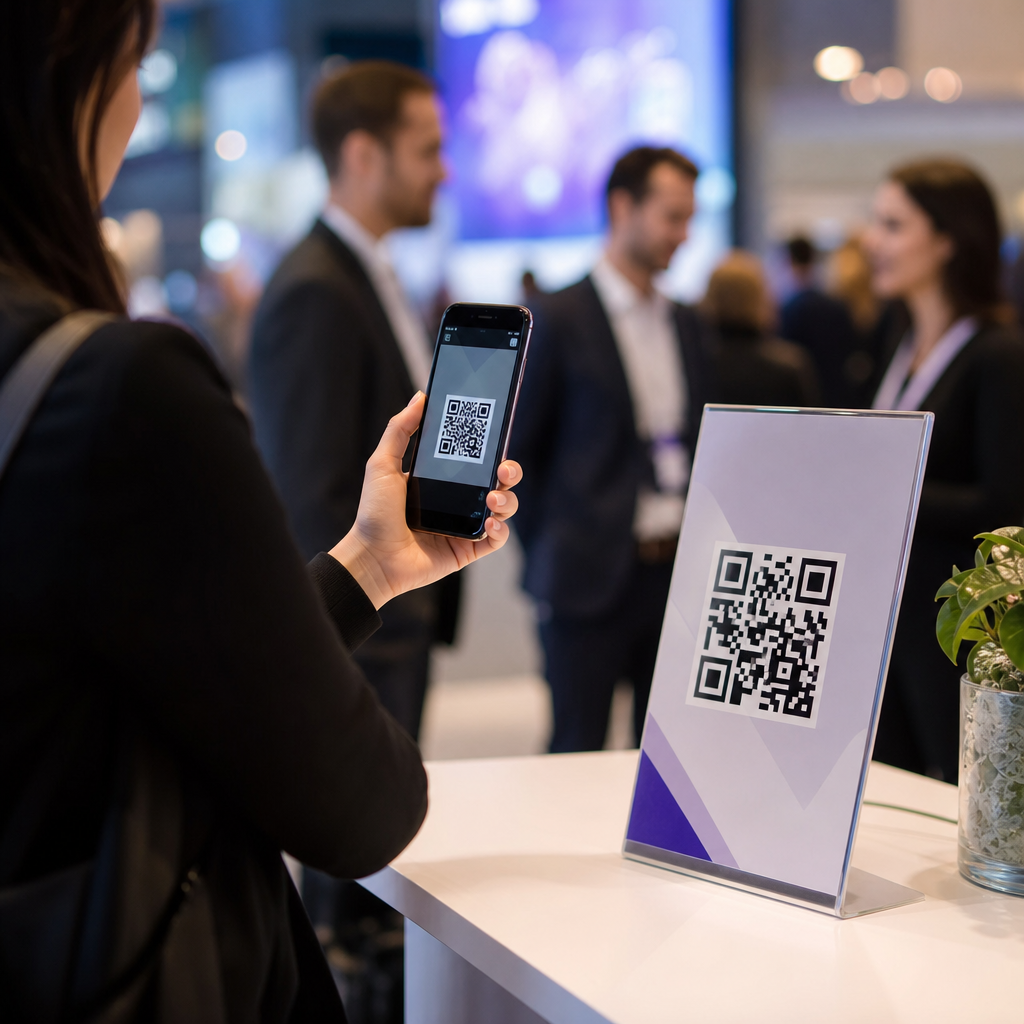
The fastest way to weaken a QR code campaign is to treat the code as the idea. The code is only the bridge. The campaign succeeds when the destination matches the moment and gives users a clear payoff. In practice, that means mapping placement to intent. A shopper standing in an aisle may want product comparison, ratings, ingredients, or a coupon. Someone at a bus stop may have time for a contest, video, or store locator. A conference attendee scanning a booth display may want spec sheets, demo booking, or lead capture without typing. When I audit underperforming campaigns, the landing experience usually asks for too much too soon or offers information that should have been visible before the scan.
Strong campaigns answer the unspoken question, “Why should I scan this now?” The value proposition must be explicit in nearby copy. “Scan to see nutrition facts” outperforms “Scan me.” “Scan for 15% off today” is better than a generic code printed with no context. The wording should set expectations about time, benefit, and destination. If the scan opens a video, say that. If it launches a menu, say that. If it starts a payment or support flow, make that clear. People are cautious about unknown links, and clarity increases both scan rate and trust.
Context also affects technical choices. Dynamic QR codes are usually the right default for campaigns because the destination can be updated without reprinting assets. They also support scan analytics, device breakdowns, timestamps, and location signals, depending on the platform. Static codes have uses, especially for permanent information like Wi-Fi credentials or fixed URLs, but marketers running promotional campaigns generally need flexibility. If stock, pricing, hours, or creative must change, a dynamic setup prevents wasted print runs and broken experiences.
Design for scanability, visibility, and confidence
A QR code cannot perform if people cannot notice it, trust it, or scan it quickly. Good design starts with error correction, contrast, quiet zone, and size. The code should have strong contrast, ideally dark modules on a light background, and enough surrounding whitespace for camera recognition. Stylized codes can work, but aggressive customization often hurts readability. In production, I treat brand styling as secondary to reliable scanning under mixed lighting, angled surfaces, and lower-end phone cameras. Error correction helps if a code is partially obscured, yet increasing it too far can make the pattern denser and harder to read at small sizes.
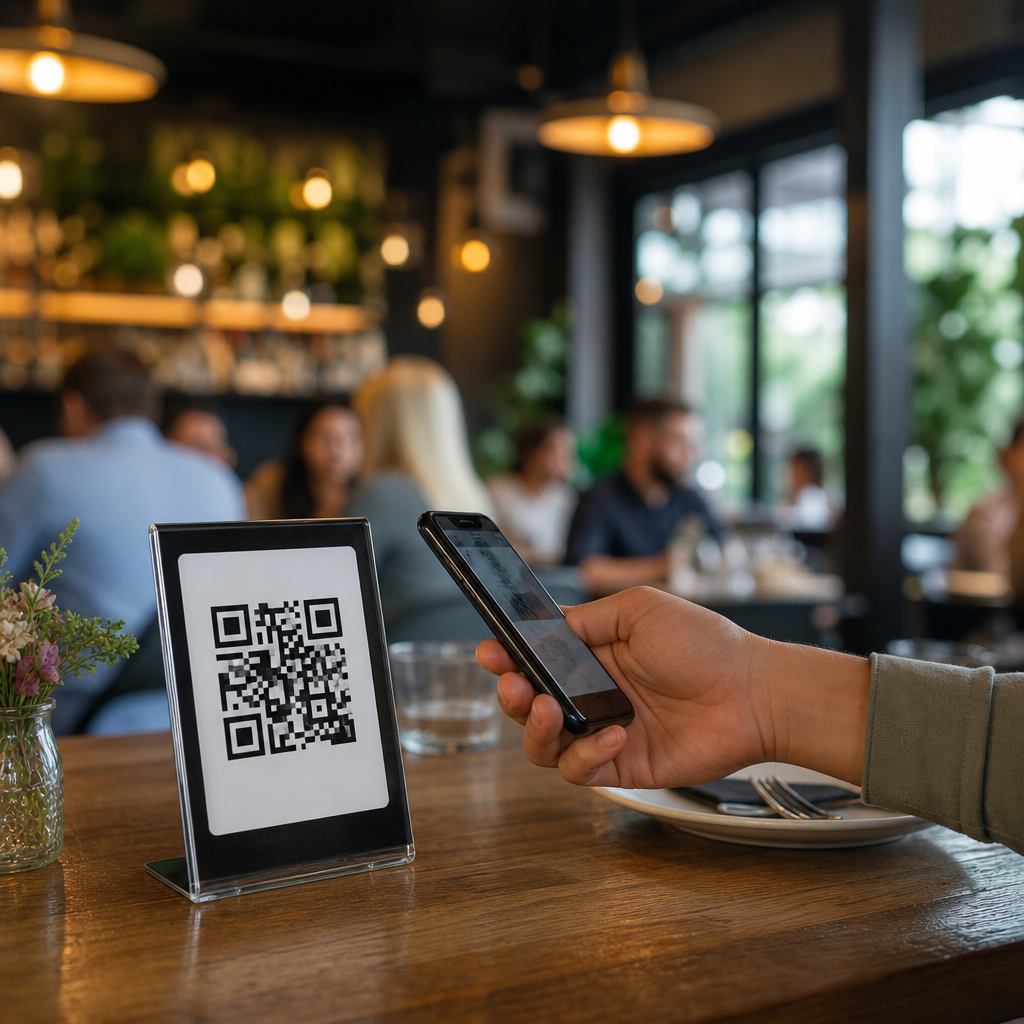
Placement matters as much as artwork. A code on a poster in a subway station must be large enough to scan from a realistic viewing distance. A common field rule is about one inch of code size for every ten inches of scanning distance, then adjusted for environment and camera quality. On packaging, curved surfaces, glossy varnishes, seams, and folds can interfere with readability. On table tents or menus, codes should not sit where hands, plates, or condensation routinely cover them. At events, place duplicate codes at queues, entrances, and decision points instead of relying on a single hero sign.
Trust cues raise performance. Use a recognizable branded domain or short link preview where possible. Add a concise explanation of data use if the destination collects information. Include a logo, call to action, and, when useful, a fallback URL for people who prefer typing. Many successful QR code campaigns also display lightweight reassurance such as “No app required” or “Opens secure checkout.” Those phrases reduce uncertainty and are especially important for older audiences or first-time scanners.
Build a landing experience that finishes the job
The scan is the midpoint, not the conversion. Landing pages must load fast, fit the intent, and minimize friction. Mobile performance is decisive because nearly all QR code traffic is mobile traffic. Aim for fast Largest Contentful Paint, compressed images, limited scripts, and forms that ask only for essential fields. A restaurant menu page should open instantly and not force account creation. A coupon page should reveal the offer immediately. A product page should prioritize price, availability, reviews, and add-to-cart. The destination should feel like a continuation of the printed message, not a generic homepage detour.
Message match is a simple but powerful principle. If a flyer promises a free sample, the page headline should repeat that offer. If shelf signage says “compare models,” the page should open a comparison table, not a brand video. In campaigns I have managed, moving from a homepage destination to a dedicated mobile landing page often doubled meaningful engagement because users did not need to hunt for the promised content. The tighter the match, the lower the bounce rate and the higher the conversion rate.
Measurement should be planned before launch, not patched in afterward. Use tagged URLs, event tracking, and conversion goals in analytics platforms such as Google Analytics 4, Adobe Analytics, or Mixpanel. Define what success means for each campaign: scans, unique scanners, engaged sessions, coupon redemptions, assisted revenue, bookings, app installs, or repeat visits. QR code platforms like Bitly, QR Code Generator PRO, Beaconstac, and Uniqode can provide scan-level reporting, but campaign analysis becomes much stronger when those data feed your broader attribution setup.
| Campaign objective | Best QR destination | Primary KPI | Common mistake |
|---|---|---|---|
| Retail promotion | Mobile offer page with barcode or coupon wallet save | Redemption rate | Sending users to the homepage |
| Product education | Ingredient, setup, or comparison page | Engaged sessions | Hiding the promised details below the fold |
| Event lead generation | Short form plus meeting scheduler | Qualified leads | Requesting too many fields |
| Restaurant ordering | Fast-loading menu or pay-at-table flow | Orders or table turns | Forcing app download |
| Direct mail response | Personalized landing page | Conversion rate by segment | Using one generic code for all audiences |
Use segmentation, testing, and case-study thinking
The strongest teams treat QR campaigns as iterative programs rather than one-off prints. Segmentation is the first lever. Different placements, audiences, and offers deserve different codes so results can be compared cleanly. In direct mail, use unique codes by audience segment, geography, or creative version. In stores, separate codes by display, aisle, or endcap. At events, assign codes to booths, breakout sessions, badges, and sponsor areas. Granular tracking reveals where intent is strongest and where creative underperforms.
A/B testing is equally important. Test CTA language, incentive type, destination format, and form length. One retailer I supported improved scan-to-redemption performance by replacing “Learn more” with “Scan for today’s in-store coupon,” then shortening the landing page to a single offer and barcode. An event organizer increased lead quality by moving from a brochure download to a two-step flow: scan for a concise product page, then book a demo if interested. The second path produced fewer raw leads but a much better sales acceptance rate.
Case-study thinking helps because successful QR code campaigns share patterns across industries. Restaurants win when codes reduce wait time and friction. Consumer packaged goods brands win when packaging codes extend the product with recipes, authenticity checks, tutorials, or loyalty points. Retailers win when shelf or window codes bridge inventory gaps, showing sizes, colors, and nearby stock when the physical shelf is limited. Museums and tourist sites win when codes add multilingual interpretation without crowding signage. Healthcare and pharma succeed when codes provide regulated, current instructions, refill pathways, or patient education that would be impractical to print in full.
There are limits. QR codes are weaker when connectivity is poor, the audience is rushed, or the destination requires heavy data usage. They also underperform when the offer is trivial. Not every touchpoint needs a code. Sometimes plain text, NFC, or a short URL is better. The point is disciplined use: choose QR when it reduces effort more than any alternative and when measurement will lead to better decisions.
Protect privacy, maintain quality, and scale the program
Operational discipline separates a single clever execution from a consistently successful QR code program. Governance starts with link management. Use owned domains, redirect rules, expiration policies, and naming conventions that make codes searchable across teams. Keep a registry of where each code appears, what it points to, and who owns updates. This matters when campaigns end, legal text changes, or a landing page moves. Broken destinations are common in decentralized organizations and they quietly destroy trust.
Privacy and compliance require equal care. If scans lead to forms, payments, or health information, follow the relevant standards for consent, disclosures, and data retention. Avoid collecting personal data unless it serves a clear purpose. Make cookie choices understandable. If geolocation or personalization is used, disclose it plainly. For regulated industries, route content reviews through legal and compliance before printing. Dynamic codes help here because approved copy can be updated centrally when requirements change.
Finally, scale what works through process. Create templates for signage, packaging specs, CTA copy, landing pages, analytics tagging, and QA checklists. Test codes on multiple devices, under different lighting, and at real placement distances. Review not just scan counts but downstream outcomes by source. A high-scan code that produces low-quality traffic is less valuable than a lower-volume placement that drives revenue or retention. When teams build this feedback loop, successful QR code campaigns stop being isolated wins and become a reliable growth channel.
The best QR code campaigns succeed because they respect the moment of scan. They offer a clear reason to act, place a reliable code where it can be noticed, send users to a fast mobile destination, and measure outcomes that matter to the business. Everything else is support work: design standards, analytics, privacy controls, and disciplined testing. When these elements line up, QR codes are not gimmicks. They become practical connectors between print, place, product, and digital conversion.
As a hub for successful QR code campaigns, this topic should guide readers from strategy to execution. The key lessons are consistent across retail, restaurants, events, packaging, direct mail, tourism, and healthcare. Start with user intent. State the benefit next to the code. Use dynamic infrastructure unless permanence truly matters. Match the landing page to the promise. Segment placements so performance can be compared. Test offers and calls to action. Maintain governance so links stay current and compliant. Those are the habits behind repeatable results.
If you are planning or improving a campaign, begin with one high-intent use case and build from there. Audit your current placements, tighten the call to action, create a dedicated mobile landing page, and set up clear conversion tracking. Then review adjacent articles in this subtopic for channel-specific ideas and case studies. That next step will help you move from simply placing QR codes to running successful QR code campaigns that earn scans, trust, and measurable outcomes.
Frequently Asked Questions
What actually makes a QR code campaign successful?
A successful QR code campaign makes the path from an offline interaction to a digital action feel effortless, useful, and trustworthy. The best campaigns do not rely on curiosity alone. They give people a clear reason to scan, such as accessing a discount, viewing a menu, joining a loyalty program, making a payment, downloading an app, or getting more product information. In other words, success comes from aligning the code with the user’s immediate intent and context.
Just as important, the QR code must be easy to notice and easy to scan. Placement, size, contrast, and surrounding messaging all influence performance. A code hidden in a cluttered design or placed where lighting is poor will underperform no matter how attractive the offer is. Strong campaigns also explain what happens after the scan so users feel confident taking the next step. Simple call-to-action language like “Scan to claim your offer” or “Scan to see today’s menu” removes uncertainty and increases engagement.
Finally, successful campaigns are measured by business outcomes, not scan counts alone. A high number of scans means little if users bounce from the landing page, abandon the form, or fail to convert. The most effective QR code campaigns are designed end to end: visible code, relevant incentive, smooth mobile experience, and clear tracking of actions such as sign-ups, purchases, redemptions, or repeat visits.
Why are scans alone not enough to judge QR code campaign performance?
Scans are only the first signal of interest. They tell you that someone noticed the code and was motivated enough to interact, but they do not tell you whether the campaign created value for the user or achieved a real business goal. A campaign can generate thousands of scans and still fail if the landing page loads slowly, the offer is unclear, the experience is not mobile-friendly, or the conversion process is too complicated.
To evaluate success accurately, it is better to look at the full performance funnel. That includes scan rate, landing-page engagement, completion rate, conversion rate, redemption rate, app installs, purchases, sign-ups, or whichever action matters most to the campaign. For example, if a restaurant QR code receives many scans but few menu views or table orders, the issue may be with the page experience rather than the code itself. If a retail poster produces fewer scans but a much higher purchase rate, that campaign may be more effective overall.
This broader view also helps identify where improvements are needed. Strong measurement can reveal whether the problem is low visibility, weak call-to-action copy, poor audience fit, or friction after the scan. In practical terms, success should be defined by meaningful behavior and measurable business impact, not by raw scan volume in isolation.
How important are the landing page and mobile experience in a QR code campaign?
They are critical. The landing page is where the promise of the QR code is either fulfilled or broken. When someone scans, they expect an immediate, seamless experience on their phone. If the page loads slowly, is difficult to read, asks for too much information, or does not match the message next to the code, trust drops quickly and abandonment rises. A smooth post-scan experience is one of the biggest differences between campaigns that convert and campaigns that disappoint.
A strong mobile landing page should be fast, simple, and purpose-built for the action you want the user to take. That means clear headlines, concise copy, obvious buttons, minimal form fields, and a layout that works well on small screens. It should also maintain message continuity. If the printed call to action says “Scan for 20% off,” the landing page should immediately show that offer without forcing users to search for it. Reducing friction at this stage has a direct effect on conversion rates.
Technical reliability matters too. The page should open correctly across devices, browsers, and operating systems. It should use secure connections, avoid unnecessary redirects, and be tested in real-world conditions, including weaker mobile networks. In many cases, the landing-page experience matters more than the design of the code itself, because the ultimate success of the campaign depends on what users can do after scanning.
What role do relevance, trust, and call-to-action messaging play in getting people to scan?
Relevance is often the trigger that turns a QR code from a decorative element into a useful tool. People are far more likely to scan when the code is connected to something they want in that exact moment. A diner wants a quick menu, a shopper wants product details or a coupon, an event attendee wants a schedule, and a loyal customer may want easy rewards access. When the action matches the context, scanning feels natural rather than forced.
Trust is equally important because scanning asks the user to engage with something they cannot fully see in advance. People want reassurance that the code is legitimate, safe, and worth their time. Brand recognition, clean design, secure destinations, and clear explanation of what the scan will do all help reduce hesitation. If the code appears random, poorly printed, or unsupported by credible messaging, many users will ignore it. Even a small amount of uncertainty can suppress scan rates.
That is where strong call-to-action messaging matters. Users need to know exactly what benefit they will receive and what will happen next. Specific language almost always works better than vague language. “Scan to order ahead,” “Scan to pay,” or “Scan to unlock member pricing” gives people a reason and sets expectations. The combination of relevance, trust, and clarity creates confidence, and confidence is what drives action.
What are the best ways to measure and improve a QR code campaign over time?
The best approach is to track the campaign as a complete journey, then optimize each stage based on actual behavior. Start by defining a primary goal before launch. That goal might be purchases, redemptions, leads, registrations, payments, menu views, or loyalty sign-ups. Once the objective is clear, connect your QR code to analytics that show not only scans but also what users do after they arrive. This could include page views, click-throughs, form completions, revenue, time on page, bounce rate, and repeat engagement.
It is also useful to segment performance by location, placement, audience, device, or campaign creative. A code on packaging may behave differently from one on signage, direct mail, or in-store displays. Tracking by channel helps you identify where the strongest intent exists and where changes are needed. Dynamic QR codes can be especially valuable because they allow you to update destinations, test offers, and monitor performance without reprinting the asset.
Improvement usually comes from testing small but meaningful changes. You can test different calls to action, offers, landing-page layouts, button text, incentive structures, or code placement. You can also improve operational details such as print quality, visibility, and environmental fit. Over time, the most successful campaigns become more targeted, more useful, and easier to complete because the data reveals what truly motivates the audience. Continuous measurement and refinement are what turn a one-time QR code promotion into a consistently effective marketing tool.