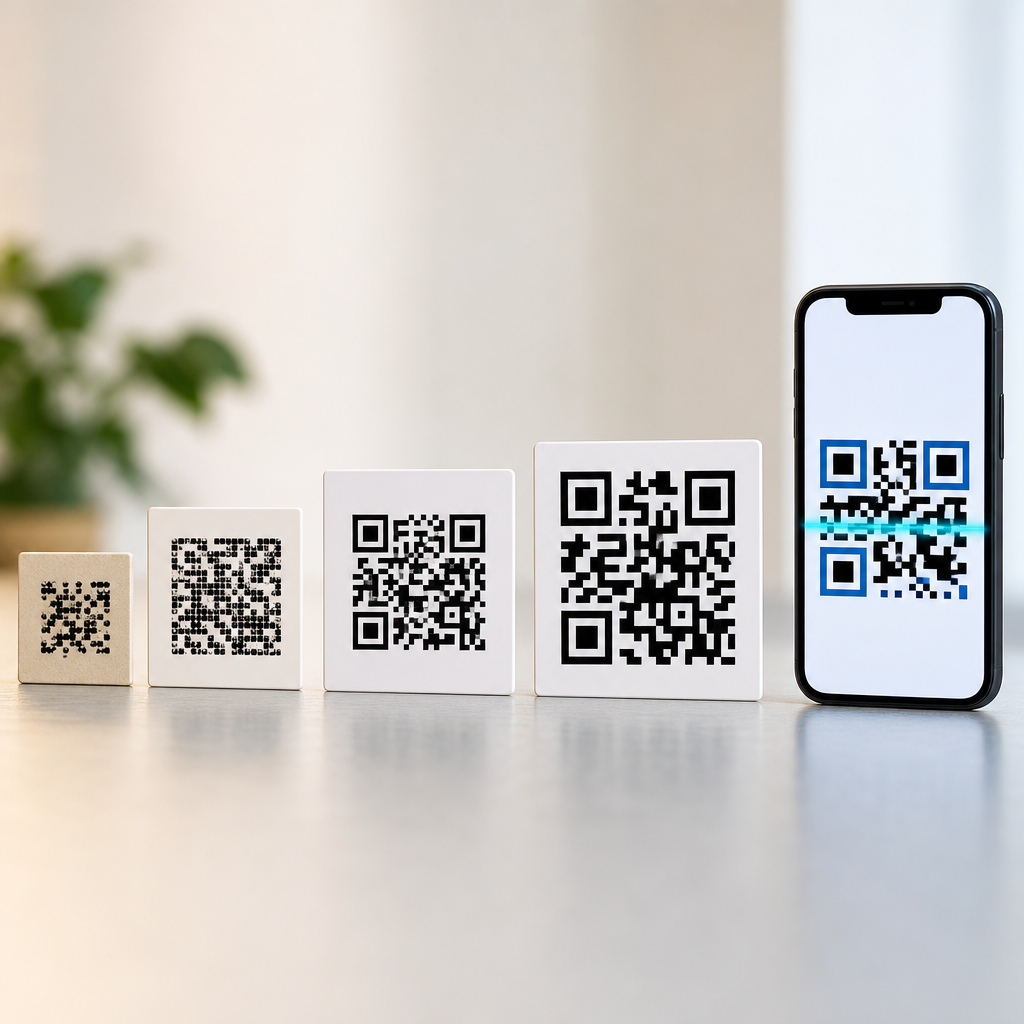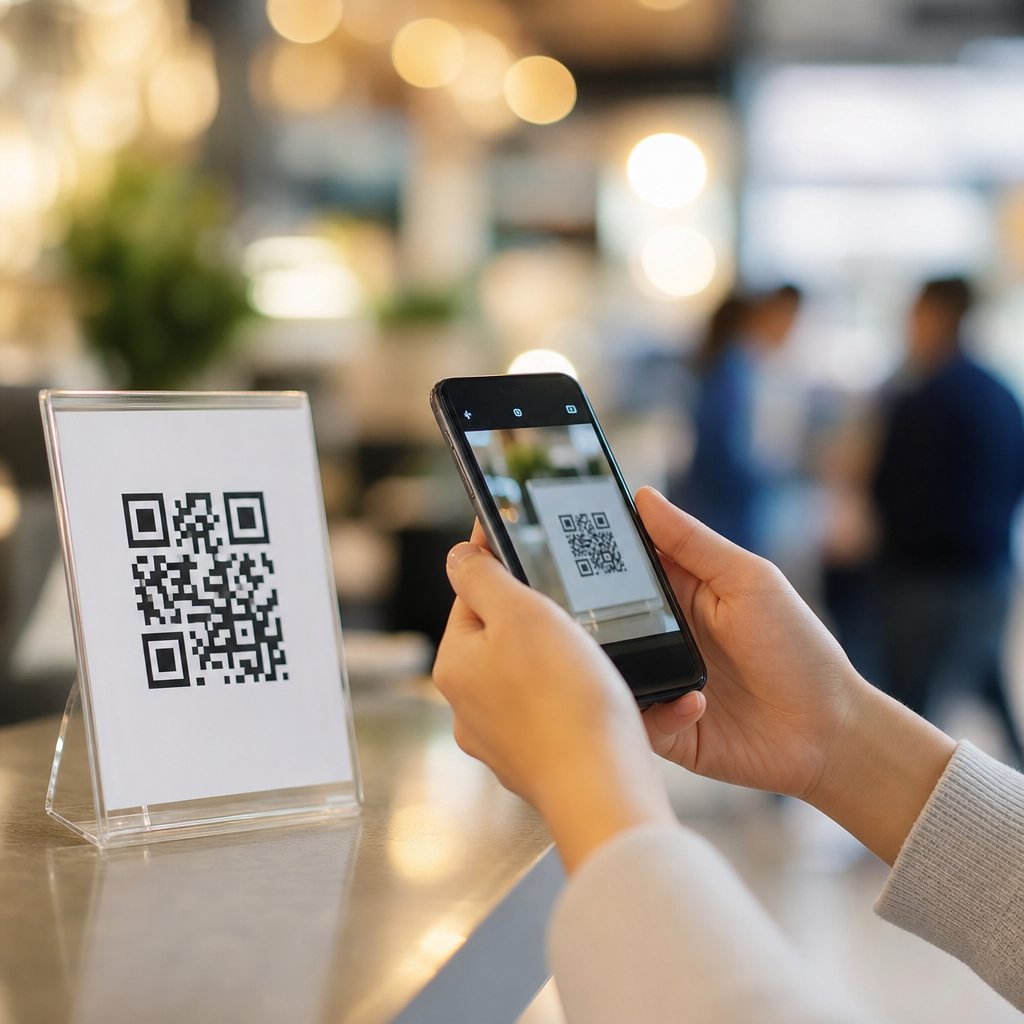

QR codes are not dying; they are evolving from a niche convenience into a mainstream bridge between physical touchpoints and digital actions, and most confusion comes from outdated assumptions about how they work, who uses them, and whether they still deliver value. A QR code, short for Quick Response code, is a two-dimensional matrix barcode that stores data such as a URL, contact card, payment token, app action, or authentication prompt. Unlike a traditional barcode, which is read in one direction and usually carries a simple product identifier, a QR code can hold more information and can be scanned quickly by smartphone cameras. That distinction matters because modern adoption is no longer driven by novelty. It is driven by utility.
I have worked on campaigns where QR codes on packaging lifted product-page visits, where restaurant table tents reduced ordering friction, and where event badges sped up check-in lines. I have also seen badly designed codes fail because they were too small, poorly contrasted, or linked to pages that were not mobile friendly. That real-world mix explains why people still ask whether QR codes are fading away. The answer is more precise than a simple yes or no. Weak implementations die. Useful implementations grow.
This article is the hub for QR code myths and misconceptions because the topic is crowded with half-truths. Some people think QR codes are a pandemic-era habit that disappeared once indoor restrictions ended. Others assume younger users scan everything while older audiences avoid them, or that static and dynamic codes are basically the same. There are also common fears about security, tracking, design limitations, and accessibility. Each belief influences whether a business invests in QR codes, how a marketer measures performance, and how a customer experiences the interaction.
Understanding what is true matters for practical reasons. If you run a small business, QR codes can connect print to digital without requiring users to type long web addresses. If you manage operations, they can streamline asset tracking, maintenance logs, ticketing, and payments. If you publish educational content, they can reduce friction in classrooms, museums, or onboarding materials. Yet success depends on matching the code to the context, using the right type, and setting expectations correctly. The myths below are the difference between a code that gets ignored and one that becomes a reliable conversion point.
Myth 1: QR Codes Were a Temporary Trend
The strongest misconception is that QR codes peaked during the pandemic and then declined permanently. It is true that public health menus, touchless check-ins, and contactless payments accelerated adoption. It is also true that many people encountered QR codes for the first time during that period. But acceleration is not the same as a temporary spike. Once consumers became comfortable scanning with their native camera app, the behavior moved into other everyday tasks: product authentication, loyalty programs, app downloads, transit passes, event registration, patient forms, and connected packaging.
The reason QR codes kept growing is simple: they remove friction between offline attention and online action. A poster can send someone directly to a sign-up page. A product box can launch setup instructions. A direct mail piece can open a prefilled lead form. Those use cases did not vanish when restaurants brought back printed menus. In many sectors, the code remained because it solved a practical handoff problem better than a typed URL or a search query. Growth is not uniform across every industry, but broad utility has outlasted the original catalyst.
Another signal of staying power is platform support. Both iOS and Android made scanning easier through built-in camera recognition. Payment ecosystems in parts of Asia, Latin America, Europe, and the United States continue expanding QR-enabled checkout and wallet flows. Major brands use QR codes in television ads, packaging, and retail displays because attribution from scan to session is measurable. Technologies fade when they require too much user training. QR codes moved in the opposite direction: the scan action became familiar.
Myth 2: Nobody Actually Scans QR Codes Anymore
In practice, scan rates depend less on the format itself and more on placement, intent, and incentive. I have seen product inserts produce weak scan volume because they offered no clear reason to engage, while shelf talkers with a recipe, rebate, or setup guide performed well. Saying nobody scans QR codes is like saying nobody clicks links. People ignore irrelevant prompts and respond to useful ones.
Good performance usually comes from three elements. First, the user must immediately understand what happens after scanning. “Scan to see assembly instructions” is stronger than “Scan me.” Second, the destination must be mobile optimized and fast. Third, the value exchange must be obvious: save time, get information, redeem something, verify something, or start something. When those conditions are met, QR codes still drive action across retail, hospitality, healthcare, education, real estate, logistics, and live events.
Consider a real estate sign outside a property. A passerby may not want to type a long URL while standing on the sidewalk. A QR code can open listing photos, floor plans, neighborhood details, and an agent contact form in seconds. The same logic applies to prescription pickup notifications, equipment manuals, museum exhibits, or airline self-service kiosks. The question is not whether people scan. The better question is whether the code removes enough friction to earn the scan.
Myth 3: QR Codes Are Only for Marketing
Marketing gets most of the attention, but operational uses are equally important and often more durable. In warehouses, QR codes identify inventory locations, bins, and work instructions. In manufacturing, they connect parts to maintenance histories or compliance records. In facilities management, a code on equipment can open service logs, troubleshooting steps, or inspection forms. In healthcare administration, QR codes can route patients to intake forms or appointment confirmations. These are not flashy campaigns. They are process improvements.
Operational QR code use succeeds because it standardizes access to information at the exact point of need. A technician standing in front of an HVAC unit does not need to search an internal portal manually if a scan opens the right asset record. A field team can submit structured data from a mobile form tied to a location code. When workflows depend on speed and accuracy, that shortcut matters.
Education offers another overlooked example. Teachers and trainers use QR codes to distribute assignments, link lab videos, verify attendance, or connect printed handouts with updated resources. Museums and public institutions use them to deliver multilingual content without crowding physical signage. In these settings, the QR code is not a gimmick. It is a compact access point that extends the function of a physical object.
Myth 4: All QR Codes Work the Same Way
This misconception causes expensive mistakes. Static QR codes embed the destination directly, which means the encoded data cannot be changed after printing. Dynamic QR codes point to a short redirect URL managed through a platform, allowing the destination to be updated later and enabling analytics such as scan counts, device types, locations, or campaign tags. Static codes are useful for permanent, simple information. Dynamic codes are better for campaigns, packaging, menus, and any asset that may need future edits.
There are also differences in error correction, size tolerance, contrast, quiet zone spacing, and printing material. The ISO/IEC 18004 standard defines the symbology, but implementation quality determines whether a code is reliably scannable in the field. A designer can add a logo, invert colors, or stylize modules, yet every customization trades visual flair against scan reliability. I have rejected beautiful mockups that tested poorly under glare or low light because a code that looks premium but fails in context is not premium at all.
| Aspect | Static QR Code | Dynamic QR Code |
|---|---|---|
| Edit destination after printing | No | Yes |
| Scan analytics | Limited or none | Available through platform |
| Best use cases | Permanent info, basic links | Campaigns, packaging, menus |
| Risk if URL changes | Code becomes outdated | Destination can be updated |
| Typical management needs | Low | Requires provider or software |
The myth persists because users see a square code and assume every version behaves identically. In reality, code type, landing page architecture, and print conditions determine results. Choosing correctly at the start prevents broken experiences later.
Myth 5: QR Codes Are Inherently Unsafe
QR codes are not inherently dangerous, but they can be used maliciously, just as links in email, text messages, and websites can. The core risk is destination opacity: before scanning, a user may not know where the code leads. Attackers can exploit that by directing scans to phishing pages, fake payment screens, or malware downloads. The existence of that risk does not make the medium untrustworthy by default. It means users and organizations need basic controls.
For businesses, the safest practice is to use branded domains, HTTPS, and clear surrounding context that explains the action. A payment code at a restaurant should sit within branded signage and match the merchant name displayed in the payment flow. For consumers, the smartphone preview shown before opening a link is an important checkpoint. Mobile device management policies, secure browsers, and staff education further reduce exposure in enterprise environments.
Security also improves when companies treat QR codes as part of governance rather than a design afterthought. Maintain an inventory of live codes, monitor redirect destinations, apply expiration rules for temporary campaigns, and remove codes from public spaces when the associated program ends. Trust grows when the scan experience is predictable, branded, and easy to verify.
Myth 6: A QR Code Alone Guarantees Engagement
A QR code is a doorway, not the destination. It cannot rescue a weak offer, unclear message, or slow mobile page. Many disappointing campaigns fail because teams celebrate adding the code but ignore what happens after the scan. If the landing page loads slowly, asks for too much information, or does not match the promise on the printed asset, users drop off quickly. This is why strong QR performance always combines creative, copy, technical setup, and analytics.
The best examples align intent from start to finish. A product label that says “Scan for ingredients and sourcing” should open a page built around ingredient transparency, not a generic homepage. An event poster offering early registration should land on a short form with the event preselected. A B2B brochure promoting a case study should deliver the PDF or article immediately, with optional follow-up instead of a forced gate. Relevance is the multiplier.
Measurement matters too. Use UTM parameters, scan reporting dashboards, and conversion events in tools such as Google Analytics 4 to understand which placements work. Distinguish unique scanners from total scans where possible. Test different calls to action, sizes, and placements. When teams do this well, QR codes become measurable acquisition and service channels rather than decorative squares.
Myth 7: QR Codes Only Work for Younger, Tech-Savvy Audiences
This belief was more understandable a decade ago, when scanning often required a dedicated app and many users did not know what to do with the code. Today, native camera support has reduced that barrier significantly. Adoption still varies by context and audience, but age alone is a poor predictor of success. I have seen older audiences scan medication information, museum exhibits, travel documents, and payment requests when the instructions were clear and the benefit was immediate.
Usability matters more than demographics. Codes should be large enough to scan comfortably, placed where glare and awkward angles are minimized, and paired with plain-language prompts. Include a fallback URL for accessibility and confidence. In environments with poor connectivity, offer offline alternatives or cached content. Good implementation widens the audience because it respects real-world conditions instead of assuming perfect vision, perfect bandwidth, or perfect familiarity.
The practical takeaway is to design for inclusivity, not stereotypes. If a QR code solves a clear problem and the instructions are straightforward, a broad range of users will engage with it.
What Growth Really Looks Like Going Forward
QR code growth will not look like hype-driven novelty. It will look like quiet infrastructure embedded across commerce, operations, identity, service, and content access. The most durable growth areas are connected packaging, first-party customer journeys, authentication, payments, and workflow automation. In retail, brands use codes to provide traceability, reviews, how-to content, and loyalty enrollment directly from packaging. In authentication, codes help pair devices, verify sessions, or confirm event tickets. In service environments, they reduce queues and route users to self-help flows.
At the same time, there are real limits. Poor cellular service still affects scan completion. Overuse can create visual clutter and user fatigue. Some contexts are better served by NFC, short URLs, or native apps. Privacy laws and platform changes also affect how much tracking is appropriate or available. Growth does not mean every surface needs a QR code. It means the technology remains valuable where it creates a faster, clearer bridge to the next step.
For businesses building a QR strategy, the simplest rule is this: start with the user task, not the code. Ask what action the person is trying to take, what information they need immediately, and what environment they are in. Then choose the right code type, destination, measurement plan, and fallback option. That approach cuts through the myths. QR codes are neither dead nor universally magical. They are a mature tool that keeps expanding where it earns its place.
So, are QR codes dying or growing? They are growing in the places that matter: practical, low-friction moments where physical and digital experiences need to connect instantly. The myths surrounding them usually come from bad examples, outdated assumptions, or confusion about technical differences. QR codes are not just for pandemic menus, not just for marketers, not inherently unsafe, and not limited to young audiences. They are most effective when they are purposeful, scannable, secure, and tied to a strong mobile experience.
The biggest lesson is that QR code performance depends on execution. Use dynamic codes when flexibility and analytics matter. Protect users with clear branding and secure destinations. Design for real-world scanning conditions, not just mockups. Give people an obvious reason to scan, then fulfill that promise immediately. When those basics are in place, QR codes become dependable links between print, packaging, signage, devices, and digital content.
As a hub for QR code myths and misconceptions, this page should help you evaluate every claim with a practical filter: does the code remove friction, create clarity, and improve the user journey? If yes, QR codes are still worth using. If not, the problem is usually the implementation, not the format. Review your current codes, test them on real devices, and identify where a better destination or clearer call to action could turn passive impressions into measurable results.
Frequently Asked Questions
Are QR codes dying, or are they actually becoming more popular?
QR codes are not dying. In fact, they are becoming more widely used because they solve a very practical problem: they connect physical objects and spaces to digital experiences in a fast, low-friction way. What changed is not the usefulness of QR codes themselves, but the environment around them. Smartphone cameras now scan QR codes natively, mobile payments are more common, and businesses increasingly want simple ways to move people from offline attention to online action. That combination has turned QR codes from a niche tool into a mainstream utility.
The idea that QR codes are fading usually comes from older experiences, when many phones required a separate app to scan them and many brands used them inconsistently. Today, that barrier is largely gone. Restaurants use them for menus, retailers use them for product details and promotions, healthcare providers use them for patient access and check-ins, and marketers use them for campaigns, event registration, downloads, and attribution. In other words, QR codes have matured from a novelty into infrastructure. Their growth is tied to convenience, not hype, which is usually a stronger sign of long-term relevance.
Why do some people still think QR codes are outdated?
Most of the skepticism comes from outdated assumptions. Years ago, QR codes often led to poorly optimized mobile pages, required a separate scanning app, or were placed in contexts where using them felt awkward. If someone remembers that era, it is easy to assume QR codes were a failed trend. But that view misses how much the technology ecosystem has improved. Modern smartphones recognize QR codes directly through the camera, mobile landing pages are far better than they used to be, and users are far more comfortable taking actions on their phones in the moment.
Another reason for the confusion is that QR codes are visually simple, so people underestimate how flexible they are. A QR code can do much more than open a website. It can store a contact card, trigger a payment, initiate an app action, support authentication, deliver Wi-Fi credentials, or connect someone to a specific digital workflow without requiring typing. Because the code itself looks basic, some assume the use cases are basic too. In reality, the value of QR codes comes from what they enable: instant access, reduced friction, measurable engagement, and a cleaner path from interest to action.
What makes QR codes different from traditional barcodes?
A QR code, or Quick Response code, is a two-dimensional matrix barcode, which means it stores information both horizontally and vertically. A traditional barcode is typically one-dimensional and is read in a single direction, which limits how much data it can contain. That difference is a major reason QR codes are so useful in consumer and business settings. They can hold more information in a compact space and can support richer interactions without requiring manual input from the user.
In practical terms, that means a traditional barcode is ideal for inventory, pricing, and product identification, while a QR code is better suited for interactive digital actions. A QR code can point a user to a website, open a payment screen, save contact information, launch a map location, or begin a login or verification flow. It also includes built-in error correction, which means it can often still work even if part of the code is smudged or partially obscured. That durability, combined with its higher data capacity and smartphone compatibility, is one of the key reasons QR codes continue to grow in relevance across industries.
Do QR codes still deliver real business and marketing value?
Yes, when they are used strategically, QR codes can deliver significant business and marketing value. Their biggest advantage is speed. Instead of asking someone to remember a URL, search for a product, download an app later, or fill out details manually, a QR code creates an immediate path to action. That can improve conversion rates because it reduces the number of steps between attention and response. In physical environments especially, that matters. Packaging, posters, storefronts, direct mail, event signage, receipts, and in-person displays all benefit from having a bridge to digital content that is fast and measurable.
QR codes also support better tracking and optimization. Businesses can monitor scans, identify which placements perform best, test different landing pages, and connect offline campaigns to online behavior. Dynamic QR codes are especially useful because the destination can often be updated without changing the printed code itself. That flexibility makes them practical for promotions, seasonal offers, menu changes, product updates, and campaign refinements. The key is not simply adding a QR code everywhere, but giving it a clear purpose, a compelling reason to scan, and a mobile experience that justifies the action. When those pieces are in place, QR codes can be highly effective.
Are QR codes just a temporary convenience, or are they part of the future of digital interaction?
QR codes are better understood as a durable interface than as a temporary trend. They are not replacing websites, apps, or other digital systems. Instead, they act as a bridge between the physical world and those systems. That role is increasingly important because more customer journeys begin offline and continue online. A person sees a product in a store, a sign at an event, a package at home, a table card in a restaurant, or a label in a clinic, and the QR code gives them an instant way to continue the interaction digitally. That bridging function is likely to remain valuable because physical touchpoints are not disappearing.
Looking ahead, QR codes fit naturally into broader shifts such as contactless payments, mobile authentication, smart packaging, omnichannel commerce, and connected customer experiences. Their strength is that they are inexpensive to create, easy to deploy, familiar to users, and compatible with devices people already carry every day. New technologies may appear alongside them, but that does not make QR codes obsolete. In many cases, the simplest tool wins because it is easy to understand and easy to use. That is why the smarter conclusion is not that QR codes are dying, but that they are evolving into a standard, trusted layer of modern digital interaction.