GS1 Sunrise 2027 marks the point when retailers, brands, and solution providers are expected to be ready to scan and use 2D barcodes at point of sale alongside the traditional UPC and EAN symbols that have powered retail for decades. For marketers, that date is not a technical footnote. It is a packaging, data, customer experience, and measurement shift that changes what a barcode can do. Instead of carrying only a product identifier, a 2D barcode can connect a shopper to dynamic content, support traceability, enable batch and expiry data, and link physical packaging to digital journeys in ways a linear barcode never could.
In practice, the conversation usually centers on QR codes and GS1 Digital Link. A QR code is a two-dimensional matrix symbol that stores more data than a one-dimensional barcode and can be scanned by smartphones and increasingly by retail scanners. GS1 is the global standards organization behind GTINs, UPCs, and EANs. GS1 Digital Link is a standard that turns product identification data into a web-based format, so one scan can work for checkout systems and consumer experiences. Sunrise 2027 does not mean every retailer flips a switch on one day, but it does establish a clear industry target: build the capability now so 2D barcodes can operate at scale.
This matters because packaging space is limited, consumer expectations are high, and product information requirements keep growing. I have worked on barcode migration projects where legal, ecommerce, packaging, and CRM teams all discovered they were using the same pack for different goals without a shared data model. A standards-based 2D barcode resolves that conflict better than adding more labels, more URLs, and more campaign QR codes. It gives marketers a governed, measurable, reusable entry point tied to the product itself. Brands that treat Sunrise 2027 as only a compliance project will miss the larger opportunity to improve conversion, trust, and post-purchase engagement.
As a hub within QR Code Basics and Education, this article explains the standards, timelines, decisions, and implementation issues behind 2D barcodes so marketers can work effectively with packaging, IT, ecommerce, and retail partners. It covers what Sunrise 2027 means, how QR code technology and standards fit together, where GS1 Digital Link adds value, what changes on-pack, and how to measure outcomes without creating fragmented scan experiences. The goal is straightforward: help you understand the rules of the system so your next packaging update supports both retail operations and marketing performance.
What GS1 Sunrise 2027 actually means
GS1 Sunrise 2027 is an industry readiness milestone, not a legal mandate and not a promise that every store in every market will retire linear barcodes overnight. The practical meaning is that by 2027, point-of-sale environments should be capable of scanning and processing a GS1-standard 2D barcode in addition to existing linear symbols. Retailers can still require UPC or EAN during transition, and many brands will run both symbols on-pack for years. Marketers should understand this nuance because packaging redesign cycles, retailer acceptance, scanner hardware, and POS software updates happen at different speeds across regions and channels.
The key operational shift is that the barcode can now carry more than a GTIN. Depending on the symbol and use case, it may include a serial number, batch or lot number, expiration date, weight, or other application identifiers. For regulated categories, fresh food, healthcare, and high-shrink products, that matters for safety and traceability. For marketers, it matters because the same standards-based symbol can also connect shoppers to product pages, ingredients, care instructions, how-to content, warranty registration, or loyalty actions. One symbol can support operational accuracy and customer engagement if data governance is designed correctly.
There is also a market signal embedded in Sunrise 2027. Major retailers, brand manufacturers, packaging converters, scanner companies, and software vendors have aligned around the transition because the old model is reaching its limits. A linear barcode identifies the item at checkout, but it cannot flex well for recalls, sustainability disclosures, multilingual information, or campaign landing pages that need updating after packs are printed. A web-resolvable 2D barcode solves those constraints. That is why marketers should treat Sunrise 2027 as part of their product data and connected packaging roadmap, not just as another compliance deadline.
How 2D barcodes differ from traditional barcodes
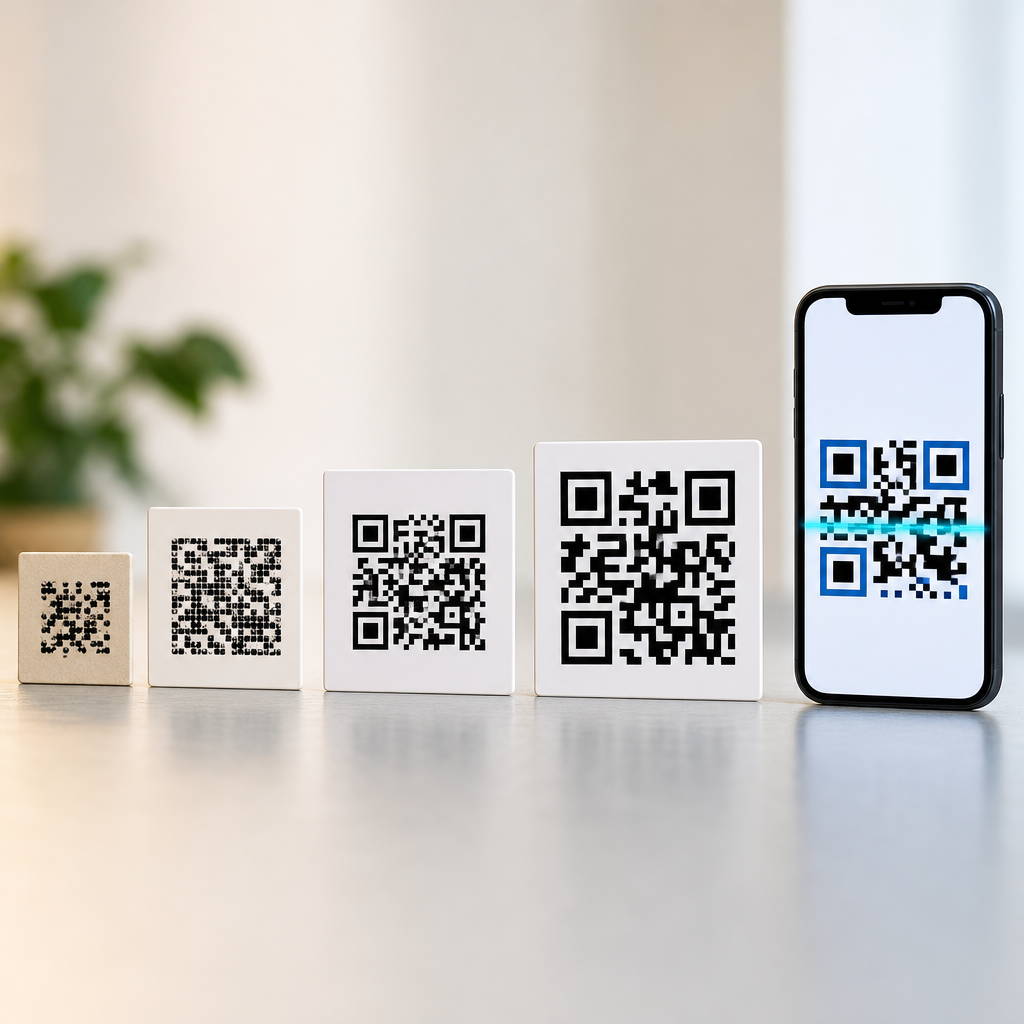
A traditional one-dimensional barcode such as UPC-A or EAN-13 encodes data in a single horizontal direction using bars and spaces. It is efficient for carrying a product identifier and works extremely well for fast checkout. A 2D barcode stores data both horizontally and vertically, which dramatically increases data capacity in a smaller area. Common 2D symbols in commerce include QR Code and Data Matrix. For marketing teams, the most familiar benefit is smartphone scanning, but the bigger point is data flexibility. A 2D symbol can carry structured information, error correction, and a standards-based web link that survives minor print damage.
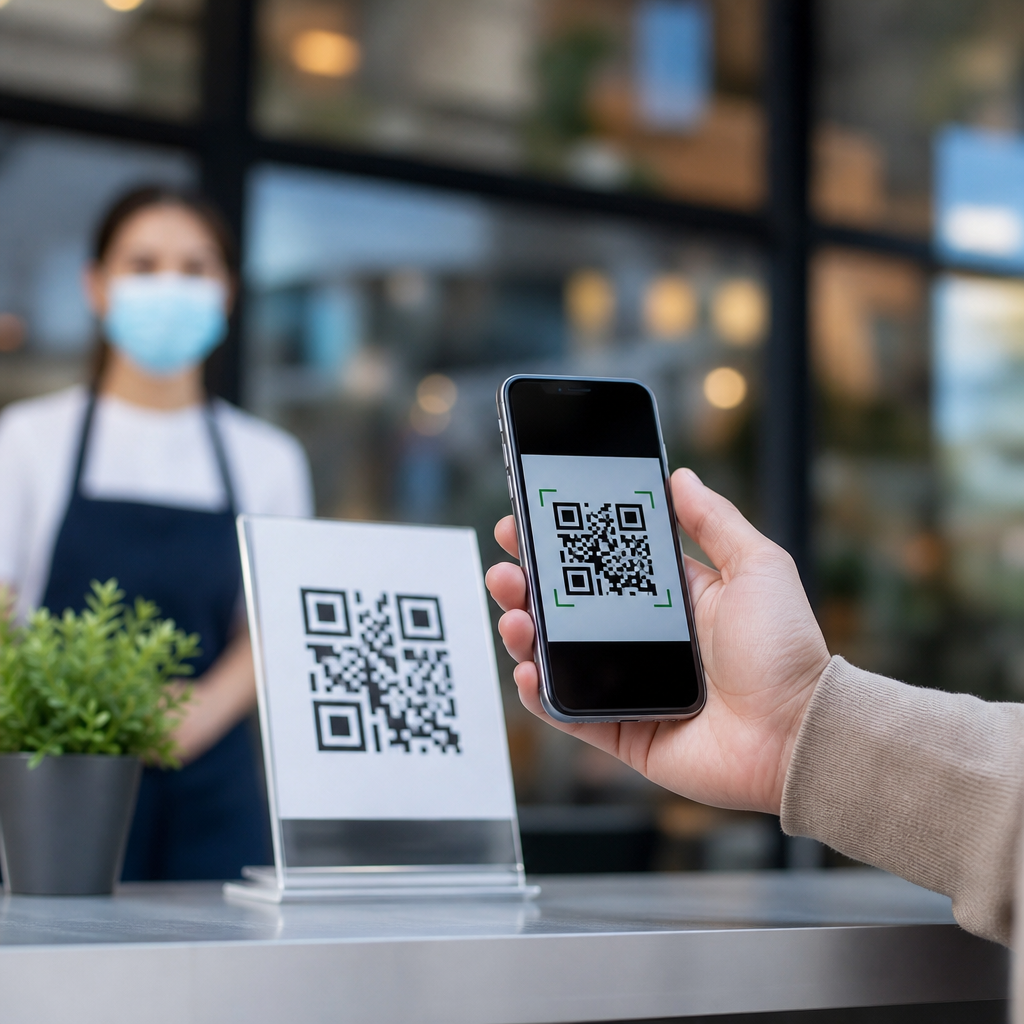
QR Code uses finder patterns in three corners and is widely recognized by consumers because phone cameras can read it without a dedicated app. Data Matrix is smaller and often used in healthcare, electronics, and industrial applications. At retail point of sale, either can be used depending on system requirements and category norms, but QR codes are especially relevant for consumer packaging because they bridge shopper interaction and checkout readiness. That dual role is why marketing teams keep getting pulled into technical discussions about symbology, print size, quiet zones, contrast, and placement.
The practical difference for marketers is control. A campaign QR code printed as a plain URL can become a dead end when pages change or teams launch overlapping experiences. A standards-based 2D code tied to the product identifier creates a persistent access point. The destination can vary by market, device, language, or business rule while the product identity remains stable. That separation between identifier and experience is one of the most important concepts to understand when building long-lived packaging programs.
Why GS1 Digital Link is central to the transition
GS1 Digital Link is the bridge between product identification standards and the web. It expresses identifiers such as the GTIN in a URL structure that software systems and consumer devices can interpret consistently. In simple terms, it lets a barcode point to a product’s identity first and then resolve to the right experience. That may be a brand page for a shopper, a stockkeeping record for a retailer, or a traceability event for a supply chain application. This is the foundation that allows one standards-based barcode to support multiple functions without forcing brands to print separate symbols for every purpose.
For marketers, the advantage is durability and orchestration. If you print a simple campaign URL in a QR code, the experience is brittle. Redirects can break, microsites expire, and local teams may create inconsistent naming conventions. With Digital Link, the identifier remains the anchor and routing logic can evolve over time. I have seen this reduce rework significantly during packaging refreshes because teams stop treating every code as a standalone asset. Instead, they manage one governed infrastructure where content, analytics, localization, and permissions can be updated without changing the printed symbol.
It also improves interoperability. Retail POS systems care about structured identifiers and application data. Consumer devices care about web resolution. Product information management systems care about canonical product records. Digital Link creates a common thread among them. That does not remove implementation complexity, but it gives brands a recognized standard to design around rather than improvising a custom architecture that retailers and partners may not support.
What marketers can do with 2D barcodes on packaging
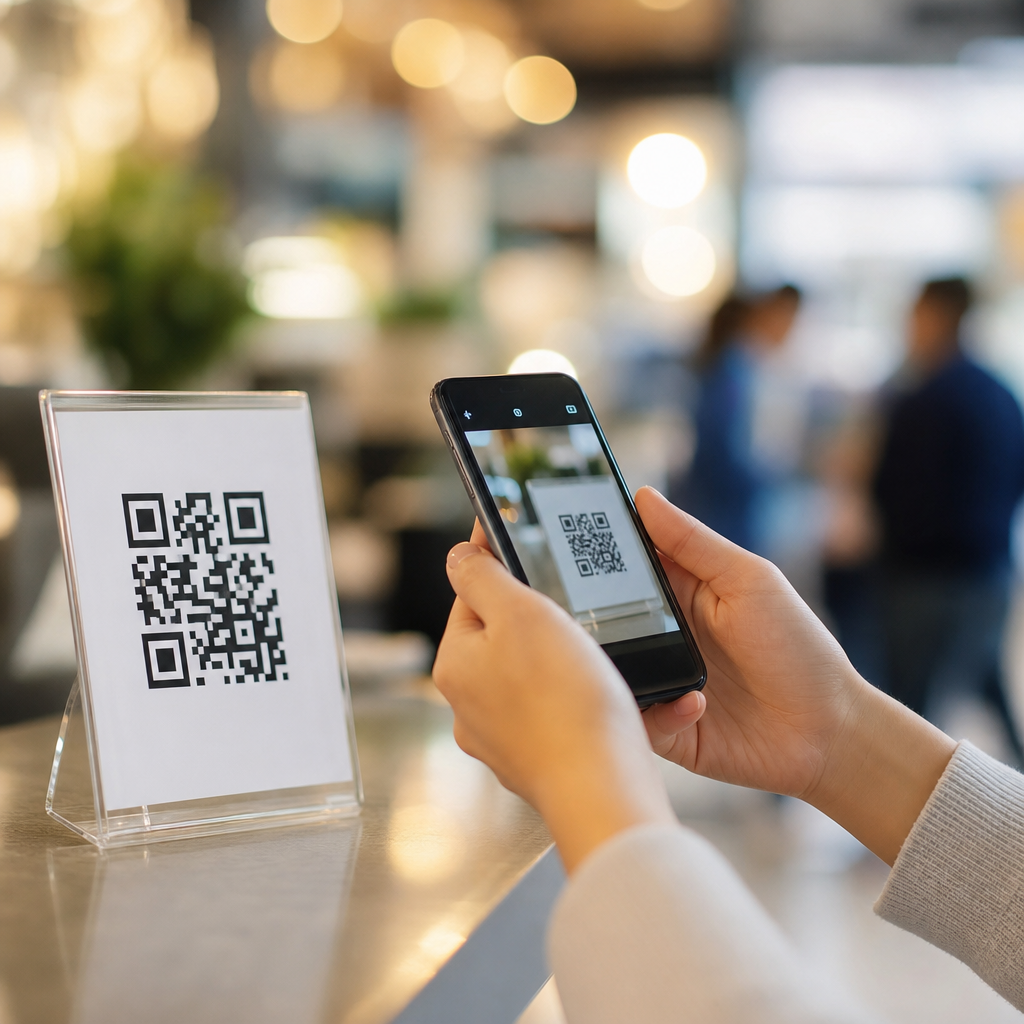
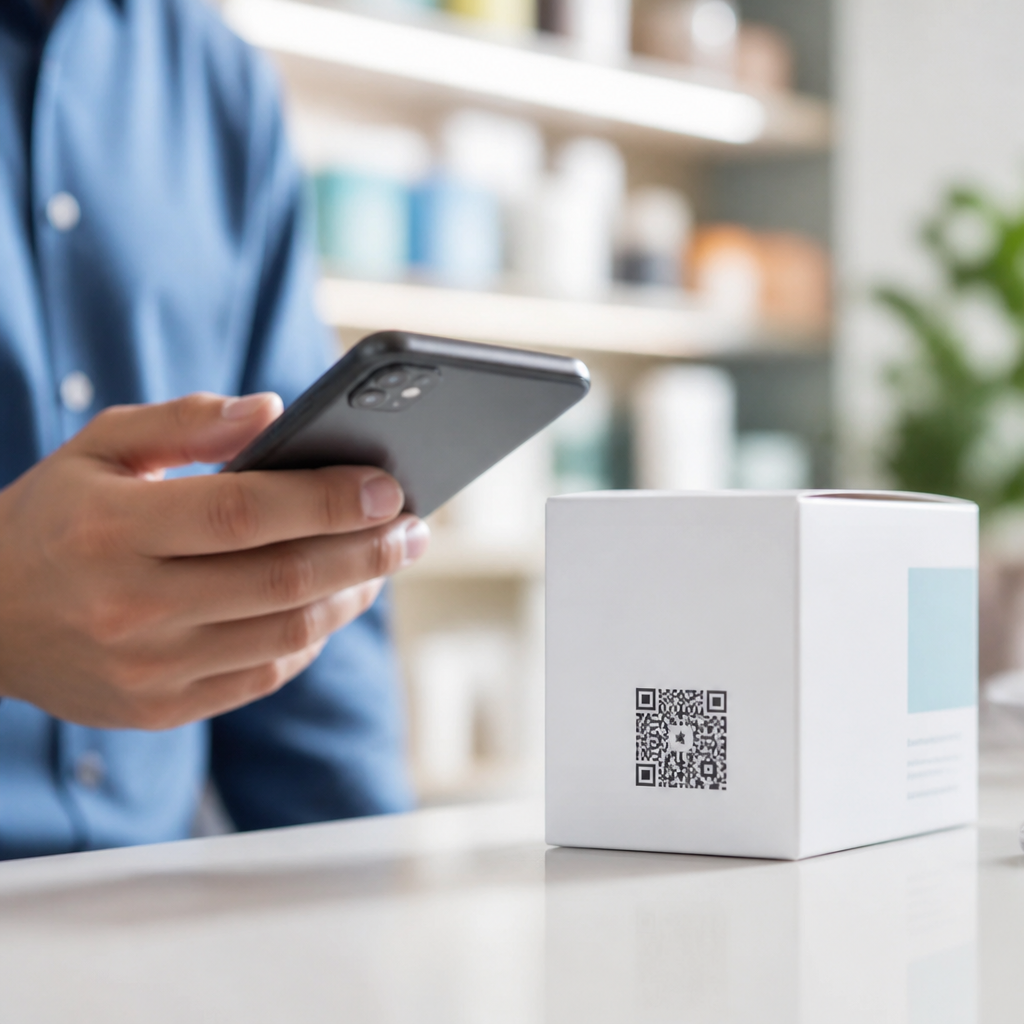
The simplest answer is better connected packaging, but that phrase only becomes useful when tied to actual marketing outcomes. A 2D barcode can drive shoppers to verified product details, ingredient explanations, usage tutorials, allergy information, refill guidance, promotional offers, reviews, subscription enrollment, customer support, or loyalty registration. In beauty, it can open shade finders or regimen advice. In food, it can surface recipes, sourcing information, and storage guidance. In consumer electronics, it can deliver setup videos, manuals, and warranty workflows. The value is not the scan itself. The value is reducing friction after the moment of interest.
Because the symbol is standards-based, marketers can also support channel consistency. The same product can resolve differently for in-store shoppers, post-purchase owners, and supply chain users without printing three separate codes. For example, a coffee brand might route consumers to brew instructions and sustainability claims while enabling retailers to read the GTIN and lot number at receiving. A dairy brand could surface expiration-aware content, while a pharmacy brand could connect to regulated usage instructions and recall notices. These are not hypothetical edge cases. They are precisely the problems that standards-based 2D packaging is designed to solve.
| Use case | Marketing benefit | Operational requirement |
|---|---|---|
| Product education | Higher confidence and fewer abandoned purchases | Accurate product page mapped to GTIN |
| Recipes or tutorials | Improved engagement and repeat usage | Mobile landing pages and regional content rules |
| Loyalty or warranty | First-party data capture after purchase | Consent handling and CRM integration |
| Traceability or recalls | Brand trust during high-risk events | Lot, serial, or expiry data plus governance |
| Sustainability disclosures | Transparency and compliance support | Version-controlled claims and localization |
The caution is that too many brands still bolt marketing experiences onto packaging without planning for permanence. A code that sits on a pack for eighteen months needs redirect governance, analytics standards, QA, and ownership. Marketers should push for a model where the product page is the stable destination layer, with campaigns branching from it when appropriate. That structure supports both evergreen utility and promotional flexibility.
Packaging, print, and scanning requirements that affect performance
A 2D barcode strategy succeeds or fails on package execution. Symbol choice, size, contrast, substrate, curvature, quiet zone, and placement all influence scan reliability. Retail scanners are not judging the creativity of your artwork; they are trying to acquire a clean signal quickly at checkout. ISO and GS1 guidance exist for a reason. If design teams place a dark code on a reflective pouch, shrink the module size too aggressively, or crowd the quiet zone with claims text, scan performance will drop. That hurts both operations and customer trust.
Marketers need to know enough production detail to ask the right questions. What is the target environment: point of sale, warehouse, smartphone, or all three? Has the symbol been verified, not just casually scanned? Are we using adequate error correction? Is the package likely to crease, frost, or distort the print? Does the code compete visually with another QR code on-pack? I have seen launches delayed because a promotion team added a second consumer QR code that confused shoppers and cannibalized scans from the standards-based symbol. One clear code with a clear call to action is usually the better system.
Human factors matter too. Consumers scan more when the instruction is explicit and the value is obvious. “Scan for recipes” outperforms a silent code. “Scan for setup in under two minutes” outperforms generic copy. But the promise must match the destination. If shoppers land on a cluttered page that makes them hunt for the promised information, scan rates fall and trust erodes quickly.
Measurement, governance, and rollout planning
Measurement should start before the first pack is printed. Define what success means for each audience: retail readiness, scan reliability, product page visits, dwell time, loyalty enrollment, reduced support contacts, or improved recall response. Then align analytics accordingly. A standards-based 2D program usually needs resolver analytics, web analytics, product data governance, and packaging QA records tied together. This is where many organizations struggle, because ownership spans marketing, packaging, master data, ecommerce, legal, and IT.
The best rollout model is phased. Start with a priority product line where packaging real estate is tight and post-scan utility is obvious. Validate symbol performance in print, test retailer acceptance, build the product page template, and document governance for redirects, approvals, and localization. Then scale. Brands that jump straight to a portfolio-wide mandate without these controls often create inconsistent landing experiences and hard-to-audit data flows. Brands that pilot well usually build reusable components faster and spend less on rework.
Governance needs named owners. Someone must own the resolver, someone the product record, someone the page template, and someone the measurement framework. If your organization cannot answer who approves destination changes on a live packaged product, you are not ready for scale. Sunrise 2027 rewards preparation. Review your packaging roadmap, identify products where 2D barcodes can deliver both retail and customer value, and build a standards-based plan now.
Frequently Asked Questions
What is GS1 Sunrise 2027, and why should marketers care about it?
GS1 Sunrise 2027 is the industry milestone signaling that retailers, brands, and solution providers should be ready to scan and use 2D barcodes at point of sale alongside traditional 1D barcodes such as UPC and EAN. In practical terms, it means the barcode on packaging is evolving from a simple product identifier into a far more capable consumer and data touchpoint. For marketers, this matters because packaging is no longer limited to sending a product through checkout. A 2D barcode can also connect shoppers to richer product experiences, dynamic landing pages, loyalty programs, how-to content, sourcing information, ingredients, promotions, and other brand-controlled digital interactions.
That shift makes Sunrise 2027 much more than an operations or IT initiative. It affects packaging strategy, campaign planning, shopper engagement, first-party data opportunities, and post-purchase communication. Marketers should view it as a chance to turn the package into a measurable media channel. Instead of relying only on static on-pack claims or separate campaign QR codes, brands can begin designing barcode-driven experiences that bridge physical retail and digital engagement. The key takeaway is that Sunrise 2027 is not just about scanner readiness. It is about preparing your brand to use 2D barcodes as part of a broader customer experience and measurement strategy.
How are 2D barcodes different from traditional UPC or EAN barcodes?
Traditional UPC and EAN barcodes are 1D symbols built primarily to encode a product identifier for retail checkout. They have been incredibly effective for inventory management, pricing, and point-of-sale efficiency, but their data capacity is limited. A 2D barcode, by contrast, can hold significantly more information and can support a wider range of use cases beyond simply identifying a product. Depending on the format and implementation, a 2D barcode can point to web experiences, enable serialization, support traceability, include batch or lot data, and help brands deliver more contextual information to both shoppers and retail systems.
For marketers, the difference is especially important because 2D barcodes can make packaging interactive in a more scalable and strategic way. Instead of printing separate codes for different purposes, brands can create a single barcode experience that works across retail scanning and consumer engagement. That opens the door to dynamic content based on geography, language, season, campaign timing, or inventory conditions. It also means brands can update digital destinations without redesigning packaging every time a product message changes. In short, UPC and EAN codes were built to identify products. 2D barcodes can identify products and activate customer experiences, making them far more valuable from a marketing perspective.
What marketing opportunities do 2D barcodes create for brands?
2D barcodes create a wide range of marketing opportunities because they turn the product package into an always-on connection point between the brand and the consumer. At the most basic level, they can direct shoppers to product details, nutritional information, ingredients, certifications, tutorials, care instructions, or recipes. At a more advanced level, they can support personalized experiences, loyalty sign-ups, promotional offers, reorder pathways, social engagement, product registration, and educational storytelling that would never fit on physical packaging alone. This is especially valuable in categories where trust, transparency, and product education influence conversion and retention.
They also create stronger measurement possibilities. Instead of treating packaging as a static endpoint, marketers can analyze scan behavior to understand when, where, and how consumers engage. That data can help teams refine content, optimize calls to action, compare packaging variants, and better connect in-store presence to digital activity. A well-implemented 2D barcode strategy can support both shopper marketing and CRM goals by helping brands capture intent signals and drive users into owned channels. The biggest opportunity is strategic consistency: one packaging element can serve discovery, conversion, post-purchase support, and brand storytelling, all while reducing friction for consumers and creating a more accountable marketing ecosystem.
Do marketers need to change packaging design and content strategy for GS1 Sunrise 2027?
Yes, and the most effective brands will approach that change thoughtfully rather than treating it as a last-minute compliance adjustment. Packaging design will need to account for the physical presence, readability, and prominence of a 2D barcode while maintaining brand aesthetics and shopper clarity. Marketers should work closely with packaging, regulatory, IT, and commerce teams to determine what role the barcode will play in the customer journey. If the barcode is intended to support both point-of-sale functionality and consumer engagement, the surrounding design, messaging, and call to action become critical. Shoppers need a clear reason to scan, and that reason should align with the product promise and brand value proposition.
Content strategy also becomes much more important. A barcode that leads to a generic homepage wastes the opportunity. Marketers should map destination experiences by audience, product line, retail context, lifecycle stage, and campaign objective. That may include educational content for first-time buyers, loyalty benefits for repeat customers, or post-purchase support for products with more complex usage. Teams should also consider localization, accessibility, mobile performance, analytics tagging, and governance for updating content over time. In many cases, the biggest challenge is not generating the barcode itself. It is building the internal strategy and infrastructure to make every scan meaningful, relevant, and measurable.
How can brands prepare now to make the most of 2D barcodes before 2027?
Brands should start by treating 2D barcodes as a cross-functional initiative with both commercial and operational implications. The first step is to align internal stakeholders across marketing, packaging, supply chain, IT, ecommerce, regulatory, and retail sales. From there, define your priority use cases. Some brands may focus first on improved product information and consumer transparency, while others may prioritize promotions, loyalty integration, sustainability storytelling, or traceability. Having clear business goals will help determine barcode format, data structure, landing page requirements, analytics setup, and packaging rollout priorities.
It is also wise to audit your current packaging and digital ecosystem. Review where barcode-driven experiences could improve the shopper journey, where you have content gaps, and whether your current websites, product information systems, and analytics tools can support dynamic experiences at scale. Pilot programs can be especially valuable. Testing on a limited set of SKUs can reveal how consumers respond to calls to action, what content drives engagement, and what operational issues need to be solved before a broader rollout. Most importantly, brands should not wait until 2027 to begin learning. The companies that benefit most from GS1 Sunrise 2027 will be the ones that use the transition period to build strategy, test experiences, strengthen data practices, and turn packaging into a more powerful marketing channel well before scanner readiness becomes the baseline expectation.