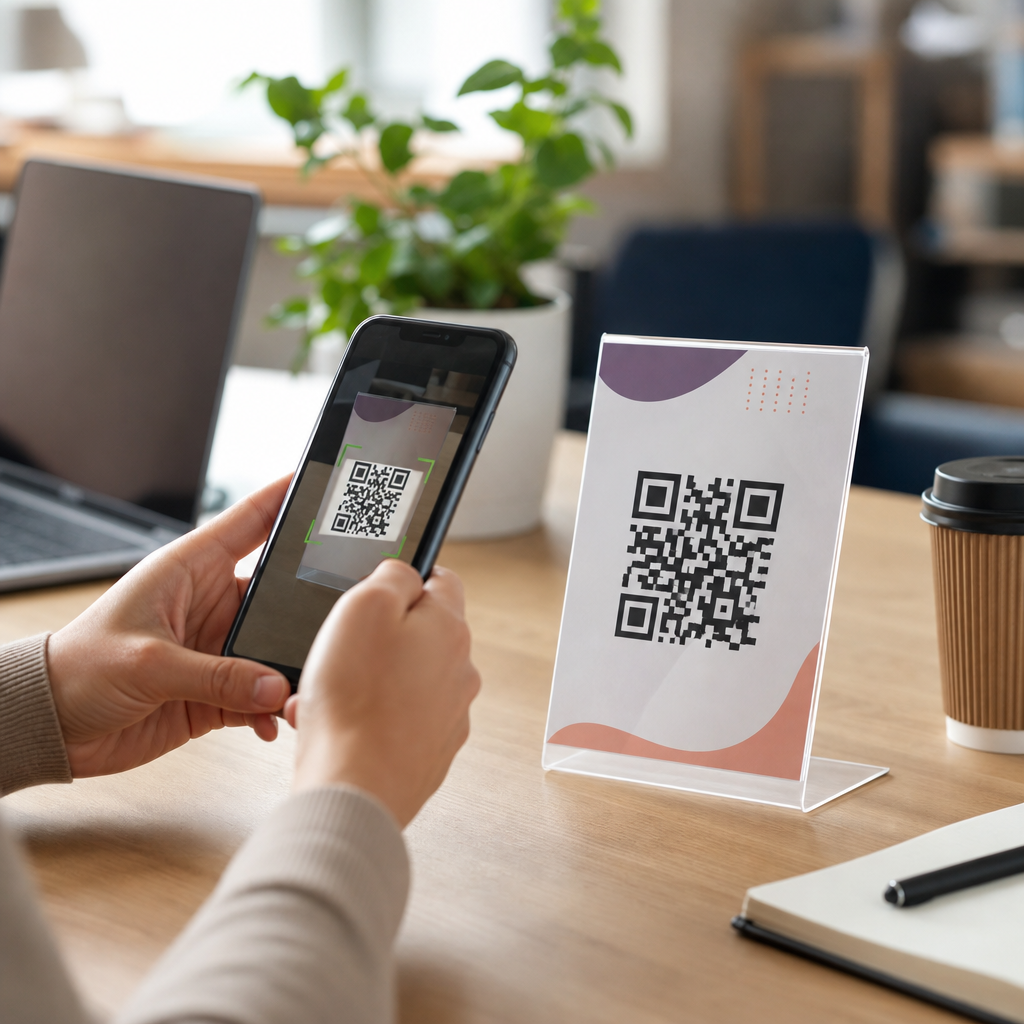
QR codes have moved far beyond simple links on posters, and today the most effective brands treat them as flexible bridges between physical touchpoints and measurable digital experiences. In marketing, a QR code is a scannable two-dimensional barcode that opens a destination such as a website, video, coupon, payment page, app download, form, map, or personalized landing page. Because nearly every smartphone camera now reads QR codes natively, the friction that once limited adoption has largely disappeared. That change matters because marketers are under pressure to connect offline media to online conversion paths, prove campaign performance, and create interactive moments without adding cost or complexity.
I have used QR codes across retail, events, direct mail, packaging, field sales, and local campaigns, and the same lesson keeps repeating: the code itself is never the strategy. The strategy is the experience behind the scan. A strong QR code campaign idea starts with a clear audience, a useful incentive, and a destination built for mobile. When those elements align, QR codes can lift response rates, shorten the path to purchase, and reveal exactly which channel drove action. They also support practical needs marketers care about every day, including first-party data collection, retargeting, attribution, coupon redemption, and content delivery.
This hub page covers creative marketing ideas using QR codes across the full customer journey. It explains where QR codes work best, which use cases reliably produce results, and how to design campaigns that people actually want to scan. You will also see examples that can branch into deeper articles on packaging, out-of-home advertising, restaurant menus, product education, nonprofit fundraising, event activation, real estate marketing, and direct mail. If you need one foundational resource for brainstorming, planning, and prioritizing QR code campaign ideas, this guide is built to serve that role.
How QR Codes Create Marketing Value
QR codes are effective because they collapse distance between attention and action. A person sees a package, sign, shelf talker, postcard, business card, or product display and can move directly into a digital journey in seconds. That speed matters. Every extra step in a response path reduces completion rates. With QR codes, the camera becomes the click, which is why they work particularly well in environments where typing a URL would be inconvenient or impossible.
From a measurement perspective, QR codes also make offline media more accountable. Dynamic QR code platforms such as Bitly, QR Code Generator Pro, Beaconstac, and Flowcode can track scans by time, location, device, and campaign. Add UTM parameters and analytics events, and a marketer can compare response by print placement, store, sales rep, event, or audience segment. That kind of visibility is useful for both brand campaigns and direct response efforts. It turns a printed surface into a live performance channel.
The best uses usually fit one of four goals: educate, convert, capture, or retain. Educate with tutorials or ingredient sourcing. Convert with offers, booking pages, or cart-ready product pages. Capture with sign-up forms and lead magnets. Retain with loyalty enrollment, support content, and post-purchase onboarding. The 50 ideas below are organized around these practical outcomes so teams can choose concepts that match budget, sales cycle, and channel mix.
50 Creative Ways to Use QR Codes in Marketing
Below are 50 proven and creative ways to use QR codes in marketing, grouped by channel and objective. Each idea works best when the destination is mobile-first, fast-loading, and tied to a clear next step.
| Category | Ideas | Why It Works |
|---|---|---|
| Packaging and Product | 1) how-to videos, 2) setup guides, 3) ingredient sourcing stories, 4) authentication checks, 5) warranty registration, 6) review requests, 7) replenishment pages, 8) cross-sell recommendations, 9) recycling instructions, 10) contest entries | Reaches customers at the moment of ownership and supports post-purchase conversion, trust, and retention |
| Retail and In-Store | 11) shelf-level coupons, 12) buy-online pages, 13) store maps, 14) waitlist signups, 15) loyalty enrollment, 16) product comparison pages, 17) recipe pairings, 18) limited-stock alerts, 19) customer reviews, 20) hidden scavenger hunts | Extends shelf space digitally and helps shoppers act without leaving the aisle |
| Print and Direct Mail | 21) personalized landing pages, 22) quote requests, 23) catalog shoppable pages, 24) postcard appointment booking, 25) renewal reminders, 26) lead magnet downloads, 27) neighborhood-specific offers, 28) donation pages, 29) referral programs, 30) sample requests | Makes print measurable and shortens the path from attention to response |
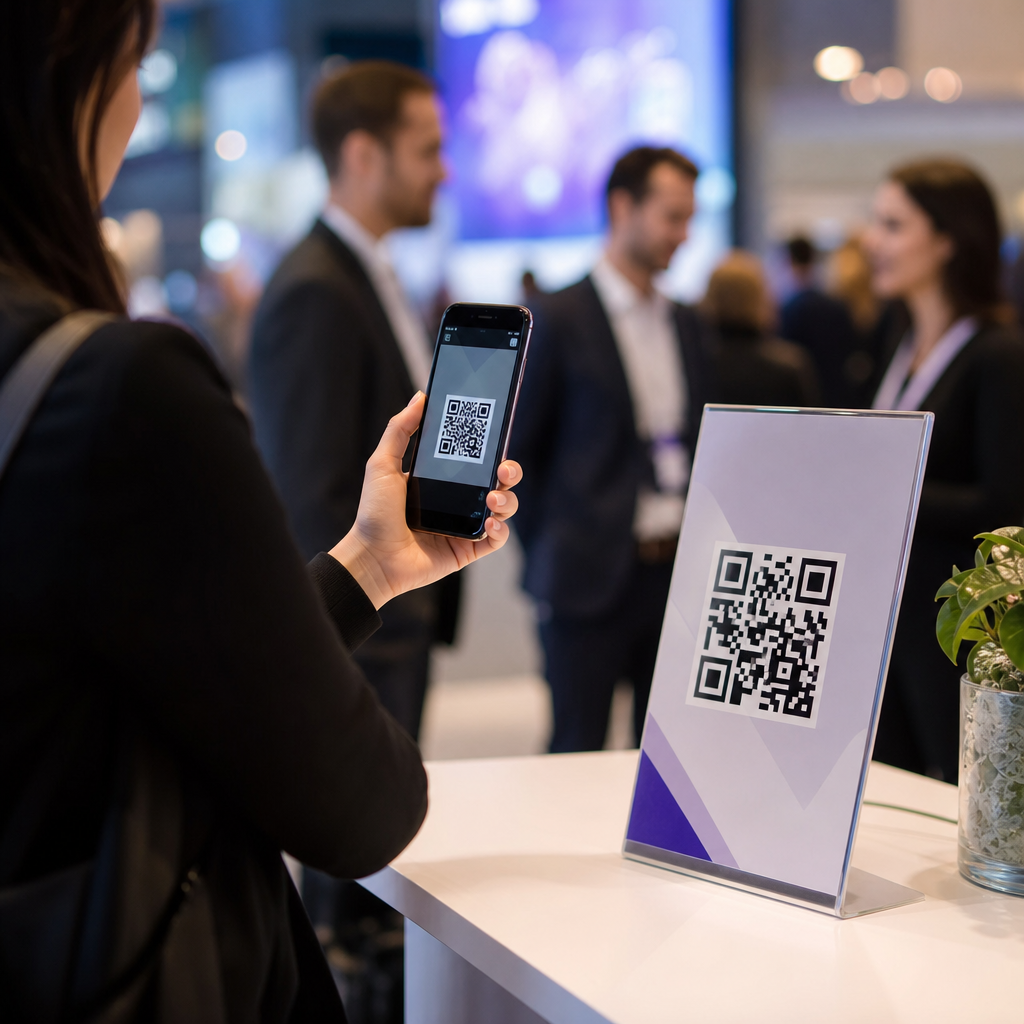
| Events and Experiences | 31) registration check-in, 32) digital agendas, 33) speaker bios, 34) live polling, 35) giveaway entries, 36) booth lead capture, 37) demo booking, 38) feedback surveys, 39) networking profile exchange, 40) post-event content hubs | Reduces friction onsite and turns event attention into usable data and follow-up opportunities |
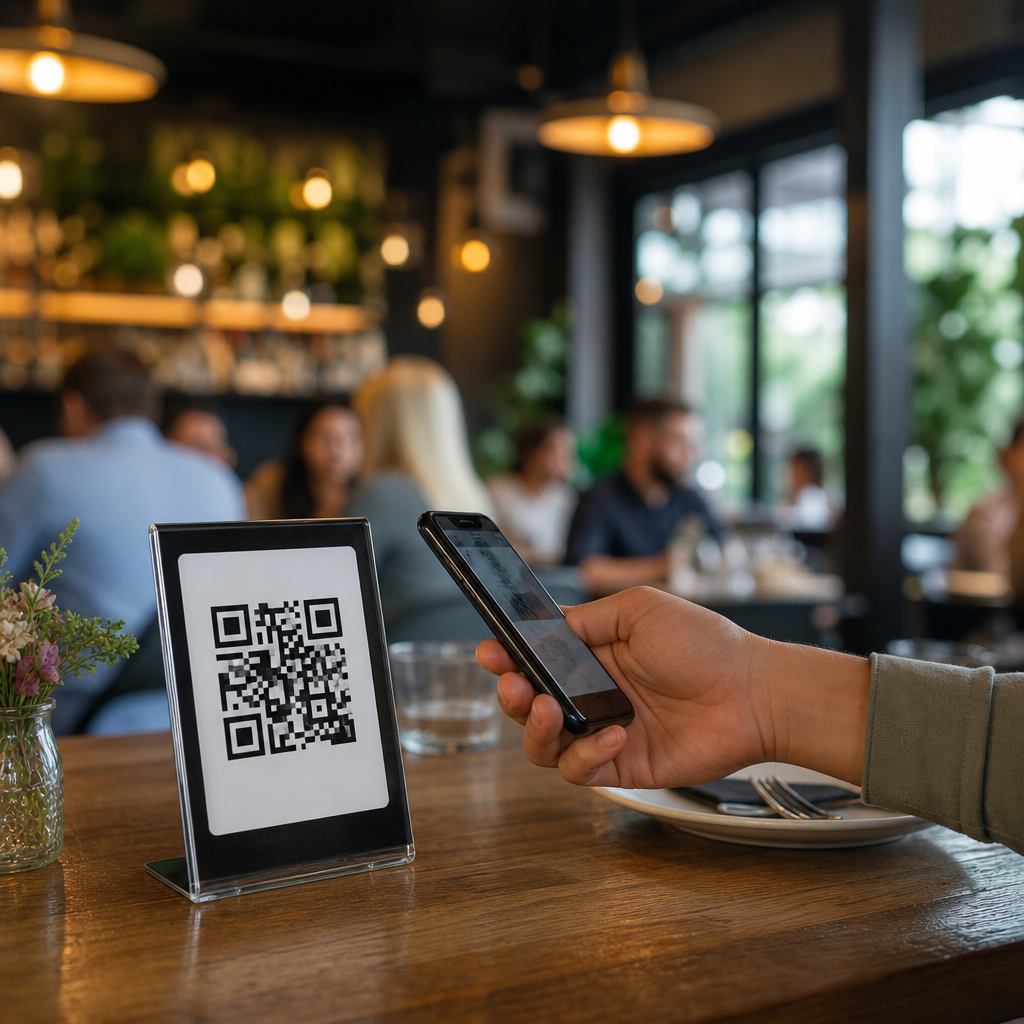
| Outdoor, Local, and Service | 41) restaurant menus, 42) Google review prompts, 43) service booking, 44) real estate property tours, 45) gym trial passes, 46) transit ad offers, 47) window display product pages, 48) nonprofit campaign stories, 49) payment links, 50) emergency service contact cards | Connects public visibility to immediate action where time and convenience drive response |
Some ideas deserve special attention because they consistently outperform generic “scan for more” prompts. Packaging tutorials reduce returns because customers get help at the exact moment they need setup guidance. Review-request QR codes on inserts often produce better response than email alone because they catch customers immediately after use. Retail product comparison pages are especially effective for higher-consideration categories such as electronics, skincare, supplements, and tools, where shoppers want reassurance before purchase.
Direct mail is another standout channel. In campaigns I have managed, personalized QR codes on postcards often outperform generic homepage links because they preserve message match. If the mailer promises a valuation, quote, discount, or appointment, the code should open directly to that exact action. Real estate agents use this well on yard signs by linking to virtual tours, floor plans, neighborhood data, and financing calculators. Restaurants do the same with seasonal menus, waitlists, loyalty offers, and catering inquiries. For B2B marketers, trade show booth QR codes are most effective when they offer a specific asset or scheduling option instead of a broad corporate page.
There is also room for playful brand-building. Scavenger hunts in stores can drive foot traffic across departments. Hidden QR codes on packaging can unlock exclusive content, playlists, or surprise discounts. Beauty brands use codes on displays to launch shade finder quizzes. Beverage brands use them to share cocktail recipes and user-generated content prompts. Museums, tourism boards, and destination marketers use location-based QR trails to turn signs and murals into audio guides. These examples work because the scan rewards curiosity with something immediate, useful, or entertaining.
Best Practices for Creative QR Code Campaigns
The first rule is simple: never send traffic to a generic homepage when a specific landing page is possible. Message match determines whether the scan becomes a conversion. If a poster offers 15 percent off, the landing page should show that exact offer immediately, with redemption steps above the fold. If packaging promises assembly help, the landing page should open to the right product tutorial without asking users to search again. This sounds obvious, but it is where many weak QR code campaigns fail.
Use dynamic QR codes whenever possible. A dynamic code lets you change the destination without reprinting the asset, which matters for seasonal offers, product updates, store-level changes, and crisis response. Dynamic codes also support better analytics and A/B testing. I regularly test alternate destinations, call-to-action copy, and incentive structures to see which version lifts scans and downstream conversions. Static codes still have a place for permanent information, but dynamic codes are the better default for active marketing programs.
Design affects scan rate more than many teams expect. Keep enough white space around the code, maintain contrast, and test the code at real-world distance. A code on a highway billboard needs a much larger footprint than one on a countertop sign. Add a clear verbal prompt such as “Scan to book,” “Scan for the recipe,” or “Scan to claim your sample.” People scan when they know what happens next. The destination page must also load quickly, avoid intrusive pop-ups, and be easy to complete with one thumb on a phone.
Trust matters too. Branded landing pages, secure domains, and recognizable incentives increase confidence. For regulated industries like healthcare, finance, alcohol, and supplements, review compliance before launch. For international campaigns, test by device type, country, and app behavior. Apple and Android camera experiences are mostly consistent now, but redirects, app deep links, and cookie consent flows can still introduce friction. Good QR code marketing is part creative execution and part rigorous quality assurance.
How to Measure Results and Build a Scalable Hub Strategy
Successful QR code marketing depends on defining the conversion before you design the code. That conversion might be a sale, appointment, sign-up, download, review, donation, or loyalty enrollment. Once the primary action is clear, set supporting metrics such as scan-through rate, landing page engagement, form completion rate, coupon redemption, cost per lead, assisted revenue, or repeat purchase rate. This is how you separate novelty from performance.
Implementation should include campaign naming conventions, UTM tagging, analytics events, and dashboard reporting. In Google Analytics 4, create events for scan landing page views, CTA clicks, form starts, form submissions, coupon activations, and purchase completions. Pair this with CRM data in HubSpot or Salesforce if the campaign feeds sales. For retail and field campaigns, use unique QR codes by location or representative so you can compare outcomes directly. This operational discipline is what makes a sub-pillar hub valuable: each supporting article can link to templates, examples, and channel-specific benchmarks while reinforcing the main strategy.
As you expand this content cluster, build deeper pages for packaging ideas, restaurant QR campaigns, real estate sign strategies, event activation workflows, direct mail testing, nonprofit fundraising, and QR code design mistakes. Internally linking those pieces back to this hub strengthens topical depth and helps readers move from inspiration to execution. The main benefit of creative marketing ideas using QR codes is not just interactivity. It is the ability to turn ordinary physical surfaces into trackable, useful, conversion-ready media. Start with one high-intent use case, test it carefully, and then scale what proves measurable.
Frequently Asked Questions
What are the most effective ways to use QR codes in marketing today?
The most effective QR code strategies connect an offline moment to a useful digital experience with as little friction as possible. Instead of treating QR codes as novelty add-ons, strong marketers use them as conversion tools across print ads, product packaging, retail displays, direct mail, event signage, restaurant tables, business cards, vehicle wraps, and even apparel. A code can send someone to a landing page, product demo, coupon, waitlist form, review page, loyalty program, app download, payment screen, social campaign, or interactive experience. The key is alignment between context and destination. For example, a QR code on packaging might unlock setup instructions, recipes, user guides, or reorder pages, while a code on an event banner could open a registration page, schedule, giveaway entry form, or live poll.
The most creative campaigns also personalize the scan experience. Brands can use dynamic QR codes to direct users to location-based offers, time-sensitive promotions, segmented landing pages, or retargeting funnels. A real estate sign can link to a virtual tour. A retailer can place shelf talkers that open comparison charts or customer reviews. A nonprofit can use QR codes on print materials to make donating instant and trackable. In all of these examples, the QR code works best when it solves a real problem, reduces effort, or creates an incentive. If people immediately understand what they will get from scanning, engagement rates rise significantly.
Why have QR codes become so important for modern marketing campaigns?
QR codes matter more today because they close the gap between physical media and digital measurement. Marketers have always used posters, flyers, packaging, mailers, and in-store displays to capture attention, but those channels were traditionally difficult to track. QR codes change that by turning nearly any physical touchpoint into a measurable digital entry point. When someone scans, the brand can see where the interaction happened, which asset drove traffic, what device was used, and whether the scan led to a conversion. That makes offline marketing much more accountable and allows teams to optimize campaigns with real data instead of assumptions.
They have also become far easier for consumers to use. Since most smartphones can scan QR codes directly through the native camera, there is far less resistance than there was in the past. That reduced friction has expanded the role of QR codes well beyond basic website links. They now support lead generation, omnichannel commerce, appointment booking, customer service, loyalty enrollment, contactless payment, digital menus, and personalized post-purchase engagement. For marketers, that flexibility is powerful. A single code can guide customers from awareness to action in seconds, and with dynamic technology behind it, the destination can evolve without changing the printed asset. That combination of convenience, adaptability, and trackability is exactly why QR codes have become a staple of modern campaign design.
How can businesses track the performance of QR code marketing campaigns?
Tracking starts with using dynamic QR codes instead of static ones whenever possible. A dynamic QR code points to a short, editable URL, which allows marketers to change the destination later and monitor scan data over time. This makes it possible to measure total scans, unique scans, scan location, time of day, device type, and engagement trends by campaign. If different QR codes are assigned to different placements, such as store windows, direct mail pieces, product inserts, and magazine ads, businesses can compare performance by channel and identify where interest is strongest.
To get deeper insights, marketers should pair QR codes with analytics tools and campaign tagging. Adding UTM parameters to destination URLs helps connect scans to website behavior inside platforms like Google Analytics. From there, a business can track bounce rate, time on page, form submissions, purchases, downloads, and assisted conversions. The best setup also uses dedicated landing pages tailored to the scan source, which improves relevance and makes attribution cleaner. For example, a QR code on packaging could lead to a page designed specifically for existing customers, while a code in a prospecting flyer could lead to a first-time buyer offer. A/B testing is also valuable. Brands can test different calls to action, landing page formats, incentives, and design placements to improve results over time. In short, QR code tracking becomes most useful when scans are measured not just as clicks, but as part of the full customer journey.
What makes a QR code campaign successful instead of ignored?
Successful QR code campaigns are clear, relevant, and rewarding. One of the biggest reasons QR codes get ignored is that people do not know what will happen when they scan. A bare code with no context creates uncertainty, while a code paired with a strong call to action gives users a reason to engage. Language such as “Scan to get 20% off,” “Scan to watch the demo,” “Scan to book instantly,” or “Scan for the limited-edition experience” sets expectations and increases response. Placement matters too. A code should appear where the audience has time, motivation, and ability to scan, not in a rushed or impractical setting.
Design and user experience also play major roles. The code must be large enough to scan easily, placed with adequate contrast, and tested across devices before launch. The destination should load quickly, be mobile optimized, and deliver exactly what the call to action promised. If users scan a code expecting a coupon and land on a generic homepage, trust drops immediately. High-performing campaigns usually include a clear benefit, a seamless landing experience, and a measurable objective. They also fit naturally into the customer journey. For example, on product packaging, customers may want tutorials, recipes, or warranty registration. At an event, they may want schedules, speaker bios, or prize entries. In direct mail, they may respond best to personalized offers or appointment booking. The more precisely the campaign matches user intent in the moment, the more likely the QR code is to convert rather than be ignored.
Are there any best practices or mistakes to avoid when using QR codes in marketing?
Yes, and following best practices can make the difference between a high-performing campaign and one that produces very little engagement. First, always give the code a purpose that benefits the user. A QR code should not exist just because it looks modern. It should save time, unlock value, reduce friction, or create a richer experience. Second, use a clear call to action so people know why they should scan. Third, link to a mobile-friendly destination that is fast, relevant, and easy to navigate. Fourth, test the code in the real environment where it will appear. A code that scans easily on a computer monitor may fail on glossy packaging, curved surfaces, low-light signage, or small-format print pieces. Fifth, consider dynamic QR codes for flexibility, analytics, and future updates.
Common mistakes include sending all scans to the homepage, making the code too small, placing it where people cannot comfortably scan, or failing to provide internet access context in settings with weak connectivity. Another major mistake is ignoring branding and trust. While the code itself must remain scannable, the surrounding design should feel legitimate and professional so users are comfortable engaging. Security also matters. Use trustworthy domains and avoid redirect chains that look suspicious. From a measurement standpoint, many marketers miss opportunities by not segmenting codes by channel or campaign. If the same code is used everywhere, performance insights become limited. Finally, do not forget the post-scan experience. The QR code is only the doorway. Real results come from what happens after the scan, whether that is capturing a lead, completing a sale, encouraging repeat purchases, or deepening brand engagement.