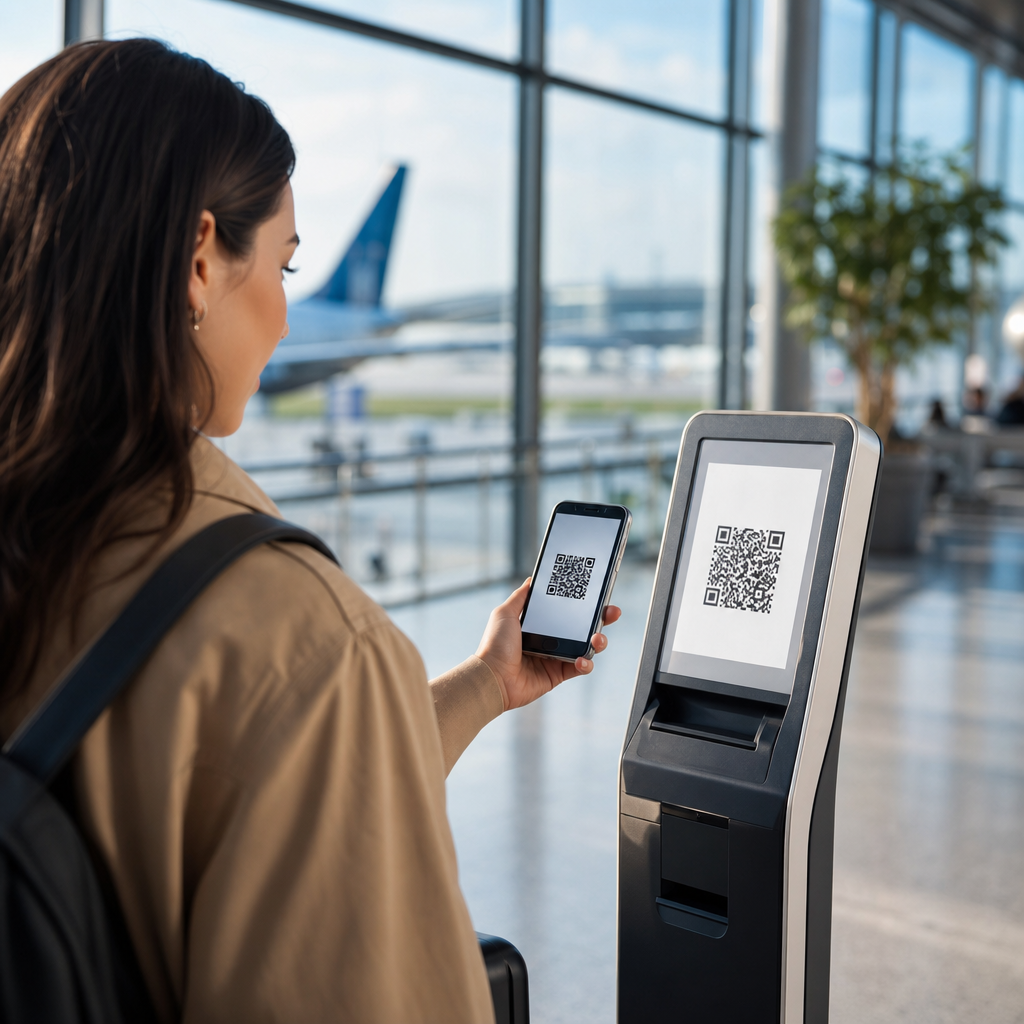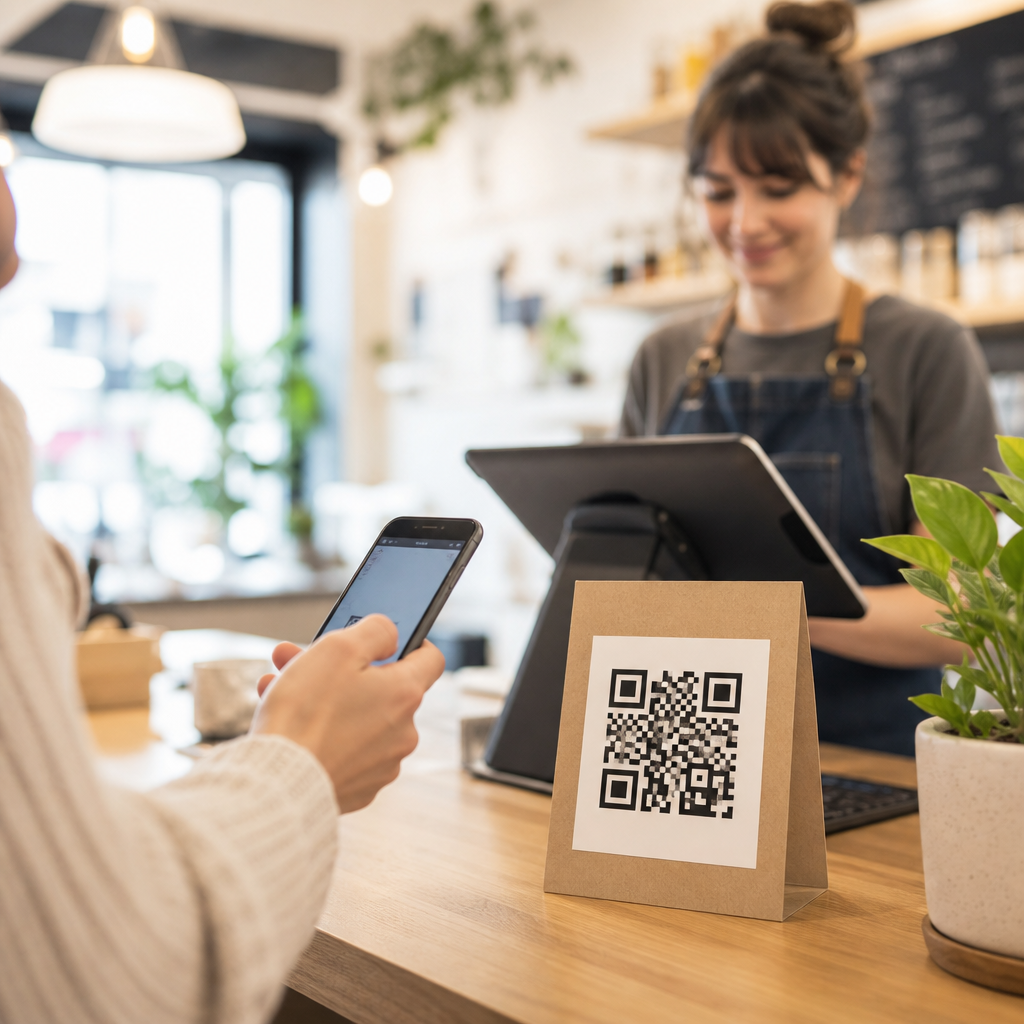
Unique QR code campaign ideas for small businesses can turn a simple square barcode into a measurable marketing channel that drives foot traffic, captures leads, increases repeat purchases, and connects offline moments to digital action. A QR code, or quick response code, is a scannable two-dimensional matrix barcode that opens a destination such as a website, menu, coupon, form, app page, video, or payment screen when viewed through a smartphone camera. For small businesses, that matters because attention is expensive, printed materials have limited space, and every promotion needs proof that it worked. In my work helping local retailers, restaurants, salons, service firms, and event operators launch campaigns, the strongest results come when a QR code is treated as a campaign asset rather than a decorative add-on. The code needs a purpose, a clear call to action, a destination built for mobile, and a reason for someone to scan immediately. When those pieces line up, QR codes become practical tools for customer acquisition and retention. They also close a longstanding gap in local marketing by making flyers, packaging, receipts, posters, table tents, windows, and business cards trackable. This article serves as a hub for creative marketing ideas using QR codes, showing where they fit, which campaign models work best, how to avoid common mistakes, and how to measure performance with confidence.
Why QR codes work so well for small business marketing
QR codes work because they reduce friction between interest and action. A customer sees an offer in the physical world, scans once, and lands exactly where the business wants them to go. There is no typing a long URL, searching a brand name, or remembering a promotion later. That speed is especially valuable for small businesses that rely on impulse decisions, neighborhood traffic, and repeat visits. Restaurants use QR codes to move diners from in-store tables to loyalty signups. Boutiques place them on shelf talkers to reveal styling videos and inventory availability. Home service companies print them on door hangers to route prospects to an estimate form. In each case, the code shortens the path from awareness to conversion.
The best campaigns use dynamic QR codes rather than static ones. A static code points to one fixed destination forever. A dynamic code uses a short redirect URL behind the image, so the destination can be changed without reprinting the code. That flexibility is essential when a seasonal offer ends, a landing page is updated, or a business wants to test different calls to action. Dynamic platforms also provide scan analytics such as total scans, unique scans, time of day, device type, and approximate location. Tools such as Bitly, QR Code Generator PRO, Beaconstac, and Flowcode make this practical for even the smallest teams. If budget is tight, a business can still create trackable links with UTM parameters and monitor campaign traffic in Google Analytics 4.
Context matters as much as technology. People scan when the next step feels useful. “Scan to view today’s lunch special” performs better than “Scan me.” “Scan for 10% off your next visit” beats a generic homepage link. I have seen storefront decals underperform for months, then double scan rate after a simple change to larger sizing, higher contrast, and a stronger promise. ISO standards and printer guidelines help with readability, but campaign thinking drives results: visible placement, sufficient quiet zone around the code, mobile-friendly destination, and an incentive tied to customer intent.
Creative QR code campaign ideas that attract, convert, and retain customers
Small businesses do not need one QR code strategy; they need several, each matched to a stage of the customer journey. Attract campaigns bring in first-time visitors. Convert campaigns collect leads or purchases. Retain campaigns deepen loyalty and referrals. A coffee shop might run all three at once: a sidewalk sign with a “scan for first drink offer,” a countertop card for mobile ordering, and a receipt code for loyalty enrollment. The strength of QR marketing is that one format supports many outcomes without requiring a large media budget.
Start with offers that create immediate value. Discount codes still work, but exclusivity often works better. A bakery can place a code on window posters that unlocks the day’s limited pastry drop before it sells out. A yoga studio can add a QR code to neighborhood postcards offering a free first class and a class schedule filtered to beginner sessions. A salon can print a code on appointment reminder cards linking to a “book your next service within 48 hours” page with a bonus add-on. These examples succeed because the destination is specific and the benefit is obvious.
Education-based campaigns are equally effective. A garden center can put QR codes on plant tags linking to care guides, watering schedules, and pest prevention tips. A boutique pet store can place codes beside premium foods that explain ingredients, feeding transitions, and veterinarian recommendations. A hardware store can add shelf labels with “scan for a two-minute how-to video” on products that confuse new buyers. When customers learn something useful in the buying moment, conversion rates rise and return rates often fall.
Community and storytelling campaigns help small brands compete with larger chains. A local roaster can print a code on bags that tells the origin story of each bean, roast profile, and ideal brew recipe. A craft brewery can use table codes to let customers vote on future seasonal flavors. A florist can attach QR codes to bouquet care cards that include a thank-you message from the owner and a referral offer. These touches are memorable because they turn packaging and signage into interactive media.
| Campaign type | Best placement | Primary goal | Example CTA |
|---|---|---|---|
| First-visit offer | Window decal, flyer, postcard | Acquire new customers | Scan for 15% off your first order |
| Loyalty signup | Receipt, counter card, menu | Increase repeat visits | Scan to earn points today |
| Product education | Shelf tag, packaging, label | Improve conversion | Scan to see how it works |
| Review request | Thank-you insert, invoice, table tent | Build social proof | Scan to leave a quick review |
| Referral campaign | Package insert, email signature, business card | Generate word of mouth | Scan to share and both save |
| Event RSVP | Poster, social graphic, community board | Drive attendance | Scan to reserve your spot |
Industry-specific QR code campaign ideas with real-world use cases
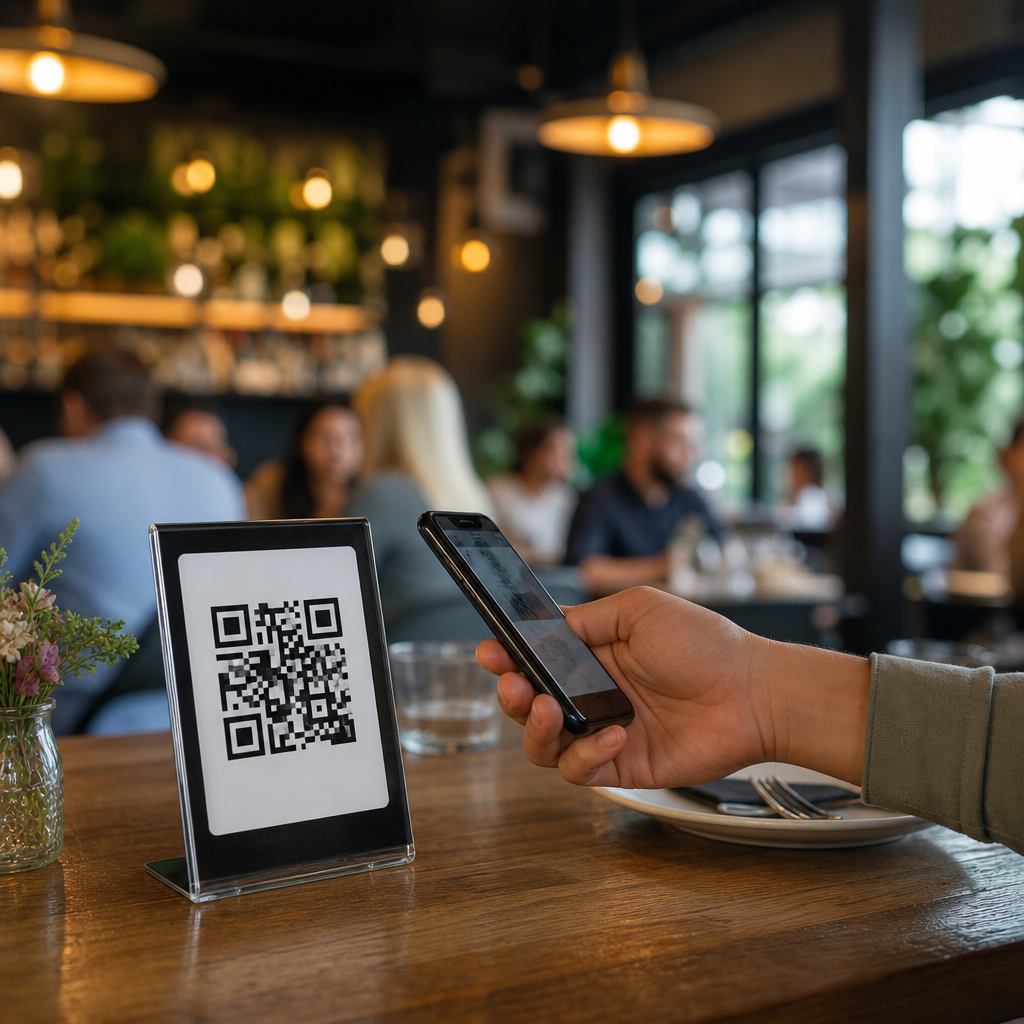
Restaurants can go beyond digital menus. One of the highest-performing restaurant campaigns I have seen used separate table codes for lunch club enrollment, private event inquiries, and rotating chef specials. The business avoided sending every diner to one generic page and instead matched each code to intent. Scan data showed that the private event code on banquet menus produced far fewer scans but much higher revenue per conversion than the standard loyalty code. For cafes, cup sleeves can carry a code to a playlist, a feedback form, or a prepaid bean subscription. For quick-service brands, tray liners and pickup shelves are ideal for app downloads, catering inquiries, and post-purchase surveys.
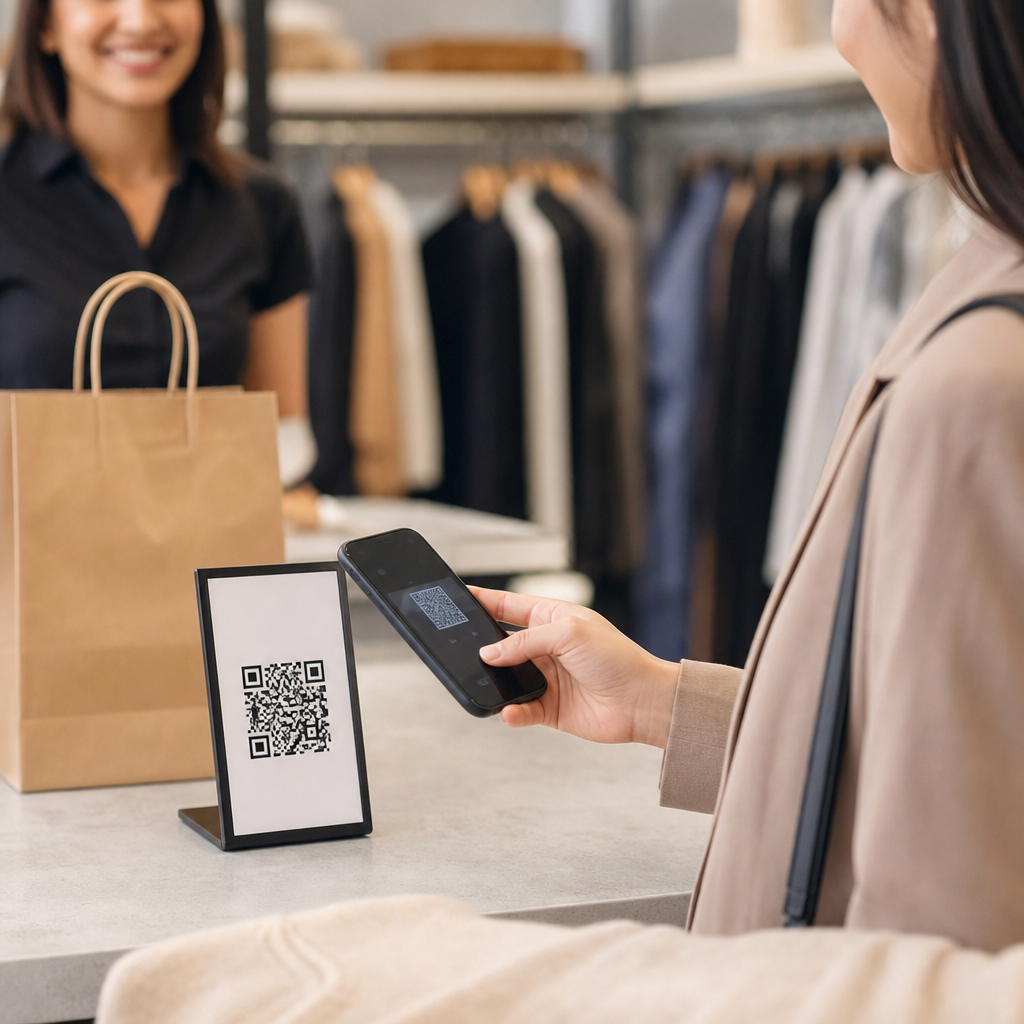
Retail stores have even more placement options. Apparel shops can use fitting-room signage that says, “Scan to request another size,” sending the shopper to a lightweight form or messaging link. Bookstores can create staff-pick shelf cards with QR codes to longer reviews, author interviews, or reading group kits. Gift stores can add codes to seasonal displays that reveal curated bundles and ship-to-home options for out-of-stock items. In practice, these campaigns increase assisted sales because they support customers without forcing constant staff intervention.
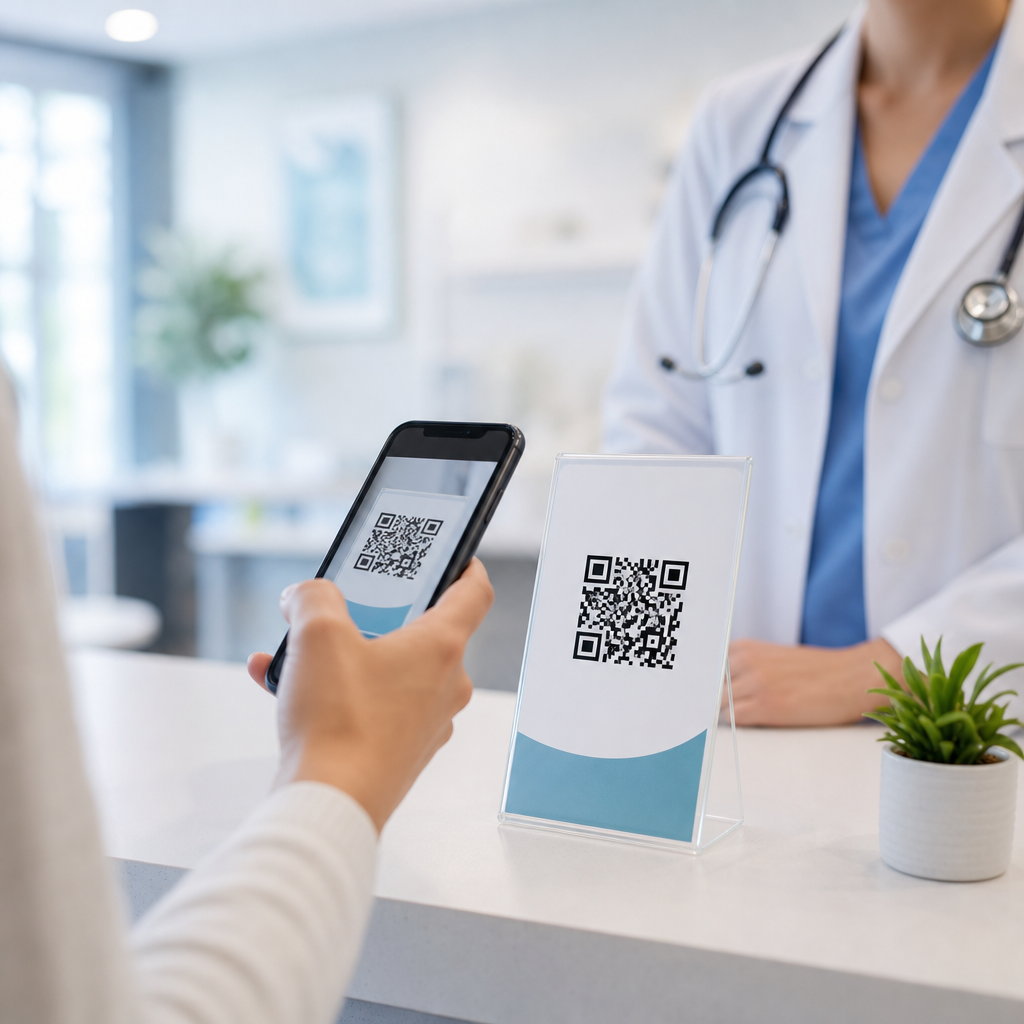
Service businesses can use QR codes before, during, and after the appointment. A cleaning company might place a code on leave-behind cards for recurring service plans. A dental office can use waiting-room signage for new patient forms, financing information, and post-visit review requests. An auto repair shop can add a code to inspection reports linking to a short video walk-through from the technician, a tactic that builds trust because the customer sees the issue instead of only reading a line item. Real estate agents can put property-specific QR codes on yard signs, open house sheets, and neighborhood mailers, each leading to a dedicated page with photos, school data, financing options, and showing requests.
Event-driven businesses benefit from urgency. A market vendor can display a code that unlocks same-day bundle pricing. A museum gift shop can place codes near featured exhibits linking to limited-edition merchandise. Fitness studios can promote themed challenges through lobby posters and locker-room decals. Because the customer is already in an active mindset, the scan becomes part of the experience rather than an interruption.
How to design a QR code campaign that people actually scan
Effective QR campaigns start with one question: what should the customer do next? If the answer is vague, the campaign will struggle. Every code should map to a single primary action such as redeeming an offer, joining a loyalty program, booking an appointment, or viewing a product demo. Once that action is defined, create a landing page that reflects the promise on the sign or package. If the code says “scan for today’s specials,” the page should open to today’s specials immediately, not a homepage with multiple navigation choices. Message match is non-negotiable.
Design and placement determine whether a code gets noticed. The code should be large enough for the scanning distance, with strong contrast, a clear quiet zone, and no visual clutter around it. On posters viewed from several feet away, larger is safer. On packaging handled in the hand, smaller can work if print quality is sharp. Add a plain-language CTA above or below the code, because people need a reason to engage. Testing with different verbs matters: “scan to book” usually outperforms “learn more” when the user is near purchase intent.
Destination experience matters just as much. Pages should load fast, avoid intrusive pop-ups, and present the action near the top. If a form is required, keep fields minimal. If a coupon is offered, make redemption obvious at checkout. If a review is requested, route directly to the correct profile rather than asking the user to search for the business manually. I recommend using campaign-specific landing pages with UTM-tagged URLs so performance can be compared by placement. A code on a receipt often behaves differently from the same offer on a window decal because the mindset of the scanner is different.
Compliance and accessibility should not be overlooked. Payment and health-related uses may require additional privacy disclosures. For public-facing materials, include a short fallback URL for people who prefer typing. Altogether, the most reliable QR campaigns are simple: one audience, one action, one benefit, one destination.
Tracking results, avoiding mistakes, and building a reusable campaign hub
Measurement is where small businesses gain an advantage. Traditional print promotions often end with guesses, but QR campaigns can be tied to sessions, conversions, revenue, and customer lifetime value. Start by defining success metrics before launch. For an awareness campaign, scan volume and unique visitors may be enough. For a conversion campaign, track form submissions, coupon redemptions, appointments, online orders, or point-of-sale sales connected to the offer. Google Analytics 4, Search Console for landing page visibility, and CRM tools such as HubSpot or Mailchimp can all support a practical reporting setup. If the code drives phone calls, use call tracking. If it drives in-store redemption, train staff to record the code or offer source consistently.
Common mistakes are predictable. Many businesses link every code to their homepage, which wastes intent. Others print static codes on thousands of materials, then discover the offer changed. Some place codes where people do not have time or signal to scan, such as on a moving vehicle without a memorable follow-up URL. Another frequent issue is asking too much on the landing page: a long form, account creation, or too many choices. Scan friction may be low, but conversion friction can still kill performance. Security perception matters too. People are more willing to scan when branding is familiar and the CTA is specific, because they know what to expect.
As a hub page for creative marketing ideas using QR codes, this topic should connect related articles around restaurant menu campaigns, retail packaging inserts, event promotion, review generation, nonprofit fundraising, and real estate signage. That structure helps readers compare tactics by industry and objective. It also mirrors how successful campaigns are planned in practice: not as isolated codes, but as a system of placements, offers, landing pages, and analytics that can be reused across seasons. Build a library of templates, document scan rates by placement, and keep iterating. The businesses that get the most from QR marketing are rarely the ones with the fanciest code designs; they are the ones that test, measure, and refine.
Unique QR code campaign ideas for small businesses work best when each scan solves an immediate customer need and gives the business a measurable next step. The strongest campaigns do four things well: they promise a clear benefit, appear in the right physical context, send visitors to a focused mobile destination, and track outcomes with enough detail to improve future efforts. Small businesses can use this approach across the full customer journey, from first-visit offers and event RSVPs to product education, review requests, loyalty enrollment, referrals, and post-purchase support. The advantage is not novelty alone. It is the ability to turn everyday touchpoints such as packaging, signage, receipts, table tents, business cards, shelf tags, and service leave-behinds into interactive channels that can be optimized over time.
If you are building a QR code marketing program, start with one campaign that has a single goal and a specific audience. Choose a dynamic code, write a direct call to action, create a landing page that matches the promise, and measure scans against real business results. Then expand into additional placements and industry-specific use cases as you learn what your customers respond to. Done well, QR codes give small businesses something rare in local marketing: low-cost execution, high flexibility, and clear attribution. Use this hub as your starting point, then map out the next campaign you can launch this week.
Frequently Asked Questions
What are some unique QR code campaign ideas small businesses can use to stand out?
Small businesses can use QR codes in far more creative ways than simply linking to a homepage. One effective idea is a “scan-to-unlock” in-store offer, where customers scan a code at checkout, on a window sign, or on product packaging to reveal a limited-time discount, bonus gift, or loyalty perk. Another strong option is a neighborhood scavenger hunt that places QR codes in partner locations, encouraging people to visit multiple businesses while collecting clues, rewards, or entries into a giveaway. Restaurants and cafes can use table tents or takeout packaging to send customers to chef videos, rotating secret menu items, or feedback forms tied to a coupon for a future visit. Service businesses can place QR codes on invoices, business cards, vehicle wraps, or waiting room signage that lead to review requests, referral programs, quote forms, or before-and-after galleries. Retailers can also create product storytelling campaigns, where a code on a shelf tag or label opens a short video about how the item is made, how to use it, or why it is locally sourced. The most effective campaigns usually combine curiosity, convenience, and a clear benefit, giving customers a simple reason to scan immediately rather than later.
How can QR code campaigns help small businesses drive foot traffic and sales?
QR code campaigns help turn physical marketing into a measurable customer journey. A flyer, poster, storefront sign, direct mail piece, or product insert can instantly move someone from awareness to action by sending them to a coupon, booking page, menu, event registration form, or map location. That reduces friction because customers do not need to type a web address or search for the business on their own. For foot traffic, businesses can promote scan-only in-store offers, local event promotions, or “show this screen to redeem” deals that give people a reason to visit right away. For sales, QR codes can support upsells and repeat purchases by linking to product bundles, reorder pages, loyalty signups, or limited-time promotions. They also work well after the sale. A code on packaging or a receipt can drive customers to care instructions, tutorials, referral offers, or review forms, which helps build long-term value instead of treating the transaction as the end of the relationship. When used strategically, QR codes connect offline attention with online conversion, making print materials, signage, and packaging work harder as active sales tools rather than passive branding pieces.
Where should small businesses place QR codes for the best campaign results?
Placement has a major impact on scan rates, so businesses should put QR codes where customers already pause, wait, or make decisions. Storefront windows are ideal for capturing after-hours interest, especially when paired with a message like “Scan to book,” “Scan for today’s specials,” or “Scan for 10% off your first visit.” At the point of sale, QR codes can be added to countertop displays, receipts, checkout screens, and packaging inserts to encourage loyalty enrollment, reviews, or future purchases. On tables, menus, shelf tags, and product displays, they can support education and conversion at the exact moment a customer is considering what to buy. Offline marketing materials are also valuable placements, including postcards, door hangers, event banners, brochures, business cards, and print ads. For service businesses, QR codes on service vehicles, uniforms, invoices, and estimate sheets can capture leads when people are already interested. The key is to match the destination to the context. A code on a product label should lead to product-specific information, while a code on a direct mail offer should lead to a fast redemption page. It is also important to make the code easy to scan, large enough to notice, and supported by a short call to action that explains exactly what the customer will get.
How can a small business track whether a QR code campaign is actually working?
One of the biggest advantages of QR codes is measurability. Instead of guessing whether a print ad, poster, package insert, or event sign influenced customer action, a business can track scans, timing, device type, and downstream conversions. The most reliable approach is to use dynamic QR codes connected to specific landing pages or campaigns. That lets the business update the destination later without reprinting the code and often provides built-in analytics. Adding campaign tracking parameters to the URL can show what happened after the scan, such as form submissions, purchases, bookings, coupon redemptions, or app downloads. Businesses should create separate QR codes for different placements, offers, or channels so they can compare performance. For example, one code might appear on a window poster, another on packaging, and another on a direct mail postcard. If the same landing page is used everywhere, it becomes much harder to know what drove results. It is also smart to define success before launching the campaign. Depending on the goal, that might mean total scans, redemption rate, average order value, lead volume, repeat purchase rate, or in-store visits. Good tracking turns QR codes from a novelty into a practical marketing channel with clear return on investment.
What makes a QR code campaign successful instead of ignored?
Successful QR code campaigns usually share a few important traits. First, they offer a clear and immediate value exchange. People are much more likely to scan when they know they will get something useful, such as a discount, exclusive content, faster ordering, event access, loyalty points, or helpful information. Second, the experience after the scan must be fast and mobile-friendly. If the landing page loads slowly, looks cluttered on a phone, or asks for too much information upfront, many users will drop off. Third, the call to action matters. A plain code with no explanation often gets overlooked, while a message like “Scan to claim your free sample,” “Scan to join our VIP list,” or “Scan to see today’s secret deal” gives people a reason to act. Design also plays a role. The QR code should be high contrast, easy to scan, and placed where it is visible without feeling intrusive. Finally, successful campaigns fit naturally into the customer experience. A code should solve a problem, answer a question, or create a benefit at the right moment. When businesses focus on relevance, simplicity, and follow-through, QR codes become a practical bridge between real-world attention and digital action rather than just another marketing gimmick.