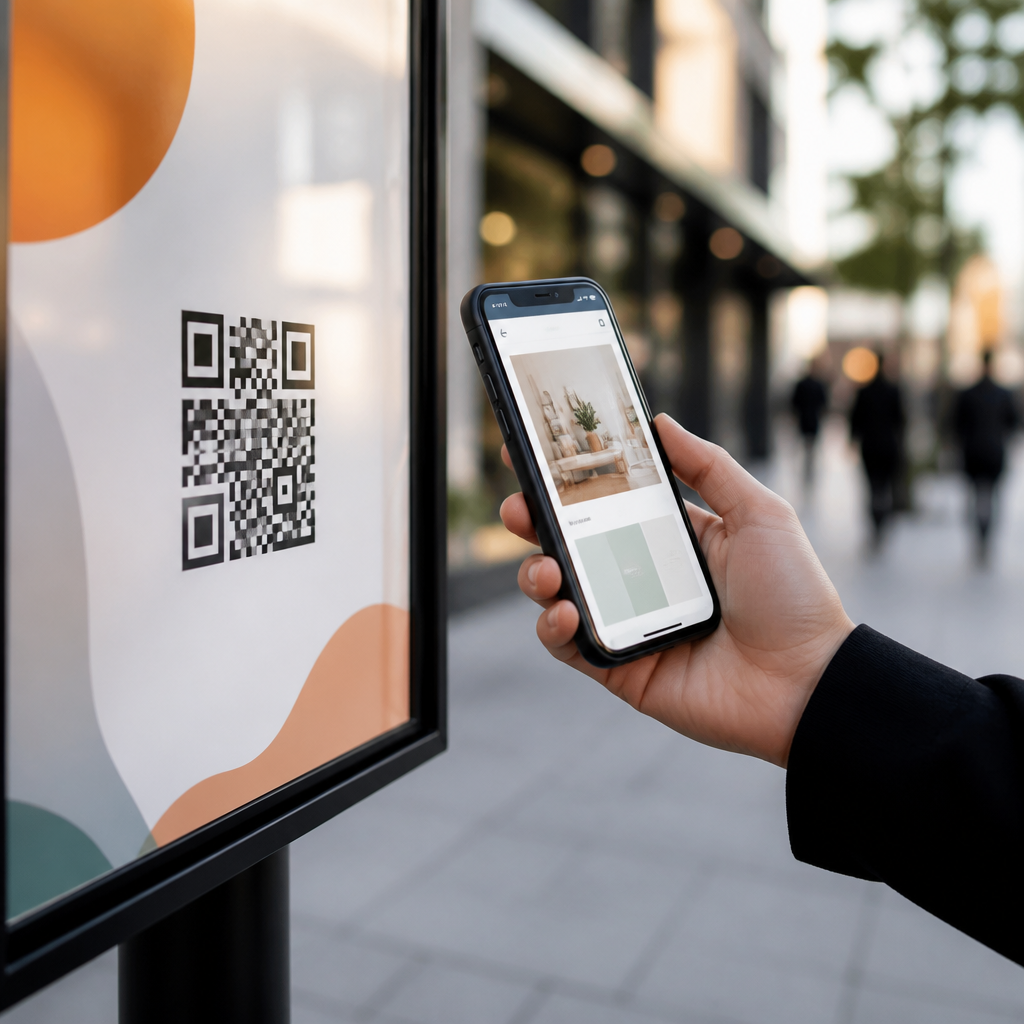
QR codes have moved from a novelty on posters and packaging to a practical bridge between offline attention and digital action, which is exactly why they matter in the buyer’s journey. In marketing terms, the buyer’s journey is the path people follow from first awareness of a problem or brand, through consideration and purchase, into retention and advocacy. A marketing funnel is the operational model behind that path: it maps how campaigns attract, educate, convert, and keep customers. When teams ask where QR codes fit in the buyer’s journey, the short answer is everywhere, but only when the code leads to the right experience for the right stage.
I have used QR codes across retail, events, direct mail, packaging, and field sales programs, and the lesson is consistent: the scan is never the goal. The goal is reducing friction at a specific moment of intent. A shopper standing in an aisle wants proof, not a homepage. An event attendee wants the agenda, not a generic lead form. A new customer opening a box wants setup help, not another acquisition offer. Integrating QR codes into marketing funnels works when marketers treat the code as a context-aware entry point and build landing pages, tracking, and follow-up around that context.
This matters because QR codes solve a measurement and attention problem that has always limited offline marketing. Print ads, in-store displays, brochures, menus, product labels, out-of-home placements, and sales collateral can all generate interest, yet without a digital bridge they are hard to attribute and harder to personalize. A dynamic QR code connects those touchpoints to analytics, CRM workflows, retargeting audiences, and conversion reporting. It can pass campaign parameters, trigger first-party data collection, and route users to mobile-optimized content that aligns with what they were doing when they scanned.
Used well, QR codes improve convenience, lift response rates, and make the funnel more observable. Used poorly, they create dead ends, mistrust, and inflated expectations. The rest of this hub explains how to place QR codes at each stage of the funnel, what experiences they should unlock, which metrics prove impact, and the operational rules that keep campaigns effective.
Awareness: using QR codes to turn attention into qualified visits
At the top of the funnel, the job of a QR code is not to close a sale. It is to capture curiosity and move a person from an offline impression to a useful first digital interaction. That makes awareness-stage QR codes ideal for packaging, window signage, print ads, conference booths, outdoor media, and product education displays. The destination should answer a simple question immediately: why should I care right now? In practice, that means a short explainer page, a product demo, a buyer’s guide, a store locator, a contest entry, or a time-sensitive offer tied directly to the placement.
A common mistake is sending every awareness scan to the homepage. Homepages are built for broad navigation, while scans are context-specific. If someone scans a code on a bus shelter promoting a new beverage, they should arrive on a mobile page showing the product, nearby retailers, price point, and maybe a short video. If someone scans from a trade show banner, the page should lead with the event-specific value proposition and a fast way to book a demo. Matching the landing experience to the physical context consistently improves engagement because it respects the user’s original intent.
Creative execution matters as much as strategy. The call to action must make the benefit explicit: “Watch the 30-second demo,” “See colors in your room,” “Get the spec sheet,” or “Find your nearest store.” High contrast, adequate quiet space, and proper sizing are non-negotiable. In outdoor placements, I plan around scanning distance and lighting conditions. In packaging, I test with curved surfaces, glossy finishes, and camera variability across devices. A technically scannable code is not enough; the full environment determines response.
Consideration: helping buyers evaluate options with low-friction content
In the consideration stage, prospects are comparing solutions, checking proof, and trying to reduce risk. This is where QR codes become especially valuable because they can unlock richer information at the exact point a buyer needs reassurance. On shelf talkers, brochures, catalogs, sales decks, direct mail, and showroom displays, a code can lead to product comparisons, FAQs, certifications, customer stories, installation videos, financing details, or interactive configurators. The best consideration content removes uncertainty in plain language and makes the next step obvious.
For example, a home improvement brand can place a QR code on in-store signage for flooring samples that opens a page with wear ratings, room suitability, cleaning guidance, and a visualizer. A B2B manufacturer can add codes to printed spec sheets so procurement teams can access compliance documents, CAD files, warranty terms, and a case study from a similar industry. A healthcare provider can use QR codes in waiting-room materials to guide patients to treatment overviews, physician bios, and insurance acceptance details. In each case, the scan supports evaluation, not just awareness.
Strong consideration-stage QR code programs also segment traffic cleanly. Dynamic codes allow marketers to update destinations without reprinting assets and to append UTM parameters for campaign, source, medium, and content. That matters because “brochure scans,” “shelf display scans,” and “event booth scans” represent very different levels of intent. I typically pair those parameters with landing page variants and CRM fields so sales and marketing can see not just that a person scanned, but what context brought them in and what asset moved them forward.
| Buyer stage | Best QR code placement | Recommended destination | Primary metric |
|---|---|---|---|
| Awareness | Posters, packaging, outdoor ads, event signage | Explainer page, video, store locator, giveaway | Scan-through rate |
| Consideration | Brochures, shelf tags, sales collateral, catalogs | Comparison guide, FAQ, case study, configurator | Engaged sessions |
| Decision | Price cards, direct mail, product pages, proposals | Checkout, booking page, coupon, consultation form | Conversion rate |
| Retention | Packaging inserts, receipts, onboarding materials | Setup guide, support center, loyalty signup | Activation rate |
| Advocacy | Thank-you cards, receipts, email inserts, product labels | Referral page, review request, community hub | Referral or review rate |
Decision: converting high-intent scans into purchases or booked actions
At the decision stage, speed and clarity matter most. The prospect is close to acting, so the QR code should remove remaining friction between intent and conversion. Effective uses include codes on direct mail with personalized offers, in-store displays tied to limited inventory, restaurant table tents linked to ordering, sales proposals connected to a booking page, or product labels that unlock instant checkout. The destination must be purpose-built for mobile conversion with minimal fields, visible trust signals, and a single dominant action.
I have seen decision-stage campaigns fail for reasons that had nothing to do with the QR code itself. The code scanned perfectly, but the landing page loaded slowly, the coupon terms were hidden, the form asked for too much information, or the checkout process forced account creation. Every extra step wastes the urgency that made the person scan in the first place. If the action is to book, use calendar integration and prefilled context. If the action is to buy, carry the offer directly into cart and display the discount clearly. If the action is to call, enable click-to-call on page load.
Trust is also central at this stage. People are more cautious when a code appears in public spaces or on third-party materials. Brand the surrounding asset clearly, use recognizable domains, and avoid link shorteners that obscure the destination. For regulated industries, include required disclosures close to the code and on the landing page. Accessibility counts too: provide a short URL near the QR code for people who cannot scan, and ensure mobile pages meet usability standards such as readable text, keyboard-friendly inputs, and sufficient color contrast.
Retention and loyalty: extending the funnel after the sale
Many marketers stop at conversion, but the smartest QR code strategies continue after purchase. Retention-stage QR codes are powerful because they appear when the customer has the product in hand and a reason to engage. Packaging inserts, quick-start cards, receipts, warranty labels, membership kits, and in-product stickers can all route users to setup instructions, training videos, troubleshooting guides, reorder pages, account registration, loyalty enrollment, or accessory recommendations. The value is immediate: customers get help faster, and brands reduce support friction while opening the door to repeat revenue.
Consumer electronics illustrate this well. A QR code inside the box can launch a model-specific setup guide with the exact firmware, app links, and troubleshooting steps relevant to that device. Beauty and wellness brands use codes on packaging to show how-to routines, ingredient sourcing, refill subscriptions, and rewards programs. In B2B, machine manufacturers often place QR labels on equipment that lead technicians to service manuals, parts ordering, and support portals. These are not small conveniences. They influence product adoption, customer satisfaction, and lifetime value.
The retention funnel works best when post-purchase scans trigger meaningful lifecycle automation. A setup scan can enroll a user in onboarding emails. A refill scan can create replenishment reminders based on expected usage windows. A loyalty scan can tie in-store purchasers to a first-party profile that would otherwise remain anonymous. This is where QR codes support broader customer data strategy: they convert offline ownership moments into measurable digital relationships, provided consent flows and privacy handling are clear and compliant.
Advocacy, attribution, and operational best practices
Advocacy is the final stage where satisfied customers help create new demand, and QR codes can make that transition easy. A thank-you insert can direct buyers to a referral program. A receipt can request a review on the right platform. Event follow-up materials can lead attendees to shareable recap assets. Community-driven brands can use codes to invite customers into ambassador groups, user-generated content campaigns, or product feedback panels. The crucial point is timing: ask for a review after value is delivered, not immediately after purchase.
To manage QR codes across the full marketing funnel, teams need disciplined measurement. Track scan volume, unique scans, device type, geography, landing page engagement, assisted conversions, and downstream revenue. Distinguish between raw scans and quality scans by setting engagement thresholds such as time on page, scroll depth, video completion, or key button clicks. In analytics platforms like Google Analytics 4, build campaign taxonomies that reflect placement and intent. In CRM systems such as HubSpot or Salesforce, pass source data into contact records so pipeline influence can be reported accurately.
Operationally, use dynamic QR codes whenever campaigns may need updates, but govern them carefully. Maintain a destination inventory, naming conventions, expiration rules, and ownership records. Test each code across iOS and Android, multiple camera apps, weak connectivity conditions, and different print sizes before launch. Avoid sending scans to PDF files unless the audience explicitly needs a downloadable document; mobile web pages usually perform better. Finally, respect security expectations. QR phishing has made some users cautious, so visible branding, transparent calls to action, and reputable domains are essential.
Where do QR codes fit in the buyer’s journey? They fit anywhere a customer moves from physical attention to digital intent, provided the experience matches the stage. At awareness, QR codes capture curiosity with relevant first-click content. At consideration, they answer practical questions and reduce uncertainty. At decision, they shorten the path to purchase or booking. After conversion, they improve onboarding, support retention, and encourage advocacy. That full-funnel role is what makes integrating QR codes into marketing funnels so valuable.
The core principle is simple: design the scan around user intent, not around the code itself. Every placement needs a clear promise, a fast mobile destination, reliable tracking, and a next step that reflects where the buyer is in the journey. Brands that do this well treat QR codes as structured entry points into content, commerce, service, and loyalty systems. Brands that treat them as decorative shortcuts usually see weak results because the surrounding experience does not earn the scan.
If you are building or refining a QR code marketing strategy, audit each customer touchpoint and map it to a funnel stage. Then assign one high-value action, one purpose-built landing page, and one success metric to every code. That discipline turns QR codes from tactical add-ons into measurable assets that improve conversion paths and customer relationships.
Frequently Asked Questions
Where do QR codes fit within the buyer’s journey?
QR codes can support nearly every stage of the buyer’s journey because they connect real-world touchpoints to digital experiences in a fast, measurable way. At the awareness stage, a QR code on signage, packaging, direct mail, event materials, or out-of-home advertising can introduce a brand and move someone from passive exposure to active engagement. Instead of simply seeing a message, the customer can scan and immediately reach a landing page, video, product explainer, or campaign offer. In the consideration stage, QR codes become especially useful for delivering more context, such as product comparisons, case studies, reviews, FAQs, demos, or buying guides that help people evaluate their options. Closer to purchase, they can reduce friction by linking directly to product pages, checkout flows, coupon redemptions, appointment booking tools, or store locators. After conversion, QR codes still matter: they can guide customers to onboarding content, setup instructions, support resources, loyalty programs, refill ordering, feedback forms, or referral programs. That makes them more than a top-of-funnel tactic. Used strategically, QR codes act as a practical bridge between offline attention and digital action across the full funnel, helping marketers guide people from first interest to repeat engagement.
Why are QR codes so effective for connecting offline marketing to digital conversion?
QR codes are effective because they remove steps between interest and action. In traditional offline marketing, a person might see a billboard, product package, flyer, in-store display, or print ad and then need to remember a URL, search for a brand later, or manually type in a web address. Every extra step introduces drop-off. A QR code shortens that path to a single scan, making it easier for someone to respond at the exact moment attention is highest. That immediacy is valuable in the buyer’s journey because timing matters. When a person is curious, comparing options, or ready to buy, a smooth transition into the next experience can increase engagement and conversion. QR codes also help marketers create more intentional journeys by sending different audiences to different destinations depending on campaign goals. For example, one code might lead to an educational guide for awareness, while another leads directly to a product page for high-intent shoppers. They also improve attribution for offline campaigns by giving teams a way to track scans, landing page visits, geographic patterns, device usage, and downstream actions. In that sense, QR codes do not just link physical media to digital content; they make offline channels more interactive, measurable, and performance-oriented.
What kinds of QR code destinations work best at different funnel stages?
The best destination depends on what the customer needs at that moment in the journey. At the awareness stage, QR codes usually perform best when they lead to lightweight, high-interest content that introduces the brand or problem clearly. That might include short videos, educational articles, campaign landing pages, interactive quizzes, or social follow prompts. In the consideration stage, people are looking for proof, clarity, and confidence, so stronger destinations include product explainers, comparison charts, testimonials, reviews, webinars, spec sheets, or case studies. For decision-stage prospects, the destination should reduce friction and support conversion directly. Effective options include product detail pages, limited-time offers, quote request forms, consultations, live chat, free trials, app downloads, or streamlined checkout pages. After purchase, QR codes can continue adding value by linking to onboarding tutorials, user guides, warranty registration, customer support, subscription management, loyalty benefits, reorder pages, and feedback surveys. The key is relevance. A QR code works best when the message, placement, and landing experience all match the user’s intent. If someone scans code from packaging, they likely expect product-specific value. If they scan from a trade show booth, they may want more detailed brand information or a follow-up action. Strong performance comes from aligning the destination with the buyer’s stage, context, and motivation.
How can marketers measure the impact of QR codes in the marketing funnel?
Marketers can measure QR code performance by treating each code as a trackable campaign entry point rather than just a convenience tool. The most basic metric is scan volume, but that alone does not tell the full story. A more useful approach is to connect QR scans to landing page behavior and conversion outcomes. Teams should track metrics such as unique scans, repeat scans, click-through behavior after the landing page loads, bounce rate, time on page, form submissions, purchases, coupon redemptions, appointment bookings, app installs, and assisted conversions. Using dedicated URLs, UTM parameters, QR-specific landing pages, and analytics integrations makes it easier to attribute performance to specific placements, audiences, or creative versions. This is especially valuable for offline campaigns that are otherwise difficult to measure precisely. Marketers can also compare performance across environments, such as in-store displays versus direct mail, packaging versus event signage, or urban placements versus regional placements. Beyond direct conversions, QR codes can reveal intent signals at different funnel stages, helping teams understand what content or offer resonates when and where. When measured properly, QR codes provide both tactical insights, such as which call to action drives more scans, and strategic insights, such as which offline touchpoints most effectively move buyers toward conversion and retention.
What are the biggest mistakes brands make when using QR codes in the buyer’s journey?
One of the biggest mistakes is using a QR code without a clear value exchange. People are unlikely to scan just because a code is present; they need a reason, such as accessing exclusive content, receiving a discount, learning something useful, or completing a task more easily. Another common mistake is sending all traffic to a generic homepage. That creates friction and weakens momentum, especially when the user expected a specific next step. The destination should be tailored to the campaign, placement, and stage of the journey. Brands also run into problems when the mobile experience is poor. Since QR code interactions happen primarily on phones, slow load times, cluttered pages, hard-to-complete forms, or confusing navigation can quickly waste user intent. Placement matters too. If the code is too small, hard to find, poorly lit, or positioned where scanning is inconvenient, engagement will suffer. Some marketers also fail to add context around the code, such as a clear call to action explaining what the user will get after scanning. Finally, many teams underuse QR code data by not connecting scans to broader funnel reporting. Without proper tracking, they miss the opportunity to understand how offline media contributes to awareness, consideration, conversion, and retention. The best QR code campaigns are intentional, stage-specific, easy to use, and fully integrated into the broader customer journey strategy.