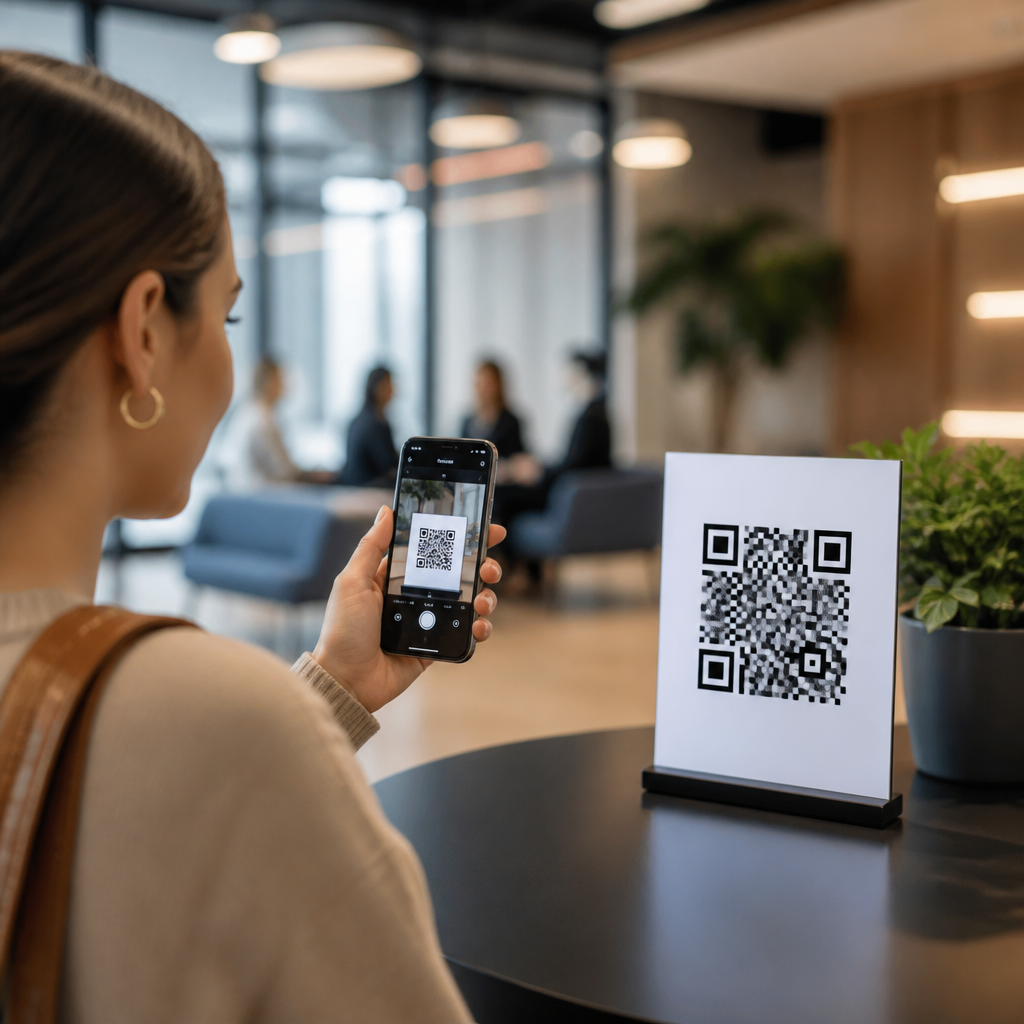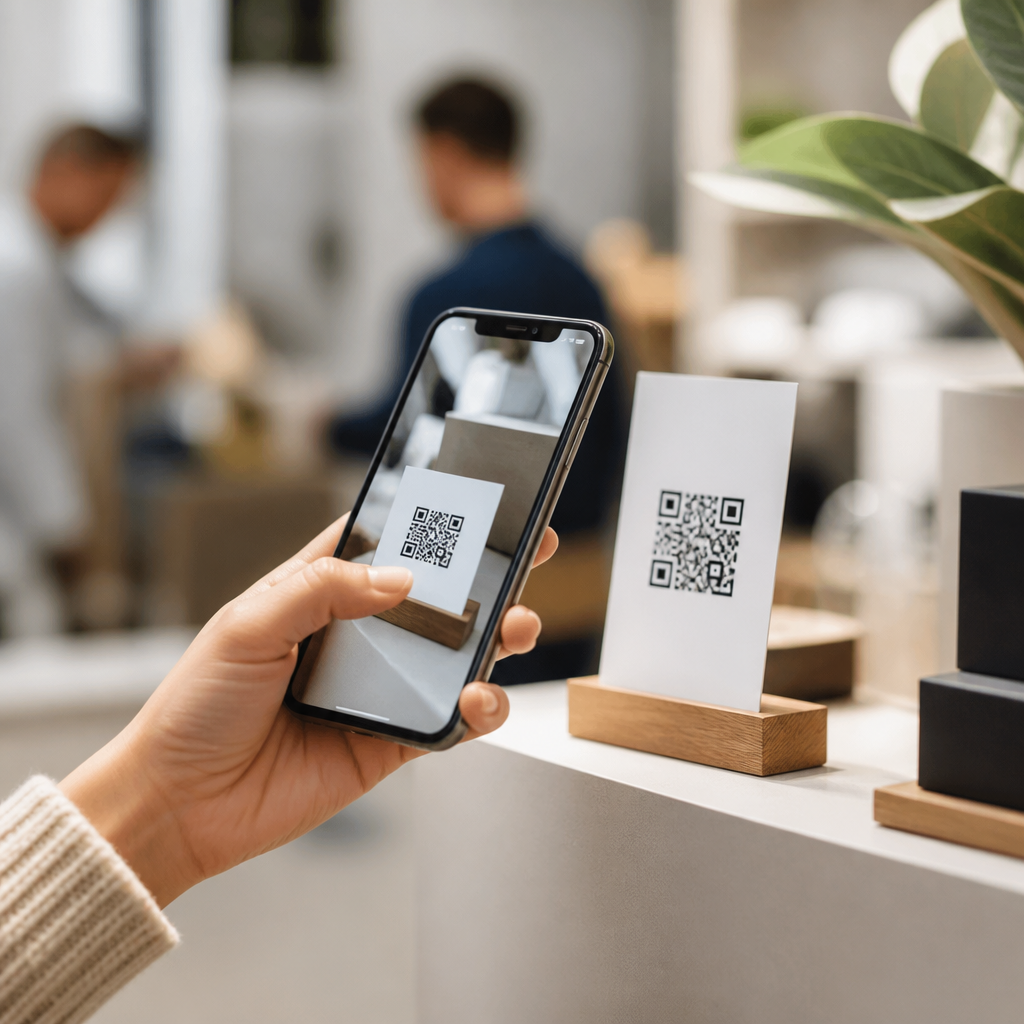
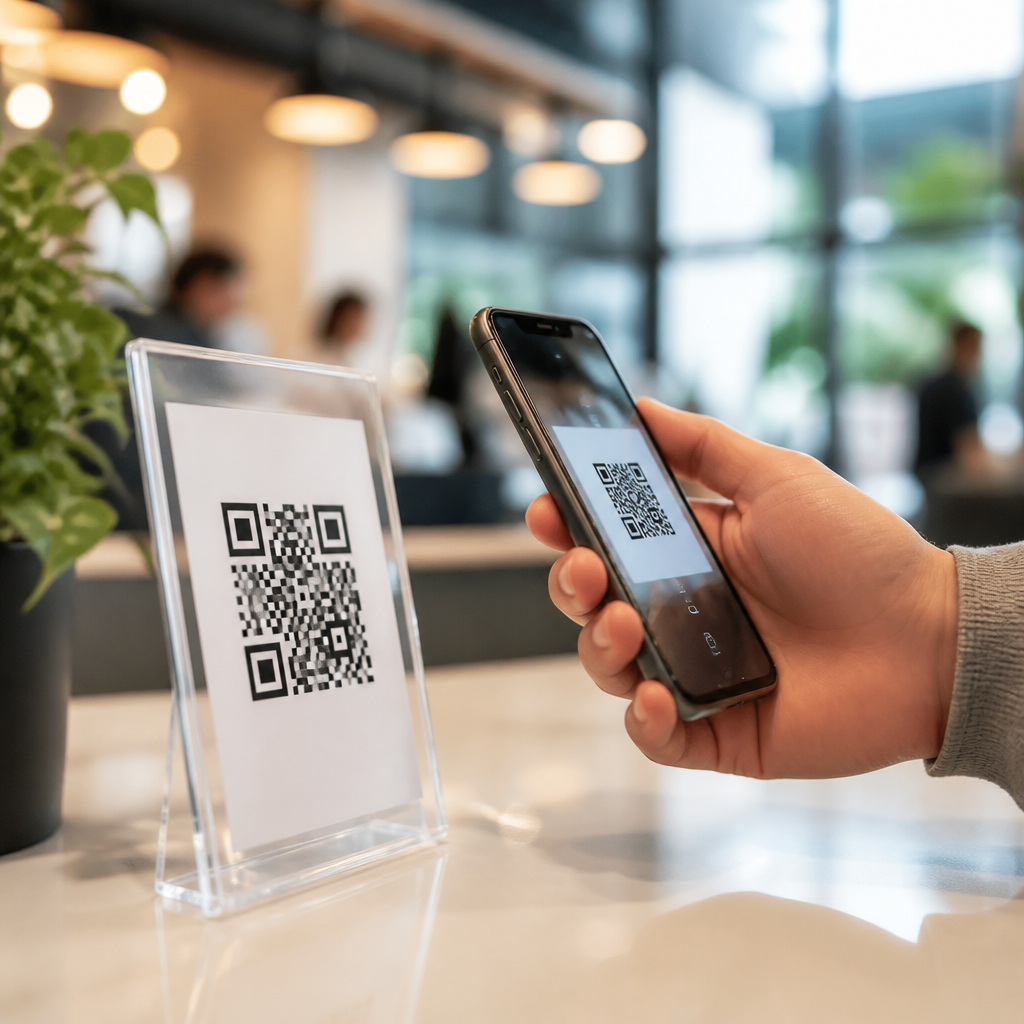
QR codes have become one of the most effective bridges between physical attention and digital action, which is exactly why they work so well in modern marketing. A QR code, short for Quick Response code, is a two-dimensional barcode that a smartphone camera can scan to open a webpage, launch an app, save contact details, reveal a coupon, start a payment, or trigger many other actions in seconds. In practical marketing terms, that means a printed package, retail shelf, event badge, poster, direct mail piece, restaurant table tent, or product label can become an instant digital touchpoint without forcing someone to type a URL or search manually.
That convenience matters more than many marketers first assume. I have seen campaigns improve simply because the path from interest to action became shorter. When a buyer notices an offer in a store aisle, the window for engagement is tiny. If the next step requires remembering a brand name, opening a browser, and entering a web address, many people drop off. If the same message includes a well-placed QR code with a clear call to action, the user can reach the destination immediately. Reduced friction is not a minor usability benefit; it is often the difference between curiosity and conversion.
Modern marketing also depends on measurability, personalization, and channel integration. QR codes support all three. Static codes can point to permanent assets, while dynamic QR codes can redirect users, track scans, change destinations without reprinting, and connect offline impressions to digital analytics platforms such as Google Analytics 4, Adobe Analytics, HubSpot, or Salesforce Marketing Cloud. For brands trying to prove return on spend across print, out-of-home, packaging, events, and retail, this capability is unusually valuable. QR codes are simple on the surface, but strategically they solve a major attribution problem.
The renewed growth of QR code marketing is not accidental. Smartphone cameras now scan natively on iPhone and Android devices, mobile internet is fast enough to support rich landing pages, and consumers became much more comfortable scanning during the pandemic when menus, check-ins, and contactless experiences spread widely. As a result, QR codes moved from niche tactic to standard marketing infrastructure. Understanding why QR codes work in marketing is essential for anyone building a broader QR Codes in Marketing Strategy, because this tool sits at the intersection of customer experience, campaign measurement, and conversion design.
QR codes remove friction at the exact moment interest appears
The main reason QR codes work in marketing is that they shorten the path between attention and action. Every additional step in a customer journey lowers completion rates. Marketers have known this for years from checkout optimization, form design, and landing page testing. QR codes apply the same principle to offline and cross-channel engagement. A person sees a message, scans, and lands exactly where the marketer wants them to go. There is no need to spell a long URL, open a search engine, or navigate a homepage.
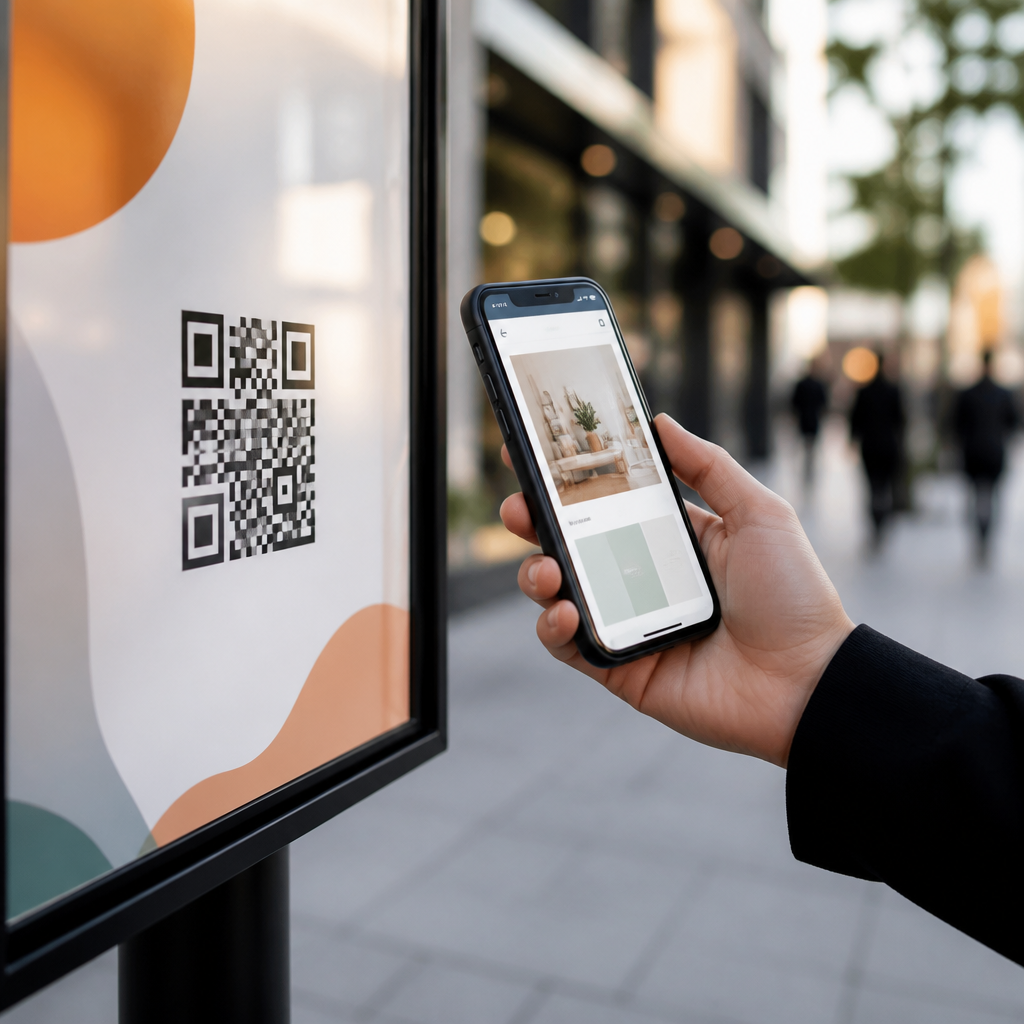
This matters in environments where attention is temporary. Think about transit ads, conference signage, point-of-sale displays, product packaging, or direct mail. In each case, the consumer is moving, distracted, or making a quick decision. A QR code converts transient attention into an immediate visit. In campaigns I have worked on, the strongest results came when the destination matched the context closely: a shelf tag linking to product reviews, an event banner linking to registration, a mailer linking to a personalized offer page, or a restaurant display linking to loyalty enrollment. Relevance plus speed is what drives performance.
It is also why generic destinations underperform. If a code sends users to a homepage, friction returns because the visitor still has to hunt for the promised content. The best QR code marketing experiences use dedicated landing pages with one clear next step. Marketers should state the benefit beside the code in plain language, such as “Scan to compare plans” or “Scan for 15% off today.” Clarity improves scan intent because people want to know what will happen before they use their phone.
They connect physical media to digital journeys in a measurable way
Physical marketing has always faced an attribution challenge. A billboard may influence consideration, packaging may encourage repeat purchase, and a brochure may generate leads, but proving that impact precisely can be difficult. QR codes solve much of that problem by turning physical placements into trackable entry points. With dynamic QR code platforms, marketers can assign a unique code to each poster, store, sales rep, product batch, event booth, or mail segment. Each scan becomes a measurable event tied to time, location, device type, campaign creative, and downstream conversion behavior.
That data becomes more useful when integrated with analytics and customer relationship systems. A scan can feed UTM parameters into Google Analytics 4, trigger hidden fields in HubSpot forms, or create source attribution in Salesforce. This allows a team to compare response rates from packaging versus in-store displays, evaluate which event signage generated the most qualified leads, or test whether one call to action outperformed another. Offline media becomes optimizable rather than merely observable.
Marketers should distinguish between static and dynamic QR codes because the difference affects flexibility and reporting.
| Type | Best use | Main advantage | Main limitation |
|---|---|---|---|
| Static QR code | Permanent destinations like a fixed homepage or PDF | Simple, low cost, no platform required after creation | Destination cannot be changed and scan data is limited |
| Dynamic QR code | Campaigns, packaging, print, events, and testing | Redirect can be updated, scans can be tracked, and parameters can be customized | Usually requires a paid platform and ongoing link management |
For serious marketing programs, dynamic codes are usually the better choice. They support governance, analytics, and continuous optimization, which are exactly the reasons marketers adopt QR codes at scale.
QR codes support high-intent actions across the funnel
Another reason QR codes work so well in modern marketing is that they are not limited to awareness. They can assist at every stage of the funnel when paired with the right destination. At the top of the funnel, a code on a poster can drive viewers to a brand video, campaign microsite, or product explainer. In the middle of the funnel, a code on packaging or a retail display can open comparison guides, ratings, FAQs, or case studies that reduce hesitation. At the bottom of the funnel, a code can launch a coupon, prefilled checkout, booking page, payment screen, or sign-up form.
The format is especially strong for high-intent moments because the user self-selects by scanning. That action signals more interest than a passive impression. For example, a cosmetics brand can place a QR code on a shelf talker that opens shade matching guidance. A B2B software company can add codes to trade show materials that route visitors to a product demo request page. A consumer packaged goods brand can print a code on the box that unlocks setup instructions and cross-sell recommendations. In each case, the scan reveals intent and creates an opportunity for tailored follow-up.
Importantly, QR codes can also support post-purchase marketing. Brands often focus only on acquisition, but packaging inserts, receipts, and product labels are valuable surfaces for retention and advocacy. A code can enroll customers in loyalty programs, request reviews, register warranties, deliver onboarding videos, or invite referrals. When I have audited lifecycle programs, this is one of the most overlooked uses. The customer already owns the product, trusts the brand enough to buy, and is physically holding the package. Few moments are better suited to a direct digital prompt.
They fit how consumers actually use smartphones today
QR code adoption increased because consumer behavior changed in ways that favor scanning. People now expect their phones to act as real-time interfaces for shopping, information, and transactions. Native camera recognition on Apple iOS and Android removed the old barrier of needing a separate app. Mobile wallets normalized tap-and-go behavior. Contactless interactions became routine in restaurants, healthcare, transportation, hospitality, and retail. In other words, scanning a code no longer feels experimental. It feels normal.
That behavioral shift matters for marketers because successful tactics align with familiar habits. Consumers already scan boarding passes, event tickets, menus, payment codes, and authentication prompts. Marketing uses benefit from that learned behavior. A shopper who has scanned a menu or train ticket does not need education to scan a product code for details or an in-store sign for an offer. The mental model is established: scan to get the next thing you need.
There is also a device advantage. The smartphone is often the nearest screen when someone encounters print media, packaging, signage, or television. QR codes let those channels activate the phone immediately. This is why connected TV ads and live event broadcasts increasingly use on-screen codes. Instead of asking viewers to remember a vanity URL, the ad invites instant action from the couch. Response rates depend on creative, offer quality, and screen dwell time, but the mechanism itself matches modern multitasking behavior extremely well.
They enable personalization, testing, and fast campaign changes
Good marketing improves through iteration, and QR codes support that process better than many offline mechanisms. Dynamic routing means the destination behind a code can change without changing the printed asset. A retailer can keep the same package design while updating seasonal promotions. An event team can redirect booth signage from a waitlist page to a live registration page. A restaurant group can rotate local offers by market. This flexibility protects print investment and shortens the time between insight and execution.
QR codes also support segmented experiences. Different codes can send users to region-specific pages, language-specific content, account-based landing pages, or channel-tailored offers. In direct mail, a personalized QR code can open an individualized page with prefilled data, reducing form friction and improving conversion rates. In field marketing, sales teams can use distinct codes by territory or rep so that follow-up can be assigned accurately. These are practical uses, not edge cases, and they matter because relevance consistently outperforms generic messaging.
Testing is another major strength. Teams can compare scan rates by code placement, incentive, color contrast, surrounding copy, or destination type. They can analyze whether “Scan for demo” beats “Scan to see it in action,” whether a code on the front of packaging outperforms the side panel, or whether adding a frame and short instruction increases engagement. The same optimization mindset used in paid search and email should apply here. QR code marketing works best when treated as a measurable conversion asset rather than decorative design.
Execution quality determines whether QR codes succeed or fail
QR codes are powerful, but they are not magic. Poor execution is the main reason some campaigns disappoint. The most common problems are weak mobile landing pages, vague calls to action, bad placement, low contrast, tiny codes, and destinations that do not match user intent. A code should be easy to spot, large enough to scan from the expected distance, surrounded by sufficient quiet space, and printed with high contrast. ISO/IEC 18004 provides the technical standard for QR code symbols, and reputable generators follow those specifications.
The landing experience matters just as much as the code itself. If the page loads slowly, asks for too much information, or buries the promised value, scan volume will not translate into results. Every campaign should be tested across iPhone and Android devices, different camera apps, and realistic lighting conditions. Marketers should also use secure HTTPS destinations, keep redirects clean, and monitor broken links. Trust drops quickly when a code leads nowhere or triggers a browser warning.
Accessibility and transparency matter too. Some users hesitate to scan because they cannot see the destination in advance. Brands can reduce that concern by stating the brand name and benefit near the code, using branded short domains, and avoiding overdesigned patterns that look suspicious. Include fallback options when appropriate, such as a short URL beneath the code. When execution is disciplined, QR codes feel seamless. When it is sloppy, they amplify friction instead of removing it.
QR codes work in modern marketing because they combine convenience, measurability, and adaptability in a format consumers already understand. They reduce friction at the moment of interest, turn physical media into trackable digital entry points, support actions across the full customer journey, and align perfectly with smartphone-first behavior. Few tools can connect packaging, print, retail, events, out-of-home, and screen-based media to the same analytics and conversion framework this efficiently.
For marketers building a broader QR Codes in Marketing Strategy, this is the core principle to remember: a QR code is not just a graphic; it is a conversion gateway. Its value depends on the context around it, the relevance of the destination, and the quality of the measurement setup behind it. Brands that treat QR codes as strategic infrastructure consistently get more from them than brands that use them as an afterthought.
The next step is simple. Audit every physical and cross-channel touchpoint where customer interest appears but digital action is still hard. Then add well-designed QR code experiences with clear calls to action, mobile-optimized landing pages, and trackable destinations. When implemented with discipline, QR codes do exactly what modern marketing needs most: they make response easier, faster, and more measurable.
Frequently Asked Questions
Why are QR codes so effective in modern marketing?
QR codes work so well because they remove friction between interest and action. In marketing, attention is often brief, especially in physical environments like stores, events, packaging, mailers, or outdoor ads. A QR code gives someone an immediate next step without requiring them to remember a URL, type a search term, or wait until later. They can simply scan and act in seconds. That convenience is powerful because every extra step in a customer journey creates an opportunity for drop-off.
They are also effective because they connect offline touchpoints to digital experiences in a measurable way. A brand can place a QR code on a product label, point-of-sale display, flyer, restaurant table, or conference booth and direct users to a landing page, video, form, coupon, app download, loyalty program, or checkout experience. This turns static marketing assets into interactive channels. Instead of hoping someone will take action later, marketers can capture intent at the exact moment curiosity is highest.
Another reason QR codes perform well is versatility. The same basic tool can support awareness, engagement, conversion, retention, and even customer service. One campaign might use QR codes to tell a product story, while another uses them to collect leads, unlock offers, simplify payments, or deliver post-purchase support. Because smartphones have made scanning easy and familiar, QR codes now fit naturally into how people already behave, which is why they have become such an efficient bridge between physical attention and digital action.
What kinds of marketing campaigns benefit most from QR codes?
QR codes are especially valuable in campaigns that begin in the physical world but need a digital next step. Retail marketing is a strong example. A code on packaging or shelf signage can lead shoppers to product details, usage videos, customer reviews, ingredient information, promotions, or subscription offers. In-store displays can also direct people to limited-time discounts or loyalty signups, helping brands move customers from browsing to buying with less effort.
Event marketing is another ideal use case. QR codes on badges, booths, banners, brochures, and presentation slides can drive attendees to schedules, speaker bios, demos, contact forms, downloads, or booking pages. They help marketers capture interest while engagement is fresh, rather than relying on someone to follow up later. Direct mail campaigns also benefit because a printed postcard or catalog becomes interactive when a QR code sends recipients straight to a personalized offer or landing page.
They are equally useful in out-of-home advertising, restaurant marketing, real estate, product packaging, and service businesses. A poster can link to a trailer, a menu code can launch ordering, a property sign can open a virtual tour, and a service vehicle decal can generate local leads. The campaigns that benefit most are the ones where timing matters and where reducing effort increases response rates. In those settings, QR codes are not just convenient add-ons; they are often the mechanism that makes the campaign measurable and conversion-focused.
How do QR codes improve the customer journey?
QR codes improve the customer journey by making transitions faster, simpler, and more relevant. Customers often encounter brands in moments when typing, searching, or navigating manually feels inconvenient. A QR code solves that problem by taking them directly to the intended destination. Instead of making someone work to find a product page, signup form, coupon, tutorial, or support resource, the brand creates an instant path. That smooth handoff reduces frustration and increases the likelihood that the customer will continue engaging.
They also support better context. A person scanning a code on a product package is likely looking for different information than someone scanning a code at a trade show booth or on a restaurant table. Because marketers can send users to highly specific landing pages, the experience can be tailored to the environment, the campaign, and the stage of the buyer journey. This creates a more useful interaction and makes the brand feel more responsive to customer intent.
After the initial scan, QR codes can continue to add value across the full lifecycle. They can onboard new customers, link to setup guides, provide warranty registration, collect reviews, encourage repeat purchases, or connect people to loyalty rewards. In other words, they do more than drive clicks. When used thoughtfully, they support discovery, education, purchase, and retention in one connected system, which is exactly what strong modern marketing aims to do.
Are QR codes measurable and useful for marketing analytics?
Yes, and that is one of the biggest reasons marketers rely on them. QR codes can be tied to trackable URLs, campaign parameters, unique landing pages, and dynamic destinations, allowing teams to see how many scans occurred, when they happened, where traffic came from, and which placements performed best. This gives physical marketing assets a level of accountability that was once much harder to achieve. A printed sign, product insert, mail piece, or event display no longer has to be a black box.
With proper setup, marketers can compare performance across channels, locations, creatives, offers, and audience segments. For example, a brand might use different QR codes on packaging, in-store signage, and direct mail to see which touchpoint drives more conversions. They can then optimize messaging, design, call-to-action language, and landing page experience based on real behavior. This is especially valuable when testing offline campaigns that need clear performance data to justify spend.
QR code analytics are most useful when they are tied to meaningful outcomes, not just raw scan counts. A scan is only the beginning. Strong marketers look at what happens after the scan: page engagement, form submissions, purchases, downloads, bookings, or repeat visits. When those insights are connected to the broader marketing stack, QR codes become a serious performance tool rather than a novelty. They help brands understand how real-world attention translates into digital results.
What are the best practices for using QR codes successfully in marketing?
The most important best practice is to give people a clear reason to scan. A QR code should never feel random or decorative. It should be paired with a strong call to action that explains the benefit, such as “Get 20% off,” “Watch the demo,” “See ingredients,” “Book instantly,” or “Join the loyalty program.” People are far more likely to scan when the value is obvious. The destination should also match that promise exactly, with a mobile-friendly landing page that loads quickly and makes the next step easy.
Placement and design matter just as much. The code should be large enough to scan comfortably, placed where lighting and distance make scanning practical, and printed with strong contrast. It should not be crowded by other visual elements or positioned in awkward spots where people cannot realistically use their phones. In a retail setting, packaging, shelf talkers, and checkout areas can work well. In events, badges, booths, and presentation screens are common high-visibility placements. Testing the scan experience across different devices before launch is essential.
Marketers should also think strategically about tracking, personalization, and follow-through. Use unique or dynamic QR codes when possible so destinations can be updated and performance can be measured accurately. Build landing pages around the context of the scan, not a generic homepage. Keep forms short, messaging relevant, and conversion paths direct. Finally, integrate the scan into a broader customer journey. The most effective QR code campaigns do not end at the scan; they turn that quick moment of interest into a useful interaction, a measurable action, and ideally a lasting customer relationship.