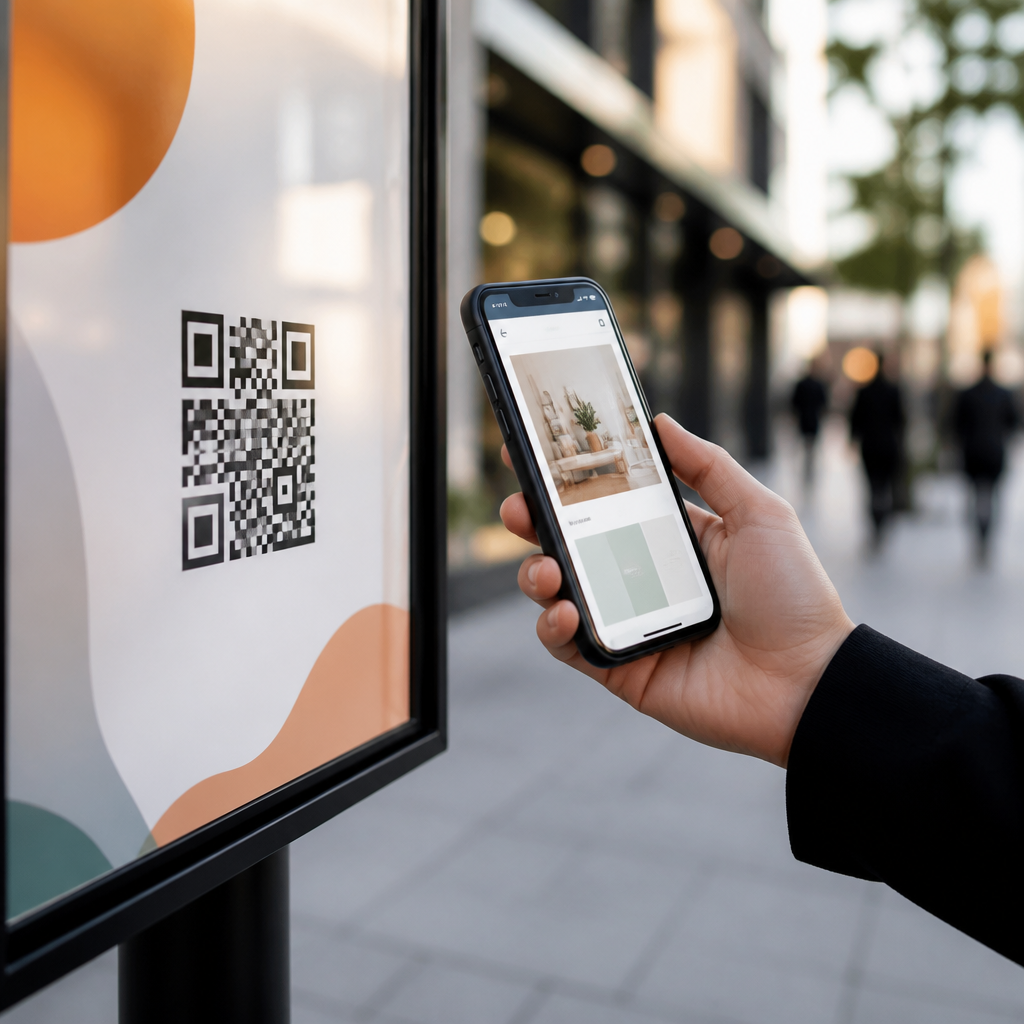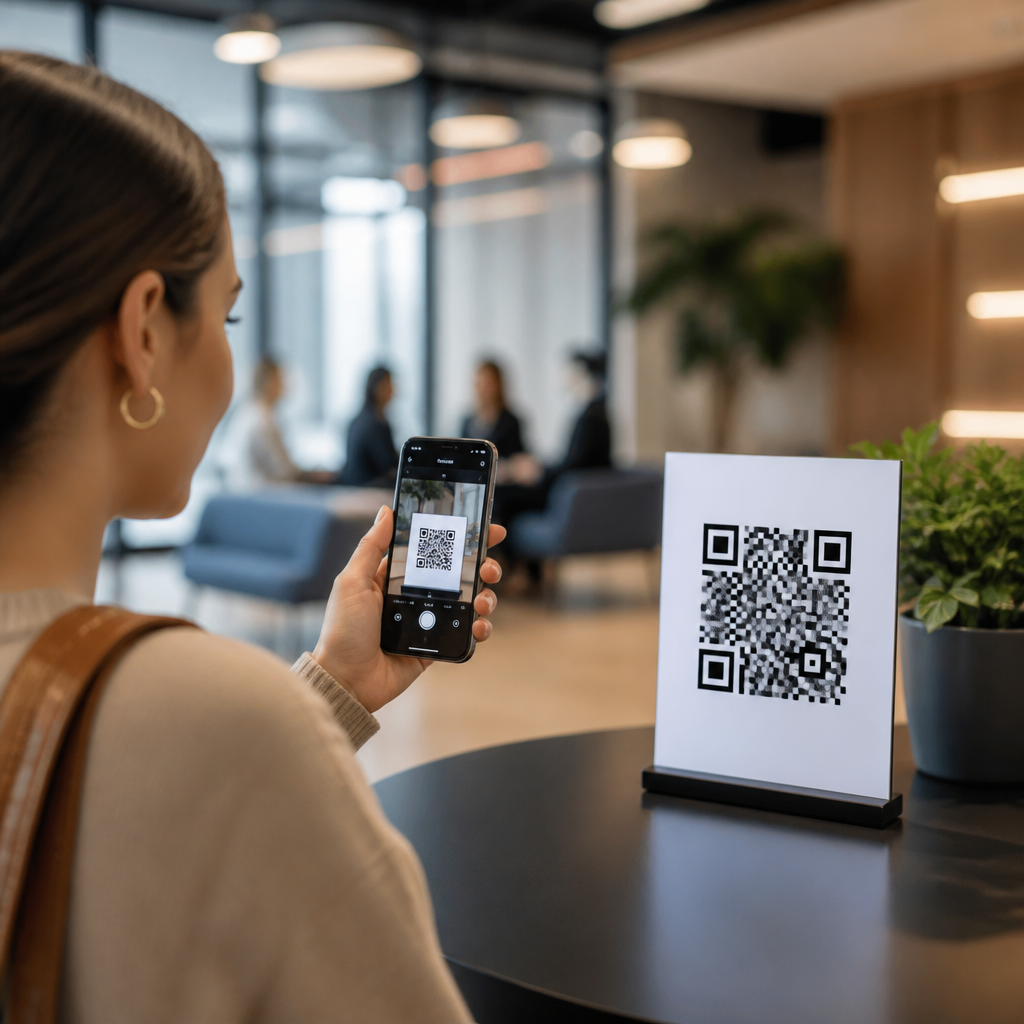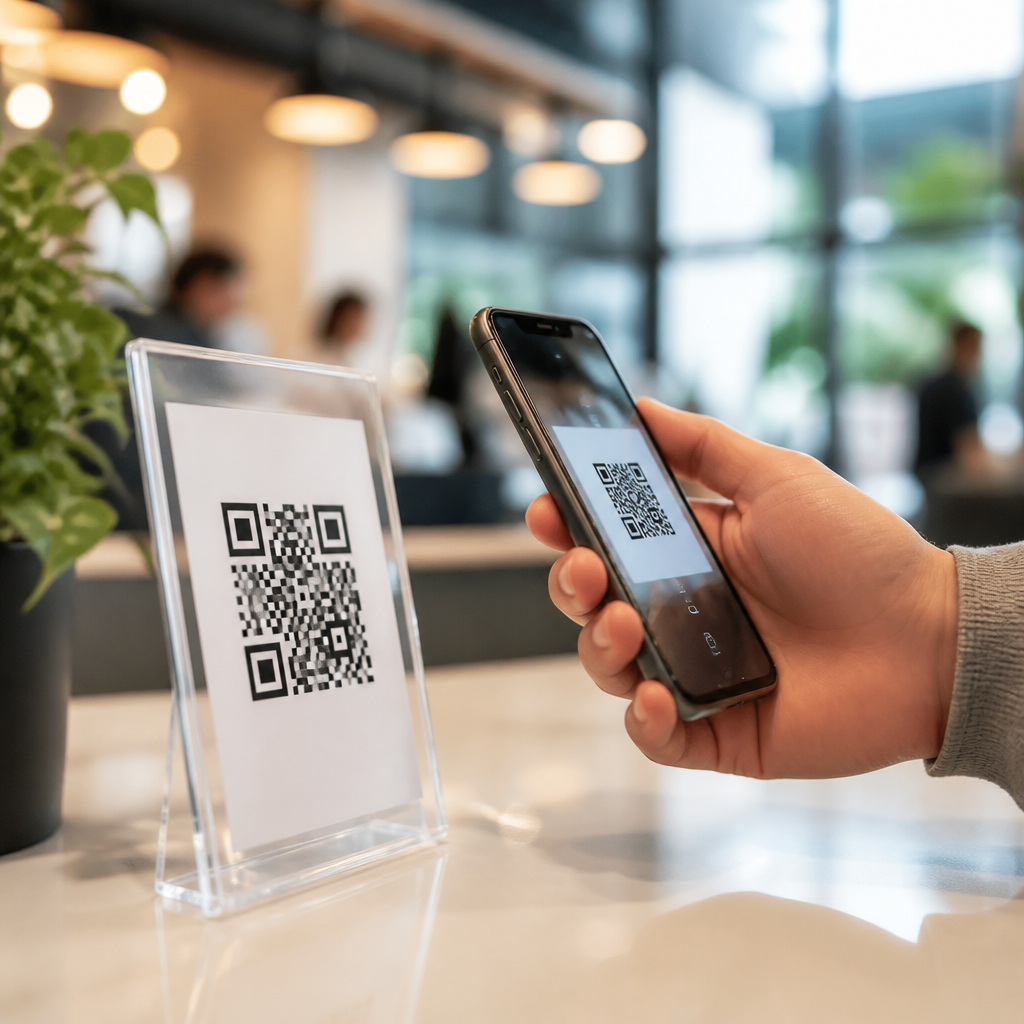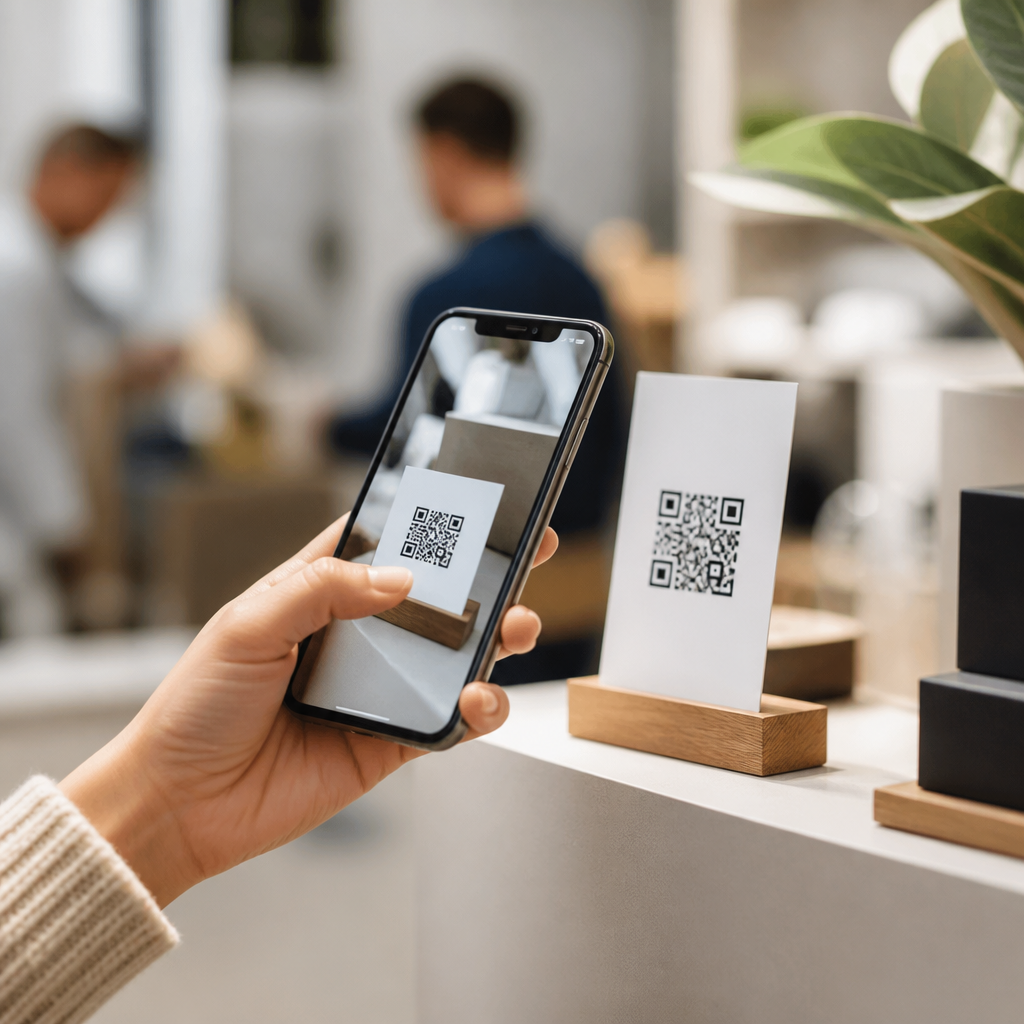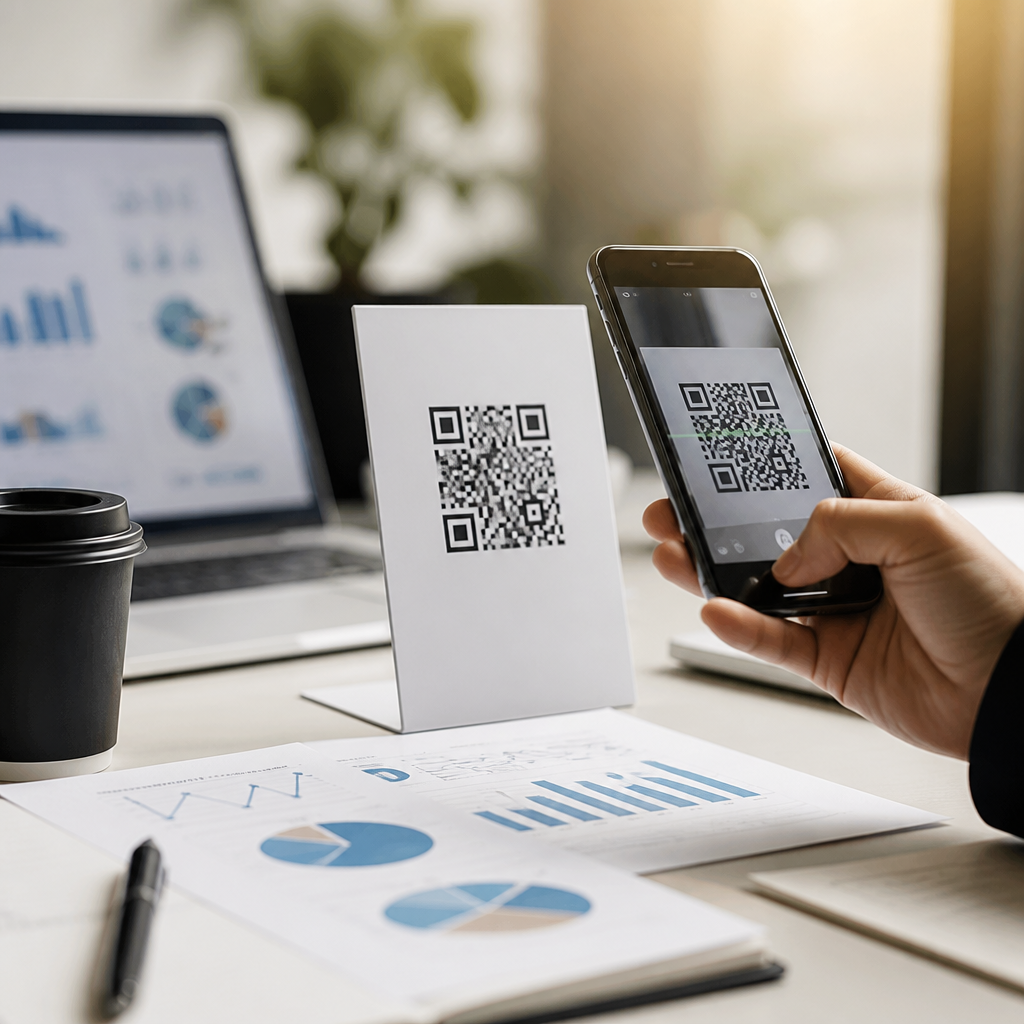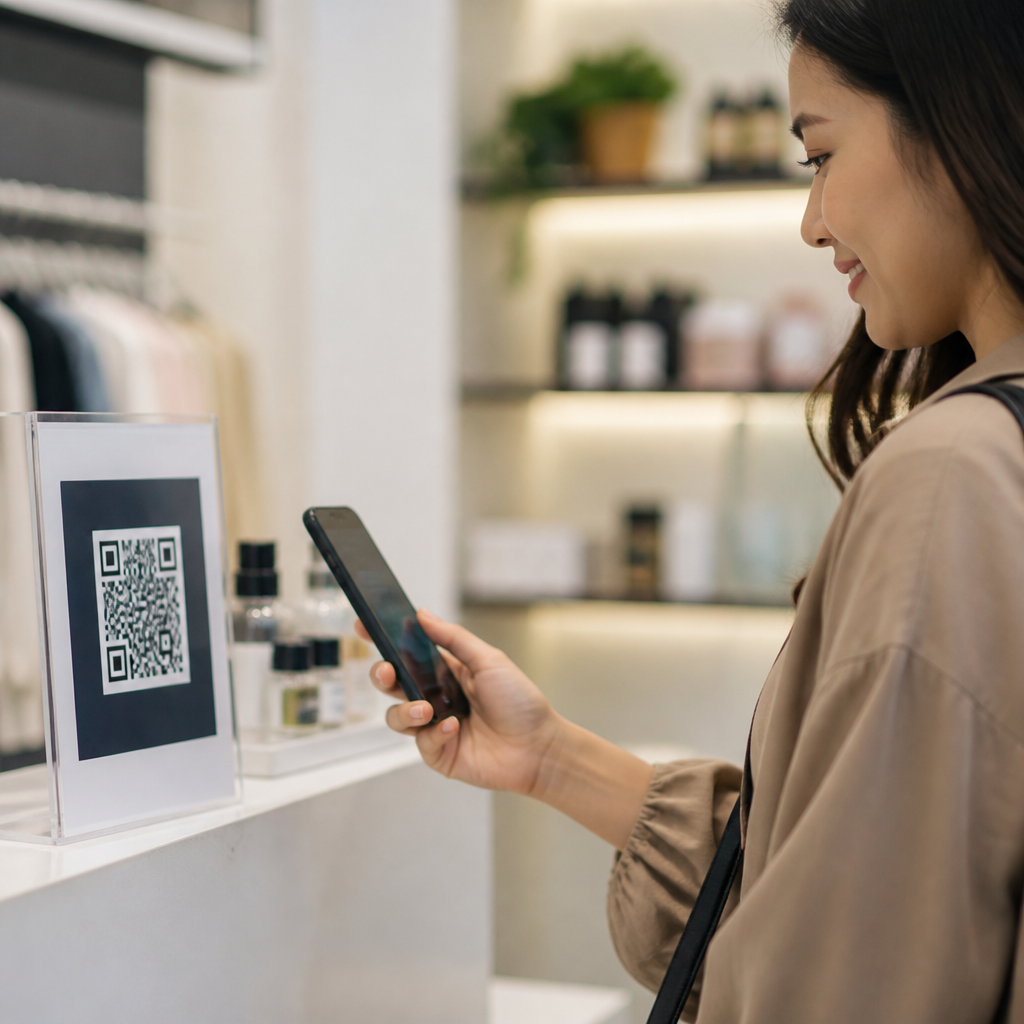
QR codes increase customer engagement because they remove friction between interest and action. A customer sees a package, poster, menu, shelf tag, direct mail piece, or event banner, scans the code with a phone camera, and lands exactly where the brand wants them to go. That speed matters. In marketing, every extra step reduces response rates, so a tool that turns offline attention into a measurable digital action has unusual value.
A QR code, short for Quick Response code, is a two-dimensional matrix barcode designed to store data that a smartphone can read instantly. In practical marketing use, that data is usually a URL, though it can also launch app downloads, Wi-Fi logins, payment pages, contact cards, maps, coupons, videos, or review forms. Static codes store fixed information. Dynamic codes route through a short URL, allowing marketers to change the destination later, track scans, and segment campaigns without reprinting creative. That distinction is one of the main reasons serious teams use dynamic platforms rather than free code generators.
I have worked on QR campaigns for retail promotions, in-store signage, trade show follow-up, restaurant menus, and product packaging, and the pattern is consistent: QR codes perform when they solve an immediate customer need. They fail when they are added as decoration. The reason QR codes work in marketing is not novelty anymore. The reason is utility. They connect physical touchpoints to digital experiences, they compress the path to conversion, and they create measurable interactions in places where attribution used to be weak.
This matters because customer engagement is no longer limited to clicks on ads or opens in email. Brands compete across physical and digital environments at the same time. A shopper may discover a product on a shelf, validate it on a phone, compare reviews, join a loyalty program, and purchase later through an app. QR codes help brands guide that journey instead of losing it. They also fit current consumer behavior. Since native smartphone cameras can scan codes without a separate app, the barrier to use dropped sharply. During the pandemic, contactless menus and payments accelerated public familiarity, and that habit remained. For marketers building a stronger QR codes in marketing strategy, understanding why QR codes increase customer engagement is essential because the format influences convenience, personalization, measurement, and trust all at once.
They reduce friction and turn curiosity into immediate action
The clearest answer to why QR codes increase customer engagement is friction reduction. If a customer must remember a URL, type a long address, search for a product, or download a file later, engagement falls. A scan collapses those steps into one motion. In usability terms, QR codes lower interaction cost. In conversion terms, they shorten time to value. That is especially important in transient environments such as outdoor advertising, product displays, packaging, or live events, where attention is brief and intent fades quickly.
Consider a common retail example. A cosmetics brand places a QR code on shelf talkers beside a new serum. The code opens a mobile landing page with ingredient explanations, dermatologist testing claims, before-and-after photography, and a limited-time coupon. Instead of asking shoppers to search the product later, the brand answers objections at the point of decision. In campaigns I have managed, these “assistive” scans often outperform generic homepage scans because the destination matches the physical context exactly. The customer does not want the whole website. The customer wants the next relevant answer.
Restaurants offer another plain example. A menu QR code is not engaging merely because it is digital. It works because it gives guests immediate access to a current menu, allergy details, images, specials, and ordering options without waiting for staff. The same principle applies to B2B booths at trade shows. Attendees scan a code to receive a spec sheet, book a demo, or save contact details. The scan captures interest in the moment, before the prospect walks to the next booth and forgets.
They connect offline media to digital journeys marketers can measure
QR codes work in marketing because they make physical media trackable. Print, packaging, signage, out-of-home placements, and in-person events have traditionally been harder to attribute than paid search or email. Dynamic QR codes solve part of that problem by recording scans, time, device type, and sometimes rough location, depending on platform settings and privacy controls. When paired with UTM parameters and analytics tools such as Google Analytics 4, Adobe Analytics, Bitly, or QR Code Generator PRO, they become a reliable bridge between offline exposure and online behavior.
That bridge changes planning. A direct mail campaign no longer needs to rely only on redemption counts. A marketer can compare scan rate by region, creative version, or offer. A poster campaign in transit stations can route each placement through a unique code, showing which station produced more engagement. Product packaging can trigger post-purchase education, recipes, setup instructions, or review requests, then feed those actions into a CRM or marketing automation system such as HubSpot, Salesforce, or Klaviyo.
Measurement also improves budget decisions. If one code on packaging produces repeat recipe visits and another on inserts produces strong referral traffic but low conversion, the team can adjust the call to action, destination, or audience. Without the scan layer, those insights remain hidden. That is why QR codes increase customer engagement in a broader sense: they let marketers learn which real-world touchpoints deserve more investment, then refine experiences based on actual behavior rather than assumptions.
They support personalized, context-aware experiences
Good engagement feels relevant. QR codes are effective because they can send different people to different experiences based on campaign source, product line, geography, language, or funnel stage. A code on beginner fitness equipment can open setup videos and starter routines, while a code on premium equipment can open maintenance guides, financing options, and advanced training plans. Both use the same scanning behavior, but the context changes the value of the destination.
Dynamic routing makes this more powerful. A retailer can print one code on window signage and send morning visitors to a breakfast offer, afternoon visitors to a lunch promotion, and evening visitors to a loyalty signup page. A global brand can detect device language and serve localized pages. A consumer packaged goods company can put a code on cereal boxes that opens different recipes in autumn than in summer, without changing the printed packaging. These are not gimmicks. They are practical ways to keep physical assets useful over longer periods.
Personalization must be handled carefully. Relevance increases engagement, but privacy expectations still apply. Marketers should disclose when data is collected, avoid requesting unnecessary information, and ensure destinations are mobile optimized, fast, and secure. Trust is part of engagement. If the page loads slowly, asks for too much, or looks mismatched to the brand, scan rates may be decent while conversion suffers. The best-performing QR journeys I have seen use context to answer a specific need, then ask for the smallest next step possible.
They amplify key marketing use cases across the funnel
QR codes are versatile because they support awareness, consideration, conversion, and retention. That full-funnel range explains why they remain valuable beyond a single campaign trend. In awareness, brands use them on packaging, displays, posters, and connected TV screens to move viewers into richer digital content. In consideration, they deliver comparison guides, testimonials, how-to videos, case studies, and FAQs. In conversion, they unlock coupons, booking forms, shoppable pages, app installs, and mobile payments. In retention, they lead to onboarding help, warranty registration, communities, refill reminders, loyalty programs, and review requests.
| Funnel stage | Typical QR placement | Best destination | Engagement goal |
|---|---|---|---|
| Awareness | Posters, packaging, OOH, TV | Brand story, video, product overview | Capture interest quickly |
| Consideration | Shelf tags, brochures, trade show booths | Comparison page, reviews, demo, FAQ | Answer objections |
| Conversion | Menus, direct mail, displays, receipts | Coupon, checkout, booking, payment page | Drive immediate action |
| Retention | Packaging inserts, manuals, labels | Support hub, loyalty signup, reorder page | Increase repeat engagement |
Real-world examples show the range. Starbucks and other major retailers use app-centered scan behaviors to tighten loyalty loops. Museums place QR codes beside exhibits to deliver layered storytelling without cluttering walls. Consumer electronics brands use package inserts to link customers to setup videos, reducing support tickets. Real estate agents place codes on signs to show listings, floor plans, and mortgage calculators. Each case works for the same underlying reason: the scan is easier than the alternative and more relevant than a generic website visit.
They make campaigns more interactive, memorable, and shareable
Engagement is not only conversion. It also includes attention, participation, and recall. QR codes help because they invite an action that feels active rather than passive. A printed ad becomes a product demo. A package becomes a how-to channel. A storefront becomes a giveaway entry point. Interactivity increases time spent, and time spent often improves message retention.
This effect is stronger when brands create a clear value exchange. “Scan to see the full ingredient breakdown” is better than “Scan me.” “Scan for a 15% member offer” is better than a code with no explanation. The call to action sets expectation, and expectation drives scan quality. In field testing, I have repeatedly seen higher engagement when the benefit is concrete, immediate, and visible near the code. Good creative also adds trust signals such as brand colors, a short URL preview, or copy explaining where the scan leads.
Shareability matters too. A customer who scans a code to access a contest, exclusive video, event schedule, or limited product drop can forward that landing page or post it socially. The code itself is not the shareable asset; the experience behind it is. That distinction is important. Marketers sometimes overfocus on code placement and underinvest in destination content. The destination is where engagement is earned. The QR code is the doorway.
What makes QR campaigns succeed or fail
Successful QR marketing follows a few operational rules. First, match the destination to the scanning moment. A bus shelter code should open something fast and lightweight, not a dense desktop page. A product package code should answer ownership questions, not repeat top-of-funnel brand messaging. Second, design for mobile first. According to Google research on mobile behavior, speed and clarity strongly affect abandonment, and QR traffic is overwhelmingly mobile. Third, use dynamic codes whenever measurement, editing, or campaign management matters. Fourth, test placement, contrast, size, and error correction. A code that is hard to scan loses value immediately.
There are also common failure points. Some brands send every scan to the homepage, which wastes intent. Others place codes where there is no connectivity, no time to scan, or no obvious reward. Some ask users to fill long forms on a phone, which depresses completion. Security concerns matter as well. People are more willing to scan when the code appears in a trusted environment and the destination is clearly branded. Using HTTPS, recognizable domains, and concise explanatory copy reduces hesitation.
The main lesson is simple: QR codes increase customer engagement when they respect user intent. They are not magic. They are a delivery mechanism. When the offer is useful, the experience is fast, and the destination fits the context, QR codes consistently outperform more cumbersome paths from physical media to digital action. If you are building a broader QR codes in marketing strategy, start by mapping each physical touchpoint to the question the customer has in that moment, then create a scan experience that answers it directly. Done well, QR codes turn attention into action, action into data, and data into better marketing decisions. Audit your current print, packaging, signage, and in-person channels, identify where customers still face friction, and deploy QR journeys that make the next step obvious.
Frequently Asked Questions
Why do QR codes increase customer engagement?
QR codes increase customer engagement because they remove the delay between curiosity and action. When a customer notices a product package, storefront sign, menu, shelf tag, flyer, or event display, a QR code gives them an immediate path to learn more without typing a web address, searching online, or navigating through multiple pages. That reduction in friction is important because every extra step in a customer journey creates an opportunity for distraction or abandonment. A fast scan with a phone camera can send someone directly to a product page, coupon, video, booking form, loyalty program, or contact option in seconds.
That convenience changes passive attention into active participation. Instead of simply seeing a message, the customer can respond in the moment while interest is highest. Brands benefit because the experience feels useful rather than disruptive. Customers benefit because they get instant access to relevant information, promotions, support, or next steps. In practical terms, QR codes help bridge offline and online channels, making physical marketing materials interactive and measurable. That combination of speed, convenience, and direct response is a major reason QR codes consistently improve engagement.
How do QR codes reduce friction in the customer journey?
QR codes reduce friction by eliminating unnecessary actions between a customer’s initial interest and the brand’s desired outcome. In traditional marketing, someone might see an ad or printed message and then need to remember a URL, type it manually, search for the brand, click through several results, and locate the correct page. At each stage, response rates can fall. QR codes compress that process into a single scan, guiding the customer straight to a destination chosen by the business.
This matters because modern audiences expect speed and convenience. If the customer is standing in a store aisle, reviewing a menu, opening a mailer, or attending an event, they are far more likely to engage if the path is immediate. A QR code can take them directly to a product demonstration, a mobile ordering page, a digital coupon, a sign-up form, or a support resource tailored to that exact moment. By removing typing, searching, and guesswork, QR codes make the experience smoother and more intuitive. The easier it is for people to act, the more likely they are to do so.
Where can businesses use QR codes to drive more engagement?
Businesses can use QR codes in nearly any physical environment where customers interact with products, messaging, or branded experiences. Common placements include product packaging, restaurant menus, shelf talkers, posters, brochures, catalogs, direct mail pieces, business cards, event signage, trade show booths, window displays, receipts, invoices, and in-store point-of-purchase materials. In each case, the goal is the same: turn a static object into a direct gateway to a digital action.
For example, a retailer might place QR codes on shelf tags so shoppers can view product reviews, compare features, or access special offers. A restaurant can use them on tables or takeout packaging to enable mobile ordering, loyalty sign-ups, or feedback collection. A service business might add a code to printed mailers that leads to appointment booking. Event organizers can use QR codes on badges, banners, or handouts to share schedules, speaker information, registration links, or downloadable resources. The most effective uses are context-specific, meaning the destination matches what the customer is likely to want in that exact setting. When placement and intent align, engagement improves significantly.
Are QR codes effective for measuring marketing performance?
Yes, QR codes are highly effective for measuring marketing performance because they convert offline interest into trackable digital behavior. When a customer scans a code, businesses can monitor important data such as scan volume, time of engagement, location trends, campaign-specific responses, and what users do after landing on the linked page. This is especially valuable in channels that have traditionally been harder to measure, such as print advertising, packaging, signage, direct mail, and event materials.
With the right setup, companies can evaluate which placements, offers, and messages generate the strongest response. For example, a brand might compare scans from in-store displays versus mail campaigns, or test whether a discount, product demo, or educational video produces better engagement. That insight supports smarter marketing decisions, better resource allocation, and stronger optimization over time. QR codes do more than create convenience; they provide a measurable connection between physical touchpoints and digital outcomes. For marketers focused on performance, that level of visibility is a major advantage.
What makes a QR code campaign successful?
A successful QR code campaign combines clear purpose, strong placement, and a valuable destination. The code itself is only the entry point. What matters most is whether the customer immediately understands why they should scan and whether the experience after the scan feels useful. Effective campaigns typically include a simple call to action such as “View the menu,” “Claim your offer,” “Watch the demo,” or “Book now.” That guidance removes ambiguity and gives customers a concrete reason to engage.
Destination quality is equally important. If the code leads to a generic homepage, a slow-loading page, or content that is not mobile-friendly, engagement will drop. The landing experience should match the context of the scan and deliver what was promised quickly. Businesses should also place QR codes where they are easy to notice and scan, with enough visual contrast and physical space for comfortable use. In addition, testing matters. Brands should verify that the code works across devices, loads quickly, and supports tracking. When businesses pair convenience with relevance, speed, and a clear benefit, QR code campaigns become much more effective at increasing customer engagement.