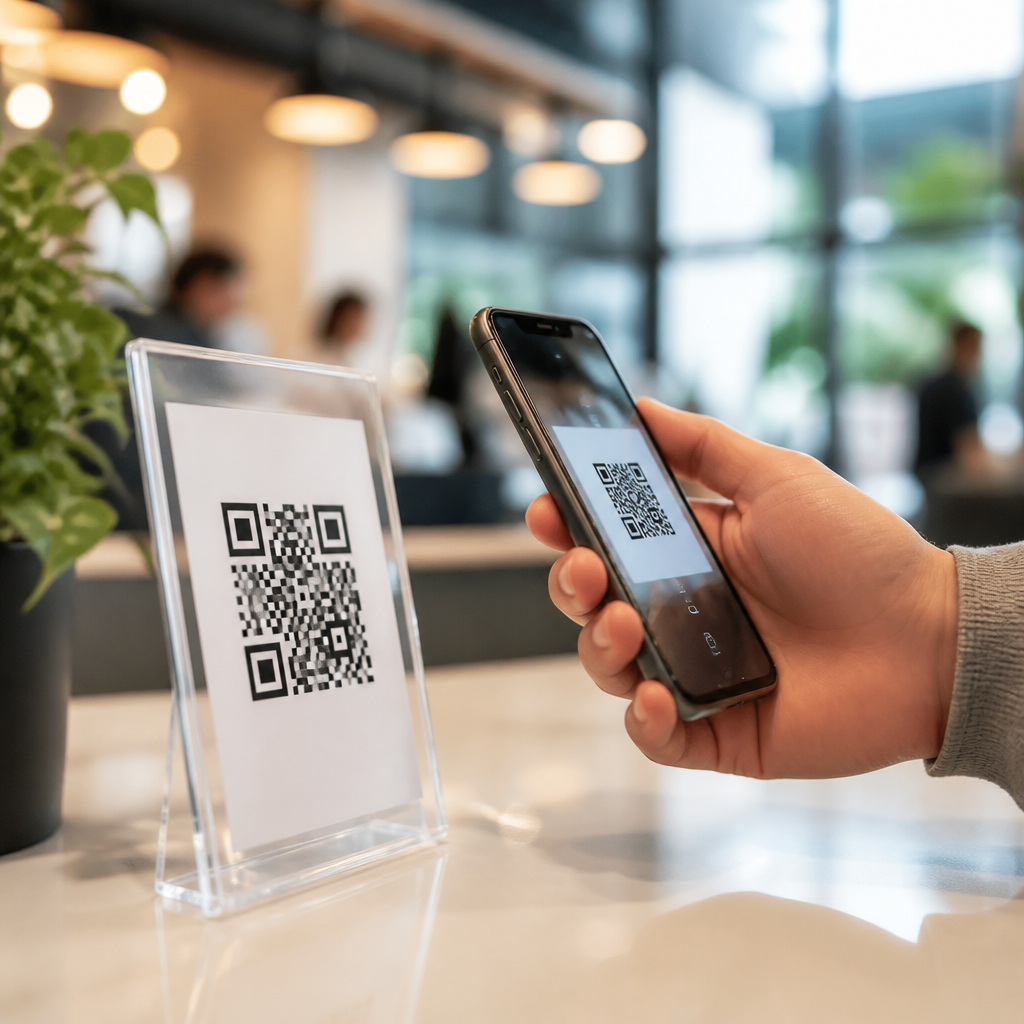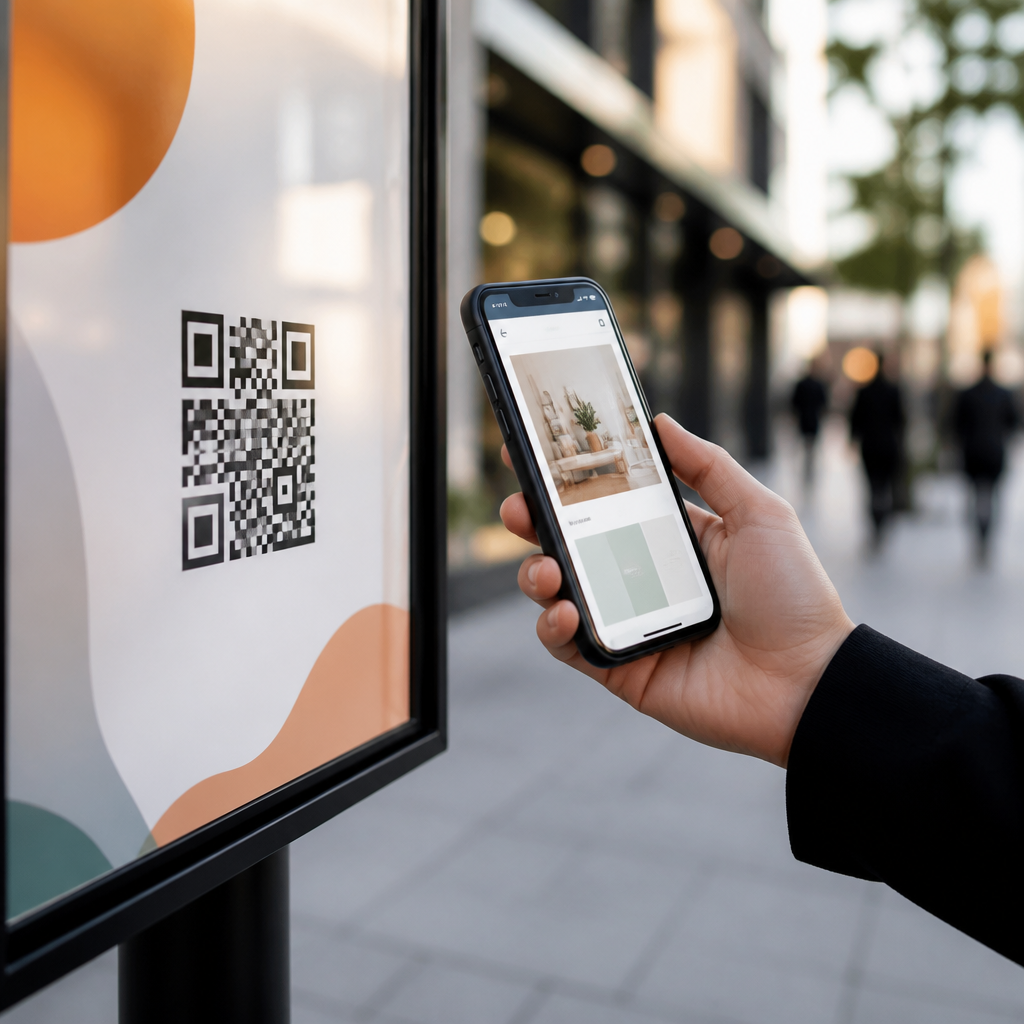
QR codes have become one of the most practical tools for connecting physical marketing with digital action, giving brands a fast, measurable way to move people from a printed surface to an online experience. In marketing, a QR code is a two-dimensional barcode that stores a destination such as a URL, landing page, app download, coupon, form, video, payment link, or product record, and a smartphone camera can read it in seconds. That simple scan closes a gap marketers have struggled with for decades: the distance between seeing a message offline and responding to it online. I have used QR codes in retail campaigns, direct mail tests, event signage, restaurant promotions, and packaging programs, and the pattern is consistent. When the destination is relevant and the context is clear, QR codes remove friction better than typing a web address, searching for a brand, or downloading an app first. They matter because modern customer journeys are no longer linear. A buyer may see a poster on a train platform, compare products on a phone, visit a store, and complete a purchase later through email retargeting. QR codes support that behavior by turning offline attention into trackable digital intent. They also improve attribution, speed up response time, and create a practical bridge between awareness media and conversion media. For marketers building an integrated strategy, understanding why QR codes work in marketing is essential because they influence convenience, measurement, personalization, and campaign economics all at once.
The psychology behind QR code response
QR codes work because they align with how people already use phones in the real world: as cameras, browsers, wallets, and shopping assistants. The key marketing advantage is reduced cognitive load. A person does not need to remember a URL, type a promotion code, or search for a product later. The next step is visible and immediate. In behavioral terms, that matters because every extra action lowers completion rates. A scan can happen at the exact moment interest exists, which is when response probability is highest. This is why QR codes often outperform vanity URLs on out-of-home ads, packaging inserts, and point-of-sale displays. They convert passive exposure into active engagement with almost no delay.
Context also drives performance. A QR code on a product shelf can lead to ingredient details, reviews, or a comparison chart right when a shopper is making a decision. On a poster, it can open a trailer, RSVP page, or coupon before attention shifts elsewhere. During the pandemic, widespread use for menus, payments, and check-ins normalized scanning behavior across age groups, and that habit persisted. According to Statista and industry reporting from mobile commerce platforms, QR code interactions rose sharply after 2020, especially in retail, hospitality, and events. Marketers benefit because consumer education is no longer the main hurdle; relevance is.
How QR codes connect offline media to digital journeys
The core reason QR codes bridge offline and online marketing is that they turn static surfaces into clickable media. Print ads, flyers, brochures, product packaging, receipts, storefront windows, trade show booths, and business cards can all act like digital entry points. Instead of treating offline media as awareness only, marketers can assign each asset a specific digital outcome. A magazine ad can send users to a campaign landing page. A package insert can trigger product registration. A restaurant table tent can collect loyalty sign-ups. This changes offline marketing from hard-to-measure exposure into traffic, leads, and purchases.
In practice, the strongest programs map each QR code to a customer journey stage. Top-of-funnel placements usually link to explainer content, reviews, demos, or brand stories. Mid-funnel placements work well for comparison guides, lead forms, calculators, and store locators. Bottom-funnel placements perform best when they unlock checkout, payment, booking, or a limited-time offer. Dynamic QR code platforms such as Bitly, QR Code Generator Pro, Beaconstac, and Uniqode let marketers update destinations without reprinting creative, which is critical for seasonal offers, inventory changes, or A/B testing. That flexibility gives offline media a level of optimization once reserved for paid digital channels.
Why QR codes improve measurement and attribution
One of the biggest historical weaknesses of offline marketing has been attribution. A billboard may build awareness, but proving which placement drove action is difficult. QR codes help solve that problem because each code can be tied to a unique URL with UTM parameters, campaign IDs, and audience segments. In analytics tools such as Google Analytics 4, Adobe Analytics, HubSpot, and Salesforce, scans can be tracked as sessions, conversions, assisted revenue, or lead source interactions. That means a marketer can compare poster locations, direct mail variants, retail displays, or event materials using the same reporting logic used for email and paid search.
I have seen this change budget conversations quickly. A retailer that placed unique QR codes on window clings by region could identify which cities drove store-to-site traffic and which landing page versions produced coupon redemptions. A B2B exhibitor used different codes for booth signage, printed one-pagers, and staff badges, then learned that the badge scans led to the highest demo-booking rate because they reflected warmer conversations. Measurement is not perfect, because a scan does not equal a sale and some users will still convert later on another device, but it is far more actionable than relying on estimated foot traffic or vague brand lift alone.
Best use cases across channels and industries
QR codes work across sectors because the underlying function is universal: shorten the path from interest to action. In retail, they support product education, loyalty enrollment, app downloads, and out-of-stock aisle recovery by sending shoppers to an ecommerce page. In restaurants, they handle menus, ordering, reviews, and rewards registration. In real estate, a sign rider can open virtual tours, mortgage calculators, or property sheets. In healthcare, QR codes on discharge paperwork can lead patients to aftercare instructions and appointment booking. In manufacturing and B2B distribution, they often link to spec sheets, installation videos, safety documentation, and reorder portals.
Events are another strong fit because attendees constantly move between physical spaces and mobile decisions. A badge, booth panel, session slide, or lanyard insert can trigger networking, downloads, survey responses, and lead capture. Consumer packaged goods brands use on-pack QR codes for recipes, authenticity checks, sustainability information, and loyalty points. Even direct mail, often dismissed as old media, becomes far more responsive when a personalized QR code takes each recipient to a tailored landing page with prefilled forms. The lesson is simple: QR codes are most effective where timing, convenience, and context matter more than broad awareness alone.
| Channel | Common QR code destination | Main marketing benefit |
|---|---|---|
| Product packaging | How-to video, registration page, loyalty offer | Post-purchase engagement and repeat sales |
| Direct mail | Personalized landing page | Higher response and better attribution |
| Retail signage | Reviews, coupons, product comparison | Faster in-store decision support |
| Events and trade shows | Lead form, brochure, meeting scheduler | Immediate follow-up and cleaner lead capture |
| Out-of-home advertising | Offer page, app download, store locator | Turns awareness media into measurable traffic |
What makes a QR code campaign succeed or fail
The code itself is not the strategy; the offer, placement, and landing experience determine results. The highest-performing campaigns answer three user questions immediately: what will I get, why should I scan now, and can I trust where this leads. Clear calls to action such as “Scan to see pricing,” “Scan for 15% off today,” or “Scan to watch setup instructions” outperform generic prompts like “Scan here.” Visual prominence matters too. The code must be large enough to scan at the expected distance, with strong contrast and adequate quiet space around it. On moving environments such as transit ads, poor sizing can kill performance.
Destination quality is equally important. Sending users to a generic homepage wastes intent. A dedicated mobile landing page with one clear next step usually performs better. Speed matters because scan users are often standing, walking, shopping, or multitasking. Trust signals help, especially when a code appears in public. Branded short links, recognizable domains, HTTPS security, and design consistency reduce hesitation. There are also operational risks. Static codes cannot be updated after print, damaged surfaces can make scanning fail, and overuse can train audiences to ignore codes. Marketers should test under real conditions, including lighting, distance, device types, and cellular connectivity.
Design, compliance, and technical standards marketers should know
Effective QR code marketing requires attention to standards, not just aesthetics. Error correction levels allow a code to remain scannable even if part of it is obscured, which is useful on packaging or outdoor placements, but heavier error correction can make the pattern denser and harder to scan at small sizes. URL length affects complexity too, another reason dynamic short links are useful. ISO/IEC 18004 defines the QR code symbology standard, and while most marketers will not read the specification, reputable generators follow it. The practical takeaway is to use established platforms and avoid low-quality code exports stretched from small raster images.
Compliance matters when scans collect data. If a QR code leads to a form, newsletter sign-up, or lead magnet, the same privacy rules apply as any other digital touchpoint. That includes consent language, cookie disclosures where required, secure data handling, and transparent purpose statements. Accessibility also deserves attention. A code alone excludes some users, so strong campaigns include a short readable URL or alternate action. For printed healthcare, finance, or public-sector materials, that backup path is especially important. Marketers should also monitor for malicious code replacement in public spaces, a known fraud risk addressed through routine field audits and tamper-resistant placement.
How to build a scalable QR code strategy
A scalable program starts with governance. Define naming conventions, destination rules, UTM structures, owner responsibilities, and reporting cadence before codes spread across teams and vendors. Without that discipline, campaign data becomes messy fast. I recommend treating QR codes like any other acquisition asset: assign objective, audience, channel, creative version, and success metric. Then connect each code to a landing page built for mobile intent, not desktop browsing. A restaurant campaign might optimize for menu views and order starts, while a field marketing campaign may optimize for meeting bookings and content downloads. The code should never exist without a measurable purpose.
Testing should cover both creative and destination. Compare incentive versus non-incentive calls to action, branded versus plain codes, and different placements within the same physical asset. On the digital side, test page copy, form length, offer framing, and post-scan follow-up. Because dynamic platforms allow destination changes, marketers can continue improving performance without replacing print inventory. This is especially valuable for packaging, catalogs, and signage with long shelf lives. Internal linking from related campaign pages, case studies, and tactical guides can reinforce relevance across a broader marketing library. As a hub topic, QR codes belong at the center of omnichannel planning, not at the edge as an afterthought.
QR codes bridge offline and online marketing because they compress the customer journey into a single action that is easy to take, easy to track, and easy to optimize. They work when marketers respect context, match the destination to user intent, and design for mobile speed. Their value is not limited to convenience. QR codes make offline media measurable, strengthen attribution, support personalization, and help brands turn packaging, print, signage, and events into conversion points. That is why they continue to expand across retail, hospitality, healthcare, B2B, and consumer goods rather than remaining a temporary trend.
The strongest results come from disciplined execution. Use dynamic codes where possible, give every placement a clear call to action, send scans to dedicated landing pages, and connect performance data to your analytics stack. Test size, contrast, and real-world scanning conditions before launch. Protect trust with secure destinations and transparent data practices. Most important, think beyond the code itself. The real bridge is the experience on the other side. Audit your current offline assets, identify the moments where customers want faster access to information, and start building QR code journeys that convert attention into measurable business results.
Frequently Asked Questions
How do QR codes connect offline marketing materials to online experiences?
QR codes act as a direct bridge between a physical touchpoint and a digital destination. When someone scans a code on a flyer, poster, product package, direct mail piece, in-store sign, event booth, or business card, their phone instantly opens a specific online resource without requiring them to type a web address. That destination can be a landing page, product page, app download, video, registration form, coupon, survey, payment screen, or customer support page. This matters because it removes friction at the exact moment a person is interested. Instead of hoping they remember a brand name later, the QR code captures intent immediately and turns passive exposure into measurable action.
From a marketing perspective, this is what makes QR codes so valuable. Traditional offline media has often been effective for awareness but harder to connect to clear digital outcomes. QR codes help close that gap by making print, packaging, signage, and other physical assets interactive. A brand can guide people from a magazine ad to a campaign microsite, from a shelf display to product details, or from a restaurant table tent to an ordering page in seconds. The result is a smoother customer journey, stronger engagement, and better attribution between offline campaigns and online conversions.
Why are QR codes considered such a useful tool for modern marketing campaigns?
QR codes are useful because they combine convenience, speed, flexibility, and trackability in a format that works across many channels. Most consumers already carry smartphones capable of scanning codes natively through the camera app, which means there is very little barrier to use. For marketers, that creates an easy way to move audiences from the real world into digital environments where brands can educate, convert, retarget, and measure results. A printed asset no longer has to stop at delivering a message; it can now trigger an action.
Another major advantage is versatility. A single QR code can lead to many different kinds of experiences depending on the campaign goal. A retailer might send shoppers to a limited-time discount page, a B2B company might link to a lead capture form, and a product brand might provide tutorials, warranty registration, or authenticity verification. QR codes can also support dynamic marketing strategies, where the destination can be updated without changing the printed code itself. That makes them practical for campaigns that evolve over time. In short, QR codes help marketers extend the value of physical media, reduce friction in the customer journey, and gain clearer insight into what is driving response.
What types of offline marketing materials work best with QR codes?
QR codes work well on almost any physical marketing asset where a customer may want more information or an immediate next step. Common examples include posters, brochures, postcards, catalogs, product packaging, point-of-sale displays, event signage, menus, vehicle wraps, window decals, print ads, billboards, and direct mail. They are especially effective in places where people have time and context to scan, such as in stores, at trade shows, on product labels, in waiting areas, or at live events. The best materials are those that naturally support curiosity, urgency, or utility.
That said, effectiveness depends less on the format itself and more on execution. A QR code should be placed where it is easy to notice, easy to scan, and supported by a clear call to action. For example, “Scan to see pricing,” “Scan for a demo,” or “Scan to claim your discount” performs better than a code with no explanation. Size, contrast, surrounding white space, and placement distance all matter, especially for larger formats like posters or billboards. If a code is too small, poorly printed, or displayed where scanning is inconvenient, response will suffer. The strongest use cases pair the code with a compelling reason to act right away and a mobile-friendly destination that matches the promise made offline.
How can businesses measure the success of QR code marketing?
One of the biggest benefits of QR codes is that they make offline campaigns more measurable. When a QR code points to a tracked URL or a campaign-specific landing page, businesses can monitor scans, visits, click-through behavior, time on page, form submissions, purchases, downloads, and other conversion events. This allows marketers to understand not only how many people responded to a physical asset, but also what those people did after scanning. In many cases, QR data can be integrated with analytics platforms, CRM systems, and marketing automation tools to connect scans to leads, revenue, or customer journeys.
To measure effectively, marketers should give each placement or campaign its own tracking setup. For example, separate QR codes can be created for store posters, packaging inserts, event booths, and direct mail so performance can be compared accurately. UTM parameters, dedicated landing pages, and conversion tracking make it easier to identify which offline channels are generating meaningful results. Businesses should also evaluate success beyond raw scan counts. A campaign with fewer scans but a higher conversion rate may be more valuable than one with lots of curiosity-driven traffic but little follow-through. Strong measurement comes from pairing QR codes with clear campaign goals, whether that means lead generation, sales, app installs, coupon redemptions, or customer engagement.
What are the best practices for using QR codes effectively in offline-to-online marketing?
The most important best practice is to make the scan worth the effort. People are far more likely to engage when the benefit is obvious and immediate, such as accessing exclusive content, unlocking a discount, viewing product details, registering for an event, or completing a purchase more easily. Every QR code should be supported by a clear, action-oriented prompt that explains what happens after the scan. Without that context, many users will ignore it. The landing experience must also be mobile optimized, fast-loading, and directly aligned with the message on the physical material. If the scan leads to a generic homepage or a poor mobile page, trust and conversions drop quickly.
Brands should also focus on technical and design quality. Use high contrast, adequate size, proper spacing, and reliable printing so the code scans easily under real-world conditions. Test it on multiple devices before launch. Dynamic QR codes are often the smarter choice because they allow destination updates and richer reporting without reprinting materials. It is also wise to keep branding consistent by placing the code within a thoughtfully designed layout rather than treating it like an afterthought. Finally, privacy and trust matter. Send users to secure destinations, avoid misleading promises, and be transparent about what they will receive. When QR codes are relevant, easy to scan, and connected to a valuable digital experience, they become one of the simplest and most effective ways to bridge offline and online marketing.