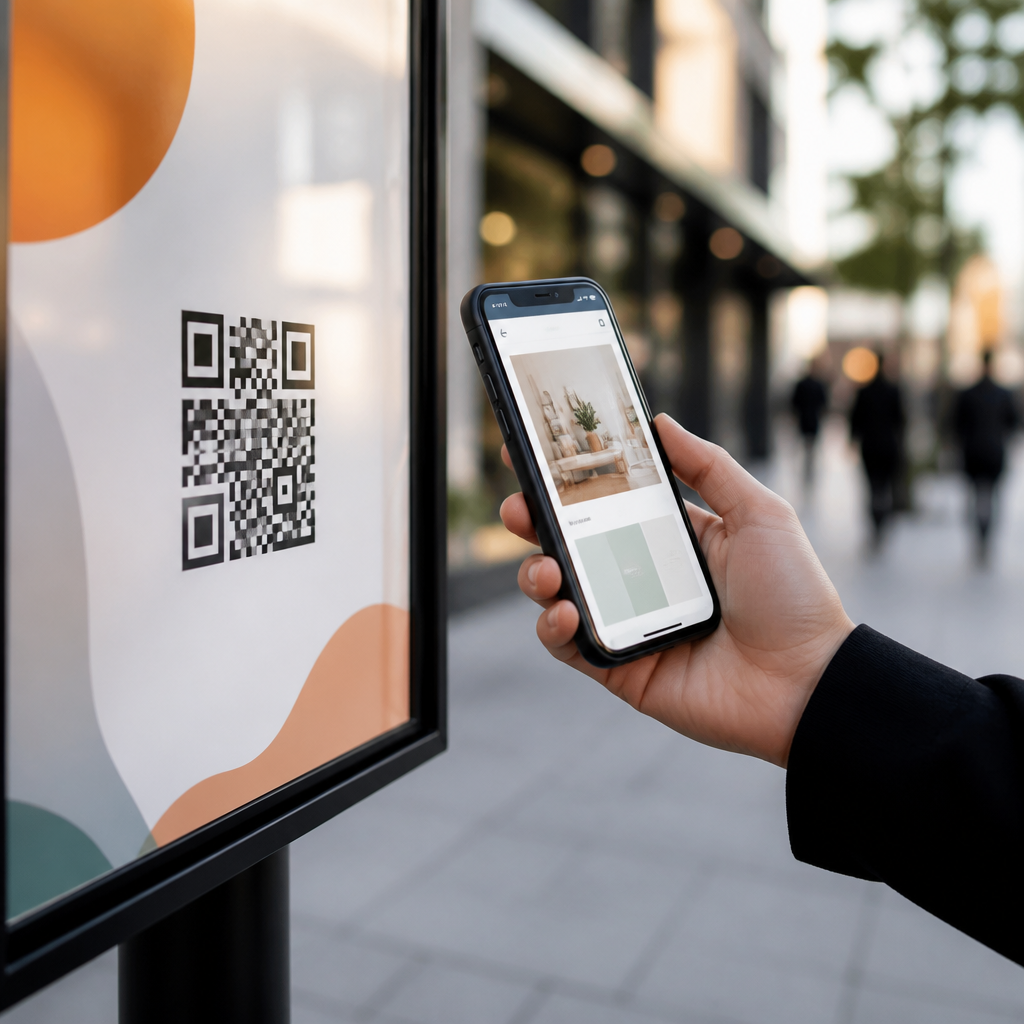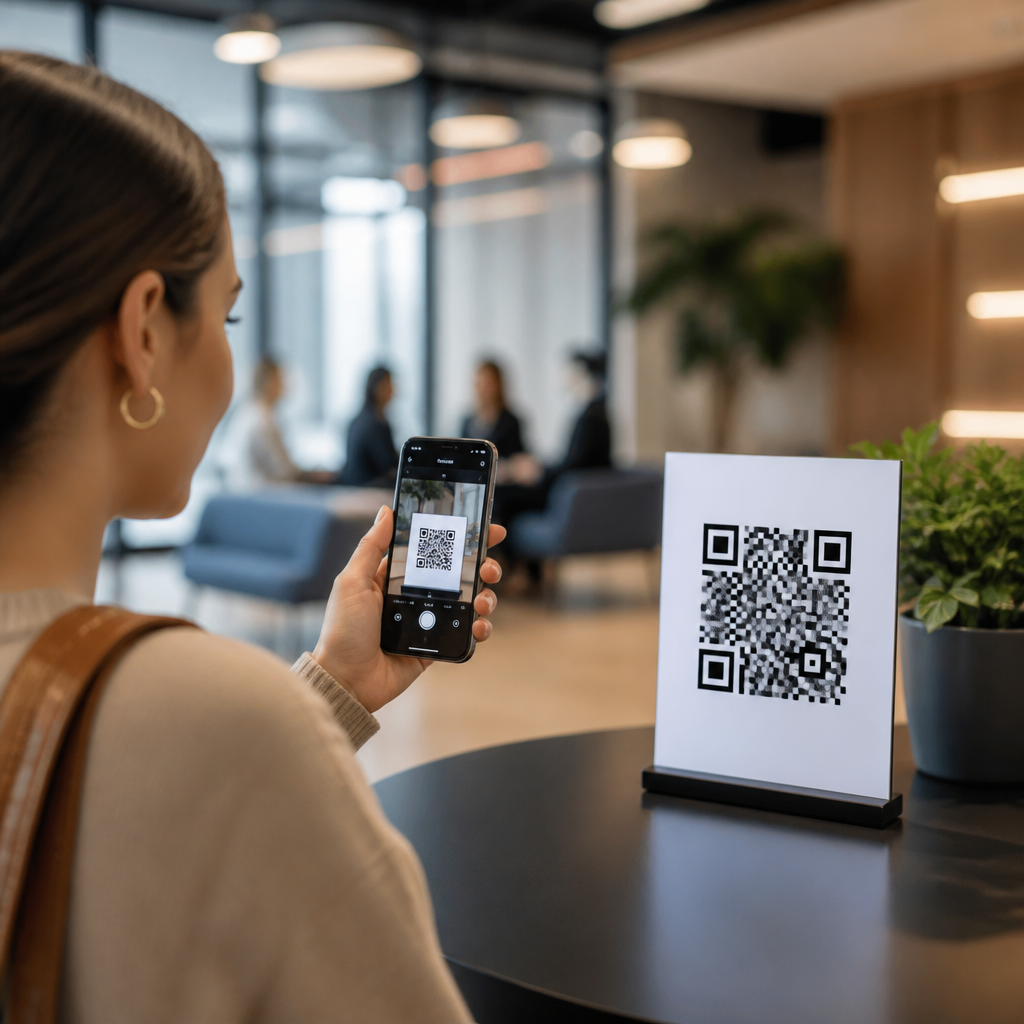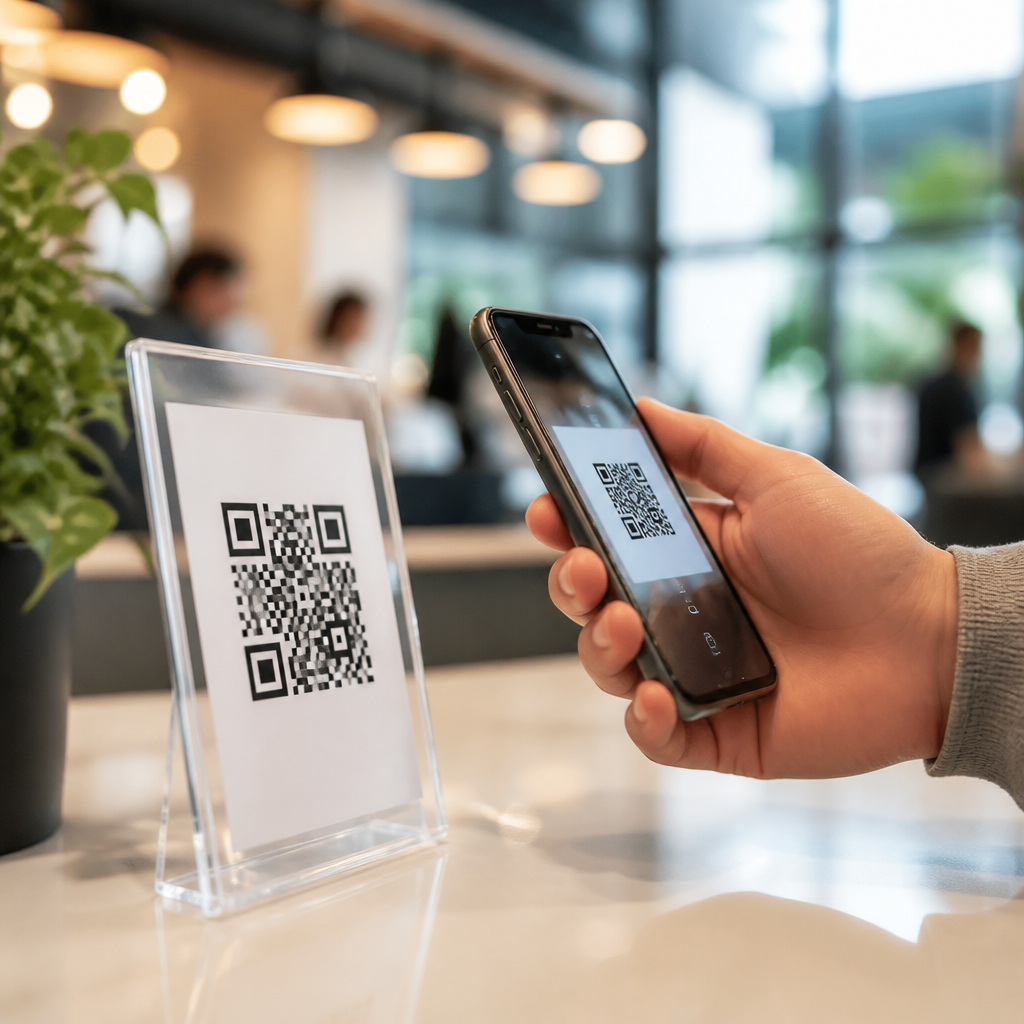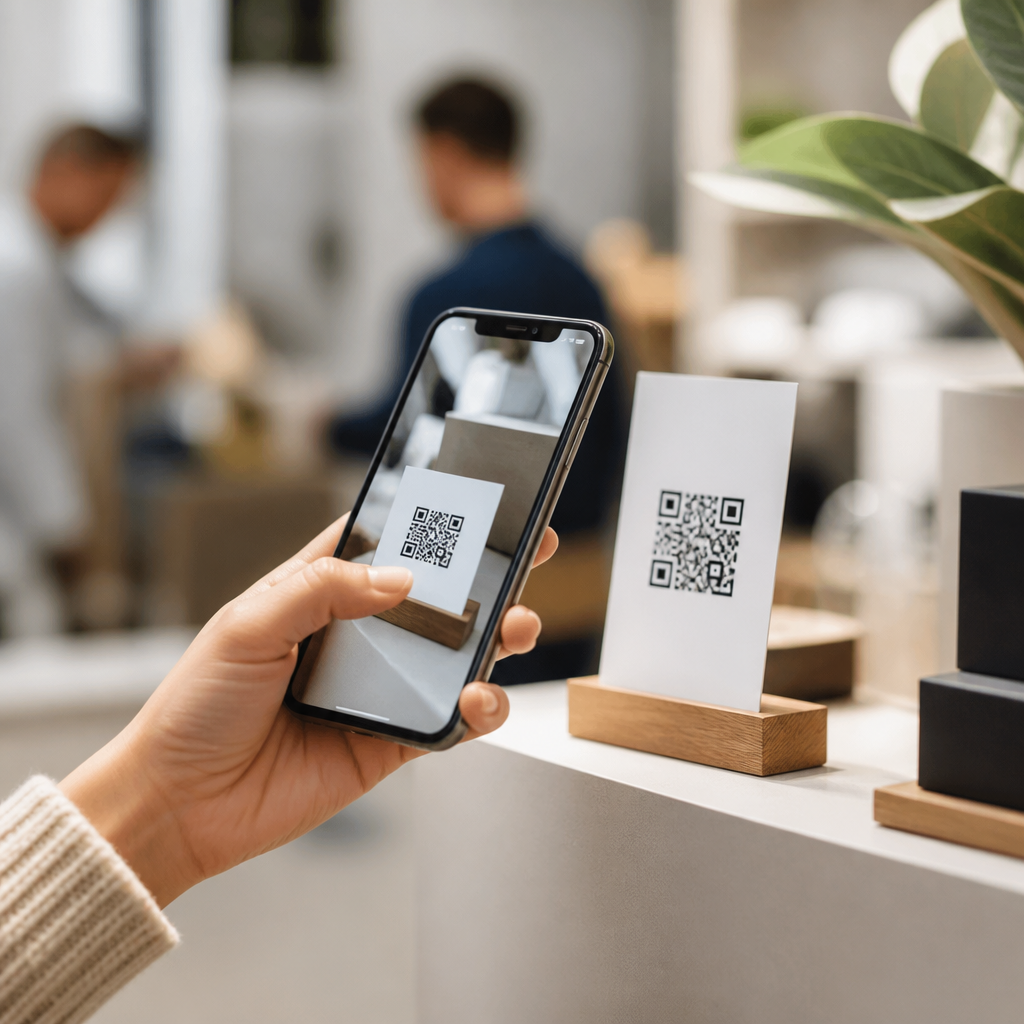
QR codes can move people from offline attention to online action in seconds, but many brands lose that momentum because the funnel behind the scan is poorly designed. In marketing, a funnel is the sequence of steps that turns awareness into consideration, conversion, and retention. A QR code is only the trigger. The real performance comes from what happens after the camera opens, the destination loads, and the visitor decides whether to continue. When companies treat QR codes as a shortcut rather than a structured conversion path, scan volume rises while revenue, leads, and engagement stay flat.
I have worked on QR code campaigns for retail packaging, direct mail, restaurant menus, event signage, and field sales collateral, and the same pattern appears repeatedly: teams focus on placement and design, then underinvest in the landing experience, tracking model, and follow-up sequence. That creates friction at exactly the point where intent is strongest. A person scanning a code from a product box, trade show booth, or postcard is already responding to a prompt. If the next step is confusing, slow, generic, or disconnected from the source, the funnel leaks immediately.
Integrating QR codes into marketing funnels means mapping each code to a defined objective, audience segment, message, destination, measurement plan, and post-scan journey. It also means recognizing context. A scan from outdoor signage behaves differently from a scan on printed packaging. A first-time prospect needs different content than an existing customer seeking support, registration, reorder links, or loyalty rewards. The most common funnel mistakes happen when brands ignore that context and send every scan to the same homepage, the same form, or the same broad campaign page.
This hub article explains the common funnel mistakes when using QR codes and how to avoid them. It covers strategic alignment, landing page design, attribution, segmentation, offer structure, follow-up, compliance, and optimization. Use it as the central guide for integrating QR codes into marketing funnels across print, in-store, events, packaging, out-of-home media, and sales enablement programs. When the funnel is built correctly, a QR code becomes more than a convenience feature. It becomes a measurable bridge between physical media and digital conversion.
Starting with a code instead of a funnel strategy
The first mistake is operational: teams begin by generating a QR code before deciding what outcome the code should drive. That reverses the planning order. The correct sequence is objective, audience, offer, destination, measurement, then code creation. If the goal is newsletter growth, the destination should not be a general campaign microsite. If the goal is store visits, the page should prioritize location lookup, directions, and local inventory rather than top-of-funnel education. I have seen postcard campaigns with strong scan rates fail because the code pointed to the corporate homepage, forcing users to search for the promised offer.
Every QR code in a funnel should answer six questions clearly: who is scanning, where are they scanning, what motivated the scan, what action should happen next, how will success be measured, and what follow-up path should begin after the action. These questions are simple, but they prevent expensive ambiguity. A code on packaging might target repeat buyers with recipes, refill reminders, warranties, or loyalty enrollment. A code on event badges may route to demo booking or session downloads. A code on a window poster may need store hours and click-to-call functionality first, not a long brand story.
Misalignment usually shows up in language. The call to action says “Scan for 20% off,” but the page headline says “Welcome to our spring collection.” The code on a sales sheet says “See case studies,” but the user lands on a feature page with no proof assets. Funnel design requires message match. Whatever promise appears beside the code must be restated immediately on the destination page. That continuity reassures users they are in the right place and increases completion rates.
Sending all scans to one generic destination
A single static destination is one of the most common QR code marketing mistakes. Brands often reuse the same code across brochures, shelves, ads, and packaging because it is convenient for production. Convenience for the marketer creates confusion for the buyer. Different contexts create different intent, and intent should shape the destination. Someone scanning on a shipping box after purchase needs onboarding, assembly instructions, support, or cross-sell recommendations. Someone scanning a flyer in a coffee shop may need a first-purchase incentive, social proof, and a simple path to buy.
Dynamic QR codes solve much of this problem because the redirect destination can be updated without reprinting the code. They also support UTM parameter management, source tagging, and variant testing by placement. In practice, I recommend a distinct landing page or parameterized route for each major channel: direct mail, storefront signage, product packaging, event displays, business cards, and field marketing handouts. If there are budget constraints, keep the page template consistent but personalize the headline, hero image, offer, and form fields based on source.
Generic destinations also weaken analytics. If all offline materials point to one URL, it becomes difficult to determine whether the strongest conversions came from the shelf talker, the catalog insert, or the trade show banner. Better routing structure creates cleaner attribution and makes optimization possible. Marketers do not need dozens of completely unique sites. They need purposeful entry points aligned with user intent.
Ignoring mobile landing page friction
QR scans happen on mobile devices, yet many campaigns still route traffic to desktop-first pages. This breaks the funnel at the moment of highest interest. Mobile friction appears in several forms: slow load times, intrusive pop-ups, oversized hero videos, forms that require too much typing, broken autofill, hard-to-read text, and calls to action buried below the fold. According to Google research, conversion probability drops as page load time increases, and that effect is especially damaging for QR traffic because scanning creates immediate expectation.
When I audit QR landing pages, I look first at speed, clarity, and action density. The ideal page confirms the offer instantly, explains the benefit in one screen, and presents a primary next step that can be completed with minimal input. For lead generation, reduce fields to the data needed for routing and follow-up. For commerce, preload product selections when possible. For locations, use click-to-map and click-to-call. For app prompts, link directly to the correct app store or use deferred deep linking tools such as Branch when the campaign requires app onboarding.
Accessibility matters too. Adequate color contrast, tappable buttons, readable font sizes, and screen-reader-friendly structure improve performance for all users, not only those with accessibility needs. On-device testing should include iPhone and Android browsers, weak network conditions, and older devices. A QR code campaign is not ready because the URL works on one marketer’s phone in the office.
Weak attribution and incomplete measurement
Many companies can count scans but cannot connect those scans to downstream business results. Scan count alone is not a conversion metric. A successful QR code funnel tracks the full path: scan, landing page engagement, form completion or purchase, assisted conversions, and post-conversion behavior such as repeat orders or sales-qualified lead progression. Without that structure, teams optimize for curiosity rather than revenue.
Reliable measurement requires campaign parameters, analytics events, and CRM integration. At minimum, each code should have identifiable source, medium, campaign, content, and placement values. In Google Analytics 4, define events for landing page view, CTA click, form start, form submit, purchase, coupon reveal, store locator interaction, or file download. In HubSpot, Salesforce, Marketo, or similar systems, pass source data into contact records and opportunities so sales and lifecycle teams can see offline-originating intent. This is especially important for business-to-business funnels where the sale happens later.
| Mistake | What happens | Better approach |
|---|---|---|
| No campaign parameters | Scans blend into direct traffic | Use distinct UTM values for every placement |
| Tracking scans only | High scan volume hides low conversion quality | Measure leads, revenue, assisted conversions, and retention |
| One code across channels | Source performance becomes unclear | Create separate dynamic redirects by asset and audience |
| No CRM sync | Sales cannot attribute pipeline to offline scans | Pass source data into lead and opportunity records |
Measurement also needs time horizon. A packaging scan may produce a delayed reorder weeks later. An event scan may influence a deal that closes in a quarter. Use cohort analysis and attribution windows that match the buying cycle. Otherwise, QR campaigns that create meaningful pipeline may be undervalued because the analysis stops too early.
Offering the wrong next step for the stage of intent
Another major funnel mistake is asking for too much, too soon, or too little when intent is strong. A person scanning a code from awareness media usually needs a lightweight next step: learn more, watch a short demo, claim an offer, or find a nearby location. Requesting a full consultation booking or a ten-field form can suppress response. The reverse is also true. Someone scanning from product packaging after purchase may be ready for registration, upsell recommendations, or loyalty enrollment. Sending that person to a generic educational page wastes intent.
Stage-based routing improves conversion. Top-of-funnel placements should emphasize clarity and low friction. Mid-funnel placements can use comparison pages, testimonials, calculators, or short forms. Bottom-funnel placements should reduce purchase anxiety with inventory visibility, financing options, shipping details, guarantees, or direct scheduling. Post-purchase placements should focus on onboarding, support content, review requests, subscription enrollment, and referral loops.
One practical framework is to map QR placements against lifecycle stages. A booth banner at a trade show often serves consideration: the user wants specs, proof, and a meeting option. A code on a restaurant table can be transaction-focused: menu, ordering, loyalty, and reactivation offers. A code on a repair tag is support-oriented: status updates, FAQs, and parts ordering. Different moments require different asks.
Neglecting trust signals, privacy, and compliance
Users are increasingly cautious about scanning unfamiliar codes because scams exist. If the brand does not establish trust before and after the scan, abandonment rises. Clear branding near the code, a plain-language value proposition, and a recognizable destination domain help users feel safe. Avoid URL shorteners that obscure the endpoint unless the redirect uses a branded domain. On the landing page, include visual brand continuity, privacy assurances, and concise explanations of what happens after submission.
Compliance matters when QR codes collect personal data, trigger SMS enrollment, or connect to payment flows. Marketers must align with privacy regulations such as GDPR and CCPA where applicable, and with channel-specific consent requirements. For email capture, explain what messages the user will receive and how often. For SMS, disclose recurring message expectations, data rates, and opt-out methods. For payments, use established processors and secure pages. If age restrictions, health claims, financial promotions, or sweepstakes rules apply, the code destination must present those disclosures clearly.
Trust also affects creative execution. Small codes placed in low light, on curved surfaces, or behind reflective glass can fail to scan reliably, which users often interpret as incompetence or risk. The funnel starts before the landing page. Scannability, context, and transparent messaging are part of conversion design.
Failing to test, iterate, and connect the full journey
The final mistake is treating a QR campaign as finished once printed. Strong funnels improve through testing. Headlines, offer framing, page length, form depth, incentive type, and follow-up timing all affect outcomes. Dynamic QR platforms such as Bitly, QR Code Generator PRO, Flowcode, and Beaconstac make it easier to update destinations and monitor scans by time, location, and device. But tool access alone does not create learning. Teams need a testing calendar and a feedback loop with sales, service, and operations.
Follow-up is where many gains are won. If a scan produces a lead, the response sequence should reference the original context. “Thanks for scanning our booth guide” outperforms a generic nurture email because it preserves intent memory. If the scan leads to a purchase, post-purchase emails can reinforce setup, education, accessories, and reorder timing. If the scan reveals low engagement, remarketing audiences can support reactivation. The best QR funnels are not single-page interactions. They are coordinated journeys across landing pages, analytics, CRM, email, SMS, and sales outreach.
For teams building a hub around integrating QR codes into marketing funnels, the operating principle is simple: design from user intent backward. Match the promise near the code to the page, match the page to the stage, measure beyond the scan, and continue the conversation after conversion. Brands that do this consistently turn ordinary printed surfaces into measurable acquisition and retention assets. Review your current QR placements, map each one to a clear funnel role, and fix the leaks before launching the next campaign.
Frequently Asked Questions
1. What is the most common funnel mistake brands make when using QR codes?
The most common mistake is treating the QR code itself as the strategy instead of treating it as the entry point to a complete conversion path. A QR code can attract attention and generate a scan, but it does not automatically create intent, trust, or action. Many brands place a code on packaging, signage, direct mail, or in-store displays without thinking through what happens immediately after the scan. If the landing page is slow, confusing, generic, or disconnected from the message that prompted the scan, the user drops off before the funnel even begins to work.
A strong QR code funnel starts with continuity. The promise made offline should match the experience delivered online. If the code is presented as a way to claim an offer, access a product demo, view exclusive content, or complete a purchase, the destination should fulfill that promise instantly and clearly. Users should not have to search for the next step. They should land on a page built specifically for the scan context, with one primary action, strong mobile usability, and minimal friction.
Another major issue is assuming that curiosity equals readiness to convert. Many QR scans happen in quick, distracted, mobile moments. People may be standing in a store aisle, walking through an event, or glancing at a poster in public. That means the funnel should be designed for short attention spans and immediate relevance. The best-performing QR campaigns reduce decisions, simplify forms, and remove unnecessary steps so that awareness can move naturally into consideration and conversion.
2. Why do QR code scans often fail to convert even when scan volume looks good?
High scan volume can create the illusion of success, but scans are only a top-of-funnel signal. They show that the code caught attention, not that the user found enough value to continue. Conversion problems usually happen because there is a disconnect between the motivation to scan and the experience after the scan. If someone scans expecting a discount, product information, a menu, event details, or a quick purchase path, and instead lands on a homepage or a cluttered page with multiple competing options, momentum disappears almost immediately.
Mobile experience is also a major reason scans fail to convert. QR traffic is overwhelmingly mobile, yet many businesses still send users to pages that are slow to load, difficult to navigate, or poorly formatted for smaller screens. Long forms, tiny buttons, pop-ups that block content, and confusing page layouts all increase abandonment. In QR code marketing, speed and clarity matter more than almost anything else because the user’s intent is often immediate but fragile.
Another frequent issue is weak call-to-action design. After scanning, users should understand within seconds what the page is for, why it matters, and what to do next. If the page lacks a clear headline, obvious CTA, trust signals, and concise supporting information, users hesitate. That hesitation often ends the session. Brands also lose conversions when they ask for too much too soon, such as requiring account creation before showing value. Good QR funnels earn the next click by delivering relevance first and then gradually moving users toward stronger commitment.
3. Should a QR code send users to the homepage or a dedicated landing page?
In most cases, a dedicated landing page is the better choice. Sending QR code traffic to a homepage is one of the most common funnel mistakes because homepages are designed to serve many audiences and goals at once. A scanned QR code, by contrast, usually reflects one specific source, one message, and one expected action. If the destination is too broad, users have to interpret where to go next, and every extra decision increases the risk of drop-off.
A dedicated landing page allows you to control message match. That means the wording, visuals, offer, and CTA on the page directly reflect the context in which the QR code was scanned. For example, a QR code on product packaging should lead to content related to that product, not a general company page. A code on an event banner might direct users to registration, speaker details, or a post-event resource page. A code in retail could lead to product reviews, setup instructions, or a time-sensitive promotion. The more tightly aligned the destination is with the scan context, the stronger the funnel performs.
Dedicated pages also improve measurement and optimization. You can test headlines, CTA placement, incentives, form length, and mobile layout with much more precision when the page is built around one campaign objective. That makes it easier to identify where users are progressing and where they are abandoning. While there are rare cases where a homepage makes sense, such as broad brand discovery campaigns, performance-oriented QR strategies almost always benefit from a focused landing page built specifically for the user’s immediate intent.
4. How much friction is too much in a QR code funnel?
In QR code campaigns, even small amounts of friction can have a large impact because the transition from offline to online happens in a very short decision window. Friction becomes too much when it interrupts the user before they receive the value they expected from scanning. Common examples include slow page loads, mandatory app downloads, long forms, account creation requirements, confusing navigation, too many CTA options, or content hidden behind unnecessary gates. These barriers often feel minor from the brand’s perspective, but to a mobile user in a moment of limited attention, they are enough to end the interaction.
The right amount of friction depends on the value exchange. If someone is making a high-intent purchase or requesting a high-value demo, they may tolerate a few more steps. But if the scan comes from a casual awareness moment, the funnel should be much lighter. As a rule, brands should ask for the minimum commitment required to move the user to the next stage. If the goal is lead capture, consider collecting only essential information first. If the goal is education, provide the content before asking for a form submission. If the goal is purchase, remove anything that does not directly support checkout completion.
One of the best ways to evaluate friction is to walk through the scan experience in realistic conditions. Test it on multiple phones, mobile browsers, and connection speeds. Scan the code while standing, moving, or using one hand, because that often reflects real user behavior. If the process feels even slightly annoying in a test environment, it is likely costing conversions at scale. In QR funnels, reducing friction is not about oversimplifying the offer. It is about preserving momentum from the moment of curiosity to the moment of action.
5. How can brands improve retention and follow-up after a QR code conversion?
Many companies focus so heavily on getting the scan and the initial conversion that they neglect what happens afterward. That is a major funnel mistake because a QR code campaign should not end at the first action. Whether the user downloads a guide, redeems an offer, signs up for an event, purchases a product, or joins a list, the retention stage is where long-term value is created. Without a thoughtful follow-up sequence, brands waste acquired attention and miss opportunities to increase lifetime value.
Effective retention starts with setting expectations immediately after conversion. The thank-you page should clearly confirm what happened, explain what comes next, and offer one logical next step. That might include checking email for access details, viewing related resources, exploring a recommended product, or joining a loyalty or SMS program. Follow-up messaging should be timely and relevant to the original reason for the scan. If someone scanned for setup instructions, they should receive helpful usage guidance. If they scanned for a promotion, they should receive a clear redemption path and relevant upsell options. Continuity matters just as much after conversion as it does before it.
Measurement is also essential. Brands should track not only scans and first conversions, but also downstream behavior such as repeat visits, email engagement, additional purchases, account activation, and retention over time. This helps reveal whether the QR code is attracting low-quality traffic or genuinely feeding a healthy funnel. Segmenting follow-up by campaign source, location, offer, or audience type can further improve performance. When brands design QR experiences with retention in mind, the code becomes more than a one-time response device. It becomes the first touchpoint in a relationship that can be nurtured well beyond the initial scan.