Omnichannel marketing with QR codes is the practice of using scannable codes to connect every customer touchpoint—print, packaging, in-store displays, email, social media, events, direct mail, and mobile web—into one coordinated experience. In practical terms, a QR code becomes the bridge between an offline moment and a digital action, letting brands move a customer from seeing a poster to watching a product demo, claiming an offer, joining a loyalty program, or completing a purchase. The omnichannel part matters because customers do not move through a neat linear funnel anymore; they discover products on social platforms, compare options on search, visit stores to validate quality, and buy wherever the experience feels easiest. I have seen campaigns fail when teams treat each channel as separate and succeed when one code system ties them together. QR codes provide measurable attribution, reduce friction, and give marketers a reliable way to connect physical media with analytics, personalization, and conversion paths.
To understand why this matters, define the key components clearly. A QR code is a two-dimensional barcode readable by smartphone cameras and scanning apps, capable of opening URLs, app deep links, PDFs, video pages, forms, payment screens, maps, and contact cards. Omnichannel marketing means aligning messaging, data, offers, and user experience across channels so the customer feels continuity rather than fragmentation. When combined, QR codes become a tactical layer inside a broader strategy: they capture intent at the exact moment a person is engaged with packaging, signage, a product insert, a catalog, or a live event. Because modern dynamic QR platforms allow destination changes, UTM tagging, scan analytics, retargeting pixels, and geotime segmentation, marketers can optimize campaigns after distribution instead of being locked into a static landing page. That flexibility is why QR codes have become central to retail, hospitality, healthcare, CPG, automotive, real estate, and B2B demand generation.
How omnichannel marketing with QR codes works across the customer journey
The simplest explanation is this: a QR code converts attention in one channel into action in another, while preserving continuity of message and measurement. A customer sees a code on a window display, scans it, lands on a mobile page tailored to that location, browses products, receives an email reminder after opting in, and later completes the purchase through the app. That sequence spans offline display, mobile web, CRM, email automation, and ecommerce, yet it feels like one journey. In campaigns I have managed, the most effective deployments start by mapping customer intent by stage. At awareness, QR codes link to short videos, interactive lookbooks, or store locators. At consideration, they open comparison pages, reviews, FAQs, or augmented reality demos. At conversion, they trigger add-to-cart links, limited offers, wallet passes, or checkout pages. After purchase, they support onboarding, user guides, referrals, reorder pages, and loyalty enrollment.
Execution depends on choosing dynamic rather than static QR codes for most marketing use cases. Static codes permanently encode a destination, which is acceptable for evergreen information like a contact card or fixed Wi-Fi credentials. Dynamic codes route through a short URL managed by a platform, enabling edits without reprinting the code. That matters when a seasonal campaign changes, a product goes out of stock, or you want to A/B test landing pages. It also improves governance because teams can standardize naming conventions, campaign IDs, and access controls. Common enterprise tools include Bitly, QR Code Generator PRO, Flowcode, Beaconstac, Uniqode, and Adobe-powered landing page environments, while attribution typically relies on Google Analytics 4, app analytics, CRM events, and marketing automation systems such as HubSpot, Salesforce Marketing Cloud, Braze, or Klaviyo.
A strong omnichannel setup also requires technical alignment. Every scan destination should be mobile-first, fast, and campaign-specific. UTM parameters should distinguish channel, creative, placement, store, and audience segment. If the code appears on product packaging, the landing page should recognize that context and prioritize product education, related products, support resources, and repeat-purchase prompts. If the code appears in direct mail, the page should honor the mailed offer and reduce navigation choices to one primary action. This is where QR codes outperform generic homepage links: they preserve context. Instead of forcing the customer to hunt for the promised content, the scan resolves directly to the next logical step. That reduction in friction is a measurable conversion advantage.
Where QR codes fit in omnichannel campaigns
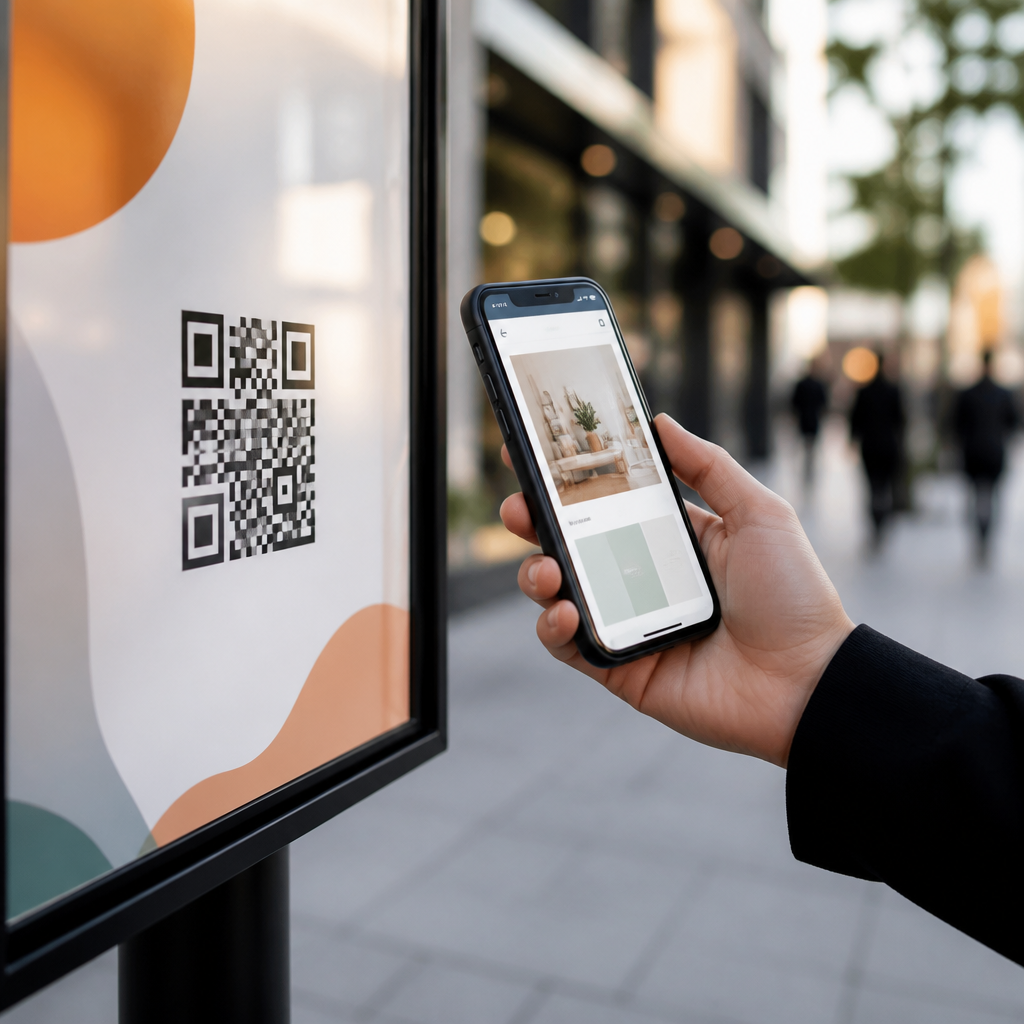
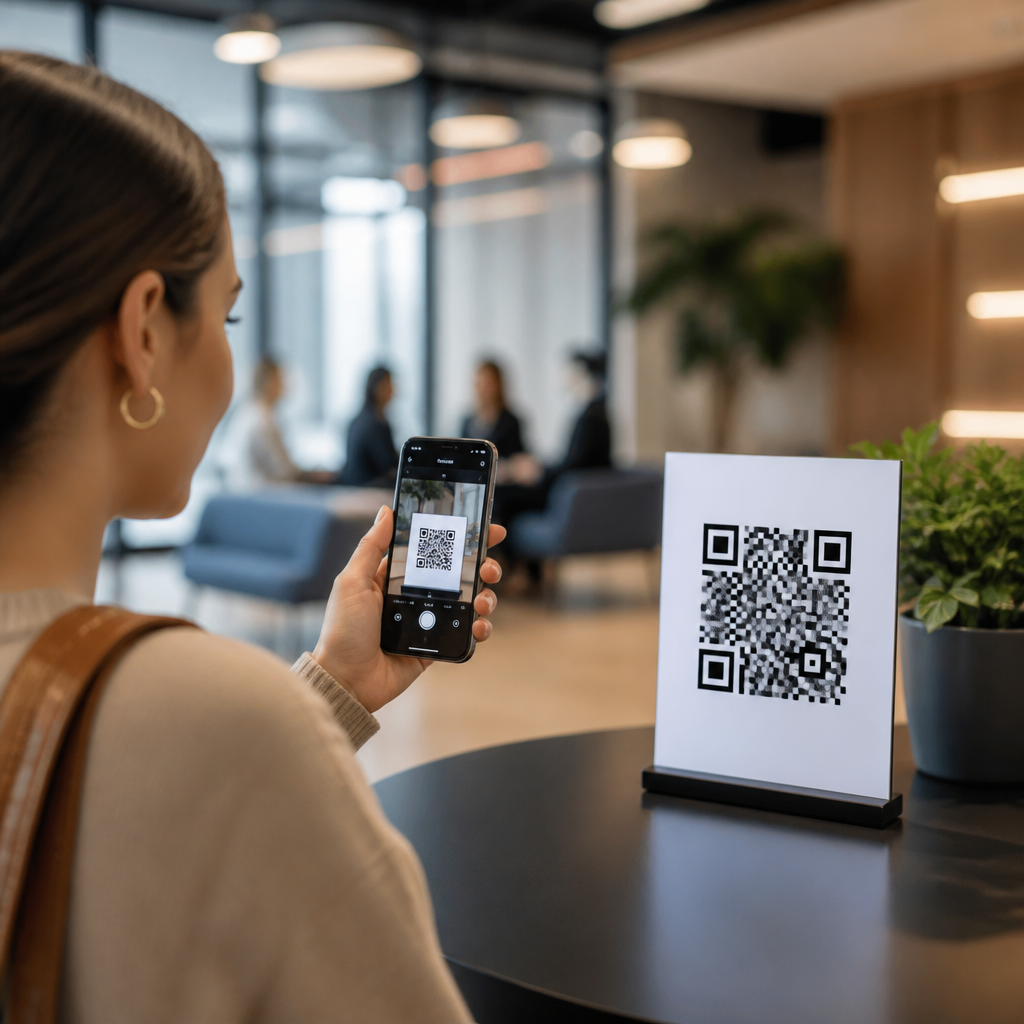
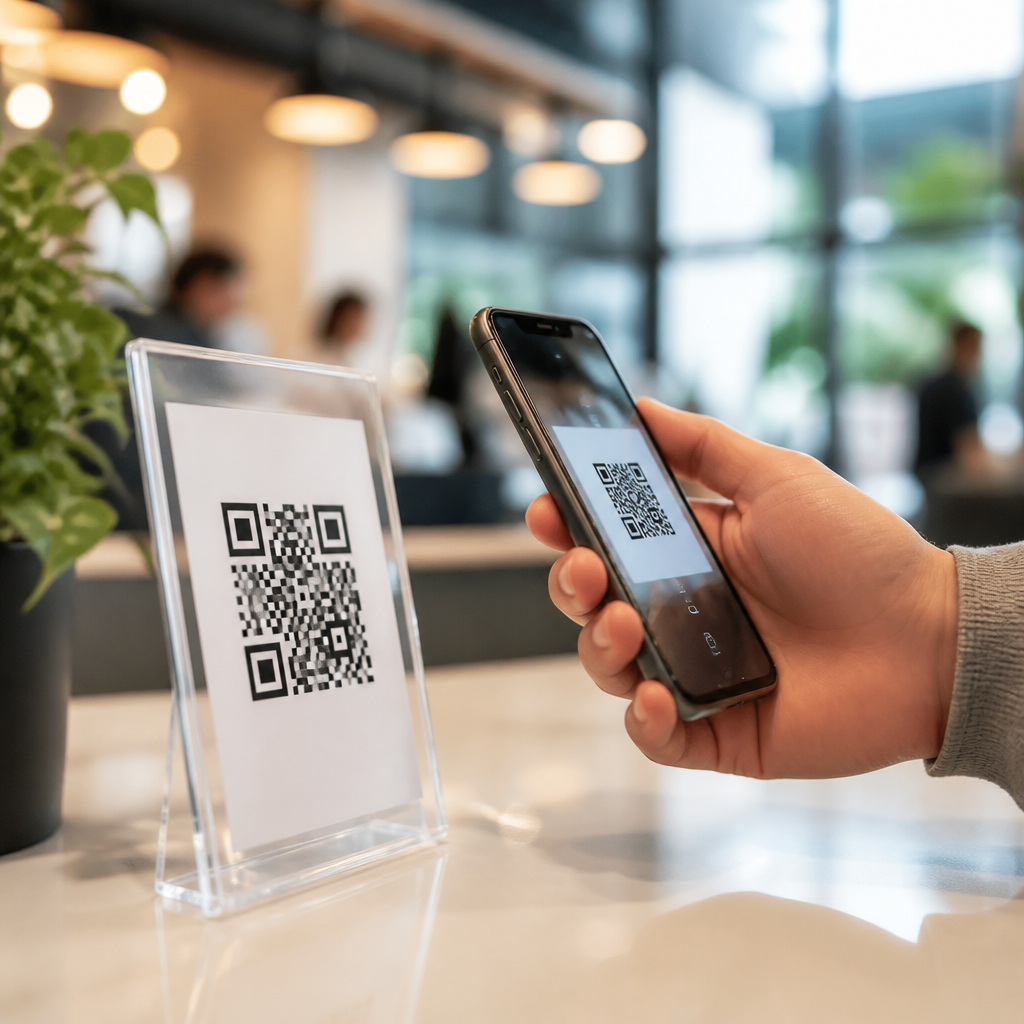
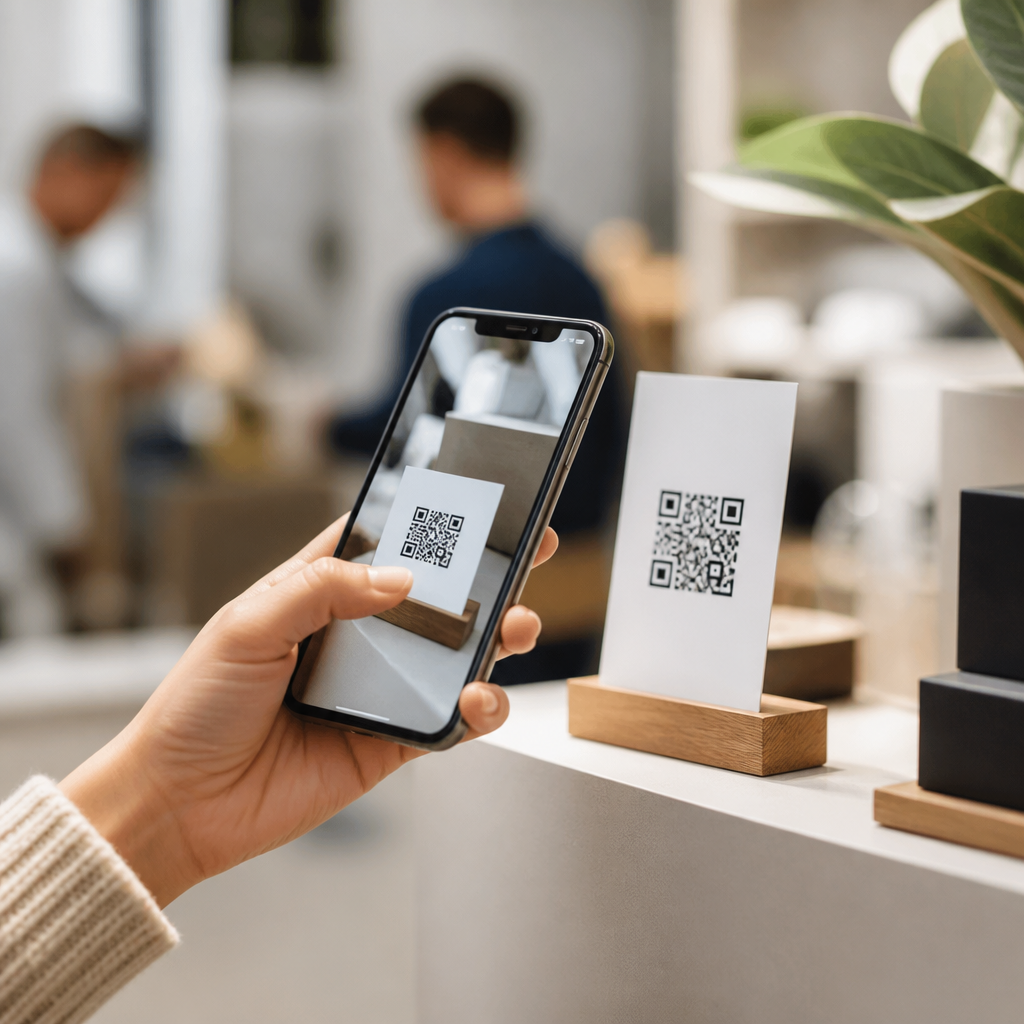
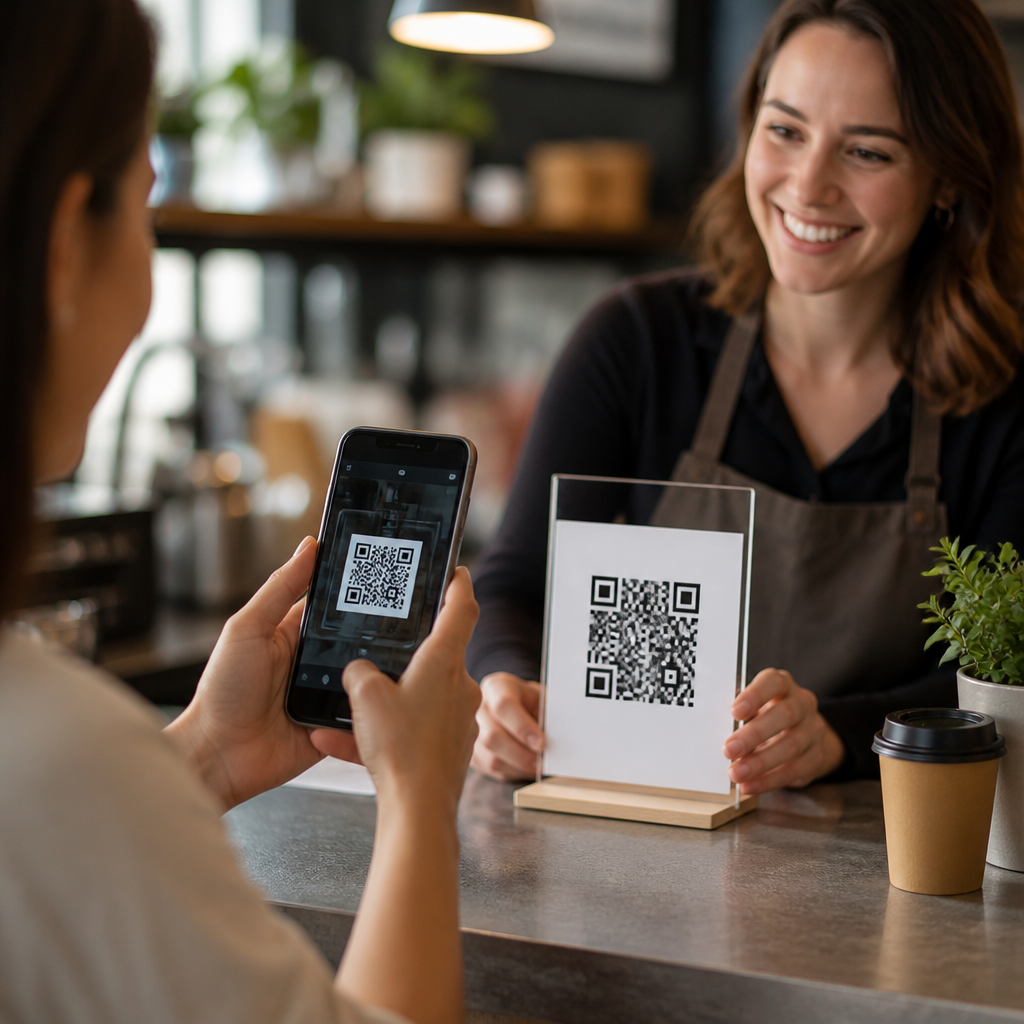
QR codes are effective because they work in nearly every physical or visual environment where a smartphone is present. Retail stores use shelf tags, endcaps, fitting rooms, and receipts to extend product discovery beyond what can fit on packaging. Consumer packaged goods brands place codes on labels to deliver recipes, sourcing information, sweepstakes, and loyalty incentives. Restaurants use table tents and takeout packaging for menus, upsells, reviews, and reorder links. Event marketers use badges, booth graphics, presentation slides, and product samples to capture leads and push follow-up content instantly. Real estate agents use yard signs and brochures to route prospects to virtual tours, financing calculators, and appointment scheduling. B2B marketers add codes to trade show materials, sales decks, print ads, and dimensional mailers to connect offline outreach with lead scoring and nurture workflows.
The core advantage is consistency. A customer may encounter the same campaign message on an Instagram ad, a store display, and a shipping insert. Each touchpoint can carry a distinct QR code mapped to the same campaign theme but optimized for context. The ad might lead to a product explainer, the display to local inventory, and the insert to accessories or registration. Done well, this creates message continuity with channel-specific intent paths. Done poorly, every code points to the homepage, wasting the scan and losing attribution clarity. The best omnichannel teams build a campaign architecture first—audience, offer, creative, destination, event tracking, follow-up automation—and treat the QR code as the access point, not the strategy itself.
| Channel | Typical QR Code Placement | Best Destination | Primary KPI |
|---|---|---|---|
| Retail store | Shelf tag, endcap, window display | Product page, inventory checker, reviews | Scans to purchase rate |
| Packaging | Label, box insert, instruction card | How-to content, registration, reorder page | Repeat purchase rate |
| Direct mail | Postcard, catalog, letter | Personalized offer landing page | Response rate |
| Events | Booth wall, badge, handout | Lead form, demo booking, spec sheet | Qualified leads |
| Hospitality | Menu, room card, table tent | Ordering, service request, review page | Average order value |
Benefits, measurement, and personalization
The biggest business benefit of omnichannel marketing with QR codes is that it closes the gap between physical engagement and digital measurement. Traditional print and in-store media often struggle with attribution because exposure is visible but action is hard to track. QR scans create an observable signal. Marketers can measure scan volume, unique users, time of day, device type, location, bounce rate, downstream conversions, and revenue when analytics are configured correctly. This makes budget decisions easier. If a retailer learns that dressing-room QR placements generate more assisted conversions than entrance posters, future creative and spend can shift accordingly. If a CPG brand sees high scan rates but low coupon redemption, the issue may be offer relevance or checkout friction rather than media placement.
Personalization is the second major advantage. Because dynamic QR codes can route based on device, geography, language, or campaign rules, one printed code can support multiple experiences. A global brand can show French content in Montreal, Spanish content in Miami, and English content elsewhere without changing packaging. A restaurant chain can direct breakfast scans to morning offers and dinner scans to family bundles. A sports venue can use one code on seatbacks but deliver different experiences depending on whether the game is live, postponed, or sold out. Personalization does not require intrusive complexity; often the most effective version is simply matching the destination to the context of the scan. Relevance raises conversion rates because customers feel the path was designed for the moment they are in.
There are, however, important limits. QR codes are not magical demand generators. They only perform when the surrounding value proposition is strong and the landing experience is frictionless. Low contrast printing, tiny codes, poor placement, weak cell service, and pages that are not mobile-optimized will suppress performance. So will vague calls to action. “Scan me” is inferior to “Scan to see ingredients,” “Scan to book a test drive,” or “Scan for 15% off today.” Trust matters too. Consumers are more willing to scan when branding is clear and the destination feels legitimate. For regulated industries such as healthcare, finance, and alcohol, compliance review is essential because claims, disclosures, age gating, and privacy requirements carry over to the scan experience.
Best practices for building a QR-driven omnichannel strategy
Start with a journey map, not a code generator. Identify where customers experience confusion, delay, or drop-off across channels, then use QR codes to remove those gaps. In retail, that may mean helping shoppers access size availability or product demos without finding a salesperson. In B2B, it may mean letting booth visitors capture technical documentation and schedule a follow-up in under thirty seconds. From there, define one primary goal per placement: educate, capture, convert, support, or retain. Mixed goals weaken response because the destination becomes cluttered. Next, align creative, CTA, and destination. If a code is printed beside a sustainability claim, the landing page should immediately show sourcing details, certifications, and FAQs, not a generic brand page.
Design standards matter more than many teams realize. Keep sufficient white space around the code, maintain strong contrast, and test scannability at the actual printed size and intended viewing distance. Include a short fallback URL for accessibility and situations where scanning fails. Use dynamic codes for anything tied to a campaign, product line, or location. Tag every destination consistently in analytics. Build dedicated mobile landing pages with compressed images, clear headings, and one dominant action above the fold. If app adoption is part of the strategy, use deferred deep linking so users without the app can install it and still land in the correct destination afterward. This is especially valuable for loyalty enrollment, account creation, and post-purchase service flows.
Finally, operationalize optimization. Before launch, test codes across iPhone and Android devices, multiple camera apps, different lighting conditions, and slower network connections. After launch, review not only scans but assisted conversions, repeat visits, and downstream revenue. Compare placement performance by store, region, and creative variation. A/B test calls to action, incentives, and landing page formats. In my experience, small changes often produce meaningful gains: replacing a generic hero image with product-specific proof points, shortening a form from six fields to three, or swapping a broad CTA for a precise benefit statement. Omnichannel marketing with QR codes works best when marketers treat each scan as the start of a measurable conversation, not the end of a campaign.
Common use cases and mistakes to avoid
Several use cases consistently deliver results. Product packaging codes are powerful for onboarding and retention because customers scan when interest is highest—right after purchase. A home appliance brand can link to setup videos, warranty registration, replacement parts, and care tips, reducing support costs while increasing satisfaction. In-store signage works best for products that need explanation, such as skincare ingredients, electronics compatibility, or furniture dimensions. Direct mail codes perform well when the offer is personalized and the destination mirrors the mail piece exactly. Event QR codes excel when they replace manual lead capture with instant demo booking or asset delivery. Loyalty and referral programs also benefit because codes on receipts, bags, and inserts prompt repeat engagement at moments customers already associate with the brand.
The recurring mistakes are predictable. First, sending every scan to the homepage destroys relevance and makes measurement nearly useless. Second, using static codes for time-sensitive campaigns creates reprint costs and operational dead ends. Third, overlooking mobile page speed leads to abandonment; according to Google research, conversion probability drops as page load time rises, especially on mobile. Fourth, failing to communicate the benefit of scanning depresses participation. Fifth, neglecting privacy disclosures and consent mechanisms can create compliance risk when forms, tracking, or location data are involved. Sixth, printing codes where scanning is inconvenient—moving vehicles, high glare surfaces, or areas with weak signal—reduces practical usability. The fix is disciplined campaign planning, technical QA, and customer-centered design.
Omnichannel marketing with QR codes is most effective when every scan feels useful, immediate, and connected to the broader customer journey. The code itself is simple, but the strategy behind it must be intentional: map the journey, match context to destination, track outcomes, and keep optimizing based on real behavior. Brands that do this well turn packaging, stores, mail, and events into measurable digital entry points without adding friction for the customer. They gain better attribution, stronger personalization, and more opportunities to convert offline attention into online action. For any team building a modern marketing system, this is the practical value of QR codes: they make channels work together. Audit your current touchpoints, identify the moments where a scan could remove friction, and build your first integrated journey from there.
Frequently Asked Questions
What is omnichannel marketing with QR codes?
Omnichannel marketing with QR codes is a strategy that uses QR codes to connect physical and digital customer interactions into one seamless journey. Instead of treating print ads, product packaging, store signage, email campaigns, social media, events, and mobile websites as separate channels, brands use QR codes as a bridge that moves people from one touchpoint to the next without friction. A customer might scan a code on a shelf talker to see product details, scan packaging to register a warranty, or use a direct mail QR code to claim a personalized offer online. In each case, the scan links an offline moment to a digital action.
What makes this approach “omnichannel” is the coordination behind it. The QR code is not just a shortcut to a webpage. It can be tied to campaign data, audience segments, location, device type, and customer behavior so the experience feels consistent no matter where the interaction begins. For example, someone who scans a code from an in-store display could land on a mobile page that matches the same promotion they saw in email or on social media. That continuity helps reduce drop-off, improves engagement, and makes the customer experience more convenient and measurable.
How do QR codes improve the customer journey across multiple channels?
QR codes improve the customer journey by removing unnecessary steps between interest and action. In traditional marketing, a customer might see a product in a store, remember the brand later, search for it online, and then try to find the right page or offer. A QR code shortens that path by instantly taking the customer to a relevant destination. That could be a product demo, a coupon, a booking page, a loyalty sign-up form, a digital menu, or a checkout experience. The easier it is to act in the moment, the more likely customers are to continue the journey.
They also help brands create continuity between online and offline channels. A single campaign can use different QR codes across packaging, posters, event signage, receipts, and direct mail, all pointing to tailored landing pages that support the same message. This lets marketers guide customers logically from awareness to consideration to conversion. For example, a customer might first scan a QR code on a social post to learn about a product, later scan an in-store code to compare features, and finally scan packaging to access setup instructions or reorder options. Each scan becomes part of a connected experience rather than an isolated interaction.
Another major benefit is relevance. QR destinations can be customized based on channel, location, or campaign timing, which means brands can serve content that fits the context of the scan. When the content aligns with what the customer is doing at that moment, the experience feels more helpful and less disruptive. That is one of the core strengths of omnichannel marketing with QR codes.
Where can businesses use QR codes in an omnichannel marketing strategy?
Businesses can use QR codes across nearly every customer touchpoint, which is why they are so effective in omnichannel marketing. In print, they can appear on flyers, brochures, catalogs, magazine ads, billboards, and direct mail pieces to bring readers into a digital experience immediately. On product packaging, they can connect buyers to tutorials, product authentication, care instructions, subscription offers, loyalty programs, or post-purchase support. In retail environments, QR codes can be placed on shelf tags, endcap displays, window signage, table tents, and checkout counters to support product discovery, upselling, and conversion.
They are equally useful in digital-assisted physical experiences such as trade shows, pop-up shops, and live events. A QR code can help attendees register, download event materials, join a giveaway, follow social channels, or request a demo without needing paper forms or manual input. Restaurants can use them for menus, ordering, and feedback collection. Real estate professionals can use them on yard signs to share listings, video tours, and contact forms. Service businesses can place them on invoices, appointment reminders, or in-store signage to streamline reviews, referrals, and repeat bookings.
Even within digital channels, QR codes still have value. They can be included in emails for easy mobile access, embedded in social graphics for cross-device engagement, or shown during video content to encourage immediate action. The key is not just placing codes everywhere, but aligning each placement with the customer’s likely intent at that stage of the journey. When used thoughtfully, QR codes turn scattered touchpoints into a connected path.
What are the main benefits of using QR codes for omnichannel campaigns?
The biggest benefit is convenience. QR codes make it easy for customers to move from seeing a message to taking action in seconds. That speed matters because attention is limited, especially in physical environments where customers may not want to type a URL, search for a product, or remember an offer for later. A quick scan lowers friction and increases the chances of engagement, whether the goal is education, lead generation, purchase, or retention.
Another major advantage is measurability. Unlike many traditional offline marketing methods, QR codes can provide useful performance data. Marketers can track scans by campaign, placement, time, and device, helping them understand which channels drive the most interest and which touchpoints lead to conversion. This makes it easier to optimize creative, messaging, and media spend. In an omnichannel strategy, those insights are especially valuable because they help connect offline engagement with digital outcomes.
QR codes also support personalization and agility. Brands can direct different audiences to different experiences, update linked content without reprinting materials when using dynamic QR codes, and adapt landing pages for promotions, inventory changes, seasonal messaging, or regional offers. On top of that, they can strengthen the post-purchase experience by linking customers to onboarding, support, warranty registration, review requests, or replenishment options. In short, QR codes are cost-effective, flexible, and highly practical tools for building more connected customer journeys.
What are the best practices for using QR codes effectively in omnichannel marketing?
Start with a clear purpose for every QR code. A code should lead to a specific action that makes sense in the context where it appears. If a customer is scanning from packaging, they may want instructions, ingredients, product verification, or loyalty rewards. If they are scanning from a poster, they may be more interested in a promotion, event details, or a product video. Matching the destination to the customer’s immediate intent is one of the most important best practices.
Make the experience mobile-friendly and fast. Since most QR scans happen on smartphones, the landing page should load quickly, display clearly on smaller screens, and present an obvious next step. Avoid sending users to a generic homepage where they have to search for the right information. Instead, take them directly to a dedicated landing page, app-free web experience, form, product page, or checkout flow that continues the message from the original touchpoint.
It is also important to design and place QR codes properly. The code should be large enough to scan easily, have enough contrast with the background, and be positioned where people can access it comfortably. Add a clear call to action such as “Scan to watch a demo,” “Scan for 15% off,” or “Scan to join our rewards program” so users know exactly what they will get. Testing matters too. Always verify that the code works across devices, in real-world lighting conditions, and from expected scanning distances.
Finally, think strategically about tracking and consistency. Use unique or dynamic QR codes for different channels so you can measure performance and refine the campaign over time. Keep branding, offers, and messaging aligned across print, in-store, email, social, and mobile destinations so the customer experience feels unified. When QR codes are purposeful, easy to use, and integrated into the broader journey, they become a powerful tool for true omnichannel marketing.