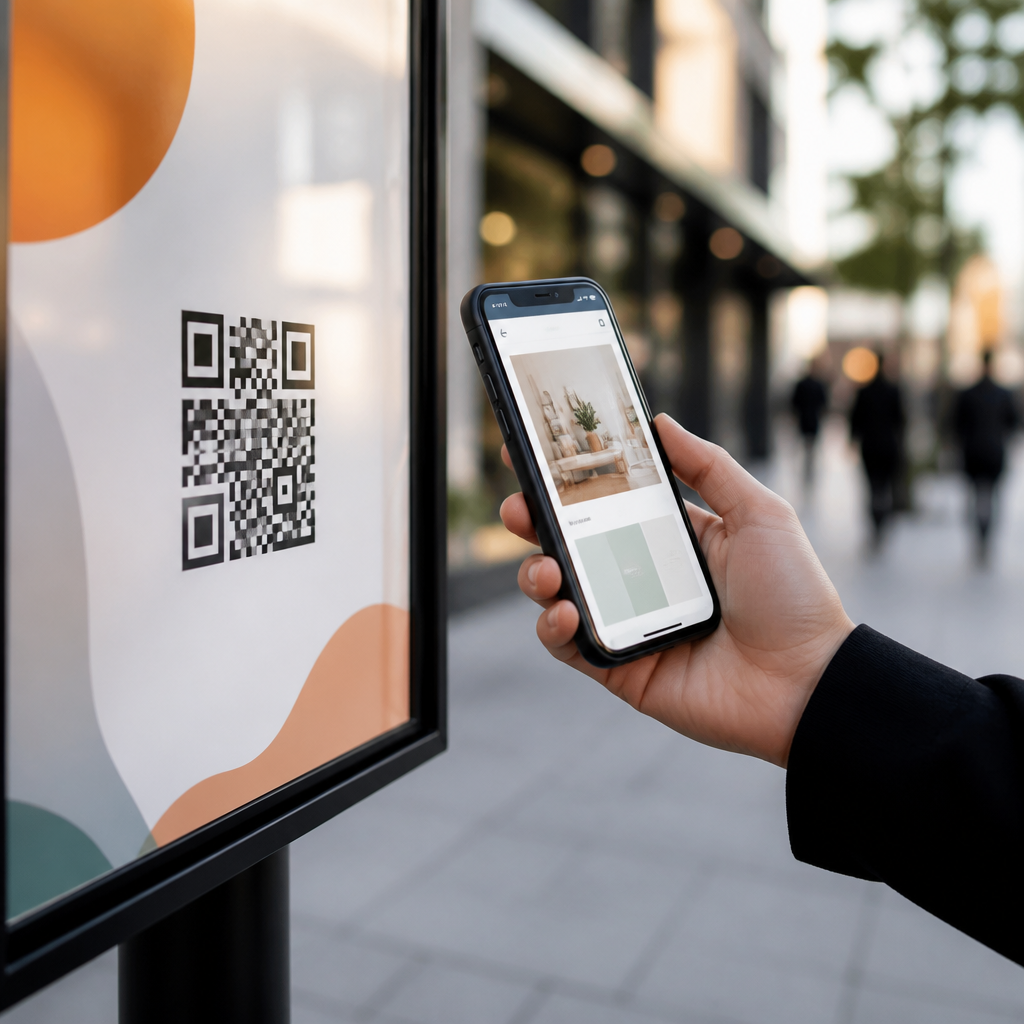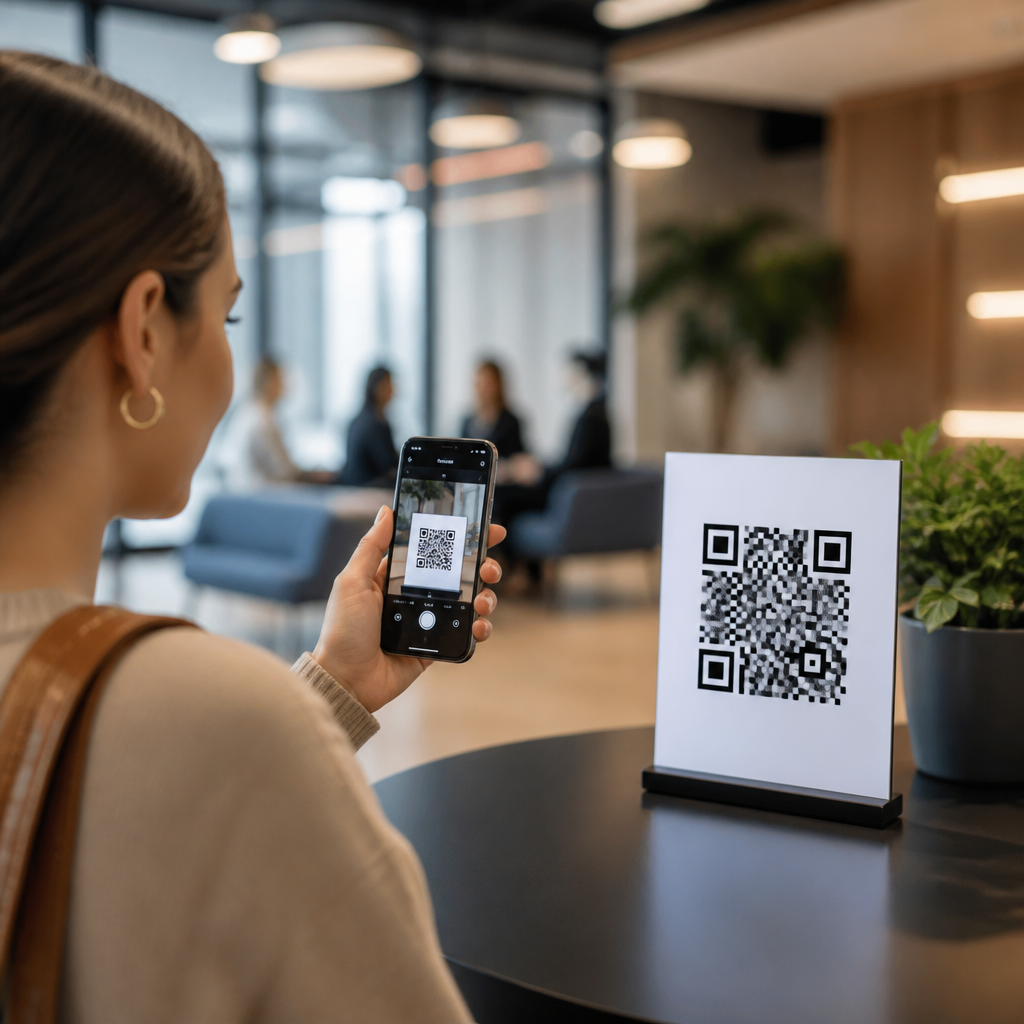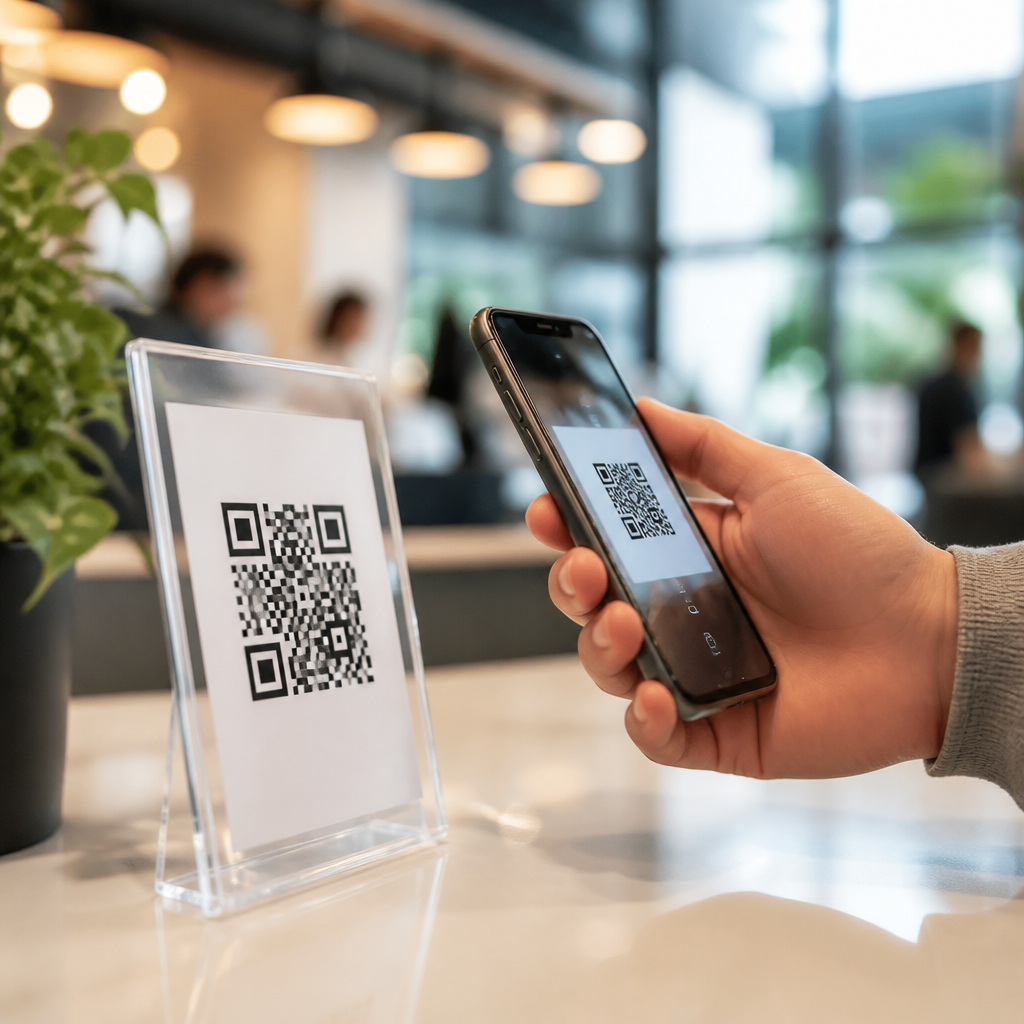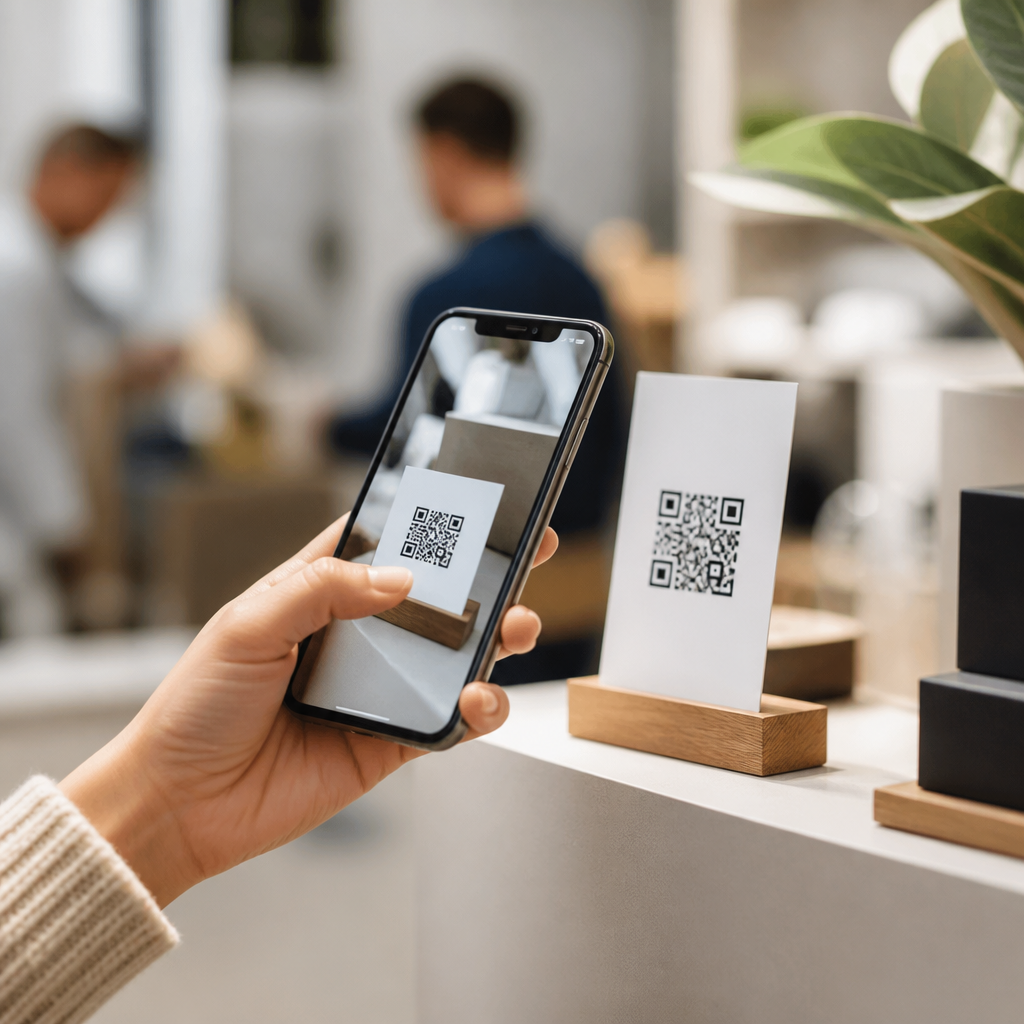
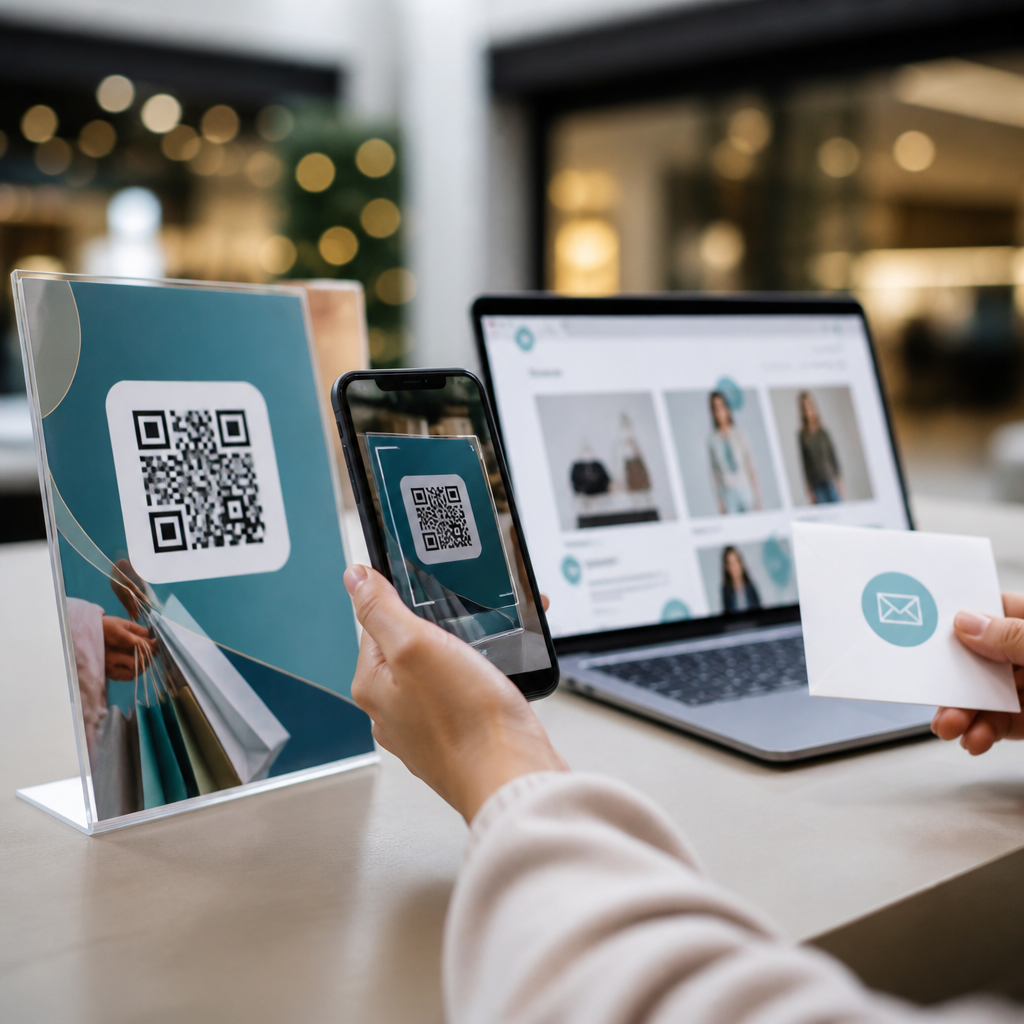
QR codes have become one of the most practical tools for connecting physical and digital marketing, especially in omnichannel campaigns where brands need one action to move a customer from a printed ad, package, store display, event sign, email, or social post into a measurable online journey. In marketing terms, a QR code is a scannable two-dimensional barcode that stores a destination such as a URL, app prompt, file, coupon, video, form, or payment flow, while cross-channel marketing means coordinating multiple customer touchpoints so each channel supports the next rather than operating in isolation.
This matters because customer journeys no longer follow a straight line. A shopper may see an out-of-home ad on Monday, scan a shelf tag on Wednesday, click a retargeting email on Friday, and finally purchase after comparing reviews on a mobile site. In my own campaign work, QR codes have consistently improved continuity between these moments because they reduce friction at the exact point of interest. Instead of asking people to remember a URL, search later, or download an app before taking action, a scan turns intent into immediate movement.
Used well, QR codes do more than generate traffic. They support attribution, personalize landing experiences, trigger automation, and reveal how offline touchpoints influence digital performance. That is why omnichannel marketing with QR codes is no longer a novelty tactic. It is a durable operating method for brands that want better measurement, faster response, and stronger customer experience across channels.
What Omnichannel Marketing with QR Codes Actually Means
Omnichannel marketing with QR codes means using scannable entry points across physical and digital environments so the customer experiences one connected journey. The code is not the campaign itself. It is the bridge that links channels, data, and intent. A print mailer can drive a scan to a personalized landing page. An in-store sign can open local inventory. Packaging can trigger post-purchase onboarding. Event badges can launch lead capture. Each scan should continue the same conversation started elsewhere.
The distinction between multichannel and omnichannel is important. Multichannel simply means a brand appears in several places. Omnichannel means those places are coordinated through consistent messaging, shared data, and progressive calls to action. A QR code earns its place only when it advances that continuity. For example, a cosmetics brand might run social ads promoting a skin analysis tool, then place matching QR codes on retail endcaps that open the same tool with store-specific product recommendations. That creates message consistency, audience continuity, and measurable behavior across environments.
Dynamic QR codes are central to this model because they allow marketers to change destinations without reprinting the asset. They also support scan analytics such as device type, location, timestamp, and campaign source. Platforms such as Bitly, Flowcode, Beaconstac, QR Code Generator Pro, and Uniqode commonly provide dynamic routing, UTM tagging, and integration options that make cross-channel analysis workable at scale.
Where QR Codes Fit Across the Customer Journey
The strongest cross-channel campaigns map QR codes to customer intent at specific stages rather than placing codes everywhere. At awareness, codes on out-of-home media, packaging, podcast promo cards, and print ads can open educational content, product demos, or store locators. In consideration, codes often link to comparison guides, reviews, testimonials, or configurators. At conversion, they can unlock coupons, carts, appointment booking, financing details, or payment pages. In retention, they support setup guides, loyalty enrollment, referrals, warranty registration, and reorder flows.
I have found that scan motivation changes dramatically by context. Someone seeing a transit poster gives you seconds of attention, so the destination should be immediate and mobile-first, such as a limited offer or nearby store map. Someone scanning packaging at home may accept a longer interaction, including tutorials, accessories, subscription options, or community content. Event attendees often want speed and relevance, so lead forms should be short and prefilled when possible. Matching code placement to user intent is the difference between novelty scans and meaningful pipeline movement.
One overlooked benefit is journey compression. When a QR code removes several steps, customers progress faster between awareness and action. A furniture retailer, for example, can place codes on showroom tags that open augmented room previews, financing information, and checkout support from one mobile page. That turns a static display into an interactive sales path without requiring a sales associate for every question.
High-Performing Channel Combinations and Real Campaign Patterns
Cross-channel performance improves when QR codes are paired with channels that create curiosity in one place and fulfillment in another. Direct mail plus personalized landing pages is a classic example. A regional insurance provider can mail renewal reminders with household-specific QR codes that route existing customers to the correct policy page, reducing service calls and improving completion rates. Retail signage plus paid social retargeting is another powerful pattern. A shopper scans a code near a product display but leaves without buying; the scan event can place that user into an audience for social reminders or email follow-up, depending on consent and platform rules.
Packaging plus lifecycle marketing is especially effective because the scan happens after purchase, when interest is high. Consumer electronics brands often use box inserts with setup QR codes that lead to onboarding flows, accessory recommendations, warranty registration, and support articles. Hospitality campaigns also benefit. Hotels can place room QR codes that open dining menus, spa bookings, local guides, and loyalty enrollment. The code creates a service hub while generating first-party behavior data.
| Channel Pairing | Best QR Destination | Main Goal | Typical Metric |
|---|---|---|---|
| Print ad + mobile landing page | Offer, explainer video, store locator | Response from offline media | Scan rate and session conversion |
| Retail shelf + product detail page | Reviews, specs, inventory, coupon | In-store conversion support | Assisted sales and coupon redemption |
| Packaging + onboarding hub | Setup guide, warranty, upsell | Retention and post-purchase value | Registrations and repeat purchase rate |
| Event signage + lead form | Demo booking, brochure, contact capture | Qualified lead generation | Form completion and meeting rate |
| Email + physical insert | Personalized account or loyalty page | Cross-device continuity | Repeat engagement and account actions |
These combinations work because each one solves a practical handoff. The physical channel creates attention, while the mobile destination closes the information gap immediately. The best campaigns treat that handoff as a designed experience, not an afterthought.
Measurement, Attribution, and Campaign Operations
Marketers often ask whether QR codes are measurable enough for serious budget decisions. The answer is yes, if the campaign architecture is disciplined. Every code should map to a distinct source, audience, placement, creative, and objective. That usually means dynamic QR codes, UTM parameters, short but descriptive naming conventions, and analytics configured in Google Analytics 4, Adobe Analytics, or another event-based platform. CRM integration matters too. If a scan leads to a form fill, purchase, or account action, that event should flow into Salesforce, HubSpot, Marketo, or the system your team uses for lifecycle reporting.
Attribution still has limits. A scan tells you someone engaged with a placement, not necessarily that the placement alone caused the sale. View-through effects, shared devices, privacy restrictions, and delayed conversions complicate analysis. The reliable method is triangulation: compare scan data, landing page behavior, assisted conversions, redemption rates, and geographic lift. For store-based campaigns, I usually recommend using unique codes by location or display zone. That reveals whether placement quality, foot traffic, or local messaging drove the difference.
Operationally, governance matters more than most teams expect. Broken links, expired offers, non-mobile pages, and duplicate codes can undermine performance fast. Establish ownership for creation, QA, destination updates, analytics tagging, and creative approvals. Use redirects carefully, keep pages lightweight, and test scans on both iOS and Android under real lighting conditions. ISO and GS1 standards are increasingly relevant where QR codes intersect with packaging, retail operations, and product identification, so enterprise teams should coordinate with packaging and compliance stakeholders early.
Design Rules, Customer Experience, and Common Mistakes
A QR code should be easy to scan, easy to trust, and worth the effort. Size, contrast, quiet zone, and placement affect scan reliability. As a working rule, the farther the code is from the viewer, the larger it must be; for posters and signs, inadequate sizing is one of the most common reasons campaigns underperform. High contrast, strong lighting, and uncluttered placement matter more than decorative styling. Branded frames and logos can help recognition, but only if error correction and testing preserve readability.
The call to action is just as important as the code itself. “Scan me” is weak. “Scan to compare plans,” “Scan for ingredients,” or “Scan to book a demo in 30 seconds” gives a clear reward. Landing pages must continue the promise exactly. If the sign offers a discount, the destination should display it immediately without extra searching. If the code appears in a store, the page should open fast on mobile data, respect local context, and avoid intrusive pop-ups.
Trust signals matter because users are being asked to open a link from the physical world. Recognizable branding, a clear destination preview, HTTPS security, and privacy-friendly forms improve confidence. Avoid sending scans to generic homepages. Avoid forcing app downloads before delivering value. Avoid printing static codes when campaign details may change. Most of all, avoid deploying QR codes without a reason tied to customer intent. A pointless code trains audiences to ignore the next one.
Building a Hub Strategy for Omnichannel QR Code Campaigns
As the hub page for this subtopic, the practical goal is to organize omnichannel QR code strategy into repeatable components your team can scale. Start with channel-specific playbooks: direct mail, retail signage, packaging, events, out-of-home, email companion pieces, and customer service materials. Then define standard destinations such as offer pages, product detail pages, onboarding hubs, support centers, booking flows, and loyalty enrollment paths. Next, standardize naming conventions, QR management tools, analytics parameters, creative specifications, and testing checklists. This turns one-off tactics into a system.
Internal education is part of the strategy. Sales, retail, customer success, and brand teams all influence where codes appear and what they promise. Give them templates and examples. Show what good looks like: a restaurant group using table tents to grow loyalty membership, a healthcare provider using appointment reminder mailers with secure mobile check-in, or a B2B manufacturer using trade show booth codes tied to product-specific follow-up. When stakeholders see QR codes as journey infrastructure rather than decoration, cross-channel performance improves.
From here, the most useful next steps are deeper articles on measurement, retail activation, packaging strategy, event lead capture, creative best practices, and dynamic QR code governance. That is how a hub works: it defines the operating model, then connects each subtopic to executable detail.
QR codes in cross-channel marketing campaigns work because they remove friction at the exact moment a customer wants to act, and they do it in a format that is measurable, flexible, and familiar. The core principle is simple: every scan should continue a coordinated journey, not interrupt it. When the code, context, destination, and data model align, brands gain better attribution, stronger customer experience, and more efficient movement between offline attention and digital action.
The most effective omnichannel marketing with QR codes is built on discipline. Use dynamic codes when destinations may change. Match each code to a specific stage in the customer journey. Write clear calls to action. Send users to mobile-first pages that fulfill the promise immediately. Track scans with consistent analytics and connect outcomes to CRM or commerce systems. Test every asset in real conditions, and refine placements based on conversion data rather than assumptions.
If you are building or improving a QR code marketing strategy, start with one high-intent journey such as direct mail to booking, retail signage to product detail, or packaging to onboarding. Measure it carefully, document what works, and expand from there. A well-run omnichannel QR program turns scattered touchpoints into one connected marketing system.
Frequently Asked Questions
1. How do QR codes support cross-channel marketing campaigns?
QR codes help bridge the gap between offline and online touchpoints, which is exactly what cross-channel marketing is designed to do. A customer may first see a brand in a printed flyer, on product packaging, in a retail display, at an event booth, inside a direct mail piece, or even on a digital screen. By scanning a QR code, that customer can be moved immediately into a measurable digital experience such as a landing page, product catalog, sign-up form, promotional offer, app download, loyalty program, video, or checkout flow. This creates a smoother path from awareness to action because the user does not need to manually type a web address or search for the brand later.
From a campaign strategy standpoint, QR codes make it easier to coordinate messaging across channels. A brand can use the same campaign concept in print, in-store, email, social media, and events, while tailoring each QR code destination to the audience and placement. For example, a code on packaging might lead to product education, while a code in a store display might lead to a limited-time offer. Because scans can be tracked, marketers also gain better visibility into which physical placements are driving engagement, which channels influence conversions, and how users move from one touchpoint to the next. That combination of convenience, consistency, and measurement is what makes QR codes so valuable in omnichannel campaigns.
2. Where should brands place QR codes in a cross-channel campaign for the best results?
The best placement depends on campaign goals, customer behavior, and context, but strong QR code performance usually comes from putting codes where interest and intent naturally occur. Common high-performing placements include product packaging, shelf talkers, posters, trade show signage, restaurant tables, direct mail pieces, brochures, receipts, window displays, print ads, business cards, and event materials. In digital contexts, QR codes can also appear in emails, presentation slides, connected TV ads, social graphics, or livestream overlays when the goal is to move users from one screen or environment to another quickly.
Placement should always be practical and user-friendly. The code needs to be large enough to scan easily, displayed with sufficient contrast, and positioned where users have enough time and space to interact with it. A code on a highway billboard, for instance, is much less useful than one on a bus shelter, countertop sign, or in-store display where people can stop and scan safely. It also helps to pair the QR code with a clear call to action such as “Scan to redeem 15% off,” “Scan to see the demo,” or “Scan to join the loyalty program.” Customers are much more likely to engage when they immediately understand what they will get. In short, successful placement combines visibility, relevance, timing, and a compelling reason to scan.
3. What should a QR code lead to in an omnichannel marketing strategy?
A QR code should lead to a destination that matches the customer’s stage in the journey and the context in which the code appears. In an omnichannel strategy, the destination should not be generic unless there is a strong reason for it. Instead, it should feel like a continuation of the message or experience that prompted the scan. If the code appears on product packaging, it may lead to setup instructions, care guides, ingredients, styling inspiration, or replenishment options. If it appears at an event, it may direct visitors to a lead form, schedule a demo, download a brochure, or claim an attendee-only offer. If it appears in direct mail, it could take users to a personalized landing page or campaign-specific promotion.
The destination should also be mobile-optimized, fast-loading, and designed for conversion. Since most QR code scans happen on smartphones, a poor mobile experience can waste campaign interest immediately. Marketers should align the page with the source channel, maintain message consistency, and minimize friction by reducing unnecessary steps. In many cases, the best destination is not just a web page, but a complete next action: add-to-cart, appointment booking, coupon activation, account sign-up, payment, content download, or app install. When the post-scan experience feels relevant and easy, the QR code becomes more than a bridge between channels; it becomes a practical conversion tool within the larger customer journey.
4. How can marketers track and measure QR code performance across channels?
QR code tracking is one of the main reasons these codes are so effective in modern marketing. By using dynamic QR codes and campaign-specific URLs, marketers can monitor scan volume, time of scan, device type, location data in some cases, and downstream actions such as form submissions, purchases, downloads, or registrations. This allows teams to see not only how often a code is scanned, but also which placements and channels actually contribute to business outcomes. A code on an in-store sign may generate fewer scans than one in direct mail, for example, but the store-based scans might convert at a higher rate. That kind of insight helps improve both creative and budget allocation.
For more reliable measurement, marketers often combine QR codes with UTM parameters, analytics platforms, CRM integration, and conversion tracking tools. Each code should be tied to a specific campaign, placement, or audience segment so performance can be analyzed with precision. It is also helpful to compare scan data with larger campaign metrics such as revenue, lead quality, retention, repeat purchase rate, and assisted conversions. In cross-channel marketing, not every scan produces an immediate sale, so the broader goal is understanding how QR interactions contribute to the full path to conversion. When set up well, QR code analytics can reveal which offline assets are working, how physical and digital channels support each other, and where campaign optimization will have the greatest impact.
5. What are the most important best practices for using QR codes in cross-channel campaigns?
The most important best practices are clarity, relevance, usability, and follow-through. First, always give users a reason to scan. A QR code without context is easy to ignore, but a code paired with a specific value proposition such as exclusive content, a discount, faster checkout, product details, or event registration is much more effective. Second, make sure the destination is directly aligned with the channel and campaign message. If a person scans a code from a packaging insert about product support, they should not land on a generic homepage and be forced to search for information. The experience should feel intentional and connected.
Third, focus on technical and design quality. Use a high-resolution code, provide enough white space around it, test it on multiple devices, and ensure the linked page loads quickly on mobile connections. Keep the code visible and accessible, and avoid placing it where lighting, distance, curvature, or motion make scanning difficult. Fourth, whenever possible, use dynamic QR codes so destinations can be updated without reprinting materials and performance can be tracked over time. Finally, treat QR codes as part of a larger campaign system rather than a standalone tactic. Their real value comes from connecting touchpoints, simplifying customer action, and generating measurable movement from physical exposure to digital engagement. When brands apply these best practices consistently, QR codes become a reliable and scalable tool in cross-channel marketing.