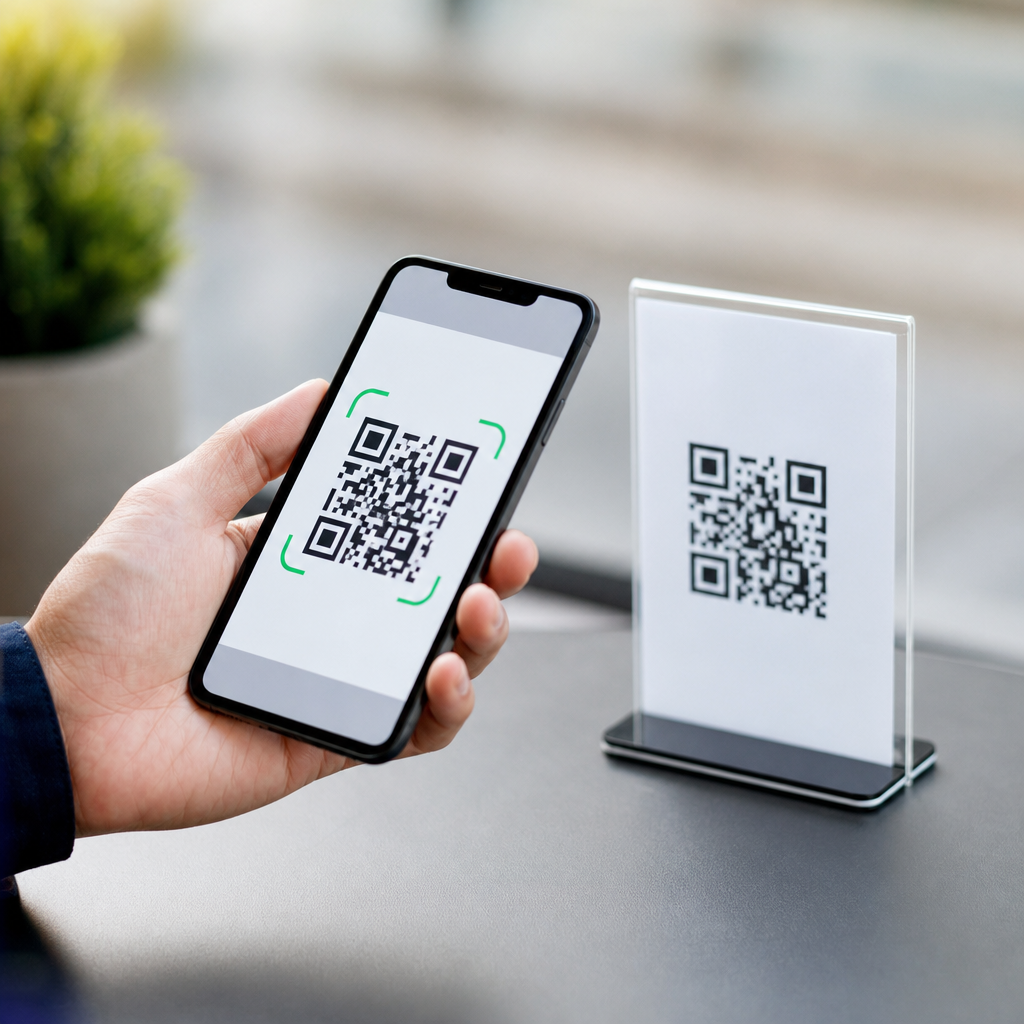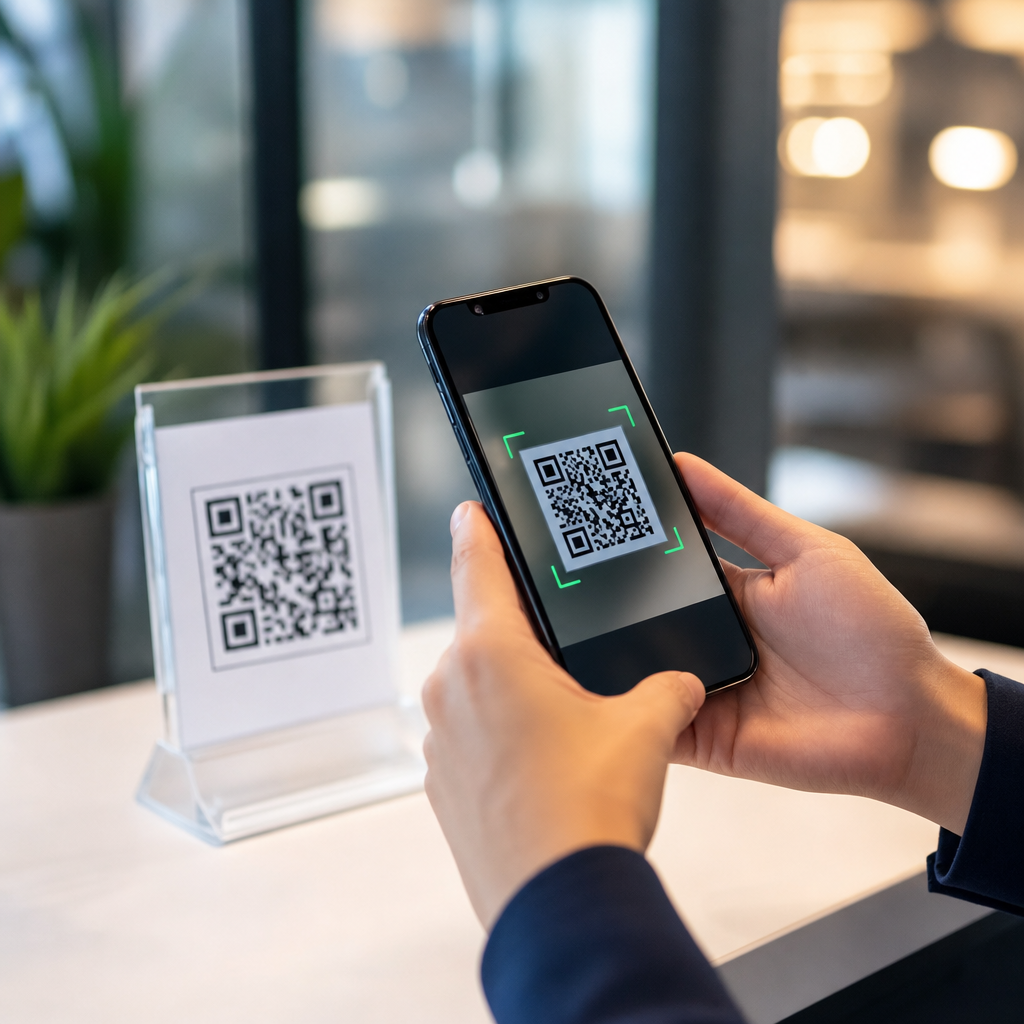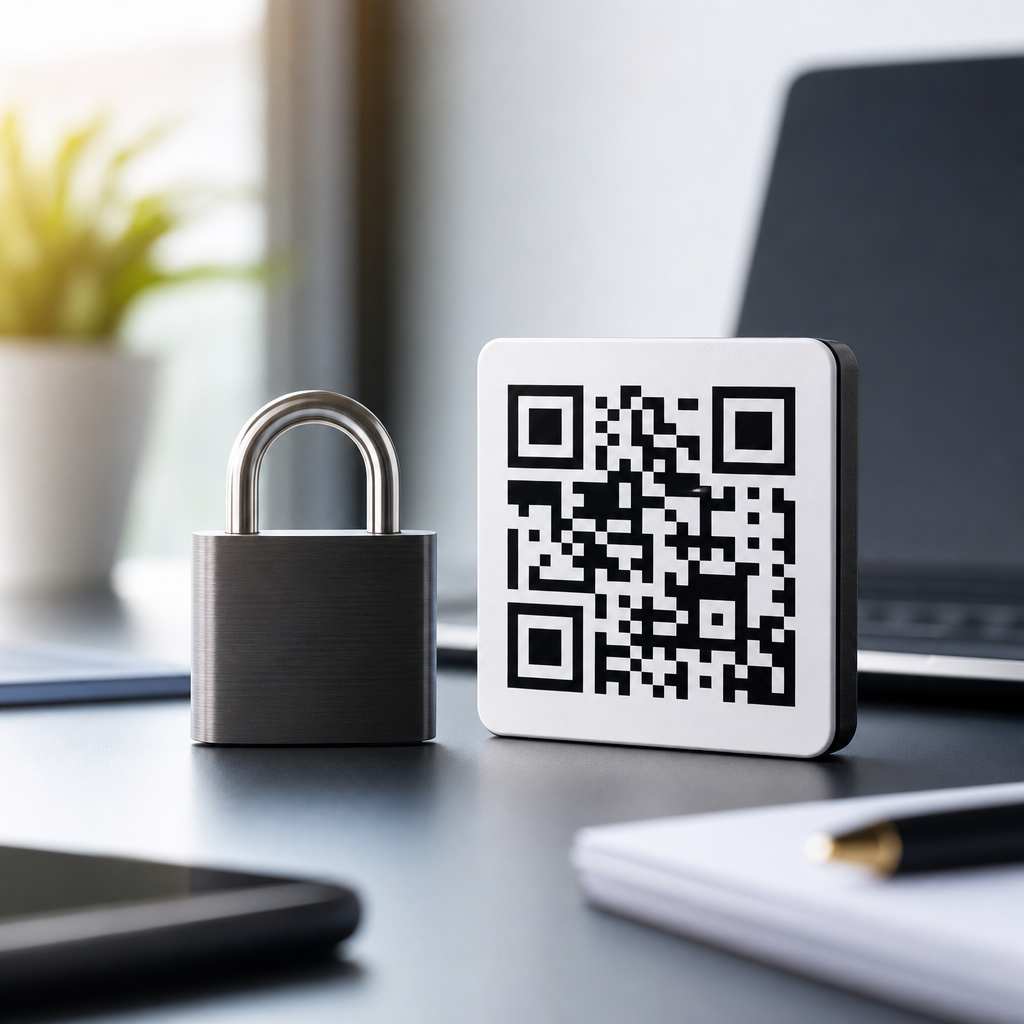
Secure QR code design strategies start with a simple truth: the square pattern people trust can carry both convenience and risk. A QR code is a two-dimensional barcode that stores data such as a URL, payment token, login instruction, contact card, or device configuration. Because a smartphone camera can read it instantly, a code can move a user from a physical surface to a digital action in seconds. That speed is exactly why secure QR code practices matter. In my work reviewing print campaigns, restaurant menus, payment posters, packaging, event passes, and onboarding flows, I have seen strong designs reduce fraud, support compliance, and improve conversion at the same time.
Secure QR code practices include technical controls, visual design choices, content governance, and post-launch monitoring. Technical controls protect the destination and the data flow. Visual design helps users recognize authentic codes and notice tampering. Content governance determines what the code should do, who can change it, and how updates are approved. Monitoring catches failures after deployment, when damaged labels, malicious overlays, or expired landing pages can quietly create risk. When these layers work together, a QR program becomes resilient rather than merely functional.
The threat landscape is broad but predictable. Attackers use sticker swaps on public posters, fake payment codes at checkout counters, malicious redirects in compromised short links, and social engineering on signs that ask users to scan for rewards, parking, or urgent account fixes. The FBI and multiple national cyber agencies have warned about QR phishing because the code hides the destination until after the scan. Unlike a plain printed URL, the symbol itself is opaque to most people. That opacity makes design and governance more important than many teams realize.
This hub article explains secure QR code design strategies in practical terms. It defines the core decisions that shape safe deployment: static versus dynamic codes, branded versus generic appearance, redirect architecture, domain strategy, mobile landing page design, analytics controls, print placement, and tamper evidence. It also covers how secure QR code practices support privacy obligations, accessibility, payment safety, and measurable campaign performance. If you manage packaging, retail, hospitality, healthcare, logistics, field service, education, or event operations, the same principles apply: make the destination trustworthy, make the action obvious, and make abuse difficult.
Choose the right QR architecture before you design
The first secure design decision is architectural, not visual. Static QR codes embed a fixed destination directly in the symbol. Dynamic QR codes point to a managed redirect that can be updated later. For most organizations, dynamic infrastructure is safer because it supports controlled edits, link retirement, device-aware routing, and incident response. If a destination changes, you update the redirect rather than replacing every printed asset. If abuse appears, you can disable the destination immediately, review logs, and rotate the campaign without waiting for physical materials to be reprinted.
That flexibility does not remove risk; it moves risk into the redirect layer, which must be protected. Use HTTPS only, enforce HSTS on the serving domain, limit who can edit destinations, and keep audit logs that record every change. Redirect platforms should support role-based access control, SSO, MFA, and environment separation. A marketing intern should not have the same privileges as a security administrator. I strongly recommend using a first-party domain rather than a generic shortener, because recognizable domains increase trust and reduce the chance that anti-phishing systems or cautious users will block the scan journey.
URL structure also matters. Prefer human-readable paths such as /menu, /warranty, or /pay/store-14 over random strings when the path may appear in a preview before the page loads. Keep campaign naming consistent so support teams can trace a code back to its owner, print batch, location, and purpose. If a QR code launches Wi-Fi setup, contact cards, or app deep links instead of a web page, document the exact payload and test behavior on iOS and Android. Secure QR code practices begin with predictable behavior.
Build visible trust into the code and its surroundings
Most QR fraud succeeds because users have too little context. A secure code should never appear as an unexplained square floating on a sign. It needs surrounding cues that answer three questions before the scan: what this code does, where it should lead, and why the user should trust it. Add a clear callout such as “Scan to view the official menu at brand.com” or “Scan to verify your service appointment.” Naming the destination domain in plain text gives users a point of comparison if their phone displays a different preview or if the landing page looks inconsistent.
Branding helps, but it must be done carefully. A center logo, custom color palette, or shaped finder patterns can increase recognition, yet aggressive styling can hurt scan reliability, especially in low light or on older phone cameras. Follow ISO/IEC 18004 tolerances, preserve adequate quiet zones, and test printed samples at intended viewing distances. Dark code on a light background remains the safest pattern. If you invert colors, print on metallic packaging, or place a code behind reflective acrylic, test under realistic conditions. I have seen beautiful codes fail simply because overhead lighting reduced contrast at checkout.
Placement can either support trust or undermine it. Put the code near the action it triggers, not buried in dense copy. On payment stands, place it next to the amount confirmation, accepted payment marks, and merchant name. On product packaging, place it near support or authenticity information, not across a seam where the symbol can distort. In public spaces, avoid surfaces that are easy to cover with fraudulent stickers. Laminated tabletop tents, tamper-evident labels, serialized assets, and periodic inspection routines all reduce sticker-swap risk in the real world.
Design the destination as part of the security model
A secure QR code does not end with a successful scan. The landing page or app state is part of the security model because that is where users decide whether to continue. The page should load fast, use HTTPS, present a domain that matches the printed expectation, and clearly restate the action: menu access, ticket validation, account login, payment, product registration, or support. If the code initiates payment, show the merchant name, amount, store identifier, and a confirmation step before funds move. Ambiguity is the enemy of safe mobile interaction.
Keep forms minimal. Every additional field increases abandonment and privacy exposure. Collect only what is necessary, and explain why each field is needed. For example, warranty registration may require a serial number and email, but not date of birth. If authentication is required, use standard identity flows rather than improvised passcode prompts embedded in a landing page. For high-risk actions, enforce reauthentication, fraud scoring, or step-up verification. Deep links into an authenticated app can be safer than browser flows when the app validates session state and device integrity correctly.
Mobile usability directly affects security. Users who struggle to navigate a page are more likely to miss warning signs or retry on a malicious alternative. Use large tap targets, readable type, and concise copy. If an app is required, say so before the scan where possible. If a code can open either a native app or a web fallback, make the fallback fully functional enough to prevent dead ends. The best secure QR code practices reduce confusion because confused users are easier to trick.
Protect data privacy, compliance, and analytics discipline
QR programs often look simple to business owners, but they can create a meaningful privacy footprint. Scan data may include timestamp, approximate location, campaign source, device type, and downstream behavior on the landing page. If the code gates health information, student data, account access, or employee systems, obligations become stricter. Map what data is collected at scan, redirect, and destination stages. Then apply data minimization, retention limits, lawful basis review where required, and clear notices. A code that starts anonymous should not silently become a profile-building tool without disclosure and control.
Analytics tags deserve special caution. UTM parameters, ad platform identifiers, and session replay tools can be useful, but they also create leakage and governance issues. Never expose secrets, customer IDs, or internal environment names in query strings. Avoid passing personal data in URLs because URLs may be logged by browsers, servers, analytics tools, and support systems. Where campaign measurement is necessary, use short-lived tokens or server-side attribution methods. Consent banners should reflect actual tracking behavior, especially in regions covered by GDPR, ePrivacy rules, or state privacy laws.
Teams should decide early whether the QR experience is transactional, informational, or identity-linked. That classification informs security controls, notice language, and retention settings. A museum exhibit code that opens a public article needs a lighter model than a patient intake code in a clinic. In audits, weak documentation is a recurring problem: organizations can show the printed asset but not the destination history, approval chain, or data handling design. Maintain a register of active codes, owners, domains, purposes, and retirement dates. Governance is a secure design strategy, not paperwork after the fact.
Use operational controls that keep codes safe after launch
Many QR incidents happen after a campaign goes live, when nobody is watching closely. Operational controls keep a secure design secure over time. Every code should have an owner, a review cadence, and an incident plan. At minimum, monitor uptime, certificate validity, redirect integrity, and unusual traffic spikes by geography, device type, or referrer class. Sudden changes can indicate bot scraping, social virality, or abuse. Broken destinations are not just marketing failures; they train users to ignore context and click through uncertainty on the next scan.
Physical inspection matters just as much as digital monitoring. Staff should know how authentic labels look and where codes are installed. In restaurants and parking areas, add a simple routine to opening or closing checks: verify that the code is present, untampered, and pointing to the expected domain. For distributed environments such as retail chains or campuses, photograph each installed asset and store reference images centrally. If a suspicious overlay appears, teams can compare it against the approved original and replace it quickly.
| Practice | Risk Reduced | Practical Example |
|---|---|---|
| First-party HTTPS domain | Phishing and trust loss | brand.com/menu instead of a generic short URL |
| Dynamic redirect with RBAC | Unauthorized edits | Only approved admins can change campaign destinations |
| Tamper-evident placement | Sticker-swap fraud | Serialized labels on payment stands inspected daily |
| Clear pre-scan instructions | User confusion | “Scan to pay Store 14 only” beside the code |
| Destination confirmation screen | Misdirected payments | Merchant name and amount shown before approval |
| Data minimization | Privacy and compliance exposure | Collect email only for warranty registration |
Testing should include edge cases, not just ideal scans in the office. Print samples at final size, on final materials, and in final locations. Test damaged surfaces, low bandwidth, weak lighting, and older devices. Validate that redirects behave correctly if cookies are blocked, JavaScript is limited, or the app is not installed. Security reviews should include open redirect checks, destination allowlists, WAF coverage, and log retention. The best secure QR code practices treat deployment like a living system that needs maintenance, not a one-time graphic deliverable.
Match strategy to use case: payments, authentication, packaging, and access
Different use cases need different safeguards. Payment QR codes carry the highest immediate fraud risk because users may move money in seconds. Use merchant-presented payment standards supported by established wallets or banking apps, display the merchant name clearly, and avoid static account destinations posted in uncontrolled public areas. Where possible, generate transaction-specific amounts and identifiers. Authentication codes, such as login pairing or device enrollment, should expire quickly, bind to a session, and require server-side confirmation. A code printed on a poster should never grant privileged access by itself.
Product packaging and authenticity programs benefit from serialization and verification flows. A single universal code can open a product page, but a unique code per item can support provenance checks, recall instructions, loyalty, and gray-market detection. That approach requires database discipline and anti-enumeration controls so attackers cannot cycle through sequential IDs. Event and venue access flows should favor signed tokens, short validity windows, and scanner-side verification rather than trust in a screenshot alone. If screenshots are accepted operationally, the security design is already compromised.
For internal operations, QR codes often support asset management, field service, visitor sign-in, and training access. Here, convenience can tempt teams into shortcuts such as embedding raw credentials, internal IPs, or permanent links to sensitive systems. Do not do that. Use broker pages, authenticated portals, and expiring tokens instead. The strongest pattern across all industries is consistent: the code should identify the next step, while controlled systems decide whether the user, device, session, and context are allowed to complete it. Review your current QR estate, document owners and destinations, and upgrade weak codes before scale makes cleanup harder.
Secure QR code design strategies work because they treat the symbol, the destination, and the operating process as one system. The symbol must scan reliably and present enough context to build trust. The destination must confirm intent, protect data, and reduce room for manipulation. The operating process must control edits, watch for abuse, and support quick response when something changes. When organizations focus on only one layer, usually the visual design, they leave openings elsewhere. When they manage all three layers together, QR becomes a safe bridge between physical and digital experiences.
The main benefit is not just lower fraud. Strong secure QR code practices also improve usability, compliance readiness, campaign agility, and customer confidence. A first-party domain increases trust. Dynamic redirects simplify maintenance. Clear landing pages reduce errors. Data minimization limits exposure. Tamper-evident placement and routine inspections address the physical reality of public deployments. These are practical measures that work across menus, payments, packaging, access control, support, and onboarding because they align user expectations with technical truth.
If this page is your hub for secure QR code practices, use it as a checklist for every new deployment. Start with architecture, then validate branding, placement, destination security, privacy controls, monitoring, and use-case-specific safeguards. Retire old codes that nobody owns. Replace generic short links with branded domains. Test in the real environment, not only on a designer’s screen. The teams that do this consistently avoid preventable incidents and build QR experiences people can trust. Review your next code before it goes to print, and make security part of the design from the first draft.
Frequently Asked Questions
What makes a QR code secure or insecure in the first place?
A QR code is not inherently safe or unsafe; its security depends on what it contains, where it appears, and how the destination is managed. At a basic level, a QR code is simply a machine-readable container for information such as a web address, payment request, Wi-Fi credential, app action, or contact record. The risk begins when that encoded action sends a user somewhere unexpected or encourages them to complete a sensitive step without enough context. For example, a code that opens a clearly branded HTTPS landing page on a trusted domain is generally far safer than a code that redirects through multiple shortened links, hides the final destination, or launches a payment prompt without explanation.
Insecure QR code usage often comes from poor design decisions rather than the code pattern itself. Common problems include using generic link shorteners, placing codes in public areas where stickers can be swapped, printing codes too small to scan reliably, or failing to provide visible human-readable cues about the destination. A secure QR code strategy pairs the visual code with surrounding trust signals: recognizable branding, a clear call to action, readable destination text, tamper-aware placement, and destination pages protected by HTTPS and sound web security practices. In other words, secure QR code design is really about reducing ambiguity, preventing manipulation, and helping users verify what will happen before they scan.
How can businesses design QR codes that users are more likely to trust?
Trust starts before the scan. People are more comfortable using a QR code when the design around it answers three questions immediately: who is providing this code, what will happen after scanning, and why should the user do it? The most effective secure QR code designs include visible brand elements, a short descriptive label, and nearby plain-language instructions. Instead of printing an isolated code with no context, a business should say something specific such as “Scan to verify product authenticity,” “Scan to view the restaurant menu,” or “Scan to sign in to the guest network.” That framing reduces uncertainty and helps users recognize if a malicious replacement code is trying to imitate the original.
It also helps to display the destination domain in readable text near the QR code, especially for high-trust actions like payments, account access, downloads, or personal data submission. If the code points to a secure company domain, showing that domain reinforces legitimacy and gives the user a reference point to compare with the preview shown on their device. Consistent typography, color usage, logo placement, and campaign branding all contribute to trust as well, but they should never compromise scan reliability. A secure design balances aesthetics with function: strong contrast, sufficient quiet zone, proper size, and enough error correction to tolerate real-world printing conditions. When users can easily identify the source and purpose of a code, they are much less likely to fall for fraudulent substitutes.
What are the best practices for preventing QR code tampering or malicious replacement?
Physical tampering is one of the most overlooked QR code risks. In stores, lobbies, product packaging, event signage, and public kiosks, attackers can place a fraudulent sticker over a legitimate QR code and redirect users to phishing pages, fake payment portals, or malware downloads. To reduce that risk, secure QR code design should take the physical environment seriously. Codes should be integrated into the printed design rather than added as generic labels whenever possible. Custom backgrounds, brand framing, and tight placement within the overall layout make unauthorized replacement more noticeable. Tamper-evident materials, protective laminates, serialized prints, and periodic inspection routines also help in high-risk environments.
Businesses should also think beyond the printed piece and secure the digital destination. Even if a malicious actor cannot replace the code itself, they may try to exploit weak redirects or outdated landing pages. Use trusted domains, avoid unnecessary redirect chains, and monitor destination URLs continuously. Dynamic QR codes can be useful because they allow updates without reprinting, but they must be managed carefully with access controls, audit logs, and domain ownership protections. For payment scenarios, the destination page should clearly confirm the merchant identity and amount before the user proceeds. The strongest anti-tampering strategy combines smart physical design, visible verification cues, secure hosting, and operational monitoring. That layered approach makes attacks both harder to carry out and easier for users to detect.
Should secure QR codes use static or dynamic links?
Both static and dynamic QR codes can be secure, but they serve different purposes and carry different operational considerations. A static QR code directly encodes the final destination or data. It is simple, durable, and often appropriate when the content will never change, such as a permanent contact card or a stable informational page. Because there is no redirect management layer, there may be fewer moving parts to secure. However, if the destination ever changes, the printed code becomes outdated, and there is no easy way to correct it without reprinting materials.
Dynamic QR codes typically point to a managed short URL or redirect service, which then forwards the user to the current destination. This can be valuable for campaigns, packaging, manuals, and signs that may need updates over time. It allows teams to fix broken links, rotate content, track scans, and respond quickly if a landing page needs to be changed. From a security perspective, dynamic codes are neither automatically safer nor less safe. They become secure when the redirect infrastructure is well governed: custom branded domains, HTTPS everywhere, strict account permissions, change logging, monitoring for unauthorized edits, and a clear policy on who can update destinations. If a business uses a generic or obscure redirect domain, users may hesitate, and preview screens may provide less reassurance. In practice, dynamic QR codes are often the better option for real-world campaigns, but only when the management platform and domain strategy are treated as part of the security design.
What should happen after the scan to keep the user experience secure?
The post-scan experience is where QR code security becomes real for the user. A safe design does not stop at the printed square; it continues on the landing page, app flow, or payment screen. After scanning, users should arrive at a page that matches the promise made beside the QR code. If the sign says “View product details,” the user should not be pushed immediately into account creation, payment, or a file download. Consistency between the call to action and the destination reduces suspicion and lowers the chance that users will be manipulated into risky behavior.
The destination should load over HTTPS, display recognizable branding, and present the next step clearly. For sensitive actions such as login, payments, password resets, or device enrollment, the page should include extra verification signals and avoid rushed, high-pressure prompts. Good secure design also minimizes unnecessary data collection. Ask only for the information required to complete the task, and explain why it is needed. If authentication is involved, use standard secure methods such as official login pages, passkeys, or multi-factor authentication rather than obscure embedded forms. For apps and downloads, route users to legitimate app stores or verified sources, not direct unknown files. Finally, monitor analytics and security events tied to QR destinations. Sudden traffic anomalies, unusual geographies, or spikes in failed actions can reveal abuse early. A secure QR code experience is successful when the user can move quickly, understand each step, and verify that nothing unexpected is happening along the way.