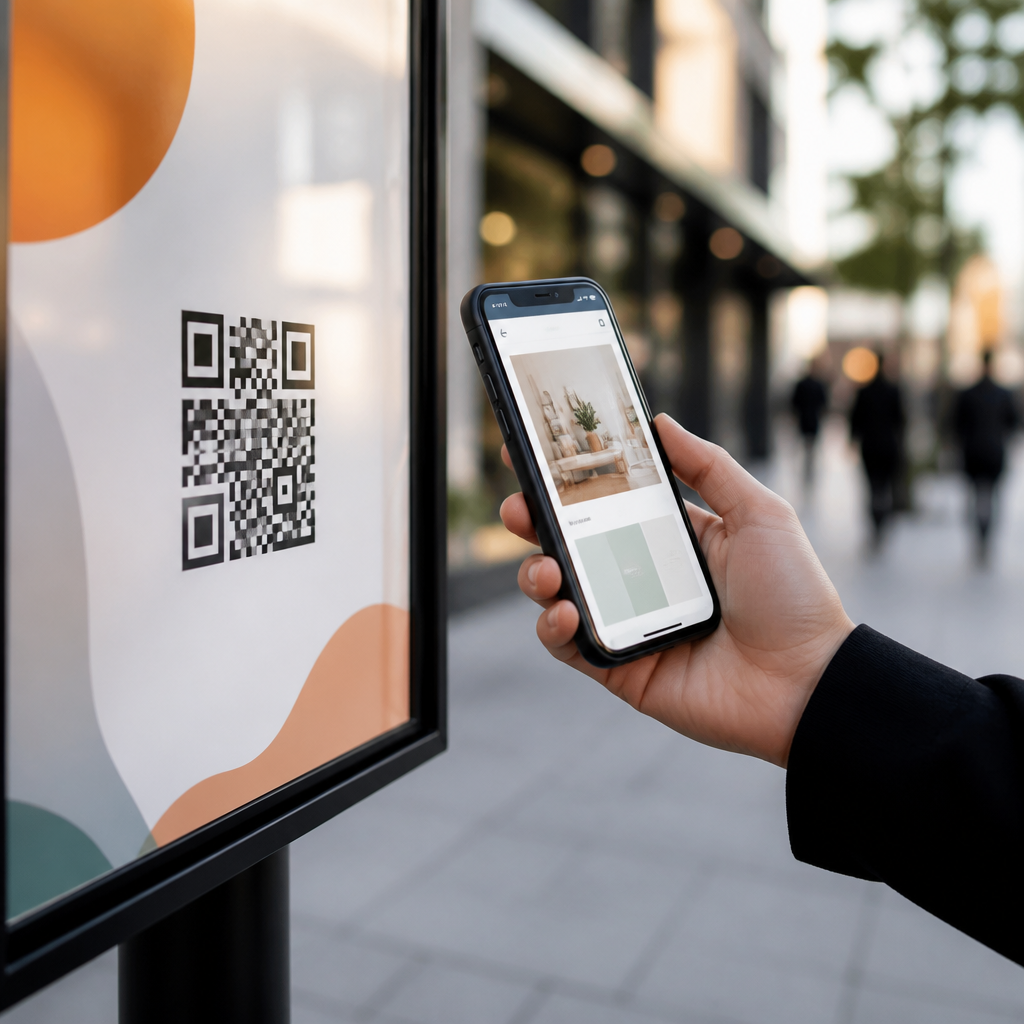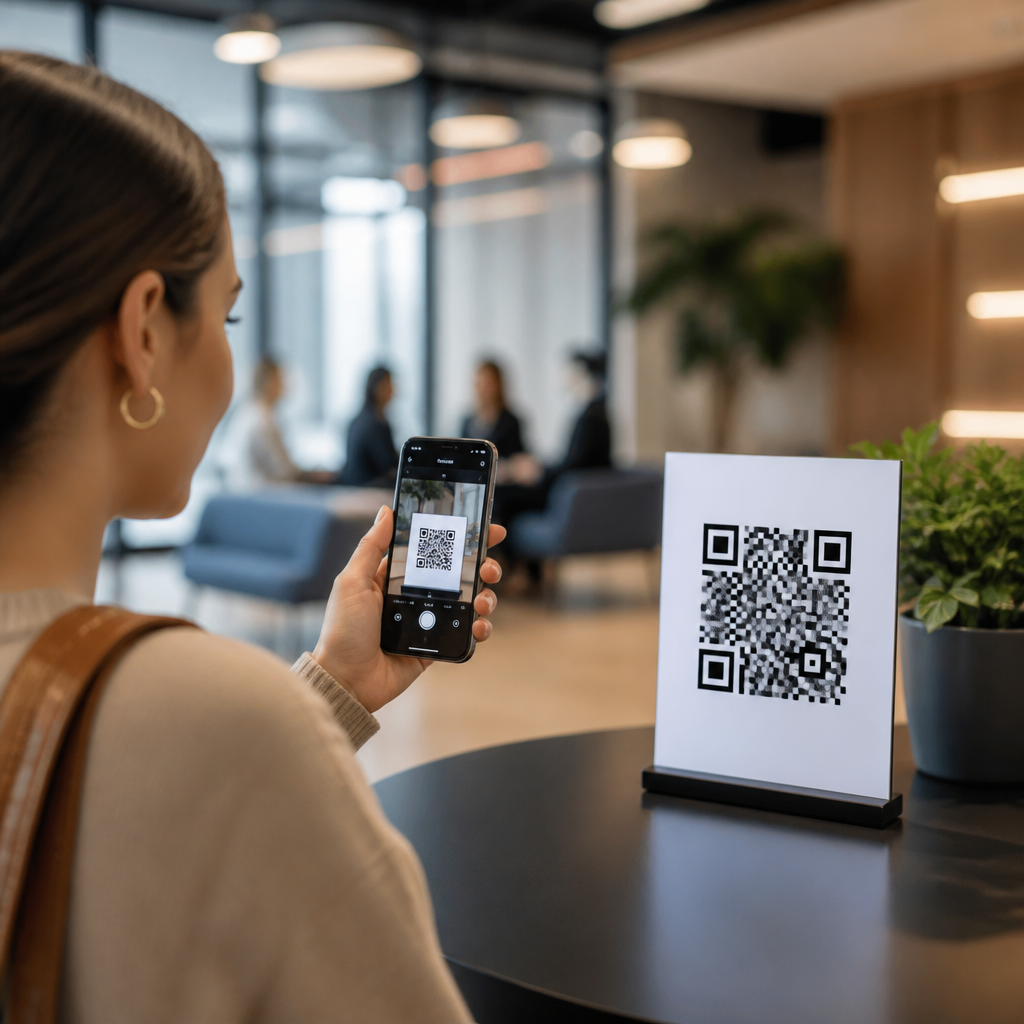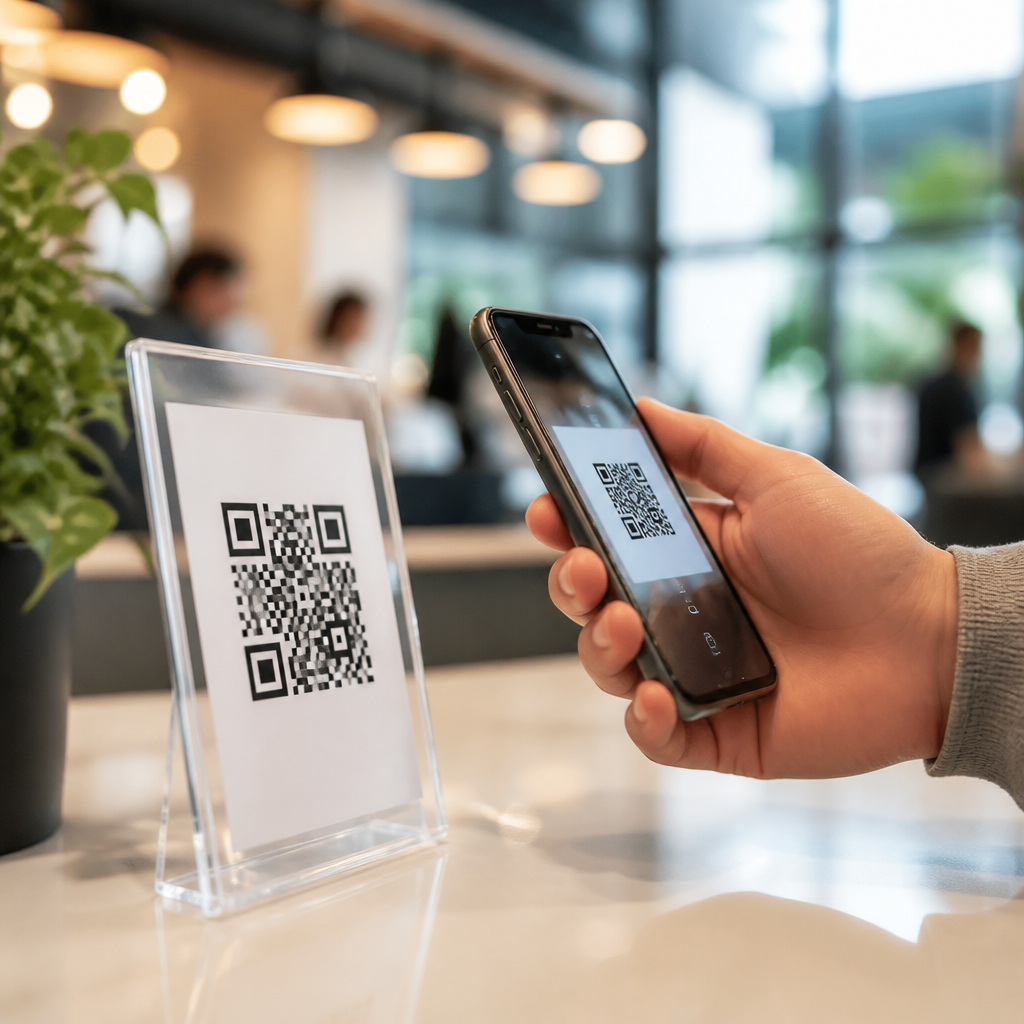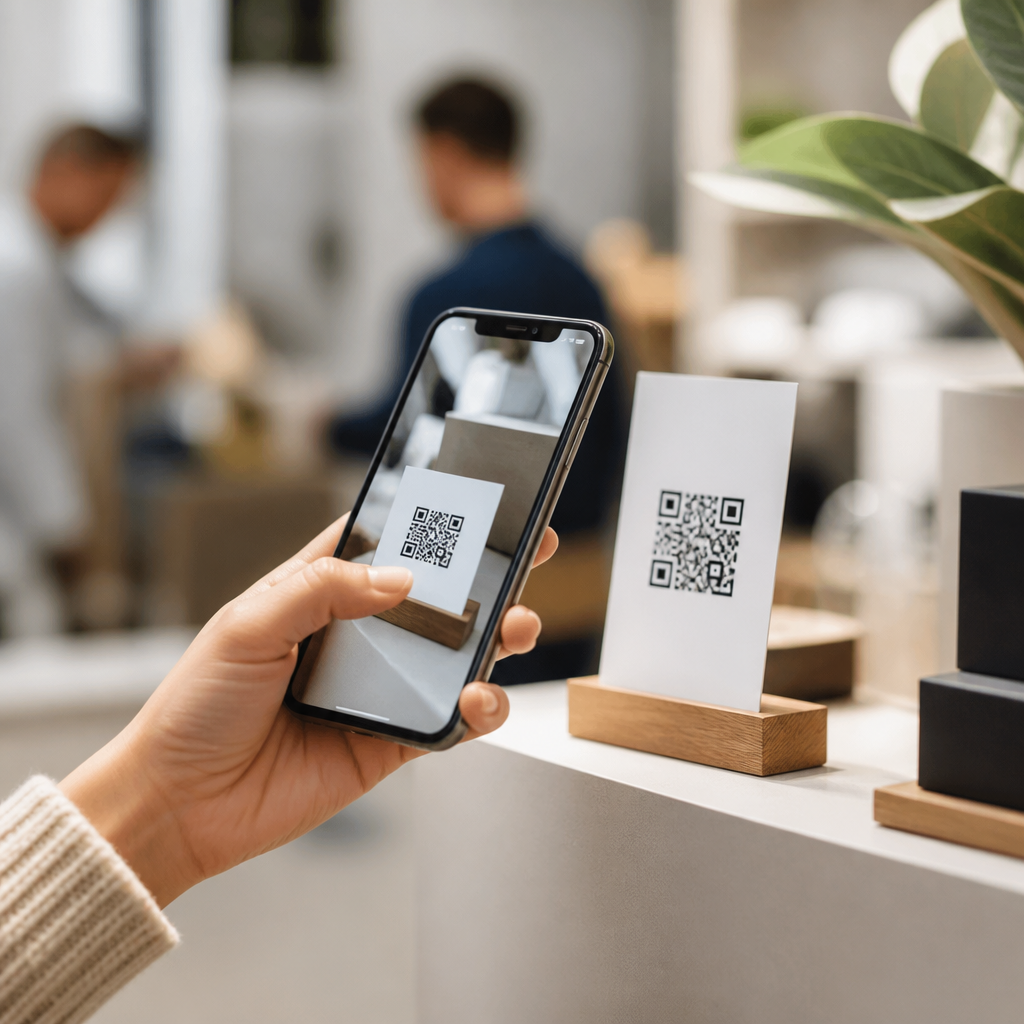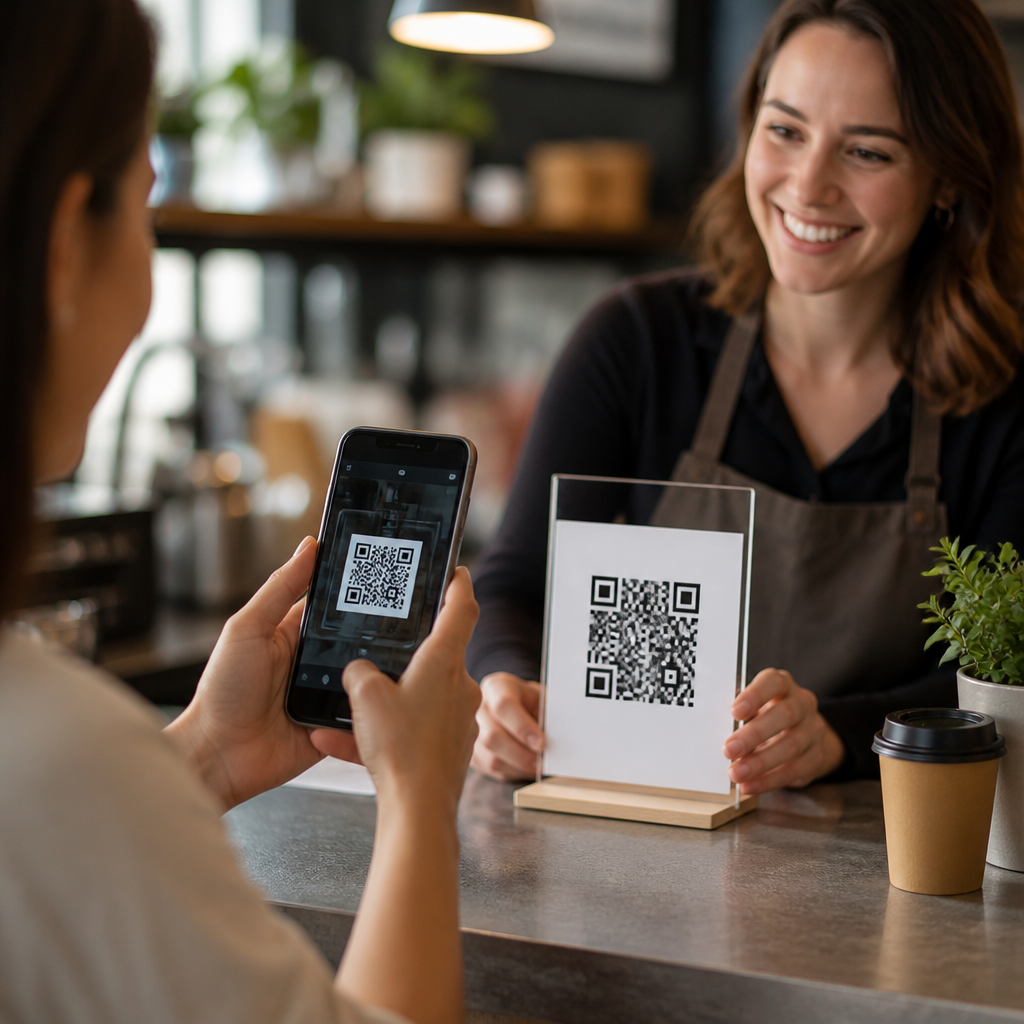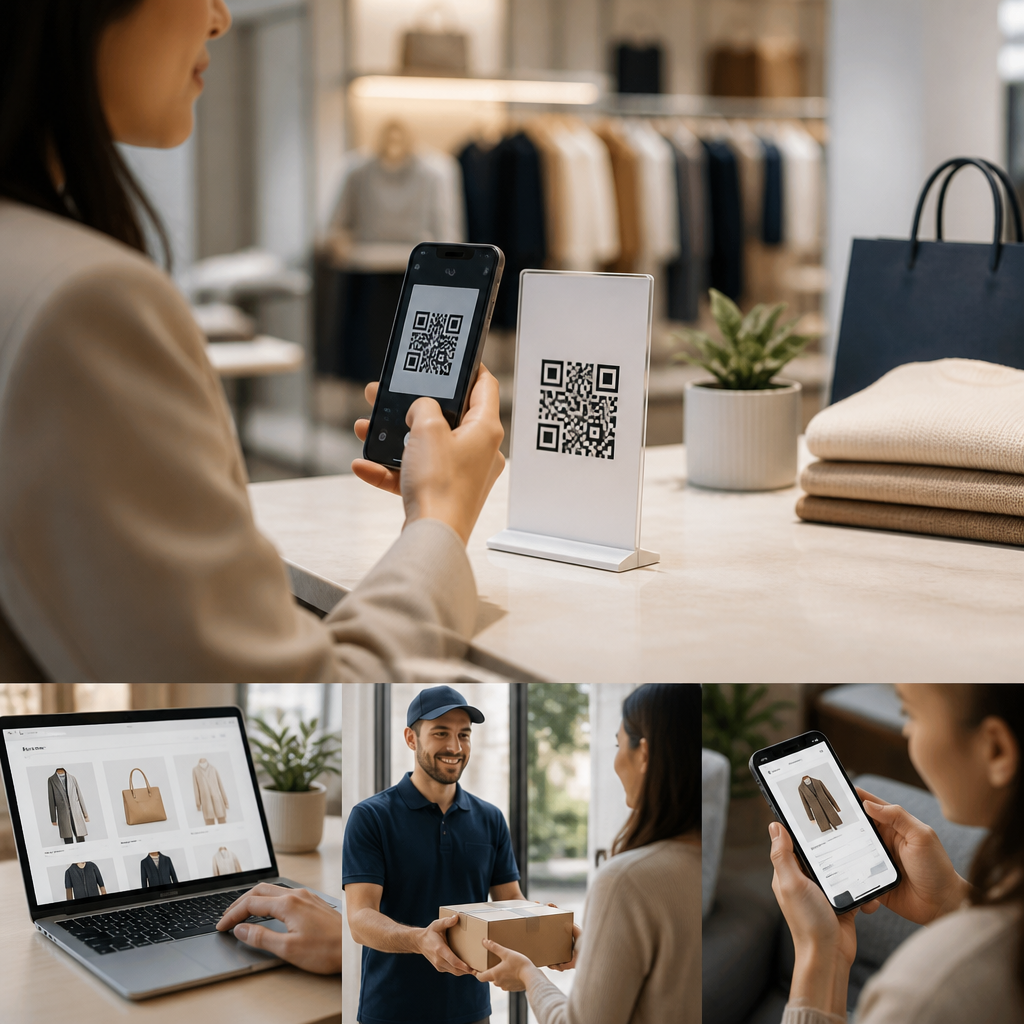
QR codes have become one of the most practical tools for connecting physical and digital touchpoints, which is exactly why they play such a valuable role in omnichannel customer experiences. In simple terms, a QR code is a scannable matrix barcode that sends a customer to digital content, while omnichannel marketing is the coordinated use of channels such as stores, packaging, email, mobile apps, social media, direct mail, and customer service so the experience feels consistent from one interaction to the next. When these two concepts work together, brands remove friction. A shopper can move from a product shelf to a product demo, from a mailer to a personalized landing page, or from a receipt to loyalty enrollment in seconds. I have seen campaigns improve measurably when the code was treated not as a gimmick, but as infrastructure that links each stage of the customer journey.
The reason this matters is straightforward: customers rarely buy in a single session or on a single device. They research on phones, compare on laptops, visit stores, and expect support across every channel. According to widely cited retail and customer experience research from companies such as Salesforce and McKinsey, consumers increasingly expect seamless movement between online and offline environments. A disconnected experience creates drop-off. A connected one increases conversion, satisfaction, and retention. QR codes support that connection because they are fast to deploy, inexpensive to print, easy to measure, and flexible enough to route users to different destinations based on device, location, language, or campaign source. For a marketing team building a hub around omnichannel marketing with QR codes, the core question is not whether codes can help, but where they create the most useful bridge.
Understanding the term omnichannel customer experience is important before planning tactics. Multichannel simply means a business uses multiple channels. Omnichannel means those channels share context. A customer who scans a code on packaging should land on content that recognizes the product, the region, and ideally the stage of ownership. A shopper scanning in-store should not see the same page as someone opening a QR code from a post-purchase insert. The code is only the entry point. The experience improves when the destination page, analytics, CRM logic, and follow-up flows are aligned. That alignment turns a printed square into a measurable handoff between physical media and digital engagement, which is the foundation of effective omnichannel marketing with QR codes.
Why QR codes are effective in omnichannel marketing
QR codes improve omnichannel execution because they reduce the effort required to move customers from attention to action. Typing a URL, searching for a product, or downloading an app later introduces delay and abandonment. A scan closes that gap instantly. In campaigns I have worked on, the biggest gains came from putting codes at moments of high intent: in-store signage beside a product comparison, event booths offering instant registration, packaging inserts for setup help, and receipts prompting warranty registration. Each use case gave the customer a clear next step without forcing them to remember anything. That immediacy is the practical advantage marketers often underestimate.
They also support consistency across channels because the same code can be dynamically managed. Using platforms such as Bitly, QR Code Generator Pro, Uniqode, or Adobe experience landing pages, teams can update destinations without reprinting materials. A direct-mail piece can initially point to a campaign page, then later redirect to a store locator or FAQ if the promotion ends. Dynamic codes also enable UTM tagging, first-party analytics capture, and integration with marketing automation systems. That means a scan from packaging can trigger onboarding emails, while a scan from an event badge can place a lead into a sales nurture sequence. The customer sees convenience; the business gains continuity and measurement.
Another reason QR codes work so well is their compatibility with mobile behavior. Smartphone cameras now recognize QR codes natively on iOS and Android, removing the old barrier of needing a separate scanning app. That changed adoption dramatically after 2020, when restaurants, retailers, and healthcare organizations normalized scan-based interactions. The lesson for marketers is clear: QR codes are no longer novelty media. They are a common interaction pattern. When used with clear labeling, concise value propositions, and mobile-optimized destinations, they become one of the simplest ways to connect offline impressions with digital journeys.
Where QR codes fit across the customer journey
Omnichannel marketing with QR codes works best when mapped to the full customer lifecycle rather than treated as a top-of-funnel tactic. In awareness, codes can appear in out-of-home ads, print, packaging, and in-store displays to lead users to video explainers, campaign microsites, or localized store information. In consideration, they can open comparison tools, reviews, size guides, ingredient details, or live inventory pages. In purchase, they can support app-based checkout, mobile coupon redemption, financing information, or assisted selling. Post-purchase, they can unlock setup instructions, care content, reordering, feedback forms, loyalty enrollment, and support options. Each stage has different customer intent, so each scan destination should answer a different question.
A retailer provides an easy example. A cosmetics brand might place a QR code on a shelf tester that opens a shade matcher, then include another code on the purchased product linking to application tutorials and replenishment reminders. A grocery brand can use shelf tags for recipe inspiration and packaging codes for nutrition details, sourcing information, and subscription offers. In B2B settings, manufacturers often add codes to trade show displays for specification sheets, then place another code on equipment for maintenance videos and parts ordering. The common principle is continuity. Every scan should pick up where the last interaction left off.
| Journey stage | Typical QR placement | Best destination | Primary metric |
|---|---|---|---|
| Awareness | Posters, direct mail, packaging teaser | Campaign landing page or video | Scan-through rate |
| Consideration | Shelf signage, catalogs, brochures | Comparison guide, reviews, FAQs | Engaged sessions |
| Purchase | In-store displays, menus, event booths | Offer page, app checkout, coupon | Conversion rate |
| Post-purchase | Receipts, inserts, product labels | Setup help, loyalty, support portal | Repeat use or retention |
This lifecycle approach is what makes a hub page useful. Teams can branch from it into deeper pages on packaging QR codes, in-store QR activations, loyalty QR flows, direct mail integration, or post-purchase service design. The hub should frame the core strategy: place codes where customer intent is strongest, match each code to the right stage, and build destination experiences that continue the conversation instead of restarting it.
Best omnichannel use cases for QR codes
Several use cases consistently deliver results. Packaging is one of the strongest because it reaches customers at home, during use, and near the moment they are most interested in setup, care, or replenishment. Brands in beauty, food, consumer electronics, and household goods use package-based QR codes to deliver instructions, tutorials, ingredient or sourcing transparency, and reorder links. This improves product experience while reducing customer support burden. In my experience, support deflection is often an underreported benefit. A concise setup video linked from the box can prevent returns caused by confusion rather than product failure.
Retail signage is another high-value environment. Shelf talkers, endcaps, fitting rooms, and window displays can use QR codes to surface inventory, color variations, customer reviews, and personalized recommendations that physical displays cannot fully present. For omnichannel retailers using systems like Shopify, Salesforce Commerce Cloud, or Adobe Commerce, QR codes can bridge store discovery with digital carting or wish-listing. A shopper may scan in store, save the item in the app, and complete the purchase later from home. That does not represent a lost store sale. It reflects a successful omnichannel path, provided attribution is configured properly.
Direct mail, events, and customer service interactions also benefit. A mail piece with a personalized QR code can open a landing page tailored to geography, loyalty status, or previous purchases. At events, codes can replace paper collateral and connect booth engagement with CRM records in HubSpot, Marketo, or Salesforce. In service contexts, a QR code on receipts, invoices, appliance labels, or service vans can link to troubleshooting, appointment scheduling, or satisfaction surveys. These examples work because they answer immediate customer needs. The strongest QR experiences are not just scannable. They are timely, relevant, and clearly valuable.
Measurement, personalization, and operational requirements
For QR codes to improve omnichannel customer experiences at scale, measurement and operations need as much attention as creative placement. Start with trackable architecture. Every code should have a documented purpose, destination, channel source, audience, and success metric. Use UTM parameters consistently, but also account for analytics limitations created by privacy controls, app browsers, and cross-device behavior. If scans lead into authenticated experiences such as apps, loyalty accounts, or email capture flows, first-party data becomes far more useful than session-level traffic reporting alone. The goal is to understand whether the code moved the customer closer to purchase, satisfaction, or retention.
Personalization increases performance when it is implemented carefully. Dynamic QR codes can route by language, device type, region, time of day, or inventory status. A restaurant chain can send lunchtime scans to ordering and evening scans to reservations. A national retailer can direct customers to the nearest store page using geolocation, while a global brand can recognize market and language automatically. More advanced programs connect the code to customer profiles. A loyalty mailer might open a page with saved offers; a package insert for registered owners might surface accessories for the exact product model. Personalization should reduce friction, not create surprises, so transparency and consent remain important.
Operationally, three standards matter most: mobile-first design, governance, and durability. Mobile-first means fast pages, accessible layouts, compressed images, and forms short enough to complete on a phone. Governance means naming conventions, redirect ownership, expiration rules, QA checklists, and brand-safe destination control. Durability means print testing for size, contrast, quiet zone, and placement on curved or reflective surfaces. ISO and GS1 guidance is useful when codes must work reliably in packaging and retail environments. A beautiful campaign fails if the code is hard to scan, the page loads slowly, or the redirect breaks after the promotion ends.
Common mistakes and how to avoid them
The most common mistake is offering no clear reason to scan. “Scan me” is not a value proposition. “Scan for shade matching,” “scan to see today’s inventory,” or “scan for setup in two minutes” performs better because it states the benefit directly. The second mistake is sending every scan to the homepage. That forces the user to navigate after already completing an action. The destination should continue the exact promise made beside the code. Third, many teams underestimate environment. Codes placed too high on a poster, too close to a product seam, or in low-contrast colors will reduce scan success. Practical testing in real lighting conditions is essential.
Another mistake is treating QR codes as isolated campaign assets rather than part of a wider channel system. If the customer scans from a catalog and the landing page has no continuity with the catalog offer, trust drops. If an in-store scan opens a desktop page with a long form, completion falls. If support teams are unaware of the content linked from packaging, customer service becomes inconsistent. The fix is cross-functional planning. Marketing, ecommerce, retail operations, CRM, analytics, and customer support should all understand the role of each code in the journey. Omnichannel performance depends on shared context, not channel silos.
Finally, many organizations fail to retire, update, or learn from QR deployments. Because codes are inexpensive, teams sometimes launch too many without maintaining them. Establish review cycles, monitor scan anomalies, and compare performance by placement, message, and destination type. Over time, patterns emerge. You may find that packaging codes drive repeat purchase better than receipts, or that video helps complex products while quick FAQs work better for simple ones. Those insights turn QR usage from ad hoc execution into a repeatable customer experience discipline.
QR codes improve omnichannel customer experiences because they create fast, measurable bridges between physical touchpoints and digital journeys. They help brands meet customers where they are, whether that is in a store aisle, at home with a product box, at an event, or reading direct mail. When the code is paired with the right destination, it reduces friction, answers questions at the right moment, and preserves continuity from one channel to the next. That is the real value of omnichannel marketing with QR codes: not the code itself, but the connected experience it enables.
The most effective programs share a consistent pattern. They map QR codes to the customer journey, give each placement a specific purpose, use dynamic management and analytics to measure performance, and design destinations for mobile behavior. They also respect operational realities such as print quality, governance, redirect maintenance, and support alignment. Brands that follow these principles can use QR codes for awareness, consideration, purchase, onboarding, service, and loyalty without making the experience feel fragmented. Instead, every scan becomes a useful continuation of the relationship.
As a hub topic within a broader QR code marketing strategy, this subject should guide deeper exploration into packaging, retail signage, direct mail, events, loyalty, analytics, and post-purchase service. Start by auditing your current customer journey and identifying the handoffs that still require too much effort. Then place QR codes where customers need the clearest next step, and build landing experiences that answer that need immediately. Done well, QR codes do not just connect channels. They make the entire customer experience easier to navigate, easier to measure, and more likely to convert.
Frequently Asked Questions
1. How do QR codes support an omnichannel customer experience?
QR codes help bridge the gap between physical and digital channels, which is the core goal of an omnichannel strategy. When a customer scans a QR code on packaging, in a retail store, on a receipt, in direct mail, or at an event, they can be taken instantly to relevant digital content such as product details, tutorials, loyalty programs, app downloads, personalized offers, or customer support. This creates continuity between touchpoints instead of forcing customers to search for information on their own.
What makes QR codes especially valuable is their flexibility. A single scan can connect an offline moment to an online action in seconds, making the journey feel more seamless and intentional. For example, a customer might see a product in-store, scan a QR code to read reviews, later receive an email with a related offer, and then complete the purchase through a mobile app. Each interaction feels connected rather than isolated. In that way, QR codes act as simple but powerful connectors that help brands maintain consistency across channels while reducing friction for the customer.
2. Where can businesses use QR codes to improve customer journeys across channels?
Businesses can use QR codes in almost any place where a customer moves between physical and digital environments. Common examples include product packaging, shelf displays, window signage, receipts, event booths, printed catalogs, direct mail campaigns, restaurant tables, invoices, and customer service materials. In each of these settings, the QR code can guide the customer to a next step that supports the overall journey, such as viewing product information, redeeming an offer, booking an appointment, registering a purchase, joining a rewards program, or contacting support.
The best omnichannel results usually come from placing QR codes at meaningful decision points. For instance, on packaging, a QR code can link to setup instructions, refill ordering, or cross-sell recommendations. In a store, it can provide inventory availability, style inspiration, or mobile checkout options. In email or print campaigns, it can bring users to a personalized landing page that aligns with the same promotion they saw elsewhere. The key is not just adding QR codes everywhere, but using them strategically to guide customers into the next most useful and relevant channel interaction.
3. What types of content should a QR code link to in an omnichannel strategy?
A QR code should link to content that helps the customer move forward easily and confidently. That could include product pages, comparison guides, how-to videos, FAQs, reviews, digital coupons, subscription sign-ups, app download pages, appointment booking forms, store locators, or loyalty program dashboards. The destination should match the context in which the code appears. If the code is on packaging, the customer may want instructions or support. If it is in a storefront, they may be looking for promotions, availability, or more detailed product information.
In a strong omnichannel strategy, the destination should also support continuity across devices and channels. For example, a scanned code might open a mobile-friendly page that remembers the campaign source, shows personalized recommendations, and encourages the customer to continue in an app, via email, or through customer service. Businesses get the best results when QR-linked content is fast to load, easy to navigate, and directly tied to the customer’s immediate intent. The more relevant the experience is after the scan, the more effectively the QR code strengthens the broader customer journey.
4. How do QR codes reduce friction in the customer experience?
QR codes reduce friction by eliminating extra steps between interest and action. Instead of asking customers to manually type a URL, search for a product, download the right app, or call a support line, a QR code provides an immediate path to the exact destination they need. That convenience matters because every added step creates an opportunity for confusion, delay, or drop-off. In omnichannel marketing, where customers often move quickly between environments, reducing those barriers is essential.
They also help businesses deliver support and information at the moment it is needed most. A customer standing in an aisle can scan for reviews or inventory. A new buyer can scan packaging for setup help. A mail recipient can scan a printed offer and complete a purchase on mobile. These fast handoffs make the entire brand experience feel smoother and more customer-centered. When implemented well, QR codes do not just add a digital feature; they remove obstacles, accelerate decision-making, and make it easier for customers to engage consistently across channels.
5. How can businesses measure the effectiveness of QR codes in omnichannel marketing?
Businesses can measure QR code performance by tracking both scan activity and downstream customer behavior. Basic metrics often include total scans, unique scans, scan time, device type, and location data when available. More advanced measurement looks at what happens after the scan, such as page views, sign-ups, purchases, coupon redemptions, app installs, customer service interactions, or repeat visits. These metrics help reveal whether the QR code is simply generating curiosity or truly contributing to business goals within the omnichannel journey.
To get meaningful insights, businesses should connect QR code campaigns to analytics platforms, CRM systems, marketing automation tools, or ecommerce reporting whenever possible. This makes it easier to see how QR-driven traffic compares with other channels and whether it leads to better engagement or conversions. For example, a brand might discover that QR codes on packaging drive more repeat purchases, while codes in direct mail generate stronger first-time conversions. By testing placement, messaging, design, and destination pages, companies can continuously refine their use of QR codes and make them a more effective part of a coordinated omnichannel experience.