QR codes for contactless dining experiences have moved from a pandemic-era workaround to a core operating tool for restaurants, hotels, bars, cafés, food halls, and quick-service brands. In practice, they connect the physical table, menu board, takeaway bag, hotel room, or window display to a digital journey that can include menus, allergen details, ordering, payment, loyalty enrollment, reviews, private events, and post-visit remarketing. A QR code is simply a scannable matrix barcode that opens a destination such as a web page, PDF, app link, payment flow, or customer feedback form. Contactless dining refers to reducing physical handoffs during the guest journey, especially around menus, ordering, payment, and service requests, while preserving speed and hospitality.
I have helped operators deploy these systems in independent restaurants and multi-location groups, and the strongest results never came from the code alone. They came from pairing QR placements with thoughtful menu engineering, reliable mobile pages, clear staff scripting, and analytics that tied scans to revenue. That matters because restaurant margins are thin, labor is expensive, and every extra minute of table occupancy affects covers per shift. In hospitality settings, the stakes are broader: guests expect convenience, transparent allergy information, and fast payment options, while operators need tools that reduce print waste, improve upselling, and keep information current across locations. This hub explains how QR codes support restaurants and hospitality businesses across the full dining lifecycle, where they work best, where they fail, and what to measure when rolling them out.
How QR codes support the full contactless dining journey
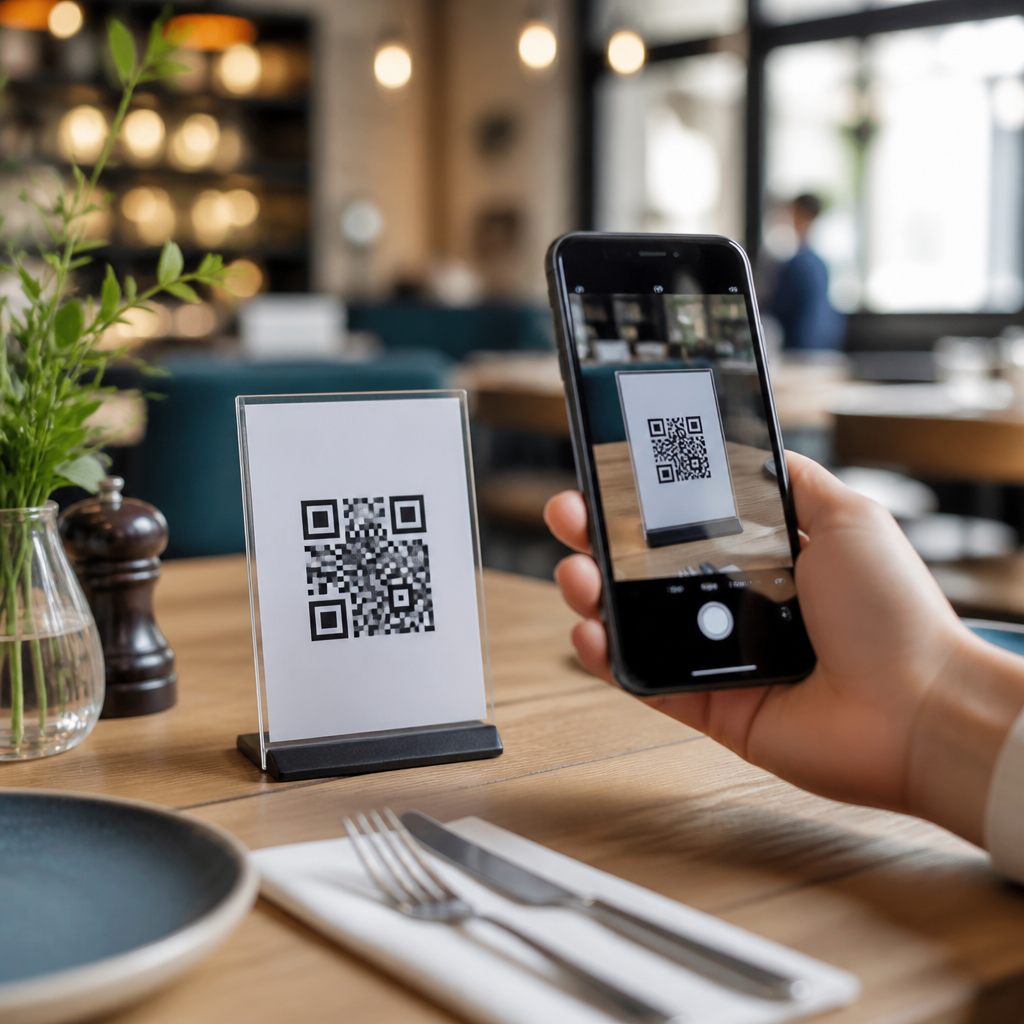
The simplest restaurant use case is the digital menu. A table tent, host stand sign, window decal, or placemat code opens a mobile menu that can be updated instantly without reprinting. That sounds basic, but the operational value is significant. Seasonal changes, sold-out items, pricing updates, wine vintages, allergen notes, and limited-time offers can be edited centrally. In hotel restaurants and resorts, the same infrastructure can power in-room dining menus, poolside service menus, minibar ordering, and banquet beverage lists. A dynamic QR code is usually the better choice because the printed code stays the same while the destination changes in the dashboard.
From there, the journey can extend into ordering and payment. Full-service restaurants may use QR codes to let guests browse first, then order from a server. Casual concepts often allow guests to order and pay from their phones, sending tickets directly to the kitchen display system or point-of-sale platform. Common integrations include Square, Toast, Clover, Lightspeed, and Oracle MICROS. In practice, the best implementations avoid forcing every table into the same behavior. Some guests want self-serve speed; others expect guided service. A flexible setup lets operators offer QR ordering as an option, not an obligation, especially in premium dining where personal interaction remains part of the value proposition.
Contactless dining also includes service after the order is placed. Codes can link to a request page for water refills, condiment requests, extra napkins, dessert menus, split checks, and accessibility assistance. In hotels, room and table codes can direct guests to multilingual service pages, spa booking, concierge recommendations, and late checkout offers. Restaurants with strong beverage programs can use QR menus to add pairing notes, origin stories, or producer highlights that would clutter a printed menu. That extra context improves confidence and average order value without forcing servers to deliver every detail tableside.
One reason QR codes fit this industry so well is that the scan happens at a moment of intent. A diner seated at a table is already deciding what to eat, what to add, and how quickly to pay. That is a high-intent interaction, closer to a point-of-sale moment than a general marketing impression. Because of that, even small improvements in menu clarity, page speed, recommendation logic, or payment friction can materially affect conversion. In restaurants, conversion means more than online sales. It means fewer walkaways, faster turns, better attachment rates for drinks and desserts, and fewer abandoned payments at the end of the meal.
Restaurant and hospitality use cases by venue type
Different concepts use the same technology in different ways. Quick-service restaurants often place QR codes on menu boards, tray liners, windows, and packaging to move guests into app ordering, loyalty signup, or limited-time offer landing pages. Fast-casual brands commonly use table markers that link to reorder prompts, drink refills, or catering pages. Full-service restaurants rely more heavily on at-table menu access, wine lists, allergen pages, and mobile payment. Fine dining venues tend to use QR codes selectively, often for reserve wine inventory, chef tasting details, origin notes, or private dining inquiries, preserving the printed menu as part of the experience.
Hotels and broader hospitality operators have a larger service surface. A single property may use QR codes in guest rooms for room service, on pool loungers for food and beverage ordering, in conference spaces for event menus, at breakfast buffets for allergy declarations, and in lobby bars for late-night menus. Resorts can connect codes to activity bookings, beach cabana ordering, and checkout-linked spending. Food halls and ghost kitchens use QR codes to solve discovery and coordination problems: one code can open stall directories, consolidated ordering pages, pickup instructions, and promotional bundles. Stadium suites, cruise dining rooms, and airport lounges are also strong fits because they combine high guest volume with repetitive service interactions.
| Venue type | Common QR use cases | Main operational goal |
|---|---|---|
| Quick-service restaurant | Menu board links, app downloads, loyalty, limited-time offers | Faster ordering and repeat visits |
| Fast-casual | Table ordering, reorder prompts, catering pages, feedback | Higher throughput and larger baskets |
| Full-service restaurant | Digital menus, allergen info, wine lists, mobile pay | Better service flow and table turns |
| Hotel or resort | Room service, poolside ordering, concierge links, multilingual menus | Guest convenience and ancillary revenue |
| Bar, brewery, or café | Tap lists, event calendars, tabs, subscriptions, merchandise | Upselling and community retention |
For operators building a content hub around industry-specific QR code strategies, this segmentation matters. A “restaurant QR code” article alone is too broad to answer the actual questions buyers and managers ask. They want to know which placements work in bars versus hotels, how QR ordering affects gratuities, whether older guests resist scanning, how multilingual menus are handled, and what happens when Wi-Fi fails. Structuring content by venue type makes the guidance more useful and more commercially relevant because buying criteria differ sharply between independent bistros, franchise chains, and resort properties.
Menu design, accessibility, and guest experience best practices
A QR code dining program succeeds or fails on the mobile experience behind the scan. The page must load quickly on cellular data, display clearly on common phone sizes, and require no app download unless the value is obvious. In my projects, menus that opened in under three seconds consistently outperformed PDF menus that pinched and zoomed poorly. HTML menus are usually preferable to static PDFs because they are easier to index, update, translate, track, and structure for accessibility. They also support real-time item availability, modifiers, nutrition details, and search.
Accessibility is not optional. Guests may have visual impairments, motor limitations, language barriers, or dietary restrictions. A good digital menu uses legible type, strong contrast, clear category labels, alt-like descriptive handling for critical images, and compatibility with mobile screen readers. Allergy information should be explicit and easy to find, with a clear disclaimer that cross-contact can still occur in shared kitchens. If the venue serves international travelers, multilingual toggles are worth the effort. Hotels, airports, and tourist districts see a direct payoff here because the digital layer can deliver language support that printed menus rarely cover well.
Guest trust depends on transparency. Prices should be current, fees visible before checkout, and unavailable items removed promptly. If service charges or automatic gratuities apply, the payment flow should explain them before the guest confirms. Restaurants that hide charges or push aggressive upsells through QR ordering often see lower satisfaction and poorer review sentiment. The best upsells feel helpful: suggest a glass pairing under a pasta dish, a lunch combo at checkout, or a dessert to-go after payment. That is menu engineering in digital form, and it works best when recommendations are relevant, timed well, and limited in number.
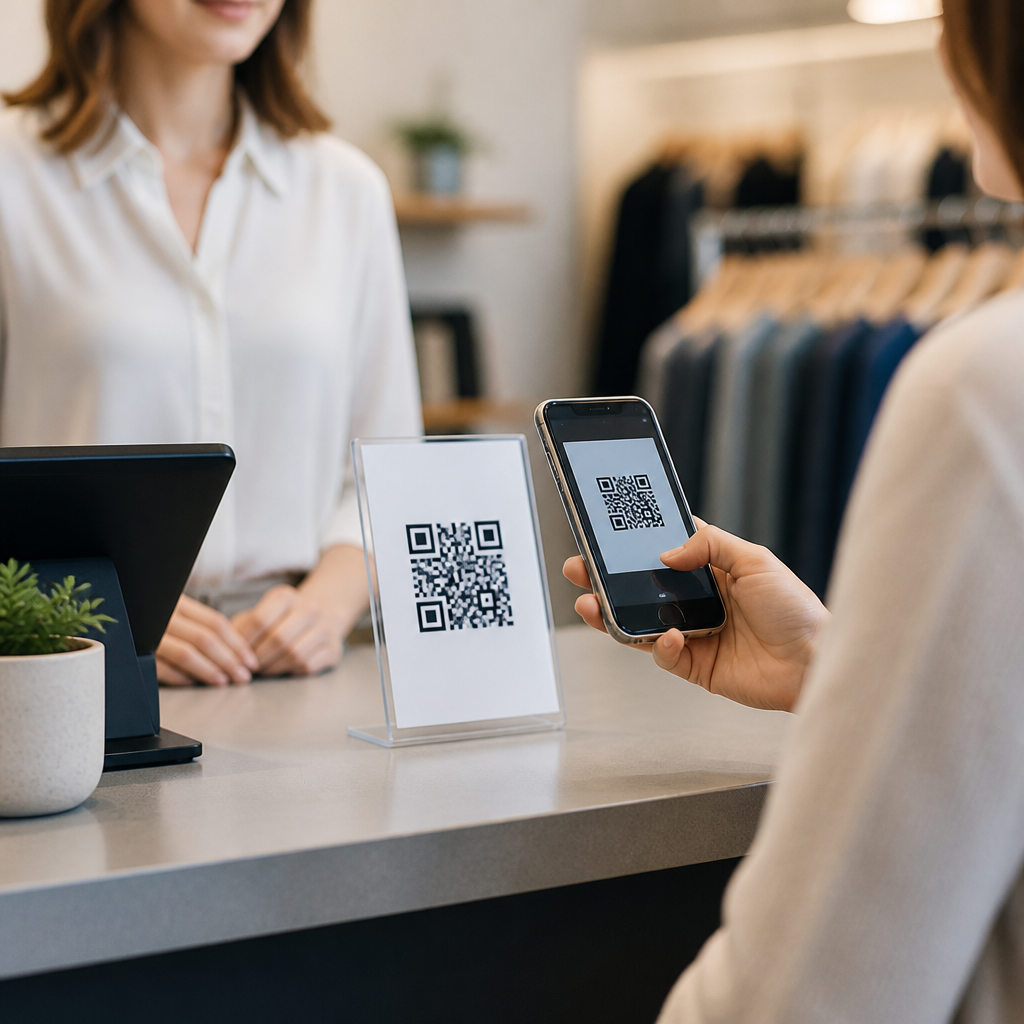
Physical placement matters too. Codes should be easy to spot, large enough to scan in dim light, and positioned where phones can read them without awkward angles. Table tents, check presenters, coasters, and wall plaques each create different behaviors. A code on a host stand supports pre-seating browsing; a code on a patio umbrella can support reorders; a code on packaging can trigger feedback or loyalty after the meal. Always include a short call to action next to the code, such as “View menu,” “Pay your check,” or “Order poolside,” because unlabeled QR codes underperform. People scan more readily when they know what happens next.
Operational impact, analytics, and revenue measurement
The business case for QR codes in restaurants and hospitality should be measured across cost savings, labor efficiency, guest satisfaction, and revenue lift. Print reduction is the easiest win to quantify. Menus, inserts, wine lists, tent cards, and in-room collateral all become easier to update without reprints. Labor gains show up when guests can self-serve routine steps like browsing, reordering, and paying, freeing staff for higher-value interactions. In full-service environments, even a modest reduction in payment time can improve table turns during peak periods, which increases available covers without adding seats.
Revenue analysis needs more rigor. Start with scan rate by placement, then track click-through to menu categories, add-to-cart rate, checkout completion, average order value, and attach rate for high-margin items such as drinks, sides, and desserts. Dynamic QR platforms commonly provide scan counts, device types, time-of-day patterns, and geolocation approximations. Pair that with analytics from the ordering platform and point-of-sale system to see whether digital traffic changes item mix or conversion. In one rollout I supported, moving from a PDF wine list to a searchable mobile list with pairing notes increased premium glass sales because guests could compare regions and varietals without waiting for a sommelier at busy times.
Feedback collection is another underused benefit. A post-payment QR flow can direct satisfied guests toward Google reviews, Tripadvisor, or a first-party survey, while operational complaints can be routed privately to management. That helps restaurants address issues before they become public one-star reviews. Loyalty capture works in the same way. A guest who scans a receipt or tabletop code after paying is a strong candidate for SMS or email enrollment if the value exchange is clear, such as a birthday dessert offer or points balance. The rule is simple: ask for one next action, not five. Too many options dilute intent and reduce completion.
Measurement should also include failure points. Scan attempts without page loads may indicate weak Wi-Fi or poor cellular coverage. High menu opens but low order starts can signal confusing navigation or incomplete descriptions. Cart abandonment at payment often traces back to wallet compatibility, mandatory account creation, or hidden service charges. Restaurants that review this data weekly can make small fixes with outsized effects. The technology is not self-optimizing; it needs the same disciplined iteration operators already apply to table turns, labor scheduling, and menu contribution margins.
Implementation risks, compliance, and rollout strategy
QR codes are powerful, but they are not a universal replacement for hospitality fundamentals. Some guests dislike scanning, some phones have camera issues, and some dining occasions call for tactile menus and direct guidance. Smart operators keep a backup path: printed menus on request, staffed ordering support, and payment alternatives. Security is another concern. Because malicious actors can place fraudulent stickers over legitimate codes, staff should inspect physical placements daily, and designs should make tampering obvious. Branded frames, tamper-evident mounting, and short visible URLs can reduce risk.
Data handling deserves equal attention. If the QR journey collects names, emails, phone numbers, location data, or payment information, the operator must follow applicable privacy and payment standards. Payment should run through PCI-compliant processors, and consent language for marketing enrollment should be explicit. Accessibility, consumer protection, alcohol service rules, and gratuity disclosure requirements vary by jurisdiction, so multi-location groups should involve legal and compliance stakeholders early. For hotels, brand standards may also dictate approved vendors, design templates, and language requirements across properties.
A practical rollout starts with one high-value journey, usually digital menus or mobile payment, then expands once the basics work. Pilot in a single venue or daypart, train staff with exact guest-facing language, test on iPhone and Android over Wi-Fi and cellular, and confirm that analytics are firing correctly. Build a maintenance routine for menu updates, broken link checks, sold-out toggles, and code replacement. Most importantly, define success before launch. If the goal is faster lunch turns, measure time-to-pay and table occupancy. If the goal is more ancillary revenue in a hotel, track poolside order frequency and average spend. QR codes for contactless dining experiences deliver the most value when they are treated as part of service design, not just printed squares on a table. Audit your current guest journey, identify the highest-friction step, and start there.
Frequently Asked Questions
What are QR codes for contactless dining experiences, and how do they work in restaurants?
QR codes for contactless dining are scannable matrix barcodes that connect a guest’s physical environment to a digital experience on their smartphone. In a restaurant setting, that can mean scanning a code placed on a table tent, menu board, takeaway bag, receipt, hotel room directory, or front window to instantly open a mobile menu, allergen guide, ordering page, payment screen, loyalty sign-up form, review request, or promotional offer. Most guests use their phone’s native camera app to scan the code, which then opens a web-based destination without requiring a separate app download. That simplicity is one reason QR codes have become a long-term operational tool rather than just a short-term workaround.
In practice, QR codes help bridge the gap between in-person hospitality and digital convenience. A diner can browse updated menu items, see photos, review dietary information, place an order, split a check, pay securely, and even join a rewards program from their own device. For operators, that means fewer printed materials, faster updates, cleaner data collection, and more flexibility in how service is delivered. A single QR code can also route different users to different experiences depending on time of day, location, campaign, or device type, making it useful for breakfast menus, happy hour promotions, late-night ordering, and event-specific offerings. The result is a dining experience that feels faster, more informative, and easier to manage for both guests and staff.
Why have QR codes become a core operating tool for restaurants, cafés, bars, and hotels?
QR codes have become central to hospitality operations because they solve multiple business problems at once. They reduce dependence on printed menus and static materials, which is especially valuable when prices, inventory, specials, or compliance information change frequently. Instead of reprinting menus every time a dish changes or an allergen notice needs updating, operators can edit a digital destination in real time. That gives restaurant teams more control over consistency, speed, and accuracy across one location or an entire brand footprint.
They also support a broader guest journey than many businesses initially expected. What began as a way to access menus now commonly extends into ordering, payment, upselling, loyalty enrollment, event inquiries, feedback capture, gift card sales, and post-visit marketing. A QR code on a dine-in table may lead to mobile ordering, while a code on a takeaway package might encourage reorders or collect reviews. In a hotel, a code in a guest room can connect to room service menus, minibar details, or restaurant reservations. In a food hall or quick-service environment, QR codes can reduce queue pressure and direct guests to faster self-service flows.
From an operational standpoint, QR codes also generate useful data. Restaurants can see which codes are scanned most often, when demand peaks, which promotions drive engagement, and which locations or placements perform best. That insight helps teams optimize signage, refine offers, and improve conversion paths. Because QR codes are inexpensive to produce, easy to deploy, and highly flexible, they have evolved into a practical infrastructure layer for modern hospitality rather than a niche marketing tactic.
What are the main benefits of using QR codes for menus, ordering, and payment?
The biggest benefit is convenience. Guests can access information immediately without waiting for a printed menu, a server to return to the table, or a payment terminal to become available. That can improve table turn times, reduce friction during peak periods, and give diners more control over the pace of their experience. Digital menus accessed through QR codes can also be richer than printed versions, with photos, ingredient notes, allergy details, pairing suggestions, and modifiers that help guests make confident decisions. For people with dietary restrictions, that additional context can be especially valuable.
Ordering and payment are where QR codes often create the most visible efficiency gains. Mobile ordering can reduce errors caused by misheard items, improve order accuracy through clear customization options, and free staff to focus on hospitality rather than repetitive transactional steps. QR-based payment can speed up checkout, support split bills, reduce end-of-meal delays, and make it easier for guests to tip. In fast-paced environments such as bars, cafés, and quick-service brands, these improvements can have a direct effect on throughput and revenue.
There are also strong business benefits behind the guest-facing convenience. Operators can highlight high-margin items, promote limited-time offers, test merchandising layouts, and update availability in real time. Because the experience is digital, QR codes can be tied into loyalty systems, customer relationship management platforms, and analytics tools. That makes it possible to move a guest from a one-time visit into an ongoing relationship through email capture, rewards, personalized offers, and remarketing. When implemented well, QR codes do more than digitize the menu; they create a connected, measurable, and scalable dining journey.
Are QR codes safe and user-friendly for restaurant guests?
Yes, QR codes can be both safe and user-friendly when they are implemented thoughtfully. From a usability standpoint, most guests are already familiar with scanning codes using their smartphone camera, which lowers the learning curve considerably. The key is to make the experience intuitive after the scan as well. That means sending guests to a fast-loading, mobile-optimized page with clear navigation, readable text, simple calls to action, and no unnecessary barriers such as forced app downloads or overly complex forms. Good placement matters too. Codes should be easy to notice, simple to scan in restaurant lighting, and accompanied by a short explanation such as “Scan to view menu” or “Scan to order and pay.”
On the safety side, the primary concern is trust. Restaurants should use secure web destinations, ideally with HTTPS-enabled pages, and avoid practices that make guests suspicious, such as poorly printed stickers placed over unknown surfaces. Branded landing pages, clean design, and recognizable domain names help reassure users that they are interacting with an official restaurant experience. If payments are involved, operators should use reputable payment processors and follow established security and privacy standards. It is also wise to monitor physical QR code placements regularly so tampered codes can be identified and replaced quickly.
Accessibility and inclusivity are equally important. Not every guest will want to scan a code, and some may not have a compatible device, sufficient battery life, or comfort with mobile ordering. The best contactless dining experiences preserve choice by offering alternatives such as printed menus, staff-assisted ordering, and traditional payment options. In other words, QR codes work best when they expand convenience rather than restrict access. Restaurants that balance digital efficiency with human service typically create the strongest guest experience.
How can restaurants get the best results from QR codes across dine-in, takeaway, and post-visit marketing?
Success starts with matching each QR code to a clear purpose. A dine-in table code should usually focus on menu access, ordering, payment, or loyalty enrollment. A takeaway bag code might be better used for reorder links, review requests, catering inquiries, or limited-time offers. A window display code can capture interest after hours by linking to reservations, delivery ordering, or event bookings. In hotels and multi-use hospitality venues, separate codes can support room service, bar menus, private dining, spa bookings, or cross-property promotions. The more intentional the placement and destination, the better the performance.
Design and experience quality also matter. Codes should be large enough to scan easily, printed with sufficient contrast, and placed where guests naturally pause. The destination should load quickly and reflect the brand visually and verbally. Menu pages should be current, structured logically, and optimized for mobile reading. If the goal is conversion, reduce unnecessary steps. If the goal is data capture, ask only for information that is genuinely useful. Small details such as prefilled table numbers, location-specific menus, or one-click reorder options can significantly improve completion rates.
Restaurants should also measure results and refine continuously. Dynamic QR codes are especially helpful because they allow operators to change destinations without reprinting materials and track scan behavior over time. Useful metrics include scan volume, conversion rate, order completion, average order value, review generation, loyalty sign-ups, and repeat visits. By comparing placements and campaigns, businesses can identify what actually drives action. Over time, QR codes can become a powerful tool not just for contactless service, but for full-funnel guest engagement: discovery before the visit, convenience during the meal, and ongoing remarketing after the experience ends.