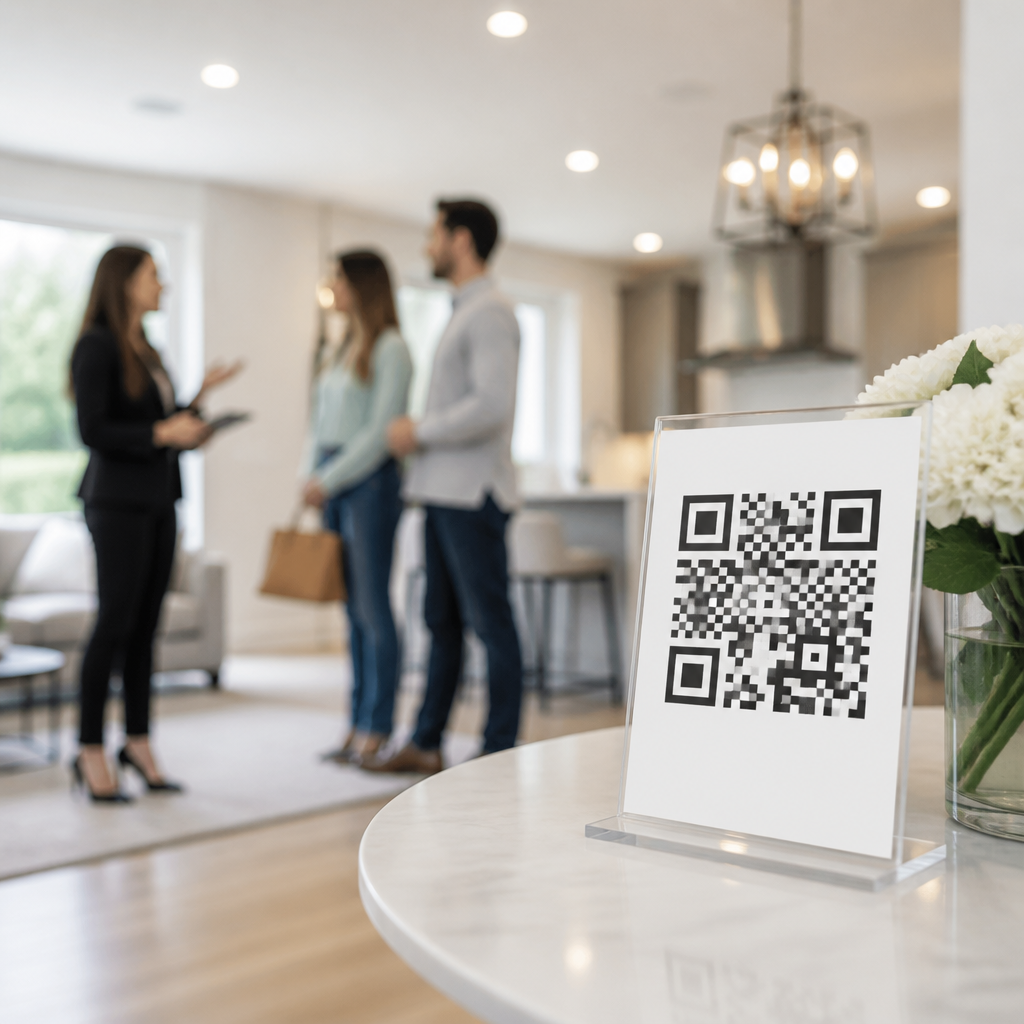
QR codes for open house marketing turn a printed sign, flyer, window decal, or email into an instant bridge between curbside interest and measurable buyer engagement. In real estate, that bridge matters because open houses compress attention into a short window: visitors arrive with questions, agents juggle conversations, and marketing materials are often taken home, misplaced, or ignored. A quick response code solves a practical problem by letting prospective buyers scan with a phone and immediately reach the information they want most, whether that is the property page, a virtual tour, financing details, disclosures, neighborhood highlights, or the showing schedule for similar listings.
When I began adding QR codes to open house campaigns, the biggest improvement was not novelty. It was continuity. Instead of hoping a passerby remembered an address or manually typed a long URL, I could move that person from offline curiosity to a digital experience in seconds. That shift increased brochure downloads, captured more registration data, and gave a clearer picture of which signs, postcards, and placements were actually producing traffic. For agents and brokerages, QR codes support lead generation, buyer education, operational efficiency, and post-event follow-up, all without adding much cost.
To use QR codes well in open house marketing, it helps to define the core terms. A static QR code points to fixed information that cannot be changed after printing. A dynamic QR code uses a short redirect, so the destination can be updated later and scan activity can be tracked. For real estate, dynamic codes are usually the better choice because listings change status, landing pages evolve, and campaign measurement matters. A landing page is the mobile destination the code opens. Conversion is the action you want after the scan, such as registering for the open house, booking a private showing, downloading the property packet, or contacting the listing agent.
This topic matters because open house marketing now happens across physical and digital touchpoints at the same time. Buyers discover homes from yard signs, Instagram Reels, portal listings, broker emails, direct mail, community boards, and event platforms. Sellers expect visible marketing activity and credible reporting. Agents need faster ways to answer common questions while preserving time for high-value conversations in person. QR codes fit this environment because they connect signs and handouts to live content, simplify access to information, and create data that can improve future campaigns. Used strategically, they do far more than replace a web address on a flyer; they become the central connector for real estate open house experiences.
How QR Codes Fit the Open House Funnel
QR codes work best when mapped to the buyer journey rather than treated as a decorative add-on. Before the event, they help capture early interest from sign riders, postcards, email invitations, and social graphics. A code can lead to an RSVP page with the event time, parking instructions, and a preview gallery. During the event, another code can handle visitor sign-in, property details, disclosures, or interactive content such as a room-by-room features list. After the event, follow-up codes in thank-you emails or printed leave-behinds can direct buyers to comparable properties, financing calculators, or a page to request a second showing.
In practice, each stage answers a different buyer question. Before the event, the question is usually, “Is this property worth my time?” During the event, it becomes, “Can I get the details without waiting?” Afterward, the question changes to, “What is my next step?” Strong QR code strategy gives each of those questions a direct answer. For example, an agent marketing a three-bedroom suburban listing might place one QR code on directional signs for the listing page, a second at the front door for digital sign-in, and a third in the kitchen linking to the property disclosure package and utility upgrades. Each code serves a discrete job, reducing friction at exactly the moment it appears.
That funnel approach also improves measurement. If one code is tied to postcard mailers and another to yard signage, scan data reveals which source drives attendance. If visitors scan the virtual tour code but ignore the financing page, that tells you which information has immediate value. Most QR platforms, including Bitly, Beaconstac, Flowcode, and QR Code Generator Pro, allow campaign labeling with UTM parameters for analytics platforms such as Google Analytics 4. In a brokerage environment, that tracking supports better budget decisions and more credible seller reporting.
Best Use Cases for Real Estate Open Houses
The most effective use cases begin with buyer intent. Property information is the obvious starting point. A QR code on the sign-in table can open a mobile-first listing hub with price, square footage, school district, tax history, disclosures, floor plans, and high-resolution photos. This reduces repetitive questions and ensures every visitor gets the same baseline facts. It also protects against outdated printed sheets when price changes or feature corrections happen shortly before the event.
Lead capture is another high-value application. Instead of relying only on handwritten guest books, agents can use a QR code linked to a registration form built in Jotform, Typeform, Google Forms, or a CRM-native landing page. Visitors can enter their name, email, phone, agent status, purchase timeline, and financing stage. In my experience, completion rates improve when the form is short and the value exchange is clear, such as “Scan for disclosures, floor plan, and neighborhood guide.” Buyers are more willing to share information when the benefit is immediate and relevant.
Virtual and self-guided experiences are especially useful for high-traffic or luxury listings. A code placed in each room can launch a page with renovation dates, materials, appliance brands, and design notes. In a historic home, codes can explain preservation work and original architectural details. In new construction, a code can display upgrade options, builder warranties, and community amenities. This gives visitors a richer experience without requiring the agent to repeat the same script dozens of times.
Open house QR codes also support compliance and transparency. In markets where agency disclosures, lead paint notices, HOA documents, or inspection summaries are commonly shared, a code can provide secure access to current files. That does not eliminate legal review or state-specific requirements, but it helps distribute information consistently. For brokerages managing multiple listings at once, dynamic QR codes reduce reprint waste because the destination can be updated if a file changes, a listing goes contingent, or a new disclosure is added.
Another strong use case is neighborhood marketing. Buyers are not just choosing a house; they are evaluating a daily lifestyle. A QR code can link to a neighborhood page featuring commute times, nearby parks, school ratings sources, walkability context, local restaurants, flood zone information, and recent comparable sales. This is especially effective for relocation buyers who know little about the area. If the page includes embedded maps, short video walk-throughs, and lender contacts, it becomes a practical decision tool rather than generic promotion.
| Placement | Best Destination | Main Goal |
|---|---|---|
| Yard sign rider | Mobile listing page | Capture drive-by interest |
| Front door poster | Digital sign-in form | Register visitors efficiently |
| Property flyer | Disclosures and floor plan | Answer detailed questions |
| Room placard | Feature-specific content | Educate without interrupting flow |
| Thank-you card | Book a private showing | Move post-event leads forward |
Building the Right Landing Page Experience
A QR code is only as strong as the destination behind it. In open house marketing, that destination must load quickly, display cleanly on mobile devices, and make the next action obvious. I recommend a single-purpose page for each campaign rather than sending traffic to a brokerage homepage. A property-specific landing page should include the address, hero image, price, top features, and one primary call to action above the fold. If the goal is sign-in, the form should appear first. If the goal is brochure download, the download button should be immediate.
Mobile usability is decisive. According to the National Association of Realtors, home search behavior is heavily mobile, and open house visitors are almost always scanning from phones with variable signal strength. Large buttons, compressed images, and minimal form fields outperform cluttered pages. Avoid PDF-only experiences as the first screen when possible. PDFs can be offered after a visitor reaches a lightweight summary page, but forcing a large file to open on cellular data often reduces engagement.
Content hierarchy matters too. Buyers typically want five things first: price, photos, layout, disclosures, and contact options. Secondary content includes school information, lender resources, and neighborhood details. Tertiary content might include staging notes, renovation receipts, or smart-home specs. When these are stacked in the right order, visitors can self-serve without getting lost. For luxury homes, adding a Matterport tour or cinematic video can increase time on page, but only if the page still loads fast enough. Speed and clarity beat elaborate design in most open house scenarios.
Trust signals should be explicit. Include brokerage identification, agent license information where required, privacy language for form submissions, and accurate status updates. If a listing is under contract, the landing page should say so. If registration data feeds into email or SMS follow-up, disclose that clearly. These details improve response quality and reduce compliance risk.
Design, Placement, and Technical Standards That Affect Scans
Good QR performance depends on technical basics that are often overlooked. High contrast is the first rule: dark code on a light background scans more reliably than low-contrast branded designs. Quiet zone spacing around the code should remain intact so phone cameras can distinguish it from surrounding graphics. For print, vector formats such as SVG or EPS preserve sharpness. A minimum size of about 1 x 1 inch may work at close range, but larger is safer for signs viewed from several feet away. On yard signs or window posters, test from realistic scanning distance before production.
Placement should match user behavior. Codes meant for pedestrians belong near eye level and away from glare. Codes on brochures should sit beside a plain-language instruction, such as “Scan for full disclosures and floor plan.” That instruction matters. Scan rates usually improve when people know exactly what they will get. Generic prompts like “Scan me” perform worse than specific benefit statements. In one campaign for a downtown condo, replacing “Learn more” with “Scan for parking map, HOA fee sheet, and 3D tour” increased scans because the value was concrete.
Dynamic code management is equally important. Listings move fast. If an open house is canceled, a code should redirect to a reschedule page or alternate inventory, not a dead link. If the property sells, the code can shift to “similar homes in this neighborhood” and continue generating business. This is one reason dynamic QR codes outperform static ones in real estate marketing. They protect signage investment and preserve continuity across changing listing statuses.
Testing should happen on both iPhone and Android devices, on Wi-Fi and cellular, and under indoor and outdoor lighting. Agents often test only at the desk, then discover glare, weak reception, or awkward poster placement during the event. A short preflight checklist prevents most failures: confirm the redirect, verify analytics tags, inspect print quality, and scan every code from the actual installed position.
Tracking Performance, Reporting Results, and Improving Campaigns
Open house QR codes are valuable because they produce measurable signals from offline marketing. At a minimum, track total scans, unique scans, time of day, device type, and conversions on the landing page. Conversions may include registrations, brochure downloads, showing requests, phone taps, or financing prequalification clicks. Layer in UTM conventions so traffic sources are clear inside analytics reports. Distinguish, for example, between scans from a yard sign, a postcard, and an in-home flyer.
For seller communication, these metrics are especially useful. Instead of vague statements about “strong interest,” an agent can report that the front-yard sign generated 86 unique scans, 24 visitors completed sign-in, 11 downloaded disclosures, and 4 requested a private follow-up tour. That level of reporting demonstrates activity and helps explain pricing or staging decisions with evidence. It also supports broader brokerage learning. If twilight open houses consistently generate more scans from social posts than Sunday events do from postcards, future plans can be adjusted accordingly.
Interpretation requires nuance. A high scan count does not always mean high buyer quality. Some users scan casually from the sidewalk and never return. Conversely, a lower scan count from a lender prequalification page may indicate stronger intent. The best analysis connects QR metrics with CRM outcomes such as consultations, offers, and closings. Over time, patterns emerge by neighborhood, price band, property type, and audience segment. Those patterns are where QR code strategy moves from convenience tactic to durable marketing advantage.
Common Mistakes and the Most Effective Next Steps
The most common mistake is sending every scan to the same generic destination. Open house marketing works better when each code has one job and one audience. Another frequent error is prioritizing aesthetics over scannability with overly stylized codes, busy backgrounds, or tiny placement. Some agents also forget that mobile users need immediate relevance; if the page is slow, asks for too much information, or hides key facts behind multiple clicks, visitors leave. Finally, many teams underuse follow-up. A scan is interest, not a relationship. The relationship forms when the next message is timely and helpful.
The strongest next step is to build a repeatable framework. Create standard QR destinations for RSVP, sign-in, disclosures, property details, neighborhood guide, and post-open-house follow-up. Connect each to your CRM, analytics, and listing workflow. Write simple calls to action that explain the benefit of scanning. Test every code before print and again onsite. Then review scan and conversion data after each event and refine placement, copy, and destination pages.
QR codes for open house marketing are effective because they align with how modern buyers behave: they want instant access, mobile convenience, and useful information without friction. For real estate professionals, the payoff is better lead capture, clearer reporting, more efficient events, and a stronger bridge from first interest to meaningful conversation. If you manage open houses regularly, start with one listing, deploy dynamic codes at three touchpoints, measure the results, and turn what works into a repeatable system across your real estate marketing.
Frequently Asked Questions
How do QR codes improve open house marketing compared with traditional flyers and sign-in sheets?
QR codes make open house marketing more immediate, trackable, and useful for both agents and buyers. Traditional materials like printed flyers, brochures, and paper sign-in sheets still have value, but they often create friction. A visitor may pick up a flyer and intend to review it later, only to lose it or forget about it. With a QR code, that same visitor can scan on the spot and instantly access listing photos, pricing, property details, floor plans, financing information, neighborhood highlights, disclosure documents, or a virtual tour directly from a phone.
That speed matters during an open house because attention is limited. Buyers are often visiting multiple properties in one day, comparing features in real time, and making quick decisions about which homes deserve follow-up. A QR code acts as a direct bridge between in-person interest and digital engagement, reducing the chance that momentum is lost after the visit. It also helps agents serve more people efficiently. Instead of repeating basic information to every attendee, agents can use QR codes to deliver a consistent information package while reserving in-person conversations for higher-value questions.
Another major advantage is measurement. Printed materials alone rarely show what happens after someone leaves the property. QR code scans, however, can reveal how many people engaged, when they scanned, which materials attracted the most attention, and which calls to action generated follow-up. That data helps refine future open house strategy, signage placement, and lead capture workflows. In short, QR codes do not just replace paper with a digital link; they turn passive marketing into a measurable buyer journey.
What should a QR code link to during an open house?
A QR code used for open house marketing should link to a destination that supports the buyer’s next step, not just a generic homepage. The most effective target is usually a mobile-friendly property landing page built specifically for that listing. That page should include the essentials a buyer wants immediately: professional photos, current price, key property specs, standout features, open house times, school and neighborhood information, a map, and clear contact details for the listing agent.
Depending on the audience and placement, QR codes can also link to more specialized content. A code on a yard sign might lead to a quick property overview for drive-by prospects. A code inside the home could link to room-by-room details, renovation history, appliance information, or a 3D walkthrough. A code on printed flyers might direct users to downloadable disclosures, HOA details, financing calculators, or a form to schedule a private showing. For serious buyers, a code can also connect to a lead form that offers updates, similar listings, or access to off-market opportunities.
The key is relevance and simplicity. A visitor scanning a code should land on a page that answers the questions they are most likely to have in that exact moment. If the destination is cluttered, slow, or too broad, engagement drops quickly. Every QR experience should be optimized for mobile viewing, load fast, and include a strong call to action such as “Schedule a Tour,” “Save This Listing,” “Request Disclosures,” or “Get Mortgage Estimate.” The best QR code destination feels like a natural continuation of the open house, not a detour.
Where should QR codes be placed for the best results at an open house?
Placement has a major impact on scan rates, so QR codes should appear anywhere a potential buyer is likely to pause, look closer, or want more information. The front yard sign is one of the most important locations because it captures drive-by traffic before, during, and after the open house. Window decals are also effective, especially in walkable neighborhoods where buyers may pass by outside scheduled showing hours. Printed flyers, brochures, and feature sheets benefit from QR codes as well because they give visitors a way to save the listing digitally instead of relying only on paper.
Inside the home, strategic placement can add context and improve the visitor experience. For example, a QR code near the entry can link to the full digital listing package. In the kitchen, it might highlight renovations, upgraded appliances, or recent improvements. In a finished basement, home office, or outdoor entertaining area, a code could showcase lifestyle benefits, permit details, or before-and-after renovation images. These placements work best when the code supports the space rather than distracts from it.
Agents should also think beyond the property itself. QR codes can be used in email invitations, social media graphics, direct mail postcards, neighborhood signage, and digital ads promoting the event. Consistency across channels helps prospects move smoothly from initial awareness to attendance and follow-up. To maximize performance, the code should be large enough to scan easily, printed with strong contrast, and paired with a short instruction or benefit-driven prompt such as “Scan for Price and Photos” or “Scan to Book a Private Tour.” Good placement is not just about visibility; it is about matching the code to the user’s intent at each stage of the buying process.
Can QR codes help real estate agents capture and qualify leads from open houses?
Yes, QR codes can be a highly effective lead capture and qualification tool when they are tied to the right landing pages and follow-up systems. Instead of relying only on a paper sign-in sheet, agents can use a QR code to direct visitors to a digital registration form. That form can collect basic information such as name, email, phone number, and whether the person is already working with an agent. It can also include qualifying questions about timeline, budget, financing status, desired neighborhoods, or interest in similar homes.
Digital lead capture often produces better data quality than handwritten forms because visitors enter their own information directly into the system. It also allows immediate automation. Once a prospect scans and submits their details, they can instantly receive the listing brochure, disclosures, financing resources, a calendar link for scheduling a private showing, or a follow-up email with comparable properties. That quick response keeps interest warm while the property is still fresh in the buyer’s mind.
QR code interactions can also reveal buying intent. A casual visitor who scans only the general listing page may be in the early research phase, while someone who scans to request disclosures, books a second showing, or asks for lender information may be much closer to a decision. Those signals help agents prioritize outreach and tailor conversations more effectively. When integrated with a CRM, QR-based lead capture creates a clean handoff from in-person event to ongoing nurture, making it easier to turn open house traffic into qualified opportunities.
What are the best practices for creating effective QR codes for open house marketing?
The most effective QR codes are easy to scan, clearly labeled, and connected to a meaningful next step. Start by using a high-resolution code with strong contrast, typically dark on light, and make sure it is large enough for mobile cameras to read without difficulty. Avoid placing the code over busy backgrounds or glossy surfaces that create glare. Before printing or publishing, test the code on multiple phones and from different distances to confirm that it works quickly and consistently.
Just as important as design is context. A QR code should never appear without a reason to scan it. Add a short, specific call to action that tells visitors what they will get, such as “Scan for Virtual Tour,” “Scan for Property Details,” or “Scan to Request the Disclosure Package.” This reduces hesitation and improves engagement because people understand the immediate value. If possible, use dynamic QR codes rather than static ones. Dynamic codes let agents update the destination URL, track scan activity, and reuse printed materials more flexibly if listing details change.
Mobile experience is another critical best practice. The linked page should load fast, display properly on smartphones, and present the most important information first. If users have to pinch, zoom, or search through clutter, conversion suffers. It is also smart to align each QR code with a single purpose. One code might be for general listing information, another for lead capture, and another for scheduling a showing. Finally, track performance and refine over time. Reviewing scan data, form completions, and follow-up outcomes will show which placements, messages, and offers work best. In open house marketing, the strongest QR code strategy combines convenience for the buyer with measurable insight for the agent.