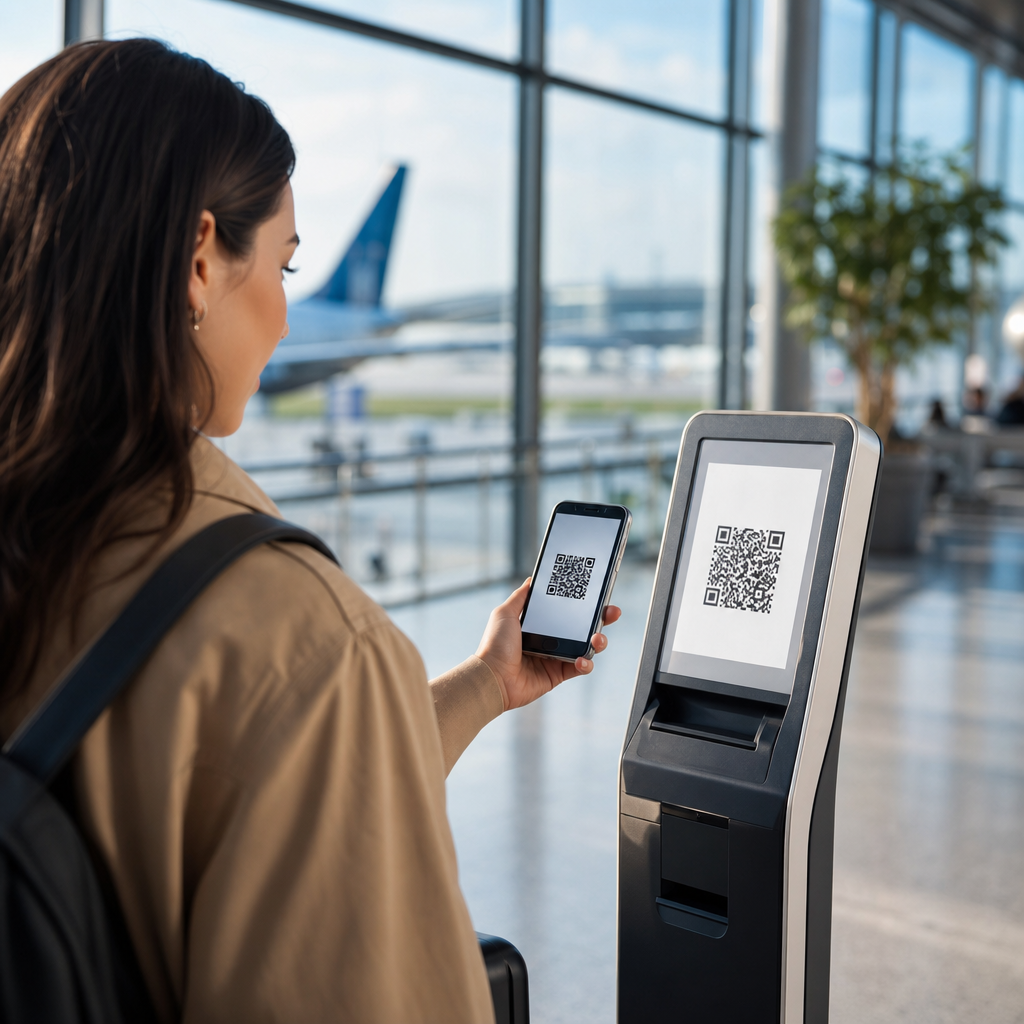
QR codes have become one of the most practical tools for local lead generation because they connect offline attention to online action in seconds. A quick scan can move a passerby from a storefront window, yard sign, table tent, mailer, or event banner directly to a booking form, coupon page, review request, or sales conversation. For small businesses, that bridge matters because most local buying decisions happen in moments: someone notices a service, wants more information, and acts only if the path is frictionless. A QR code reduces that friction better than a typed web address, a phone number copied by hand, or a “search for us later” message.
In day-to-day marketing work, I have seen QR codes succeed when they are treated as lead-generation assets rather than decoration. That distinction is important. A lead-generation QR code is not simply an image placed on a flyer. It is a trackable entry point tied to a specific offer, audience, location, and next step. When set up correctly, it can identify which postcard drove calls, which checkout sign generated review requests, which neighborhood sign produced estimate requests, and which event handout created qualified contacts. For a small business with limited budget, that level of attribution turns guesswork into measurable local marketing.
“Local lead generation” means attracting potential customers within a defined geographic area and getting them to share contact details or take a commercial action. “Small business QR code wins” refers to campaigns where a simple scan produced clear business outcomes such as booked appointments, quote requests, email sign-ups, coupon redemptions, app downloads, or walk-in visits. This sub-pillar hub explains the mechanics behind those wins so local owners and marketers can repeat them with confidence. It also provides the strategic context needed to support deeper articles across the broader QR code campaign ideas and case studies topic.
Why does this matter now? Smartphone camera scanning is mainstream, print remains effective in local markets, and customer patience is low. According to Statista and multiple payments and mobile adoption studies, smartphone penetration in core local-shopping demographics is high enough that businesses can assume most prospects are technically able to scan. At the same time, rising digital ad costs push small businesses to get more value from physical assets they already pay for: packaging, menus, receipts, vehicles, windows, brochures, and signage. A printed surface that already exists can become a measurable lead source with almost no incremental media cost.
Why QR codes work so well for small business lead generation
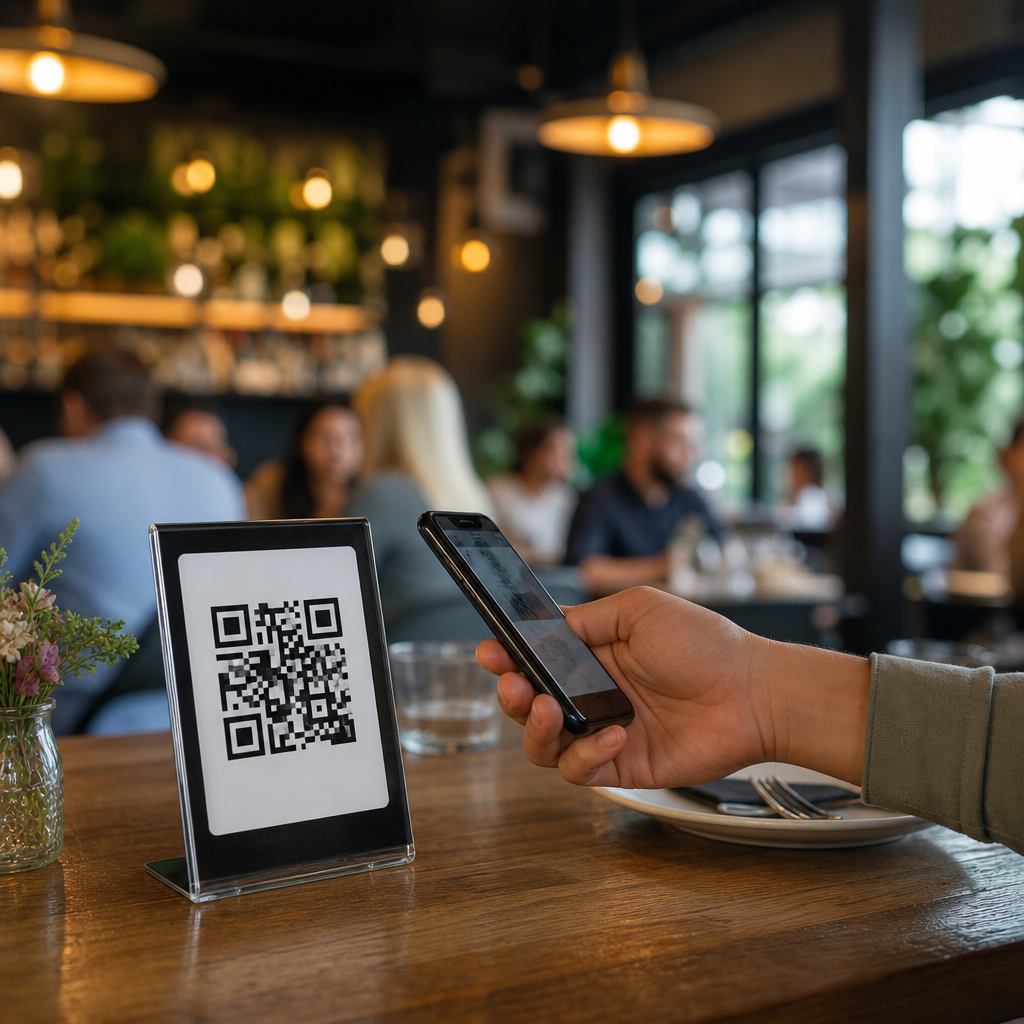
QR codes perform well in local campaigns because they match how people behave in physical environments. A homeowner sees a roofer’s sign after a storm, scans it, and requests an inspection before calling competitors. A diner scans a tabletop code to join a birthday club while waiting for food. A salon customer scans a mirror decal to book the next appointment instead of promising to call later. In each case, intent is present for only a brief window. The code captures demand at the point of attention.
They also solve a trust problem. Local prospects often respond better to something tangible than to a cold digital ad. A code printed on a storefront poster, invoice insert, or community event banner feels attached to a real business in a real place. That physical context raises response rates when the landing page is relevant and branded. In my experience, businesses get the best results when the code leads to one focused action, not a cluttered homepage. If the sign says “Get a fast plumbing estimate,” the scan should open a short estimate form, not a general navigation menu.
Another reason QR codes win is measurability. Dynamic QR platforms such as QR Code Generator Pro, Beaconstac, Bitly, Flowcode, and Uniqode allow scan tracking by time, location, device, and campaign. Combined with UTM parameters in Google Analytics 4 and call tracking tools such as CallRail, a small business can connect scans to booked jobs or closed revenue. That visibility helps owners shift budget toward the placements that produce actual leads, not vanity metrics.
Best local placements that consistently generate leads
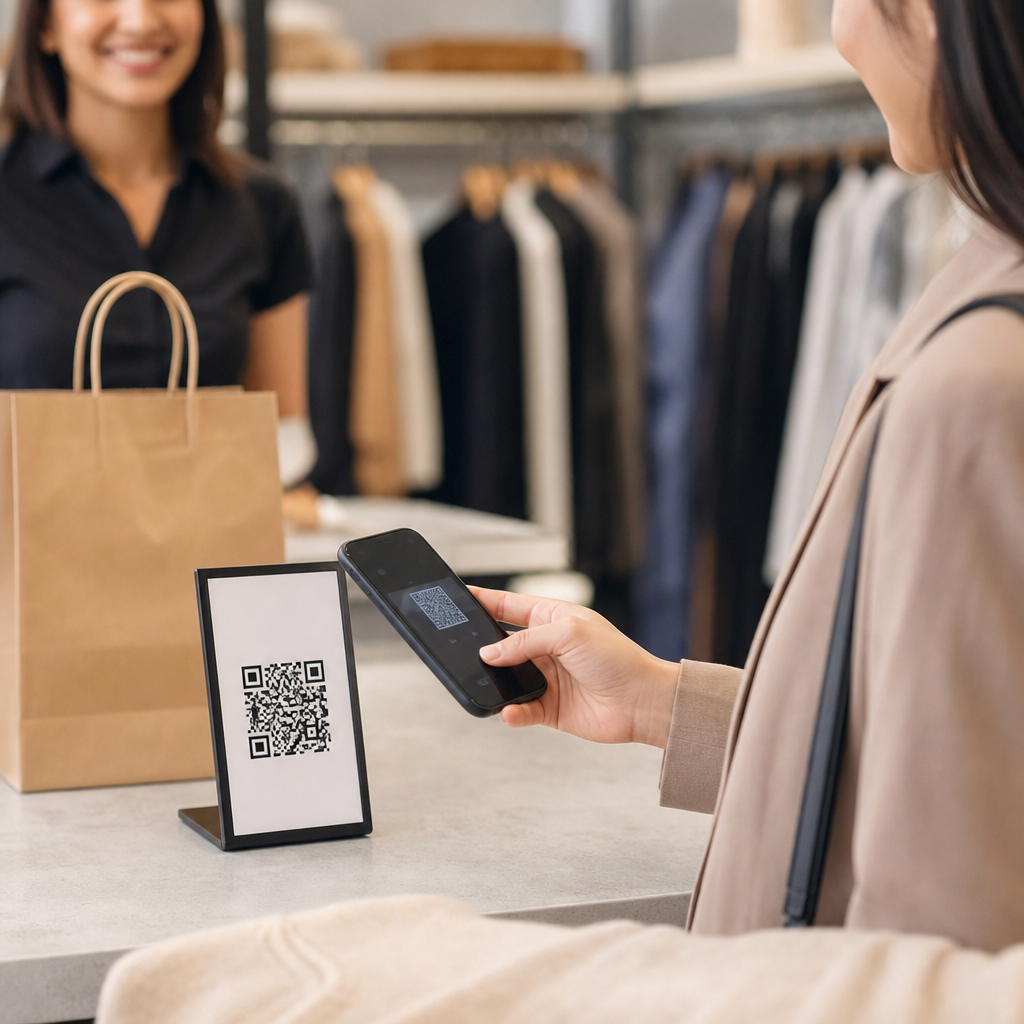
The strongest placements are the ones closest to buying intent. Storefront windows work well for service businesses that receive after-hours foot traffic, especially when the code offers booking or instant quote requests. Yard signs and vehicle wraps are effective for home services because they reach neighbors at the exact moment they see evidence of completed work. Menus, packaging inserts, and counter cards are ideal for restaurants and retailers because they capture existing customers who are already willing to engage again through loyalty, reviews, or promotions.
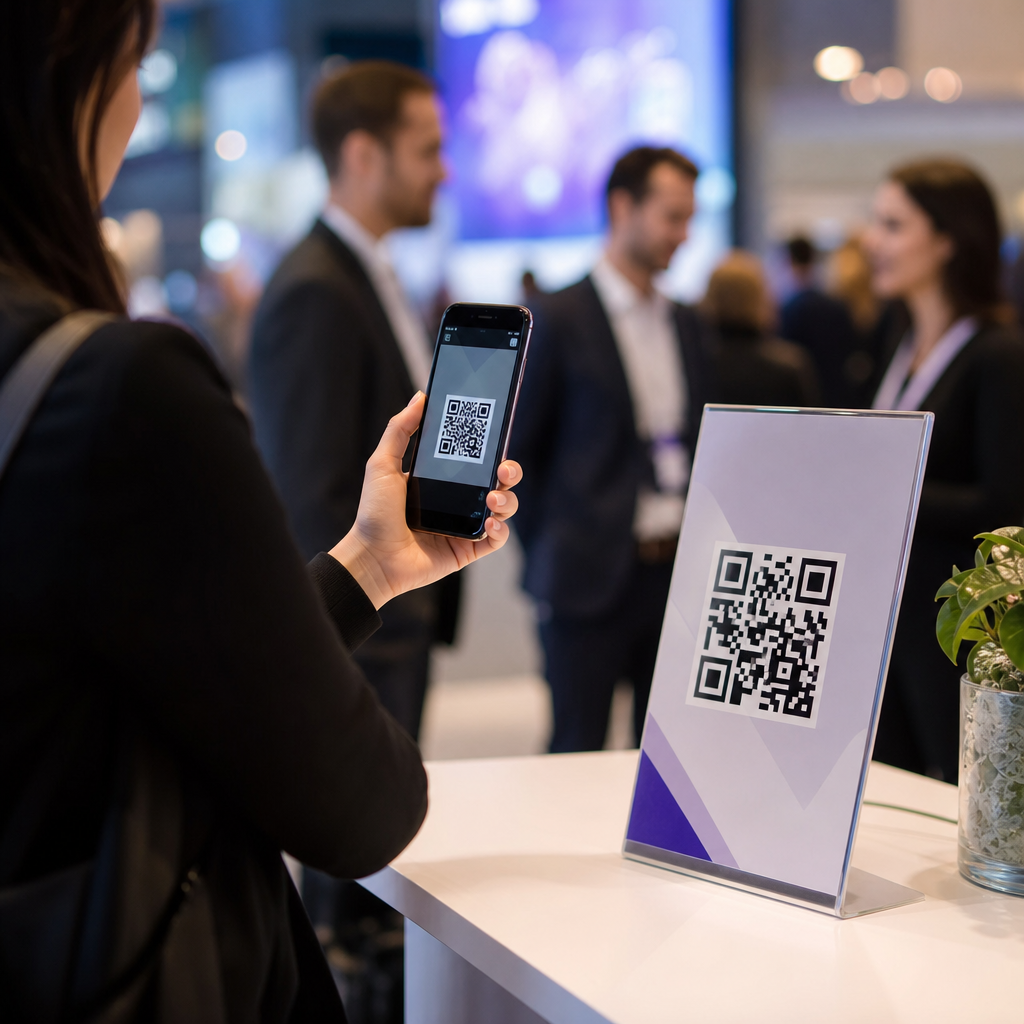
Direct mail remains underrated. A postcard with a QR code tied to a neighborhood-specific offer often outperforms generic mail because it removes the effort of typing a landing-page URL. Real estate agents, med spas, dentists, and local gyms benefit from this format when the offer is concrete: home valuation, consultation, whitening special, free class pass. Event booths and sponsorship banners also convert well because attendees are already in discovery mode. The scan can collect leads for a giveaway, a demo, or a follow-up appointment.
| Placement | Best for | Primary CTA | Key metric |
|---|---|---|---|
| Storefront window | Retail, salons, clinics | Book now | Appointments per 100 scans |
| Yard sign | Roofing, landscaping, plumbing | Request estimate | Quote requests |
| Direct mail postcard | Dentists, gyms, real estate | Claim offer | Landing-page conversion rate |
| Table tent or menu | Restaurants, cafés | Join loyalty club | Email or SMS sign-ups |
| Receipt or packaging insert | Retail, e-commerce pickup | Leave review | Review completions |
| Event signage | B2C services, local vendors | Enter giveaway | Qualified leads collected |
Placement quality depends on visibility, distance, and context. Codes that are too small, too high, or placed on reflective surfaces usually underperform. A practical rule is to size the code for the expected scanning distance and keep strong contrast between foreground and background. Quiet zones around the code matter; crowding it with logos or decorative borders can reduce readability. Local businesses often improve results simply by moving the code closer to eye level and pairing it with a direct benefit statement.
Campaign types that produce the most reliable small business wins
The highest-performing QR code campaigns usually fall into five categories: booking, quote request, offer redemption, loyalty capture, and review generation. Booking campaigns are common for salons, spas, dentists, and fitness studios. The code leads to a scheduling page with preselected service options, reducing drop-off. Quote-request campaigns are especially strong for contractors, cleaning companies, and auto services because they convert immediate interest into a lead form while the need is top of mind.
Offer-redemption campaigns work when the incentive is specific and time-bound. “Scan for 15% off your first visit this week” performs better than “Learn more.” Loyalty capture campaigns succeed in restaurants and retail because the customer is already present; scanning to join SMS or email rewards has low resistance if the value is obvious. Review-generation campaigns are useful after a completed purchase or service visit, but they should be framed ethically. Businesses should request honest feedback and avoid gating negative sentiment if they want durable reputation gains and platform compliance.
One local HVAC client I worked with used separate QR codes on invoices, trucks, and door hangers. The invoice code asked for reviews, the truck code offered emergency service booking, and the door hanger code promoted seasonal maintenance plans. The results were different by placement and intent, which is exactly the point. Trucks generated fewer scans but higher-value emergency calls. Door hangers generated more scans but lower immediate close rates, while invoices produced a steady flow of reviews that improved local search visibility over time.
How to build a QR code funnel that converts
A successful QR code funnel starts with message match. The promise next to the code must exactly match the first screen after the scan. If a poster says “Get a free consultation,” the landing page headline should repeat that offer and show a short form, phone option, and trust signals such as ratings, testimonials, service areas, or certifications. Small businesses lose leads when scans open generic homepages, slow pages, or mobile forms with too many fields.
Use dynamic codes whenever possible. Static codes are acceptable for evergreen destinations, but dynamic codes give you the ability to change the destination without reprinting materials. They also provide campaign-level analytics that matter for optimization. Pair each code with a unique URL structure and UTM tags so scans can be separated in GA4 by source, medium, campaign, and location. If calls are a major goal, include click-to-call buttons and tracked phone numbers. If forms are the goal, ask only for information needed to qualify and follow up.
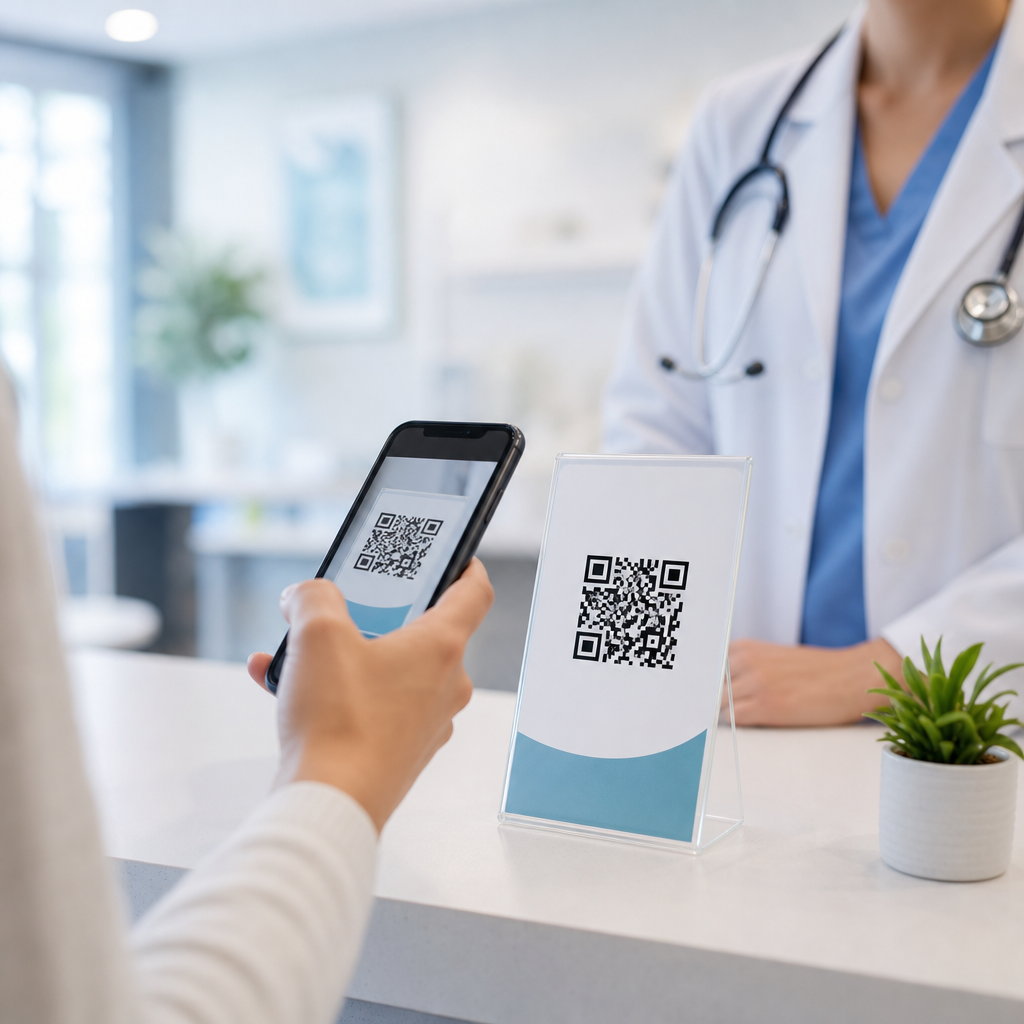
Trust cues are nonnegotiable. Local prospects want to know where you operate, how quickly you respond, and whether others recommend you. Include neighborhood names, service radius, business hours, and proof such as Google review counts or industry affiliations. For regulated categories like health, legal, and finance, compliance and privacy disclosures should be clear. A QR code may create the click, but credibility closes the lead.
Measurement, testing, and common mistakes
The most useful KPIs are scans, scan-to-visit rate, landing-page conversion rate, cost per lead, qualified lead rate, and downstream revenue. Scan volume alone can be misleading. A code in a busy area may attract curiosity with little buying intent, while a code on a service vehicle may get fewer scans but generate more booked jobs. Businesses should evaluate each placement against the right commercial outcome. For some campaigns that is phone calls; for others it is coupon redemption, appointment requests, or review submissions.
A disciplined testing process usually beats creative redesigns. Change one major variable at a time: offer, CTA, landing page, placement, or size. Test “Scan to get a same-day quote” against “Scan for a free estimate.” Test a short two-field form against a six-field form. Test a review request on the receipt versus inside packaging. In local campaigns, these practical adjustments often create bigger gains than expensive branding changes because they remove friction at the moment of action.
Common mistakes are consistent across industries. The code points to the homepage. The CTA is vague. The page is not mobile optimized. There is no reason to scan now. Tracking is absent, so no one knows which assets work. The code is printed too small, distorted, or placed where lighting makes scanning difficult. Another frequent error is overloading one code with multiple goals. A single placement should prioritize one primary conversion. If you need secondary actions, place them on the landing page after the main CTA.
Hub opportunities: where this subtopic expands next
As a hub page, this article should connect naturally to deeper resources on vertical-specific wins and execution details. The most useful supporting articles include restaurant QR code loyalty campaigns, real estate flyer and sign rider lead capture, contractor yard sign case studies, salon booking QR tactics, dentist postcard offers, retail review request systems, event lead collection playbooks, and packaging insert campaigns for repeat purchases. Another strong cluster covers technical implementation: dynamic versus static QR codes, GA4 tracking setup, call tracking integration, landing-page design, and print placement standards.
That structure helps both readers and site architecture. A business owner can start here to understand why QR codes for local lead generation work, then move to a targeted article that mirrors their industry and campaign type. Search engines also respond well when a hub clearly defines the topic and supporting pages answer narrower intent. The result is better topical coverage, stronger internal linking signals, and a more useful learning path for prospects evaluating practical marketing tactics.
QR codes are not a magic fix, but they are one of the most efficient ways for small businesses to turn physical attention into measurable leads. The winning formula is straightforward: place codes where local intent already exists, pair them with a concrete offer, send scans to a dedicated mobile landing page, and track outcomes down to calls, forms, and revenue. When businesses follow that process, even low-cost materials such as receipts, table tents, flyers, and yard signs can become dependable acquisition channels.
The biggest advantage is not novelty. It is control. A small business can launch quickly, test cheaply, and learn exactly which local placements and messages drive response. That makes QR codes especially valuable for owners who need accountable marketing without committing to large ad budgets. Used well, they support bookings, quotes, reviews, repeat visits, and loyalty growth while improving the performance of assets you already print and display.
If you are building a local campaign plan, start with one high-intent placement and one clear conversion goal. Create a focused landing page, generate a dynamic code, add tracking, and measure what happens for thirty days. Then expand the winners into additional locations and offers. That simple discipline is how small business QR code wins compound into a reliable local lead generation system.
Frequently Asked Questions
How do QR codes help with local lead generation?
QR codes help local lead generation by turning offline visibility into immediate digital action. When someone sees your business on a storefront sign, flyer, direct mail piece, event display, vehicle wrap, menu, or yard sign, a QR code gives them a fast way to respond without needing to remember a website address or search for your company later. That speed matters because many local buying decisions happen in real time. A person notices a service, becomes interested, and is most likely to act if the next step is simple.
Instead of losing that interest between the moment of attention and the moment of action, a QR code can send the user directly to a booking form, contact page, quote request, review page, limited-time offer, map listing, or text-based sales conversation. This shortens the path to conversion and reduces friction, which usually increases response rates. For local businesses, that means more inquiries from people who are already nearby, already aware of the business, and often closer to making a decision than a cold online visitor. In practical terms, QR codes make local marketing more measurable, more convenient, and more likely to capture leads while interest is highest.
Where should a local business place QR codes to get the best results?
The best placement depends on where your ideal customer notices your business and what they are likely to do next. High-performing locations usually include storefront windows, front counters, trade show booths, restaurant tables, product packaging, direct mail pieces, brochures, invoices, business cards, service vehicles, event signage, yard signs, and waiting areas. The common factor is context: the person scanning should be able to understand why they should scan and what they will get from doing it.
For example, a restaurant might place a QR code on table tents for loyalty signups or online ordering, while a home services company may put one on yard signs that leads to a quote form and recent customer reviews. A retail shop could use window signage to offer a first-time customer coupon after hours, and a real estate agent may add QR codes to open house materials that connect visitors to a listing sheet or property inquiry form. Placement works best when it matches customer intent. Someone standing outside your store may want hours, directions, or a special offer. Someone holding a mailer may be more willing to request an estimate. Someone at an event may prefer a quick lead form or calendar booking link. The most effective strategy is to place QR codes anywhere attention already exists, then customize the destination based on what that audience is most likely to want in that moment.
What should a QR code link to if the goal is generating more local leads?
A QR code should link to a destination that is highly relevant, mobile-friendly, and designed for one clear action. For local lead generation, the best targets are usually booking pages, estimate request forms, coupon landing pages, service-specific pages, lead capture forms, click-to-call pages, review request pages, or messaging options such as SMS or chat. The destination should fit the context of the scan. If someone scans from a sidewalk sign, they may be ready for a quick offer or directions. If they scan from a brochure or mail piece, they may be willing to read more and submit a contact form.
It is important not to send every scan to a generic homepage. Homepages often create unnecessary decision-making and can lower conversions, especially on mobile devices. A focused landing page usually performs better because it removes distractions and tells the visitor exactly what to do next. Strong lead pages include a clear headline, a short explanation of the offer or service, trust signals such as reviews or credentials, and a simple call to action. If possible, use dedicated pages for different placements so you can measure which signs, campaigns, or locations generate the most leads. The more closely the landing page matches the user’s immediate interest, the more likely that scan becomes a real lead.
How can businesses track QR code performance and measure lead quality?
One of the biggest advantages of QR codes is that they are trackable. Businesses can measure performance by using unique QR codes for different campaigns, locations, and offers. For example, you can create separate codes for your storefront, mailers, event booth, window display, and service vehicle. Each code can point to a unique landing page or use tagged URLs so you can see where traffic came from in analytics tools. This allows you to compare scan volume, form submissions, bookings, calls, coupon redemptions, and other conversion actions by source.
To measure lead quality, go beyond scan counts. A large number of scans means interest, but it does not always mean revenue. Track what happens after the scan: Did the person fill out the form, schedule an appointment, request a quote, start a conversation, or become a customer? If your CRM or booking system allows attribution, connect each QR code source to downstream outcomes such as sales value, close rate, and repeat business. This helps you identify not only which code gets attention, but which placement attracts serious local buyers. Over time, that data makes it easier to improve your messaging, offers, and landing pages so your QR codes generate better leads instead of just more clicks.
What are the most common mistakes businesses make with QR codes for local marketing?
The most common mistakes are poor placement, weak calls to action, generic landing pages, and bad mobile experiences. Many businesses add a QR code simply because it seems modern, but they do not explain why someone should scan it. A QR code without context often gets ignored. People need a clear reason, such as “Book a free estimate,” “Get 10% off today,” “See our menu,” or “Leave a review in 30 seconds.” The value of the scan should be obvious immediately.
Another frequent mistake is sending users to a homepage or a page that is slow, cluttered, or not optimized for mobile devices. Since most scans happen on phones, the destination has to load quickly and make the next step easy. Long forms, tiny text, confusing navigation, or multiple competing offers can sharply reduce conversions. Businesses also make the error of using one QR code everywhere, which makes tracking less useful and limits campaign insight. Finally, some print QR codes too small, place them in low-light or hard-to-reach areas, or use low-contrast designs that are difficult to scan. The most successful local campaigns keep things simple: place the code where attention already exists, explain the benefit clearly, send users to a focused mobile page, and track each source so you can refine what works.