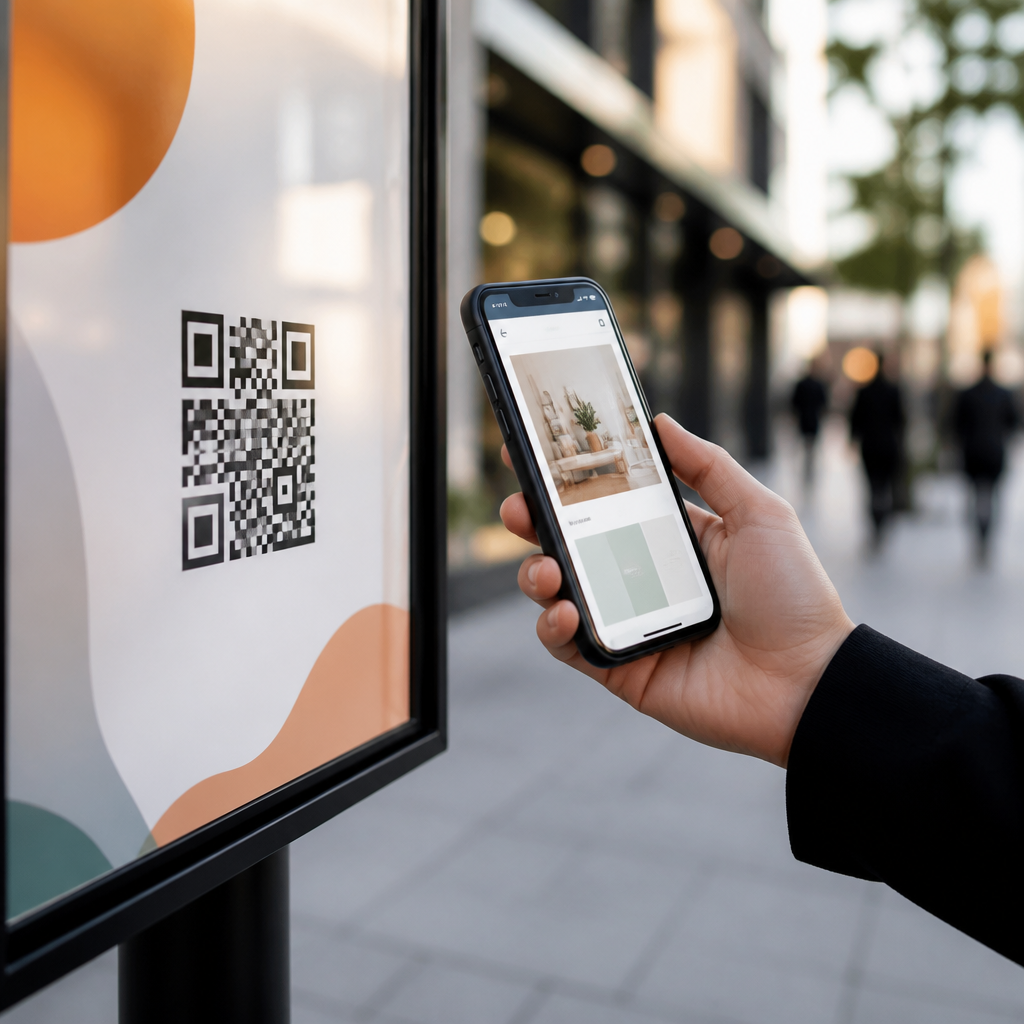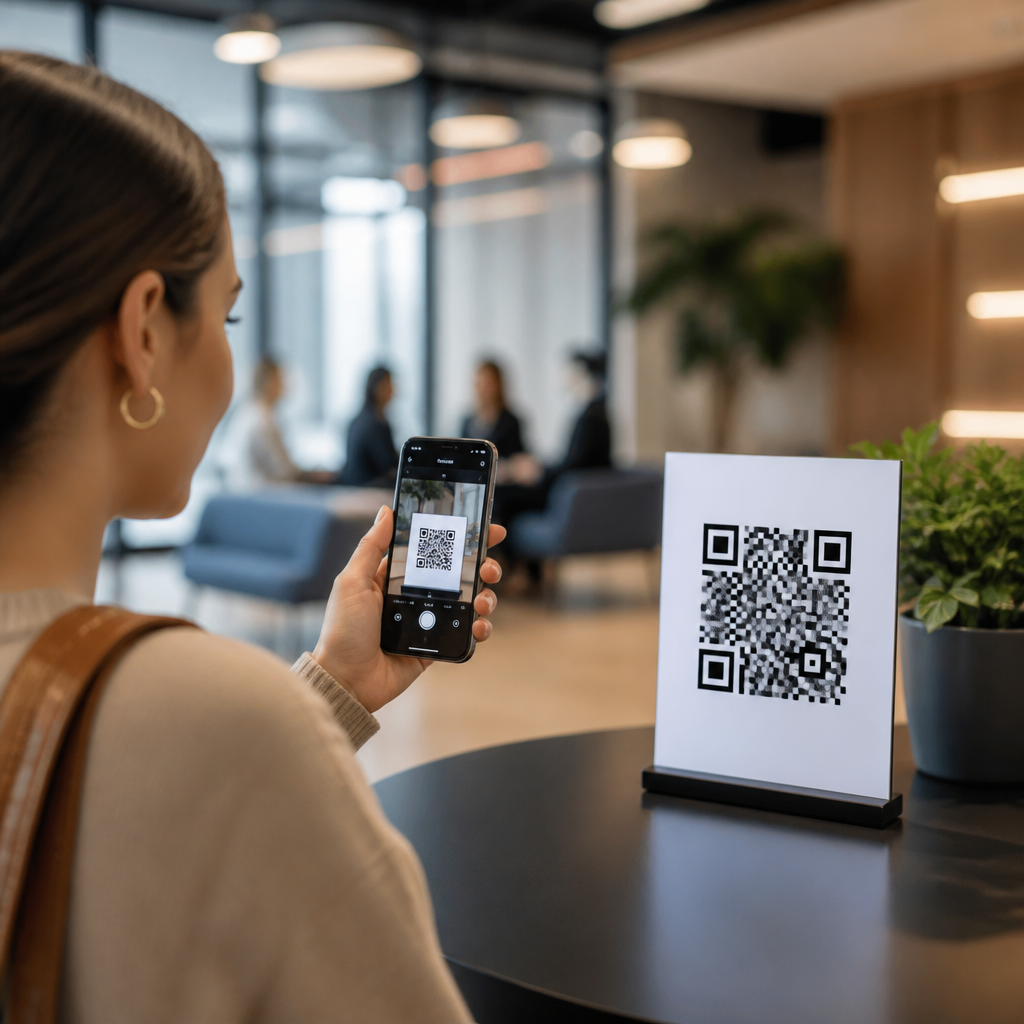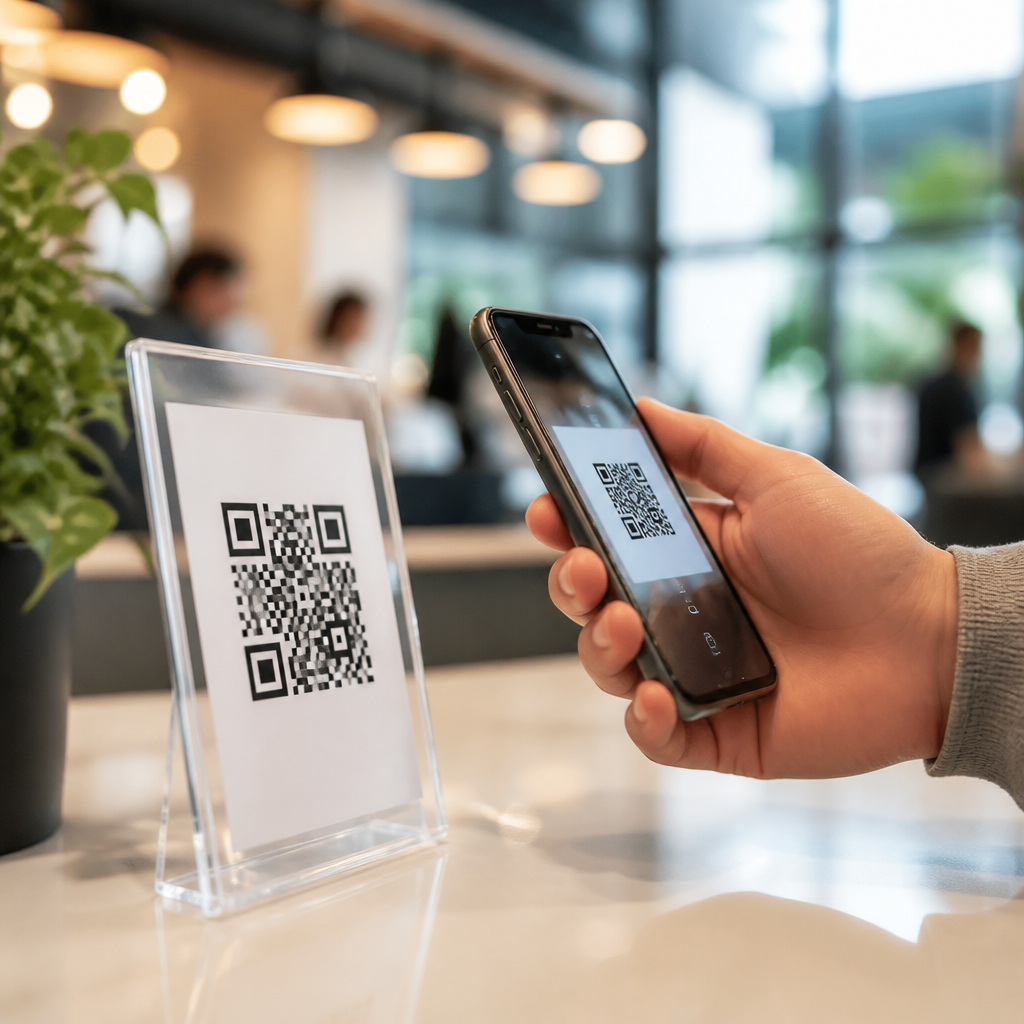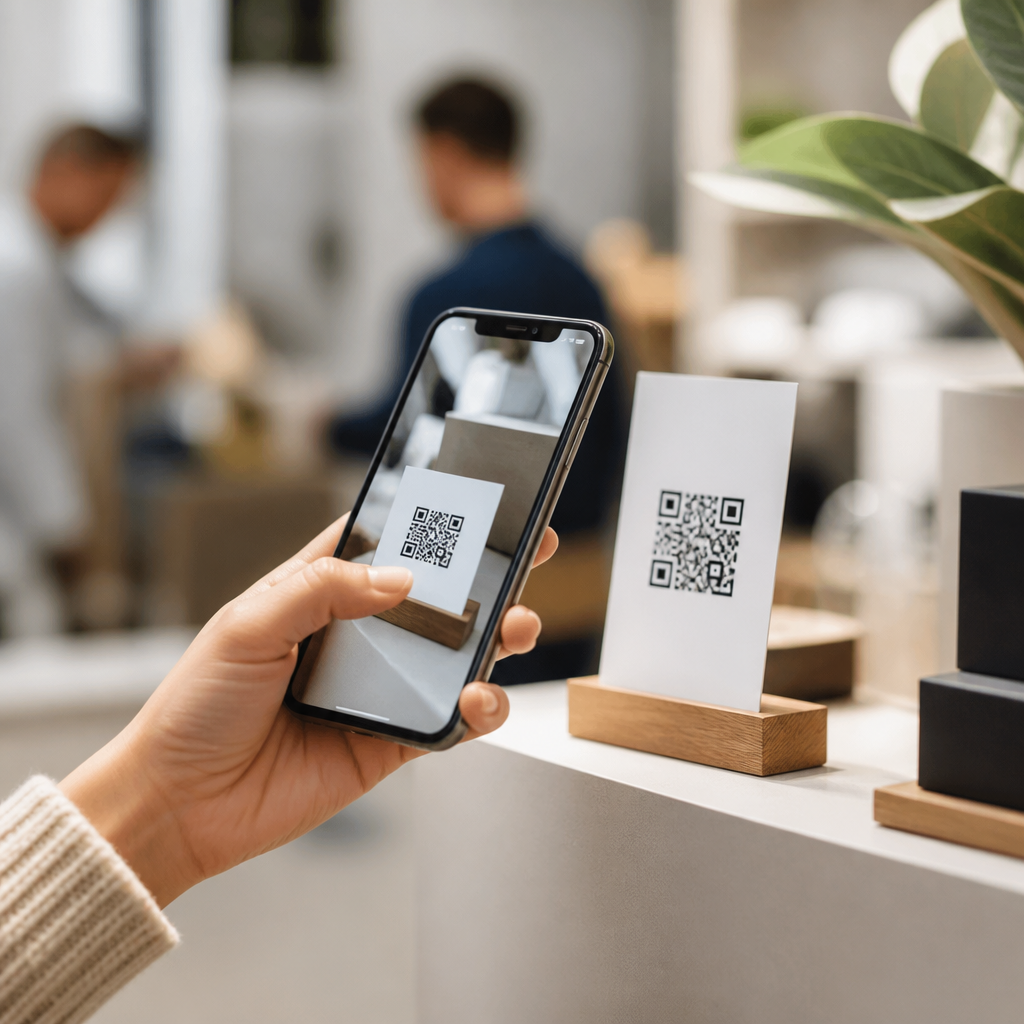
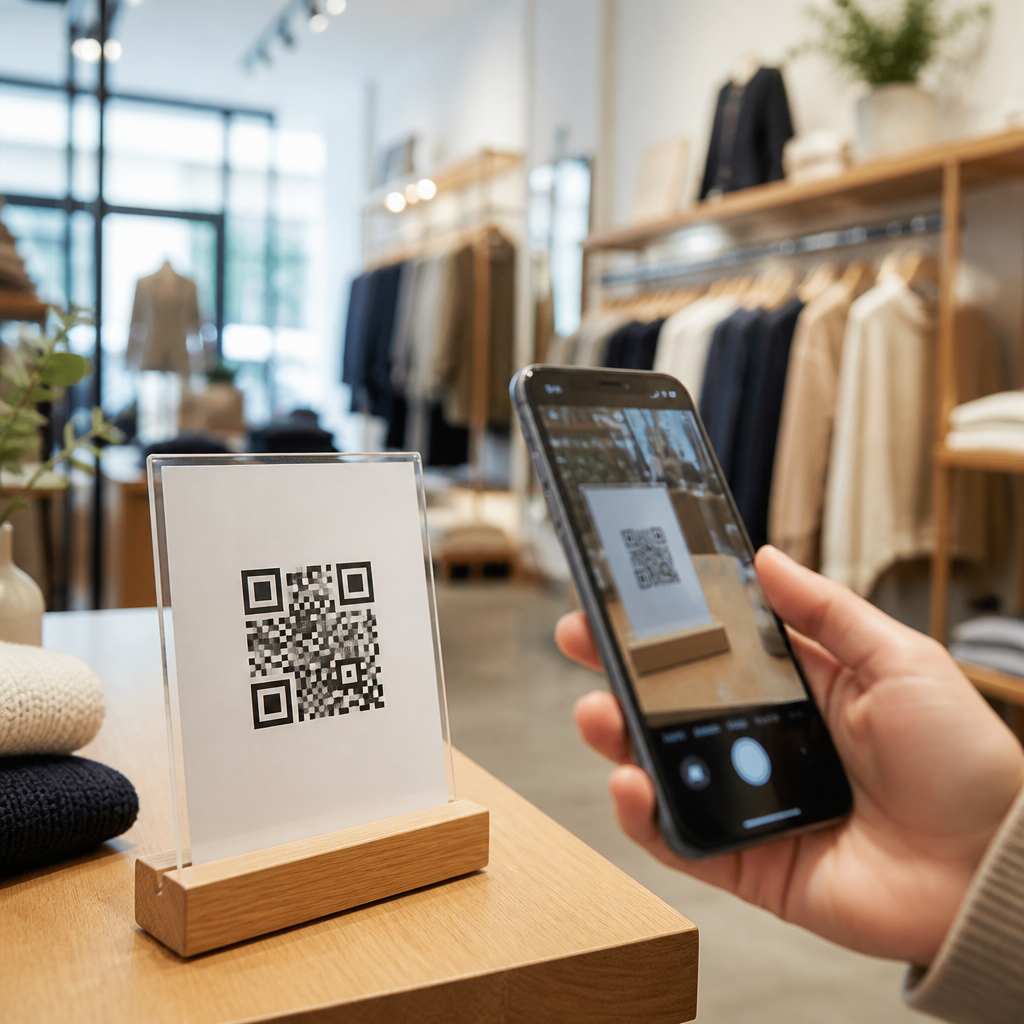
QR codes for in-store to online transitions have become one of the most practical tools in omnichannel marketing because they turn a physical touchpoint into a measurable digital action within seconds. In retail, hospitality, events, and consumer packaged goods, a customer can scan a small printed code and move from shelf to screen, from packaging to product page, or from a storefront display to a sign-up form without typing a URL. That simple bridge matters because modern buyers rarely stay in one channel. They compare prices on mobile while standing in an aisle, read reviews after seeing a window display, and join loyalty programs after a purchase rather than before it.
A QR code, or quick response code, is a two-dimensional barcode that stores information such as a web address, coupon, app deep link, contact card, payment prompt, or event registration page. Smartphones now read QR codes natively through camera apps, which removed the friction that limited adoption a decade ago. In practical omnichannel marketing, the value is not the code itself. The value is what happens after the scan: attribution, personalization, first-party data capture, assisted conversion, retargeting, loyalty enrollment, and post-purchase education.
I have seen this play out most clearly in store environments where brands were already investing in signage, packaging, and point-of-sale materials but had no reliable way to connect those assets to online behavior. Once QR codes were deployed with tracked landing pages, teams could measure which aisle displays generated product page views, which fitting-room posters produced app downloads, and which receipts drove review submissions. That visibility improves campaign planning, store operations, and customer experience at the same time.
This hub article explains omnichannel marketing with QR codes from the ground up. It covers where QR codes fit in the customer journey, which use cases create the strongest in-store to online transitions, how to design and track campaigns, and what limitations marketers must address. If your goal is to connect physical marketing to digital conversion in a way customers actually use, QR codes are no longer optional add-ons. They are a core channel connector.
How QR codes support omnichannel marketing
Omnichannel marketing means creating a coordinated customer experience across physical and digital channels so each interaction informs the next one. QR codes support that model because they create continuity. A shopper sees a shelf talker, scans it, lands on a mobile product page, reads reviews, adds an item to a wishlist, receives a follow-up email, and later completes checkout online. Each step can be tracked and optimized. The physical store no longer sits outside your digital funnel.
The most effective QR strategy aligns the code with customer intent at a specific moment. Near a product display, the intent may be information: ingredients, sizing, setup instructions, or compatibility. At checkout, the intent may be convenience: digital receipts, warranty registration, or loyalty enrollment. On packaging, the intent may be engagement after purchase: tutorials, reorder links, referral offers, or subscription options. Matching the destination to the context is what separates useful QR campaigns from ignored signage.
Retailers often underestimate how much friction QR codes remove. Typing a long URL on a mobile device in a crowded store is enough to lose many buyers. A scan compresses the action to one gesture. That matters especially when the destination is time-sensitive, such as limited inventory, flash offers, event registration, or buy-online-pick-up-in-store options. It also helps when the product requires more explanation than a shelf tag can provide. A cosmetics brand can link to shade-matching guidance; an electronics retailer can link to a comparison page; a grocery brand can link to recipes and nutrition details.
From a measurement perspective, QR codes also create cleaner attribution than many offline tactics. With distinct URLs, UTM parameters, location-level codes, and dynamic redirects, marketers can identify which store, display, package version, or campaign produced each scan. Platforms such as Bitly, QR Code Generator Pro, Flowcode, and Beaconstac support dynamic editing and analytics, while Google Analytics 4 can capture sessions, conversions, and downstream events. The result is a stronger view of the store’s role in digital revenue.
High-impact use cases for in-store to online transitions
The strongest QR code use cases solve a real customer need, not just a brand reporting need. Product education is one of the most consistent winners. In categories where shoppers want proof before purchase, codes can open reviews, demo videos, spec sheets, FAQs, ingredient sourcing information, or user guides. Home improvement stores use them to connect tools and materials to how-to videos. Wine retailers use them to deliver tasting notes, food pairings, and vineyard stories. Apparel brands use them to show fit videos, stock availability, and care instructions.
Loyalty and first-party data capture are another major use case. A code at the register, on receipts, or in fitting rooms can invite shoppers to join a rewards program in exchange for points, a discount, or a birthday perk. Because the shopper is already engaged, conversion rates can outperform generic website pop-ups. The best implementations keep forms short and mobile friendly, then pass the user into an onboarding flow with immediate value, such as a personalized offer or saved preferences.
Post-purchase support is often overlooked, but it creates durable value. A QR code on packaging can direct customers to assembly help, setup guides, care instructions, FAQs, warranty registration, and replacement parts. That reduces support costs while increasing satisfaction and retention. Consumer electronics brands do this well because setup friction is high and searchable support content reduces returns. The same principle works for furniture, fitness equipment, skincare devices, and specialty foods.
Payments and checkout extensions also fit the in-store to online model. Restaurants use tabletop QR codes for menus, payment, and reordering. Pop-up shops use them when inventory is limited in person but available online. Showrooms use them to save products to a cart for later purchase. In each case, the scan preserves intent that might otherwise disappear after the customer leaves the space.
| Use case | Customer need | Best destination | Primary metric |
|---|---|---|---|
| Product display | More information before buying | Mobile product page with reviews and FAQs | Product detail views and assisted conversions |
| Receipt or checkout | Loyalty enrollment or review prompt | Short form or post-purchase landing page | Sign-ups and review submissions |
| Packaging | Setup, care, or reorder support | Help center, tutorial hub, or subscription page | Registrations, repeat orders, support deflection |
| Window display | Browse after hours | Store locator, curated collection, or appointment page | Scans, appointments, online revenue |
Campaign design, tracking, and landing page strategy
Good QR campaigns are built backwards from the desired action. Start by defining the conversion event: email capture, purchase, appointment, app install, warranty registration, or content consumption. Then design the physical placement, call to action, destination page, and analytics around that goal. A code without a clear promise underperforms. “Scan to learn more” is weak. “Scan to compare sizes,” “Scan for 10-minute assembly help,” or “Scan to see today’s member price” sets a specific expectation.
Dynamic QR codes are usually the better choice for marketing because they let teams update the destination without reprinting materials. If a landing page changes, inventory sells out, or a seasonal campaign ends, the redirect can be edited centrally. Dynamic codes also support scan analytics by date, device, and sometimes approximate location. Static codes are useful for permanent utility functions, but they are less flexible for active campaigns.
The landing page deserves as much attention as the printed asset. Most scans happen on mobile, often in distracting environments with weak connectivity. Pages should load fast, place the core information above the fold, and minimize pop-ups. If the code is on a product display, the page should open directly to that product or category, not the homepage. If the goal is list growth, the form should ask only for information needed at that moment. If the goal is purchase, show inventory status, delivery options, and payment methods immediately.
Measurement should combine scan data with web analytics and business outcomes. Use unique campaign parameters for every placement, store cluster, and asset type. In GA4, configure events for page views, form starts, purchases, coupon applies, and account creations. In a CRM or customer data platform, map QR-originated users into segments so follow-up communication reflects the source context. A customer who scanned in a store should not receive the same message as someone who clicked a generic social ad. The offline moment gives you valuable intent signals.
Best practices for customer experience, compliance, and performance
The best QR code marketing feels helpful, immediate, and safe. Clear placement matters. Put the code where the need arises, not where design space happens to be available. Include a short CTA and, when relevant, a plain-language explanation of what the customer will get after scanning. Maintain enough contrast, quiet space, and print size for reliable scanning. Test under real store lighting, from normal standing distance, and across iPhone and Android devices. Brand styling is fine, but not if it reduces scan reliability.
Trust signals are equally important. Customers have learned to be cautious with unknown links, especially in public places. Use recognizable domains, branded landing pages, and concise privacy language when collecting data. If the QR code leads to SMS opt-in, loyalty enrollment, or payment, state that clearly before the scan. For regulated industries such as alcohol, healthcare, financial services, and supplements, review claim language and data handling with legal teams. Compliance failures usually come from the destination experience, not the code itself.
Accessibility should be part of implementation. Place the code where wheelchair users can reach and scan it comfortably. Pair the code with a short URL for customers who cannot scan. Avoid putting critical information exclusively behind a QR interaction; that can exclude users with older devices, camera limitations, or low digital confidence. In multilingual markets, route scans to localized pages automatically or offer language selection immediately after the scan.
Performance optimization is iterative. Review scan-through rates by placement, compare conversion rates across destinations, and test CTA wording, incentive level, and page structure. In one retail rollout I worked on, moving a code from the bottom shelf rail to eye-level signage increased scans materially because customers noticed it before making the purchase decision. In another case, replacing a general “learn more” CTA with “scan for exact fit and stock availability” improved both scans and online revenue because the message matched the shopper’s immediate question.
Building a scalable hub strategy for QR code content
Because this page serves as a hub for omnichannel marketing with QR codes, the strategic opportunity goes beyond one campaign. A strong hub structure organizes your program around journey stages and business outcomes. Typical supporting articles would cover QR codes for product packaging, QR codes for loyalty programs, QR codes for retail signage, QR codes for event activation, QR code analytics, and QR code landing page design. That structure helps teams build repeatable playbooks instead of isolated tests.
Operationally, central governance is essential. Establish naming conventions for campaigns, standard UTM taxonomies, approved QR generators, redirect rules, design specs, and data retention policies. Define who owns store-level requests, who approves destinations, and how expired campaigns are retired. Without governance, brands accumulate dead links, inconsistent reporting, and duplicate customer experiences. With governance, QR becomes a dependable conversion layer across channels.
Scalability also depends on integrating QR activity with broader marketing systems. Connect scans to email flows, paid media exclusions, loyalty triggers, and audience building. If a customer scans a product code but does not purchase, that event can trigger a reminder email or suppress irrelevant promotions. If a customer registers a product through packaging, that record can start education content and replenishment reminders. The more connected your stack is, the more value each scan produces.
Keep in mind that QR codes are not a strategy by themselves. They are an access mechanism. Their success depends on relevance, execution quality, and the usefulness of the destination. When those pieces align, QR codes become one of the simplest and most effective ways to move customers from in-store attention to online action, with attribution built in.
QR codes for in-store to online transitions work because they meet customers where intent is already high and reduce the friction between physical browsing and digital action. They support omnichannel marketing by linking displays, packaging, receipts, and storefronts to product content, loyalty enrollment, support resources, checkout options, and measurable conversion paths. For marketers, that means stronger attribution from offline assets. For customers, it means faster answers, easier purchases, and more relevant follow-up.
The main lesson is straightforward: the most effective QR campaigns are context-driven. Put the code where a specific question exists, send the user to the exact answer or next step, and measure what happens after the scan. Use dynamic codes, mobile-first landing pages, clear calls to action, trusted domains, and analytics tied to business outcomes. Treat the store as part of the digital funnel rather than a separate environment.
If you are building an omnichannel program under a broader QR codes in marketing strategy initiative, start with a focused pilot. Choose one high-intent use case, create a dedicated landing page, implement clean tracking, and compare results by location and placement. Then expand into packaging, loyalty, post-purchase education, and after-hours browsing. Done well, QR codes turn physical marketing into a scalable, data-rich bridge to online growth. Audit your current in-store touchpoints and identify where one well-designed scan can remove the most customer friction today.
Frequently Asked Questions
1. How do QR codes help move customers from an in-store experience to an online action?
QR codes create an immediate bridge between a physical environment and a digital destination. Instead of asking customers to remember a website, type a long URL, or search for a product later, a QR code lets them scan and arrive at the exact next step in seconds. In practice, that might mean moving from a shelf tag to a product detail page, from product packaging to a how-to video, from a restaurant table tent to an online ordering system, or from a window display to a newsletter sign-up form. That speed matters because customer intent is often strongest at the moment of discovery. If the next action is frictionless, businesses are far more likely to capture attention, engagement, and conversions before that intent fades.
From an omnichannel marketing perspective, QR codes are especially valuable because they make offline interactions measurable. A printed sign, package, or in-store display becomes more than a static asset; it becomes a trackable entry point into the digital journey. Businesses can see which placements generate scans, which offers drive action, and which campaigns turn foot traffic into online behavior. This makes QR codes one of the most practical tools for connecting physical touchpoints with digital performance data while improving convenience for the customer at the same time.
2. Where should businesses place QR codes in stores, packaging, or displays for the best results?
The most effective QR code placement depends on where customer attention naturally pauses and where the code supports a clear next step. In retail, strong locations include shelf talkers, endcap displays, fitting room signage, checkout counters, product tags, receipts, and storefront windows. On packaging, QR codes work well near instructions, ingredient information, product benefits, loyalty offers, or prompts to register a purchase. In hospitality, they are often successful on tables, menus, key cards, lobby signage, takeaway packaging, and room materials. At events, they can be placed on booths, badges, posters, handouts, and screens that invite attendees to access schedules, downloads, demos, or follow-up content.
Placement alone is not enough; the surrounding context matters just as much. A QR code should always be paired with a clear call to action that explains what the customer will get by scanning. Phrases such as “Shop this collection,” “See size availability,” “Watch setup instructions,” or “Get 10% off online” remove uncertainty and increase scan rates. Visibility, scanability, and convenience are also critical. The code should be large enough to scan easily, printed with sufficient contrast, and placed where customers can use their phones comfortably without blocking traffic or struggling with glare. The best placements feel useful and intuitive rather than decorative.
3. What should a QR code link to in order to improve conversions during in-store to online transitions?
A QR code should link to the most relevant and friction-free digital destination for the specific customer moment. If someone is standing in front of a product, the best destination is often a mobile-optimized product page with pricing, reviews, availability, and a clear purchase or save-for-later option. If the customer is browsing a display, a curated landing page featuring the promoted collection may be more appropriate. On packaging, the link might lead to setup guides, authenticity verification, replenishment ordering, loyalty enrollment, or cross-sell recommendations. In a hospitality setting, it could link to a reservation form, room service menu, event details, or a feedback page.
What matters most is reducing friction after the scan. The landing page should load quickly, be easy to use on mobile, and align exactly with the promise made next to the QR code. If the code says “Claim your offer,” the page should open directly to the offer, not a generic homepage. If it says “See more colors,” customers should land on the exact product variation page. Businesses often lose conversions when they treat QR codes as broad traffic drivers instead of precise intent matchers. The strongest results come when each code supports a single, obvious action and the destination page is built to help the customer complete it with minimal effort.
4. Are QR codes measurable, and what metrics should businesses track?
Yes, QR codes are highly measurable when they are set up correctly, and that is one of their biggest advantages in omnichannel marketing. By using dynamic QR codes, trackable URLs, campaign parameters, and analytics integrations, businesses can monitor how often a code is scanned, when scans occur, where traffic comes from, and what users do after landing on the page. This transforms physical materials such as signage, packaging, and point-of-sale displays into performance channels that can be evaluated much like digital ads or email campaigns.
The most useful metrics go beyond raw scan volume. Businesses should track scan-through rate relative to foot traffic or impressions when possible, landing page engagement, click-through to key actions, form completions, purchases, coupon redemptions, account sign-ups, and repeat visits. It is also helpful to compare performance by placement, store location, product line, or campaign message to identify what drives the strongest behavior. If one shelf display produces many scans but few conversions, the issue may be the landing page or offer. If another generates fewer scans but a higher purchase rate, that placement may be attracting more qualified interest. Measuring the full path from scan to outcome is what allows QR codes to support smarter optimization over time.
5. What are the most common mistakes to avoid when using QR codes for in-store to online transitions?
The most common mistake is creating a QR code experience that adds friction instead of removing it. This happens when codes link to a homepage instead of a relevant page, when mobile pages are slow or poorly designed, or when there is no clear explanation of why someone should scan. Customers are unlikely to take action if the value is vague or if the destination does not immediately match their intent. Another frequent mistake is poor physical execution, such as printing codes too small, placing them in dim lighting, using low-contrast colors, or positioning them where scanning is awkward. Even strong offers can underperform if the code is inconvenient to use.
Businesses should also avoid treating QR codes as one-size-fits-all tools. Different placements and customer moments require different destinations, calls to action, and follow-up experiences. A code on packaging should not necessarily lead to the same page as a code in a storefront window. Security and trust matter as well; customers are more comfortable scanning when the brand context is clear and the destination feels legitimate. Finally, many organizations fail to test and optimize. They launch the code, but they do not monitor scans, conversion behavior, or page performance. The best QR code strategies are intentional, customer-centered, and continuously improved based on real-world usage data.