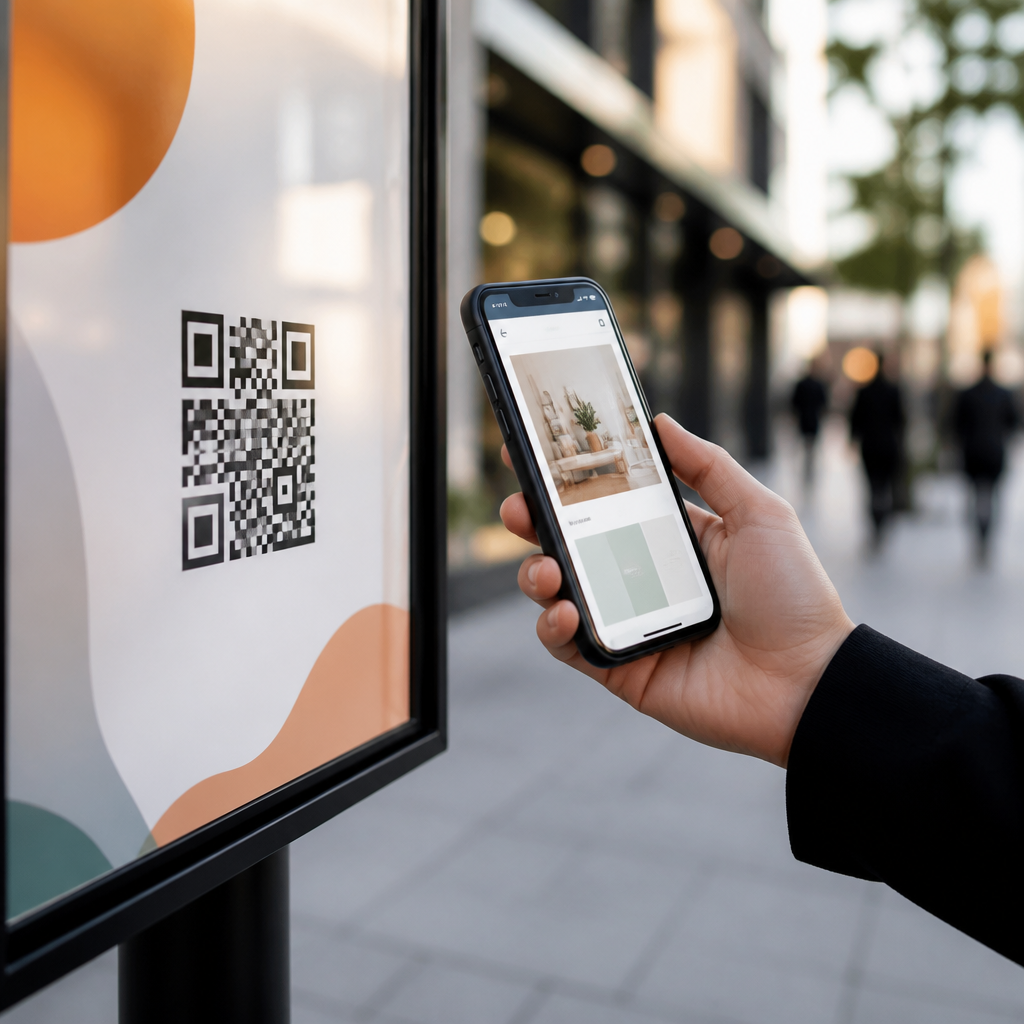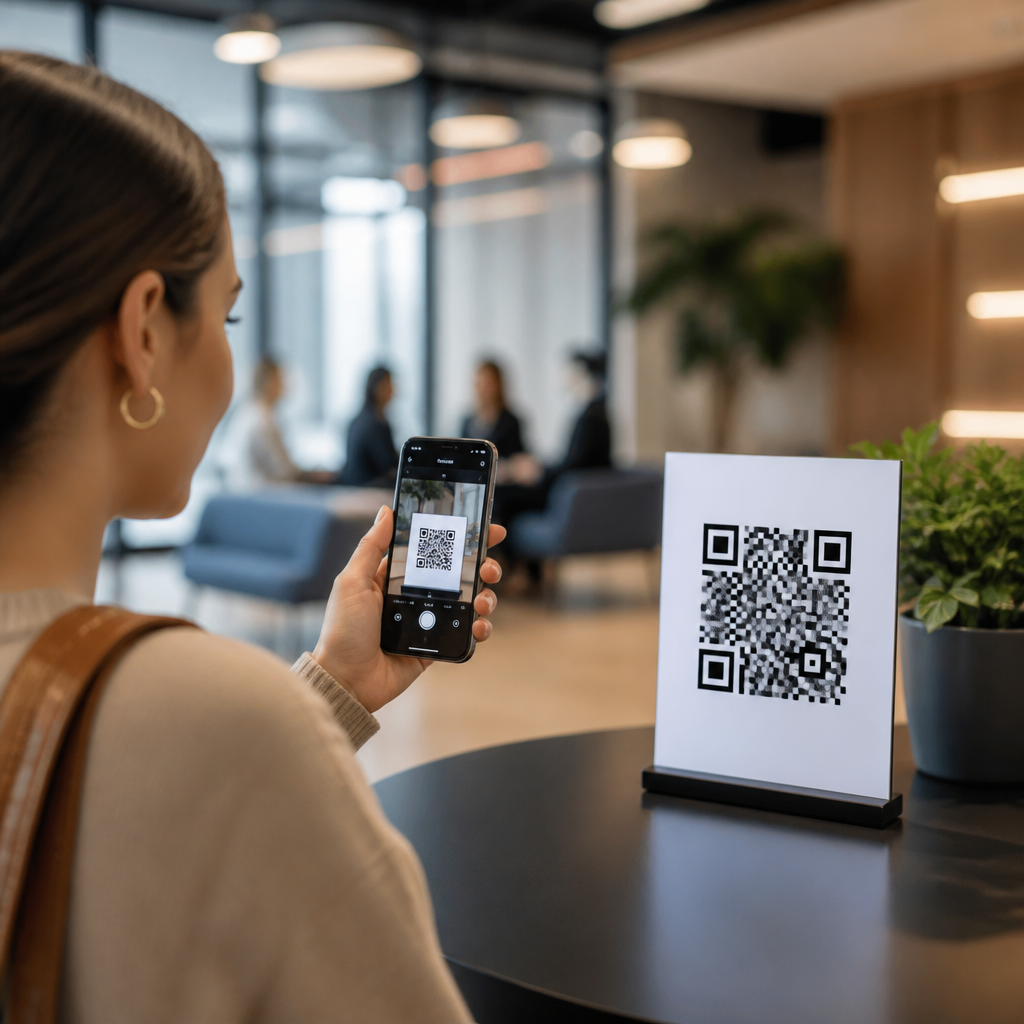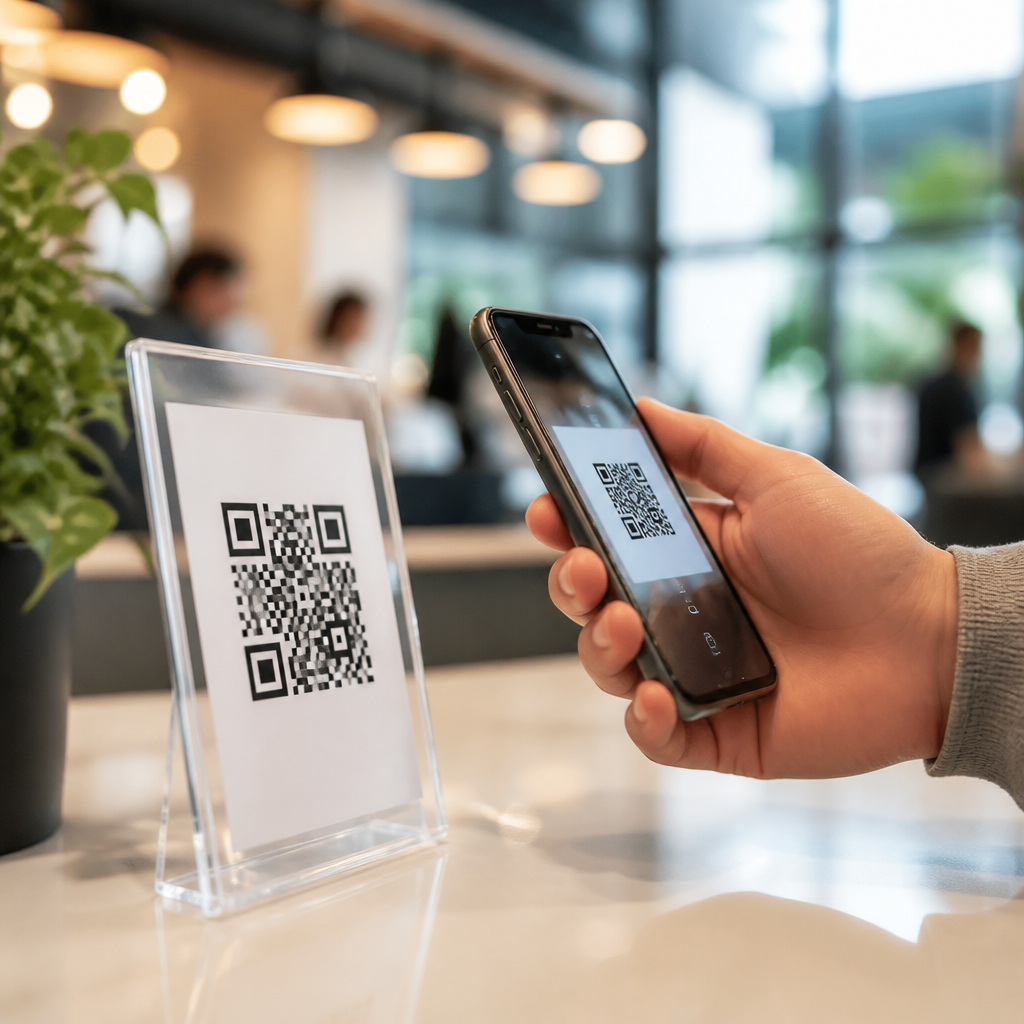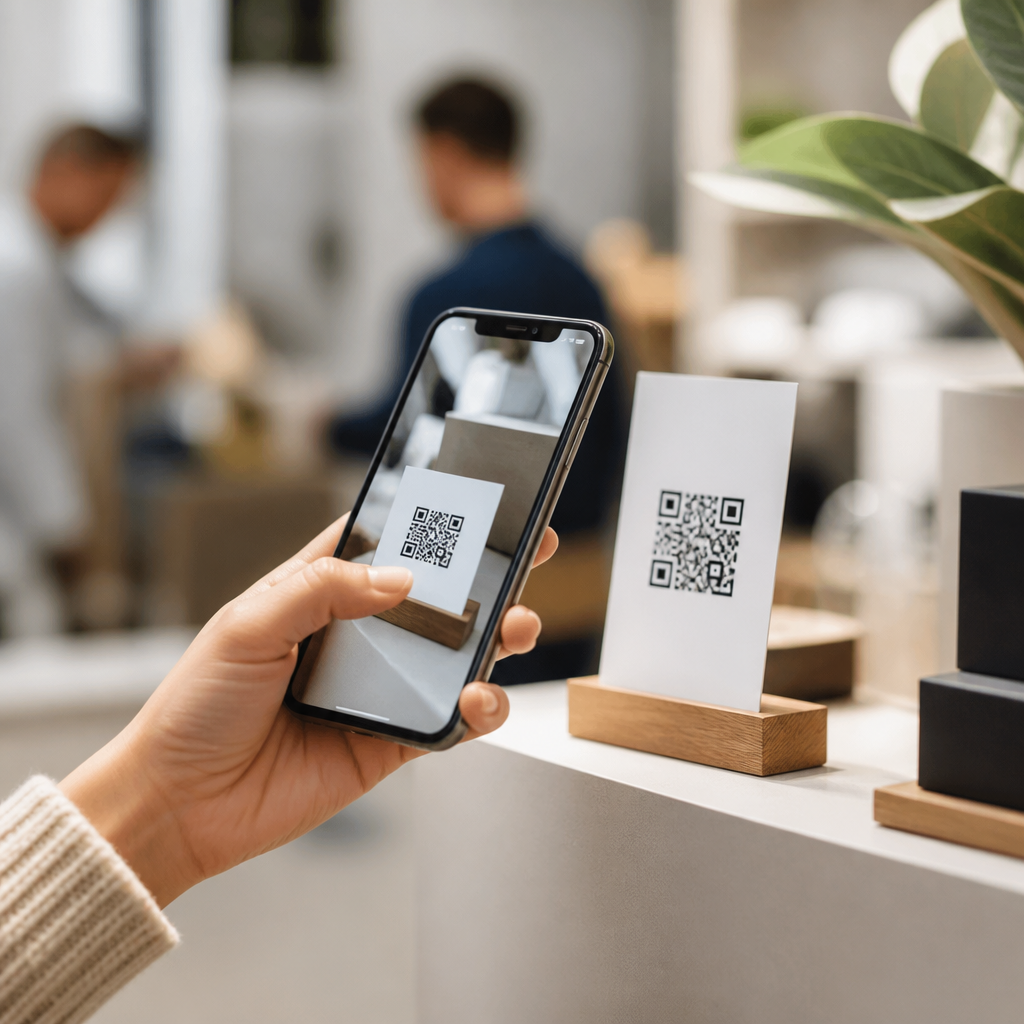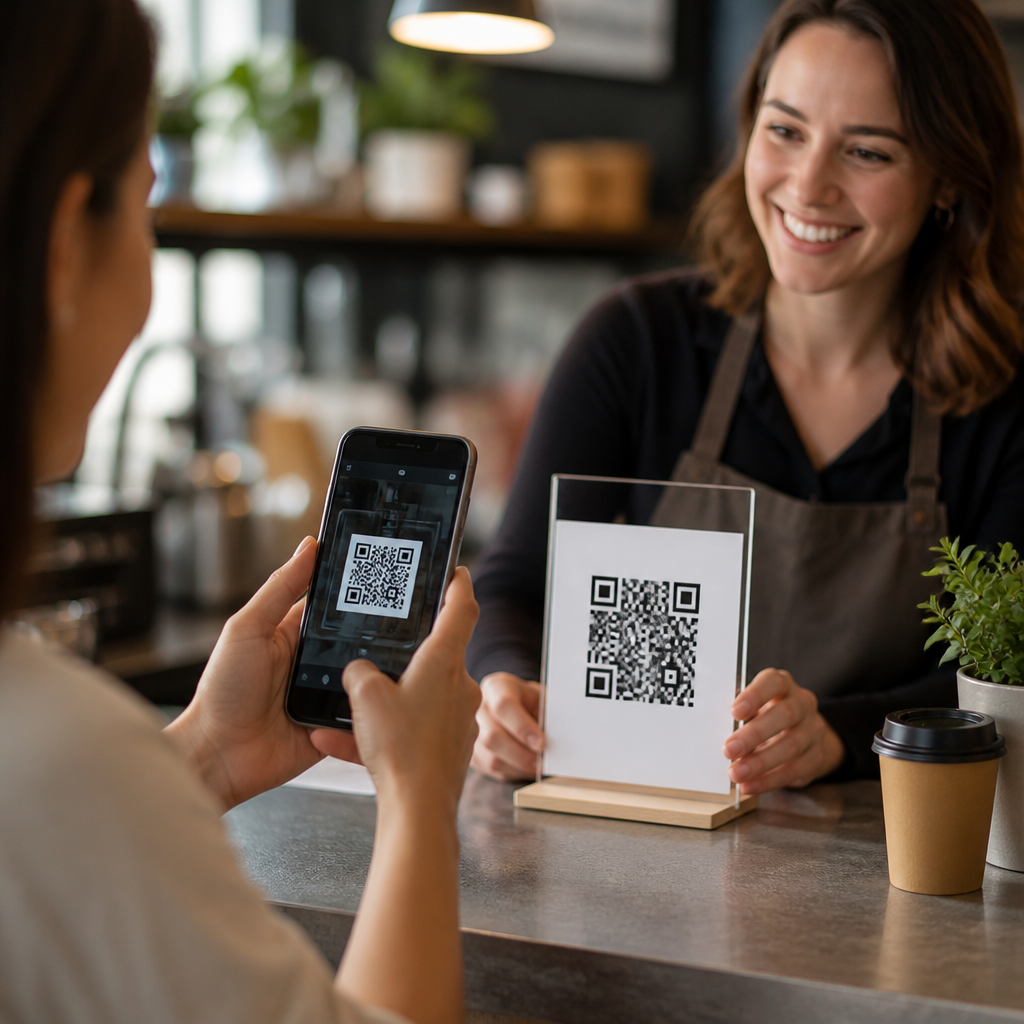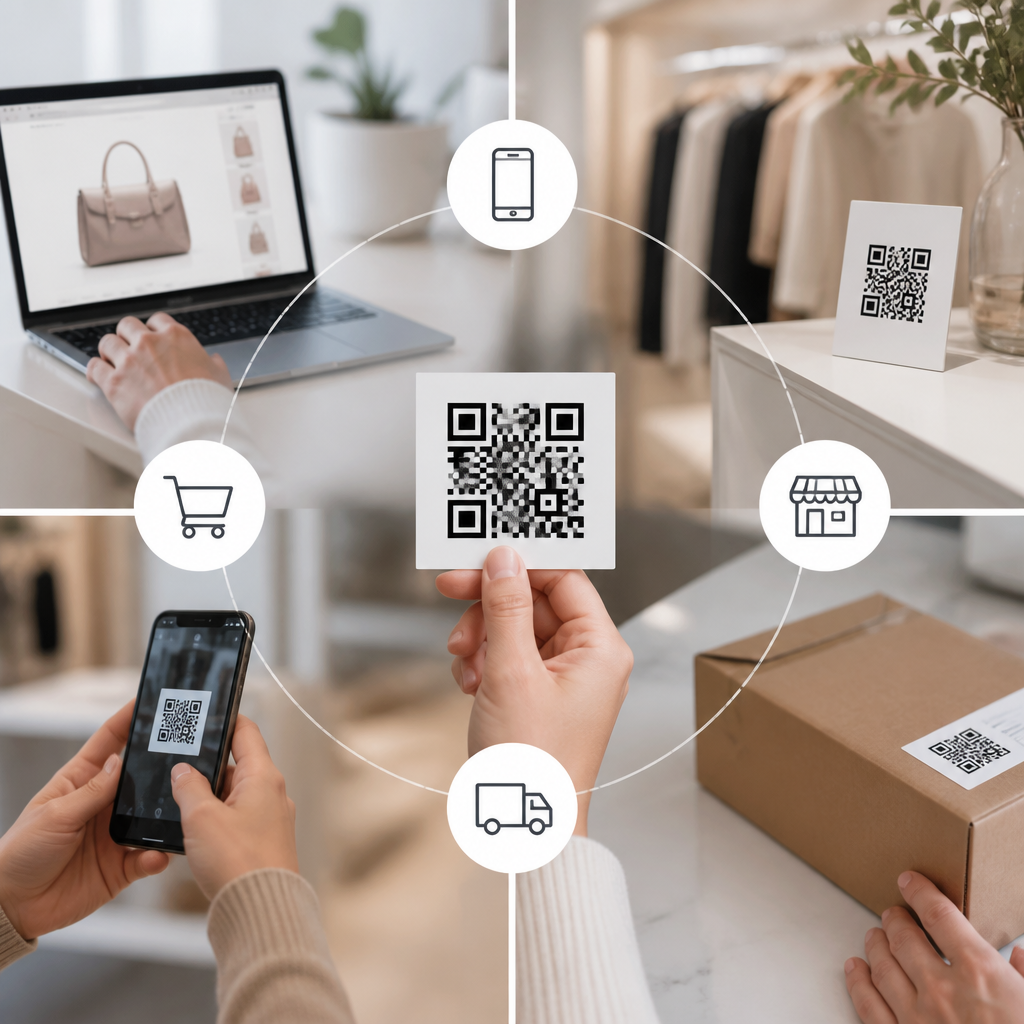
How to create a seamless omnichannel strategy with QR codes starts with understanding what omnichannel marketing actually means: a connected customer experience in which every touchpoint, from packaging and print to email, social, in-store signage, apps, and support, works together as one system. QR codes are the bridge technology that links physical moments to digital actions with almost no friction. When I have rolled out QR-based campaigns for retail, events, and service businesses, the difference between a scattered multichannel effort and a true omnichannel strategy always came down to one thing: whether scanning a code moved the customer into a continuous journey instead of a disconnected landing page.
A QR code, or Quick Response code, is a two-dimensional barcode that stores a destination such as a URL, app deep link, payment flow, file, form, coupon, or product record. Modern smartphones read QR codes natively through the camera, which removes the app-download barrier that limited adoption years ago. Omnichannel marketing, by contrast, is not merely being present on several channels. It means identity, message, timing, and measurement are coordinated so the customer can begin on one channel and continue on another without losing context. A shopper might scan a shelf tag, save an offer to a wallet pass, receive an email reminder, buy online, and later scan packaging for setup support. That is an omnichannel journey.
This matters because customer behavior is already channel-agnostic. People move between physical and digital spaces constantly, and they expect businesses to remember preferences, preserve offers, and reduce repeated steps. QR codes support that expectation better than many alternatives because they can be updated, personalized, tagged for analytics, and deployed almost anywhere a customer can point a phone. Used well, they shorten path length, improve attribution, and make offline media measurable. Used poorly, they create dead ends, generic pages, and broken trust. The goal of a seamless omnichannel strategy with QR codes is not more scans. It is better continuity, clearer data, and higher conversion across the full customer lifecycle.
Start with the customer journey, not the code
The first step in omnichannel marketing with QR codes is mapping the customer journey in detail. I usually define the major stages as discovery, consideration, purchase, onboarding, retention, and advocacy, then list the channels customers actually touch at each point. For a restaurant group, discovery may happen on out-of-home posters, social video, and local search; purchase may happen through table tents, takeaway packaging, and mobile ordering; retention may happen through receipts, SMS, and loyalty emails. The QR code should be designed around the next best action at each stage, not inserted as decoration.
This is where many campaigns fail. A brand places the same generic code everywhere and sends every scanner to the homepage. That ignores intent. Someone scanning a window poster after hours needs store hours, inventory visibility, or a reservation path, not the full navigation menu. Someone scanning product packaging after purchase needs setup instructions, warranty registration, or replenishment options. Effective QR journeys respect context, device, urgency, and customer state. The scan should answer the immediate question and preserve a path to the next step.
Journey mapping also reveals where continuity breaks. If a customer scans a print ad for an offer, can that offer be recovered later in email or inside the app? If a code on direct mail drives to a lead form, does the CRM record source and campaign so sales can follow up intelligently? If a code on a shelf sign opens product details, can the same session later support cart recovery? Seamless omnichannel execution depends on connecting platforms such as CRM, marketing automation, analytics, commerce, and customer support before the campaign launches.
Choose the right QR code architecture and destinations
Not all QR codes should behave the same way. For marketing programs, dynamic QR codes are usually the correct choice because the destination can be changed without reprinting the code. That matters for seasonal campaigns, inventory changes, localization, A/B testing, and error correction. Static codes still have a place for permanent destinations with no need for updates, but they are less flexible and weaker for measurement. In practice, dynamic codes provide the operational control an omnichannel strategy requires.
Destination design is equally important. A scan can open a mobile landing page, a deep link into an app, a digital wallet pass, a review request, a payment flow, a form prefilled with campaign metadata, or a customer support article tied to a product SKU. The best destination depends on what the customer is trying to accomplish at that moment. In retail, I have seen in-store QR codes outperform NFC when the objective was broad device compatibility and lower implementation complexity. For support use cases, QR codes on packaging reduced call volume when they opened the exact setup video for the purchased model rather than a general help center.
Use URL parameters, first-party identifiers where consent allows, and platform integrations to preserve context. A code on a catalog can pass campaign, product category, store region, and audience segment into analytics and automation systems. App users should be routed through deferred deep linking when possible, so the destination opens the relevant in-app screen after install or login. This architecture lets one printed asset continue to serve new journeys over time while maintaining clean measurement.
Build consistent experiences across channels
Consistency is what makes QR codes feel seamless instead of random. The message on the physical asset, the destination page, the follow-up email, and the in-store staff script should all align on value proposition, offer terms, and next step. If a poster says “scan to book a demo in 30 seconds,” the landing page should open directly to the booking flow with location, product line, or rep assignment already inferred. If a package insert promises exclusive tutorials, the scanned page should immediately show those tutorials, not ask the customer to search again.
Design standards matter here. Keep branding recognizable, but prioritize mobile usability: fast loading, clear headline, one primary action, concise copy, accessible contrast, and visible trust elements such as return policies or support links. Google’s Core Web Vitals are not just an SEO concern; they directly affect conversion after the scan. A delayed mobile page wastes the moment of intent. The same is true for app interstitials, cookie banners, or form fields that interrupt the user before value is delivered.
Operational consistency matters too. Store associates, field teams, and support agents need to know what each code does and how it fits the larger journey. When I have trained frontline teams before launch, scan-through conversion improved because staff could explain the benefit in one sentence and help customers complete the next action. Omnichannel strategy is not solely a media plan. It is a coordinated execution model across marketing, technology, operations, and service.
Use QR codes at each stage of the funnel
QR codes can support every funnel stage when the offer and destination match customer intent. The following table shows practical omnichannel marketing with QR codes applications I have seen work across sectors.
| Journey stage | QR code placement | Best destination | Main KPI |
|---|---|---|---|
| Discovery | Posters, direct mail, packaging teasers, event signage | Localized landing page, video, store locator, lead capture | Scan rate, new sessions, qualified leads |
| Consideration | Shelf talkers, catalogs, brochures, showroom displays | Product comparison, reviews, configurator, appointment booking | Engagement time, click-through, booked consults |
| Purchase | Table tents, window decals, point-of-sale displays | Mobile checkout, coupon wallet pass, app deep link, payment page | Conversion rate, average order value, coupon redemption |
| Onboarding | Receipts, box inserts, welcome cards, invoices | Setup guide, registration, tutorial series, support chatbot | Activation rate, reduced returns, lower support contacts |
| Retention | Loyalty materials, reorder labels, account statements | Replenishment flow, personalized offer, referral page | Repeat purchase rate, retention, referral volume |
Consider a cosmetics brand. A QR code on a subway ad drives to a shade finder by location and device. The same customer later scans an in-store tester for ingredient details and reviews, then receives a receipt code that opens a replenishment reminder and loyalty enrollment. Each scan belongs to one identity graph and one messaging strategy, even though the touchpoints differ. That is what omnichannel coordination looks like in practice.
Measure scans, sessions, conversions, and assisted impact
Good measurement is the reason QR codes have become central to omnichannel planning. They turn offline interactions into trackable digital events, but scan counts alone are not enough. I track performance at four layers: scan rate by placement, destination engagement, conversion outcomes, and assisted influence on later purchases. A store sign may generate fewer direct conversions than packaging, yet still increase branded search, app installs, or email sign-ups that lead to revenue later. If you credit only the last click, you will undervalue important offline touchpoints.
Use analytics platforms such as Google Analytics 4, Adobe Analytics, or Mixpanel alongside CRM and marketing automation tools like HubSpot, Salesforce, Klaviyo, or Braze. Standardize UTM structures, naming conventions, and campaign taxonomies before launch. Create separate codes for each placement, audience, and creative variant so you can compare true performance. Heat maps, time-of-day scans, geography, device type, and repeat-scan behavior often reveal optimization opportunities. For example, if packaging scans peak seven days after purchase, that may be the ideal time for a follow-up email or replenishment reminder.
Attribution should also include qualitative signals. Customer surveys, support transcripts, store associate feedback, and session recordings help explain why one code outperforms another. In one rollout, a lower scan rate on an in-store display still produced higher revenue because the destination was a high-intent product configurator. The lesson was simple: optimize for business outcomes, not vanity metrics. A seamless strategy with QR codes is measurable precisely because every scan can be tied to a customer need and a downstream result.
Avoid common mistakes in omnichannel QR campaigns
The most common mistake is friction after the scan. Slow pages, intrusive pop-ups, non-mobile forms, and unclear calls to action destroy momentum. The second mistake is poor placement. Codes that are too small, too high, badly lit, curved around packaging edges, or visually crowded will not scan reliably. Follow basic production standards: strong contrast, quiet zone spacing, sufficient size for expected distance, and print testing on final materials. A beautiful design that fails in the real world is not a marketing asset.
Another mistake is failing to earn the scan. People need a reason, such as instant savings, exclusive content, faster service, proof points, or useful tools. “Scan me” is not a value proposition. State the benefit in plain language next to the code. Also avoid sending all traffic to one generic page, launching without analytics QA, or ignoring privacy obligations. If personal data is collected, disclose it clearly and align with consent requirements under regulations such as GDPR and CCPA where applicable.
Finally, do not treat QR codes as a side tactic. They work best when tied to merchandising, lifecycle messaging, service design, and reporting. Brands that win with omnichannel marketing integrate QR strategy into campaign planning from the start. Audit your journey, assign one purpose per code, connect your systems, test every scan path, and then scale what proves useful.
Creating a seamless omnichannel strategy with QR codes is ultimately about continuity. The code is not the strategy; it is the connector that carries customers from physical context to digital action without losing relevance. When the journey is mapped clearly, the destination matches intent, the experience is consistent across channels, and measurement is built in from day one, QR codes become one of the most practical tools in modern marketing. They make print measurable, packaging interactive, stores more informative, and post-purchase service easier to access.
The strongest programs share a few traits. They use dynamic codes for flexibility, landing pages or deep links tailored to the exact moment, standardized tracking frameworks, and operational alignment across marketing, sales, retail, and support. They also respect tradeoffs. Not every audience wants an app install, not every placement needs personalization, and not every scan should lead to a sale. Sometimes the right outcome is education, registration, or issue resolution because those actions improve lifetime value and reduce churn later.
If you are building this capability now, start with one high-impact journey such as in-store product education, direct-mail lead capture, or post-purchase onboarding. Define the customer question, build the shortest mobile path to the answer, instrument the experience fully, and learn from the data. Then expand to adjacent touchpoints until your channels operate as one connected system. That is how omnichannel marketing with QR codes moves from novelty to durable competitive advantage.
Frequently Asked Questions
What does an omnichannel strategy actually mean, and where do QR codes fit into it?
An omnichannel strategy is not just about being present on multiple platforms. It means creating one connected customer experience across every touchpoint, including packaging, direct mail, print ads, product displays, social media, email, websites, mobile apps, in-store signage, events, customer support, and post-purchase communication. Instead of each channel operating independently, they work together as one coordinated system so the customer can move between physical and digital interactions without confusion or friction.
QR codes fit into this model because they serve as a simple, immediate bridge between offline moments and online actions. A customer can scan a code on a shelf talker, flyer, receipt, product label, event badge, or storefront window and instantly land on a targeted digital experience. That might be a product page, booking form, coupon, loyalty signup, tutorial video, customer service portal, feedback survey, or personalized landing page. The value is not the code itself; the value is the continuity it creates between channels.
When used strategically, QR codes help unify customer journeys. For example, a shopper might discover a product in-store, scan a code to read reviews, receive a follow-up offer by email, complete a purchase online, and later scan packaging for setup instructions or support. That is omnichannel in practice: one continuous experience rather than a collection of separate interactions. The strongest QR-based strategies are designed around customer intent, making each scan feel like a logical next step instead of a disconnected marketing tactic.
How do you build a seamless omnichannel strategy with QR codes from the ground up?
The best place to start is with the customer journey, not the QR code design. Map out how customers first discover your brand, how they evaluate options, what helps them convert, and what they need after purchase. Then identify the offline and online moments where people typically lose momentum. These gaps are where QR codes are most effective, because they reduce effort and help customers move forward instantly.
Next, assign a clear purpose to each QR code placement. A code on product packaging should likely do something different from a code on a trade show banner or a restaurant table tent. Packaging may lead to onboarding, care instructions, or loyalty enrollment. In-store signage may connect to inventory details, promotions, or product comparisons. Printed mailers may drive bookings or limited-time offers. Event materials may support registration, content downloads, or lead capture. Every scan destination should match the context of where the code appears and what the user is likely trying to do in that exact moment.
From there, create landing experiences that are mobile-first, fast-loading, and tightly aligned with the message that prompted the scan. If the sign says “Scan to see today’s menu,” the page should open directly to the menu, not your homepage. If packaging says “Scan for setup help,” the customer should land on setup instructions immediately. Relevance is what makes the experience feel seamless.
It is also important to use dynamic QR codes whenever possible. Dynamic codes let you update destinations without reprinting materials, which is extremely useful for campaigns, seasonal promotions, product changes, and testing. They also support tracking, so you can measure scan volume, time, location trends, and performance by asset or placement. Finally, connect scan data with your broader marketing stack, such as analytics platforms, CRM systems, email automation, and retargeting tools. That integration is what turns QR scans into actionable omnichannel intelligence rather than isolated traffic events.
What are the most effective ways to use QR codes across print, in-store, packaging, email, and social media?
The most effective use of QR codes depends on the role each channel plays in the customer journey. In print, QR codes work best when they shorten the path from awareness to action. A magazine ad, brochure, postcard, catalog, or flyer can drive readers to a product collection, appointment page, lead magnet, or exclusive offer. Because print is static, the call to action must be specific and compelling. “Scan to claim your 15% discount” or “Scan to watch the demo” is much stronger than a generic “Scan here.”
In-store, QR codes can improve both product discovery and purchase confidence. Place them on shelf signage, end caps, window displays, fitting room prompts, menus, and point-of-sale materials to provide product details, reviews, how-to content, ingredient information, style guides, inventory access, or instant offers. In a retail environment, scans are especially valuable because they let customers self-educate without waiting for staff support, while also giving your brand insight into what shoppers are evaluating in real time.
On packaging, QR codes are powerful because they extend the customer relationship beyond the sale. They can lead to unboxing guidance, warranties, tutorials, refill ordering, loyalty enrollment, product authentication, care instructions, cross-sell recommendations, or support resources. Packaging is one of the best omnichannel touchpoints because it reaches people when they are highly engaged and already committed to the product.
In email and social media, QR codes are usually most useful when they encourage action in a physical context or make cross-device behavior easier. For example, an email promoting an in-store event can include a QR code for check-in, coupon redemption, or a location-specific offer. Social posts can feature QR codes for event access, app downloads, menu viewing, or limited activations in stores and at live experiences. While users can often click links directly in digital channels, QR codes still add value when they help move people from one environment to another, especially from screen to store, device to device, or online promotion to physical participation.
The key across all channels is consistency. The design, messaging, destination, and tracking structure should feel unified. Customers should recognize that each scan is part of the same brand journey, not a separate campaign with different expectations and outcomes.
How can you track and measure whether your QR code omnichannel strategy is working?
Measurement starts with defining what success looks like for each touchpoint. Some QR codes are meant to drive sales, while others are designed to increase engagement, support product education, reduce service volume, capture leads, or improve retention. Without channel-specific goals, scan counts alone can be misleading. A high number of scans may look impressive, but if the destination page performs poorly or users do not complete the next action, the experience is not truly effective.
Use dynamic QR codes with campaign-level tracking so you can monitor scans by location, placement, date, device, and traffic source context. Add UTM parameters or equivalent tracking conventions to each destination URL so the scan traffic flows cleanly into your analytics platform. This allows you to compare performance across store signage, print ads, product packaging, direct mail, event booths, and other materials. If possible, connect those interactions to downstream metrics such as purchases, form submissions, bookings, account registrations, repeat orders, customer support outcomes, or loyalty activity.
It is also important to analyze behavior after the scan. Look at bounce rate, time on page, click-through rate, conversion rate, and assisted conversion paths. If users scan but abandon quickly, the issue may be a weak offer, a slow page, poor message match, or a confusing mobile experience. If one physical placement consistently outperforms others, you have a strong signal about customer intent in that environment.
For mature omnichannel programs, the real advantage comes from connecting scan behavior to customer profiles and lifecycle stages. If a new customer scans packaging for setup content, that could trigger a welcome sequence. If an in-store browser scans multiple product codes but does not purchase, that activity could support retargeting or follow-up messaging. If support-related scans increase after a product launch, that can inform onboarding improvements. In other words, good QR measurement does more than report activity; it helps optimize the full customer experience across channels.
What are the most common mistakes to avoid when using QR codes in an omnichannel campaign?
The most common mistake is treating QR codes as a novelty instead of a strategic user experience tool. A code should not be added simply because it looks modern or interactive. It should exist to solve a specific customer need at a specific touchpoint. If there is no clear reason for someone to scan, response rates will be low and the experience will feel unnecessary.
Another frequent issue is sending users to a generic homepage. This breaks momentum and forces the customer to do extra work after scanning. The destination should be tightly aligned to the context, promise, and intent of the placement. A code on packaging should not lead to the same page as a code on an event banner unless that shared destination is genuinely relevant to both use cases.
Poor mobile experience is another major problem. Since most QR scans happen on smartphones, landing pages must load quickly, display cleanly on small screens, and make the next action obvious. Long forms, cluttered layouts, pop-up overload, and non-mobile checkout flows can undo the convenience that the QR code was supposed to create. Design the full scan journey for mobile-first behavior.
Brands also often fail to provide a strong call to action. A QR code by itself does not communicate value. People need to know what they will get by scanning and why it is worth their time. Clear prompts such as “Scan to book,” “Scan for ingredients,” “Scan to activate your