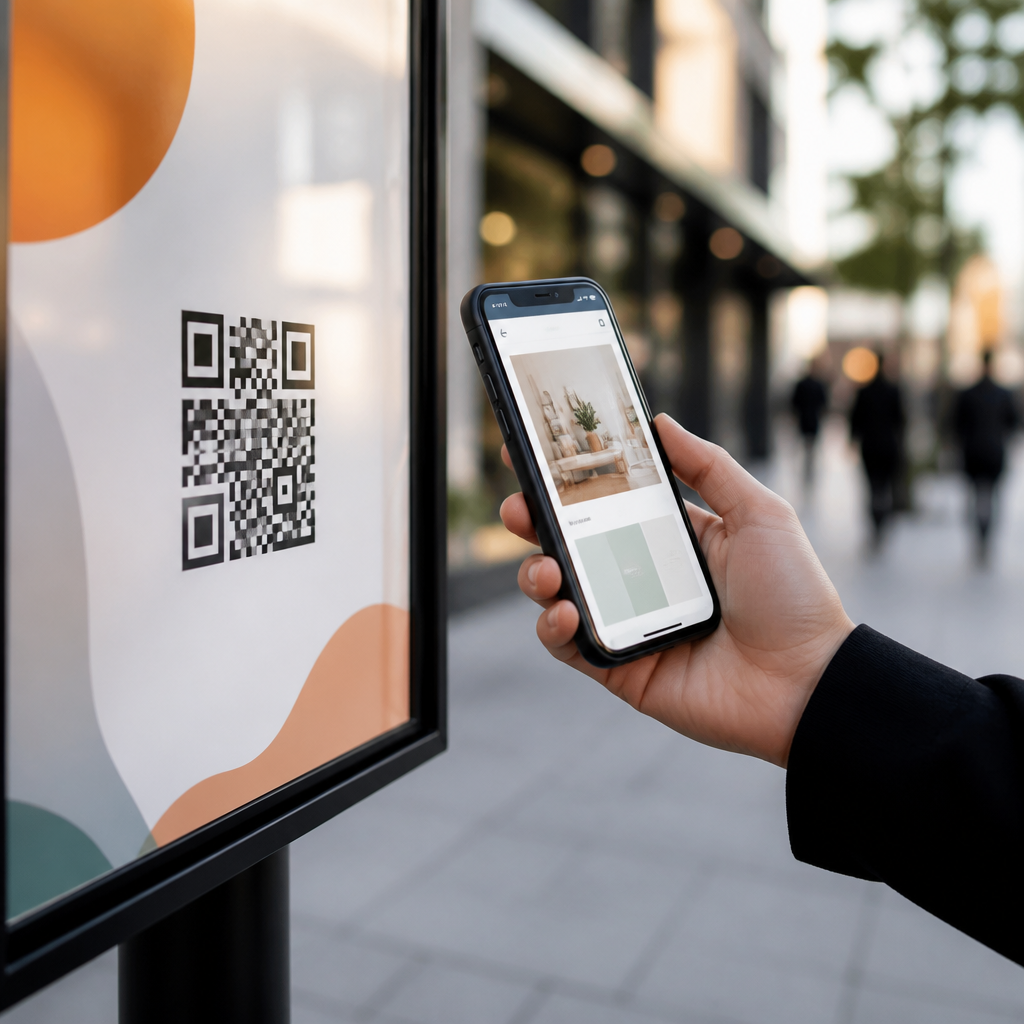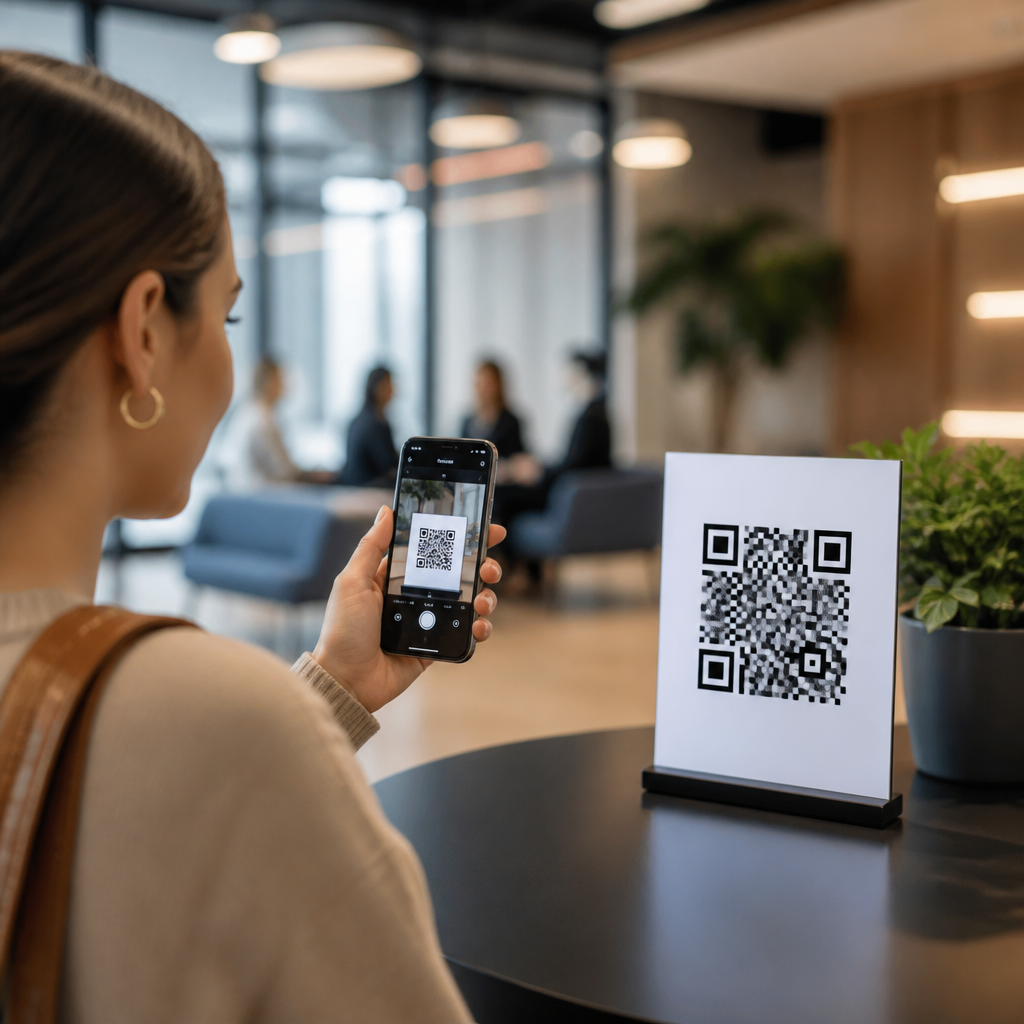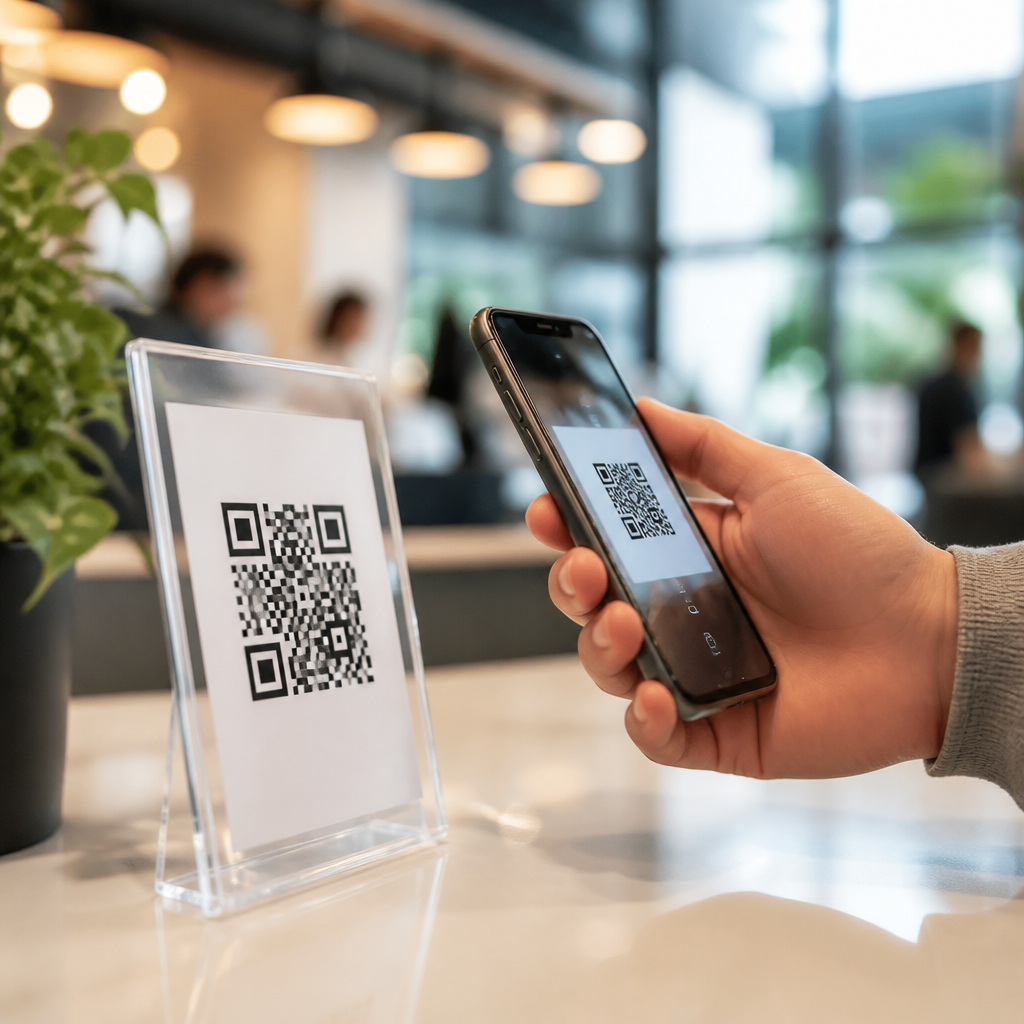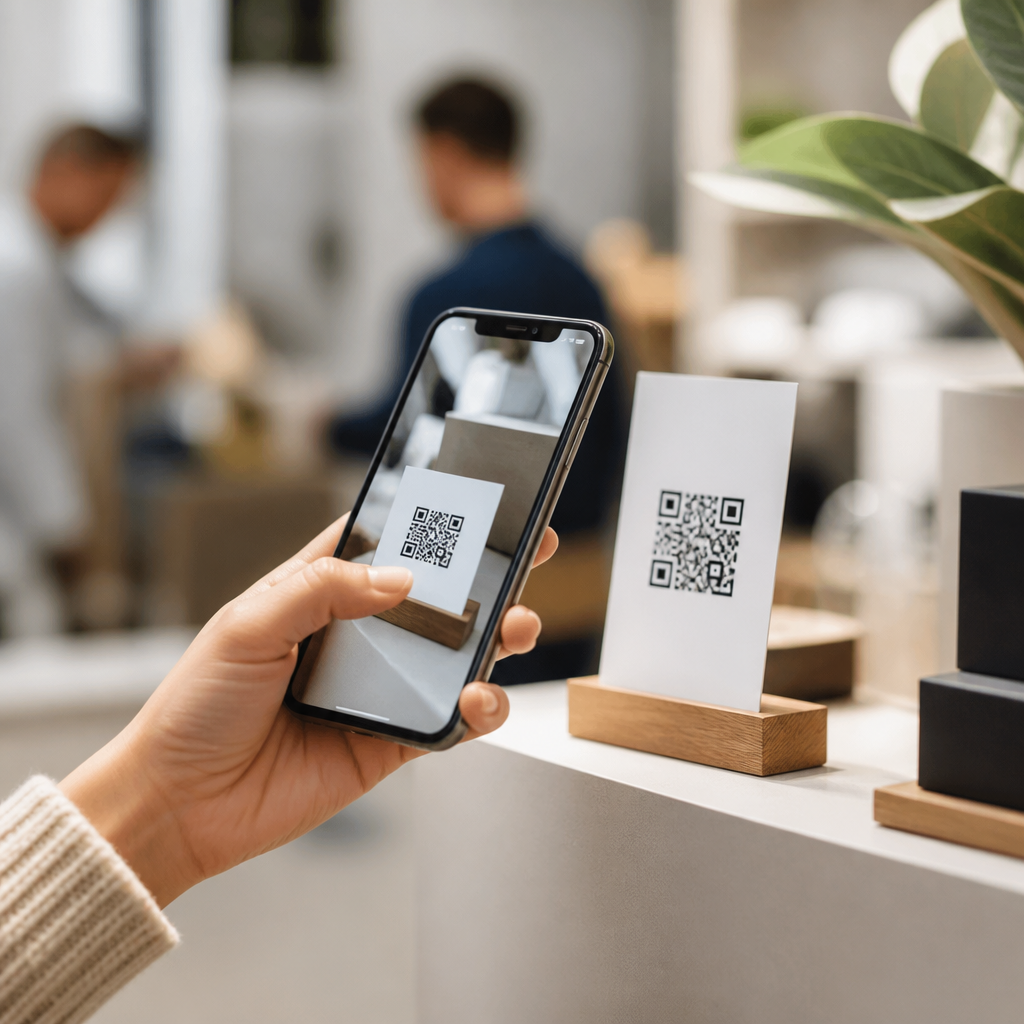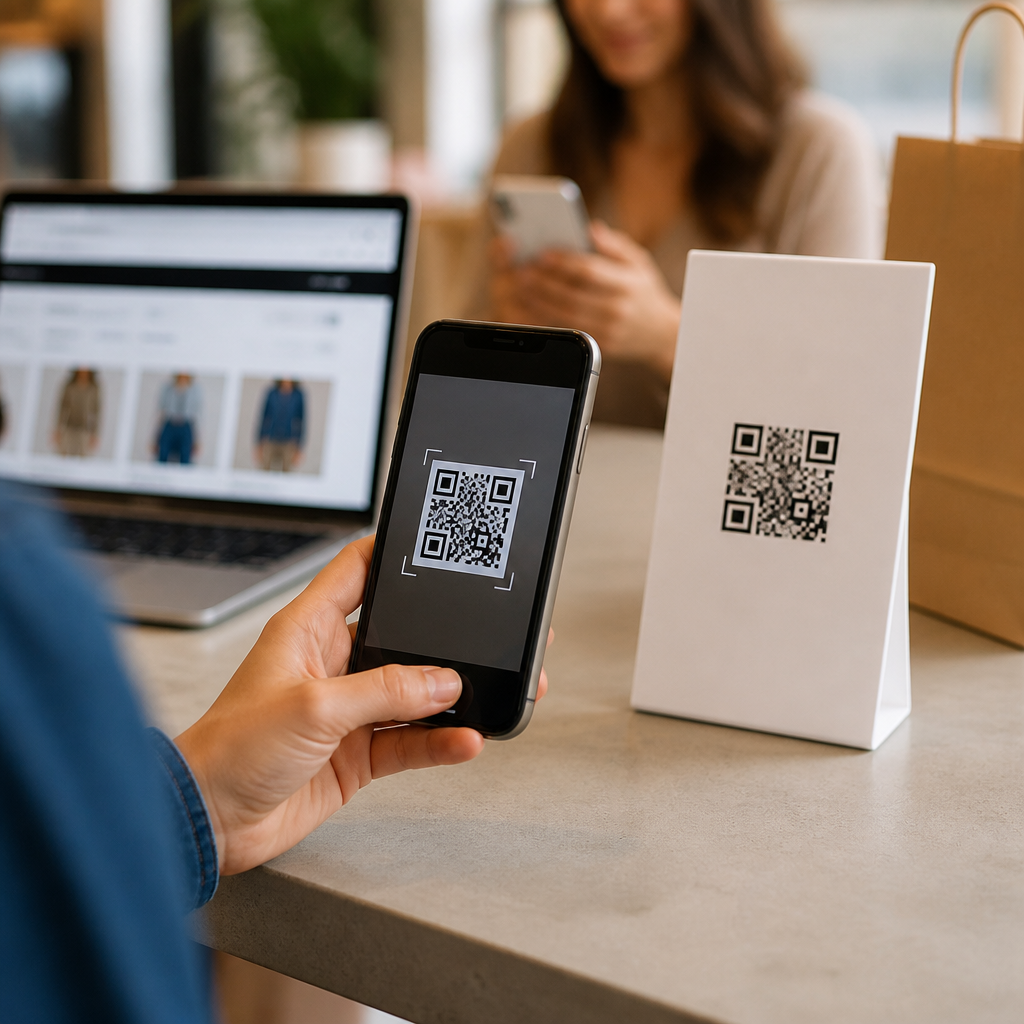
Omnichannel marketing succeeds when every customer touchpoint feels connected, measurable, and easy to continue, and that is exactly why QR codes have become essential. In practical terms, omnichannel marketing means coordinating physical and digital interactions so a person can move from store signage to mobile content, from direct mail to checkout, or from packaging to loyalty enrollment without friction. A QR code, short for quick response code, is a scannable two-dimensional barcode that opens a digital destination such as a landing page, app screen, coupon, video, payment flow, or product record. I have used QR codes across retail, events, restaurants, field sales, and product packaging, and the pattern is consistent: when campaigns need a reliable bridge between offline attention and online action, QR codes outperform vague calls to search later or type a long URL.
The importance of omnichannel marketing with QR codes is not theoretical. Customers already switch devices and channels constantly, but organizations often leave a gap between impression and action. A shopper sees a window display, likes a product, and intends to revisit it later, yet forgets. A conference attendee wants slides from a session, but a follow-up email arrives too late. A catalog recipient notices an offer, but typing a web address on a phone feels tedious. QR codes solve that continuity problem by turning passive media into interactive entry points. They also improve attribution because each placement can use distinct parameters, destinations, and creative, making campaign analysis far stronger than traditional offline media measurement. For brands building a durable marketing system rather than isolated promotions, QR codes are not a novelty; they are infrastructure.
Used correctly, QR codes support acquisition, conversion, service, retention, and advocacy. They can connect print ads to personalized landing pages, product shelves to reviews, receipts to referral programs, and out-of-home media to store locator tools. Dynamic QR codes add even more operational value because teams can update the destination without reprinting the code, enabling live campaign optimization, geographic targeting, language routing, and A/B testing. This matters for a sub-pillar hub on omnichannel marketing with QR codes because the subject spans strategy, creative, analytics, customer experience, governance, and compliance. The goal is not to place a code everywhere. The goal is to place a useful code where intent already exists, then make the next step obvious, relevant, and measurable.
How QR Codes Connect Channels Without Breaking the Customer Journey
The core reason omnichannel marketing needs QR codes is simple: they remove friction at the exact moment interest appears. Most channels still create interest before they create action. Posters, packaging, shelf wobblers, brochures, business cards, receipts, TV spots, and event badges can persuade, but they do not inherently continue the interaction. QR codes make these media actionable within seconds. A person scans, lands in the right digital environment, and continues without searching. That continuity preserves intent, and preserving intent is one of the highest-leverage improvements in marketing operations.
In campaigns I have managed, the strongest performance comes when the QR destination matches the context of the scan. A customer scanning a code on product packaging should not land on a generic homepage. They should arrive at a product-specific experience with setup help, ingredients, warranty details, replenishment options, or a review prompt. A commuter scanning a transit ad should see a fast-loading mobile page with location-aware inventory, booking, or directions. Omnichannel effectiveness depends on message continuity, design continuity, and data continuity. QR codes support all three when each scan carries campaign identifiers into analytics and customer relationship systems.
They also unify owned, paid, and earned channels. A beauty brand can place a QR code on influencer event signage that drives visitors to a shade-matching quiz, then retarget quiz completers through paid social and email. A B2B manufacturer can print QR codes on trade show booth graphics linking to spec sheets, then route sales-qualified scans into Salesforce for territory follow-up. In both examples, the code is not the strategy by itself. It is the connective tissue that allows separate channels to behave like one coherent system.
Where QR Codes Fit Across the Omnichannel Funnel
QR codes matter because they work at every stage of the funnel, provided the experience aligns with customer intent. At the awareness stage, they convert curiosity into measurable traffic from print, packaging, direct mail, outdoor placements, and in-store displays. At consideration, they can open demos, buyer guides, testimonials, comparison pages, calculators, or user-generated content. At conversion, they trigger coupons, checkout, reserve-online flows, app deep links, or payment pages. After purchase, they support onboarding, customer service, loyalty, referrals, and replenishment.
Retail is the clearest example. A shopper notices a mannequin display, scans a QR code, and lands on a mobile collection page showing available sizes by store. If the item is unavailable locally, the page can offer ship-to-home or join-waitlist options. That is a true omnichannel interaction because store presence, inventory systems, ecommerce, and lifecycle messaging all work together. Restaurants use the same principle when tabletop QR codes open ordering, allergen details, loyalty enrollment, and feedback forms. Consumer packaged goods brands use packaging codes to move a one-time retail purchase into a first-party relationship through recipes, how-to videos, and subscription offers. Healthcare systems use QR codes in clinic signage to route patients to appointment scheduling, forms, and wayfinding, reducing front-desk friction.
| Channel | Typical QR Code Use | Best Next Action | Primary Metric |
|---|---|---|---|
| Direct mail | Personalized offer or landing page | Claim coupon or book consultation | Scan-to-conversion rate |
| In-store signage | Product details and inventory lookup | Add to cart or find nearby stock | Assisted revenue |
| Packaging | Setup guide, loyalty join, reorder | Register product or subscribe | Post-purchase engagement |
| Events | Session materials, lead capture, demos | Request follow-up or start trial | Qualified leads |
| Out-of-home | Store locator or limited-time campaign | Get directions or redeem offer | Location-driven visits |
The advantage of using QR codes across the funnel is that they create a common interaction model for many channels. Customers do not need to learn a new behavior every time; they scan and continue. Marketing teams benefit because creative testing, analytics, and campaign governance become more standardized. That consistency is what makes the wider omnichannel program scalable.
Why QR Codes Improve Measurement, Attribution, and Optimization
One of the biggest weaknesses in offline marketing has always been measurement. Teams can estimate reach for direct mail, print, events, retail displays, and outdoor media, but estimating impact is not the same as tracking response. QR codes close that gap. By assigning a unique dynamic code to each placement, marketers can measure scans, time of day, geography, device type, downstream conversions, and revenue contribution. Combined with UTM parameters, analytics platforms such as Google Analytics 4, Adobe Analytics, or Mixpanel can tie scans to sessions and conversion events. Customer data platforms and CRM systems can then connect those interactions to known users, segments, and sales outcomes.
This is especially useful when optimizing creative and placement. A retailer can compare a window display code against a fitting room code and see not only which generated more scans, but which produced higher basket values. A nonprofit can test one direct mail panel with a donation-focused QR code and another with a story-led landing page, then compare donation completion rates. Dynamic code platforms such as Bitly, QR Code Generator PRO, Beaconstac, and Flowcode also support destination changes, scan dashboards, and campaign-level reporting, which helps teams improve without expensive reprints.
Attribution will never be perfect because people still scan, browse, return later on another device, or convert in store. But QR codes create stronger evidence than vanity URLs or generic campaign pages. They are particularly valuable in mixed-journey environments where offline influence matters. If your leadership team asks whether store signage, packaging, events, catalogs, or out-of-home placements contribute to digital sales and customer acquisition, QR-coded journeys provide a defensible answer. Better measurement leads to better budgeting, sharper creative decisions, and more credible reporting across departments.
Best Practices for Omnichannel QR Code Campaigns
Successful omnichannel marketing with QR codes follows a disciplined set of best practices. First, match the destination to the scanning context. The page should continue the message, not restart the journey. Second, optimize for mobile speed. A heavy landing page undermines the convenience that made the scan attractive. Third, provide a clear call to action near the code, such as “Scan to see inventory,” “Scan for installation help,” or “Scan to unlock 10% off.” Vague prompts reduce scan intent. Fourth, use dynamic codes whenever the campaign lasts longer than a short print run. They allow edits, testing, and redirects without replacing physical assets.
Design and usability matter more than many teams expect. Maintain sufficient contrast, preserve the quiet zone around the code, and test print size by intended scanning distance. As a practical rule, larger formats need larger codes, especially for storefront windows and out-of-home placements. Branded styling can improve recognition, but over-customization can harm readability, so always validate with multiple devices and lighting conditions. The destination should respect privacy expectations and local regulations, especially when collecting personal data, location information, or payment credentials. For campaigns in regulated sectors, involve legal and security teams early.
Operationally, use naming conventions and governance. Every QR code should map to a campaign brief, owner, destination URL, analytics tags, launch date, and retirement plan. Broken links and outdated offers damage trust quickly. I have seen strong creative underperform because teams printed static codes tied to pages later removed in a site update. Governance prevents that failure. The best omnichannel programs treat QR codes as managed assets inside the wider marketing stack, not as one-off graphics pasted onto collateral.
Common Mistakes and the Strategic Role of This Hub
The most common mistake is using QR codes without a compelling reason to scan. If the destination offers nothing faster, better, or more relevant than a standard web visit, adoption will be low. Another mistake is sending every scan to the homepage. That forces users to navigate, which defeats the convenience. Poor placement is another problem. Codes positioned too high, too low, behind reflective surfaces, or where mobile service is weak will underperform no matter how good the offer is. Teams also frequently forget to coordinate with operations. Promoting “scan to buy online, pick up today” fails if inventory feeds are inaccurate or pickup processes are inconsistent.
This hub exists because omnichannel marketing with QR codes is not one tactic; it is a system. It includes strategy, placement, creative, analytics, compliance, and lifecycle design. The related articles under this subtopic should go deeper into dynamic versus static QR codes, packaging strategy, direct mail integration, retail signage, event lead capture, restaurant ordering, loyalty and CRM flows, analytics implementation, and QR code design standards. As the hub page, the key point is straightforward: QR codes make omnichannel marketing more usable for customers and more measurable for businesses. They reduce friction, preserve intent, link physical and digital environments, and create actionable data across the customer journey. If you are building a serious marketing strategy around connected experiences, start by auditing every offline touchpoint where interest appears but action currently stalls, then deploy QR codes with a clear purpose, a mobile-first destination, and tracking you can trust.
Frequently Asked Questions
Why are QR codes so important in omnichannel marketing?
QR codes are important in omnichannel marketing because they create a direct, low-friction bridge between offline and online customer experiences. Omnichannel strategy works best when people can move easily from one touchpoint to the next without having to search, type a URL, download something first, or remember a promotion later. A QR code removes those barriers by turning a physical moment, such as seeing a poster, receiving a mailer, browsing packaging, or standing in a retail aisle, into an immediate digital action. With a quick scan, a customer can open a product page, claim an offer, join a loyalty program, watch a demo, check inventory, leave a review, or continue a purchase journey on their phone.
That convenience matters because modern customer journeys rarely happen in one place. Someone might discover a product in-store, research it on mobile, compare options later on desktop, and complete the purchase through an app or at checkout. QR codes help connect those moments so the experience feels continuous instead of fragmented. They also support measurement, which is one of the biggest challenges in omnichannel campaigns. Marketers can track scans, landing page visits, offer redemptions, location-based engagement, and downstream conversions to see which physical placements are actually driving digital results. In short, QR codes are essential because they make omnichannel marketing more connected, more measurable, and easier for customers to act on in real time.
How do QR codes improve the customer journey across physical and digital channels?
QR codes improve the customer journey by reducing effort at key decision points and giving customers a seamless next step wherever they are. In an omnichannel environment, every touchpoint should feel like part of the same experience. QR codes make that possible by linking physical assets directly to relevant digital content. For example, a customer can scan a code on shelf signage to see reviews and product specifications, scan a code in a catalog to shop instantly, scan packaging to access setup instructions or reorder options, or scan an event display to register, download resources, or follow a brand socially. Instead of asking the customer to take extra steps later, the brand supports action in the moment of interest.
This also helps maintain continuity throughout the buying process. A well-designed QR code destination can remember campaign context, personalize the landing experience, pre-fill forms, apply discounts automatically, or route someone to the right app screen, product bundle, or store locator. That creates a smoother path from awareness to consideration to purchase and retention. Just as importantly, QR codes can support post-purchase engagement by linking customers to onboarding content, care instructions, warranty registration, loyalty enrollment, or customer support. The result is a more useful and consistent experience that respects how people actually move between physical spaces and digital devices. When done well, QR codes do not feel like a gimmick; they feel like a natural continuation of the interaction.
What kinds of omnichannel campaigns benefit most from QR codes?
QR codes are especially effective in campaigns where physical visibility and digital follow-through need to work together. Retail promotions are a strong example, because shoppers often want more information before buying. A QR code on end caps, window displays, shelf talkers, or product tags can send them to product comparisons, limited-time offers, loyalty sign-up pages, or mobile checkout options. Direct mail campaigns also benefit significantly, since QR codes let recipients respond instantly instead of setting the piece aside and forgetting about it. A postcard, brochure, or coupon with a QR code can drive appointments, purchases, event registrations, or personalized landing pages tied to a specific audience segment.
Packaging is another powerful use case because it reaches customers at the moment of ownership and repeat intent. Brands can use QR codes on packaging to connect buyers with tutorials, replenishment options, subscription offers, product authentication, or referral programs. Events, out-of-home advertising, restaurant menus, in-store experiences, and local service businesses also benefit because the code gives people an immediate digital path while attention is high. In B2B settings, QR codes can support trade shows, sales collateral, product demos, and lead capture by making it easier for prospects to access deeper information and continue the conversation. The common thread is simple: the campaigns that benefit most are the ones where customers need an easy, measurable way to move from physical exposure to digital engagement without delay.
Are QR codes measurable enough for serious marketing performance tracking?
Yes, QR codes are highly measurable when they are set up correctly, and that is one reason they have become so valuable in omnichannel marketing. A QR code can be tied to a unique URL, campaign parameter set, location, placement, audience segment, or offer, which allows marketers to understand exactly where engagement is coming from. Instead of treating print, packaging, signage, or in-store displays as difficult-to-measure channels, brands can use QR scans as a clear signal of interest and then connect those scans to downstream actions such as page views, sign-ups, purchases, coupon redemptions, app installs, and repeat visits. This makes it easier to evaluate the role of physical media in the broader conversion path.
That said, good measurement depends on good implementation. Marketers should use campaign tagging, analytics integration, conversion tracking, and landing pages designed for mobile behavior. It is also helpful to create distinct QR codes for different placements, stores, mail drops, product lines, or creative versions so performance can be compared accurately. Dynamic QR codes are often preferable because they allow the destination URL to be updated without reprinting the code and can provide richer reporting over time. When QR data is combined with CRM, ecommerce, and attribution tools, it becomes much easier to see how offline engagement influences revenue and retention. For brands focused on performance, QR codes are not just convenient access points; they are practical measurement tools that bring more visibility to the omnichannel customer journey.
What are the best practices for using QR codes effectively in an omnichannel strategy?
The best QR code strategies start with relevance and clarity. A QR code should always lead to something useful, timely, and specific to the context in which the customer encounters it. If someone scans a code on packaging, they should not land on a generic homepage; they should reach a page that helps them use, register, reorder, or get more value from that exact product. If the code appears in a store, the destination should support an in-store need such as reviews, availability, product education, or a mobile coupon. Clear calls to action are equally important. People are more likely to scan when they understand what they will get, whether that is “View sizes,” “Claim 15% off,” “Watch how it works,” or “Join rewards in seconds.”
Execution quality matters too. The code should be easy to scan, appropriately sized, high contrast, and placed where mobile access is realistic. The landing page must be mobile-optimized, fast-loading, and free of unnecessary steps. Whenever possible, brands should use dynamic QR codes so they can update destinations, test experiences, and gather performance data without replacing printed materials. It is also wise to align QR code experiences with broader channel strategy by connecting them to email workflows, loyalty systems, retargeting audiences, in-app experiences, and customer support journeys. Finally, marketers should test everything from scan reliability to analytics tracking before launch. The strongest QR code programs are not treated as one-off tactics; they are integrated touchpoints that help customers continue their journey smoothly while giving marketers better insight into what is working.