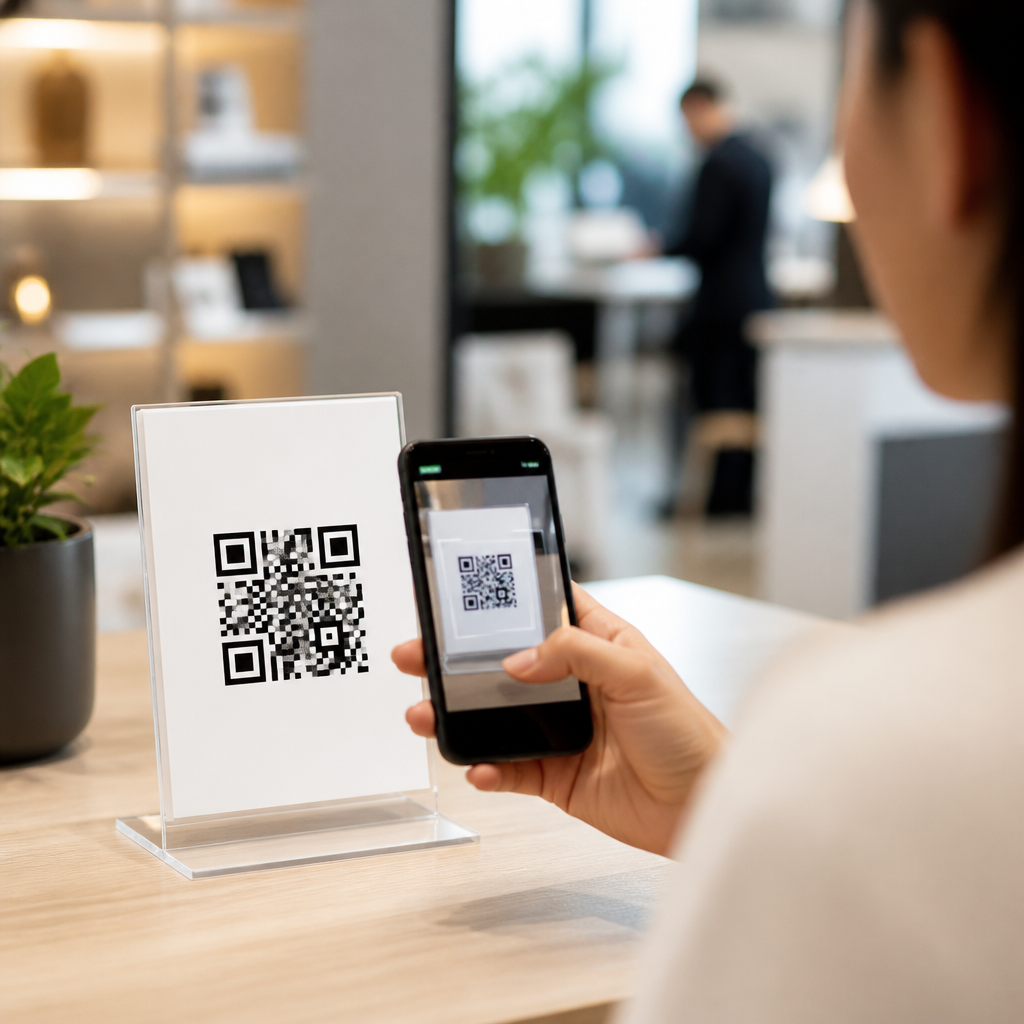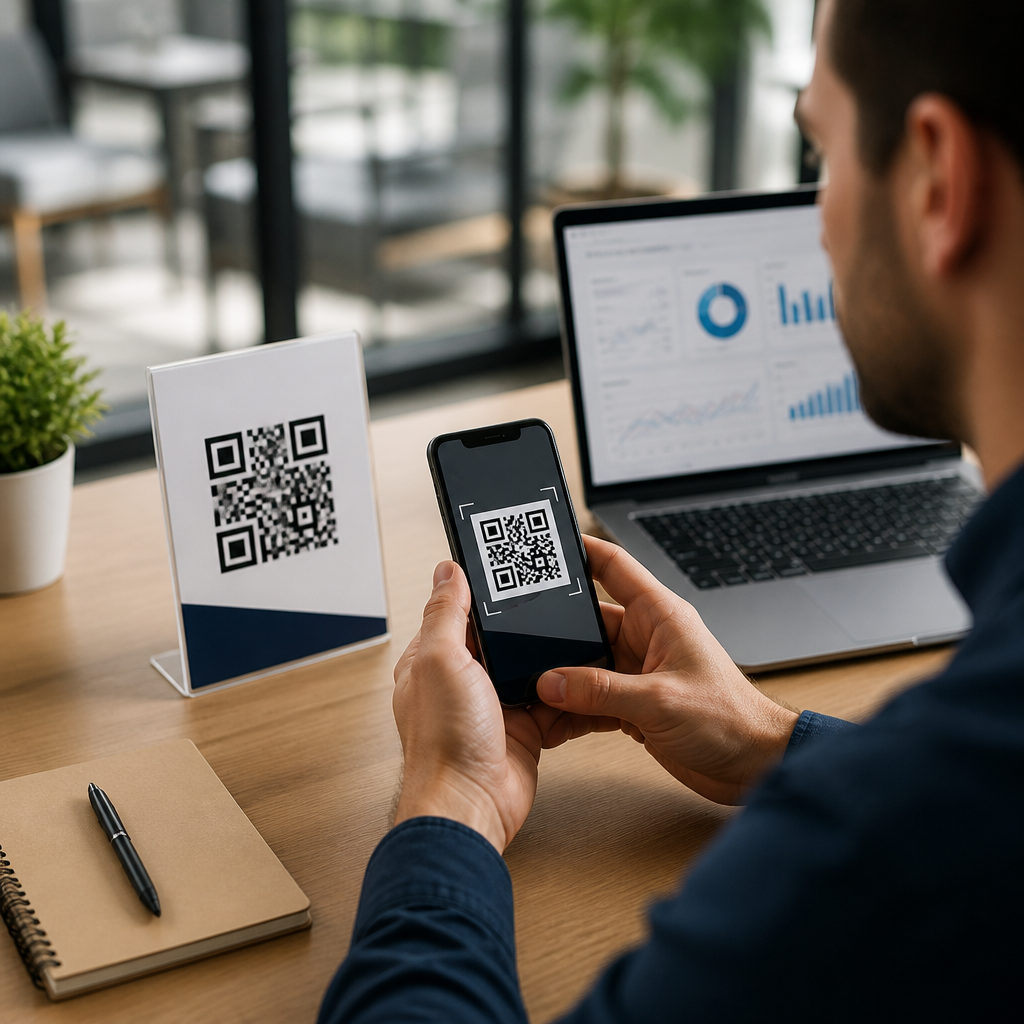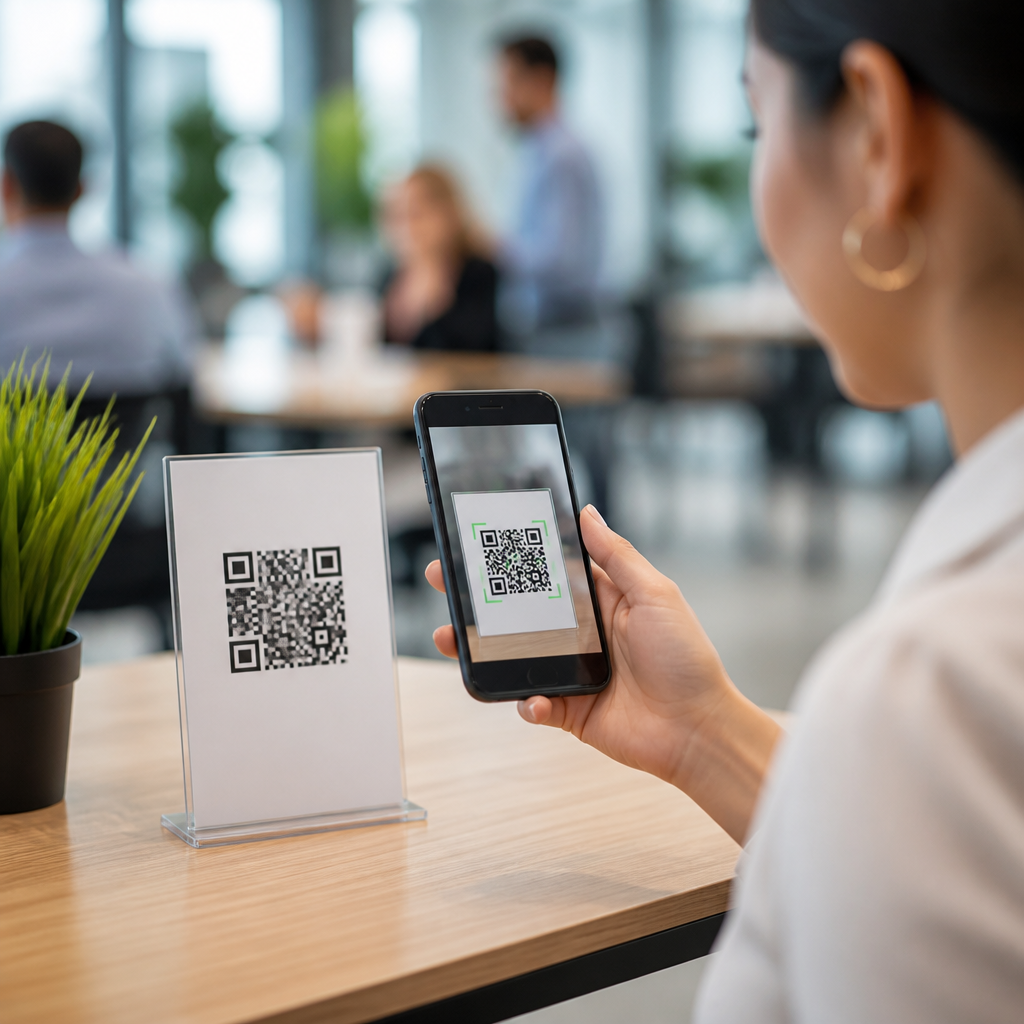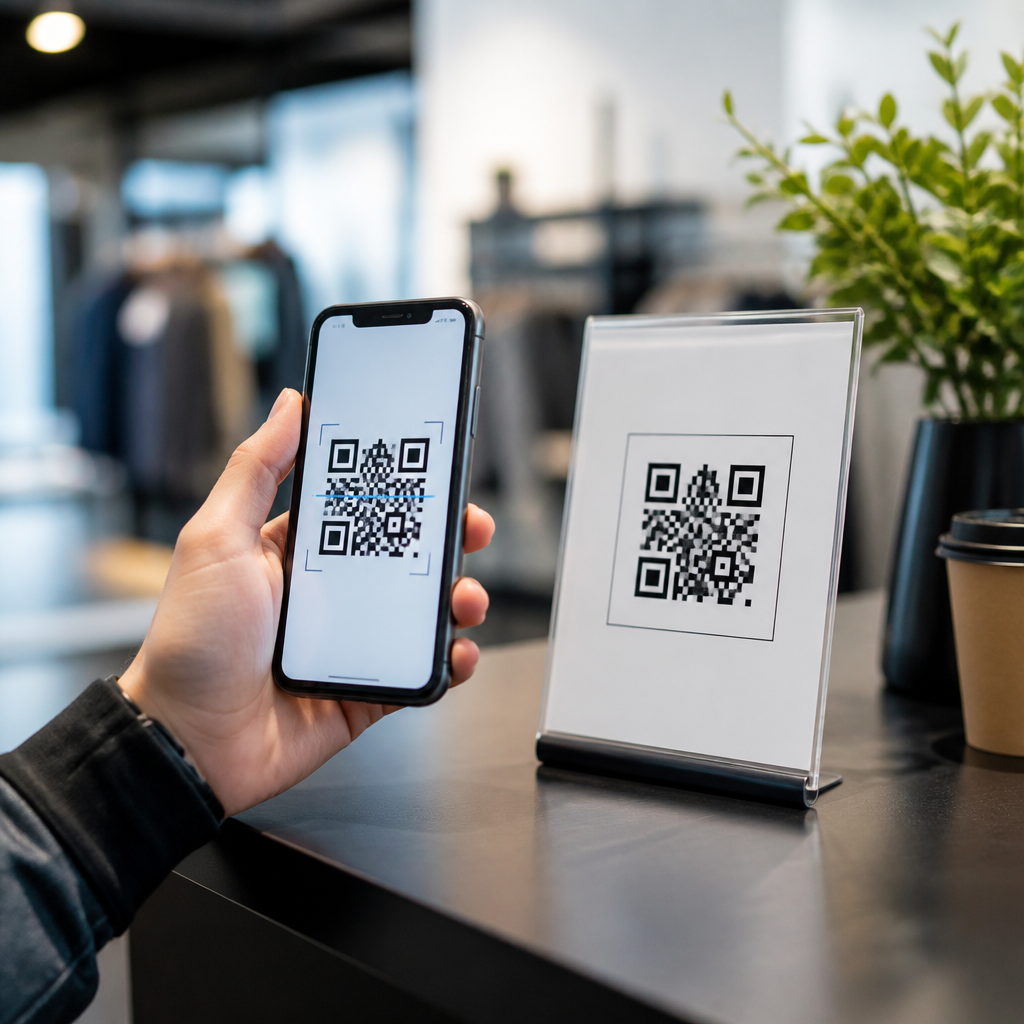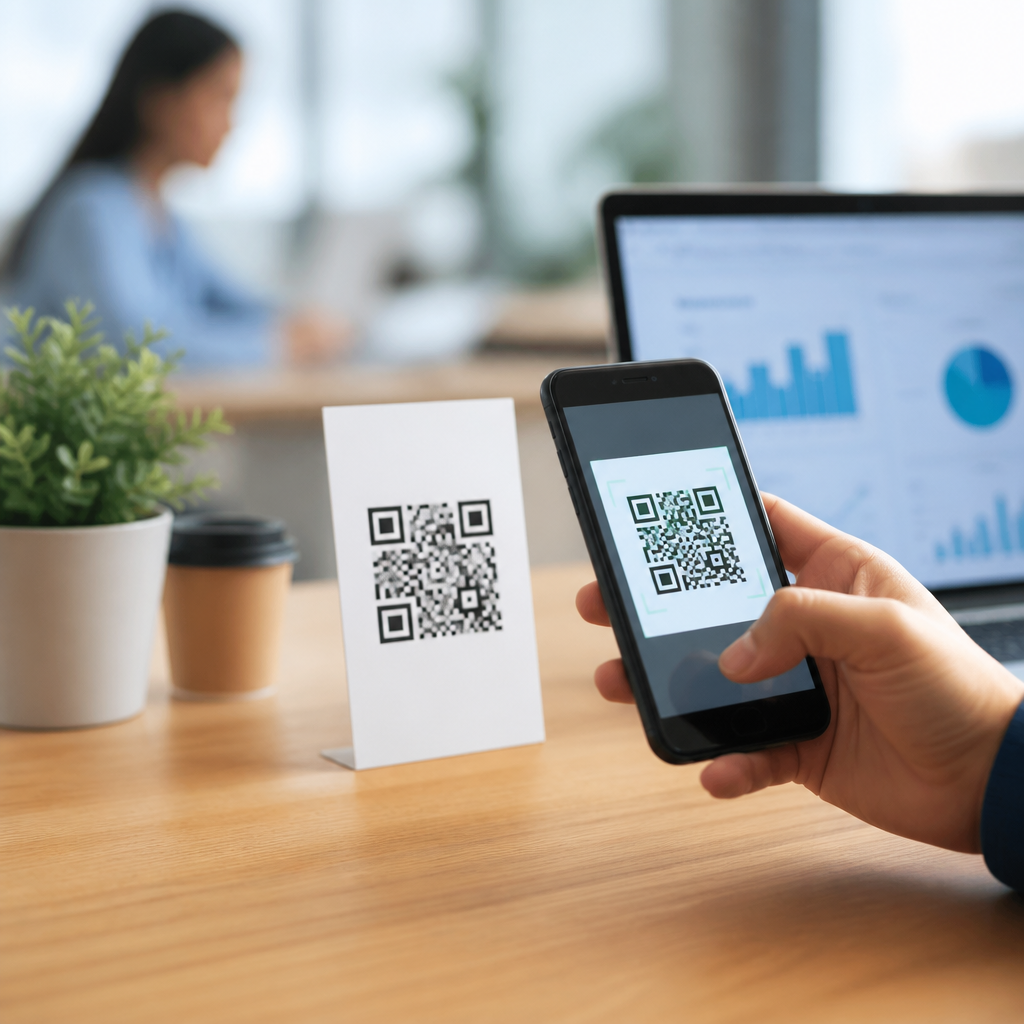
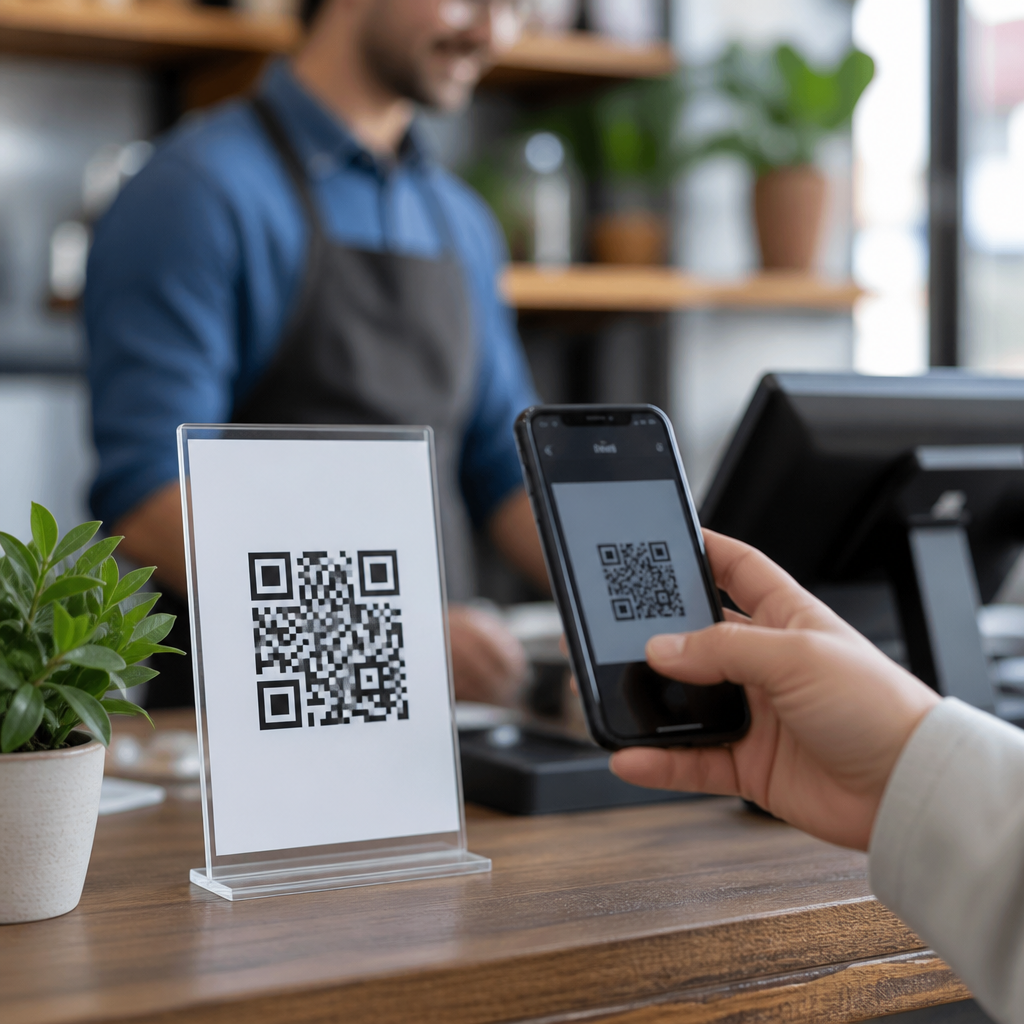
QR code marketing gives local businesses a low-cost way to connect printed materials, storefront traffic, and real-world interactions with digital experiences that drive measurable action. A QR code is a scannable matrix barcode that opens a webpage, menu, review page, payment screen, download, coupon, or form when a customer points a smartphone camera at it. In practical terms, that means a restaurant can move a diner from a table tent to a seasonal menu, a salon can turn a window poster into a booking flow, and a hardware store can turn shelf tags into how-to videos that reduce buyer hesitation. I have used QR campaigns for retailers, clinics, food businesses, and service companies, and the consistent lesson is simple: the code itself is not the strategy. The strategy is the offer, the placement, the landing experience, and the follow-up measurement.
For local businesses, this matters because customer attention is fragmented across street traffic, search, maps, social media, print, and word of mouth. QR code marketing works when it closes the gap between offline discovery and online conversion without forcing people to type a web address, search again, or remember a promotion later. It also creates attribution that traditional print often lacks. With dynamic QR codes, UTM parameters, call tracking, and landing page analytics, a business can see whether scans came from a postcard, in-store signage, an event booth, or a receipt. This hub explains the full QR code marketing playbook for local businesses: choosing campaign goals, matching code types to use cases, designing high-performing placements, tracking results correctly, avoiding technical mistakes, and building repeatable campaigns that support revenue rather than novelty.
Start with the business goal, not the code
The most effective QR code marketing playbooks begin with a specific business objective tied to a measurable action. Common local goals include increasing online orders, generating appointment bookings, collecting first-party customer data, earning more reviews, improving event attendance, promoting loyalty enrollment, and helping walk-in visitors find product or service information quickly. If the goal is vague, the campaign becomes vague. A code on a flyer that leads to the home page usually underperforms because it asks the visitor to do more work. A code on that same flyer leading to a neighborhood-specific landing page with one offer and one clear button performs better because it reduces decision friction.
In my experience, small businesses often improve results fastest by mapping every QR code to one primary conversion. A cafe table card should not ask customers to join a loyalty program, review the business, follow Instagram, and order catering all at once. Pick the action that fits the moment. At the table, the natural next step may be dessert upsell or loyalty signup. On packaging, it may be a reorder page or care instructions. On a service van, it may be a quote request page with location prefilled. This playbook mindset keeps every code intentional, easier to test, and easier to evaluate later.
Use a simple planning framework before generating any code: audience, context, intent, destination, and metric. Audience means who will scan. Context means where they encounter the code. Intent means what problem they are trying to solve at that moment. Destination means the exact page or app action they should reach. Metric means the business result that defines success. This structure is more reliable than brainstorming placements first, because it forces a match between customer need and marketing asset.
Choose the right QR code type and destination experience
Local businesses usually need two technical choices: static versus dynamic codes, and the destination format. Static codes point permanently to one destination and cannot be edited after printing. They are acceptable for evergreen uses, such as linking to a homepage or Wi-Fi login, but they are limiting for campaigns. Dynamic QR codes use a short redirect URL controlled in a dashboard, allowing destination changes, scan analytics, and easier troubleshooting without reprinting. For most marketing playbooks, dynamic is the correct default because promotions change, pages break, and testing requires flexibility.
The destination matters even more than the code type. A scan should open a mobile-optimized page that loads quickly, states the value immediately, and presents a single next step above the fold. For retail, that may be a product collection page filtered for the promoted category. For a medical practice, it may be an appointment request page compliant with privacy expectations and clear on insurance acceptance. For home services, it may be a quote form with service area, emergency availability, and click-to-call. Google Analytics 4, Google Tag Manager, and Search Console help track landing performance, while Bitly, QR Code Generator, Uniqode, and Beaconstac are commonly used tools for dynamic code management.
Direct links can also include review profiles, digital menus, PDF guides, app deep links, coupons, calendar adds, SMS templates, or payment pages. However, some destinations are risky. PDFs are often slow, hard to read on a phone, and weak for analytics. App download links create friction if the user is not ready to install. A social profile can be useful for brand discovery but may be a poor conversion destination if the business actually needs bookings. As a rule, send scanners to the shortest path between interest and action, then measure what happens after the scan.
Use channel-specific playbooks for real local scenarios
QR code marketing works best when the campaign is tailored to the physical channel where the customer sees it. Storefront windows attract after-hours traffic, so the playbook should focus on browsing inventory, booking for later, or claiming a limited-time offer. Table tents in restaurants work during dwell time, making them ideal for upsells, allergen information, loyalty enrollment, and review requests after the meal. Packaging inserts and receipts reach customers after purchase, which is the right moment for reorders, setup guides, referral incentives, or product registration. Event signage should prioritize lead capture, schedule downloads, or location-aware promotions. Direct mail campaigns can use QR codes to bridge offline reach with digital tracking, especially when each neighborhood, postcard batch, or offer version uses distinct campaign parameters.
I have seen the strongest results from matching scan intent to customer urgency. A plumbing company placed QR codes on invoices that led to a maintenance plan page and saw stronger conversion than codes on yard signs, because invoice recipients already trusted the company and had a recent service memory. A boutique fitness studio used locker room signage to drive class package upgrades, outperforming front desk posters because members scanned when they had idle time and were already in a committed mindset. A neighborhood bookstore used shelf talkers with staff-pick video reviews, increasing discovery for lesser-known titles while collecting useful scan data by genre.
| Channel | Best QR destination | Primary metric | Example local use |
|---|---|---|---|
| Storefront window | Hours, booking, featured inventory | Bookings or clicks to directions | Salon after-hours appointment page |
| Table tent | Upsell, loyalty, digital menu | Add-on purchases or signups | Cafe pastry add-on offer |
| Receipt | Review page or reorder link | Review volume or repeat orders | Takeout restaurant reorder flow |
| Direct mail | Offer landing page | Redemptions by neighborhood | Dental practice new patient special |
| Packaging | Setup guide, referral, care instructions | Registrations or referrals | Florist care guide for arrangements |
Design for scan rate, readability, and trust
A QR code that cannot be scanned consistently is a failed asset regardless of creative quality. Follow practical design standards. Maintain strong contrast, usually dark code on a light background. Preserve the quiet zone around the code so camera software can distinguish it from surrounding graphics. Avoid excessive stylization that disrupts finder patterns. Use adequate size based on viewing distance; a common rule is roughly one inch of code width for every ten inches of scanning distance, though field testing matters more than formulas. Print quality must be sharp enough that modules are clearly defined, especially on textured packaging or glossy surfaces where reflections interfere with smartphone cameras.
Contextual trust cues increase scan rate. People scan more often when they know exactly what happens next. Add a clear call to action such as “Scan to book in 30 seconds,” “Scan for this week’s lunch specials,” or “Scan to leave a quick review.” If the destination involves a form, say so. If it opens a payment page, say so. If the offer expires, include the date. Branded landing pages, HTTPS URLs, and recognizable domain names reduce hesitation. In local campaigns, trust is practical rather than abstract. A code on a city utility insert, clinic poster, or event banner must look official, current, and relevant to the location.
Placement is equally important. Put codes where people have time, signal, and physical ability to scan. A code on a moving vehicle can build awareness, but it is not a reliable direct response device. A code near the exit line, waiting area, fitting room, lobby seating, or pickup counter is often stronger because people can stop and act. For accessibility, pair the code with a short fallback URL and use readable surrounding text. Good QR design respects the customer’s environment instead of assuming every scan happens under ideal conditions.
Track every scan and measure business outcomes
Local businesses often stop at scan counts, but scans are only the top of the funnel. The real question is what happened next. Every QR campaign should use UTM parameters to identify source, medium, campaign, and optionally location or creative variant. In Google Analytics 4, track events such as form_submit, purchase, generate_lead, click_call, sign_up, or view_promotion. If phone calls are important, integrate call tracking so offline conversations can be attributed to the landing page session. For appointment-driven businesses, connect booking software data back to campaign links when possible. Without downstream measurement, a campaign can look busy while producing little revenue.
Testing should be built into the playbook. Compare one offer against another, one placement against another, or one landing page headline against another. A restaurant might test “Scan for free dessert on your next visit” versus “Scan to join our VIP text club and get 10% off today.” A law office might compare lobby signage promoting consultation downloads against intake form completion. A pet groomer may test receipt-based rebooking QR codes against countertop displays. The point is not to chase vanity metrics but to identify where the strongest intent exists and how efficiently the experience converts.
Report results in business language. Instead of saying a poster generated 412 scans, say it generated 412 scans, 96 menu views, 28 online orders, and $1,340 in attributable revenue over thirty days. That framing helps owners decide whether to expand, redesign, or retire the campaign. Over time, scan data also reveals operational insights: which locations attract the most after-hours interest, which service pages answer common pre-sale questions, and which offers create repeat behavior rather than one-time discount seekers.
Avoid common mistakes and build a repeatable system
The most common QR code marketing mistakes are easy to prevent. Businesses link to their homepage instead of a campaign page, print static codes for changing promotions, skip mobile page optimization, use tiny codes, place them where scanning is awkward, or fail to explain the benefit. Another frequent error is launching without testing on multiple devices, lighting conditions, and network speeds. I always test with both iPhone and Android cameras, confirm redirects, verify analytics events, and check whether the page still makes sense if the code is shared beyond its original setting. A code should work for the intended audience and degrade gracefully for everyone else.
Privacy and compliance deserve attention. If the landing page collects personal data, include appropriate consent language and a visible privacy policy. Healthcare, finance, education, and regulated services should review form fields, retention practices, and vendor policies carefully. Review-generation campaigns must follow platform rules; for example, do not gate customers by sentiment before sending them to a public review page. Coupon campaigns should state terms clearly. Trust is easier to lose than to earn, especially for neighborhood brands that rely on reputation.
To make QR code marketing sustainable, document a standard operating procedure. Define naming conventions for campaigns, a template for landing pages, approved call-to-action language, print specifications, and a monthly reporting format. Build an internal library of use cases under this hub, such as QR codes for restaurants, retail promotions, local events, review generation, appointment booking, packaging inserts, direct mail, and loyalty programs. That hub-and-spoke structure helps teams reuse what works, create stronger internal linking between related guides, and answer customer questions faster. The result is a real playbook: not a collection of random codes, but an integrated system that turns local attention into trackable action.
QR code marketing works for local businesses when each code is treated as a bridge between a real-world moment and a single, well-designed digital action. The fundamentals are consistent across industries: start with a business goal, choose dynamic codes when flexibility matters, send scanners to a fast mobile destination, tailor the playbook to the channel, design for trust and readability, and measure conversions beyond scan volume. When those pieces align, QR codes become more than convenience tools. They become a practical layer of local marketing infrastructure that improves attribution, reduces friction, and supports revenue across storefront traffic, print, packaging, events, and post-purchase communication.
This hub should guide every related article in your QR Code Tutorials, Guides & Resources library because the subtopic is broad but the operating principles are repeatable. A restaurant review request, a boutique loyalty signup, a clinic appointment poster, and a contractor invoice follow-up all depend on the same disciplined framework: intent, placement, destination, and measurement. Businesses that apply that framework consistently learn faster, waste less print budget, and create better customer experiences. The next step is simple: audit every existing QR code in your business, assign each one a clear goal and metric, and rebuild the weak links first. That is how a QR code marketing playbook starts delivering real local results.
Frequently Asked Questions
What is QR code marketing, and why is it so useful for local businesses?
QR code marketing is the practice of placing scannable QR codes on physical touchpoints so customers can instantly move from an offline interaction to a digital action. When someone points their smartphone camera at the code, it can open a landing page, menu, booking form, coupon, payment page, review request, event signup, app download, or product information page. For local businesses, that is especially powerful because so much of their marketing happens in the real world: storefront signage, flyers, packaging, receipts, table tents, posters, business cards, direct mail, and in-person events.
The biggest advantage is convenience. Instead of asking people to type a long web address, search for your business later, or remember an offer after they leave, a QR code creates an immediate next step. A restaurant can link to a seasonal menu, a retail store can connect shoppers to a product demo or loyalty program, and a salon can turn a window sign into a booking page. That reduction in friction often leads to more conversions because customers can act in the moment while their interest is highest.
QR code marketing is also cost-effective and measurable. Local businesses do not always have the budget for large digital campaigns, but they do have physical assets already in circulation. Adding a QR code to those materials can increase their value without significantly increasing cost. If the code points to a trackable destination, the business can measure scans, visits, clicks, bookings, coupon redemptions, or review submissions. That makes QR codes one of the simplest ways to connect offline marketing with digital analytics and real business outcomes.
Where should a local business place QR codes to get the best results?
The best placement depends on customer intent, timing, and context. A QR code works best when it appears exactly where a customer is naturally ready to take the next step. For example, a restaurant might place codes on table tents, menus, takeout packaging, front windows, and receipts. At the table, the code might lead to specials, allergy information, or online ordering. On a receipt, it might direct the customer to leave a review or join a loyalty program. In a retail store, codes can appear on shelf talkers, fitting room signs, product tags, checkout counters, shopping bags, and event displays, each leading to a different action based on where the customer is in the buying journey.
High-performing placements usually share a few characteristics. First, they are easy to see and scan. The code should be large enough, well-lit, and printed with strong contrast. Second, they are paired with a clear call to action such as “Scan to book your appointment,” “Scan for today’s specials,” or “Scan to save 10%.” Third, they offer something relevant and immediate. People are far more likely to scan if they know exactly what they will get and why it matters now.
Local businesses should also think beyond the storefront. QR codes can be highly effective on postcards, local print ads, community bulletin boards, event booths, vehicle wraps, product packaging, and invoices. The key is to match the destination to the placement. A code on a street-facing poster should lead to something fast and mobile-friendly, such as directions, a limited-time offer, or a simple booking page. A code included in packaging might lead to care instructions, a reorder page, or a referral program. Strong placement is less about using QR codes everywhere and more about using them intentionally where they remove friction and guide customer behavior.
What should a QR code link to in order to drive more sales, bookings, and customer engagement?
A QR code should link to one specific action-oriented destination, not a generic homepage unless there is a strong reason to do so. The most effective QR campaigns are tightly aligned with what the customer is experiencing in that moment. If someone scans a code on a restaurant table, they likely want menu information, ordering options, specials, or a way to pay. If they scan a salon window poster, they are probably interested in services, pricing, availability, or booking. Matching the destination to customer intent is what turns a scan into a conversion.
For sales, useful destinations include product pages, limited-time offers, digital coupons, mobile checkout pages, gift card pages, or product bundles. For service businesses, booking forms, appointment calendars, consultation requests, and service menus are common high-converting options. For engagement, businesses often link to loyalty signups, review pages, customer surveys, social follow prompts, how-to videos, referral programs, or event registrations. A good rule is to ask, “What is the easiest meaningful action this customer can take right now?” Then build the QR destination around that action.
It is also important that the linked page is mobile-friendly, fast-loading, and simple to use. A technically correct QR code will still underperform if it sends customers to a cluttered page, asks for too much information, or makes them search for the offer. Ideally, the page should reinforce the promise made next to the code, feature one primary call to action, and be easy to complete with one hand on a phone. If possible, use dedicated landing pages for different campaigns so you can track results by location, audience, or offer. The more focused the destination, the more useful the data and the better the conversion rate.
How can local businesses track the success of a QR code marketing campaign?
Tracking starts with using unique QR codes for specific campaigns, placements, or offers instead of reusing the same destination everywhere. When each code is tied to a distinct landing page or tracked URL, the business can see which printed materials, signs, or locations are generating scans and which are not. This makes it possible to compare a flyer campaign to in-store signage, or to measure whether a receipt-based review request performs better than a window poster promoting a seasonal offer.
The most useful metrics depend on the campaign goal. If the objective is awareness, scans and landing page visits are a strong starting point. If the goal is revenue, track coupon redemptions, purchases, appointment bookings, online orders, phone calls, or payment completions. If the goal is reputation or retention, monitor review submissions, loyalty signups, repeat visits, or survey responses. In many cases, the real value is not just the scan itself but what happens next, so businesses should focus on downstream conversion metrics rather than treating scan volume as the only measure of success.
To improve accuracy, local businesses can use analytics tools, campaign-specific URLs, UTM parameters, call tracking, promo codes, and dedicated landing pages. Dynamic QR codes are especially helpful because they allow the destination URL to be updated without reprinting the code, and they often include built-in scan reporting. Over time, businesses can test different calls to action, offers, designs, and placements to see what produces the strongest results. Tracking turns QR code marketing from a novelty into a practical optimization channel, allowing local businesses to make smarter decisions based on real customer behavior.
What are the biggest mistakes to avoid when using QR codes for local marketing?
One of the most common mistakes is using a QR code without a clear reason to scan. If the code appears by itself with no explanation, many customers will ignore it. People want to know what they will get before they take out their phone. A strong call to action and a visible benefit are essential. “Scan to see our lunch specials,” “Scan for a first-visit discount,” or “Scan to book in under 30 seconds” is much more compelling than simply placing a code on a poster or receipt with no context.
Another frequent mistake is sending people to a poor destination. A QR code should not lead to a slow site, a non-mobile page, a confusing homepage, or a page that requires too many clicks to find the promised content. Local businesses also run into problems when the code is too small, poorly printed, placed too high or too low, hidden behind glare, or surrounded by visual clutter. Even a great offer can fail if the code is physically difficult to scan. Testing matters here: businesses should scan the code from different phones, distances, and lighting conditions before launching it publicly.
Finally, many businesses miss the strategic side. They use the same code everywhere, fail to track performance, or never update the offer after customer behavior changes. Others ask for too much too soon, such as a long form immediately after a scan, which creates friction and reduces conversions. The best QR code marketing is simple, useful, and customer-centered. It gives the customer a fast path to something relevant, measures what happens next, and improves over time. When local businesses avoid these common mistakes, QR codes become far more than a trendy add-on; they become a dependable bridge between physical presence and digital action.