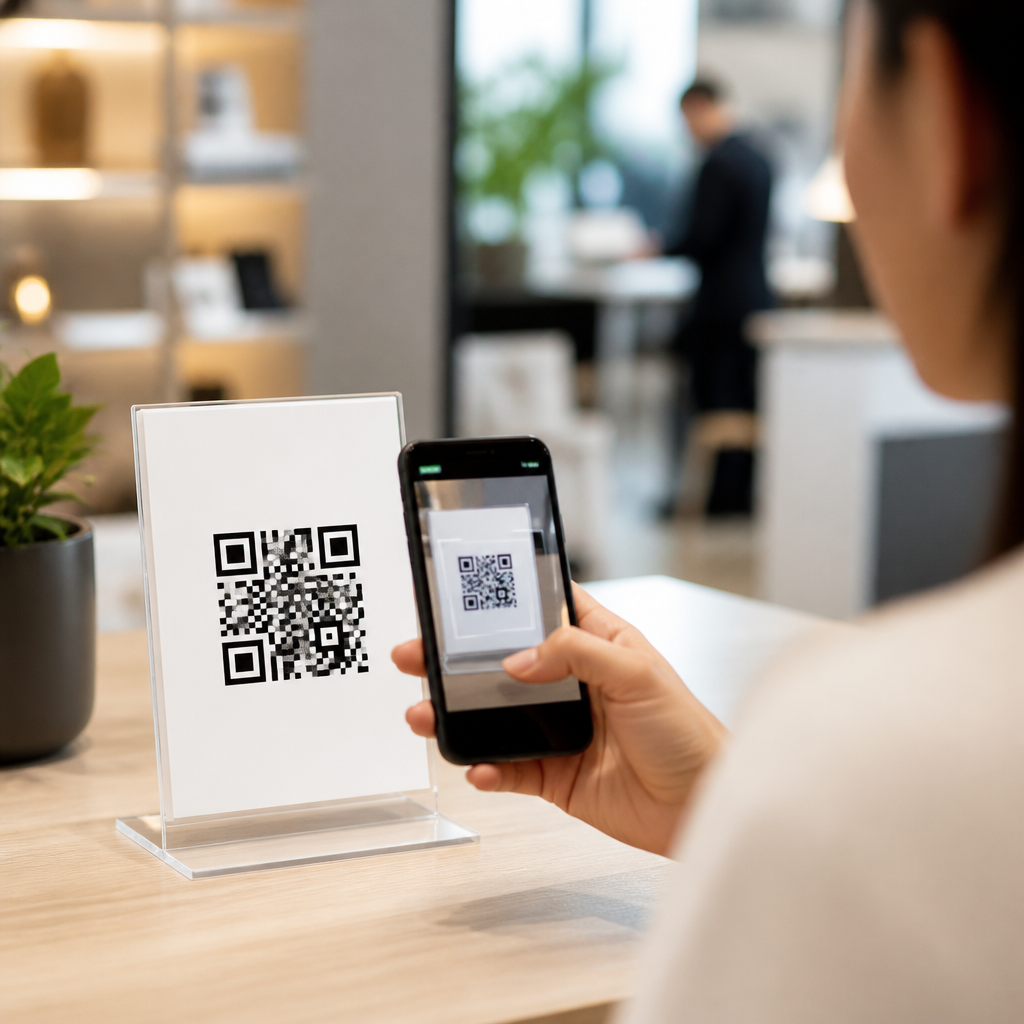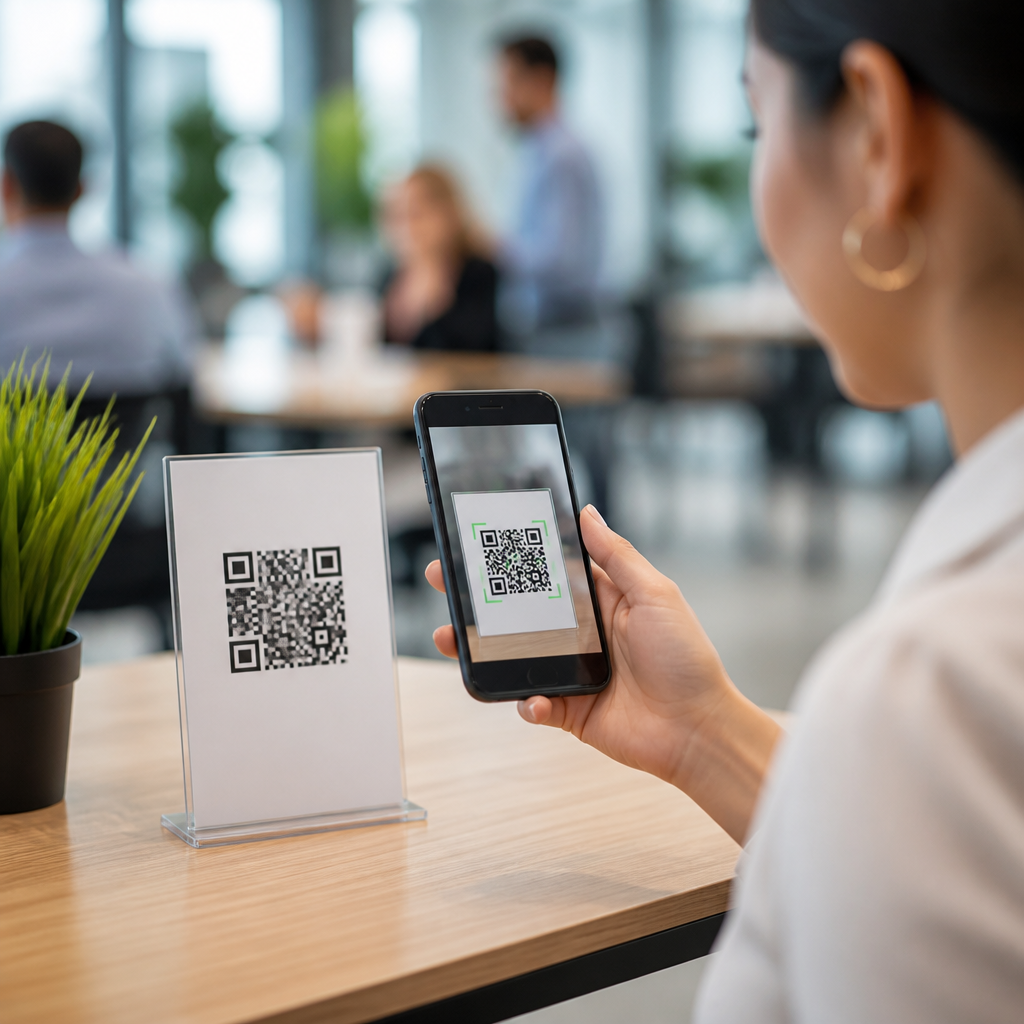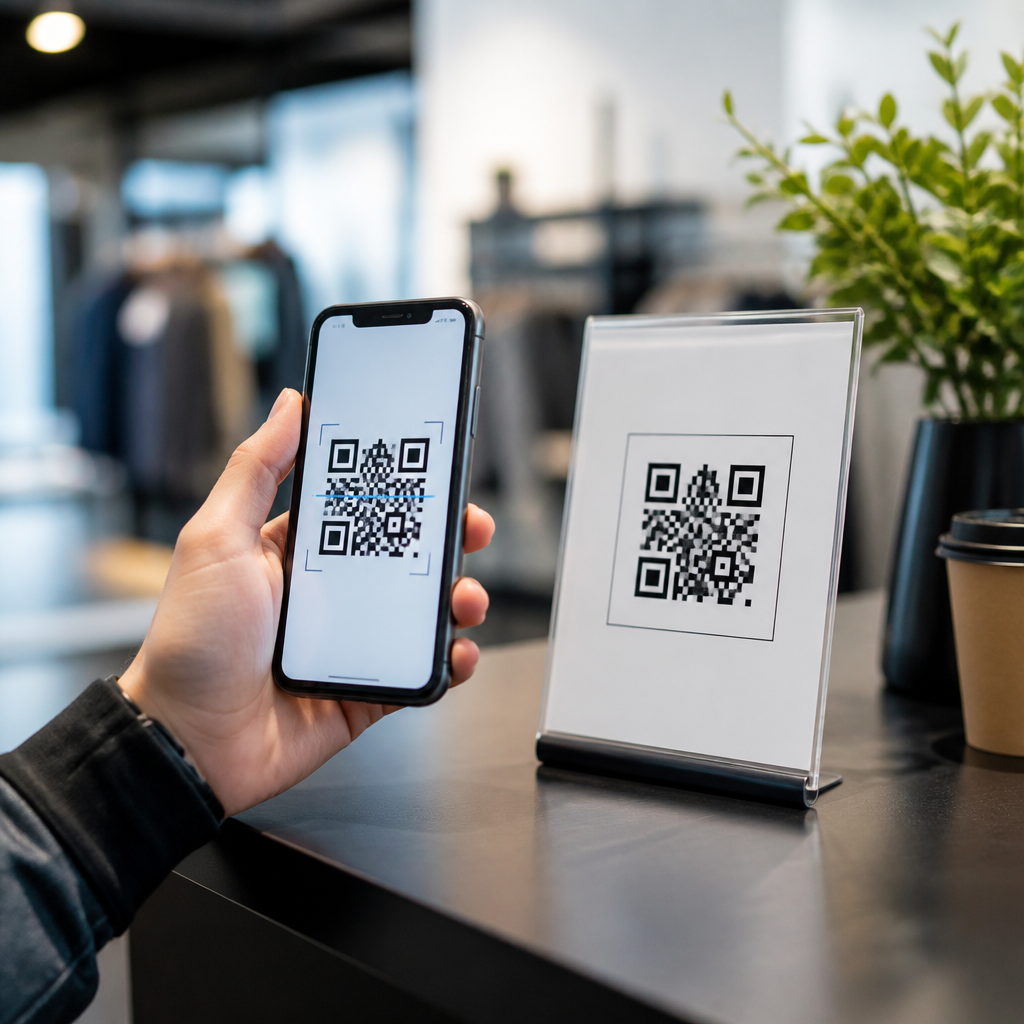
QR code campaigns have evolved from simple link shortcuts into measurable, cross-channel marketing systems that connect print, packaging, in-store signage, events, and digital experiences. For beginners, a QR code is a two-dimensional barcode that a smartphone camera can scan to open a webpage, save contact details, launch an app, join Wi-Fi, or trigger another action. For experienced marketers, the code itself is only the entry point. The real campaign includes destination design, tracking architecture, audience segmentation, creative placement, testing, governance, and optimization over time. Mastering QR code campaigns means understanding all of those layers, not just generating a square graphic.
This topic matters because QR behavior has become normal across industries. Restaurants use codes for menus and payments. Retailers place them on shelf talkers and product packaging. B2B teams add them to trade show booths, direct mail, and one-pagers. Healthcare systems use them for patient forms and wayfinding. Education teams use them to distribute resources quickly. In my own campaign work, the difference between mediocre and high-performing QR programs rarely comes down to the code design alone. Results improve when teams match a clear user intent with a frictionless landing page, a strong analytics setup, and a placement strategy that respects context, distance, lighting, and trust.
As a hub for beginner to advanced guides, this article explains the full progression: what QR codes are, how campaign planning works, which technical choices matter, how to measure performance, where common mistakes appear, and what separates expert execution from basic usage. It also serves as a foundation for deeper tutorials on dynamic versus static QR codes, QR code design best practices, tracking with UTM parameters, print production standards, landing page optimization, compliance, and enterprise governance. If you want a single resource that shows how to move from first scan to scalable program management, this guide maps the path clearly.
What a QR code campaign includes
A QR code campaign is a coordinated effort that uses one or more QR codes to drive a specific action and measure the outcome. That action may be a product page visit, coupon redemption, video view, lead form submission, app install, payment, review request, or event check-in. The campaign includes five core components: the encoded destination, the visual code, the placement environment, the user experience after the scan, and the reporting framework. If any of these elements is weak, campaign performance drops quickly.
Start with the destination. A code that sends every user to a homepage usually underperforms because it forces extra navigation. A code on coffee packaging should lead to brew instructions, loyalty enrollment, or a product story page, not a generic site. Next is the QR image itself. It must have sufficient contrast, a quiet zone around the edges, and error correction that supports the design treatment without harming scan reliability. Then comes placement. A poster in a subway station needs larger sizing than a code on a countertop display because scan distance changes the minimum readable size. Finally, campaign measurement requires tagged URLs, platform analytics, and success metrics tied to business goals, not vanity counts alone.
Static and dynamic QR codes are the first technical choice most teams face. A static code directly contains the final destination and cannot be changed after printing. A dynamic code points to a short redirect URL that can be updated later, allowing edits, scan analytics, and destination changes without reprinting materials. For nearly every marketing campaign, dynamic QR codes are the better choice because they support iteration. Static codes still make sense for permanent uses like plain text credentials or fixed information where no edits or analytics are needed.
How beginners should plan their first campaign
Beginners should resist the urge to generate a code first and think strategy later. The correct order is objective, audience, offer, destination, creative, distribution, and measurement. Define one primary goal. If your objective is lead generation, the landing page should contain a concise value proposition and a short form. If the goal is in-store engagement, the destination may be a product comparison page, video demo, or discount reveal. When a single code tries to do too many things, response rates decline because users cannot predict what they will get.
Audience context determines where and how people scan. Someone standing in a retail aisle has limited time and likely poor patience for long forms. Someone attending a conference may accept a more detailed registration flow in exchange for access to slides or a giveaway. A restaurant diner expects speed, readable menus, and mobile-friendly payment options. I have seen otherwise well-designed codes fail simply because the destination asked for too much effort in the moment. Match the scan experience to the environment.
Use a simple campaign brief before production. It should list the target audience, placement location, traffic estimate, destination URL, UTM structure, owner, start and end dates, and success metrics. This brief prevents the common beginner mistake of printing codes before verifying that the linked page is mobile optimized, indexable where relevant, and fast enough on cellular data. Google’s PageSpeed Insights, GA4, and Tag Manager are practical tools here. For code creation, reputable platforms such as Bitly, QR Code Generator, Beaconstac, Flowcode, or Uniqode support dynamic redirects and scan reporting.
| Campaign stage | Beginner action | Expert standard |
|---|---|---|
| Goal setting | Choose one action, such as coupon claim | Map primary and secondary conversions with attribution rules |
| Destination | Use a mobile landing page | Personalize by source, location, or audience segment |
| Tracking | Add basic UTM parameters | Connect scans to CRM, offline media, and revenue reporting |
| Design | Keep high contrast and adequate size | Balance brand styling with scan reliability and print specs |
| Optimization | Check scan count and clicks | Run controlled tests on offer, placement, and page experience |
Design, placement, and print standards that affect scans
Design choices influence trust and usability. A QR code should look intentional, branded, and easy to scan, but branding must not break readability. Dark code on a light background remains the safest option. Inverted treatments, low contrast palettes, busy photography behind the code, and aggressive logo overlays often reduce scan success. Error correction helps the code remain readable when part of it is obscured, but adding a large logo beyond recommended limits can still make it fail. Test on both iPhone and Android devices before release.
Size depends on distance. A practical rule many print teams use is roughly one inch of code width for every ten inches of scanning distance, though environment and camera quality can shift that requirement. A direct mail postcard held in hand can use a smaller code than a window poster scanned from several feet away. The code also needs a quiet zone, the blank margin around it, so smartphone cameras can distinguish the symbol from surrounding graphics. Ignore the quiet zone and scan rates drop.
Placement should answer a user question at the moment of exposure. On packaging, “Scan for setup instructions” outperforms an unlabeled code because the benefit is explicit. On a flyer, “Scan to book your free estimate” is stronger than “Learn more.” Calls to action increase scans because they reduce ambiguity. Position the code where glare, folds, seams, or curved surfaces will not distort it. Avoid placing codes too high, too low, or where users need to step into unsafe areas to scan. In physical environments, convenience is conversion.
Tracking, analytics, and attribution
Every serious QR code campaign needs a measurement plan before launch. At minimum, track scans, unique visitors, engagement on the landing page, and the conversion event that matters to the campaign goal. Dynamic QR platforms usually report total scans by date, device, and sometimes approximate location. That is useful, but not enough on its own. You also need web analytics. Add UTM parameters to the destination so GA4 can attribute sessions and conversions to the correct source, medium, and campaign.
Attribution gets more complex when QR codes appear in offline media. A catalog code may drive traffic that converts days later through another channel. Experts solve this by using dedicated landing pages, promo codes, CRM fields, and post-scan event tracking. For lead generation, pass hidden fields into forms so the original campaign source is preserved in Salesforce or HubSpot. For ecommerce, combine UTM data with platform analytics in Shopify, Adobe Commerce, or WooCommerce. If your point-of-sale system allows it, tie redemptions to specific QR offers to estimate offline revenue impact.
Useful metrics vary by use case. For awareness campaigns, scan-through rate relative to estimated impressions can indicate creative effectiveness. For lead campaigns, focus on form completion rate and cost per qualified lead. For packaging, measure repeat scans, time on content, and assisted conversions. For events, compare scan volume by booth zone, time block, or asset type. Advanced teams build dashboards that separate scan activity from business outcomes, because a high scan count with low conversion usually signals a mismatch between promise and destination.
Advanced optimization and scaling across channels
Once the basics work, optimization becomes the differentiator. The best gains often come from testing the offer, not the code style. A code that promises a warranty extension may outperform one offering generic product information. A code on a trade show banner might generate more leads when it links to a calendar booking page instead of a brochure download. Run controlled tests where one variable changes at a time: call to action, placement height, landing page headline, form length, or incentive. Record results by channel and audience segment.
Dynamic QR codes enable operational flexibility at scale. The same printed code can route users by device type, language, geography, or date. A global brand can place one code on packaging, then send French users to a localized page, U.S. users to a rebate page, and distributors to a support portal. Redirect logic must be governed carefully, with documented ownership and expiration rules, but this flexibility makes QR campaigns far more durable than one-off print assets.
Enterprise teams should establish naming conventions, access controls, and archival policies. Broken redirects, expired domains, and undocumented ownership are common failure points in mature organizations. Create a QR inventory that lists each code, its live destination, placement, campaign owner, and review date. Use a link management process similar to digital asset management. Security matters too. Users have become more cautious about anonymous codes, so recognizable branding, plain-language calls to action, and trusted domains improve confidence. For regulated sectors, review privacy disclosures, consent flows, and accessibility. A QR campaign is never just a graphic; it is part of your customer experience infrastructure.
Mastering QR code campaigns means building from fundamentals to systems thinking. Beginners should start with a single goal, a mobile-first destination, a dynamic code, and basic analytics. Intermediate teams should improve placement, messaging, and landing page performance while connecting scans to lead or sales data. Advanced practitioners should treat QR as a channel that spans print, packaging, retail, events, support, and lifecycle marketing. The strongest programs succeed because they are intentional, measurable, and easy for users to trust.
As the hub for beginner to advanced guides in QR Code Tutorials, Guides & Resources, this page provides the framework for deeper articles on design standards, dynamic versus static decisions, campaign tracking, landing page optimization, governance, and industry-specific use cases. If you apply the practices outlined here, you will avoid the most common mistakes: vague calls to action, poor mobile experiences, weak analytics, and untested print placement. More importantly, you will create QR code campaigns that do useful work, not just attract scans.
The next step is simple: audit one existing or planned QR code in your business. Check the destination, the call to action, the print context, the scan ease, and the tracking setup. Then improve each layer deliberately. That process is how beginners become experts, and how QR codes turn from novelty into a reliable performance channel.
Frequently Asked Questions
What is a QR code campaign, and how is it different from just placing a QR code on a flyer or product?
A QR code campaign is much more than a scannable square that sends someone to a website. At the beginner level, a QR code is simply a two-dimensional barcode that a smartphone camera can read to trigger an action, such as opening a landing page, downloading an app, saving contact information, joining Wi-Fi, or watching a video. In a true campaign, however, the QR code acts as the entry point into a broader marketing system designed to guide users from offline touchpoints into a measurable digital experience.
That difference matters because the code itself does not create results. The campaign does. A strong QR code campaign includes the physical placement of the code, the audience context, the message around the scan, the mobile destination, the tracking setup, and the follow-up experience after the user arrives. For example, a code on packaging may lead to a product tutorial, while a code in a retail display may trigger a limited-time offer. Each one should match user intent at that exact moment.
Experienced marketers treat QR codes as connectors across channels. They can bridge print ads, direct mail, menus, trade show booths, in-store signage, event badges, packaging, and outdoor displays with digital destinations that are optimized for conversion. This makes QR campaigns especially powerful because they provide a way to measure engagement from traditionally hard-to-track offline media. When done well, a QR code campaign becomes a cross-channel customer journey, not just a shortcut link.
How do beginners create an effective QR code campaign without making common mistakes?
The best starting point is to focus on clarity, usefulness, and ease of use. Beginners often make the mistake of creating a QR code first and deciding what it should do later. A better approach is to begin with the campaign goal. Ask what action you want the user to take after scanning. That action might be claiming a coupon, viewing a product demo, registering for an event, joining a loyalty program, or landing on a local store page. Once the goal is clear, you can create the QR code to support it.
Next, make sure the destination experience is mobile-friendly. Since most scans happen on smartphones, the landing page should load quickly, be easy to read, and present one clear next step. If users scan a code and reach a slow, cluttered, or desktop-only page, the campaign will lose momentum immediately. The promise made near the code should also match the destination. If the signage says “Scan for 20% off,” the user should arrive directly at that offer without needing to search for it.
Beginners should also pay close attention to placement and instructions. A QR code should be large enough to scan easily, have adequate contrast, and appear in a location where people have time and signal strength to use it. Include a short call to action such as “Scan to compare models,” “Scan for setup instructions,” or “Scan to enter today’s giveaway.” This removes ambiguity and increases scan rates because users understand the benefit before they engage.
Finally, test everything before launch. Scan the code on multiple phones, from different distances, under different lighting conditions, and on the actual printed material if applicable. Confirm that analytics work, redirects function properly, and the experience feels seamless. Beginners who keep the campaign simple, focused, and user-centered usually outperform more complex executions that overlook the basics.
What should marketers track in a QR code campaign to measure performance accurately?
Tracking is where QR code campaigns become truly valuable. A scan count alone is useful, but it only tells part of the story. To measure performance accurately, marketers should track the full path from scan to outcome. That starts with scan volume, but it should also include time of day, location, device type, traffic source tagging, landing page behavior, conversions, and downstream business results such as purchases, sign-ups, bookings, or leads.
One of the most effective methods is to use dynamic QR codes tied to trackable URLs with campaign parameters. This allows marketers to identify which printed asset, package variation, retail display, event booth, or ad placement generated the traffic. For example, separate codes can be created for a postcard, an in-store sign, and a product insert, even if they ultimately guide people into a similar campaign flow. That segmentation helps reveal which channel and message are driving the highest-quality engagement.
Beyond scans, pay attention to conversion indicators. Did users bounce immediately, or did they interact with the page? Did they watch the video, submit the form, redeem the offer, or add a product to cart? The strongest QR reporting connects top-of-funnel engagement with bottom-of-funnel impact. This is especially important when QR codes are used across physical environments where traditional attribution can be limited.
Advanced teams also analyze context. They compare scan rates by geography, store location, campaign creative, and audience segment. They test different calls to action and landing pages to improve results over time. In mature programs, QR codes are not judged solely on whether they were scanned, but on whether they moved customers efficiently through a desired journey. That mindset turns QR codes from novelty tools into performance marketing assets.
How can businesses use QR codes across print, packaging, events, retail, and digital channels effectively?
The most effective QR code campaigns are built around the customer’s environment and intent. In print, a QR code can extend a static ad by sending readers to a video, product configurator, appointment scheduler, or downloadable resource. On packaging, it can unlock setup guides, authenticity verification, care instructions, user communities, or replenishment ordering. In retail, it can connect shelf signage to reviews, inventory checks, product comparisons, or personalized promotions. At events, it can simplify registration, booth engagement, contact sharing, lead capture, and post-event follow-up.
The key is to avoid using the same destination everywhere without considering context. Someone scanning from a magazine may be in discovery mode, while someone scanning from a product label may want support or proof of quality. A shopper in-store may need confidence to make an immediate buying decision, while an event attendee may want speed and convenience. Effective campaigns tailor the landing experience to the moment of scan rather than forcing every user into a generic page.
Cross-channel consistency is also important. The visual identity, offer, tone, and message should align with the rest of the campaign so users feel they are moving through one connected experience. If a direct mail piece promotes an exclusive bundle, the QR landing page should reinforce that exact value proposition. If an event code is used for badge scanning or lead capture, the follow-up email and CRM workflow should continue the conversation without friction.
When businesses integrate QR codes thoughtfully across channels, they create a unified bridge between physical media and digital action. That enables both better customer experiences and stronger measurement. Instead of treating each code as a one-off asset, high-performing brands build QR systems that support education, conversion, retention, and attribution across the entire marketing ecosystem.
What separates an expert-level QR code campaign from a basic one?
An expert-level QR code campaign is defined by strategy, precision, and optimization. Basic campaigns often stop at generating a code and linking it to a webpage. Expert campaigns, by contrast, are built around customer journey design. They consider audience motivation, physical context, device behavior, creative framing, technical infrastructure, analytics, and conversion paths before the code is ever published.
Experts also prioritize flexibility. They often use dynamic QR codes so destinations can be updated without reprinting assets, which is especially valuable for packaging, signage, and long-running print materials. They segment codes by channel, location, creative version, or partner source to gain better attribution. They build dedicated mobile landing pages with a single clear objective rather than sending users to a homepage. They think beyond the scan and plan what happens next, including retargeting, CRM capture, email automation, loyalty enrollment, or post-purchase support.
Another major difference is testing and iteration. Expert marketers continuously refine call-to-action language, placement, page design, incentives, and user flows based on performance data. They know that small changes, such as moving a code higher on packaging, improving contrast, shortening a form, or clarifying the benefit of scanning, can significantly increase results. They also account for operational realities such as poor lighting, weak connectivity, crowded visual environments, and varying user levels of familiarity with QR interactions.
Ultimately, expert-level QR code campaigns are not just functional; they are intentional, measurable, and scalable. They connect offline and online touchpoints in a way that serves the user while generating actionable business insight. That is the real progression from beginner to expert: understanding that the QR code is only the doorway, while the campaign architecture behind it is what drives meaningful outcomes.