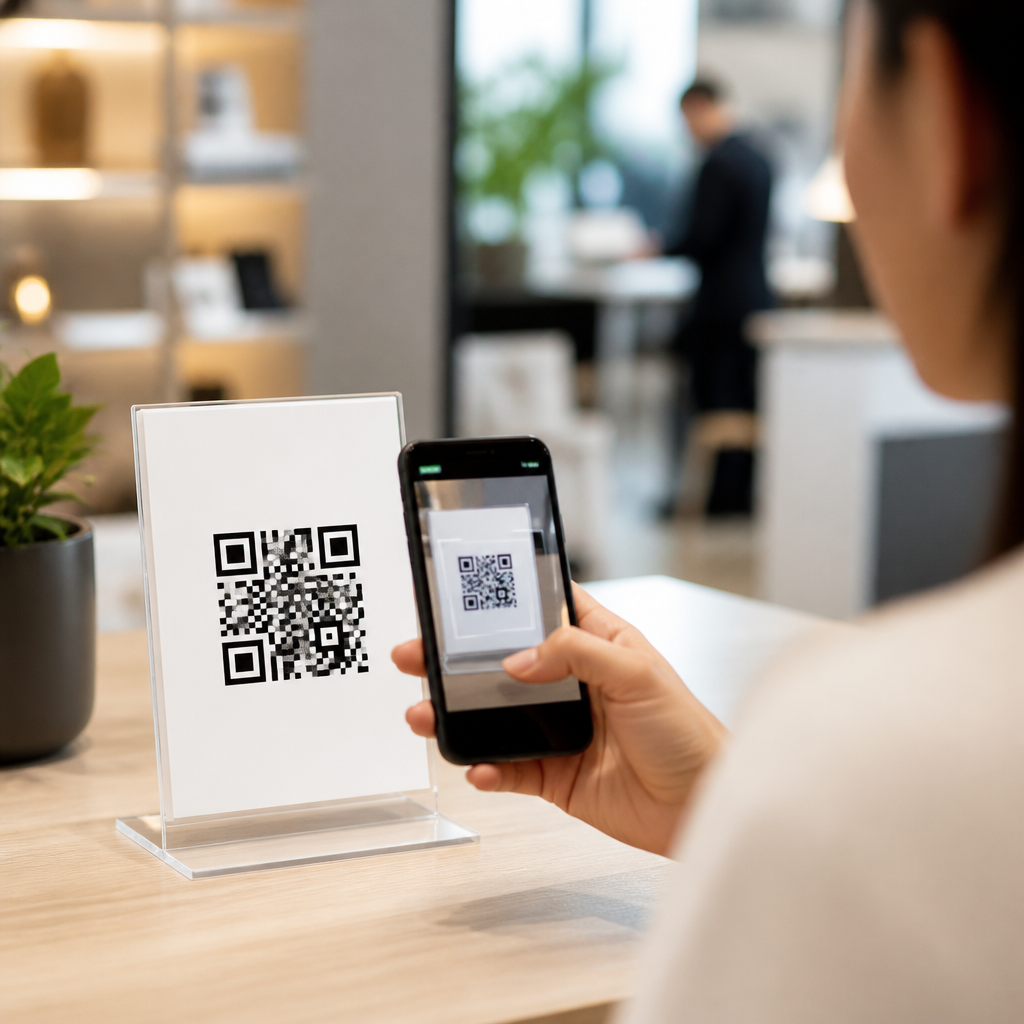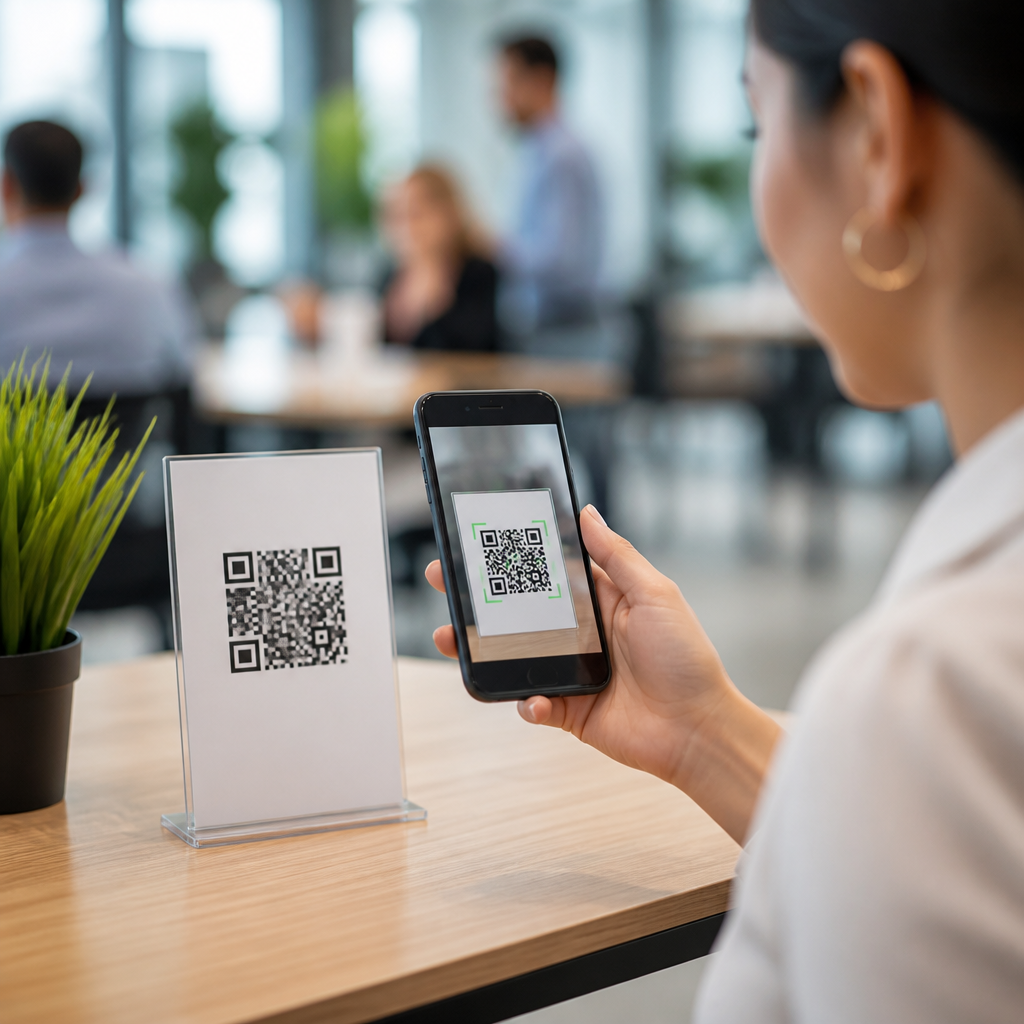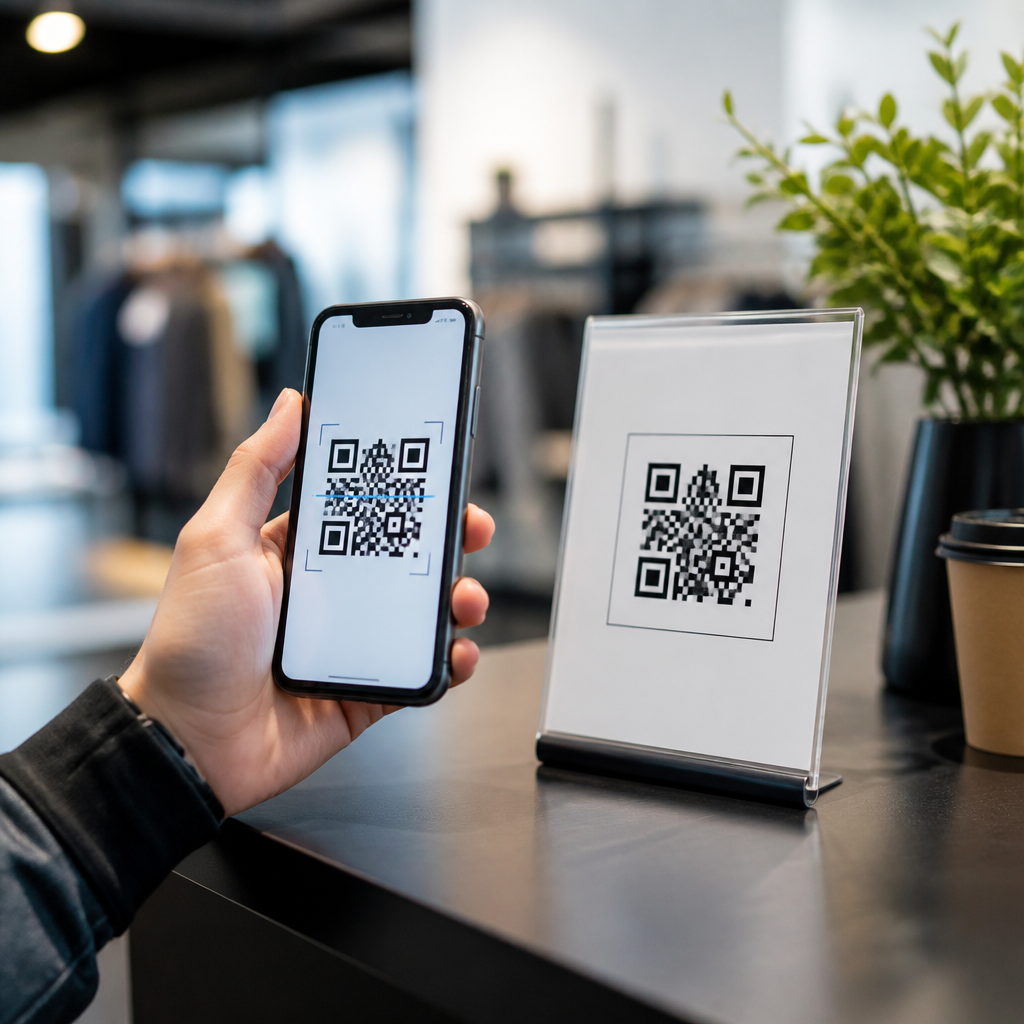
QR code marketing has moved far beyond putting a square barcode on a poster and hoping someone scans it. Today, a strong QR code marketing strategy connects offline attention with digital action, tracks campaign performance in real time, personalizes customer journeys, and shortens the path from discovery to conversion. For brands building modern omnichannel campaigns, QR codes are now practical infrastructure, not novelty.
A QR code, or Quick Response code, is a two-dimensional matrix barcode that stores information such as a URL, contact card, payment link, app download path, Wi-Fi credential, coupon, or event registration trigger. In marketing, the most valuable use is usually the dynamic URL QR code. Unlike a static code, which permanently encodes one destination, a dynamic code points through a redirect that can be updated without reprinting the asset. That distinction matters because campaigns change, products go out of stock, and marketers need tracking.
I have worked on QR campaigns for retail displays, direct mail, restaurant packaging, trade show booths, and field sales collateral, and the same lesson appears every time: the code itself is never the strategy. The strategy is the full experience around it, including placement, offer, landing page relevance, device behavior, analytics, and follow-up automation. A beautifully designed code that leads to a slow homepage will underperform a plain black code that lands on a mobile-first page with one clear next step.
This guide serves as a hub for beginner to advanced guides in QR Code Tutorials, Guides & Resources. It explains core concepts, strategic choices, implementation standards, and measurement methods so readers can move from simple scans to mature QR code marketing systems. If you need to decide where QR codes fit, how to create them correctly, what platforms to use, how to track ROI, and how to avoid common failures, this article provides the foundation.
What QR Code Marketing Includes and Why It Works
QR code marketing is the practice of using scannable codes to prompt measurable customer actions across print, packaging, signage, in-store materials, out-of-home advertising, product inserts, business cards, and live events. The reason it works is friction reduction. A person sees an offer and can act instantly with the camera already in their hand. There is no need to type a URL, search a brand name, or remember a discount code later.
The strongest use cases cluster around speed and context. In retail, a shelf talker can link to product comparisons, reviews, or inventory by location. In restaurants, table tents and packaging can drive ordering, loyalty signup, or feedback collection. In direct mail, a personalized QR code can take a recipient to a tailored landing page with prefilled information. At events, booth signage can route attendees to demos, brochures, meeting scheduling, or lead forms. In each case, the code bridges physical intent to digital completion.
There are also operational benefits. Dynamic QR platforms commonly provide scan counts, timestamps, rough geolocation, device type, and campaign source parameters. When connected to analytics platforms such as Google Analytics 4, HubSpot, Salesforce, or Adobe Analytics, QR campaigns become attributable rather than anecdotal. That is a major improvement over traditional print, where marketers often relied on vanity URLs or coupon redemption as the only signals.
Still, QR code marketing is not universal magic. It performs best when the audience already has a reason to care, when the environment allows a comfortable scan, and when the destination is clearly worth the effort. Codes placed on moving vehicles, tiny labels, poor lighting surfaces, or dense multipurpose posters often disappoint. The best campaigns respect human behavior before they chase technical possibility.
Building a QR Code Strategy From Beginner to Advanced
Beginner campaigns should start with one objective and one audience. For example, a local gym might place a QR code on window signage with the single goal of trial-class bookings. The landing page should match the exact message on the sign, load quickly on mobile, and ask for only essential information. At this stage, success depends more on offer clarity and placement discipline than on advanced personalization.
Intermediate programs add segmentation and campaign structure. Instead of one generic code, the gym could create separate dynamic QR codes for window signage, flyers, referral cards, and community event banners. Each code would carry UTM parameters and map to a tailored page. The flyer scan might offer a first-week discount, while the referral card highlights bring-a-friend value. This approach reveals which channel and message generate the highest booking rate.
Advanced QR code marketing strategies integrate scans with customer data, automation, and testing. A retailer can create codes by store region, product line, season, and placement height, then feed scan behavior into a CRM or customer data platform. A post-purchase insert can trigger onboarding content for new buyers, while a loyalty member package insert routes to an exclusive replenishment offer. At this level, QR codes become touchpoints in lifecycle marketing, not isolated links.
The maturity path is straightforward: define one conversion event, deploy dynamic codes, create dedicated mobile landing pages, add campaign tracking, test offers and placements, connect to downstream systems, and standardize governance. Teams that skip these layers usually end up with scattered codes no one can audit or attribute.
| Stage | Main Goal | Typical QR Use | Key Metrics | Common Mistake |
|---|---|---|---|---|
| Beginner | Generate initial scans and conversions | Single campaign to one landing page | Scans, landing page visits, form submissions | Sending traffic to the homepage |
| Intermediate | Compare channels and messages | Separate dynamic codes by asset or audience | Scan rate by source, bounce rate, conversion rate | Inconsistent UTM tagging |
| Advanced | Personalize and automate journeys | Codes tied to CRM, loyalty, or lifecycle campaigns | Revenue per scan, assisted conversions, LTV impact | Treating scans as the final KPI |
Choosing the Right QR Code Types, Platforms, and Destinations
Most marketing teams should default to dynamic URL QR codes managed in a reliable platform. Reputable tools include Bitly, QR Code Generator Pro, Beaconstac, Flowcode, Scanova, and enterprise campaign managers that support redirects and analytics. The right platform should offer editable destinations, export formats such as SVG and EPS, scan reporting, custom domains, password protection when needed, and governance features for multiple users. If a platform cannot give you durable redirects and clean measurement, it is not suitable for serious campaigns.
Destination selection matters as much as platform selection. Effective QR destinations are purpose-built mobile pages, not desktop pages squeezed onto a phone. A code on product packaging should lead directly to setup instructions, warranty registration, or reorder options for that exact product, not a broad category page. A code on a conference badge should open a compact profile or scheduling link, not a long-form corporate site. Message match improves scan-to-conversion performance because it removes ambiguity.
Marketers also need to understand when not to encode a URL. A vCard QR code can simplify networking. A payment QR code can speed transactions in hospitality or fundraising. An app deep link can open the correct app store based on device type. A Wi-Fi QR code can improve guest experience in venues. These are useful, but they are narrower than marketing URLs because they often provide less attribution flexibility. For campaigns where learning matters, URL redirects remain the core option.
Use custom domains when possible. A branded short domain improves trust, supports consistent redirects, and creates cleaner analytics than a generic third-party link. It also reduces the risk that a platform-branded domain changes over time. In regulated industries or larger organizations, this small decision becomes important for compliance review and long-term campaign maintenance.
Creative, Placement, and UX Principles That Increase Scans
High-performing QR code creative follows a few nonnegotiable rules. First, give people a reason to scan. “Scan me” is weak because it describes the action, not the benefit. “Scan to see prices,” “Scan for the menu,” “Scan to claim 15% off,” or “Scan to book a demo” tells the user what happens next. Second, preserve technical readability. Strong contrast, sufficient quiet zone, and adequate print size are essential. As a practical baseline, many print teams start near 2 x 2 centimeters for close-range scanning, then increase size based on distance and viewing conditions.
Placement should match the physical behavior of the audience. On a store shelf, the code must be visible without blocking product details. On a bus shelter, it should sit where a standing person can scan comfortably, not near glare or edge distortion. On packaging, avoid folds, seams, curved distortions, and reflective finishes that break detection. On direct mail, leave enough whitespace and place the code near the call to action rather than burying it among legal copy.
Design customization can help if it does not compromise function. Adding brand colors, a center logo, or a shaped frame can improve recognition, but testing is mandatory. Error correction allows some flexibility, yet excessive styling, inverted colors, low contrast, or decorative patterns can reduce scan reliability across older devices and lower-quality cameras. I advise teams to test on both iPhone and Android, in dim and bright light, before approving artwork for print runs.
The landing experience must be immediate and singular. Every extra tap lowers conversion probability. If the campaign goal is coupon redemption, the first screen should show the offer and redemption method, not a navigation menu. If the goal is lead generation, use short forms, autofill where possible, and reassurance text about what happens next. Page speed is part of the scan experience. Compress images, minimize scripts, and monitor Core Web Vitals because a delayed page wastes the moment of intent.
Measurement, Governance, and Scaling a Hub of QR Resources
To measure QR code marketing correctly, track the full funnel. Start with scans, but do not stop there. Measure unique visitors, engaged sessions, conversion rate, revenue, assisted conversions, and downstream retention where relevant. In Google Analytics 4, consistent UTM parameters help separate campaigns by medium, source, placement, and creative. In CRM systems, connect form submissions or purchases back to the QR campaign ID. Without this chain, teams may overvalue high-scan assets that produce weak business results.
Attribution needs nuance. A scan is often the first digital touch after an offline impression, but not always the final conversion path. Someone may scan a trade show banner, leave, and purchase later via branded search or email. That does not make the QR code irrelevant. It means your reporting should consider view-through logic where possible, lead source consistency, and multi-touch analysis in your CRM or analytics platform.
Governance becomes critical as programs expand. Maintain a naming convention for every code, asset owner, destination URL, launch date, expiration rule, and linked campaign. Keep a central inventory so old codes can be redirected instead of abandoned. Broken QR experiences damage trust quickly because users assume the brand is careless. For a sub-pillar hub covering beginner to advanced guides, this is the organizing principle: every tutorial should ladder up to strategy, implementation standards, analytics, and maintenance.
The most effective next step is to audit every current QR code your organization uses, replace static links where flexibility is needed, map each code to a clear conversion goal, and build dedicated mobile destinations. From there, create supporting guides on QR code design, dynamic versus static codes, packaging use cases, event lead capture, restaurant menus, analytics setup, and troubleshooting. Done well, QR code marketing turns physical media into measurable digital growth. Start with one campaign, track it rigorously, and scale only what proves value.
Frequently Asked Questions
1. What makes an advanced QR code marketing strategy different from basic QR code use?
An advanced QR code marketing strategy goes far beyond simply placing a code on packaging, flyers, or signage and directing people to a homepage. Basic QR use treats the code as a static shortcut. Advanced strategy treats the QR code as a measurable conversion tool within a larger omnichannel marketing system. That means each code is tied to a specific audience, placement, offer, campaign objective, and post-scan experience.
In practice, advanced QR marketing uses dynamic QR codes, campaign-specific landing pages, UTM tracking, scan analytics, device-aware destinations, and segmentation logic to create a more intentional customer journey. For example, a brand might use different QR codes on in-store displays, direct mail, event booths, and product packaging, even if all campaigns promote the same product. This allows the marketing team to see which physical touchpoints generate the most scans, engagement, and conversions.
It also includes optimization after launch. Instead of printing a code once and forgetting about it, marketers monitor scan-through rates, conversion rates, bounce rates, time of scan, geography, and downstream actions such as signups, purchases, or app installs. If a campaign underperforms, the destination experience can be updated without changing the printed code, assuming a dynamic code was used. That flexibility is one of the biggest differences between tactical QR use and true strategy.
Most importantly, advanced QR code marketing connects offline attention to digital intent with minimal friction. When someone sees a product shelf talker, a restaurant table tent, a trade show display, or a billboard, the QR code becomes the bridge to a relevant next step. If that next step is fast, personalized, and useful, the brand shortens the path from discovery to action. That is why modern marketers increasingly treat QR codes as infrastructure for attribution, engagement, and conversion rather than as a novelty feature.
2. How can businesses use QR codes to improve campaign tracking and attribution?
QR codes can significantly improve campaign tracking and attribution because they create a direct and measurable link between a physical marketing asset and a digital interaction. When a customer scans a QR code, that action can be logged instantly, making it easier to understand which offline placements are actually driving engagement. This is especially valuable in channels that have historically been harder to measure, such as print ads, out-of-home advertising, in-store signage, packaging, or event materials.
The strongest approach is to generate unique dynamic QR codes for each placement, audience segment, or campaign variation. A brand might create one code for a magazine ad, another for a store window, another for a postcard mailer, and another for product inserts. Each QR code can point to a landing page URL containing UTM parameters, which then feed into analytics platforms like Google Analytics, CRM systems, or marketing automation tools. This setup makes it possible to evaluate not only scan volume, but also what happened after the scan.
Advanced attribution becomes even more useful when scan data is combined with conversion events. Businesses can measure metrics such as scans by location, scans by time of day, unique versus repeat scans, landing page engagement, form completions, purchases, coupon redemptions, and assisted conversions. If a QR code on packaging drives email signups that later convert through retargeting, that original scan can still play an important attribution role in the broader funnel.
To get the most accurate insights, businesses should define the campaign goal before deployment. If the objective is lead generation, the landing page and analytics setup should focus on qualified submissions. If the goal is product education, engagement metrics such as time on page or video completion may matter more. If the objective is store traffic, the campaign may use redeemable offers or location-based follow-up. In all cases, the QR code should not be viewed in isolation. It works best when connected to a deliberate measurement framework that ties scans to real business outcomes.
3. What are the best practices for creating high-converting QR code landing pages?
A high-converting QR code landing page must match the context and intent of the scan. People scan QR codes because they expect speed, relevance, and simplicity. If they land on a generic homepage, a cluttered page, or a destination that is slow to load on mobile, conversion rates usually drop. The landing experience should feel like a direct continuation of the message, product, or offer that prompted the scan in the first place.
First, prioritize mobile-first design. Most QR scans happen on smartphones, so the landing page must load quickly, display cleanly on smaller screens, and present the core value proposition immediately. Use a strong headline, a concise supporting message, and one primary call to action. Whether the goal is to claim an offer, watch a demo, download an app, join a loyalty program, or complete a purchase, the user should never have to search for what to do next.
Second, maintain message consistency between the physical asset and the digital destination. If a QR code on a product label promises recipes, the page should open directly to recipes for that product. If a trade show sign invites users to book a demo, the page should lead straight to demo scheduling, not a broad company overview. This continuity reduces friction and builds trust, which is especially important because users are making a fast decision in the moment.
Third, reduce unnecessary steps. Short forms, streamlined checkout flows, auto-filled fields where possible, and clear buttons all help improve completion rates. If the offer requires too much effort, many users will abandon after scanning. Advanced marketers also personalize landing pages based on campaign source, geography, device type, or audience segment. A returning customer scanning from packaging may see a loyalty offer, while a new prospect scanning from a print ad may see introductory content.
Finally, test and optimize continuously. Use A/B testing on headlines, imagery, call-to-action copy, page length, and incentives. Track not just scans, but the full funnel from scan to conversion. In advanced QR code marketing, the landing page is where value is either captured or lost. The scan gets attention, but the landing experience determines performance.
4. When should marketers use dynamic QR codes instead of static QR codes?
Marketers should use dynamic QR codes in most professional campaigns because they offer flexibility, measurement, and control that static QR codes do not. A static QR code contains a fixed destination, which means once it is printed or published, the URL cannot be changed. That may be acceptable for simple, permanent use cases, but it limits optimization and creates problems if a page changes, an offer expires, or a campaign evolves.
Dynamic QR codes work differently. The code itself points to a short redirect URL managed through a QR platform, which then sends users to the final destination. Because of that redirect layer, marketers can update the destination without changing the visible code. This is especially valuable for packaging, outdoor ads, event materials, brochures, and other printed assets with a longer lifespan. If a campaign needs to switch from a seasonal promotion to a new product page, the dynamic code can stay in place while the destination changes behind the scenes.
Dynamic codes are also essential when analytics matter. They typically allow marketers to track scans by date, time, device type, and location, and sometimes by operating system or campaign source depending on the platform. That data helps teams optimize placements, identify peak engagement windows, and compare creative performance across channels. In advanced campaigns, those insights support better budget allocation and faster iteration.
Static QR codes still have a place in limited scenarios. If the destination will truly never change and no analytics are needed, a static code can be a simple option. For example, linking permanently to a basic contact card or a stable informational page may not require a dynamic setup. However, in marketing environments where offers change, attribution matters, and customer journeys are actively managed, dynamic QR codes are usually the smarter choice. They support the agility that modern omnichannel campaigns require.
5. What are the most common mistakes in QR code marketing, and how can brands avoid them?
One of the most common mistakes is using a QR code without a clear purpose. If the code is present simply because it seems modern or trendy, users often have no compelling reason to scan. Every QR code should answer a practical question: what value does the customer get immediately after scanning? That value might be a discount, product information, a tutorial, exclusive content, an easy reorder flow, event registration, or a faster path to purchase. Without a meaningful incentive or utility, scan rates tend to stay low.
Another major mistake is sending users to a poor destination experience. A generic homepage, a desktop-only page, slow load times, excessive pop-ups, or long forms can quickly waste the moment of intent. Brands should design specifically for mobile, match the landing page to the scan context, and make the next step obvious. The best QR campaigns remove friction rather than adding it.
Placement and visibility are also frequent issues. A code that is too small, poorly contrasted, placed on a curved surface, hidden in low light, or positioned where people cannot comfortably scan will underperform regardless of how good the offer is. Marketers should test scanability in real-world conditions before launch. This includes checking distance, lighting, print quality, background contrast, and whether there is sufficient quiet space around the code. A strong call to