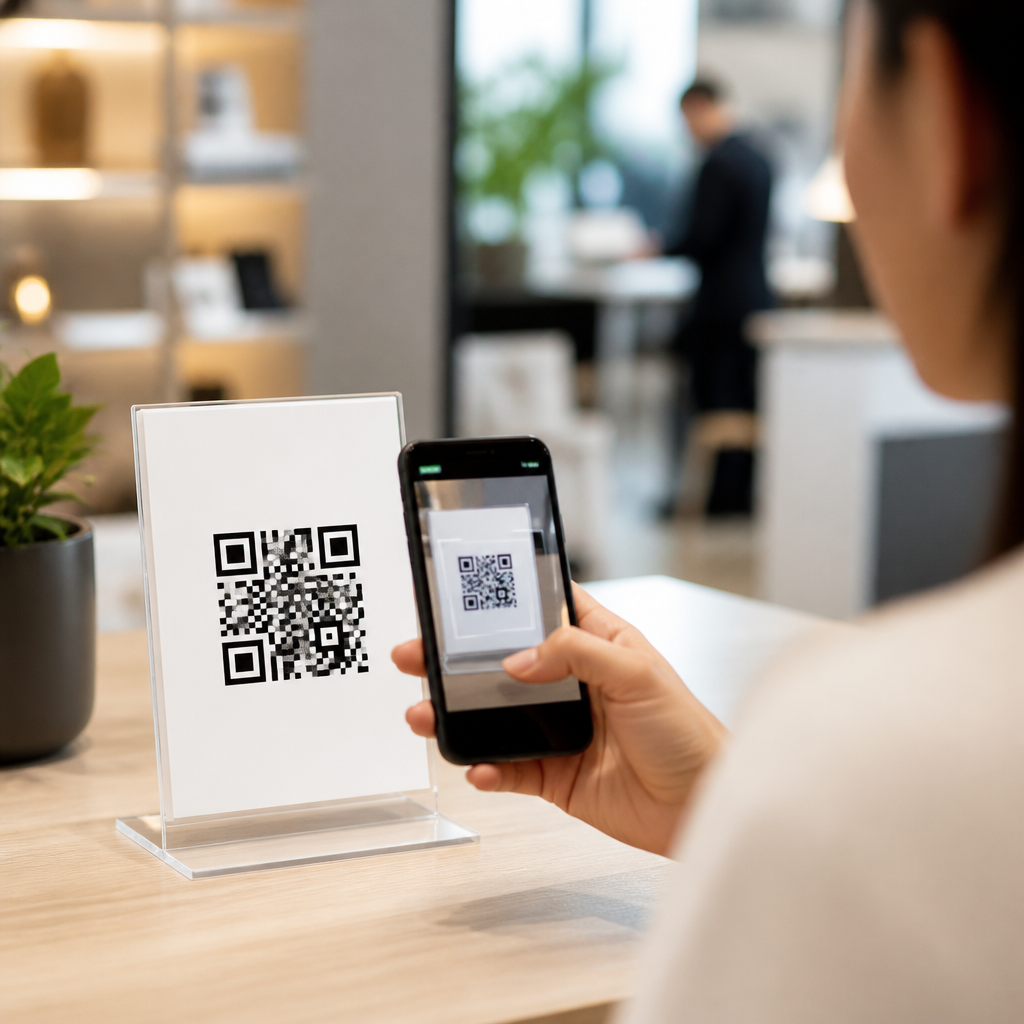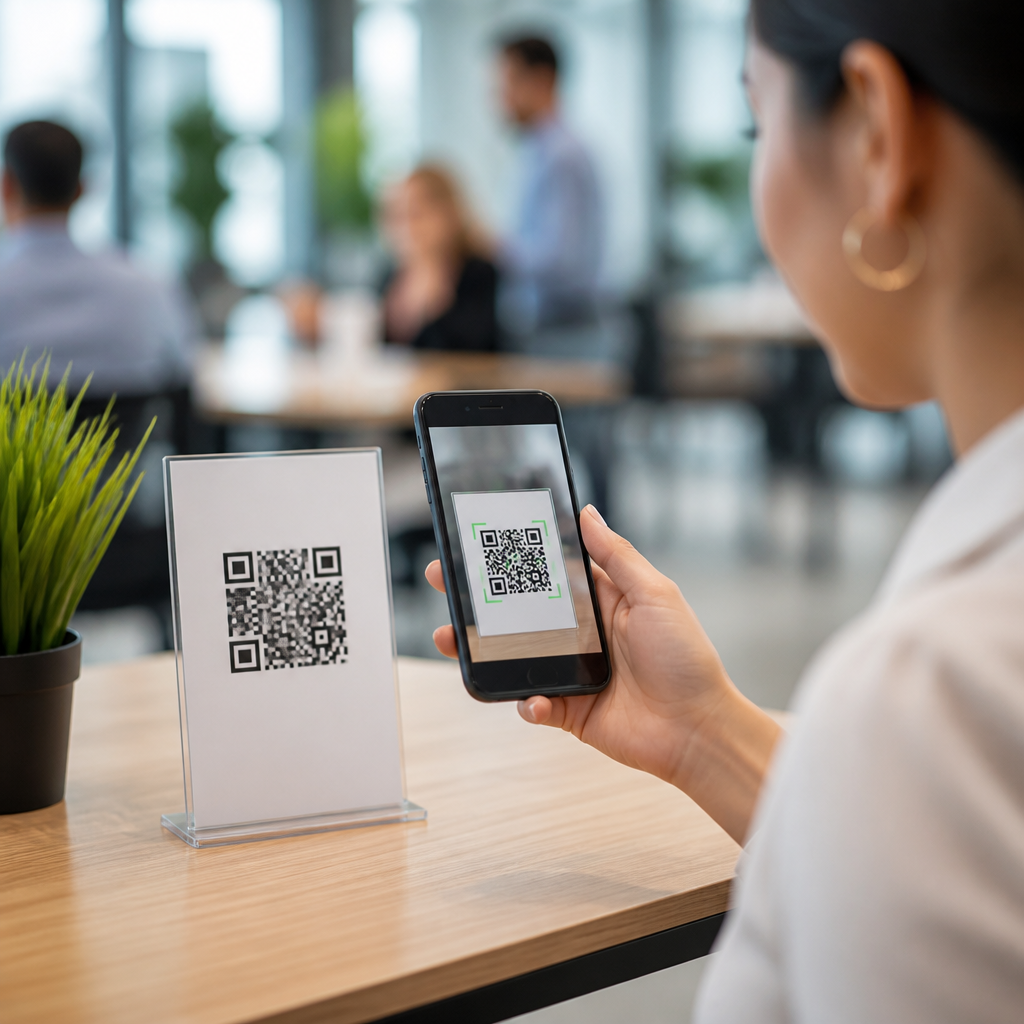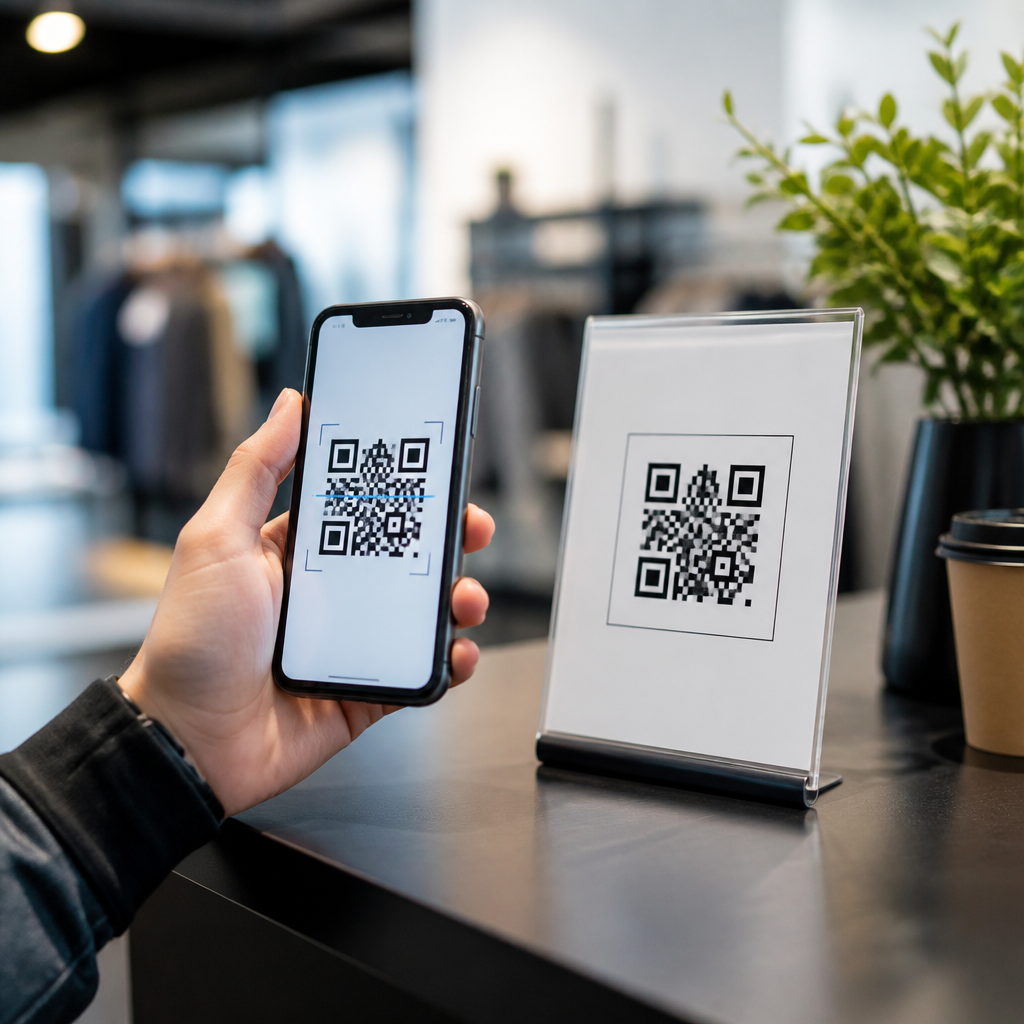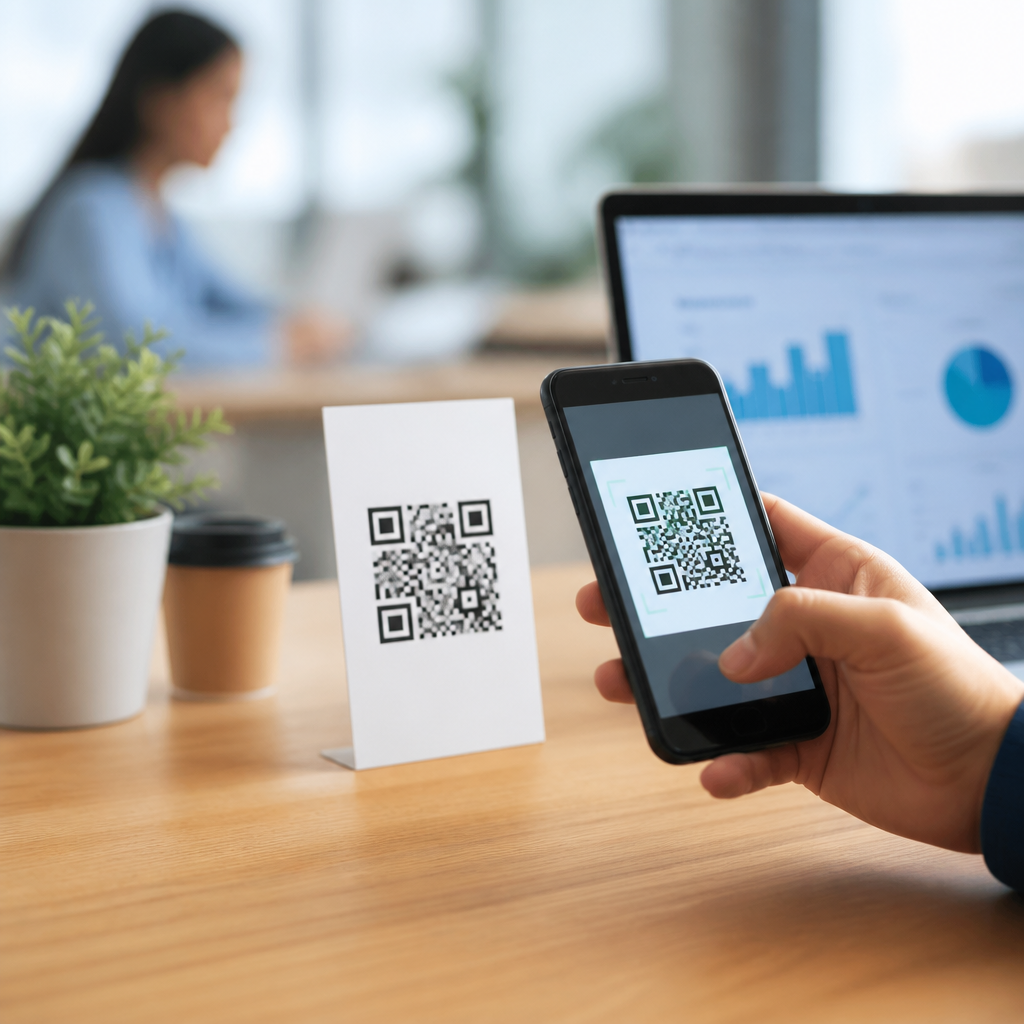
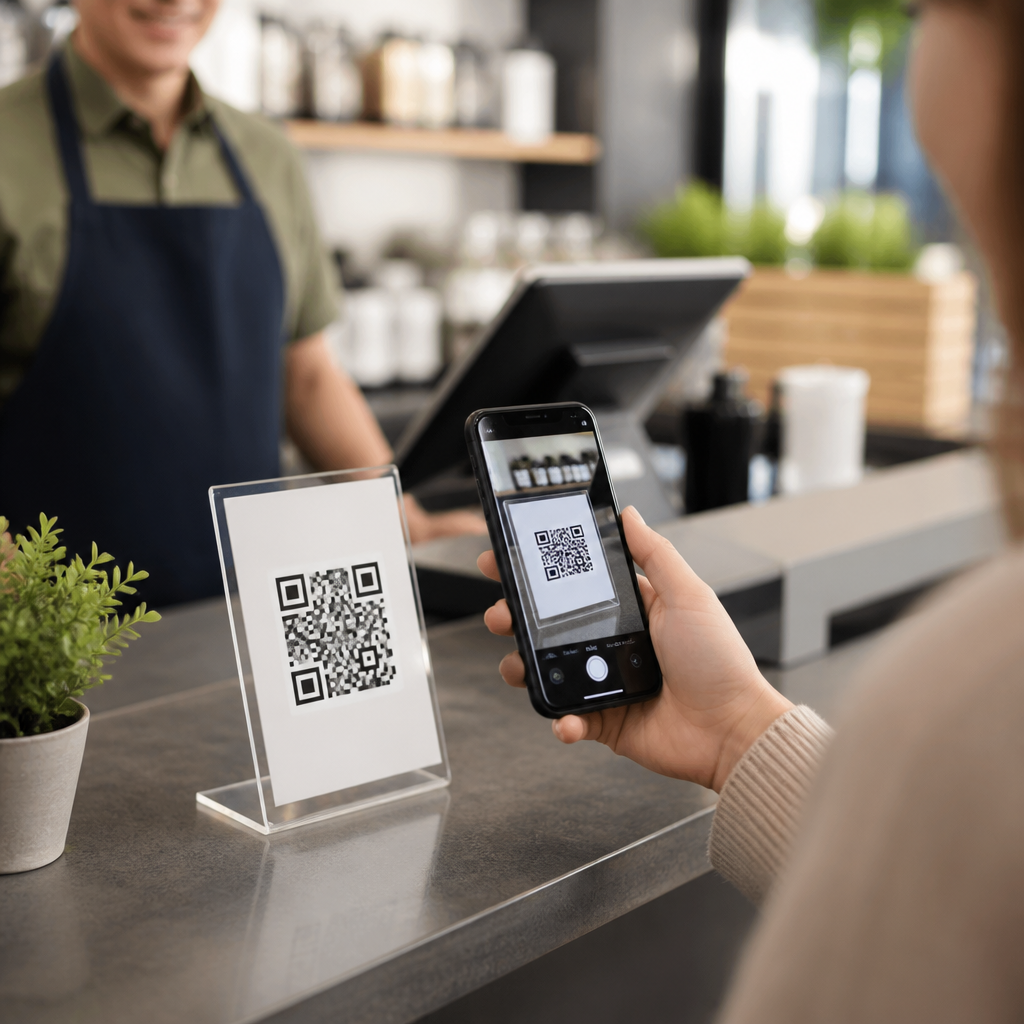
QR code marketing has moved from novelty to core channel because it connects offline attention to online action in one scan. A QR code, or Quick Response code, is a two-dimensional barcode that stores a URL, file, contact card, payment request, or other machine-readable data. In marketing, that simple square acts as a bridge: a product package can open a landing page, a poster can trigger ticket sales, and a restaurant table tent can launch a menu, loyalty form, or review request. I have used QR codes across retail, events, packaging, field sales, and local services, and the difference between a code that performs and one that gets ignored is rarely design alone. Results come from strategy, placement, analytics, and the match between user intent and destination.
This playbook is the hub for QR code marketing playbooks because marketers need a practical framework, not scattered tips. Teams often ask the same questions: where should a code appear, what should it link to, how do you measure scans, what size is readable, and when should you use dynamic QR codes instead of static ones? The stakes are higher than they look. A badly placed code can waste print budget, break a customer journey, or create security concerns if users cannot verify the destination. A well-built program can reduce friction, capture first-party data, shorten the path to purchase, and improve attribution for channels that were once hard to measure, especially print, packaging, direct mail, outdoor media, and in-store signage.
To use QR code marketing effectively, define a few key terms. A static QR code contains fixed data and cannot be edited after printing; it is useful for permanent information with low risk of change. A dynamic QR code points to a short redirect URL managed by a platform, so you can change the destination, add UTM parameters, pause campaigns, and track scans over time. Scan rate is the share of people exposed to the code who actually scan it. Conversion rate measures what happens after the scan, such as purchases, sign-ups, downloads, bookings, or form completions. A call to action is the nearby instruction that tells people why to scan, such as “Scan for 15% off” or “Scan to see the menu.” Those basics matter because good performance depends on the complete journey, not the code in isolation.
Why does this matter now? Smartphone camera recognition is mainstream, mobile payment behavior is normalized, and privacy changes have made first-party engagement more valuable. QR codes solve a real marketing problem: they turn physical impressions into measurable digital sessions without requiring users to type a URL. They also work across the funnel. At the top, a code on a billboard can drive video views or contest entries. In the middle, a catalog code can open a product configurator. At the bottom, a package insert can trigger reorders, warranty registration, or referrals. For brands building a broader library of QR code tutorials, guides, and resources, a strong playbook creates repeatable standards that lower testing costs and raise campaign reliability.
Build the strategy before you generate the code
The best QR code marketing campaigns start with a job to be done. Do not ask, “Where can we add a QR code?” Ask, “What customer action are we trying to make easier?” In practice, I map every campaign to one primary outcome: educate, capture, convert, support, or retain. Education campaigns send scanners to product explainers, how-to videos, or ingredient sourcing pages. Capture campaigns route to lead forms, SMS opt-ins, or gated downloads. Conversion campaigns open product pages, checkout flows, coupons, payment screens, or booking widgets. Support campaigns launch setup guides, troubleshooting content, or live chat. Retention campaigns drive loyalty sign-ups, reorder pages, referral offers, or review requests. One code should support one clear intent.
Audience context matters as much as objective. A commuter scanning a transit poster has seconds and limited attention; a shopper holding packaging in a store may compare options and need proof points; a conference attendee scanning a booth graphic may accept a longer form if the value is high. Match the destination to that context. For quick interactions, use mobile-first landing pages that load fast and present one decision. For considered purchases, include trust signals, pricing, FAQs, and social proof. I have seen campaigns fail because teams linked every code to the home page. A home page forces users to navigate, increasing drop-off. A purpose-built page tied to the exact asset and audience almost always wins.
Channel planning should also answer three operational questions early. First, will the code need updates after printing? If yes, use a dynamic QR code. Second, what data do you need to capture? At minimum, append UTM parameters and measure sessions, engaged sessions, conversions, and revenue in GA4 or Adobe Analytics. Third, who owns governance? Marketing, design, analytics, legal, and IT all touch the workflow. Establish a naming convention, approval process, and destination QA checklist before launch. That discipline prevents broken links, inconsistent tagging, and duplicate codes that muddy reporting.
Choose the right QR code type, destination, and offer
Most marketing teams should default to dynamic QR codes because they support redirects, tracking, expiration rules, and destination changes without reprinting the asset. Static QR codes still have a place for immutable information, such as permanent Wi-Fi credentials at a venue or a basic vCard at a trade show table, but campaigns usually evolve. Dynamic platforms such as Bitly, QR Code Generator PRO, Beaconstac, Flowcode, and Scanova make changes easy and provide scan analytics, though features differ around retargeting, folder structure, white labeling, and API access. If you manage QR codes at scale across multiple teams, choose a platform with role-based permissions and audit logs.
The destination should remove friction immediately. If your goal is sales, link to the exact product or a campaign landing page with inventory visibility, price, and checkout options. If your goal is lead generation, keep the form short and consider progressive profiling later. If your goal is reviews, send users directly to the review form for Google Business Profile, Trustpilot, Yelp where allowed, or your own NPS workflow. Offer clarity matters. “Scan to learn more” is weak because it hides the reward. “Scan for assembly video,” “Scan to claim your sample,” or “Scan to reorder in 30 seconds” tells users what they get and why the scan is worth their attention.
| Use case | Best destination | Primary metric | Common mistake |
|---|---|---|---|
| Product packaging | How-to page, warranty registration, reorder page | Registrations or repeat orders | Sending all SKUs to one generic page |
| Direct mail | Personalized landing page with offer code | Scan-to-conversion rate | Long form before value is shown |
| Retail signage | Product comparison or coupon page | In-store assisted sales | Ignoring store Wi-Fi and load speed |
| Events and trade shows | Lead form, calendar booking, deck download | Qualified leads | No CRM routing or follow-up SLA |
| Restaurants | Menu, order flow, loyalty sign-up | Orders per scan | Poor code placement on glossy surfaces |
Offer design should reflect the stage of the journey. New audiences usually need information or a modest incentive, while existing customers respond better to convenience, loyalty perks, or exclusive content. For example, a cosmetics brand can place a QR code on shelf talkers that opens a shade finder, then retarget visitors later through email capture or onsite personalization. A B2B manufacturer can use a booth code for an application guide and follow with a demo booking. In both cases, the scan is not the goal. The scan starts a measurable path to a business outcome.
Design, placement, and scanability rules that improve performance
QR code design affects trust and readability, but function comes first. Maintain high contrast, protect the quiet zone around the code, and test at production size on the actual material. Dark code on a light background remains the safest option. Branded colors can work if contrast stays strong, but low-contrast combinations frequently fail under sunlight, reflections, or older camera hardware. Error correction lets a code remain readable even with a logo overlay or minor damage, yet too much styling can hurt performance. In my experience, marketers overestimate the value of artistic customization and underestimate the value of a clear call to action placed directly beside the code.
Physical placement determines whether anyone notices or can practically scan. Put the code where a user can stop safely, hold the phone steady, and connect if needed. For posters, store displays, and shelf wobblers, chest to eye level usually outperforms floor-level placement. For packaging, place the code on a flat area away from folds, seams, and curved corners. For outdoor media, think about distance and dwell time; a bus shelter ad can support a code, while a highway billboard usually cannot because scanning in motion is unsafe and unrealistic. A good rule is to match code size to expected scanning distance, then test with multiple phones from that distance before approval.
Context cues increase scans because users need immediate reassurance. Add a short value statement, a visible URL or brand domain when possible, and, if relevant, a note such as “No app required.” For sensitive actions like payments or account access, use your main branded domain or a well-known short domain controlled by your company. This reduces phishing concerns and improves confidence. Also consider the landing experience after the scan. If the page is slow, intrusive, or not mobile optimized, even a perfectly printed code will underperform. Core Web Vitals, compressed media, and clear above-the-fold content matter here as much as they do in any mobile campaign.
Measure scans, attribute revenue, and run structured tests
QR code marketing becomes valuable when it is measured like any other performance channel. At minimum, tag every destination with source, medium, campaign, content, and if needed term parameters. Create unique codes for each placement rather than reusing one code across every asset. A brochure cover, inside panel, package insert, and checkout counter sign should each have their own dynamic URL, even if the landing page is similar. That separation reveals where intent is highest. In GA4, review sessions, engaged sessions, key events, conversion rate, and revenue by campaign. In a CRM, track lead quality, sales cycle stage, and closed-won revenue from QR-originated contacts.
Testing should focus on the variables that actually change behavior. Start with call to action, destination type, offer, and placement. For instance, compare “Scan for installation video” against “Scan for 5-minute setup guide.” Compare a product detail page against a campaign landing page with FAQs and proof points. Compare top-right packaging placement against back-panel center. On direct mail, test incentive framing, not just color. I have seen a small wording change, from “learn more” to “see pricing and delivery dates,” double scan volume because it better matched buyer intent. Run tests long enough to overcome day-to-day variance, and do not treat scans as success if downstream conversion falls.
Attribution needs realism. A QR scan may introduce a customer who returns later through search, email, or direct traffic. Use blended reporting to capture both last-click conversions and assisted influence. Coupon codes, personalized URLs, post-purchase surveys, and CRM source fields can help validate incremental lift. For retail or field campaigns, pair scan data with store traffic, POS timestamps, or sales territory results where possible. The point is not to force perfect certainty. The point is to create enough signal to decide which placements deserve budget and which should be retired or redesigned.
Use cases, compliance, and the operating model for scale
The strongest QR code marketing programs expand through repeatable use cases. Packaging can support onboarding, authenticity checks, manuals, recipes, care instructions, and replenishment. Restaurants can use codes for menus, pay-at-table, allergen details, and loyalty enrollment. Real estate teams can place codes on signs that open virtual tours and schedule forms. Healthcare providers can route patients to intake forms, appointment instructions, and wayfinding, subject to privacy controls. Nonprofits can collect donations from event signage and print collateral. B2B teams can connect equipment labels to maintenance guides and replacement part ordering. Each use case works because the code removes one specific point of friction.
Compliance and risk management deserve equal attention. Do not place QR codes where users are encouraged to scan while driving or moving through unsafe spaces. Verify every destination over HTTPS, maintain ownership of your short domains, and monitor for redirect tampering. If personal data is collected, align forms and consent language with applicable requirements such as GDPR, CCPA, CAN-SPAM, or industry-specific rules. Accessibility also matters. Provide alternative paths for users who cannot scan, such as a short URL or NFC option in appropriate settings. For regulated industries, legal review should cover both the printed claim near the code and the destination content because both are part of the same promotion.
To scale, create a simple operating model. Standardize code generation, UTM naming, QA, expiration handling, design specs, and reporting cadence. Maintain a central inventory with owner, live destination, placement details, launch date, and sunset date. Require preflight checks on mobile load speed, analytics firing, and redirect accuracy. Archive retired codes or route them to a helpful fallback page rather than letting them break. The brands that win with QR codes treat them as managed marketing assets, not decorative add-ons. If you are building out a broader resource center on QR code tutorials, guides, and resources, use this playbook as the hub: define strategy, select the right code type, optimize design and placement, measure outcomes rigorously, and scale only what proves value. Start with one high-intent use case, instrument it properly, learn from the data, and expand from there.
Frequently Asked Questions
What is QR code marketing, and why has it become such an important channel?
QR code marketing is the practice of using scannable QR codes to connect physical touchpoints with digital experiences. A QR code can store a website URL, digital menu, coupon, event registration page, app download link, contact card, payment request, or other machine-readable data. In practical marketing terms, that means a customer can move from seeing something offline to taking action online in seconds with a single scan. A package can open a product demo, a flyer can launch a booking form, a retail sign can deliver a discount, and a direct mail piece can send people to a personalized landing page.
The reason QR code marketing has become so important is simple: it reduces friction. People no longer need to type long URLs, search for a brand, or remember an offer for later. Modern smartphone cameras make scanning easy, so the gap between attention and action is much smaller than it used to be. That matters because marketing performance often depends on capturing intent in the moment. If someone is interested right now, a QR code gives them an immediate path to respond.
It also works extremely well across channels. Brands can place QR codes on packaging, menus, window decals, event booths, posters, brochures, product displays, receipts, business cards, and out-of-home ads. This makes QR codes especially valuable for linking offline media to measurable digital outcomes such as purchases, leads, app installs, signups, reviews, and loyalty enrollments. In other words, QR code marketing is no longer a novelty tactic. It has become a practical, scalable way to turn real-world attention into trackable online engagement.
Where should businesses use QR codes to get the best marketing results?
The best placement depends on the customer journey, but the strongest QR code campaigns usually appear where interest is already high and the next step is obvious. Product packaging is one of the most effective locations because customers are literally holding the item in their hands. A code on packaging can lead to setup instructions, cross-sell recommendations, user guides, recipes, reorder pages, warranty registration, or loyalty enrollment. That creates value after the purchase while also opening the door to repeat engagement.
Retail stores and restaurants also benefit greatly from QR code placement. Window signage can bring passersby to promotions or store locators. Shelf talkers and point-of-sale displays can deliver product comparisons, testimonials, and limited-time offers. Restaurant table tents and receipts can launch menus, waitlists, feedback forms, review requests, or rewards programs. In each case, the code works best when it aligns with what the customer is already trying to do in that setting.
Offline advertising is another high-value category. QR codes on posters, transit ads, billboards, event signage, direct mail, trade show materials, and print brochures can make static media interactive. Instead of hoping someone remembers a headline and looks it up later, the campaign can capture demand on the spot. The key is to match placement with intent. If the person scanning is likely to want more information, buy tickets, claim an offer, compare products, or book an appointment, the QR code is in the right place.
Strong results usually come from thinking beyond the code itself. Marketers should ask what the customer needs in that moment, what action is most natural, and what incentive makes scanning worthwhile. A good placement plus a clear benefit almost always outperforms a generic “scan me” approach.
What makes a QR code campaign effective instead of just decorative?
An effective QR code campaign starts with a clear purpose. Too many brands add a QR code simply because they can, without deciding what success looks like. The best campaigns are built around a specific outcome such as driving sales, collecting leads, increasing app downloads, growing loyalty membership, gathering reviews, or delivering product education. When the objective is well defined, every part of the campaign becomes easier to design, from the call to action to the landing page to the metrics.
The next ingredient is relevance. People scan when the value is immediate and obvious. That value might be a discount, exclusive content, a faster checkout path, a useful tool, a menu, product details, event access, or a personalized offer. The message near the code should explain exactly what happens after the scan. Clear language like “Scan to get 15% off,” “Scan to see the demo,” or “Scan to join the rewards club” typically performs much better than vague wording.
The destination experience matters just as much as the code. A QR code should lead to a mobile-friendly page that loads quickly and matches the promise of the call to action. If someone scans for a coupon and lands on a generic homepage, the campaign loses momentum. If they scan for an event and the registration form is slow or cluttered, conversion rates suffer. Effective campaigns remove unnecessary steps and make the next action simple.
Design and usability also play a major role. The code must be large enough to scan, placed where it is easy to access, and printed with enough contrast to work in real-world conditions. Testing is essential, especially across different phone models, lighting situations, and distances. Finally, the strongest campaigns are measurable. Dynamic QR codes, tagged URLs, and analytics dashboards help marketers understand scan volume, conversion behavior, traffic source, and campaign ROI. A QR code stops being decorative when it is intentional, useful, frictionless, and measurable.
Should marketers use static or dynamic QR codes, and what is the difference?
Static and dynamic QR codes serve different purposes, and choosing the right one can affect both flexibility and performance. A static QR code contains the final destination directly in the code itself. Once it is created and printed, the destination cannot be changed without creating a new code. Static codes can be useful for simple, permanent use cases such as sharing a basic webpage, a Wi-Fi login, or a contact card when no future edits are expected.
Dynamic QR codes are generally the better choice for marketing. Instead of encoding the final destination itself, they point to a short redirect URL that can be updated behind the scenes. That means the same printed code can later send users to a different landing page, promotion, product page, campaign variant, or seasonal offer without needing to reprint materials. For marketers, that flexibility is incredibly valuable, especially for packaging, posters, direct mail, and signage that may stay in circulation for a long time.
Dynamic codes also offer stronger tracking. Depending on the platform, marketers can measure scans by time, location, device, and campaign, then connect that behavior to downstream conversions. This makes it possible to test creative, compare placements, optimize messaging, and attribute offline interactions more accurately. You can also pause, reroute, or update campaigns if a landing page changes, an event sells out, or a product offer expires.
For most serious campaigns, dynamic QR codes are the recommended option because they combine durability, analytics, and control. Static codes still have a place, but they are less forgiving when conditions change. If the goal is long-term marketing performance and easier campaign management, dynamic QR codes are usually the smarter investment.
How can businesses measure QR code marketing performance and improve results over time?
Measuring QR code marketing starts with identifying the outcome that matters most. Scans alone are useful, but they are not the whole story. A campaign should be evaluated based on business goals such as purchases, lead submissions, reservations, app installs, loyalty signups, downloads, or review completions. The scan is only the first interaction. What happens after the scan is what determines whether the campaign is truly working.
To track performance properly, marketers should use dynamic QR codes paired with analytics tools and tagged destination URLs. This setup allows teams to see how many scans occurred, when they happened, what devices were used, and which placements or campaign versions generated the most engagement. If separate codes are used for packaging, posters, in-store signage, and direct mail, it becomes much easier to compare channel effectiveness and allocate budget more intelligently.
Conversion tracking on the landing page is equally important. Marketers should monitor bounce rate, time on page, form completion, add-to-cart actions, purchases, and other relevant events. If scans are high but conversions are low, the issue may not be the QR code at all. It may be the offer, the page speed, the mobile experience, or the clarity of the next step. Looking at the full funnel helps diagnose where performance is breaking down.
Improvement comes from continuous testing. Businesses can experiment with different calls to action, incentives, placements, designs, page layouts, and destination experiences. A code that says “Scan to learn more” may underperform compared with “Scan for today’s offer.” A shelf display may beat a poster. A shorter mobile form may convert better than a long one. The strongest QR code programs are treated like any other performance channel: they are tracked, tested, refined, and tied back to revenue or other meaningful outcomes. When that discipline is in place, QR code marketing becomes not just measurable, but highly optimizable.