Valentine’s Day is one of the most emotionally charged dates on the retail and marketing calendar, which makes it an ideal moment for creative QR code campaigns. A QR code, or quick response code, is a scannable two-dimensional barcode that connects offline touchpoints such as packaging, signage, direct mail, menus, and displays to digital experiences. When used well, Valentine’s Day QR code campaigns turn a simple scan into a gift guide, coupon, playlist, booking page, love note, contest entry, or personalized product journey. I have used QR codes across retail, hospitality, events, and restaurant promotions, and seasonal campaigns consistently perform best when the code delivers immediate value rather than novelty alone.
For brands, the opportunity is practical as well as emotional. Valentine’s Day shoppers are often browsing under time pressure, buying for different relationship types, and comparing options across stores and devices. A well-placed QR code can reduce friction at exactly the moment a customer needs help. It can answer common questions, surface curated bundles, explain shipping cutoffs, connect to reservation systems, or unlock limited-time offers. It also gives marketers measurable data on scan rate, device type, location, and conversion path. That matters because seasonal campaigns have short windows, and optimization must happen quickly.
This article serves as a hub for seasonal campaign ideas within a broader QR code campaign strategy. It covers the strongest Valentine’s Day use cases, the channels where they work best, the technical setup that improves results, and the metrics that show whether the campaign is actually producing revenue or engagement. The core principle is simple: the scan should complete a real customer task faster than typing a URL or searching manually. If the destination is generic, slow, or irrelevant, the code becomes decoration. If the experience is specific, useful, and timed to the buying moment, it becomes a conversion tool.
Valentine’s Day campaign planning also benefits from understanding code types. Static QR codes send users to a fixed destination and are suitable for permanent links that do not need updating. Dynamic QR codes route through a managed short URL, allowing marketers to change the landing page, track scans, add UTM parameters, and pause or redirect campaigns without reprinting assets. For seasonal marketing, dynamic codes are usually the better choice because inventory, offers, creative, and operating hours can change daily as the holiday approaches.
Why Valentine’s Day QR code campaigns work across industries
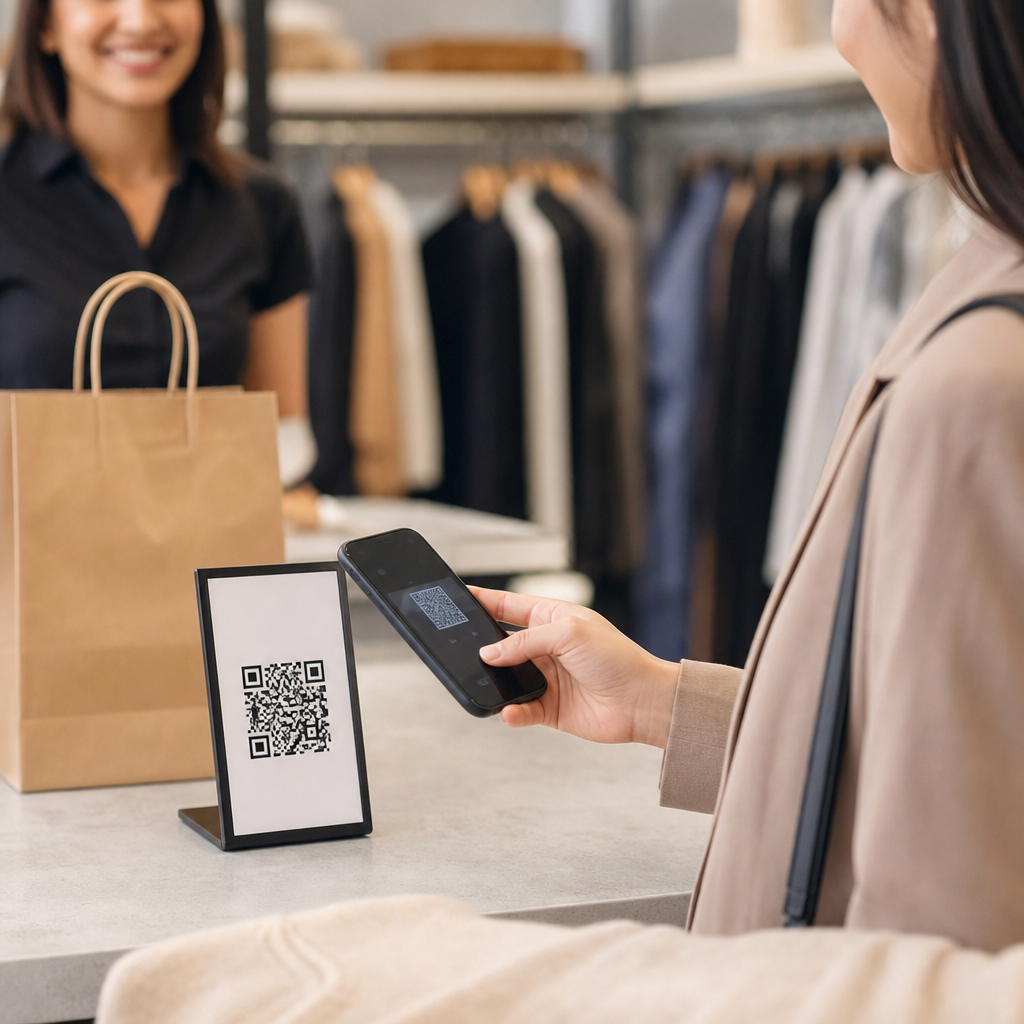
Valentine’s Day spending reaches far beyond flowers and chocolates. Retailers sell jewelry, fashion, beauty, books, electronics, and gift cards. Restaurants promote prix fixe menus. Hotels market weekend packages. Salons, spas, bakeries, wineries, and event venues all compete for attention during the same compressed period. QR codes work in this environment because they connect physical discovery with digital decision-making. A shopper sees a bouquet sleeve, shelf talker, table tent, postcard, or window decal and can immediately scan for details, availability, personalization options, or next steps.
In practice, the most successful campaigns solve three predictable shopper questions: What should I buy, is it still available, and can I get it in time. QR codes answer all three without requiring staff intervention. A gift guide QR code can segment recommendations by budget or recipient type, such as spouse, partner, friend, child, or self-care purchase. A product code can show live inventory, store pickup eligibility, and size or variant availability. A shipping code can lead directly to cutoff dates and local delivery options. This reduces abandonment, especially on mobile.
Another reason these campaigns perform well is that Valentine’s Day naturally supports storytelling. People are receptive to music playlists, message walls, digital cards, memory galleries, couples quizzes, and customization journeys. That gives marketers more flexibility than during purely transactional seasonal events. The strongest examples blend sentiment with utility. For example, a chocolatier can place a QR code on a premium box that unlocks a short video about sourcing, a pairing guide, and an option to add a gift message. The emotional layer increases perceived value, while the practical layer supports purchase confidence.
High-performing Valentine’s Day QR code ideas to launch
Not every QR code idea deserves production time. The concepts below work because they match a clear user intent with a fast digital destination. They can be adapted for stores, restaurants, ecommerce, events, hospitality, and service businesses.
| Campaign idea | Where to place the QR code | Best destination after scan | Primary goal |
|---|---|---|---|
| Gift guide by recipient or budget | Window signs, endcaps, mailers, product tags | Mobile landing page with filters for partner, friend, self-care, under $25, under $50 | Increase product discovery and average order value |
| Limited-time coupon or bundle unlock | Packaging inserts, flyers, checkout displays, receipts | Offer page with countdown timer and redemption code | Drive immediate conversion |
| Restaurant reservation and menu access | Storefront decals, table tents, social print ads | Reservation system, prix fixe menu, dietary notes, cancellation policy | Fill tables efficiently |
| Personalized gift message or digital card | Gift wrap stations, bouquet sleeves, product packaging | Form to create a hosted message, photo note, or short video link | Add emotional value |
| Playlist or date-night content | Candles, wine labels, bakery boxes, hotel room collateral | Branded playlist, pairing guide, local itinerary, recipe page | Extend engagement after purchase |
| Contest or user-generated content campaign | In-store signage, event posters, receipts, packaging | Entry form with consent language and social sharing prompt | Capture leads and content |
I have seen gift guides outperform general campaign pages because they reduce the cognitive load of choosing. A jewelry brand, for example, can create a “For New Relationships,” “For Long-Term Partners,” and “Galentine’s Gifts” path instead of sending every scanner to a generic catalog page. A florist can use one code on a cooler sign that opens a page showing same-day bouquets, premium arrangements, pet-safe options, and pickup times by location. Those are small structural decisions, but they directly improve conversion because they answer intent immediately.
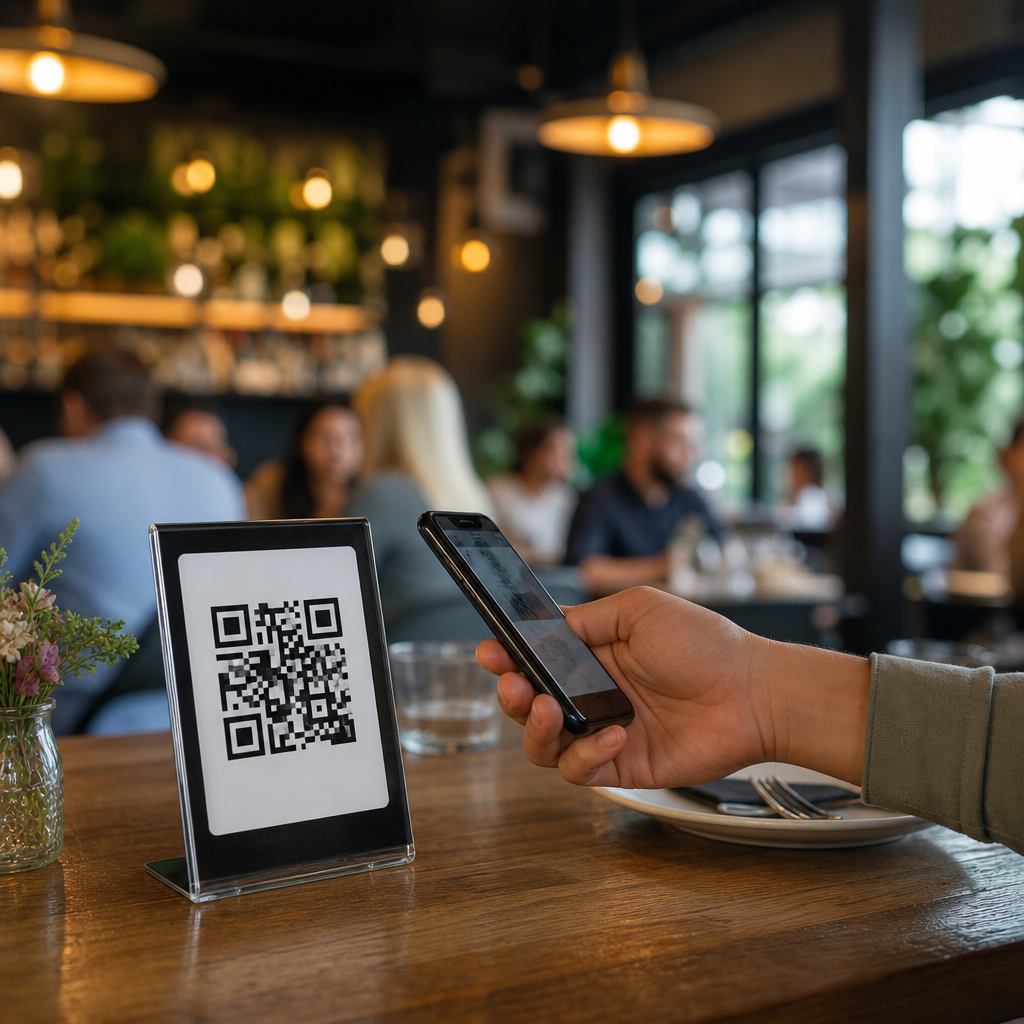
Restaurants and hospitality brands have especially strong use cases. A QR code on a poster can open to a reservation widget, menu, wine pairing notes, and prepaid add-ons such as roses, dessert upgrades, or a room package. That is more effective than linking to a homepage where the user must search manually. Service businesses can use the same model. A spa can route scans to couples massage availability, treatment length, gift card options, and booking terms. If appointments are nearly full, the code can be updated to promote digital gift cards or off-peak packages without changing printed materials.
Where to place QR codes for maximum scan rate and conversion
Placement determines whether a QR code is scanned at all. For Valentine’s Day, use locations where shoppers naturally pause: storefront windows, shelf edges, bouquet sleeves, menu inserts, checkout counters, fitting rooms, direct mail pieces, and packaging inserts. The code should appear next to a specific benefit statement, not by itself. “Scan for same-day gift ideas under $50” will outperform a standalone code because it tells the user exactly what they gain. Clarity consistently beats cleverness.
Design and production details matter more than many teams expect. Keep strong contrast between foreground and background, preserve the quiet zone around the code, and test every printed version under real lighting conditions. Codes should be large enough for the expected scanning distance; for close-range packaging or table tents, around 1.2 inches square is often workable, while posters and window signs require larger sizes. Use dynamic codes from established platforms such as Bitly, QR Code Generator, Scanova, Beaconstac, or Flowcode so you can update links and monitor performance. Avoid placing codes on reflective curved surfaces unless you have verified scan reliability with multiple phones.
Timing also shapes placement strategy. Early in the season, QR codes should support discovery and planning with gift guides, reminders, and reservation prompts. Closer to the holiday, they should shift toward urgency with shipping cutoffs, local pickup, same-day delivery, and instant digital gifts. On February 13 and 14, the best campaign destination may no longer be the original gift page. This is one reason dynamic routing is valuable. You can redirect traffic from a standard gift guide to an “available now” page and protect conversion when inventory becomes constrained.
Building landing pages that turn scans into sales or bookings
The landing page after a scan determines whether the campaign earns revenue. Keep the page mobile-first, fast, and singular in purpose. If the code promises “Valentine’s Day dinner reservations,” the page should open directly to reservation options, not a generic homepage or long PDF. If the promise is “gift ideas under $50,” show curated products first, with clear prices, stock status, and fulfillment options above the fold. Every extra tap adds friction, and seasonal shoppers have low patience.
Strong Valentine’s Day landing pages share a few traits. They include a headline that matches the scan prompt, a visible call to action, and supporting details that answer common objections. For products, that means delivery dates, pickup windows, return policy, personalization timelines, and inventory indicators. For restaurants or events, it means available times, menu structure, deposit policy, parking information, and dietary accommodations. For gift cards, it means delivery method, send date, redemption terms, and whether the recipient can use the balance online or in store.
Personalization can materially improve performance if it remains simple. A beauty retailer might let users choose “For partner,” “For best friend,” or “Treat yourself,” then display tailored bundles. A bakery can ask “Need pickup today or preorder for February 14?” and route accordingly. A hotel can segment scanners into “romantic overnight stay,” “dining only,” or “spa package.” The key is not to overwhelm users with too many choices. Use the minimum number of decisions needed to reach relevance quickly.
Measurement should be embedded from the start. Add UTM parameters, connect analytics to ecommerce or booking conversions, and compare scan sources by placement. If a postcard drives high scans but low conversion, the offer may be attractive but the landing page weak. If table tents convert well, replicate that message elsewhere. Seasonal campaigns move fast, so daily review is often justified during the final week before Valentine’s Day.
Common mistakes, compliance issues, and how to measure success
The most common mistake is using a QR code as decoration rather than utility. If the destination is a homepage, a social profile with no clear call to action, or a page that is not mobile optimized, results will be weak. Another frequent issue is failing to state the value before the scan. Users need a reason. “Scan to book Valentine’s dinner in 30 seconds” is specific. “Scan me” is not. I also see brands forget operational alignment. Promoting same-day pickup through a QR code fails quickly if store staff cannot fulfill the promise or if local inventory is not synced.
Privacy and consent matter when QR codes collect user data, contest entries, or user-generated content. If the code leads to a sweepstakes form, include terms, eligibility, deadlines, and consent language. If it captures photos, messages, or testimonials, clarify how the content may be used. Email or SMS follow-up should follow applicable laws and platform rules. Accuracy matters just as much. Expired offers, broken links, and outdated reservation information damage trust faster during holiday periods because customers are already time-sensitive.
Success should be measured in layers, not by scan count alone. Start with scan-through rate by placement, then track landing page engagement, click-through to primary action, conversion rate, revenue per scan, booking value, and assisted conversions. For physical locations, compare campaign periods against baseline store traffic and average order value. For restaurants, monitor reservations from scan to seated covers and add-on attachment rates. For ecommerce, segment by new versus returning customers and by device type. This shows whether the campaign is broadening reach or simply capturing existing demand through a different channel.
Valentine’s Day QR code ideas work best when they help people act quickly, confidently, and with a little more emotion than a standard promotion allows. The winning formula is straightforward: pair a clear scan prompt with a mobile destination that solves an immediate need, then adjust the campaign as the holiday window narrows. Use QR codes to guide gift selection, unlock offers, enable reservations, personalize messages, and extend the experience after purchase. Treat every code as a service moment, not a gimmick.
As the hub page for seasonal campaign ideas, this article provides the core playbook you can adapt across channels and business types. Start with one or two high-intent use cases, deploy dynamic codes so you can update destinations in real time, and measure performance by conversions rather than curiosity. If you are planning upcoming seasonal promotions, review your customer journey, identify where shoppers hesitate, and place QR codes exactly there. That is where Valentine’s Day campaigns become measurable, useful, and profitable.
Frequently Asked Questions
What are some creative ways to use QR codes in a Valentine’s Day marketing campaign?
Valentine’s Day QR code campaigns work best when the scan leads to something emotionally relevant, useful, or entertaining. Instead of treating the code as a generic link, brands can turn it into a themed digital experience that supports gifting, discovery, and engagement. For example, a QR code on product packaging can open a Valentine’s Day gift guide tailored by recipient type, such as gifts for a partner, friend, or family member. A code on a table tent in a restaurant can link to a couples’ menu, reservation page, or limited-time dessert promotion. Retailers can place QR codes in window displays that unlock exclusive offers, last-minute gift bundles, or “shop the look” collections for date-night outfits.
QR codes are also especially effective for interactive experiences. A florist might use a code that opens a custom bouquet builder, while a chocolatier could connect shoppers to tasting notes, pairing suggestions, or a premium upsell page. Hospitality brands can link scans to booking pages for romantic getaways, spa packages, or Valentine’s weekend events. Event businesses can use QR codes on posters, flyers, and social ads that send users directly to ticket pages or RSVP forms. Even service-based businesses can participate by offering a scan-to-book experience for salon appointments, professional photo sessions, or curated Valentine’s experiences.
Some of the strongest campaign ideas combine utility with sentiment. A QR code can reveal a digital love note, a branded playlist, a video message, a social contest entry form, or a surprise discount code. This is particularly effective for in-store displays, direct mail, greeting card inserts, and product tags. The key is to match the scan destination to the customer’s Valentine’s Day mindset: inspiration, convenience, gifting help, romance, or fun. When the experience feels timely and intentional, QR codes become more than a tech feature; they become a memorable part of the campaign.
Where should businesses place Valentine’s Day QR codes for the best results?
Placement has a major impact on scan rates, and the best-performing QR code campaigns are built around high-visibility, high-intent touchpoints. For Valentine’s Day, businesses should prioritize locations where customers are actively looking for gift ideas, planning experiences, or making quick purchase decisions. Product packaging is one of the most effective placements because it captures attention at the moment of purchase or unboxing. A QR code on a chocolate box, flower sleeve, candle label, or gift set can lead to add-on products, care instructions, reorder pages, or a personalized digital message that enhances the gift.
In-store signage is another strong option. Window displays can attract passersby with a call to action such as “Scan for gift ideas” or “Scan for last-minute Valentine’s specials.” Shelf talkers, endcap displays, tabletop signs, and point-of-sale counters are ideal for promoting limited-time offers, loyalty rewards, or bundled promotions. Restaurants and cafes can place QR codes on menus, receipts, napkin holders, or table cards to support reservations, featured Valentine’s pairings, dessert upgrades, or bounce-back offers for a future visit.
Direct mail is particularly valuable during seasonal campaigns because it reaches customers in a personal setting. A postcard or catalog with a QR code can guide recipients to a curated landing page, exclusive coupon, or interactive gift finder. Businesses can also use QR codes on posters, event flyers, bag inserts, storefront decals, and even employee name tags during promotional periods. For the best results, every placement should include a clear reason to scan. Customers are far more likely to engage when the value is obvious, such as unlocking a discount, browsing a gift guide, booking a reservation, or entering a giveaway. Strong visibility, clear instructions, and a mobile-friendly destination are what turn placement into performance.
What should happen after someone scans a Valentine’s Day QR code?
The post-scan experience is where the campaign either succeeds or loses momentum. Once someone scans a Valentine’s Day QR code, they should arrive at a destination that is fast-loading, mobile-optimized, and closely aligned with the promise made before the scan. If the code says “Scan for romantic gift ideas,” the landing page should immediately show curated recommendations, not a generic homepage. If the call to action promotes a reservation or special offer, the user should land directly on the relevant booking or promotion page. Reducing friction is essential, especially during a seasonal campaign where customers may be shopping quickly or under time pressure.
The best post-scan experiences are focused and intentional. A retailer might send users to a Valentine’s Day gift finder, a discounted bundle page, or a collection organized by budget. A restaurant could lead scanners to a reservation form, prix fixe menu, or wine pairing experience. A beauty brand may use the scan to unlock a tutorial, self-care bundle, or “gift with purchase” offer. In more emotionally driven campaigns, the code might reveal a digital greeting, playlist, video message, or shareable social experience. Whatever the destination, it should feel like a continuation of the campaign, not a disconnected digital detour.
It is also smart to include a measurable conversion goal after the scan. That might be a purchase, form submission, appointment booking, email signup, loyalty enrollment, or contest entry. Brands should make the next action easy with prominent buttons, simple navigation, and concise copy. Seasonal urgency can help as well, using messages such as “Order by February 13” or “Reserve your table before spots fill up.” In short, the best Valentine’s Day QR code campaigns do not stop at the scan. They guide the customer into a smooth, relevant experience that supports both engagement and results.
How can businesses make Valentine’s Day QR codes more engaging and more likely to be scanned?
To increase engagement, businesses need to give customers a compelling reason to scan. Most people will not scan a QR code out of curiosity alone unless the expected value is clear. That is why the call to action matters just as much as the code itself. Phrases like “Scan to unlock 15% off,” “Scan for gift ideas,” “Scan to book Valentine’s dinner,” or “Scan for a surprise love note” perform better than simply placing a code without explanation. The customer should immediately understand what they will get and why it is worth the effort.
Design and branding also influence scan behavior. A Valentine’s Day campaign should feel seasonal and visually cohesive, so the QR code can be integrated into themed packaging, signage, or displays with colors, imagery, and messaging that reflect the promotion. That said, style should never compromise function. The code must remain high contrast, properly sized, and easy to scan in different lighting conditions. Including whitespace around the code and placing it at a comfortable scanning height can improve usability. If the code appears on print materials, displays, or product labels, testing across multiple phone types is essential.
Interactive incentives can further boost engagement. Brands often see better results when the QR code unlocks something exclusive, such as a limited-time bundle, a contest entry, a personalized recommendation quiz, a downloadable Valentine’s card, or a romantic playlist. Gamified concepts can work well too, including instant-win experiences, digital scratch-offs, or hidden offers across store displays. Personalization is especially effective during Valentine’s Day because consumers are often shopping for specific relationships and occasions. The more relevant and rewarding the scan feels, the more likely customers are to engage. A successful campaign combines strong messaging, attractive presentation, and a destination that genuinely delivers on the promise.
How do you measure the success of a Valentine’s Day QR code campaign?
Measuring success starts with defining the campaign goal before the QR code is launched. For some businesses, the goal will be direct sales. For others, it may be reservations, bookings, email signups, contest entries, or in-store engagement. Once that objective is clear, performance can be tracked more accurately. Scan volume is the most obvious starting point because it shows how many people interacted with the code. However, scans alone do not tell the full story. Businesses should also evaluate what happened after the scan, including click-through behavior, time on page, conversion rate, and total revenue generated from the campaign.
Dynamic QR codes are especially useful because they allow brands to update destinations without reprinting materials and often provide built-in analytics. These tools can reveal which placements performed best, what times of day scans were highest, and which geographic areas generated the most engagement. A business running QR codes across window displays, packaging, direct mail, and tabletop signage can compare performance by channel and identify where customers were most responsive. Adding tracking parameters to landing page URLs can provide even deeper insight through analytics platforms, making it easier to connect scans to purchases, bookings, or signups.
Qualitative indicators matter too. Businesses should pay attention to how customers interact with the campaign in-store, whether staff report questions or enthusiasm around the scan experience, and whether the QR code content is being shared socially. For Valentine’s Day, where emotional resonance can influence performance, a campaign that generates memorable interactions may have value beyond immediate conversions. The strongest measurement approach looks at both hard metrics and customer response. If the QR code helped drive engagement, improved the seasonal experience, and supported a clear business outcome, then the campaign did its job well.