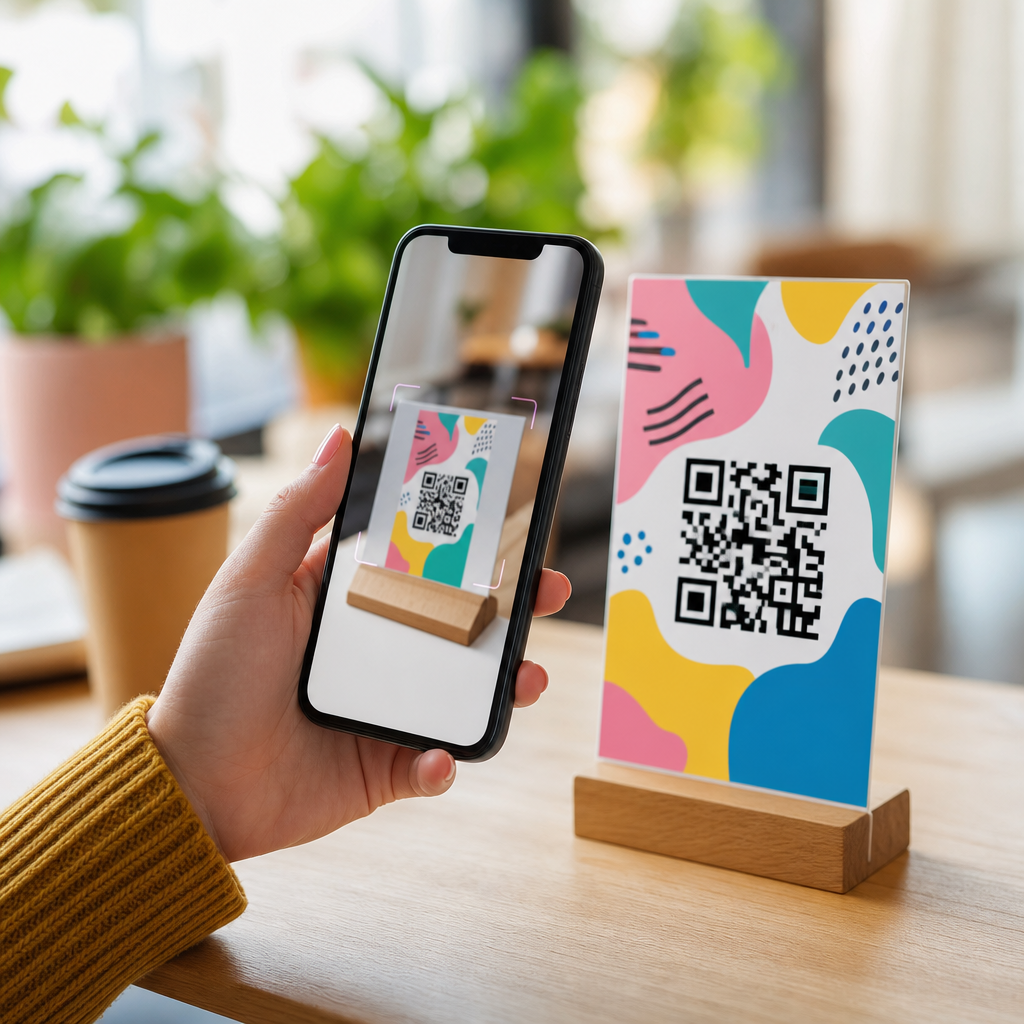
QR codes have moved far beyond plain black-and-white squares on product boxes. Today, brands use them to turn packaging, posters, menus, retail displays, event signage, and direct mail into interactive touchpoints. When marketers ask how to make QR codes fun and engaging, they are really asking how to turn a quick scan into a memorable brand experience. That means combining smart QR code design, clear user intent, strong incentives, and campaign mechanics that reward curiosity instead of wasting it.
A QR code, short for Quick Response code, is a two-dimensional barcode that stores information such as a URL, contact record, coupon, app download link, video, or payment destination. Modern smartphones read QR codes natively through the camera app, which removes the friction that limited adoption a decade ago. Because scanning now feels natural, the competitive challenge has changed. The issue is no longer whether people can scan a code. It is whether your QR code campaign gives them a compelling reason to do it.
In my work on QR code design and branding projects, the strongest campaigns always start with one practical question: what does the user get in the next ten seconds? If the answer is vague, engagement drops. If the answer is immediate and concrete, scan rates rise. A good creative QR code campaign might unlock a personalized discount, reveal a hidden product story, launch an augmented reality filter, enter the user into a giveaway, or connect a shopper to a live inventory page for the exact item in front of them.
This matters because QR codes sit at the intersection of physical and digital marketing. They can bridge offline media and measurable online behavior with very little friction. A flyer can drive app installs. A coffee cup can join a loyalty program. A museum plaque can deliver audio commentary in multiple languages. A concert poster can release exclusive content at a specific time. When the experience is designed well, QR codes create engagement that is trackable, scalable, and highly adaptable across channels.
For a sub-pillar focused on creative QR code campaigns, the core idea is simple: fun comes from relevance, surprise, usefulness, and ease. This hub article explains the principles, formats, examples, and execution details that make QR campaigns work in the real world, so you can build activations that feel intentional rather than gimmicky.
What Makes a QR Code Campaign Engaging
An engaging QR code campaign gives users a clear payoff, low scanning friction, and a destination built for mobile behavior. In practice, that means the code is easy to notice, clearly labeled, and tied to a specific action. Generic prompts like “scan me” underperform because they ask for effort without promising value. Specific prompts such as “Scan to unlock today’s secret menu” or “Scan to hear the artist explain this piece” outperform because they answer the user’s first question before the scan happens.
Creative QR code campaigns also fit context. On-pack QR codes work best when they add product utility, such as ingredients, authenticity checks, tutorials, recipes, care instructions, or loyalty points. At events, QR codes should support speed and participation, such as fast check-in, scavenger hunts, voting, seat upgrades, or backstage content. In outdoor advertising, where attention is limited, the offer must be immediate and the landing page must load in seconds. If the environment is busy, dark, or moving, code size, contrast, and placement become decisive factors.
Another overlooked factor is emotional design. People scan more often when the code hints at discovery. That can be achieved with countdowns, hidden messages, collectible rewards, location-based clues, or serialized experiences that evolve over time. I have seen simple campaigns outperform expensive builds because they understood suspense. A café chain, for example, can print a different QR code sleeve each week that reveals a mini-game and a chance to win a free drink. The mechanism is inexpensive, but the repeat behavior is powerful because it creates anticipation.
Measurement is part of engagement as well. Dynamic QR codes let teams update destinations without reprinting assets and track metrics such as scan volume, device type, location trends, and time patterns. Tools such as Bitly, QR Code Generator Pro, Beaconstac, Flowcode, and Uniqode are often used for this purpose. The data helps identify whether the campaign concept is weak, whether placement is poor, or whether the landing experience is losing users after the scan.
Creative QR Code Campaign Ideas That Work
The best campaign ideas turn a scan into participation. Gamified promotions are one of the most reliable approaches. A retailer can place QR codes throughout a store for a “find and scan” challenge that unlocks clues, product education, and tiered rewards. A sports venue can put seat-specific QR codes under select chairs that reveal surprise upgrades or merch offers. A food brand can print codes on limited-edition packaging that unlock collectible recipes, chef videos, or points toward branded merchandise.
Storytelling campaigns are especially effective for premium products and mission-driven brands. Wineries use QR codes on bottle labels to show vineyard footage, tasting notes, harvest dates, and pairings. Skincare brands use them to explain ingredient sourcing and routine order. Fashion labels connect codes to behind-the-scenes design stories, care instructions, and authentication records that help fight counterfeiting. These examples work because they add information that does not fit on physical packaging while reinforcing trust and brand identity.
Experiential activations can make QR codes feel playful rather than transactional. Beauty brands have used QR codes to launch AR try-on experiences. Entertainment campaigns use poster QR codes to reveal trailers, hidden scenes, playlist drops, or character backstories. Museums and galleries increasingly rely on QR codes for audio guides, captions, and interactive educational layers. In each case, the code is not the attraction. It is the gateway to something the audience genuinely wants.
Local businesses can be creative without large budgets. A restaurant can run a table-tent campaign where each table’s QR code reveals a different off-menu item or trivia question, with winners receiving dessert. A real estate agent can place QR codes on yard signs that open neighborhood guides, school information, and virtual tours instead of a generic listing page. A fitness studio can add QR codes to lobby posters that let prospects choose a beginner plan, claim a trial class, and receive a follow-up sequence based on their chosen goal.
| Campaign type | Best use case | User reward | Key success factor |
|---|---|---|---|
| Instant win promotion | Retail, food, events | Discount, prize, upgrade | Immediate payoff after scan |
| Storytelling experience | Packaging, museums, luxury goods | Exclusive content, trust, education | Strong narrative relevance |
| Scavenger hunt | Campuses, festivals, malls | Game progression, social sharing | Clear rules and visible clues |
| AR or filter launch | Beauty, entertainment, lifestyle | Novelty, personalization | Fast mobile performance |
| Loyalty capture | Cafés, salons, quick-service brands | Points, perks, repeat offers | Minimal form friction |
Design Principles for Fun, Branded QR Codes
Making QR codes fun does not mean sacrificing scannability. The first rule is functional clarity: maintain sufficient contrast, preserve the quiet zone around the code, and test across different devices and lighting conditions. ISO/IEC 18004 sets the general QR code specification, and while marketers do not need to memorize the standard, they should respect its practical implications. Over-stylized modules, low contrast palettes, crowded backgrounds, and oversized logos in the center are common reasons branded codes fail in the field.
Strong QR code design uses branding selectively. Custom colors, rounded modules, embedded logos, and framed calls to action can improve recognition when they remain scan-safe. The safest practice is to create several versions, print them at real size, and test them on both iPhone and Android devices from different distances. Error correction helps, but it is not a license to distort the pattern recklessly. I generally advise clients to treat styling as the final ten percent of the process, after message, placement, and mobile destination are already solid.
Placement is design. A code on a billboard has very different requirements than one on a countertop card. Distance determines size. Motion affects readability. Surface material matters because glare can block scans on glossy packaging or laminated signage. If the code appears where connectivity is weak, preload lightweight pages or provide a backup short URL. If the scan happens during checkout or in a queue, the landing page should support one-thumb use and complete the action in under a minute.
Calls to action deserve equal attention. The most effective labels state the benefit, reduce uncertainty, and sometimes set expectations on timing. “Scan for a 20% coupon” is stronger than “Learn more.” “Scan to vote before halftime” creates urgency. “Scan to see ingredients and allergen info” signals utility. Fun often comes from the destination, but engagement begins with the promise wrapped around the code itself.
How to Plan a Creative QR Code Campaign
Successful creative QR code campaigns are built backward from the outcome. Start by choosing one primary goal: awareness, lead capture, sales, loyalty enrollment, education, or social sharing. Then define the scan context, because the same audience behaves differently in a store aisle, at a festival, on transit, or at home with direct mail. Once context is clear, map the user flow from first glance to completed action. Every extra tap, form field, or loading delay will reduce conversions.
The next step is selecting the right QR code destination. A homepage is rarely the best answer. Use a dedicated landing page, deep link, app intent, wallet pass, coupon page, product explainer, or embedded experience designed specifically for the source. If the campaign spans multiple placements, use unique dynamic codes so you can compare performance by package, poster, shelf talker, or event station. This is where campaign hubs become powerful. One parent concept can support many child articles, assets, and audience segments while preserving one strategic theme.
Content planning should answer the main questions a user will have immediately: What do I get? How long will it take? Is this safe? Do I need to enter personal information? Can I share it? Clear answers increase trust and completion rates. For regulated categories such as alcohol, finance, health, or supplements, compliance review must happen early. The more interactive the experience, the more important it is to confirm accessibility, privacy notices, and mobile browser compatibility before launch.
Finally, define metrics before deployment. Useful benchmarks include scan-through rate by impression source, landing page bounce rate, completion rate, coupon redemption, average session time, shares, and repeat scans. If your objective is retention, track whether first-time scanners return through remarketing, email capture, or loyalty logins. Creative is only valuable when it contributes to measurable business outcomes.
Common Mistakes and How to Avoid Them
The most common mistake is offering too little value. A QR code that opens a generic homepage, PDF, or app store listing without context feels lazy. Users remember that disappointment, and future scan willingness drops. The second mistake is poor technical execution: tiny codes, weak contrast, redirects that break, heavy pages, pop-ups that block content, or destinations not optimized for mobile. These are basic issues, but they still sink campaigns every day.
Another problem is ignoring environment. I have audited campaigns where teams used the same code size on shelf tags, outdoor banners, and trade show backdrops, even though scan distance varied dramatically. Results were predictably uneven. Marketers also underestimate how often users scan with one hand while multitasking. If the landing page demands excessive typing or forces account creation before delivering the promised reward, abandonment rises sharply.
There is also a strategic mistake: treating creativity as decoration instead of utility. Fun QR codes are not random. They align with audience motivation, brand voice, and channel behavior. A scavenger hunt may be perfect for a festival and terrible for a pharmacy waiting room. An AR lens may lift engagement for a cosmetics launch and add no value for industrial equipment buyers. The right level of play depends on the setting, the stakes, and the audience’s intent.
To avoid these issues, test with real users before scale, measure every placement, and improve quickly. Start small if needed, but make each scan count.
Fun and engaging QR codes are created through relevance, not novelty alone. The winning formula is straightforward: give people a clear reason to scan, place the code where it is easy to use, send them to a fast mobile experience, and reward the action with value they can feel immediately. Whether you are building packaging experiences, in-store games, event activations, loyalty flows, or storytelling campaigns, the principle stays the same. A QR code is only as strong as the next moment it creates.
As the hub for creative QR code campaigns, this guide should help you evaluate ideas, structure campaign goals, and avoid the technical errors that make even smart concepts fail. The most effective programs combine solid QR code design and branding with useful content, measurable outcomes, and campaign-specific landing pages. They respect context, reduce friction, and turn passive media into active participation.
If you want better results from QR marketing, review your current touchpoints and ask one hard question at each one: why should someone scan this right now? Build your answer into the design, message, and destination, then test it in the real world. That is how to make QR codes fun, engaging, and worth repeating.
Frequently Asked Questions
How can brands make QR codes feel fun instead of purely functional?
To make QR codes feel fun, brands need to think beyond the scan itself and focus on the experience that happens immediately after it. A QR code is only the doorway. What makes it engaging is the payoff. If someone scans a code on packaging, a poster, a retail display, or a menu, they should land on something interactive, useful, surprising, or rewarding within seconds. That could be a gamified giveaway, an instant discount, a behind-the-scenes video, a personalized product quiz, an augmented reality filter, a scavenger hunt clue, or exclusive content tied to the campaign. The key is to create a moment that feels intentional and entertaining rather than transactional.
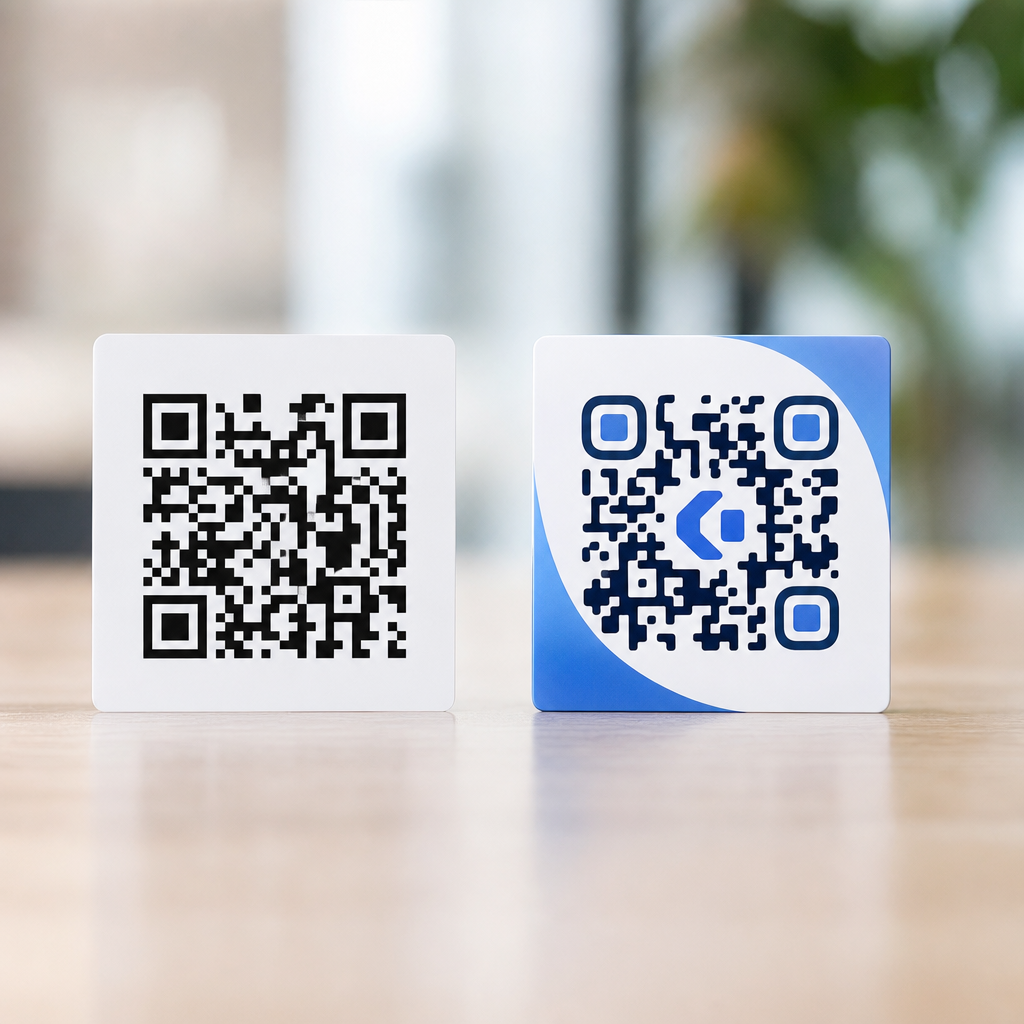
Design also plays a major role. A custom QR code with branded colors, a logo, and thoughtful placement is much more inviting than a generic black-and-white square dropped into the corner of a design. Pairing it with compelling copy matters just as much. Instead of saying “Scan here,” use language that creates curiosity and sets expectations, such as “Scan to unlock a surprise,” “Find today’s hidden reward,” or “See this package come to life.” When people understand what they might gain from scanning, participation rises. In short, fun QR code campaigns combine strong visual design, a clear value exchange, and a destination that rewards attention right away.
What are the best incentives to encourage people to scan a QR code?
The best incentive is one that matches the audience, the setting, and the level of effort being asked. In most cases, people scan QR codes when they believe the result will be worth their time. Strong incentives include instant discounts, limited-time offers, loyalty points, free samples, bonus content, contest entries, product education, or access to something exclusive. For example, a shopper scanning a QR code on shelf signage may respond well to a coupon or product comparison guide, while an event attendee may be more interested in interactive schedules, VIP experiences, or digital prize draws.
Exclusivity and immediacy tend to perform especially well. “Scan to get 15% off now” is effective because the reward is concrete and immediate. “Scan for members-only content” works because it creates a sense of insider access. Gamified incentives can be even more powerful when done well. Spin-to-win experiences, unlockable badges, digital collectibles, and multi-scan challenges give users a reason to engage more deeply and come back again. However, the reward should always feel proportional. If users scan and end up on a slow page, a generic homepage, or a form-heavy landing page with no clear benefit, trust drops quickly. The most successful QR code incentives are clear, fast, relevant, and easy to claim.
How important is QR code design in making campaigns more engaging?
QR code design is extremely important because it shapes first impressions and influences whether people decide to scan at all. While functionality must always come first, visual presentation can dramatically improve engagement. A well-designed QR code should still be easy for smartphones to read, but it can also reflect the brand through color, framing, logo integration, and surrounding creative elements. When a code looks like a deliberate part of the campaign instead of an afterthought, it feels more trustworthy and more appealing.
Placement and context matter just as much as the code itself. A QR code on packaging should be integrated into the pack story. On a poster, it should sit near the message that explains the value of scanning. On a restaurant menu, it should clearly guide users toward ordering, specials, or rich media content. It is also important to keep contrast strong, size adequate, and whitespace sufficient so the code remains scannable in real-world conditions. The most engaging QR campaigns balance creativity with usability. Decorative touches should never interfere with performance. Testing across different devices, lighting conditions, distances, and print materials is essential. A fun-looking code that fails to scan reliably is worse than a plain one, because it creates friction at the exact moment curiosity is highest.
What should happen after someone scans a QR code to keep the experience memorable?
The post-scan experience is where engagement is won or lost. Once someone scans, the destination needs to load quickly, look mobile-friendly, and deliver exactly what was promised. If the QR code invited users to unlock a reward, they should see that reward immediately. If it teased an interactive brand moment, the landing page should begin that experience without extra confusion or delay. The fastest way to undermine a QR campaign is to send users to a generic homepage and expect them to find their own way.
Memorable post-scan experiences usually include one or more of the following: personalization, interactivity, exclusivity, and momentum. Personalization might mean tailored product recommendations, location-specific content, or a custom message based on the campaign source. Interactivity might include quizzes, mini-games, augmented reality, voting, or user-generated content prompts. Exclusivity can come from gated content, limited offers, or early access. Momentum means giving users a logical next step, such as sharing the experience, redeeming a reward, saving an offer, joining a loyalty program, or scanning again at another touchpoint. A memorable QR code journey is smooth, relevant, and rewarding from start to finish. It should feel like a natural extension of the brand experience, not a disconnected digital detour.
How can marketers measure whether a fun QR code campaign is actually working?
Marketers should evaluate QR code campaigns using both scan-level metrics and business outcomes. Basic performance indicators include total scans, unique scans, scan time, location, device type, and repeat engagement. These metrics help reveal when and where people are interacting with the code. Dynamic QR codes are especially useful because they allow marketers to update destinations and track performance without reprinting materials. Comparing scan rates across packaging, direct mail, posters, retail displays, and event signage can show which channels drive the strongest response.
However, scan volume alone does not tell the full story. The real measure of success is what happens after the scan. Brands should track landing page engagement, time on page, click-through rates, coupon redemptions, contest entries, purchases, sign-ups, social shares, video completions, and any downstream conversions tied to the campaign objective. If the goal is brand awareness, engagement depth may matter more than sales. If the goal is product trial or revenue, redemption and conversion metrics become more important. A/B testing can also improve results over time by comparing different calls to action, incentive types, landing page experiences, and QR code placements. The most effective marketers treat QR campaigns as measurable interactive channels, not just print add-ons. When the scan experience is designed strategically and tracked properly, QR codes can become a high-performing bridge between physical media and digital action.