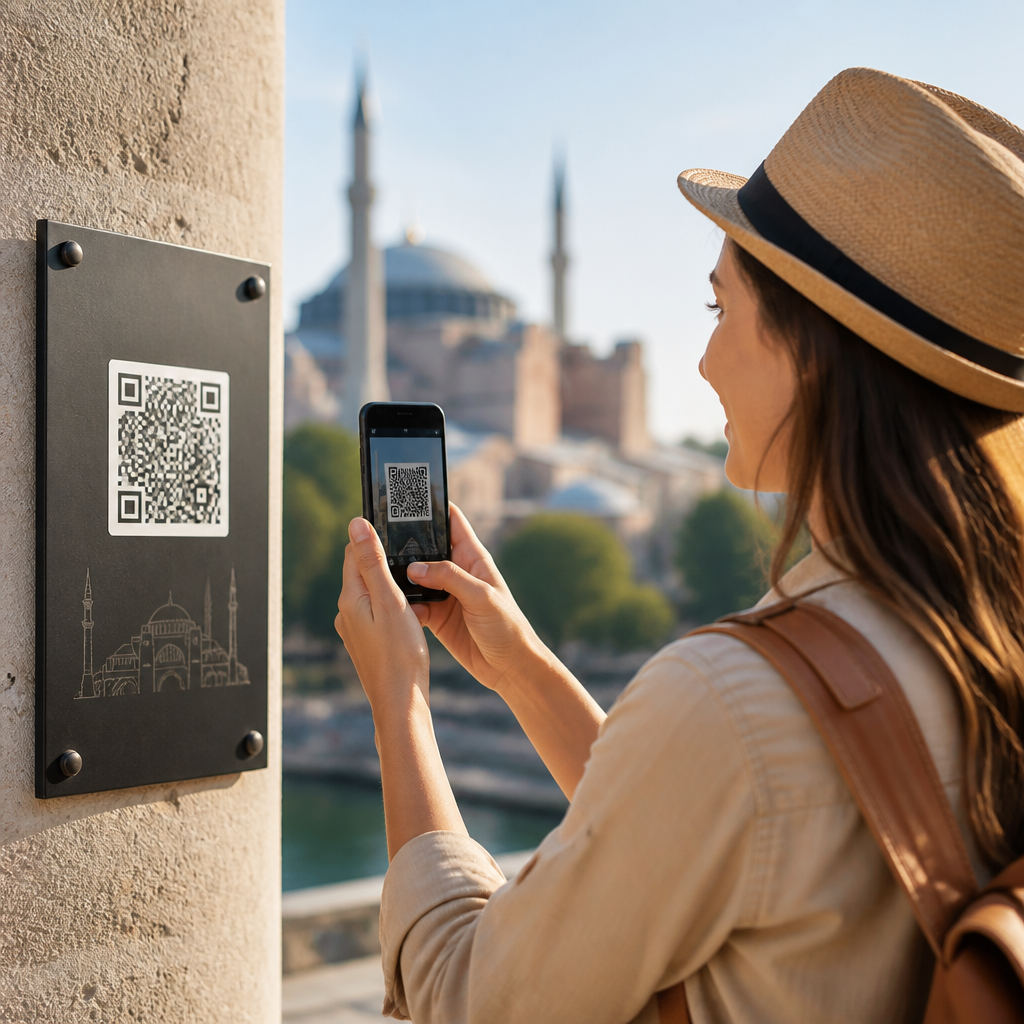
QR codes have become one of the most practical tools in travel and tourism because they connect physical places to useful digital information in seconds. A tourist can scan a code on a monument, hotel desk, museum wall, shuttle bus sign, restaurant menu, or trail marker and immediately access maps, audio guides, booking links, language support, safety instructions, or local offers. In plain terms, a QR code is a scannable image that opens digital content on a smartphone. For tourism businesses, destinations, and public agencies, that simple action reduces friction at exactly the moment a visitor needs help. For travelers, it saves time, lowers uncertainty, and makes unfamiliar environments easier to navigate.
In my work with location-based visitor journeys, the most successful QR code programs never treat the code as the end product. The code is only the doorway. What matters is the destination behind it: a fast mobile page, clear directions, current opening hours, relevant language options, and content that matches the place where the visitor is standing. That is why QR codes enhance tourist experiences so effectively. They bridge the gap between signage and service, between curiosity and action, and between a visitor’s intent and the information required to move forward confidently.
This matters because tourism is full of decision points. Travelers need to find transport, compare attractions, understand cultural context, reserve tickets, access Wi-Fi, request assistance, and discover nearby businesses. Every delay creates stress. Every missing detail can mean a lost sale or a poor review. QR codes solve a real operational problem while also improving the customer experience. They are inexpensive to deploy, familiar to most smartphone users, and flexible enough to support independent hotels, destination marketing organizations, airports, cruise terminals, museums, tour operators, restaurants, and heritage sites. Used strategically, they turn printed surfaces into live service channels and measurable marketing assets.
As a hub topic within QR codes in marketing, travel and tourism deserve special attention because visitor behavior is highly contextual. A leisure traveler wandering an old town, a business traveler navigating an airport, and a family checking into a resort all need different information, delivered instantly and often in multiple languages. Effective tourism QR code strategy therefore combines usability, storytelling, accessibility, analytics, and operational reliability. The following sections explain the main industry-specific use cases, the benefits for travelers and operators, the implementation standards that matter, and the measurement practices that turn basic scans into better tourism outcomes.
Visitor information and wayfinding
One of the strongest travel and tourism use cases for QR codes is on-location visitor information. Traditional signs are static, space-limited, and hard to update. A QR code placed on directional signage, public maps, transit stops, district gateways, or attraction entrances can open interactive maps, walking routes, estimated travel times, accessibility details, and live service alerts. This improves wayfinding because the visitor does not need to search manually, guess directions, or rely on a staff member being available. In dense urban destinations, I have seen QR-linked maps reduce confusion around multi-stop heritage trails and encourage tourists to explore beyond the most crowded landmarks.
Wayfinding becomes even more valuable when paired with localization. A destination can serve different landing pages based on language, time of day, or scan location. For example, a QR code at a visitor center can route families to indoor attractions during rain, while a code on a waterfront sign can open ferry timetables, restroom locations, and nearby dining options. National parks and eco-tourism sites use codes on trailheads to provide route difficulty, weather warnings, Leave No Trace guidance, and emergency contact information. Museums often place codes beside floor maps so visitors can plan efficient routes, identify accessible elevators, and avoid missing temporary exhibitions.
The practical benefit is clarity. Tourists want immediate answers to simple questions: Where am I, what should I do next, how long will it take, and is this place open right now? QR codes answer those questions at the point of need. For operators, the benefits include fewer repetitive staff inquiries, better crowd distribution, and more visibility into which locations generate the most engagement. When scans are tracked by location and timestamp, tourism teams can identify congestion points, optimize signage placement, and refine local recommendations based on actual visitor behavior.
Attractions, heritage storytelling, and self-guided tours
Tourism is not only about movement; it is also about meaning. QR codes enhance tourist experiences by adding depth to attractions, heritage sites, public art, and cultural districts without cluttering the physical environment with too much text. A small plaque can remain visually elegant while the code opens a rich layer of interpretation: audio narration, archival photographs, reconstruction images, curator commentary, oral histories, or short video clips. This is especially effective at historic sites where visitors want context but may not want to join a scheduled group tour.
Self-guided tourism has grown because many travelers prefer flexible pacing. QR-enabled trails allow visitors to start when they want, skip sections, revisit points later, and consume content in their preferred format. In practice, the best programs use concise mobile pages with optional deeper layers. A code at a castle might first answer the basics, such as date of construction and significance, then offer expandable content on restoration, political history, and local legends. Audio options matter because they let travelers look at the site while learning. Multilingual delivery matters because it makes interpretation more inclusive than fixed signage can be.
Heritage organizations also benefit from easier content maintenance. Instead of reprinting panels whenever a date changes or a new discovery is made, teams can update the linked content centrally. Dynamic QR code platforms such as Bitly, Beaconstac, Flowcode, or QR Code Generator Pro support editable destinations, campaign tagging, and scan reporting. This makes QR storytelling not just educational but measurable. A museum can see which exhibits attract the most scans, how long visitors stay on the page, and which languages are most used. Those insights support better curation, stronger grant reporting, and more targeted interpretation design across future exhibits and destination content.
Hospitality, dining, and guest service
Hotels, resorts, vacation rentals, and restaurants use QR codes to simplify service while increasing convenience for guests. In hospitality, a QR code can appear in booking confirmations, lobby signage, elevators, guest rooms, pool areas, and in-room compendiums. The common destinations are digital welcome guides, property maps, spa menus, room service ordering, concierge chat, local recommendations, late checkout requests, and maintenance reporting. During high-volume periods, these codes reduce pressure on front-desk teams because guests can solve routine needs independently. That does not replace hospitality; it gives staff more time to focus on complex or high-value interactions.
Dining is another major travel touchpoint. Tourists often hesitate when menus are unfamiliar, allergens are unclear, or translations are poor. QR codes on tables, windows, and printed receipts can link to multilingual menus, dietary labeling, chef recommendations, waitlist systems, reservation booking, and payment. For independent restaurants in tourist areas, that is a major advantage. Instead of relying on one printed menu in several languages, the venue can maintain a single mobile menu with accurate descriptions, current prices, and richer photography. Upsell opportunities also improve because the digital menu can highlight local specialties, tasting flights, or pairings relevant to travelers.
Guest service works best when QR experiences are tightly matched to context. A code by the hotel pool should not dump the guest on a generic homepage; it should open poolside food ordering, towel policies, and operating hours. A code inside an airport hotel room might prioritize shuttle times, breakfast service, and checkout options. Relevance drives scans, repeat usage, and customer satisfaction. The businesses that see the strongest results usually treat each placement as a distinct service moment, then test the landing page based on scan data, conversion rate, and common guest questions captured by staff.
Transportation, ticketing, and destination operations
Travelers spend a large portion of their journey moving between places, which makes transportation a high-impact area for QR code deployment. Airports, rail stations, cruise ports, shuttle operators, and city transit authorities use codes to deliver gate maps, live schedule updates, baggage guidance, transfer instructions, mobile boarding information, and customer support. For tourists arriving in an unfamiliar city, a clear QR code near arrivals that opens official transport options can prevent confusion and reduce reliance on unofficial information. It can also direct visitors to verified taxi zones, airport train fares, and tourism desk resources.
Ticketing is another practical use case. Attractions and tour operators can place QR codes in email confirmations, social ads, brochures, and outdoor posters to move travelers quickly into booking flows. Once purchased, the ticket itself may contain a code for entry validation, timed access, or upsell offers. This streamlines operations while reducing paper handling. Many venues integrate codes with reservation systems, event platforms, or property management software so that check-in staff can verify access quickly. For seasonal attractions with peak queues, that speed directly improves visitor satisfaction and throughput.
| Tourism setting | Typical QR code use | Primary visitor benefit | Operational benefit |
|---|---|---|---|
| Airport | Terminal maps, transfers, ground transport | Faster orientation after arrival | Fewer service desk inquiries |
| Museum | Exhibit interpretation, audio guides | Richer self-guided learning | Lower printing and update costs |
| Hotel | Digital concierge, service requests | Convenient on-demand assistance | More efficient staff workflows |
| Restaurant | Multilingual menus, payment, reviews | Clearer ordering decisions | Higher table turnover and upsells |
| Heritage trail | Maps, storytelling, safety details | Confident independent exploration | Better flow across multiple sites |
Destination operations also improve when public and private stakeholders coordinate. A tourism board, transit agency, and attraction cluster can use linked QR infrastructure to create a more connected visitor journey. For example, a code at a train station can promote a city pass, a walking route, and partner attractions nearby. A code on a ferry pier can cross-link to weather alerts, museum hours, and local food districts. That cross-promotion turns QR codes into internal linking signals within the destination itself, guiding visitors through a sequence of relevant experiences instead of isolated transactions.
Marketing performance, accessibility, and implementation best practices
QR codes are powerful because they are both service tools and measurable marketing assets. Every scan can reveal where engagement started, which creative placement worked, what device was used, and whether the visitor completed a desired action. UTM parameters, event tracking in Google Analytics 4, CRM integration, and dynamic URL routing make it possible to attribute scans to bookings, newsletter sign-ups, app downloads, coupon redemptions, or itinerary saves. For destination marketing organizations, this is especially useful in printed channels that were once difficult to measure, such as brochures, posters, room cards, and outdoor signage.
Accessibility must be part of implementation from the start. Good tourism QR code design includes high contrast, sufficient size, strong error correction, and placement where users can scan comfortably without blocking circulation. The landing page should be mobile first, lightweight, readable in sunlight, and compatible with screen readers. Alt-language options should be obvious. Audio should include transcripts. Video should include captions. If a location has weak connectivity, pages should be optimized aggressively or made available through captive Wi-Fi portals. A code that leads to a slow, cluttered, or inaccessible experience damages trust and reduces adoption quickly.
There are also limits and tradeoffs. Not every visitor wants to scan, and some travelers have low battery, limited data, or privacy concerns. For that reason, essential information such as safety warnings, opening hours, and emergency contacts should never exist only behind a QR code. Physical signage still matters. The strongest programs use QR codes to extend information, not hide it. They also maintain governance. Each code should have an owner, a tested destination, a review schedule, and a fallback plan if the linked platform changes. In tourism, where seasonal content shifts constantly, disciplined maintenance is what separates helpful QR systems from broken promises.
Best practice is straightforward: place codes where intent is highest, label the expected outcome clearly, and make the landing page complete enough to answer the visitor’s next question. “Scan for audio guide” performs better than an unlabeled square. “Scan for today’s ferry times” is better than “Learn more.” Clear value drives behavior. For travel brands building a broader content ecosystem, this hub naturally connects to deeper topics such as QR code menu strategy, hotel guest journey design, museum digital interpretation, event wayfinding, destination analytics, and contactless payments. That interconnected structure strengthens discoverability and helps readers move from overview to implementation.
QR codes enhance tourist experiences because they deliver timely, location-specific help in the exact moment a traveler needs it. Across attractions, hotels, restaurants, transport hubs, and public spaces, they reduce friction, expand storytelling, support multilingual access, and create smoother self-service journeys. For operators, they improve efficiency, lower update costs, and generate measurable data about visitor behavior. Their value is not theoretical. It appears in shorter lines, clearer decisions, more confident navigation, and richer engagement with the destination.
The key lesson is that successful tourism QR codes are not about novelty. They are about relevance, speed, and trust. A well-placed code tied to a focused mobile experience can answer practical questions, deepen cultural understanding, and connect visitors to surrounding businesses and services. A poorly planned code that opens a generic page or outdated content does the opposite. The difference comes from strategy: matching the code to the visitor’s context, maintaining content actively, and measuring outcomes consistently.
For any travel or tourism organization building a stronger digital visitor journey, QR codes are one of the most efficient starting points. Audit your existing touchpoints, identify the moments where guests ask the same questions repeatedly, and create mobile destinations that solve those needs immediately. Start with one high-intent use case, measure scans and conversions, then expand across the visitor journey with confidence.
Frequently Asked Questions
1. How do QR codes improve the tourist experience?
QR codes improve the tourist experience by giving travelers instant access to useful information exactly where and when they need it. Instead of searching online, downloading brochures, or asking staff for every detail, a visitor can scan a code and immediately open maps, historical background, audio guides, transportation schedules, ticketing pages, restaurant menus, event details, or safety instructions on their phone. This makes travel more convenient, more efficient, and less stressful, especially in unfamiliar places.
They also make experiences more interactive. At a monument, a QR code can bring up stories, photos, or videos that help visitors understand the site in a richer way. In a museum, it can link to multilingual descriptions or narrated tours. In a hotel or resort, it can guide guests to local attractions, room services, or check-in support. For outdoor destinations such as parks, trails, or scenic viewpoints, codes can provide route guidance, weather alerts, and emergency contact information. In short, QR codes bridge the gap between the physical location and the digital tools tourists rely on, helping destinations deliver more value without adding friction.
2. Where are QR codes most commonly used in travel and tourism?
QR codes are now used across nearly every part of the tourism journey because they are flexible, fast to scan, and easy to place in physical environments. Travelers often encounter them at airports, train stations, bus stops, hotels, museums, monuments, restaurants, visitor centers, theme parks, beaches, hiking trails, and event venues. In each of these settings, the code acts as a simple gateway to digital content that supports the visitor experience.
For example, a hotel may place QR codes at the front desk, in guest rooms, or inside welcome booklets to link guests to Wi-Fi access, service directories, spa bookings, local recommendations, or checkout instructions. Museums and heritage sites often use QR codes beside exhibits to offer deeper educational content, translations, accessibility tools, or audio commentary. Restaurants may use them for menus, reservations, allergy details, or promotions. Public transport operators can use QR codes on signage to share route maps, real-time schedules, and ticketing information. Tourist boards and attraction managers also use them in printed guides, posters, and outdoor signage to connect visitors with official resources, seasonal updates, and curated local experiences. Their broad usefulness is exactly why they have become so valuable in tourism.
3. Are QR codes helpful for international travelers and multilingual tourism?
Yes, QR codes are especially helpful for international travelers because they remove many of the communication barriers that can make travel more difficult. One of the biggest advantages is that a single code can lead users to content available in multiple languages. Rather than printing separate signs, brochures, or menus for every visitor group, tourism businesses can create one scan point that lets tourists choose the language they understand best. This improves clarity, reduces confusion, and helps visitors feel more confident navigating a destination.
Beyond translation, QR codes can support international travelers in practical ways. They can link to local customs, transportation guidance, emergency numbers, visa-related visitor information, currency tips, and cultural etiquette. They can also help tourists access maps, booking tools, and customer service channels without needing to explain themselves in person right away. For attractions and hospitality providers, this creates a more inclusive and professional experience. For travelers, it means less uncertainty and more independence. In destinations that welcome global audiences, QR codes are one of the easiest ways to make information accessible, consistent, and visitor-friendly.
4. How do QR codes benefit tourism businesses and destination managers?
QR codes benefit tourism businesses by making customer communication faster, more efficient, and easier to update. Instead of reprinting materials every time a schedule, menu, event listing, or local recommendation changes, businesses can update the digital destination behind the QR code while keeping the same printed sign or display in place. This saves time and money and helps ensure tourists are always seeing current information. In a fast-moving environment like travel, where hours, prices, weather conditions, and availability can change quickly, that flexibility is extremely valuable.
They also create new opportunities for engagement, service, and measurement. Hotels can use QR codes to promote upgrades, amenities, tours, and feedback forms. Attractions can encourage visitors to book timed entries, access educational content, or join membership programs. Restaurants can highlight specials, online ordering, and loyalty offers. Destination marketing organizations can use QR codes in posters, brochures, and public spaces to drive traffic to campaign pages or local itineraries. Many QR systems also provide scan data, which helps businesses understand how, where, and when visitors are engaging. That insight can support better marketing decisions, improved visitor flow, and stronger overall service design. For tourism operators looking to modernize the guest experience without adding complexity, QR codes are a practical and cost-effective solution.
5. What makes a tourism QR code effective and easy for visitors to use?
An effective tourism QR code is simple, visible, and connected to genuinely useful content. The first priority is placement. A code should be located where a tourist naturally needs information, such as near an entrance, at a monument plaque, on a shuttle sign, at a trailhead, or on a hotel counter. It should be easy to spot, large enough to scan quickly, and accompanied by a short instruction or call to action such as “Scan for audio guide,” “Scan for trail map,” or “Scan for local recommendations.” When visitors know exactly what they will get, they are more likely to engage.
The digital experience matters just as much as the code itself. The linked page should load quickly, work well on mobile devices, and present information clearly. It should avoid unnecessary steps, complicated forms, or content that is difficult to read on a small screen. For tourism settings, the best QR experiences often include concise directions, maps, multilingual support, booking links, accessibility information, and safety details. It is also important to keep links updated and test codes regularly, especially in outdoor or high-traffic areas. When QR codes are thoughtfully designed and maintained, they feel less like a tech feature and more like a helpful part of the journey, which is exactly what modern travelers appreciate.