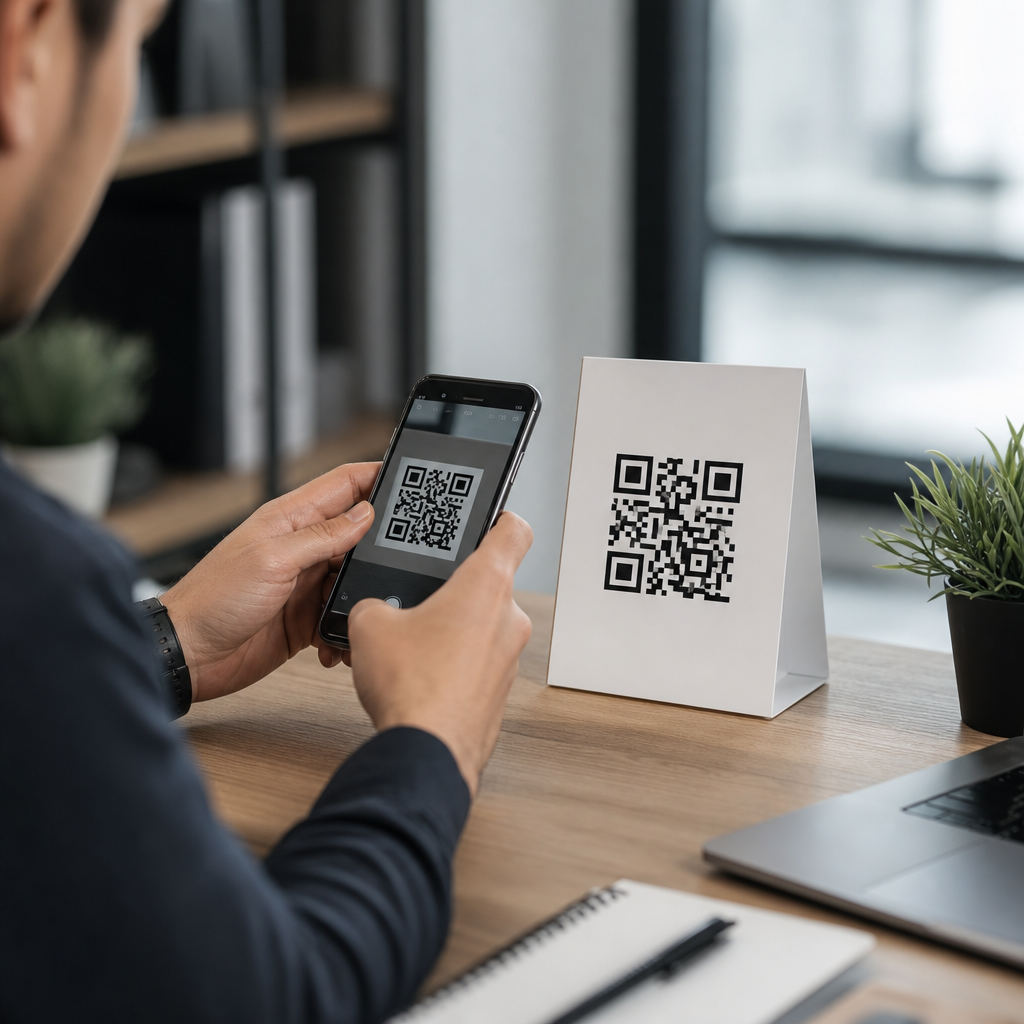
Pricing QR code services is one of the hardest parts of building a profitable campaign business because the work looks simple from the outside yet spans strategy, design, analytics, compliance, print coordination, landing-page optimization, and post-launch reporting. A business owner may think they are buying a black-and-white square, but in practice they are paying for the commercial result that square creates: more scans, more appointments, more leads, more app downloads, or better first-party data. That gap between perceived simplicity and actual business value is exactly why many agencies undercharge. If you want to know how much you should charge for QR code campaigns, the short answer is this: charge based on scope, risk, and measurable value, not just on the time it takes to generate a code.
QR code campaign pricing matters because margins can disappear quickly when deliverables are not defined. A static code linked to a simple URL is one product. A dynamic QR code campaign with UTM tracking, branded design, print testing, fraud safeguards, geotargeted redirects, CRM integration, and monthly reporting is a very different product. In my own campaign work, the strongest pricing model always starts with separating setup from ongoing management. Clients understand this distinction because it mirrors how the campaign actually operates: first you plan and build, then you monitor and optimize.
Key terms should be clear from the start. A static QR code points to a fixed destination and cannot be edited after printing. A dynamic QR code routes through a management platform, which lets you change the destination, track scans, segment traffic, and sometimes add retargeting or conditional logic. Campaign pricing refers to the full service fee for planning, producing, deploying, and measuring the QR-based promotion, not merely the cost of the code image. Monetization in this context means turning QR expertise into a repeatable service line with healthy gross margins and defensible value.
For agencies, freelancers, printers, marketers, and consultants, this topic matters because QR code demand has matured. Restaurants, events, packaging brands, real estate teams, healthcare providers, and retailers all use QR codes, but they buy for different reasons and face different constraints. That means no single flat rate fits every project. A hub approach works best: understand core pricing models, know what inputs raise or lower fees, build package tiers, and anchor pricing to outcomes clients recognize. Once those pieces are in place, quoting becomes faster, proposals become clearer, and revenue becomes far more predictable.
What QR code campaign pricing should include
A professional QR code campaign quote should include every stage that affects performance. At minimum, scope the discovery session, campaign objective definition, QR code type selection, destination planning, code generation, design customization, scan testing across devices, deployment guidance, analytics setup, and reporting. If the code will appear in print, include size specifications, quiet-zone requirements, contrast checks, and substrate testing. If the destination is a landing page, include copy, form setup, page speed review, consent language, and conversion tracking. These are not extras invented to inflate a bill. They are the practical tasks that separate a campaign that scans from one that fails in the field.
Pricing also needs to reflect the difference between deliverables and responsibility. A client may hand you artwork and ask only for a dynamic code with tracking. That is a low-responsibility engagement. Another client may expect you to coordinate with the printer, select placement on packaging, create the mobile landing page, connect HubSpot or Mailchimp, and produce executive reporting. That is a high-responsibility engagement, and your price should rise accordingly because the business risk sits with you. In my experience, campaigns become unprofitable when providers price only the visible asset and ignore the hidden accountability that comes with it.
One useful way to frame your offer is to break the service into setup, production, and management. Setup covers strategy, goals, measurement planning, and technical architecture. Production covers design, code generation, redirects, creative adaptation, and testing. Management covers monitoring scan volume, fixing destination issues, updating redirects, optimizing landing pages, and reporting on performance. Even if you bundle these items into one package, think through them separately when pricing. This prevents you from giving away ongoing support by accident and makes upsells much easier later.
Common pricing models for QR code services
There are four practical pricing models for QR code campaigns: flat-fee project pricing, hourly pricing, monthly retainer pricing, and value-based pricing. Flat-fee pricing works best for defined campaigns with clear deliverables, such as a restaurant menu migration, a trade show lead capture setup, or a retail in-store promotion. Hourly pricing can work for technical cleanup, troubleshooting, or client teams that need flexible support, but it often creates uncertainty and weak positioning. Monthly retainers fit dynamic campaigns that require active monitoring, content updates, reporting, and optimization over time. Value-based pricing is strongest when the campaign affects meaningful revenue, such as property tours for real estate, appointment bookings for healthcare, or repeat purchases from packaging inserts.
Most providers should not rely on a single model. A hybrid model usually performs better. For example, charge a one-time setup fee for strategy, code creation, and testing, then add a recurring management fee for analytics, redirect updates, and monthly reporting. If the client also wants landing-page CRO, CRM integration, or print consulting, price those as separate add-ons. This structure protects your margin and gives clients a clear map of what they are buying.
| Pricing model | Best use case | Typical range | Main risk |
|---|---|---|---|
| Flat project fee | Single campaign with fixed scope | $500 to $5,000+ | Scope creep |
| Hourly | Troubleshooting or advisory work | $75 to $250 per hour | Client uncertainty on total cost |
| Monthly retainer | Ongoing optimization and reporting | $300 to $3,000+ per month | Underserved account if scope is vague |
| Value-based | Revenue-linked campaigns | Custom, often premium | Hard to quantify results upfront |
Those ranges vary by market, complexity, and your role. A freelancer producing a branded dynamic QR code and simple dashboard access may sit near the low end. An agency handling omnichannel campaign strategy, first-party data capture, and post-launch testing should be far higher. The central principle is straightforward: price the business function, not the commodity image file.
What factors should determine your rate
Several variables should determine how much you charge for QR code campaigns. The first is campaign objective. A code linking to a PDF menu is usually less valuable and less complex than a code driving high-ticket lead generation. The second is destination complexity. Sending traffic to an existing URL is simple; building a mobile-first landing page with a form, call tracking, schema, and CRM sync is not. The third is deployment environment. Codes on flyers are easier to manage than codes on product packaging, direct mail, outdoor signage, vehicles, or point-of-sale displays where distance, glare, movement, and material affect scan rates.
The fourth variable is analytics depth. Basic scan counts are easy. Event-level attribution with UTM governance, channel segmentation, device analysis, and dashboard reporting requires more work and stronger tooling. The fifth is compliance. Healthcare, finance, education, and regulated promotions may require privacy disclosures, secure forms, records management, and stricter redirect controls. The sixth is timeline. Rush campaigns deserve rush pricing because compressed schedules increase error risk and often force work outside normal planning cycles.
Brand and creative requirements also matter. A plain QR code generated in seconds should not be priced like a brand-safe asset tested for readability after logo insertion, color adjustment, and export across print and digital formats. I have seen clients insist on aesthetic changes that reduce scan reliability. Correcting that takes expertise, and expertise should be billable. Finally, consider internal coordination. If you are chasing approvals from marketing, legal, IT, sales, and a print vendor, project management can consume more time than technical production. That coordination overhead belongs in the quote.
Typical price ranges by campaign type
Small business QR code campaigns often start around $300 to $750 when the scope is narrow: a dynamic code, basic branding, destination setup, and light testing. A more complete local business package, such as a restaurant loyalty push or salon booking campaign with landing page updates and monthly reporting, often lands between $800 and $2,000. Event campaigns generally price higher because they are deadline-driven and involve multiple assets, venue signage, exhibitor coordination, and rapid troubleshooting; $1,000 to $4,000 is common for serious support.
Packaging and retail campaigns frequently justify premium pricing because the code stays in market longer and affects actual sales behavior. If you are handling redirect logic, promotional calendar changes, scan analytics, and retailer-specific destinations, prices can range from $2,000 to $10,000 or more depending on brand size. Real estate teams often pay for QR-powered listing flyers, property tour pages, and lead routing. A single-property setup may be modest, but portfolio-level systems with CRM integration and agent reporting can become retainers. Healthcare and higher education campaigns can also command higher rates due to compliance review, accessibility considerations, and stakeholder complexity.
Enterprise pricing is rarely about the code itself. It is about governance, scalability, approval workflows, security, and reporting. If a client needs bulk dynamic QR deployment across dozens of locations, role-based access, naming conventions, and quarterly business reviews, your pricing should reflect systems thinking, not production labor alone. That is how modest deliverables turn into meaningful recurring revenue.
How to build profitable packages and proposals
The easiest way to sell pricing QR code services is to create package tiers that match buyer intent. A starter package can cover one campaign objective, one dynamic code, one destination, standard branding, QA testing, and a short training handoff. A growth package can add landing-page support, analytics dashboards, A/B testing, and a month of optimization. A premium package can include multi-location deployment, CRM integration, segmented redirects, print coordination, and executive reporting. Clear tiers reduce friction because clients compare structured outcomes instead of debating each line item.
In proposals, define assumptions with precision. Specify how many codes, how many redirects, how many design revisions, what analytics platform is included, who owns subscription costs, how long support lasts, and what happens if the client changes objectives after approval. Include exclusions such as print production, copywriting beyond a stated limit, paid media, or legal review unless purchased separately. These details protect profitability more than persuasive writing does.
When presenting price, anchor it to outcomes. Instead of saying, “QR code setup costs $1,200,” say, “This campaign fee covers dynamic code infrastructure, mobile destination optimization, and scan attribution so your team can measure in-store response by location.” That language connects cost to business function. It also helps clients see why a generic code generator is not a substitute for a managed campaign.
How to avoid undercharging and scope creep
Undercharging usually happens for three reasons: treating QR codes as a commodity, failing to estimate hidden labor, and giving away revisions or support. The fix is operational discipline. Use a discovery checklist before quoting. Ask where the code will appear, who approves creative, whether the destination already exists, what data must be tracked, whether any regulated data is involved, and how success will be reported. If you do not know those answers, you are guessing, not pricing.
Scope creep often enters through “small” changes. A client asks for one extra redirect, then another landing page variation, then separate codes by region, then a dashboard by store. Each request sounds minor in isolation, but together they change the economics of the project. Write change-order language into every agreement. State that additions affecting strategy, production, integrations, analytics, or reporting will be quoted separately. Good clients accept this because it is standard professional practice.
You should also protect margins by standardizing your stack. If every campaign uses a different QR platform, analytics method, and reporting template, delivery time balloons. Tools such as Bitly, Beaconstac, Flowcode, QR Code Generator Pro, Google Analytics 4, Looker Studio, HubSpot, and Zapier can support a repeatable workflow when chosen deliberately. Standardization lets you charge confidently because your delivery process is stable and your estimates are grounded in actual experience.
How to justify your price to clients
Clients rarely object to price in isolation. They object when the value is unclear. The best justification is evidence tied to business outcomes. Show how dynamic QR codes preserve printed assets by allowing destination changes without reprinting. Explain that a failed print run or broken destination can cost more than the campaign fee. Point out that tracked scans reveal which stores, placements, or materials perform best, creating insight the client can use beyond the immediate promotion.
Use plain examples. A restaurant chain using table tents can compare scans by location and adjust offers without replacing every printed piece. A real estate team can route open-house traffic to listing pages, measure lead form completion, and update availability instantly. A consumer brand can place one code on packaging yet direct users to different seasonal destinations over time. These are concrete business advantages, and they support premium pricing better than generic claims about innovation.
Finally, make your next step simple. Build a pricing framework, turn it into three packages, document your scope rules, and quote the next QR code campaign with confidence.
Frequently Asked Questions
1. How do you decide what to charge for a QR code campaign?
The best way to price a QR code campaign is to stop thinking of it as selling a code and start thinking of it as selling a business outcome. The visible asset may be a simple square, but the actual service often includes campaign strategy, audience targeting, destination planning, CTA development, design adaptation, dynamic code setup, testing, print-readability checks, UTM tracking, analytics dashboards, privacy and compliance review, landing-page optimization, and post-launch reporting. That is why pricing based only on how long it takes to generate a code usually undervalues the work and attracts the wrong clients.
A practical pricing model starts by defining scope. Ask what the client wants the QR code to accomplish: leads, bookings, app installs, event registrations, product education, menu views, review generation, or first-party data capture. Then identify the number of placements, versions, destinations, languages, creative variations, tracking requirements, and reporting expectations. A single static QR code on one flyer is a very different job from a multi-location campaign with segmented landing pages and weekly optimization.
From there, calculate your internal cost and target margin. Estimate strategy hours, design hours, technical setup, testing, client communication, revisions, launch support, and ongoing reporting. Add software costs such as dynamic QR platforms, analytics tools, CRM integrations, and landing-page builders. Then apply a margin that reflects your expertise and the commercial value you create. Many providers use a project fee for setup plus a monthly management fee for optimization and reporting. Others use tiered packages so clients can clearly compare a basic implementation versus a growth-focused campaign. The key is to price the complete service, not the perceived simplicity of the graphic.
2. Should QR code campaigns be priced as a one-time project or a monthly retainer?
In many cases, the strongest pricing structure is a hybrid: a one-time setup fee combined with an ongoing monthly retainer. The setup fee covers the upfront work required to build the campaign correctly. That usually includes discovery, strategy, CTA planning, QR code creation, design integration, landing-page setup, analytics configuration, testing across devices, print coordination, and launch preparation. These tasks have a clear beginning and deliverable, so a project fee makes sense.
The monthly retainer comes into play when the campaign needs active management. If the client expects dynamic destination updates, A/B testing, conversion tracking, performance reporting, scan analysis by location, creative refreshes, CRM syncing, or optimization of landing pages after launch, that is not one-and-done work. It is recurring campaign management, and it should be priced accordingly. This is especially true when QR codes are tied to lead generation, in-store promotions, packaging, direct mail, events, or out-of-home advertising where ongoing performance improvements can materially affect revenue.
If a client only needs a basic static code with no reporting or updates, a one-time fee may be enough. But for businesses that want measurable outcomes, monthly service is often where the real value lives. It also creates more predictable revenue for your agency or consultancy. A good way to present this is to explain that the project fee gets the campaign live, while the retainer improves results over time. That framing helps clients understand they are not just paying for access to a code; they are paying for strategic oversight and measurable performance improvement.
3. What factors increase the price of a QR code campaign?
Several factors can push the price up, and most of them have nothing to do with the code itself. Strategy complexity is a major one. If you are helping a client define the offer, choose the user journey, create segmented destinations, and align the QR experience with a larger marketing funnel, that is strategic consulting work. Design complexity also matters. Custom-branded QR codes, multiple print formats, packaging integration, signage adaptation, and testing for scan reliability across materials all add time and risk.
Tracking and analytics are another major pricing driver. A campaign that simply sends users to a homepage is far easier than one that requires UTM tagging, event tracking, CRM attribution, dashboard creation, location-based reporting, or split testing. Compliance requirements can increase pricing as well, especially if the campaign collects first-party data, requires consent language, integrates with healthcare, finance, or other regulated workflows, or needs privacy reviews before launch.
Print and operational coordination often get underestimated too. If you must work with printers, verify quiet zones and sizing, review proofs, adapt assets for different surfaces, or coordinate deadlines for mailers, retail displays, packaging runs, and event materials, that is project management work and should be billed. Finally, timeline pressure matters. Rush jobs, last-minute revisions, and high-stakes launches deserve higher fees because they compress your schedule and increase execution risk. In short, price rises when the campaign demands more strategic thinking, technical setup, optimization, accountability, and business impact.
4. How can you justify higher pricing to clients who think QR codes are cheap or easy?
The most effective way to justify higher pricing is to reframe the conversation around outcomes, risk reduction, and expertise. Many clients assume a QR code is inexpensive because they can find free generators online. What they are missing is that a free generator does not define campaign strategy, improve scan rates, create a persuasive landing page, connect scans to conversions, ensure the code works across print environments, or produce reporting that proves ROI. Your job is to make that invisible work visible.
A strong explanation sounds something like this: the client is not paying for a square image, but for a campaign system designed to turn offline attention into measurable digital action. That includes deciding where the code leads, what message surrounds it, how quickly the page loads, whether the experience works on mobile, how scans are tracked, what happens after the scan, and how results are improved after launch. If any of those pieces are weak, the campaign can underperform even if the code technically works.
It also helps to present pricing in line items or package levels. When clients see strategy, creative adaptation, analytics setup, testing, reporting, and optimization listed separately, they better understand what is included. Case studies, benchmarks, and examples of improved lead volume, better appointment rates, stronger event attendance, or increased first-party data capture can further support your pricing. The goal is not to defend a higher number emotionally. It is to demonstrate that your fee reflects specialized work that produces commercial results and avoids costly mistakes.
5. Is value-based pricing a good approach for QR code campaigns?
Yes, value-based pricing can be an excellent approach when the campaign has clear business upside and your work has a direct influence on that outcome. If a QR code campaign helps a dental practice book more consultations, a restaurant increase repeat visits, a retailer drive app downloads, or a B2B company capture qualified leads from trade shows, the financial value of success can far exceed the cost of implementation. In those cases, pricing purely by hours may leave money on the table and fail to reflect the campaign’s true importance to the client.
That said, value-based pricing works best when you can estimate the upside credibly. You should understand the client’s average order value, lead-to-sale conversion rate, lifetime customer value, or cost per acquisition goals. If a campaign could realistically generate dozens of new leads per month or improve response rates on expensive print placements, then pricing can reasonably reflect a share of that expected value. This does not mean charging arbitrary premium fees. It means tying your pricing to the business impact you help create.
In practice, many professionals combine value-based thinking with a structured floor price. They set a minimum fee based on scope and delivery cost, then adjust upward based on strategic importance, revenue potential, and performance expectations. This is often the smartest route because it protects profitability while still aligning fees with results. If you choose this model, communicate clearly what is included, what assumptions the pricing is based on, and how success will be measured. That clarity builds trust and makes your pricing feel commercial and rational rather than subjective.