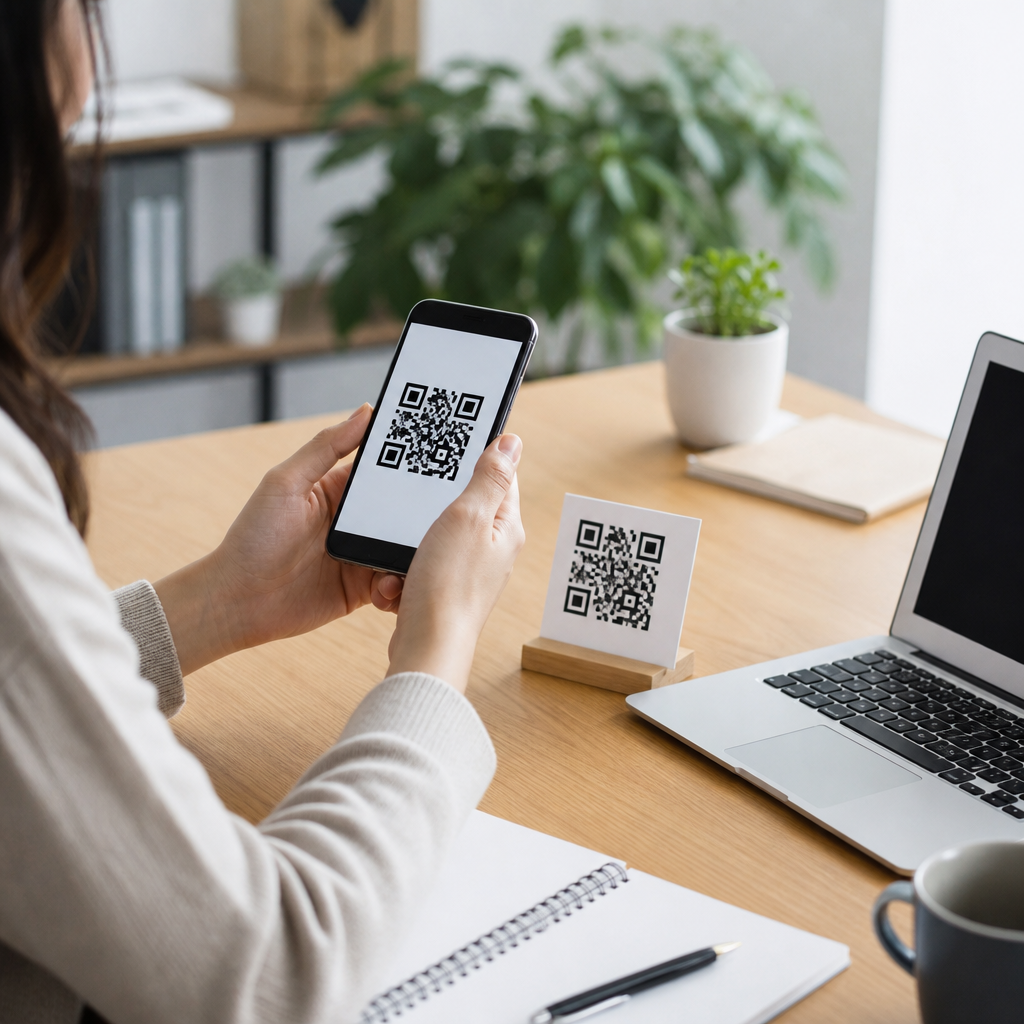
QR code marketing clients are businesses that hire specialists to plan, design, deploy, and measure campaigns built around scannable codes, and the best platforms to find them are the places where marketing demand, local business needs, and freelance buying behavior overlap. In practice, that means you should not rely on one marketplace. You need a portfolio of channels: freelance platforms for immediate demand, professional networks for authority, local directories for service businesses, and outbound prospecting tools for direct client acquisition. I have used all four routes while selling digital marketing services, and QR code work converts especially well because the offer is easy to explain, inexpensive to test, and tied to measurable outcomes like scans, leads, coupon redemptions, menu views, review requests, event registrations, and first-party data capture.
Before choosing a platform, define what “QR code marketing” includes. Clients rarely search for that phrase alone. They ask for restaurant menu QR codes, smart packaging, event check-in systems, review generation cards, real estate sign riders, retail coupon tracking, interactive print campaigns, or landing pages connected to dynamic QR codes. Some need only design. Others need campaign strategy, UTM tagging, analytics dashboards, CRM integration, and print coordination. The wider your understanding of the service stack, the more places you can sell it. That is why this topic matters inside QR code monetization and business opportunities: freelancer opportunities grow when you position QR codes not as a novelty, but as a measurable marketing channel connected to customer acquisition and retention.
The strongest freelancers win because they package outcomes, not pixels. A cafe owner does not care about black-and-white squares. They care about faster ordering, more loyalty signups, and fewer menu reprints. A realtor wants open-house registrations tied to each property. A fitness studio wants trial-class bookings from posters and window signage. When you present QR code services in those terms, more platforms become viable because you are solving common business problems. This hub article maps the best platforms to find QR code marketing clients, explains what kind of buyers each platform attracts, and shows how to turn scattered opportunities into a repeatable freelance pipeline.
Freelance marketplaces that generate immediate QR code marketing leads
For fast access to active buyers, Upwork remains the most reliable platform. Clients there already understand remote hiring, short project scopes, and monthly retainers. Search results often surface jobs under broader categories like digital marketing, graphic design, print marketing, event marketing, restaurant marketing, and lead generation, so keyword strategy matters. I have seen strong fit in searches for “QR code menu,” “dynamic QR code,” “marketing collateral,” “trade show lead capture,” and “landing page setup.” Upwork works best when your profile shows three things clearly: you can create branded assets, you understand campaign tracking, and you can connect a code to a business objective. Case studies outperform generic service lists. A screenshot of a restaurant table tent paired with scan-through-rate results is more persuasive than a paragraph saying you are creative.
Fiverr is useful for productized offers. Buyers there respond well to fixed packages such as “I will create a dynamic QR code campaign for your restaurant,” “I will design a QR flyer with tracking,” or “I will set up Google review QR cards for your store.” Unlike Upwork, where custom proposals dominate, Fiverr rewards tight positioning, clear deliverables, and visual examples. It is also a strong testing ground. You can quickly learn which use cases generate clicks by comparing gigs aimed at hospitality, events, real estate, and retail. The limitation is pricing pressure. To protect margin, build tiers that move beyond design into landing page creation, analytics setup, copywriting, and monthly optimization.
Contra and PeoplePerHour can be effective for freelancers who want less crowded alternatives. Contra attracts startup-friendly buyers and creatives who are open to specialized digital services. PeoplePerHour still performs well in the UK and parts of Europe, particularly for small business marketing work. Both platforms reward specificity. Instead of claiming broad marketing support, lead with use-case language such as QR codes for packaging, in-store promotions, business cards, direct mail, and pop-up events. Specialized language filters for clients who understand the value and reduces low-intent inquiries.
| Platform | Best for | Typical client type | Winning offer angle |
|---|---|---|---|
| Upwork | Custom projects and retainers | SMBs, agencies, restaurants, event teams | Strategy plus tracking and reporting |
| Fiverr | Productized entry offers | Solo owners, local shops, ecommerce sellers | Fixed packages tied to one use case |
| Contra | Modern brand and startup work | Founders, creators, small marketing teams | Creative campaign execution with fast turnaround |
| PeoplePerHour | UK and EU small business demand | Local firms and independent professionals | Affordable campaign setup with clear deliverables |
If you use freelance marketplaces, treat your proposal like a mini audit. Mention the exact customer journey you would improve, such as scan to menu, scan to booking page, or scan to review form. Reference tools clients already know: Bitly, Beaconstac, Uniqode, QR Code Generator Pro, Google Analytics 4, Canva, Adobe Express, HubSpot, Mailchimp, and Zapier. Buyers trust specialists who can explain not only how to generate a code, but how to make it editable, branded, trackable, and compliant with landing-page best practices. On marketplaces, that practical fluency is often the difference between winning a $75 task and a $1,500 engagement.
Professional networks and social platforms that attract higher-value clients
LinkedIn is one of the best platforms to find QR code marketing clients when your goal is higher-value consulting, B2B work, or recurring service contracts. Decision-makers there include restaurant groups, franchise operators, event marketers, packaging managers, real estate brokers, nonprofit development teams, and local agency owners who need white-label support. The platform works because buyers can evaluate your credibility quickly through your profile, recommendations, work history, and content. The strongest approach is to publish short examples of QR code campaigns with business context. A post explaining how a dynamic code on print signage reduced menu reprint costs or improved event lead capture is more effective than a generic “QR codes are powerful” claim.
LinkedIn also supports account-based outreach. Build lists around verticals where QR codes have obvious operational and marketing uses: restaurants, cafes, breweries, salons, gyms, dental clinics, trade show exhibitors, museums, apartment communities, and boutique retailers. Then connect with owners, marketing managers, and operations leaders using a message tied to a specific workflow. For example, a dental office can use review-request cards with location-specific tracking. A multifamily property can place codes on leasing signage that route prospects to floor plans and availability. A brewery can use can labels to drive loyalty signups and seasonal release alerts. Precision beats volume on LinkedIn.
X and Instagram can still generate clients, but mainly through examples and local visibility rather than direct selling. Instagram is especially useful if your service includes visual design for posters, packaging inserts, table tents, and window clings. Show the physical asset, the destination page, and the business result together. That combination helps prospects understand the full campaign. Facebook is more valuable through niche business groups, chamber communities, and local entrepreneur networks than through organic business-page posting. Business owners ask practical questions there, and QR code marketing fits naturally into conversations about customer reviews, event turnout, seasonal promotions, and in-store conversion.
Local business platforms where QR code services solve immediate problems
Google Business Profile, Yelp, Nextdoor, Alignable, and local chamber directories are overlooked platforms for finding QR code marketing clients, especially if you serve a city or region. They are not traditional freelance marketplaces, but they reveal intent-rich businesses with obvious use cases. I have found some of the easiest QR code opportunities by reviewing local listings and identifying operational gaps: outdated menus, weak review volume, no online booking flow, limited event promotion, poor signage, or disconnected print materials. A business with active foot traffic but weak digital capture is an ideal prospect.
Restaurants are the clearest example. Even after the peak of contactless menus, many restaurants still use QR codes for menus, specials, waitlists, loyalty clubs, catering inquiries, and review prompts. Hotels use them for guest guides, spa promotions, and late checkout offers. Realtors use them on yard signs, brochures, and open-house sheets. Retail shops use them for product education, SMS clubs, and coupon delivery. Service businesses use them for estimate requests, referral programs, and after-service review collection. When you scan a prospect’s current code and find a slow, unbranded, or non-mobile-friendly destination, you have a concrete reason to start a conversation.
Alignable deserves special mention because it functions as a relationship-driven small business network. Owners there are often open to local vendors who can explain a simple return on investment. If you offer a “QR code marketing audit” for businesses in hospitality, retail, or real estate, Alignable can produce warmer conversations than larger social networks. Chambers of commerce and downtown business associations can also act as multipliers. One workshop on using QR codes for local promotions can lead to several service contracts, especially when owners see examples from nearby businesses.
Outbound prospecting platforms for building a repeatable client pipeline
The best freelancers do not wait for inbound demand. They build a prospecting system using sales tools such as Apollo, Clay, Hunter, Instantly, LinkedIn Sales Navigator, and Google Maps. These platforms help you identify businesses with specific characteristics: multi-location brands, active direct mail, regular events, print-heavy promotion, new store openings, or underdeveloped online conversion paths. QR code marketing is ideal for outbound because the gap is visible. You can point to a flyer, package, sign, postcard, or storefront and show how a tracked code would improve measurement and response.
A practical outbound workflow starts with one niche. Suppose you target fitness studios. Use Google Maps and Instagram to find locations running seasonal offers. Check whether their posters, windows, and link in bio create a consistent journey. Then send a short message: explain that a dynamic QR code on in-studio signage and guest passes could route prospects to a trial booking page, track scans by location, and support retargeting through first-party lead capture. That is a specific business case, not a generic pitch. The same method works for dentists seeking more reviews, realtors promoting listings, and event organizers managing registration.
Email can work well if you include a visual mockup or a brief loom-style audit. Cold outreach performs better when the prospect can immediately see the improved customer flow. I have also found that direct mail can be surprisingly effective for selling QR code marketing, because it demonstrates the medium you are trying to improve. Sending a simple one-page example to local retailers with a code that opens a sample promotion page creates an instant proof of concept. The lesson is simple: outbound platforms help you scale discovery, but specificity closes deals.
How to position your service so platforms send better leads
Your success depends less on the platform itself than on how clearly you package the service. Position QR code marketing as a measurable conversion system. Every offer should specify four parts: the physical or digital touchpoint, the destination, the tracking method, and the business outcome. For example: “table tents that send diners to a seasonal menu landing page, tracked with UTM parameters in GA4, optimized for email signup and repeat visits.” That level of clarity attracts serious buyers and screens out price shoppers.
Create service packages around verticals instead of generic deliverables. A restaurant package might include branded dynamic menu codes, review cards, loyalty signup pages, and monthly scan reporting. A real estate package might include sign riders, brochure codes, open-house registration pages, and CRM tagging. An events package might include registration signage, exhibitor lead capture, session feedback forms, and post-event offer retargeting. When your profile, portfolio, and outreach mirror these vertical workflows, platforms surface you to the right buyers more often.
Also, show proof in the metrics that matter. Useful KPIs include scan volume, unique scans, scan-to-landing-page conversion rate, bounce rate, form completion rate, review submissions, coupon redemption, average order value lift, and cost savings from dynamic updates versus reprinting. Dynamic QR codes are usually the better recommendation because they preserve the printed asset while allowing destination changes and scan analytics. Static codes still have a place for permanent, low-risk links, but they limit optimization. Clients appreciate honest guidance on that tradeoff.
The best platforms to find QR code marketing clients are the ones that match your offer to visible business need, buying intent, and your own selling style. Freelance marketplaces provide speed and immediate demand. Professional networks produce higher-value relationships. Local business platforms reveal practical opportunities close to the point of sale. Outbound prospecting tools create a pipeline you control. None of these channels works well if your service is vague, but all of them can work if you frame QR code marketing as a concrete path to more leads, sales, reviews, registrations, and customer data.
As the hub for freelancer opportunities within QR code monetization and business opportunities, the central lesson is this: specialize by use case, not by technology alone. Businesses do not wake up wanting a QR code. They want easier ordering, better attribution, stronger promotions, and smarter offline-to-online conversion. When you speak to those outcomes, you can win clients on Upwork, Fiverr, LinkedIn, Alignable, Google Maps, and targeted outbound systems with the same core offer adapted to each audience.
Start with one niche, one platform, and one productized package. Build two or three real examples, collect scan and conversion data, and turn those results into proposals, posts, and outreach. That disciplined approach is how QR code marketing becomes a dependable freelance revenue stream rather than a one-off gig category. Pick your platform, define the business problem you solve, and begin prospecting today.
Frequently Asked Questions
What are the best platforms to find QR code marketing clients?
The best platforms to find QR code marketing clients are usually the ones where clear buying intent, active marketing needs, and accessible decision-makers all meet. In most cases, that means using a mix of freelance marketplaces, professional networking platforms, local business directories, and outbound prospecting tools rather than depending on a single source. Freelance platforms can be effective for finding businesses that already know they need campaign setup, landing page optimization, tracking, or creative QR code deployment. These platforms often generate faster conversations because the client is already searching for help. Professional networks are valuable for building credibility and connecting with founders, marketing managers, and local business owners who may not be posting jobs publicly but still need help increasing scans, foot traffic, lead capture, or campaign attribution.
Local directories are especially useful because QR code marketing is highly practical for restaurants, real estate teams, fitness studios, event companies, retailers, healthcare practices, and service businesses that rely on offline-to-online conversions. A local business listing can help you identify companies that already invest in visibility and customer acquisition, making them stronger prospects for QR-based promotions, menus, reviews, bookings, loyalty offers, or printed campaign assets. In addition, outreach platforms and CRM-supported prospecting systems help you organize leads and follow up consistently. The strongest client acquisition strategy usually comes from combining short-term demand channels, such as freelance sites, with long-term authority channels, such as networking and direct outreach. That portfolio approach gives you both immediate opportunities and a more stable pipeline over time.
Why should I use multiple platforms instead of relying on one marketplace?
Relying on a single marketplace creates unnecessary risk and usually limits both pricing power and lead quality. One platform may produce a few fast wins, but it can also expose you to fluctuating algorithms, fee increases, intense price competition, or clients who compare providers mainly on cost. QR code marketing is a service category that can span strategy, design, analytics, print integration, customer journey mapping, and conversion optimization. Because of that, the ideal client does not always look the same. Some clients want a quick promotional code setup, while others need a full campaign that includes dynamic QR codes, landing pages, tracking architecture, staff training, and performance reporting. Those higher-value opportunities are often found outside pure gig marketplaces.
Using multiple platforms helps you diversify your lead sources and match your offer to different buyer behaviors. Freelance marketplaces are often best for immediate demand. Professional networks are better for trust-building and referral generation. Local directories help you identify businesses with location-based marketing needs. Outbound channels let you proactively approach companies that would benefit from QR code marketing even if they are not actively searching yet. This diversified approach also improves your messaging because you can tailor examples for each audience. A restaurant prospect may respond to examples about digital menus and reviews, while a real estate prospect may care more about property flyers and lead capture. When you spread your efforts across several platforms, you build resilience, increase deal variety, and create more opportunities to move from one-off projects into recurring retainers.
Which types of businesses are most likely to hire for QR code marketing services?
The businesses most likely to hire for QR code marketing services are those that benefit from connecting physical touchpoints to digital actions. Restaurants are a leading example because they can use QR codes for menus, loyalty programs, coupon campaigns, online ordering, feedback collection, and review generation. Retail businesses are another strong fit because QR codes can support in-store promotions, product education, post-purchase support, app downloads, and customer retention campaigns. Real estate professionals often use QR codes on signs, print ads, postcards, and brochures to drive traffic to property pages or lead forms. Event companies, conference organizers, and entertainment venues also use QR codes for registration, schedules, sponsor promotions, ticketing support, and attendee engagement.
Beyond those sectors, there is strong potential in fitness studios, salons, medical and dental practices, home service businesses, tourism brands, nonprofits, schools, auto dealerships, and franchise operators. What these businesses have in common is a need to measure response from offline marketing and simplify customer action. A good client for QR code marketing is not just a business that likes new tools; it is a business with a real customer journey problem to solve. That could be improving conversions from print materials, increasing repeat visits, collecting first-party data, reducing friction in bookings, or making promotions easier to track. When evaluating prospects on any platform, look for signals such as active local advertising, frequent promotions, event participation, strong review activity, or investment in branded materials. Those clues often indicate that the business understands marketing and may be open to QR-driven campaigns.
How can I stand out on these platforms when offering QR code marketing services?
To stand out, position yourself as a specialist in outcomes, not just someone who can generate a QR code. Many businesses can create a basic code with free tools, so your value needs to be tied to strategy, execution, and measurable business results. Your profile, listings, and outreach should explain that you help businesses use QR codes to increase scans, drive conversions, improve attribution, capture leads, and connect offline marketing with digital performance data. Instead of saying you offer “QR code design,” present service packages around business goals, such as restaurant menu systems, real estate flyer lead funnels, in-store promotion tracking, review generation campaigns, event engagement systems, or location-specific scan reporting.
Case studies, before-and-after examples, and niche-specific portfolios are especially powerful. Even if you are early in the market, you can build sample campaigns tailored to different industries to demonstrate your thinking. Show the full system: code placement, call-to-action language, mobile landing page design, scan tracking, analytics setup, and optimization recommendations. On freelance platforms, clear proposals that address the client’s exact objective tend to perform better than generic pitches. On professional networks, publish insights about campaign strategy, common QR mistakes, and examples of measurable use cases. In local outreach, personalize your message around something visible in the prospect’s current marketing, such as signage, packaging, storefront promotions, vehicle wraps, postcards, or event materials. The more specific and outcome-oriented your positioning is, the easier it becomes for clients to see you as a strategic partner rather than a commodity freelancer.
What should I include in my offer to convert more QR code marketing leads into paying clients?
Your offer should make it easy for a prospect to understand what problem you solve, what deliverables they will receive, how success will be measured, and why your service is worth the investment. A strong QR code marketing offer usually includes more than the code itself. It may include campaign planning, audience targeting, call-to-action development, branded code design, dynamic QR implementation, destination page setup, UTM tracking, analytics dashboards, print placement recommendations, testing, and performance reporting. If relevant, you can also include staff guidance, customer journey consulting, and follow-up optimization so the client understands that this is a revenue and marketing service rather than a one-time technical setup.
It also helps to structure your services into clear packages. For example, an entry-level package might focus on one campaign with setup and tracking, while a mid-tier package could include multiple placements, landing page optimization, and monthly reporting. A premium package might add strategy workshops, A/B testing, CRM integration, or multi-location campaign management. This packaging makes pricing easier to understand and increases conversion by reducing ambiguity. Just as important, explain the expected business impact in practical terms: more appointments, more scans from print, more review requests completed, better lead attribution, or stronger event engagement. Prospects are more likely to hire when they can connect your service to a concrete operational or revenue outcome. To improve close rates further, include examples, timelines, and a simple onboarding process so the client can quickly picture what working with you will look like.