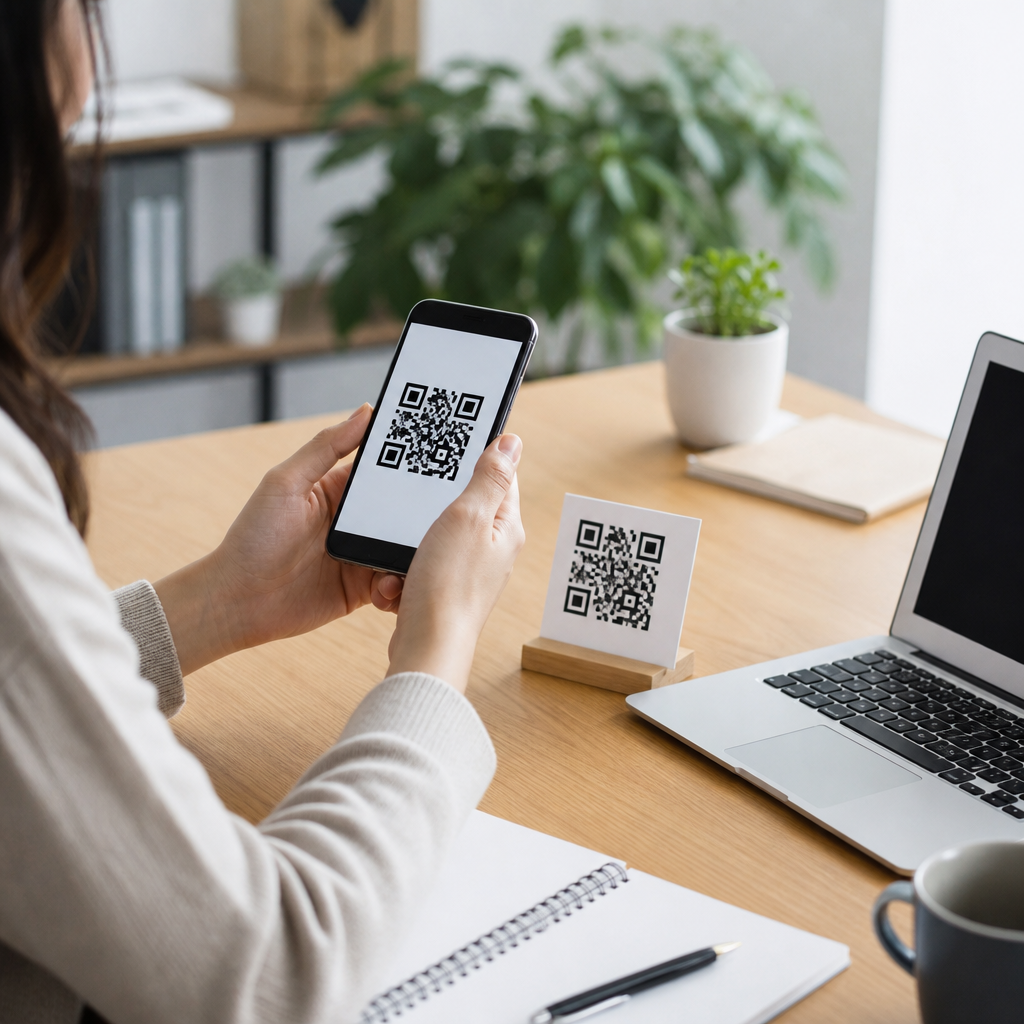
QR codes have moved far beyond restaurant menus and event tickets, and that shift has opened a practical new service category for independent professionals. For freelancers, QR code work means creating, managing, optimizing, and integrating scannable codes that connect physical touchpoints to digital actions such as payments, bookings, downloads, reviews, forms, and messaging. In simple terms, a freelancer can turn a printed square into a measurable conversion path. I have seen small businesses treat QR codes as an afterthought, then reverse course once a well-designed campaign starts generating leads they can track. That gap between casual use and strategic use is where freelancer opportunities live.
A QR code, or Quick Response code, is a two-dimensional barcode that stores data, usually a URL, contact card, payment request, app link, or text command. Static QR codes contain fixed data and cannot be changed after printing. Dynamic QR codes redirect through a managed URL, which allows the destination to be updated without replacing printed materials. Dynamic codes also support analytics such as scans by device, time, location, and campaign source. That distinction matters because most paid freelancer services rely on dynamic management, testing, branding, and reporting rather than merely generating a free code online.
The market matters because businesses increasingly need offline-to-online attribution. A café wants to know whether table cards drive loyalty signups. A real estate agent wants brochure scans to route into a CRM. A fitness coach wants posters that open a booking page, not a generic homepage. A freelancer who understands user flow, conversion friction, and deployment context can package QR codes as a real business service instead of a commodity. This article maps the major freelancer opportunities, explains where clients see value, and shows how to build recurring revenue around QR code strategy, design, implementation, and optimization.
QR Code Strategy and Campaign Planning
The highest-value freelancer offer is not code generation; it is campaign planning. Clients rarely need a square image. They need a defined outcome: more bookings, more reviews, more app downloads, more newsletter signups, faster payments, or better event check-ins. A strategist begins by identifying the scan context, audience intent, landing experience, and success metric. When I scope QR projects, I ask where the code will appear, what the user expects in that moment, and what single action should happen after the scan. Those answers determine the format, destination, analytics setup, and call to action.
This service works well for restaurants, retailers, service providers, trade show exhibitors, nonprofits, real estate teams, and local franchises. For example, a salon may need one QR code on mirrors for reviews, another at the front desk for rebooking, and a third on product shelves for tutorial videos tied to affiliate sales. The freelancer can audit touchpoints, prioritize use cases, and turn scattered ideas into a coordinated QR code program. That kind of planning is consultative work, and businesses will pay more for it because it affects revenue rather than decoration.
Branded QR Code Design and Print-Ready Asset Creation
Another strong service is branded QR code design. Although function comes first, design still influences scan rate. A code that matches brand colors, uses an appropriate frame, includes a short instruction, and maintains enough contrast for reliable scanning performs better than an unlabeled black-and-white square dropped into a flyer. Experienced freelancers know the technical limits: quiet zone spacing must be preserved, logos cannot obscure too much error correction area, and low-contrast palettes often fail under poor lighting. The job is balancing visual identity with scan reliability.
Clients often need complete assets, not just the code file. That includes print-ready tent cards, packaging stickers, posters, labels, direct mail inserts, window decals, business cards, product tags, booth signage, and invoice footers. A freelance designer can create a modular kit with format variations for web, social, print, and large displays. For a realtor, that might mean brochure codes linking to virtual tours, yard sign riders linking to listing pages, and open-house handouts linking to mortgage calculators. The value is consistency across materials and fewer production mistakes before anything goes to print.
Landing Page and Funnel Buildout
Many QR code campaigns fail because the scan leads to a weak destination. That is why freelancers who build landing pages, mini-sites, or mobile-first funnels can command better fees. The landing page must load quickly, fit the user’s immediate intent, and remove choices that distract from the main action. If a customer scans a product package for setup instructions, the page should open directly to the guide, not the brand homepage. If someone scans a flyer to claim a coupon, the offer should appear above the fold with redemption steps clearly explained.
This service naturally overlaps with copywriting, conversion rate optimization, and no-code development. Tools like Unbounce, Webflow, Carrd, Leadpages, and Shopify make it possible to build campaign-specific pages quickly. A wedding photographer might use a QR code on venue cards that opens to a tailored gallery and inquiry form for couples who attended a recent event. A freelancer can build the page, configure analytics, connect the form to Mailchimp or HubSpot, and test the experience on iPhone and Android devices before launch. That end-to-end setup turns a one-time code request into a broader digital project.
Analytics, Tracking, and Reporting Services
One of the clearest freelancer opportunities with QR codes is analytics management. Business owners want proof that physical marketing works, but many lack a clean measurement framework. A freelancer can set up dynamic QR codes, UTM parameters, event tracking in Google Analytics 4, conversion tracking in Meta or Google Ads, and dashboard reporting in Looker Studio. The key is distinguishing scans from downstream actions. A hundred scans may look impressive, but if only three users complete the desired action, the problem may be the landing page, the offer, or the placement.
Monthly reporting can become recurring revenue, especially for agencies and consultants serving multiple locations. A multi-site gym chain, for example, may use unique QR codes on locker room posters, direct mail coupons, and trainer business cards. A freelancer can compare location-level performance, identify underperforming creative, and recommend changes. Common metrics include total scans, unique scans, repeat scans, device type, conversion rate, bounce rate, time on page, and form completion rate. When clients see offline media translated into measurable outcomes, they are more likely to retain the freelancer for continued optimization.
Operational and Customer Experience Use Cases
Freelancers can also specialize in practical operational deployments that improve customer experience. These projects often deliver immediate value because they remove friction from common tasks. Service menus, digital business cards, Wi-Fi access, how-to guides, support forms, appointment scheduling, and payment collection all work well through QR codes when the destination is tightly aligned with user intent. A home services contractor can place a code on invoices for instant card payment, on trucks for quote requests, and on equipment tags for maintenance instructions. Each code solves a specific problem quickly.
The best operational QR systems are simple, visible, and tested in real conditions. A code placed on a glossy surface under dim light may be technically correct but practically unusable. A good freelancer walks the customer journey and catches those issues early. In clinics, gyms, coworking spaces, museums, and event venues, I have found that placement height, surrounding clutter, and the wording next to the code often matter as much as the destination URL. Businesses hire freelancers who can think like both a user and an operator.
Freelancer Service Models and Packaging Options
Packaging determines profitability. Selling single QR codes is usually a low-margin task, while bundling strategy, assets, tracking, and support creates stronger project value. Most successful freelancers organize their offers by outcome, deliverables, and maintenance level. The table below shows practical service models that work across local businesses, creators, consultants, and ecommerce brands.
| Service package | What is included | Best clients | Revenue model |
|---|---|---|---|
| Starter setup | One campaign plan, branded dynamic QR code, destination link setup, scan test checklist | Solo professionals, cafés, pop-up vendors | One-time project fee |
| Launch campaign | Multiple codes, print assets, landing page, UTM tracking, analytics dashboard | Retail stores, realtors, event organizers | Higher one-time fee |
| Monthly optimization | Reporting, A/B testing, destination updates, replacement assets, support | Franchises, agencies, growing local brands | Recurring retainer |
| White-label production | Code generation, asset prep, fulfillment support under another agency brand | Marketing agencies, print shops, web studios | Per client or monthly contract |
White-label work deserves special attention. Print shops, sign makers, event planners, and local marketing agencies frequently need QR code capability but do not want to build the process internally. A freelancer can become the behind-the-scenes specialist who handles testing, redirects, tracking, and asset standards. This model reduces client acquisition pressure because partners bring repeat work. It also creates natural upsells into campaign pages, dashboards, and maintenance agreements. If you want stable income in freelancer opportunities, partner channels are often more dependable than one-off direct sales.
Niche Opportunities by Industry
Some of the best freelancer opportunities come from vertical specialization. In real estate, QR codes can link signs to listing pages, neighborhood guides, prequalification forms, and virtual tours. In hospitality, they can power upsells for room service, late checkout, spa bookings, and guest feedback. In education, they can connect printed handouts to assignments, lab videos, or orientation materials. In ecommerce, they can support product registration, reorder flows, authenticity verification, and user-generated content campaigns. Each industry has different compliance, user expectations, and purchase cycles, so niche expertise increases credibility and pricing power.
Events are especially strong. A freelancer can provide registration flows, badge-based networking links, sponsor activations, scavenger hunts, presentation downloads, and post-event surveys using QR codes. For creators and coaches, QR codes can bridge physical products and digital communities through Discord, WhatsApp, Substack, or course platforms. For nonprofits, donation codes on posters, tables, and mailers reduce giving friction. The important point is that freelancer opportunities with QR codes expand when you tie the code to a business process the client already values, not when you pitch the technology in isolation.
Tools, Standards, and Common Mistakes to Avoid
Reliable delivery depends on tools and standards. Popular QR platforms include Bitly, QR Code Generator Pro, Beaconstac, Flowcode, and Scanova, while analytics and reporting typically run through GA4, Tag Manager, Looker Studio, HubSpot, Klaviyo, or a CRM native dashboard. Payment-focused projects may use Stripe payment links, PayPal, Venmo, or region-specific wallets. Follow basic standards every time: use sufficient contrast, keep a clear quiet zone, avoid tiny print sizes, test across devices, and choose dynamic codes when future edits are likely. ISO and GS1 standards also matter in packaging and supply chain contexts, especially when codes must support structured product data.
The most common mistake is sending all scans to a homepage. The second is ignoring context. Someone scanning a product label inside a store has different intent than someone scanning a postcard at home. Another frequent failure is poor call-to-action copy. “Scan me” is weaker than “Scan to book in 30 seconds” or “Scan for setup video.” Finally, never launch without physical testing. Screenshots do not reveal how codes behave on curved packaging, tinted windows, textured paper, or outdoor signage. Freelancers who consistently prevent these problems earn trust, referrals, and long-term contracts.
QR code freelancer opportunities are attractive because they combine strategy, design, analytics, and implementation into services that businesses can understand and buy. The strongest offers solve a commercial problem: generating leads, simplifying payments, improving customer experience, or measuring offline marketing. Dynamic code management, branded assets, landing pages, tracking systems, and recurring optimization create far more value than simple code generation. If you already work in design, web development, marketing, automation, print production, or operations consulting, QR code services can extend your existing skills without requiring an entirely new business model.
The most effective way to enter this market is to choose a niche, package a clear outcome, and show examples tied to business results. Start with one use case you can implement well, such as review generation for local service businesses, booking flows for wellness brands, or brochure tracking for real estate teams. Build a repeatable checklist, define your testing standards, and offer reporting from day one. Clients do not need more novelty; they need dependable systems that turn attention into action. If you want a practical service line under QR Code Monetization and Business Opportunities, freelancer opportunities are one of the fastest paths to recurring revenue.
Frequently Asked Questions
What kinds of QR code services can freelancers realistically offer to clients?
Freelancers can offer far more than simple QR code generation. A strong service package can include strategy, design, setup, testing, analytics, and ongoing optimization. For example, a freelancer might create QR codes for payment links, booking pages, product catalogs, PDF downloads, Wi-Fi access, customer review requests, event registrations, digital business cards, contact forms, SMS messages, email signups, and WhatsApp or other messaging app conversations. In many cases, the real value is not the code itself, but the system behind it.
A freelancer can also help clients connect physical materials to digital actions. That may mean placing a QR code on packaging so customers can reorder, adding one to a storefront sign for after-hours inquiries, printing one on invoices for faster payment, or putting one on table tents to collect reviews or promote loyalty offers. Service providers can bundle this with landing page creation, copywriting, graphic design, call-to-action messaging, and conversion tracking.
More advanced freelancers can position QR codes as part of a broader marketing and operations service. That includes creating dynamic codes that can be updated without reprinting, setting up UTM parameters for campaign measurement, building automation workflows after a scan, and managing client dashboards that show performance over time. In other words, freelancers are not just selling a scannable square. They are selling convenience, attribution, and a smoother path from offline attention to online action.
How can QR codes help small businesses, and why would they pay a freelancer for this work?
Small businesses benefit from QR codes because they reduce friction. Instead of asking a customer to type a long URL, search for a business online, or remember to take action later, a QR code creates an immediate next step. A scan can lead directly to a booking form, payment page, menu, lead form, coupon, app download, product demo, or review request. That convenience often improves response rates because it shortens the gap between interest and action.
Businesses will pay a freelancer because most owners do not just need a QR code. They need the right QR code experience. A code that leads to a slow page, unclear offer, or poorly formatted mobile experience will underperform. A freelancer can step in to define the goal, choose the best destination, craft the messaging around the code, ensure the design is scannable, and test the user journey from start to finish. That expertise turns a basic tool into a conversion asset.
There is also a measurable business case. QR codes can be tracked, which means freelancers can show how many people scanned, what campaign or location drove the scans, and what happened afterward. For a small business, that kind of visibility is useful for promotions, print marketing, events, signage, direct mail, and in-store upsells. When a freelancer can connect QR code implementation to real outcomes such as more appointments, faster payments, better lead capture, or more customer reviews, the service becomes easy to justify.
What industries or client types are best suited for freelance QR code services?
Many industries are a good fit because QR codes work anywhere a physical touchpoint can trigger a digital action. Restaurants and cafes can use them for menus, ordering, loyalty programs, and feedback collection. Retail stores can place them on shelf displays, packaging, and window signage to support product information, promotions, and reorders. Real estate agents can add them to yard signs and brochures to connect prospects to listings, virtual tours, and inquiry forms. Event professionals can use them for check-ins, schedules, sponsor promotions, and post-event follow-up.
Service-based businesses are especially strong prospects. Salons, gyms, consultants, tutors, medical practices, home service providers, and legal or financial professionals can all use QR codes for booking, intake forms, payments, referrals, and review generation. Freelancers can also serve creators, coaches, nonprofit organizations, local governments, schools, and tradespeople who want simple ways to bridge offline materials with digital communication or transactions.
The best clients are usually those with regular customer interaction and a clear conversion goal. If a business uses flyers, posters, product labels, business cards, tables, counters, vehicles, packaging, mailers, or storefront signage, there is usually a QR code opportunity. A freelancer does not need to target only tech-savvy brands. In fact, many of the best opportunities come from local businesses that know they should modernize customer interactions but do not have the time or technical knowledge to implement the system properly.
What should freelancers include in a professional QR code package or client deliverable?
A professional QR code package should include more than the image file. At minimum, freelancers should define the campaign goal, create the code, test it across devices, and deliver usage guidance. Ideally, the package also includes dynamic QR code setup, branded design options, destination page recommendations, mobile optimization, and a clear call to action for wherever the code will appear. If the QR code is going on printed material, the freelancer should advise on size, contrast, placement, quiet space, and print quality to make scanning reliable.
It is also smart to include tracking and reporting. That may involve scan analytics, tagged URLs, conversion event setup, and a simple monthly or campaign-end report. Clients appreciate knowing not just that a code exists, but whether it is actually being used. A freelancer can increase perceived value by including performance summaries, split-test recommendations, or optimization ideas based on scan behavior and conversion rates.
For larger projects, deliverables can expand into landing page design, integration with booking tools or CRMs, automation setup, review funnel creation, downloadable assets, staff training, and a written implementation guide. Some freelancers even offer ongoing management retainers for updating destinations, replacing outdated links, monitoring scan performance, and launching new campaigns. When presented well, a QR code package becomes a business solution with strategy, execution, and measurable outcomes rather than a one-time commodity task.
How can freelancers price QR code services and stand out in a competitive market?
Freelancers can price QR code services in several ways depending on complexity and business impact. A simple setup fee may work for one-off tasks such as generating a basic code and delivering print-ready files. However, higher-value pricing usually comes from packaging the service around outcomes. For example, a freelancer can offer starter packages for single-use campaigns, mid-tier packages for branded dynamic codes with tracking, and premium packages that include landing pages, automation, analytics, and ongoing optimization. Monthly retainers also make sense when a client needs updates, reporting, or multiple campaigns.
To stand out, freelancers should avoid marketing themselves as someone who “makes QR codes.” That is too easy to commoditize. Instead, they should position themselves around what businesses actually want: more bookings, faster payments, more leads, more reviews, better customer engagement, and clearer campaign attribution. The strongest positioning focuses on the result, not the tool. A freelancer who can say, “I help local businesses turn print and in-person traffic into trackable conversions,” will be more compelling than someone offering generic QR code creation.
Case studies, before-and-after examples, and niche specialization also help. A freelancer can stand out by serving a specific market such as restaurants, real estate, events, fitness studios, or home services and building repeatable solutions for that audience. Offering clear implementation advice, mobile-first design, strong testing practices, and simple reporting creates trust. In a competitive market, businesses are not just choosing a vendor to generate a code. They are choosing someone who can make that code useful, measurable, and profitable.