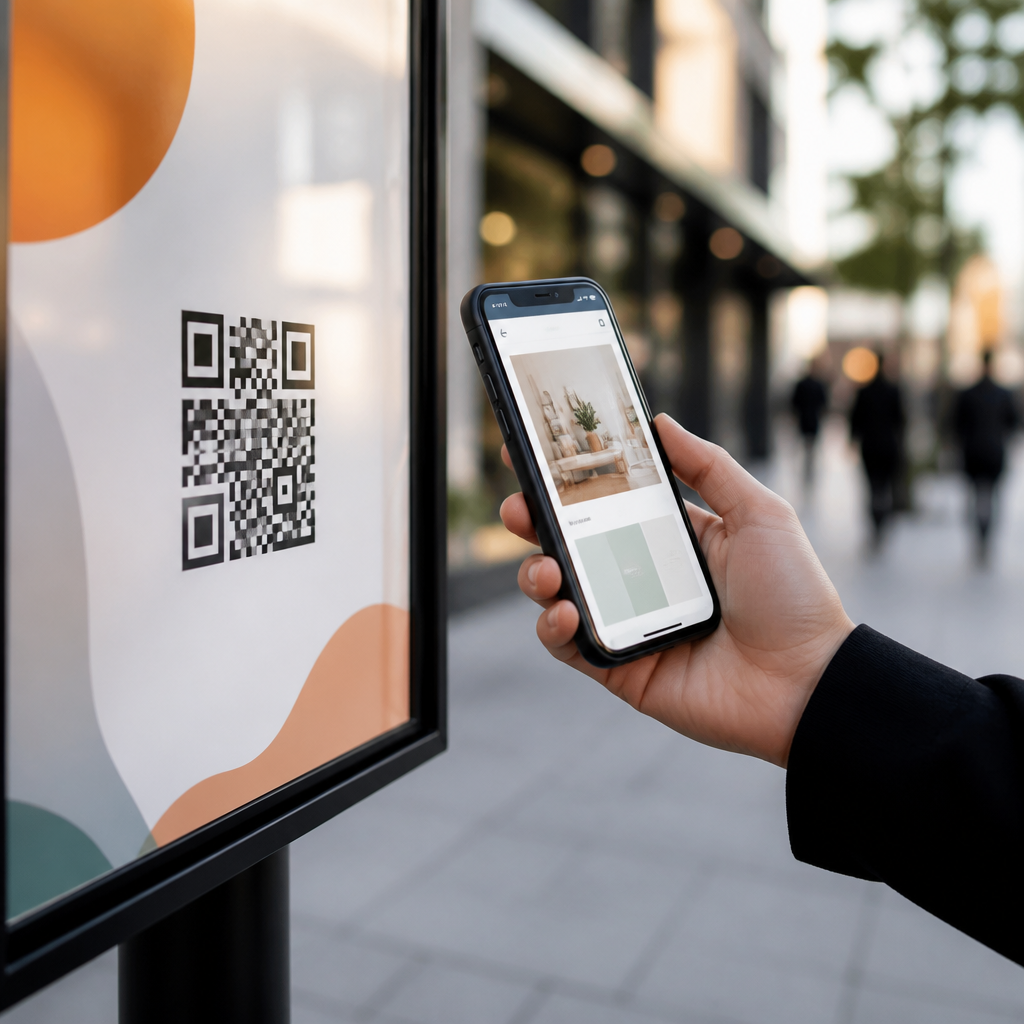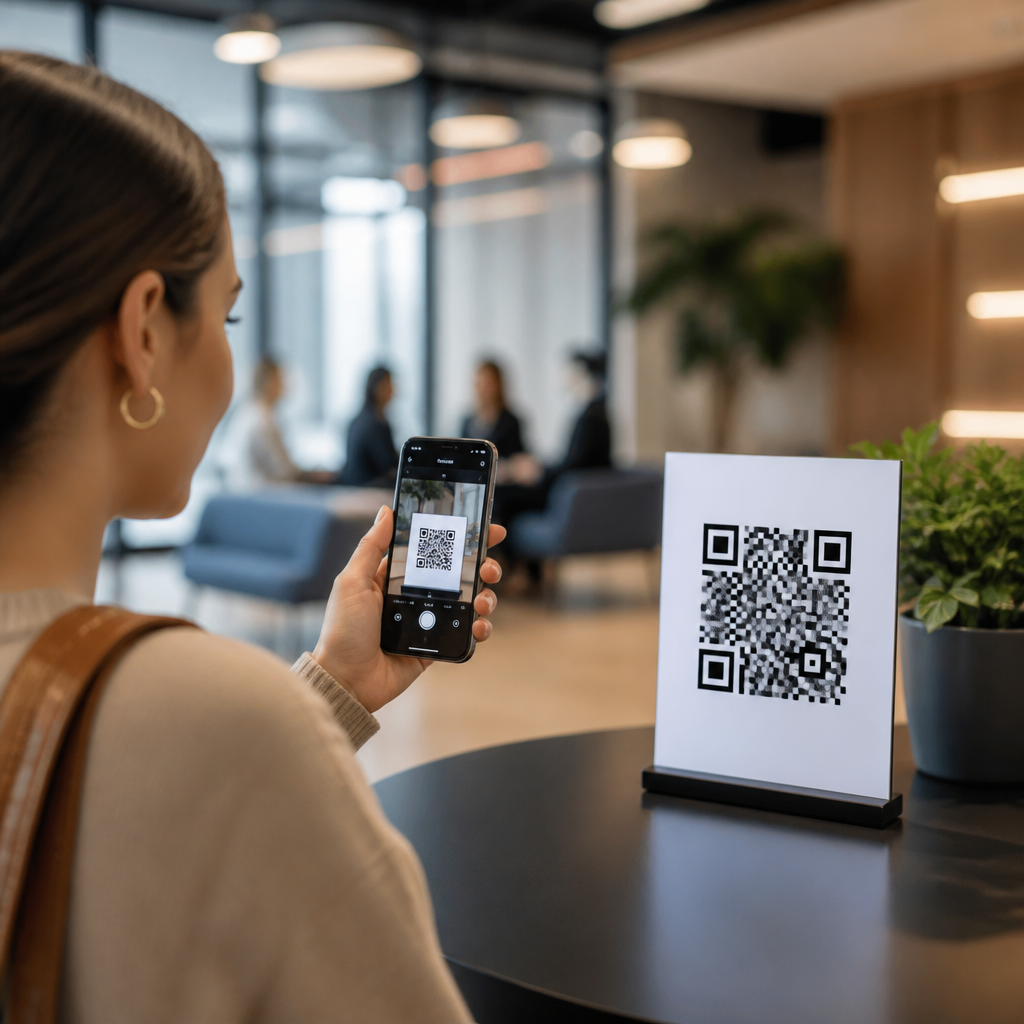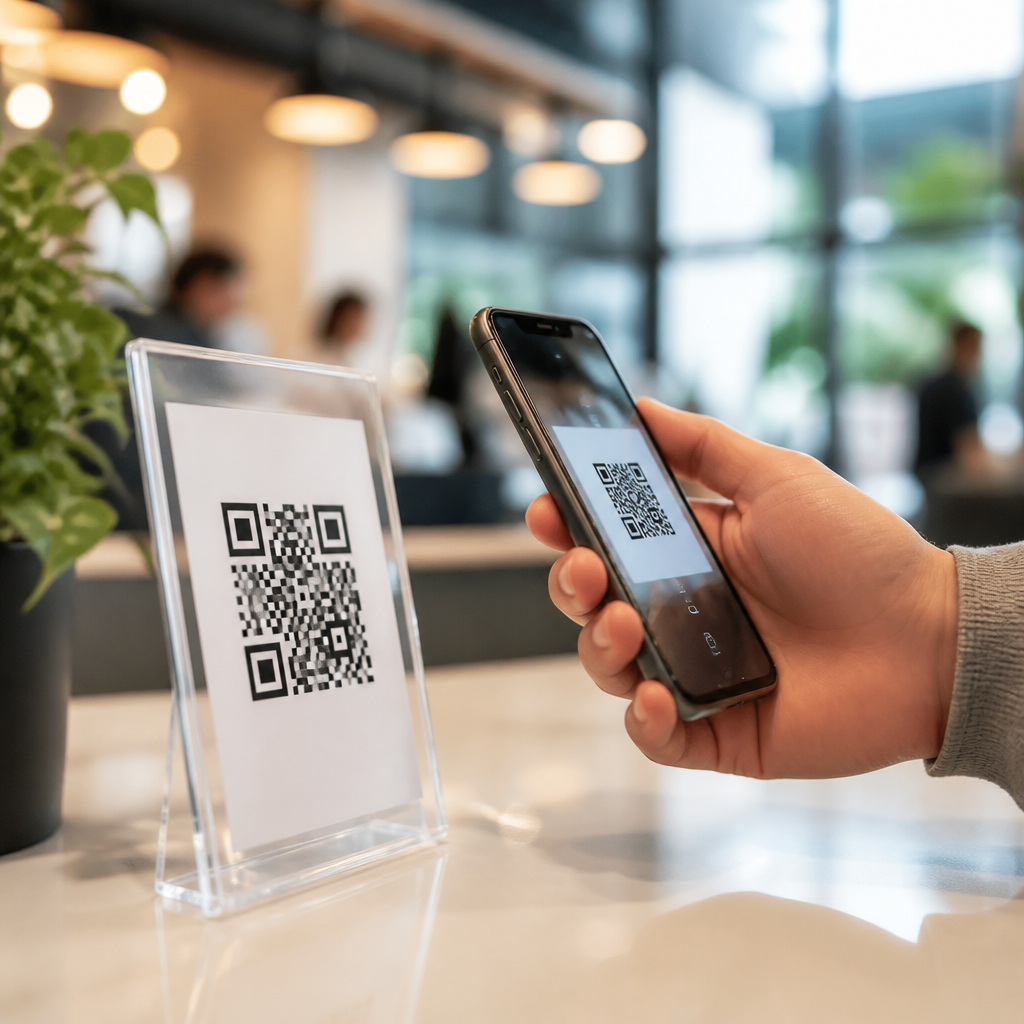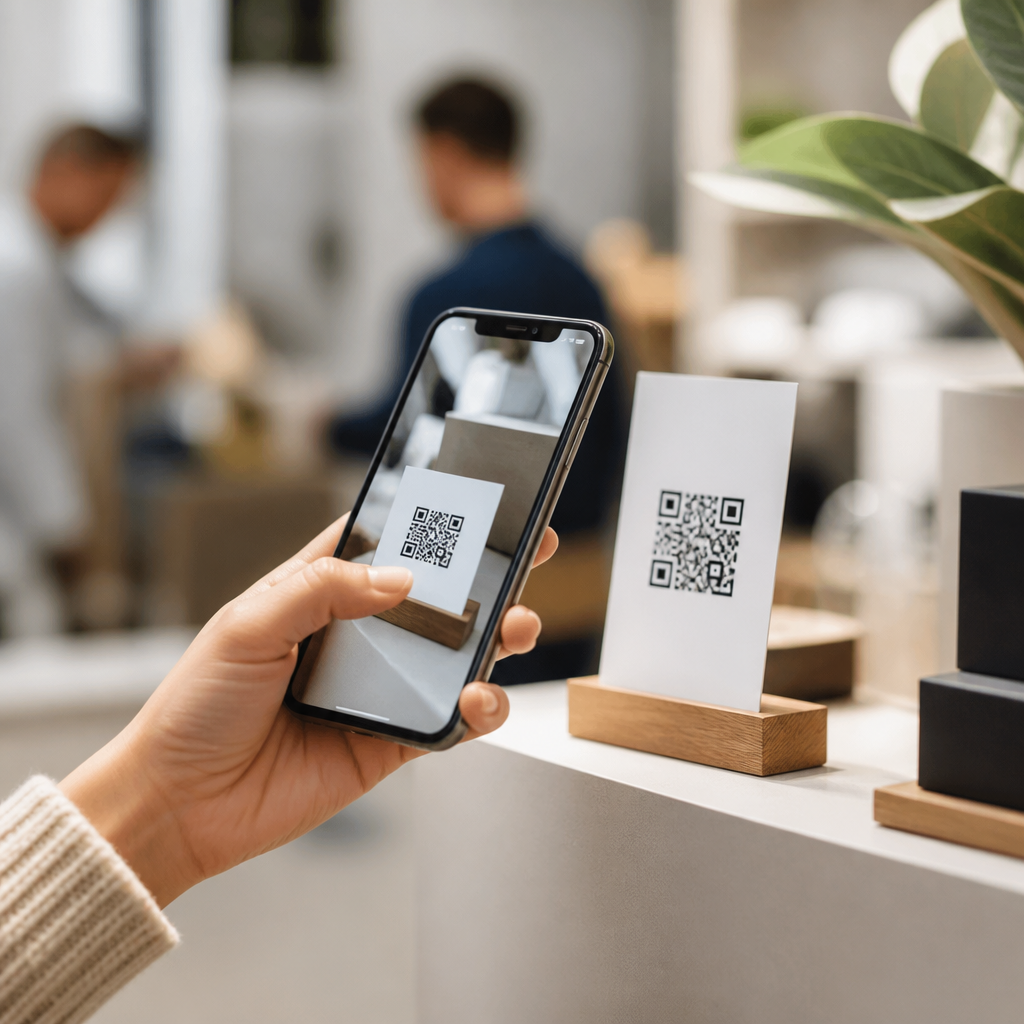
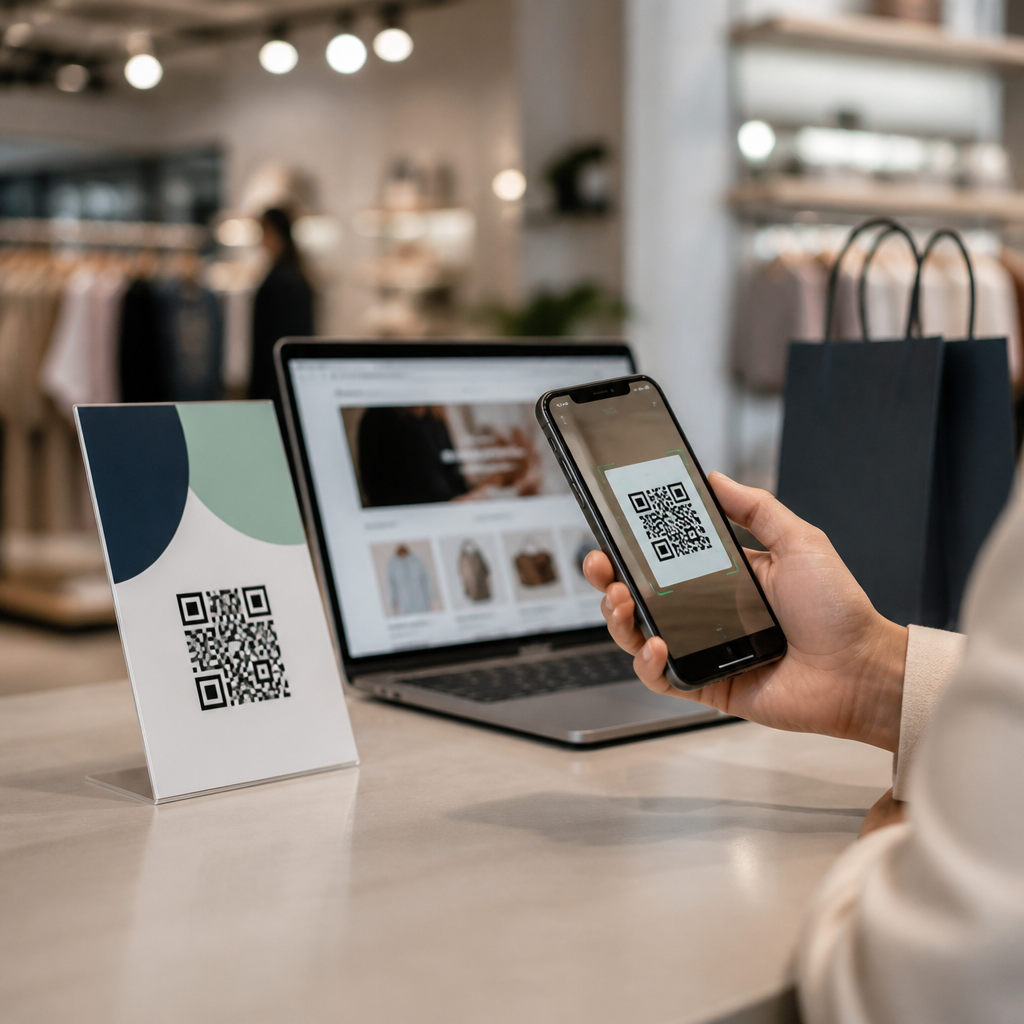
Connecting print, digital, and in-store with QR codes is one of the most practical ways to turn disconnected marketing touchpoints into a measurable omnichannel journey. In plain terms, omnichannel marketing means customers move between channels such as direct mail, packaging, email, social media, websites, retail shelves, and point of sale without losing context, continuity, or convenience. A QR code is the bridge: a scannable matrix barcode that sends a smartphone user to a digital destination, triggers an app action, saves contact data, launches payment, or unlocks product information. I have used QR programs across packaging, events, catalogs, restaurant tables, and retail displays, and the pattern is consistent: when the code has a clear purpose, strong placement, and a fast mobile experience behind it, response rates rise because friction falls. This matters because modern campaigns rarely fail from lack of reach; they fail when interest generated in one channel cannot be captured and continued in another. QR codes solve that handoff problem while also creating attribution data that print historically lacked.
For marketers building a broader QR codes in marketing strategy, this omnichannel hub matters because it connects every tactical use case to one strategic question: how do you move a prospect from attention to action across channels? A print ad can send readers to a landing page with personalized offers. An in-store shelf talker can open reviews, how-to videos, or inventory lookup. Product packaging can invite post-purchase registration, loyalty enrollment, replenishment reminders, and cross-sell education. Email can reinforce the same campaign with a scannable code for desktop readers who want to continue on mobile. Paid social can mirror the same destination URL used in stores, allowing unified messaging and comparable performance reporting. The result is not just a code on an asset; it is a controlled path between physical and digital environments. To make that path work, marketers need clear goals, channel-specific creative, analytics discipline, privacy awareness, and operational consistency. Those are the core components of effective omnichannel marketing with QR codes, and they define how brands connect print, digital, and in-store without creating a fragmented customer experience.
What omnichannel marketing with QR codes actually means
Omnichannel marketing with QR codes means using the same underlying customer journey across multiple touchpoints, while adapting the code placement and message to the context of each channel. The important distinction is that multichannel simply means being present in several places, while omnichannel means those places work together. A catalog code that opens a category page, a retail endcap code that opens a buying guide, and a package insert code that opens setup instructions can all support the same campaign if they use coordinated creative, segmented parameters, and a shared measurement plan. In practice, I build these programs around a destination architecture first, then assign QR executions to each touchpoint. That avoids the common mistake of generating codes before deciding what the scan should accomplish.
The best omnichannel QR campaigns answer four customer questions immediately: what will I get, why should I scan now, will it work on my phone, and is this worth the effort? If the answer is unclear, performance drops. Good examples are everywhere. A cosmetics brand can place a code on a store display that opens shade matching, then retarget scanners with email signup incentives and nearby stock alerts. A furniture retailer can use codes in print circulars that open augmented room previews, then continue the journey online with saved products and financing options. A B2B manufacturer can put codes on trade show signage that launch product spec sheets, then route sales-qualified scans into CRM workflows in HubSpot or Salesforce. The code is not the campaign; it is the transition mechanism that preserves intent when someone moves from a physical moment into a digital action.
Where QR codes fit across print, digital, and in-store touchpoints
QR codes work best when each channel does the job it is naturally good at. Print is strong at reach, permanence, and focused attention. A mailer, poster, magazine ad, takeout menu, brochure, event handout, or product insert can introduce an offer and hand users to mobile for conversion. Digital channels are strong at personalization, retargeting, and analytics. Websites, social ads, email, SMS, and apps can continue the relationship after the scan, adapt content by audience, and track downstream behavior. In-store channels are strong at immediacy and purchase intent. Shelf signage, window decals, fitting room tags, table tents, receipts, and cashier displays reach customers at the exact moment a question, hesitation, or impulse occurs.
When these channels are coordinated, QR codes remove friction from the handoff. A restaurant can use table tents for mobile ordering, window posters for promotions after hours, and loyalty enrollment codes on receipts, all tied to the same customer record. A grocery brand can place recipes on packaging, digital coupons in email, and aisle-level comparison guides on shelf wobblers, each using distinct campaign parameters but consistent creative language. A university can use print posters around campus for event registration, social posts with matching visuals, and venue signage with codes for live schedules or feedback forms. The strategic point is simple: each touchpoint should move the customer one step forward, not restart the journey from zero.
Building the customer journey behind the scan
A QR code succeeds only when the destination experience is intentionally designed. Start with the scan goal: purchase, lead capture, app download, content engagement, loyalty enrollment, product education, payment, or service support. Next define the landing environment. For quick actions, a mobile landing page with one primary call to action usually outperforms a full website page. For returning customers, deep linking into an app can be better, especially for loyalty, account management, or personalized offers. Dynamic QR codes are usually the right choice because they let teams change the destination URL without reprinting the asset and provide scan analytics such as time, device type, and location.
From there, map what happens after the first click. If someone scans a postcard for a demo request, does the form prefill from a personalized URL, and does the thank-you page offer a calendar booking link? If someone scans packaging for setup help, are instructions segmented by model number and language? If a shopper scans a shelf sign for reviews, can they also check local inventory or save the item to a wishlist? These details determine whether the omnichannel experience feels seamless. I have seen campaigns with beautiful print creative fail because the landing page loaded slowly, forced pinch-zoom reading, or buried the offer below the fold. The mobile experience must finish the promise made by the physical asset.
Measurement, attribution, and optimization
One reason marketers continue investing in QR codes is that they make offline media measurable. A properly tagged dynamic code can pass campaign, source, medium, placement, product, store, or audience data into analytics platforms. In Google Analytics 4, UTM parameters can identify which printed insert, location, or signage variant generated the scan. In CRM systems, the same parameters can be mapped to lead source fields, making it easier to compare direct mail against paid social or in-store signage against email. Attribution still requires discipline, because a scan is not the same as a conversion, but the data is far stronger than traditional print response tracking alone.
| Touchpoint | Primary QR Goal | Recommended Metric | Common Optimization |
|---|---|---|---|
| Direct mail | Lead capture or offer redemption | Scan-to-conversion rate | Personalized landing pages |
| Packaging | Education or registration | Unique scanners and repeat scans | Model-specific destinations |
| In-store signage | Product research or coupon access | Scans by location and time | Stronger call to action near decision point |
| Email viewed on desktop | Continue journey on mobile | Scans from email traffic segment | Shorter mobile form and wallet save option |
| Events and trade shows | Content download or meeting booking | Qualified leads per scan source | Badge-linked follow-up workflows |
Optimization should focus on the full funnel, not just scan volume. A code placed at eye level may increase scans, but if it drives low-intent users to a weak landing page, sales may not improve. Test variables that affect both intent and completion: headline wording, incentive strength, code size, quiet zone, color contrast, destination type, form length, and page speed. Static best practice still applies. Codes generally need enough contrast for reliable scanning, a visible quiet zone around the symbol, and print sizes appropriate to viewing distance. Error correction matters when codes may be scuffed on packaging or viewed under retail lighting. Operationally, teams should maintain a destination inventory so legacy codes do not break after page migrations, platform changes, or campaign sunsets.
Best practices, governance, and common mistakes
The most effective QR governance combines creative standards, technical standards, and compliance review. Creative standards cover placement, CTA language, brand treatment, and context. Technical standards cover dynamic code management, redirect logic, analytics tagging, mobile page performance, and testing across iOS and Android camera apps. Compliance review matters for privacy disclosures, SMS consent, age-restricted products, healthcare messaging, financial promotions, and any data collection tied to loyalty or CRM enrichment. Trusted code management platforms such as Bitly, QR Code Generator Pro, Flowcode, Beaconstac, and Uniqode can support dynamic routing, scan analytics, and team administration, but governance matters more than vendor choice.
Common mistakes are predictable. Brands place a code without explaining the benefit. They send scanners to a generic homepage instead of a purpose-built mobile page. They use one code for too many unrelated outcomes, making measurement muddy. They print codes too small, on reflective material, or in low contrast colors that fail under real conditions. They forget to test on a weak cellular connection inside a store. They launch without fallback instructions for users whose camera permissions are disabled. They neglect accessibility, even though adjacent plain-text URLs or short instructions can help. And they underestimate change management. Store associates, field teams, franchisees, and customer service staff need to understand what the code does so they can reinforce it consistently.
For a sub-pillar hub on omnichannel marketing with QR codes, the central lesson is that success comes from orchestration, not novelty. QR codes are most valuable when they connect print, digital, and in-store channels into one measurable customer path. Use them to extend physical media into mobile action, to enrich in-store decision making with timely digital content, and to carry campaign context across every touchpoint. Build each program around a specific user need, a fast mobile destination, clear analytics, and operational governance that keeps codes functional long after launch. When done well, a simple scan can link awareness, consideration, purchase, and loyalty without forcing customers to start over at each channel.
That is the real benefit of connecting print, digital, and in-store with QR codes: better continuity for customers and better visibility for marketers. Instead of treating a mailer, a display, a package, and an email as separate efforts, you can design them as coordinated steps in one journey. Start with one high-intent use case, such as product education on shelf, lead capture from direct mail, or post-purchase onboarding from packaging. Measure the complete path from scan to outcome, refine the landing experience, then expand the framework across additional channels. If you want stronger omnichannel performance from your QR codes in marketing strategy, begin by auditing every existing scan point and rebuilding each one around a clear next action.
Frequently Asked Questions
How do QR codes connect print, digital, and in-store experiences in an omnichannel strategy?
QR codes work as a simple but powerful handoff point between physical and digital channels. A customer might scan a code on direct mail, product packaging, a shelf talker, a receipt, a window display, or an event sign and land on a mobile-friendly page tailored to that exact moment. Instead of treating print, in-store, and online as separate experiences, the QR code creates continuity by moving the customer from an offline interaction into a digital environment where you can provide product details, personalized offers, how-to content, reviews, loyalty enrollment, appointment booking, or checkout options.
That is what makes QR codes so useful in omnichannel marketing. They preserve context. If someone scans from packaging, they may want setup instructions or reordering. If they scan in a store aisle, they may want comparisons, inventory availability, or a discount. If they scan from a catalog or postcard, they may want to browse the featured collection immediately instead of typing in a URL. In every case, the QR code reduces friction, shortens the path to action, and helps brands measure which physical touchpoints are driving digital engagement and sales.
What are the best places to use QR codes across print and retail environments?
The best placements are the ones that match customer intent and make the next step genuinely useful. In print, QR codes perform well on postcards, catalogs, brochures, flyers, magazine ads, business cards, invoices, and product inserts because they give readers an instant path to learn more, claim an offer, watch a demo, or make a purchase. On packaging, they are especially effective for onboarding, warranty registration, authentication, loyalty rewards, recipes, care instructions, refill programs, and post-purchase support. These are moments when customers already have high attention and a clear reason to engage.
In-store, strong placement options include endcaps, shelf tags, product displays, fitting rooms, menus, table tents, window signage, and point-of-sale materials. A code near a product can unlock richer content than a physical sign ever could, such as comparison guides, user reviews, product videos, size charts, or stock availability in nearby locations. At checkout, QR codes can be used to join a rewards program, access digital receipts, enter a promotion, or continue shopping online after the visit. The key is to place the code where it solves a problem, answers a question, or removes a barrier rather than adding one more step without a clear benefit.
What should a customer see after scanning a QR code?
The destination should feel highly relevant to where the scan happened and what the customer is trying to do. A generic homepage is usually a missed opportunity. If the code appears on packaging, the landing page might open to setup help, FAQs, refill ordering, or complementary products. If it appears in a retail aisle, it might lead to a product comparison page, real-time inventory, reviews, or a limited-time in-store offer. If it appears in direct mail, it might take the customer to a curated campaign page with the same message, imagery, and offer they just saw in print. Consistency between the physical asset and the digital destination builds trust and improves conversion rates.
The landing experience should also be mobile-first, fast-loading, and easy to act on. That means clear headlines, minimal clutter, tappable buttons, and a visible next step such as buy now, book now, save offer, watch demo, or join loyalty. Brands often get better results when they tailor the experience to the campaign source, location, or customer segment. Dynamic QR codes make this easier because the destination can be updated without reprinting the code, allowing teams to test pages, rotate offers, or adapt content over time while keeping the same printed asset in circulation.
How can businesses track and measure the performance of QR code campaigns?
QR codes are valuable not just because they connect channels, but because they make traditionally offline media more measurable. By using dynamic QR codes, campaign-specific URLs, UTM parameters, and analytics integrations, businesses can see how many scans occurred, when they happened, where they came from, what device was used, and what users did after landing on the page. This allows marketers to evaluate which print placements, stores, packaging designs, or promotional messages are driving meaningful engagement rather than relying on assumptions.
Measurement becomes even more useful when scan data is connected to broader business outcomes. For example, a retailer can compare scans by location to in-store sales lift, coupon redemption, loyalty signups, or buy-online-pick-up-in-store activity. A consumer brand can track which packaging QR codes drive repeat purchases, support deflection, or subscription enrollments. A direct mail campaign can be tied to lead forms, booked appointments, or ecommerce revenue. The most effective approach is to define success metrics before launch, create dedicated landing pages or tracking structures for each use case, and review both scan volume and downstream conversion behavior. High scan rates are encouraging, but the real goal is profitable customer action.
What are the most common mistakes to avoid when using QR codes in omnichannel marketing?
One of the biggest mistakes is asking people to scan without giving them a compelling reason. A QR code should come with a clear value proposition, such as get product details, unlock a discount, view reviews, reorder in seconds, or join rewards. Without that context, many customers simply ignore it. Another common problem is sending scans to a page that is not mobile-optimized, loads slowly, or fails to match the promise of the surrounding print or in-store message. If the experience feels generic or inconvenient, the bridge between channels breaks immediately.
Brands should also avoid poor code placement, small print size, weak contrast, and environments where scanning is physically awkward. A code that is too high on a wall, too close to a fold, distorted by glossy packaging, or printed where lighting is poor can undermine performance. It is equally important to test codes across devices before launch and to make sure the destination remains active for as long as the printed asset is in circulation. Finally, many businesses miss the chance to learn because they fail to implement tracking and segmentation. The most successful QR code programs are intentional: they match placement to customer intent, offer a clear benefit, deliver a seamless mobile experience, and generate measurable data that can improve future campaigns.