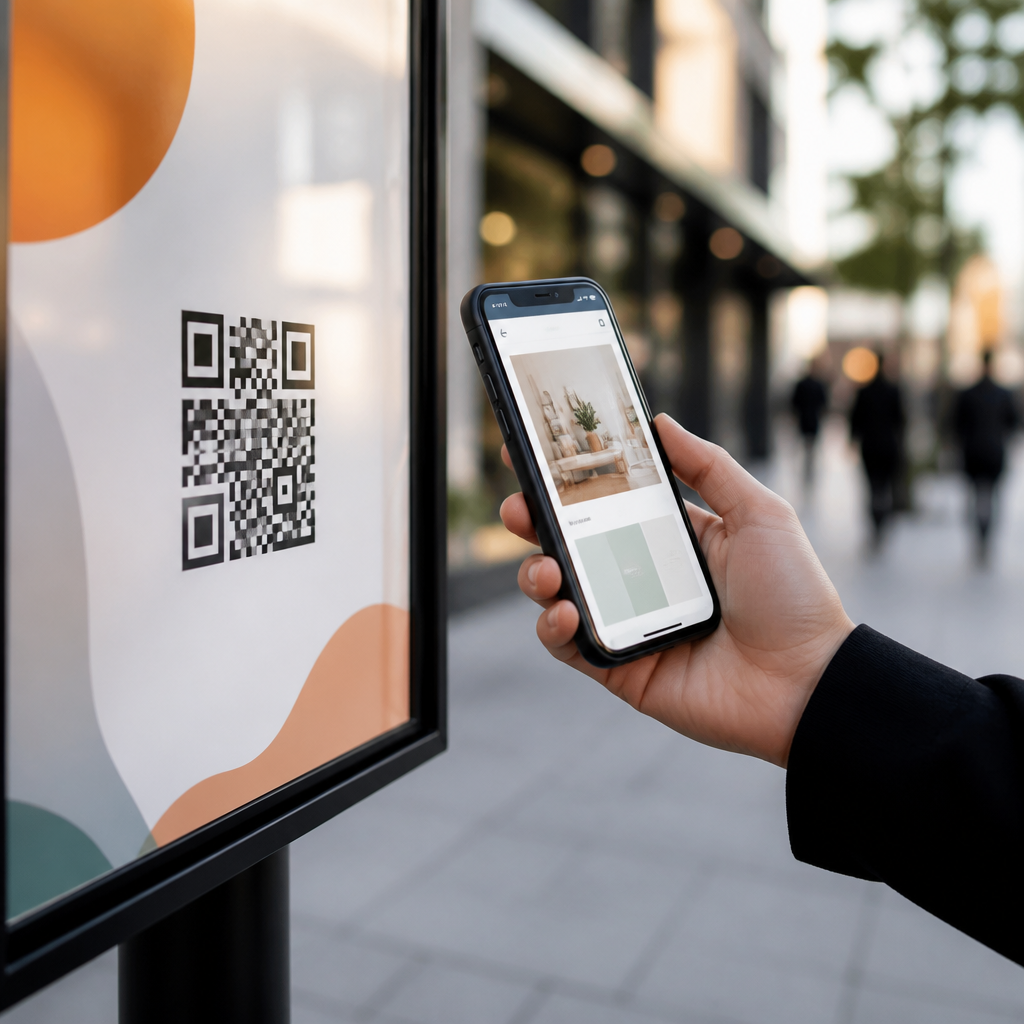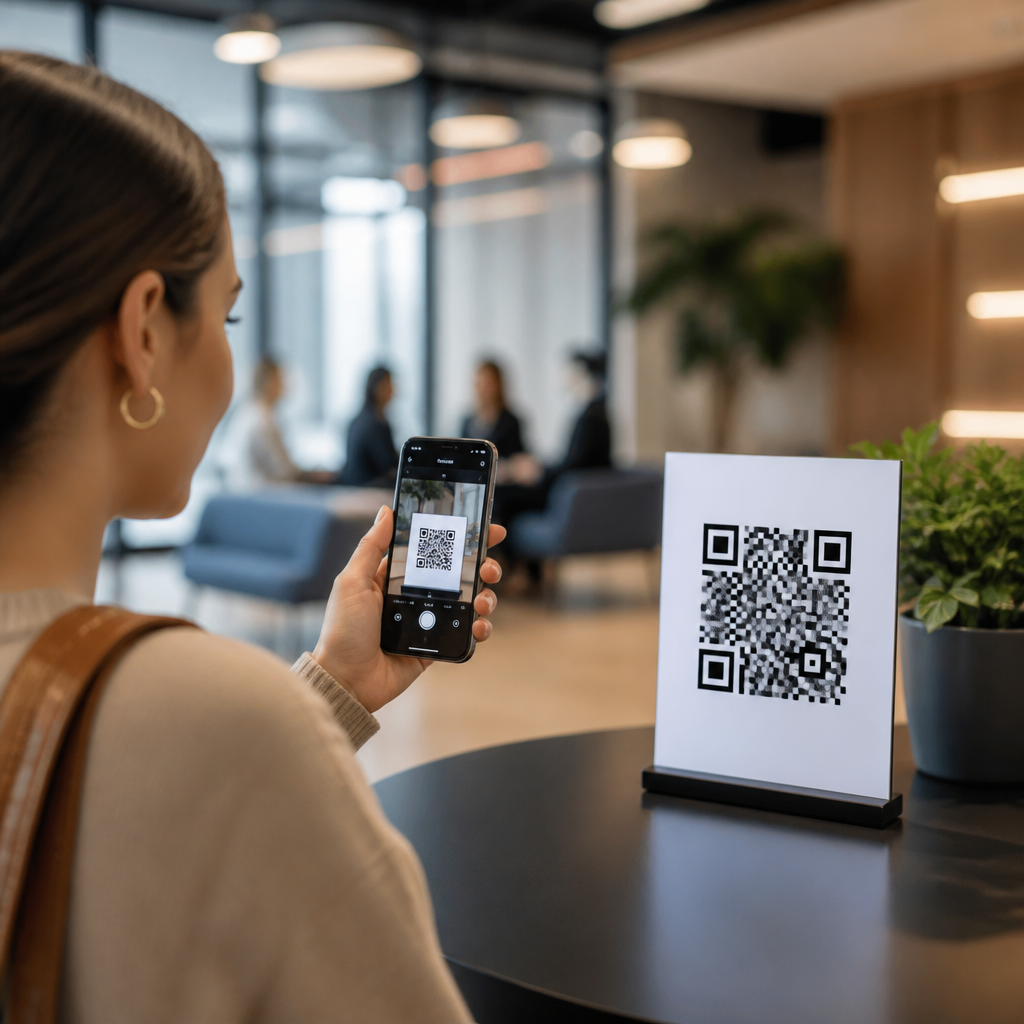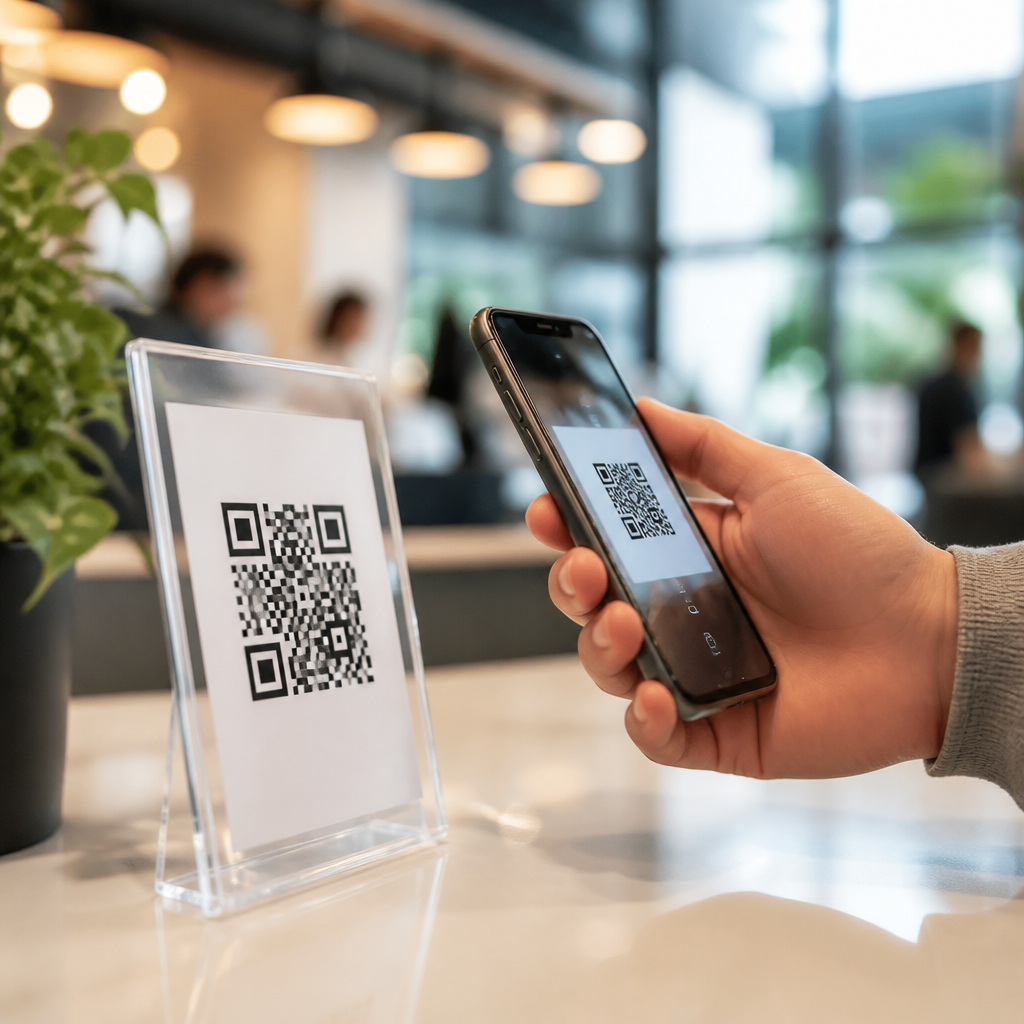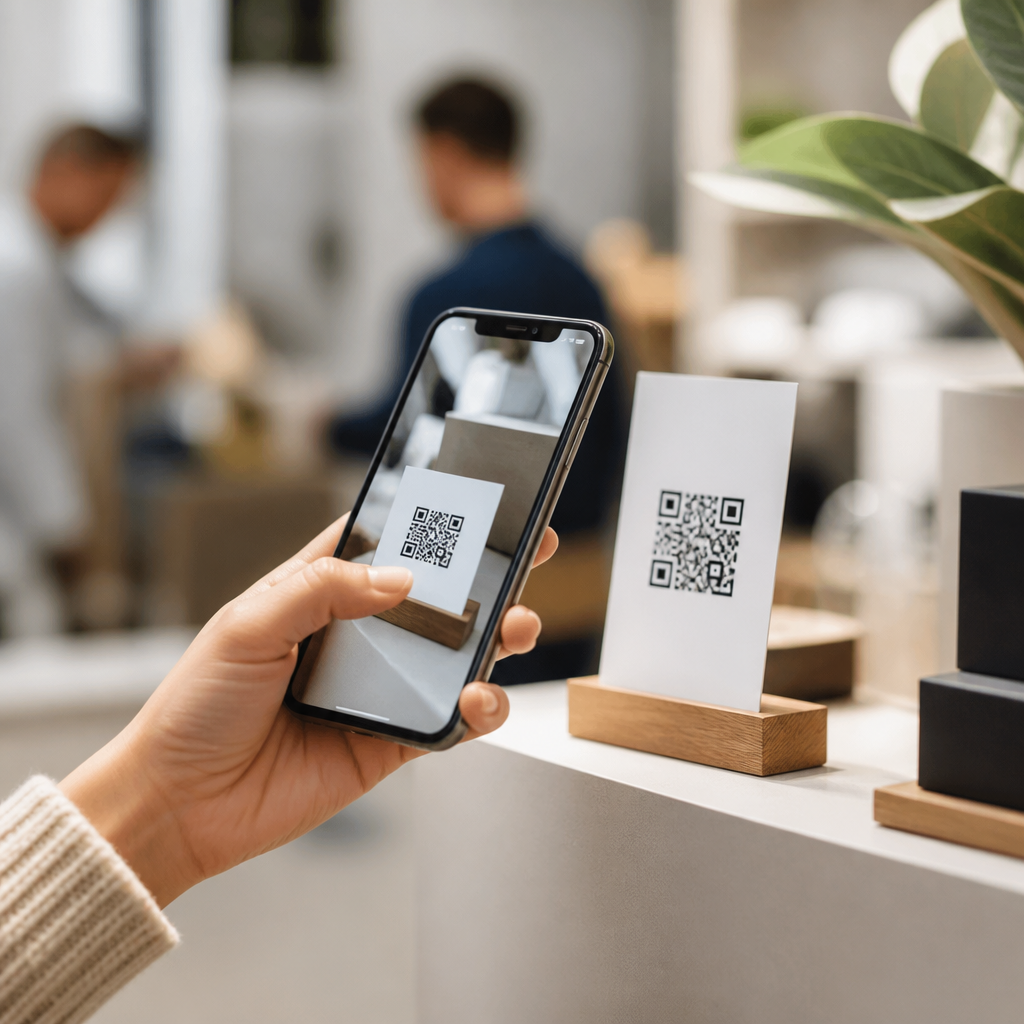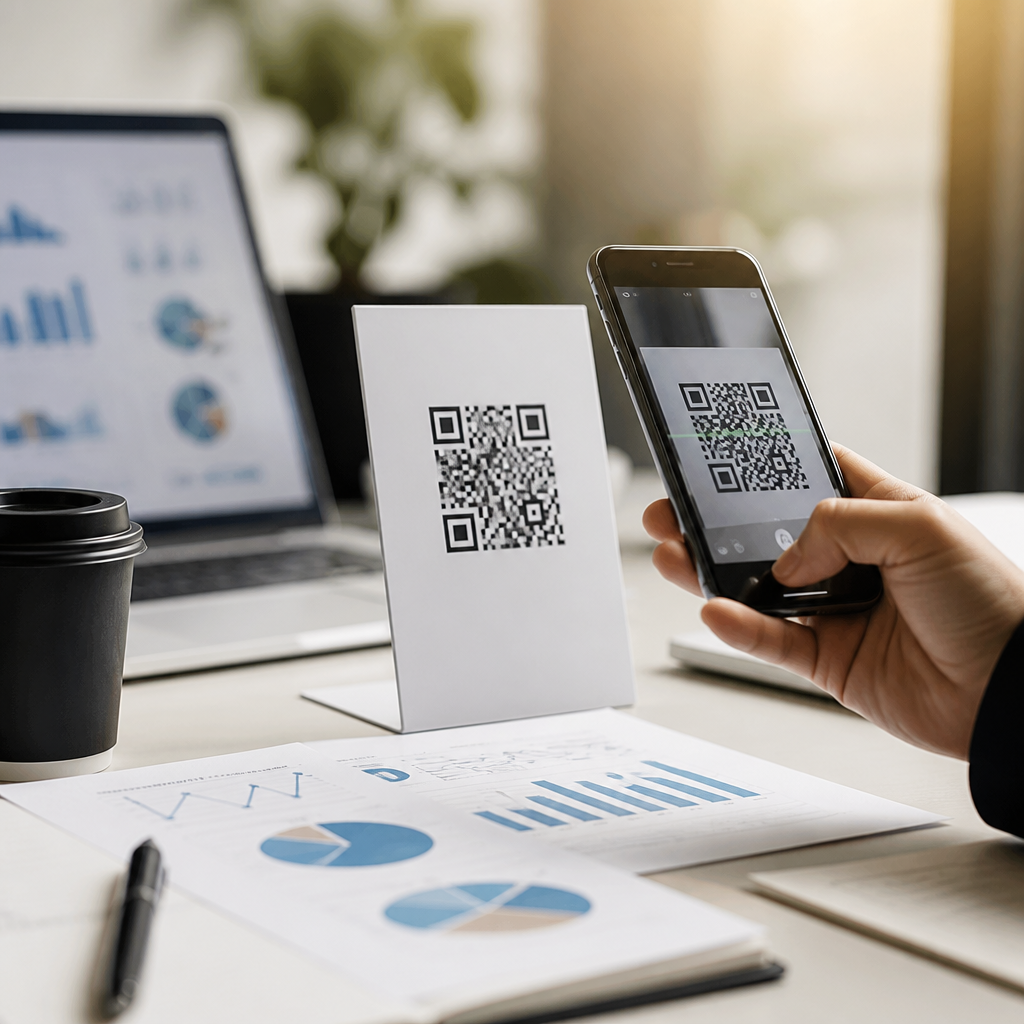
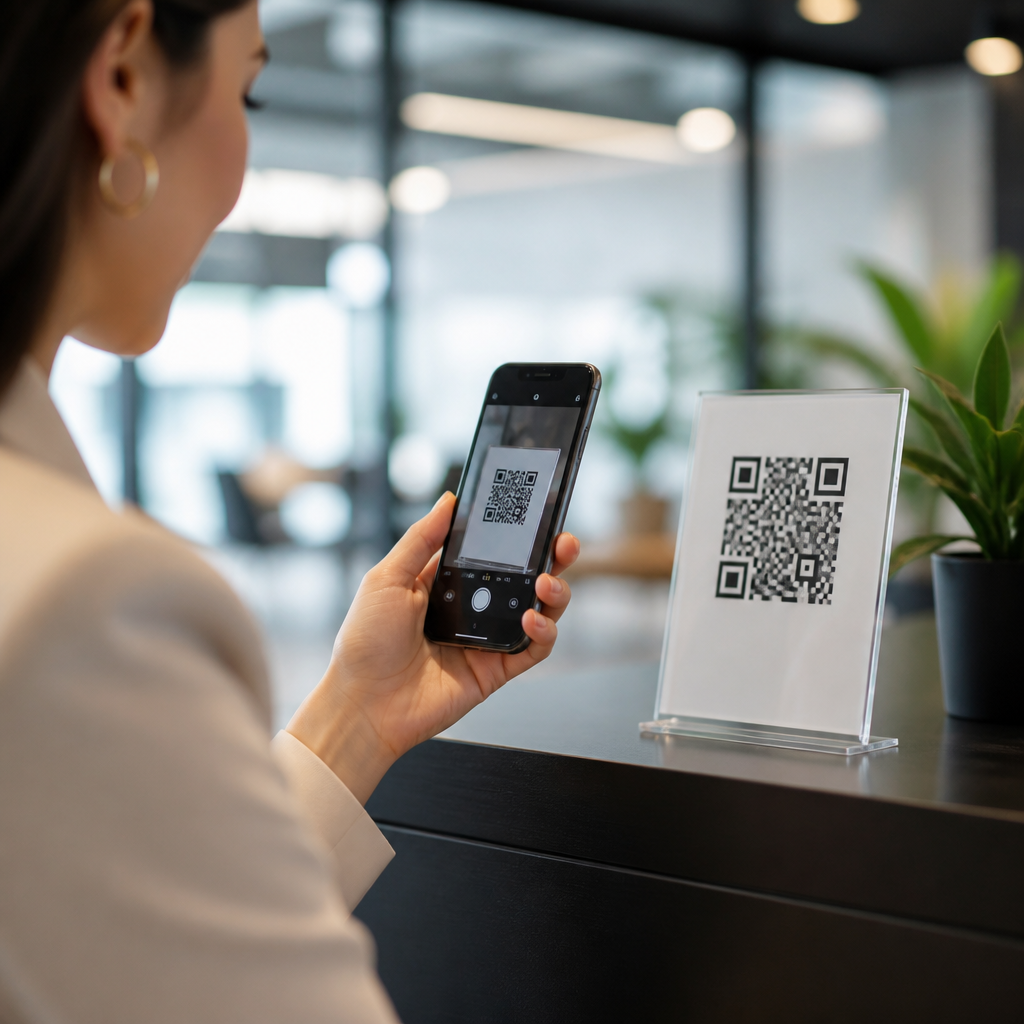
Building a high-converting QR code funnel means turning a simple scan into a measurable path from curiosity to conversion. In marketing, a funnel is the sequence of steps that moves a prospect from initial awareness to a sale, signup, booking, or another defined action. A QR code funnel applies that logic to scannable codes placed on packaging, print ads, direct mail, retail displays, event signage, menus, invoices, and product inserts. Instead of treating the code as a novelty, smart teams treat it as the entry point to an intentional customer journey with targeting, analytics, follow-up, and optimization built in.
QR codes matter because they bridge offline attention and digital action faster than almost any other tactic. A person sees a code in the physical world, scans it with a phone camera, and lands on a destination designed for the exact context in which that scan happened. That context is what makes QR codes powerful. Someone scanning a code on a shelf talker is in a different mindset from someone scanning one on a thank-you card after purchase. The first might need education and trust. The second may be ready for a review request, replenishment offer, loyalty enrollment, or referral program. When marketers match destination, timing, and call to action to the scan context, conversion rates rise.
I have seen this repeatedly in campaign audits. Brands often generate a QR code, point it to their homepage, and call the job done. Results are usually weak because homepages are broad, slow, and built for many audiences at once. High-converting funnels work differently. They start with one purpose, one audience segment, one message, and one next step. A restaurant places a code on table tents that opens a limited lunch offer page with mobile payment and a time-bound coupon. A B2B company adds a code to trade show signage that opens a prefilled demo form tailored to the product featured in that booth zone. A fitness studio prints a code on door hangers that launches a neighborhood-specific landing page with a free class and SMS reminder signup. The code is not the strategy. The funnel is.
This article explains how to integrate QR codes into marketing funnels in a way that produces measurable business outcomes. It covers funnel stages, landing page design, tracking, segmentation, channel fit, common mistakes, and optimization methods. As a hub article for QR codes in marketing strategy, it gives you the structure needed to plan campaigns across awareness, consideration, conversion, retention, and advocacy. If you are building QR code campaigns for retail, events, hospitality, healthcare, real estate, education, or B2B lead generation, the principles are the same: remove friction, preserve intent, and measure every meaningful action from scan to result.
Start with funnel architecture, not with the code
The first step in integrating QR codes into marketing funnels is defining the funnel before generating anything. A QR code should map to a single campaign objective: collect leads, drive purchases, increase bookings, capture reviews, enroll loyalty members, trigger app downloads, or educate buyers before a sales conversation. Without a defined goal, your team cannot choose the right destination, message, or measurement framework. I recommend writing the funnel as a sequence: scan, land, understand, trust, act, confirm, follow up. Each stage needs a visible asset and a measurable event.
Audience intent comes next. The same product can require different QR code funnels for different audiences. A first-time prospect scanning a print ad may need proof points, testimonials, pricing guidance, and a low-friction form. An existing customer scanning packaging may need setup instructions, onboarding video, warranty registration, and cross-sell recommendations. Segment by source, offer, lifecycle stage, and environment. Dynamic QR code platforms such as Bitly, QR Code Generator Pro, Uniqode, and Flowcode make this easier because you can update destinations later without reprinting materials. That flexibility matters when promotions change or when testing shows one landing page underperforms.
Offer-message fit is another nonnegotiable element. Scans increase when the call to action is concrete. “Scan to learn more” is vague and weak. “Scan for 15% off today,” “Scan to book a free consultation,” or “Scan to see setup in 60 seconds” tells people exactly what they get. In-store, clarity often beats creativity. At events, urgency helps. On product packaging, usefulness wins. The best-performing QR code funnels usually pair immediate value with a minimal next step. If the reward feels delayed or generic, users abandon quickly.
The destination experience must be mobile first because nearly every QR code scan happens on a smartphone. That means fast load speed, compressed images, thumb-friendly buttons, autofill-enabled forms, and short copy above the fold. A common rule I use is that the landing page should answer three questions within five seconds: What is this, why should I care now, and what should I do next? If those answers are hidden beneath sliders, menus, or long introductions, conversion drops.
Match QR codes to each stage of the marketing funnel
QR codes work across the full funnel, but they should not all send to the same type of page. At the awareness stage, the job is education and curiosity capture. Codes on posters, out-of-home ads, podcast cards, packaging, or window displays should lead to short, high-clarity pages with a compelling value proposition, a quick explainer video, or an interactive product view. For example, a skincare brand can place codes on in-store displays that open a skin concern quiz and recommend products by need rather than forcing the user into a full catalog immediately.
At the consideration stage, people compare options and need evidence. Here the QR code landing page should include social proof, feature comparisons, FAQs, use cases, and friction-reducing trust signals like returns policy, certifications, or named client logos. A software company at a trade show might direct scans to a page with a two-minute product demo, customer case study, security overview, and a demo request form. A furniture retailer can place codes on floor tags leading to dimensions, fabric options, room photos, financing details, and delivery timelines. The content should remove doubts that block the next step.
At conversion, simplicity becomes critical. If the goal is a sale, booking, or lead submission, the page should focus on one action and remove distractions. Autofill, Apple Pay, Google Pay, preselected dates, one-click coupon application, and short forms can materially improve performance. In one retail campaign format I have used, a direct mail piece carried a dynamic QR code tied to household segmentation. The scan opened a personalized landing page with the nearest location, local inventory, an expiring offer, and click-to-call support. That sequence consistently outperformed generic promo pages because relevance and immediacy were built in.
Post-conversion, QR codes support retention and advocacy. Codes on receipts, package inserts, and email printouts can route customers to onboarding resources, setup videos, support knowledge bases, loyalty enrollment, review prompts, or referral programs. This stage is often overlooked, yet it can produce the highest return because the audience already bought. For subscription brands, inserts with codes that open replenishment reminders or “how to get better results” content can lift repeat purchase rates. For service businesses, invoice QR codes can direct users to payment, service feedback, and maintenance scheduling in one coherent experience.
Build landing pages that convert scans into action
A QR code funnel succeeds or fails on the landing page. The page must continue the promise made by the physical placement. Message match is essential. If the code says “Scan for today’s event schedule,” the landing page cannot make the user hunt for the schedule behind a newsletter gate. If the sign says “Scan for a free sample coupon,” the coupon should be visible immediately. Breaking expectation is the fastest way to waste scan intent.
Page structure should be direct: headline, value statement, proof, action, and reassurance. Start with a headline that repeats the offer. Follow with one or two lines explaining the benefit in plain language. Add proof such as star ratings, testimonials, usage statistics, partner logos, or before-and-after outcomes where appropriate. Then place a single primary action button. Reassurance can include privacy language, cancellation flexibility, secure checkout badges, or estimated completion time. For lead generation, progressive profiling is helpful. Ask for the minimum data needed now, then collect more later through follow-up flows.
Technical details matter more than many teams expect. Use UTM parameters so scans can be attributed by campaign, placement, medium, and creative variant inside Google Analytics 4 or your analytics platform. Set up events for page views, button clicks, form starts, form submissions, coupon reveals, phone calls, store locator interactions, and purchases. If you use a CRM like HubSpot, Salesforce, or Klaviyo, pass source data into contact records so revenue can be tied back to specific QR code placements. This is what turns a QR code funnel from a gimmick into a channel.
| Funnel stage | Best QR placement | Landing page goal | Primary metric |
|---|---|---|---|
| Awareness | Posters, packaging, retail signage, direct mail | Educate and capture interest | Scan-through rate and engaged sessions |
| Consideration | Product tags, brochures, event booths, sales sheets | Answer questions and build trust | Video plays, content depth, form starts |
| Conversion | Coupons, checkout displays, appointment cards, catalogs | Drive purchase, booking, or lead submission | Conversion rate and cost per acquisition |
| Retention | Package inserts, receipts, invoices, onboarding materials | Support success and repeat action | Repeat purchase, activation, support deflection |
Testing should be continuous. A/B test the call to action on the physical asset, the headline on the landing page, the length of the form, the timing of the offer, and the visual hierarchy of the page. Small changes often create meaningful gains because scan traffic is high-intent by nature. When a user has already taken out a phone and scanned, the cost of that attention is substantial. Respect it with a page built for speed and completion.
Use tracking, segmentation, and automation to improve results
Measuring a high-converting QR code funnel requires more than counting scans. Scans are top-of-funnel activity, not business impact. The right model connects scan source to downstream behavior. At minimum, track unique scans, sessions, bounce rate, conversion rate, and assisted revenue. For physical campaigns with multiple placements, create unique dynamic codes for each location, format, and audience segment. A code on a shelf display, a code on a product box, and a code in direct mail should never share the same destination URL without distinct tracking. Otherwise, you lose the ability to compare context and optimize spend.
Segmentation improves both relevance and reporting. You can segment by geography, language, device type, store, salesperson, event, or customer lifecycle stage. Restaurants often use QR code funnels differently by daypart: lunch promotions, evening reservations, and weekend catering inquiries each deserve their own route. Real estate teams can assign separate codes to yard signs, open house brochures, and neighborhood mailers to see which touchpoints generate qualified inquiries. Healthcare providers can place unique codes on waiting room materials, discharge paperwork, and community outreach flyers, then align each scan with education, scheduling, or follow-up care goals.
Automation turns those segments into action. A scan that does not convert immediately should trigger an appropriate follow-up if the user opts in. This could be an email sequence, SMS reminder, retargeting audience, or sales notification. In HubSpot, for example, form submissions from a QR code campaign can enter workflows based on source parameters, assigning contacts to different nurture sequences. In Klaviyo, post-purchase QR scans from packaging can enroll customers into education and replenishment flows. In Salesforce, event scans can score leads and route them to the correct representative. The principle is simple: every scan should either convert now or feed the next best action.
Privacy and compliance must be handled carefully. Be transparent about what data you collect and why. Follow applicable requirements for consent, especially with SMS and health-related campaigns. Use secure pages, valid certificates, and clear privacy notices. Trust is part of conversion, not separate from it. I have seen campaigns lose momentum because the landing page looked unofficial, the URL was confusing, or the form felt invasive. Clean branding, secure infrastructure, and plain-language disclosure improve completion rates while reducing risk.
Avoid common QR code funnel mistakes and optimize for scale
The most common mistake is sending all scans to a homepage. The second is failing to state the benefit before the scan. The third is poor mobile execution, especially slow pages and long forms. Other frequent errors include printing codes too small, placing them where lighting is bad, using low contrast colors, ignoring quiet zone spacing, and launching without analytics. ISO/IEC 18004 standards govern QR code symbology, but practical usability matters just as much: test print quality, scan distance, and environment before rollout. A beautifully designed code that fails under store lighting is not a marketing asset.
Another mistake is using static codes for campaigns likely to change. Static codes lock the destination forever. Dynamic codes are better for most marketing funnels because they support destination updates, analytics, and scan management. They also let teams pause or reroute traffic if an offer ends, inventory changes, or a page breaks. That flexibility is especially important for packaging and long-lived printed materials where reprints are expensive.
Scaling a QR code funnel requires process discipline. Create naming conventions for campaigns, maintain a central registry of codes, document placement details, and archive creative versions. Standardize your UTM taxonomy so reports remain usable across teams. Build templates for common landing page types such as coupon redemption, event registration, product education, appointment booking, review collection, and post-purchase onboarding. When new campaigns launch, teams should adapt proven templates rather than inventing from scratch every time.
High-performing organizations also connect QR code funnel insights back into broader channel strategy. If scans from packaging produce strong repeat purchase rates, invest more in insert design and post-purchase education. If event booth scans generate many leads but few qualified opportunities, change the offer, not just the creative. If direct mail scans convert better in one region, investigate store coverage, local messaging, or demographic fit. QR codes are not isolated tactics. They are data-rich entry points into customer behavior across offline and online touchpoints.
Building a high-converting QR code funnel is ultimately about relevance, speed, and measurement. The code should appear where intent exists, promise something specific, and open a landing page built for one audience and one outcome. Every stage of the funnel needs a purpose, from awareness and consideration to conversion, retention, and advocacy. Strong tracking, segmented destinations, mobile-first design, and automated follow-up transform scans into revenue, not just traffic.
For marketers working within QR codes in marketing strategy, this hub topic matters because it connects individual tactics into a repeatable system. Packaging inserts, in-store signage, direct mail, trade shows, menus, catalogs, and receipts all become more valuable when they feed a defined QR code funnel. Instead of asking whether QR codes work, the better question is whether the journey after the scan is specific enough to earn action. In practice, that is where winning campaigns separate themselves from average ones.
Start by auditing one existing QR code campaign today. Check the offer, placement, landing page speed, call to action, analytics, and follow-up flow. Then rebuild the weakest step with a clearer promise and a tighter destination. When each scan leads to the right message at the right moment, QR codes stop being a convenience feature and become a dependable conversion channel.
Frequently Asked Questions
What is a QR code funnel, and how is it different from just linking a QR code to a website?
A QR code funnel is a structured conversion path that starts with a scan and guides a person toward a specific business outcome, such as a purchase, booking, signup, download, quote request, or in-store visit. The difference is intent and design. A basic QR code simply opens a URL. A high-converting QR code funnel is built around what should happen after the scan, why the person scanned in the first place, and how each step reduces friction while increasing the likelihood of action.
In practice, that means the destination is not just a generic homepage. It is usually a focused landing page or mobile experience matched to the context of the scan. Someone scanning a code on product packaging has different expectations than someone scanning at a trade show booth, on a restaurant menu, or from a direct mail postcard. A strong funnel accounts for that context by aligning the offer, message, design, and call to action with the moment in which the scan occurs.
It also means the funnel is measurable. Effective teams track scan rate, landing page engagement, click-throughs, form completions, purchases, coupon redemptions, and downstream revenue. They may segment by campaign, placement, geography, device, time of day, or audience type. This turns the QR code from a static shortcut into a performance channel that can be tested and improved over time.
Most importantly, a QR code funnel connects offline attention to online behavior. It creates a bridge between physical touchpoints and digital conversion data. That is what makes it valuable in modern marketing. Instead of hoping the scan “does something useful,” you define the desired action, remove barriers, and optimize the path from curiosity to conversion.
What are the key elements of a high-converting QR code funnel?
The highest-converting QR code funnels usually share a few core elements: a clear reason to scan, strong placement, a mobile-optimized destination, a single focused call to action, and reliable tracking. If any one of those pieces is weak, performance often drops quickly. The scan itself is only the beginning. What matters is whether the entire experience feels relevant, fast, and easy.
The first element is the value proposition. People need an immediate answer to the question, “Why should I scan this?” That reason might be to unlock a discount, watch a demo, claim a bonus, access instructions, join a loyalty program, view a limited-time menu, or register for an event. Vague prompts like “Scan here” underperform compared with specific benefit-driven language like “Scan to get 15% off today” or “Scan to book your free consultation.”
The second element is context and placement. The code should appear where the audience already has some level of attention and interest. Packaging, countertop displays, shelf talkers, event signage, receipts, and printed inserts can all work well, but the message should match the environment. A retail display may focus on instant product information or a coupon, while an invoice insert may promote repeat purchases or referrals.
Third is the post-scan experience. The landing page should load quickly, look excellent on mobile, and continue the promise made near the code. Message match matters. If the QR code says “Scan for your free sample,” the first screen should clearly reinforce that offer. Avoid sending people to a cluttered homepage where they have to search for what they expected to find. The best funnels minimize scrolling, limit distractions, and present one primary action.
Fourth is conversion design. Good QR funnels reduce friction with short forms, autofill where possible, simple navigation, trust signals, social proof, FAQs, and a prominent call to action. Depending on the goal, this may also include click-to-call buttons, digital wallet coupon saves, calendar booking tools, one-click checkout options, or SMS and email capture for follow-up.
Finally, there is measurement and optimization. Dynamic QR codes, UTM parameters, event tracking, conversion goals, and CRM integration make it possible to understand what is working. The best teams test calls to action, page layouts, offers, QR code placements, and even print context. Over time, these improvements compound and turn a mediocre scan experience into a reliable acquisition or conversion engine.
Where should businesses place QR codes to get the best conversion results?
The best placement depends on audience intent, traffic quality, and how naturally the QR code fits into the user journey. High-converting placements usually happen where people already want more information, are close to making a decision, or can act immediately with minimal effort. That is why QR codes often perform well on packaging, product displays, direct mail, point-of-sale signage, menus, event materials, invoices, brochures, and post-purchase inserts.
Packaging is especially powerful because it reaches customers when they already have the product in hand. A code on the box or insert can drive onboarding, upsells, reviews, referrals, replenishment, warranty registration, or loyalty enrollment. In retail settings, shelf displays and endcaps can convert undecided shoppers by offering comparisons, testimonials, demonstration videos, or digital coupons right at the moment of purchase consideration.
Direct mail is another strong channel because it combines physical visibility with digital response. A well-designed postcard or catalog insert can use a QR code to shorten the path to a quote request, landing page, personalized offer, or local appointment booking flow. Event signage works similarly, especially when attendees want instant access to schedules, lead magnets, giveaways, or demos without typing a long URL.
That said, placement is not only about location. It is also about usability. The code must be easy to notice, easy to scan, and supported by a compelling prompt. If it is too small, poorly contrasted, hidden in visual clutter, or placed where lighting and angles are awkward, performance will suffer. Include enough white space, use a scannable size, and test the code on multiple devices before launch.
Businesses should also think strategically about timing. Top-of-funnel placements may be best for educational content or lead capture, while bottom-of-funnel placements should support fast action, such as redeeming an offer or completing a purchase. The strongest approach is often to map QR placements to different funnel stages rather than using the same destination everywhere. That creates a more relevant experience and improves conversion efficiency across channels.
How can you measure and optimize the performance of a QR code funnel?
Measuring a QR code funnel starts with defining the conversion goal before the campaign launches. That goal could be a sale, lead form completion, appointment booking, coupon redemption, app download, email signup, demo request, or another meaningful action. Once the goal is clear, every stage of the funnel can be tracked against it, from scans to landing page behavior to final conversion outcomes.
The most common metrics include scan volume, unique scans, scan-through rate by placement, bounce rate, time on page, click-through rate, form completion rate, checkout completion rate, and revenue per scan. For local or offline campaigns, businesses may also track store visits, coupon usage, call volume, or sales tied to location-specific codes. Dynamic QR codes are especially useful because they allow destination updates and detailed scan reporting without reprinting the code itself.
Strong measurement also requires good attribution. Using UTM parameters, analytics events, CRM tagging, and marketing automation workflows helps teams connect scans to campaign sources and downstream actions. For example, a business can compare how a code on packaging performs against the same offer on a trade show banner or postcard. That level of visibility makes budget decisions smarter and highlights which physical touchpoints actually produce revenue.
Optimization comes from testing one variable at a time. Businesses can experiment with the offer, CTA wording, visual design, landing page structure, form length, incentive type, placement location, and even the surrounding copy near the QR code. Sometimes a small change, such as replacing “Learn more” with “Scan to claim your free trial,” significantly increases response. Other times the landing page is the real bottleneck, not the code itself.
It is also important to review device behavior, load speed, and audience segmentation. A funnel may underperform because the page is too slow on mobile data, the form is difficult to complete on smaller screens, or the message is too broad for a specific audience segment. The best-performing QR code funnels are treated like any other conversion asset: they are monitored consistently, tested regularly, and refined based on actual user behavior rather than assumptions.
What are the most common mistakes that prevent a QR code funnel from converting?
One of the biggest mistakes is treating the QR code as the strategy instead of as the entry point. A code by itself does not create demand or conversions. If there is no compelling offer, no clear next step, and no optimized destination, even a high number of scans may produce poor business results. The funnel needs to be designed around the user’s motivation and the company’s desired outcome.
Another common problem is weak or missing call-to-action language. Many businesses place a code on print materials with little more than “Scan me” beside it. That leaves too much unanswered. People need to know what they will get, why it is worth their time, and what happens next. Specificity increases confidence and curiosity. The more clearly the benefit is communicated, the more