
QR codes have become one of the most practical tools nonprofits can use to connect offline attention with online action, and the strongest proof comes from brand case studies that show measurable fundraising, volunteer signups, event engagement, and donor education. In this hub article, “Brand Case Study: QR Codes for Nonprofits,” I will break down how nonprofit organizations use QR code campaigns, what separates high-performing executions from weak ones, and which lessons apply across charity events, direct mail, retail partnerships, awareness drives, and recurring donor programs.
A QR code is a scannable matrix barcode that opens a digital destination, such as a donation page, campaign microsite, video, PDF, app download, or prefilled form. For nonprofits, that simple bridge matters because supporters often discover a cause in a physical environment first: a gala table card, a volunteer T-shirt, a street poster, a church bulletin, product packaging, or a mailed appeal. If the next step requires typing a long URL, many people drop off. When the next step is a scan, friction falls sharply.
In my work reviewing nonprofit marketing campaigns, I have seen QR codes outperform vanity URLs whenever urgency, convenience, and mobile readiness are aligned. The technology itself is not the strategy. The strategy is matching the code to donor intent, location, and message. A food bank poster with a code linked to a two-minute impact video serves a different purpose than an animal rescue adoption fair code linked to a volunteer intake form. The best nonprofit QR campaigns are built around one clear action and one clearly defined audience.
This matters now because donor behavior has shifted. Most nonprofit website traffic already comes from mobile devices, and people increasingly expect immediate, low-friction digital experiences. Payment wallets, autofill forms, CRM-integrated landing pages, and text follow-up tools have made mobile conversion more realistic than it was even a few years ago. As a result, QR codes are no longer a novelty add-on. They are a practical response mechanism that can strengthen acquisition, stewardship, education, and attribution when deployed well.
What nonprofit QR code case studies consistently reveal
Across nonprofit brand case studies, the most reliable pattern is that QR codes work best when they shorten the path between an emotional trigger and a simple action. A museum fundraiser can place a code beside a restored artifact and direct visitors to sponsor conservation. A health charity can print a code on event bibs so race spectators donate in real time. A disaster relief group can add a code to storefront posters at partner businesses, allowing impulse support when news coverage is still top of mind. In every strong example, the supporter understands exactly why to scan and what happens next.
Another repeated lesson is that context changes performance more than code design alone. Nonprofits sometimes overfocus on color, logo overlays, or shape customization and underfocus on scanning conditions. At a nighttime benefit concert, screen brightness, signage height, and crowd flow matter more than branding flourishes. In a direct mail appeal, the distance from the code to the ask, the clarity of the donation impact statement, and the ease of the mobile donation page are stronger conversion factors. Brand consistency helps trust, but usability drives results.
Case studies also show that dynamic QR codes outperform static ones for most active campaigns. Dynamic codes let teams change the destination URL without reprinting materials, apply UTM parameters, segment by placement, and track scans over time. That flexibility is crucial for nonprofits because campaign timelines shift, forms change, and emergency messaging evolves quickly. Teams using platforms such as Bitly, QR Code Generator, Beaconstac, or campaign tools integrated with HubSpot, Salesforce Nonprofit Cloud, or Blackbaud gain a clearer picture of which placements generate scans, donations, and completed forms.
One more finding appears again and again: QR code success depends on the landing experience. A code cannot rescue a confusing page. If the destination is slow, asks for too much information, or is not optimized for digital wallets and mobile forms, scan rates may look promising while conversion stays weak. The code is the handoff; the page must finish the job.
Where nonprofits use QR codes most effectively
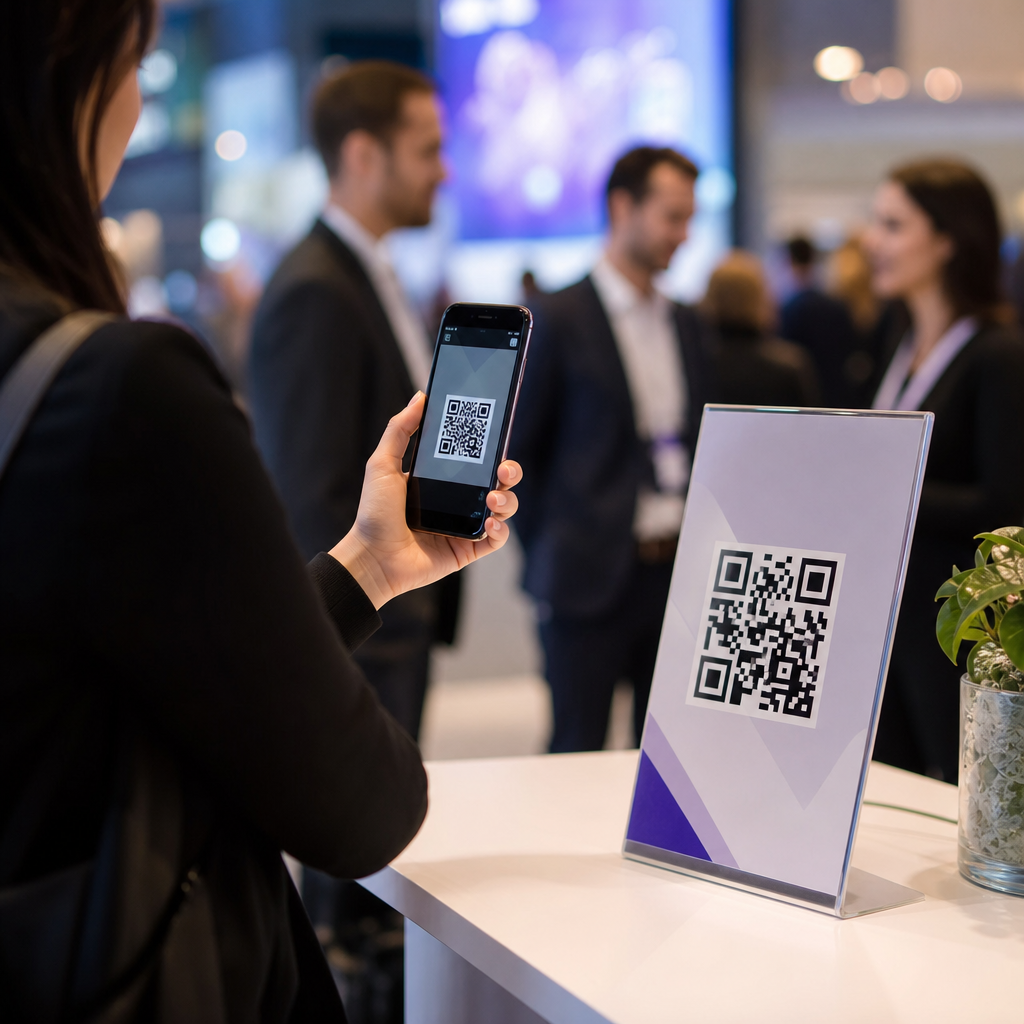
Nonprofit organizations typically see the strongest results from QR codes in five channels: events, print fundraising, out-of-home awareness, retail and brand partnerships, and on-site education. Events are the easiest starting point because audiences are already engaged. I have seen charity runs use separate QR codes for registration changes, peer-to-peer donation pages, sponsor offers, and photo galleries. When each code maps to a specific touchpoint rather than one catchall homepage, engagement is cleaner and easier to measure.
Direct mail is another high-value use case. Many nonprofit donors still respond to letters, but a rising share complete the gift on mobile. A mailed appeal with a code that leads to a campaign-specific donation form often improves attribution compared with generic web traffic. It also supports multichannel storytelling. The letter can create emotional context, while the landing page can show a short video, impact meter, and preset gift amounts tied to outcomes, such as meals provided or nights of shelter funded.
Retail partnerships provide especially strong case study material because they combine nonprofit trust with commercial foot traffic. A cause marketing partner can place QR codes on countertop displays, shelf talkers, receipts, or limited-edition packaging. The nonprofit benefits from reach, and the brand benefits from visible social impact. Success rises when the code leads to a co-branded page that explains the partnership, states the donation mechanic clearly, and offers a secondary action like joining the nonprofit email list.
On-site educational uses are often underrated. Zoos, botanical gardens, rescue organizations, and cultural institutions can place QR codes beside exhibits to unlock stories, sponsor opportunities, accessibility content, or multilingual information. These campaigns work because they deepen attention that already exists. Rather than interrupting the audience, the code extends a moment of interest into a measurable digital interaction.
Common nonprofit QR campaign models and what they achieve
Different campaign models support different nonprofit objectives. Some are optimized for immediate donations, while others are better for awareness, list growth, or volunteer recruitment. The most effective teams choose the model before designing the creative.
| Campaign model | Typical placement | Primary goal | Best practice |
|---|---|---|---|
| Donation drive | Posters, mailers, event signage | One-time gifts | Use preset amounts and Apple Pay or Google Pay |
| Volunteer recruitment | Flyers, community boards, campus materials | Form completions | Keep intake form under five fields on mobile |
| Awareness storytelling | Exhibits, packaging, annual reports | Education and trust | Lead with a short video or beneficiary story |
| Recurring donor upgrade | Newsletters, thank-you mail, member kits | Monthly giving | Explain impact per month and reduce checkout friction |
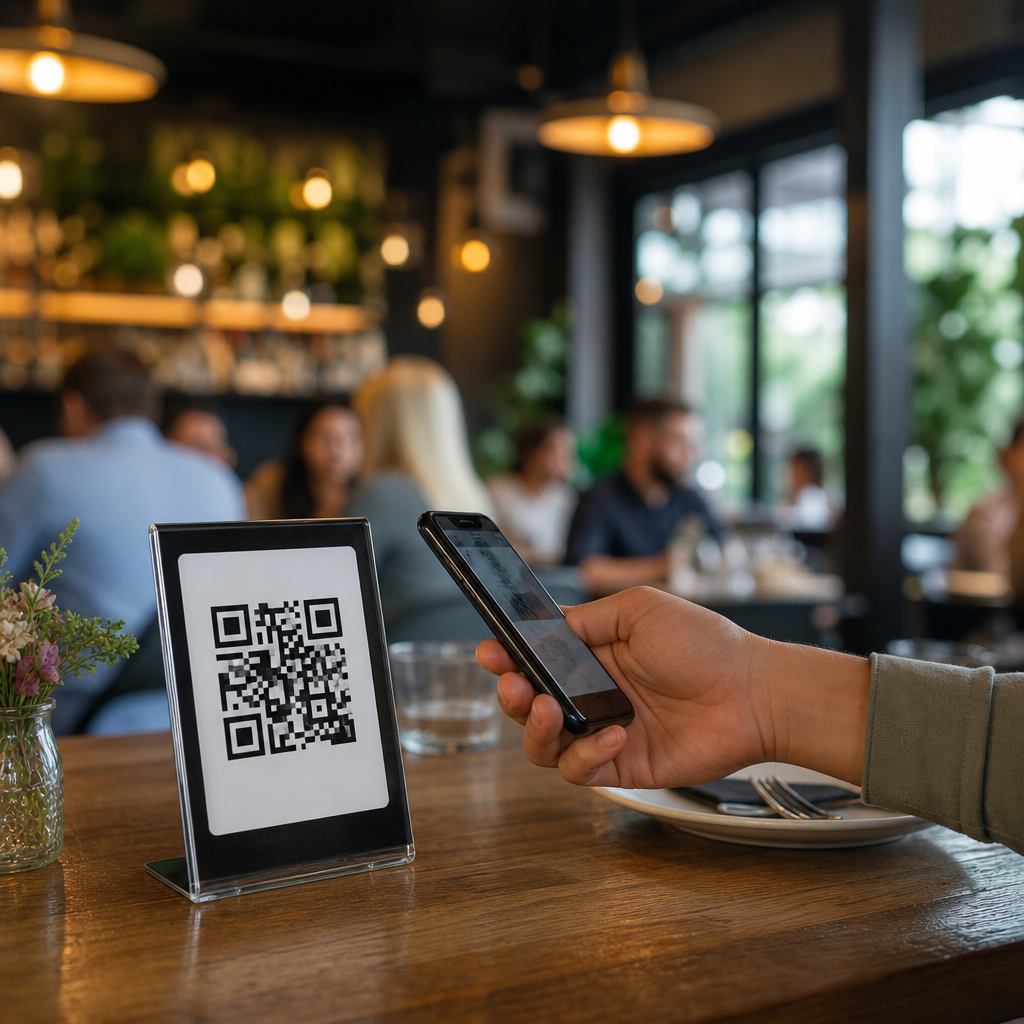
| Event engagement | Table tents, badges, programs | Auction bids, check-in, live donations | Create separate codes by touchpoint for cleaner tracking |
What this comparison shows is simple: the same QR code technology can support very different outcomes. A nonprofit should never judge campaign quality only by scans. For a storytelling page, time on page and email signups may matter most. For a gala paddle raise backup code, completed gifts within a narrow time window are the key metric. For volunteer campaigns, the real measure is qualified applicants who show up.
Lessons from standout brand case studies
The strongest nonprofit brand case studies share a disciplined structure. First, they present one compelling message. Second, they place the QR code where motivation is naturally high. Third, they send people to a mobile-first page tailored to that exact context. Fourth, they track outcomes beyond scans. When one of those elements breaks, performance usually falls.
Consider a hypothetical but very typical animal welfare campaign built with methods I have seen repeatedly. A regional shelter partners with a pet supply retailer during adoption month. In-store signs feature adoptable pets, a short message about overcrowding, and a QR code. Instead of linking to the shelter homepage, the code opens a campaign page with three clear options: donate for medical care, view adoptable pets, or apply to foster. Because each action reflects a distinct supporter intent, the page serves multiple high-value outcomes without confusion. The retailer can track store-level scans, and the shelter can compare donations and applications by location.
Another strong pattern comes from event-based fundraising. A hospital foundation may use QR codes on table cards, auction screens, and printed programs during a gala. Rather than reusing the same destination, each code can route to a purpose-specific page: mobile bidding, sponsor recognition, patient stories, and emergency donation checkout. In practice, this improves both user experience and analytics. The foundation learns not just that people scanned, but what they wanted in that moment and which touchpoint drove revenue.
Disaster relief campaigns require a different approach. Speed matters more than depth, but trust must remain high. Effective examples use large, high-contrast QR codes on social graphics, flyers, partner storefront displays, and press materials, all pointing to a lightweight emergency landing page with transparent fund usage, real-time updates, and immediate payment methods. The page should load fast on cellular networks and state clearly whether funds support a specific emergency or broader preparedness operations. That transparency protects donor confidence.
Education nonprofits often produce some of the best long-tail QR code campaigns. A scholarship fund can place codes in alumni magazines, graduation programs, and campus displays, directing users to student stories and giving tiers linked to tuition support, books, or emergency grants. These campaigns work because they connect visible community pride with a direct path to action. They also create reusable assets that stay relevant beyond a single fundraising deadline.
How to measure nonprofit QR code performance accurately
Measurement is where many nonprofit teams either prove impact or lose the story. A scan is only the first signal. The more useful framework tracks four layers: exposure, scans, landing-page engagement, and final conversion. Exposure is estimated from audience size, placement traffic, or mail volume. Scans show initial response. Engagement includes bounce rate, scroll depth, video plays, and form starts. Conversion captures gifts, registrations, applications, downloads, or subscriptions.
To make case studies reliable, every placement should use distinct campaign parameters. That means one code for the annual report, another for event signage, another for the volunteer booth, and so on. In Google Analytics 4, nonprofits can compare session quality and conversion rate by source, medium, and campaign. In Salesforce, Blackbaud, Classy, Givebutter, or similar platforms, they can attribute revenue and supporter records back to the originating code. Without that structure, teams often know that QR codes “worked” but cannot identify which placement deserves more budget.
Benchmarks vary widely by audience and format, so nonprofits should be cautious with universal scan-rate claims. A handout distributed at a live event can outperform a poster in a transit station because the environment is less rushed. A code placed beside a vivid beneficiary story can outperform one attached to a generic logo. A recurring donor upgrade page may convert fewer visitors than a one-time crisis appeal, yet generate higher lifetime value. Strong case studies explain these differences instead of hiding them.
It is also essential to test practical variables. I usually recommend testing the call to action before testing visual decoration. “Scan to give 20 meals” is stronger than “Learn more.” Page speed improvements often outperform design changes. So do shorter forms, wallet payments, and immediate trust markers such as Charity Navigator ratings, IRS 501(c)(3) status, or secure payment badges where appropriate. Good measurement turns these refinements into repeatable gains.
Best practices for building a nonprofit QR code hub strategy
Because this article serves as a hub for nonprofit brand case studies, the broad lesson is that QR codes should be managed as a system, not as isolated one-off assets. Create naming conventions, destination-page templates, campaign taxonomies, and reporting standards. Document where each code appears, what audience it targets, what action it requests, and how success will be judged. This discipline is what allows one successful case study to improve the next campaign rather than remain an anecdote.
Nonprofits should also think in journeys. A supporter may first scan a code at an event, later receive a thank-you email, and months after that see a renewal appeal in print. If each touchpoint routes to disconnected pages and inconsistent messages, the organization loses momentum. If each scan fits into a coherent donor or volunteer journey, the organization compounds trust. This is why CRM integration matters. It turns anonymous scans into attributable relationships once users complete a form or donation.
Accessibility deserves equal attention. Codes should be large enough to scan easily, placed with adequate contrast, and accompanied by a short plain-language explanation plus a readable fallback URL. Printed materials should not assume every supporter wants to scan. Inclusive design protects response rates and ensures older donors, people using screen readers, and supporters in low-connectivity environments are not excluded.
Finally, nonprofits should treat case studies as strategic assets. Capture the objective, audience, creative, destination, technology stack, metrics, and lessons learned after every campaign. Over time, patterns become clear: which venues drive gifts, which messages recruit volunteers, which partner placements build the email file, and which page formats underperform. That accumulated knowledge is the real competitive advantage.
QR codes for nonprofits work when they reduce friction, respect context, and connect a real-world moment to a mobile-first action that supporters can complete immediately. The brand case studies that matter most are not the flashiest ones. They are the ones with a clear ask, a well-matched landing page, accurate tracking, and transparent outcomes. Whether the goal is raising donations, recruiting volunteers, deepening education, or strengthening a retail partnership, the pattern remains consistent: one audience, one moment, one next step.
For teams building this subtopic out into deeper articles, the strongest next moves are obvious. Document campaigns by channel, compare event and direct mail performance, review co-branded retail activations, and analyze recurring donor upgrade paths separately from crisis fundraising. That structure will produce better insights than treating all scans as one category. It will also help nonprofit marketers make smarter budget and creative decisions based on evidence instead of assumptions.
If you manage nonprofit marketing, start with one high-intent use case, build a dedicated mobile page, assign a unique dynamic QR code, and track results from scan to conversion. Then turn the outcome into your next brand case study and improve from there.
Frequently Asked Questions
1. How are nonprofits actually using QR codes in real campaigns?
Nonprofits are using QR codes as a direct bridge between physical touchpoints and digital action. In real campaigns, that often means placing a code on event signage, direct mail pieces, donation boxes, volunteer flyers, annual reports, storefront posters, packaging inserts, and even staff badges. When someone scans, they are taken immediately to a specific mobile-friendly destination such as a donation page, volunteer registration form, campaign landing page, petition, event schedule, educational resource, or impact story. The most effective nonprofit examples do not use QR codes as a generic homepage shortcut. Instead, they connect each code to one clear action tied to the context in which the person encounters it. For example, a gala attendee might scan to bid in an auction or make a live donation, while someone seeing a shelter poster in a coffee shop might scan to sponsor meals or sign up for weekend volunteering.
What makes these campaigns especially valuable in case studies is measurability. Nonprofits can track scan volume, time of day, location-based engagement, conversion rate, and downstream actions such as completed gifts, email signups, or registrations. That turns a printed asset from something difficult to evaluate into something highly trackable. In practice, nonprofits also use QR codes to simplify donor education. A code on a brochure can lead to a short video explaining where funds go. A museum or cultural nonprofit can use codes beside exhibits to unlock stories, oral histories, or sponsor information. A health-focused organization can use them at community events to deliver multilingual resources instantly. Across these examples, the core pattern is the same: the QR code reduces friction, shortens the path to action, and gives the organization better visibility into what is working.
2. What separates a high-performing nonprofit QR code campaign from a weak one?
The strongest nonprofit QR code campaigns are built around clarity, relevance, and follow-through. Clarity means the supporter instantly understands why they should scan. A code by itself is not enough. High-performing executions include a concise call to action such as “Donate $10 to provide school supplies,” “Scan to register for Saturday’s cleanup,” or “See how your gift helps families this winter.” Relevance means the destination matches the moment. If someone scans at an event check-in table, they should not land on a broad homepage and be forced to search. They should arrive at a page designed for that exact audience and action. Follow-through means the landing page loads quickly, works well on mobile, asks only for necessary information, and makes the next step obvious.
Weak campaigns usually fail because they add friction or create confusion. Common mistakes include linking to a generic homepage, using a code with no explanation, placing it where it is hard to scan, sending users to a page that is not mobile-optimized, or asking too much of the visitor after the scan. Another issue is poor campaign alignment. If the printed message promises impact, but the landing page is cluttered with unrelated navigation and no compelling proof, conversion rates suffer. The best case studies consistently show that performance improves when nonprofits pair QR codes with strong creative, a specific ask, urgency where appropriate, and a meaningful reason to act now. The code itself is not the strategy. It is the delivery mechanism for a well-designed supporter journey.
3. What results can nonprofits realistically measure from QR code campaigns?
Nonprofits can measure much more than scan counts. While total scans are a useful starting metric, the real value comes from understanding what happens after the scan. Depending on campaign goals, organizations can track donation conversions, average gift size, recurring donor signups, volunteer registrations, event RSVPs, petition completions, newsletter subscriptions, video views, resource downloads, and time spent on educational content. A nonprofit can also compare performance across channels by using different QR codes for posters, direct mail, table tents, merchandise, and event materials. That makes it easier to identify which offline placements are driving the strongest digital outcomes.
Case studies are especially persuasive when they tie QR code engagement to measurable organizational impact. For instance, a campaign might show that a code on a mailer increased donor response by making giving easier, or that event signage generated a meaningful share of auction bids and mobile donations during a fundraising night. Volunteer-focused organizations may find that a code on community posters lowers the barrier to signup, especially among mobile-first audiences. Educational nonprofits may discover that QR-linked story content keeps visitors engaged longer than traditional print handouts. Realistic expectations depend on audience fit, campaign visibility, offer strength, and landing page quality, but the main advantage is that QR codes make offline campaigns more accountable. Instead of guessing whether printed materials influenced behavior, nonprofits can review concrete data and improve future efforts accordingly.
4. Where should nonprofits place QR codes for the best engagement?
The best placement depends on the audience, the environment, and the intended action. In general, nonprofits see stronger engagement when QR codes appear in places where supporters already have interest and enough time to act. Events are one of the most effective settings because attendees are present, engaged, and often ready to participate. Codes on event programs, check-in signage, presentation screens, auction tables, volunteer booths, and thank-you displays can drive donations, live engagement, and post-event follow-up. Direct mail is another strong use case because it combines physical credibility with digital convenience. Instead of asking someone to type a URL, the nonprofit lets them move from a letter or postcard straight to a donation or campaign page in seconds.
Other high-value placements include storefront windows, bulletin boards, brochures, annual reports, transportation ads, community partner locations, product packaging, and in-office materials. However, visibility and usability matter. The code should be large enough to scan easily, placed at a comfortable viewing height, and supported by nearby text that explains what happens next. Nonprofits should also think about context. A code on a moving bus ad may be harder to use for a long-form donation page, while a code in a waiting room may work very well for educational resources or newsletter signup. The strongest case study lessons usually show that placement is not just about traffic volume. It is about matching the physical moment to the right digital ask. When the environment, message, and destination align, scan rates and conversions tend to improve significantly.
5. What are the most important lessons nonprofits can learn from QR code case studies?
The biggest lesson is that successful QR code campaigns are intentional, not ornamental. Nonprofits that get strong results treat QR codes as part of a larger conversion strategy. They define a single goal for each campaign, create a dedicated landing page, write a clear call to action, and track results carefully. Another major lesson is that specificity outperforms generality. “Scan to support emergency relief today” is far more effective than a generic “Learn more.” Likewise, a page designed specifically for event donors or volunteer prospects usually performs better than a broad site experience built for everyone. Case studies repeatedly reinforce that reducing friction is one of the fastest ways to improve outcomes.
A second key lesson is that trust and storytelling matter just as much as convenience. Supporters may scan out of curiosity, but they convert when they feel confident in the organization and motivated by the mission. That means the landing experience should include impact language, visual proof, concise explanation, and where appropriate, donation transparency or testimonials. A third lesson is the importance of testing. Nonprofits can test different CTA wording, design treatments, placements, and destination pages to see what generates stronger results. Finally, case studies show that QR codes are most valuable when they are integrated into existing fundraising, marketing, and community engagement efforts rather than treated as a standalone tactic. The organizations that perform best use QR codes to strengthen the supporter journey from first attention to meaningful action.