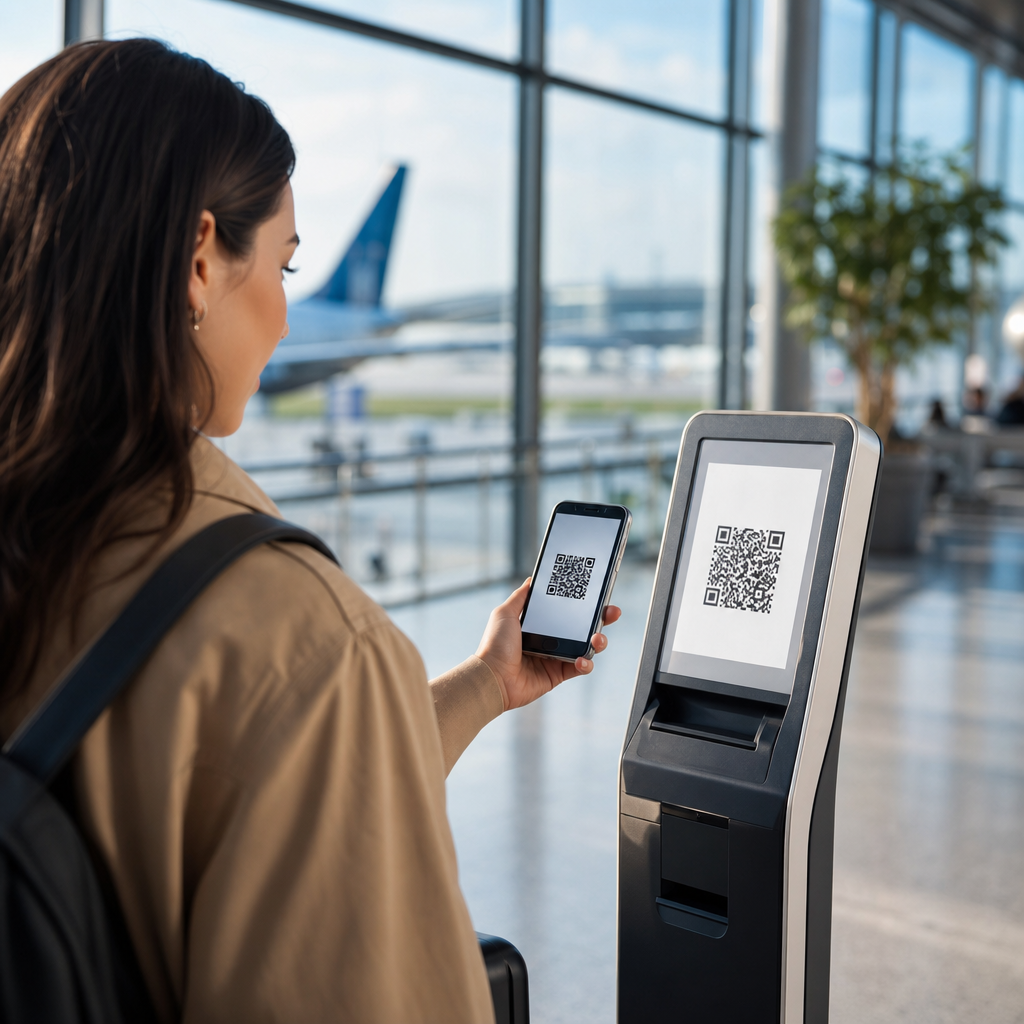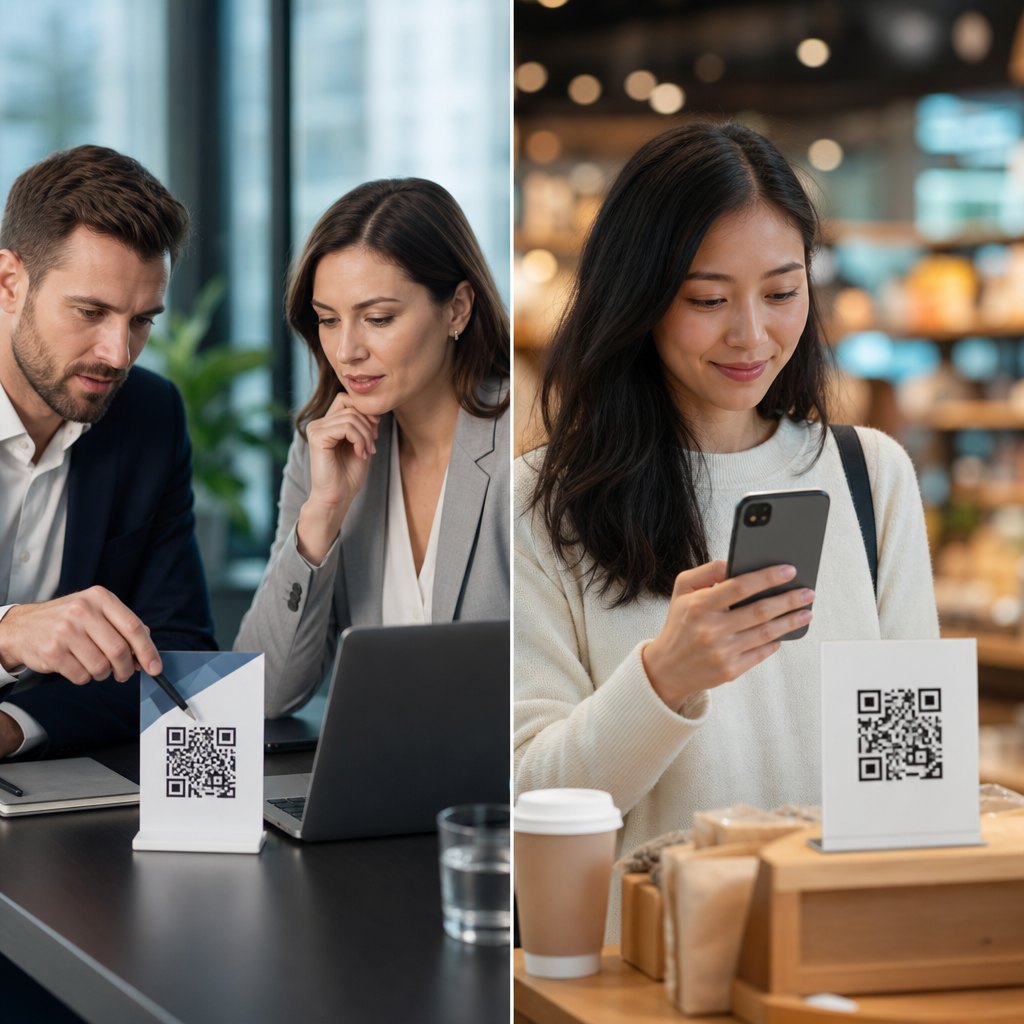
QR codes have evolved from simple inventory labels into versatile marketing tools, and the difference between B2B and B2C QR code campaign examples reveals how strategy changes with audience, buying cycle, and business goals. In practice, a B2B QR code campaign targets decision makers, procurement teams, channel partners, or event attendees who need detailed information before taking action. A B2C QR code campaign aims at individual shoppers who respond faster to convenience, promotions, product discovery, loyalty, or entertainment. Both use the same technology, yet the best campaigns differ sharply in placement, messaging, landing page design, and measurement.
I have worked on QR code rollouts for trade show booths, product packaging, direct mail, retail point of sale, restaurant menus, and field sales collateral, and one lesson is constant: successful QR code campaigns start with context, not with the code itself. A code placed on a booth panel for industrial software should not behave like a code printed on a coffee cup or skincare box. The user’s intent, time pressure, and level of trust determine whether a scan becomes a qualified lead, a sale, a support interaction, or nothing at all.
This hub article covers successful QR code campaigns across both models and explains what makes them work. It defines the major differences between B2B and B2C QR code strategy, breaks down real campaign patterns, and shows how to measure performance with practical metrics. If you are planning QR code campaign ideas and case studies for your own brand, this guide will help you choose the right format, channel, and call to action while avoiding common mistakes such as dead-end landing pages, vague value propositions, and weak attribution.
What separates B2B and B2C QR code campaigns
The core distinction is the buying journey. B2B purchases often involve higher contract values, more stakeholders, compliance review, and a longer sales cycle. Because of that, B2B QR code campaign examples usually connect the scan to rich content: product demos, ROI calculators, capability brochures, case studies, webinar registration, meeting booking, or gated technical documents. A successful scan does not need to produce an immediate sale. It needs to move an account forward.
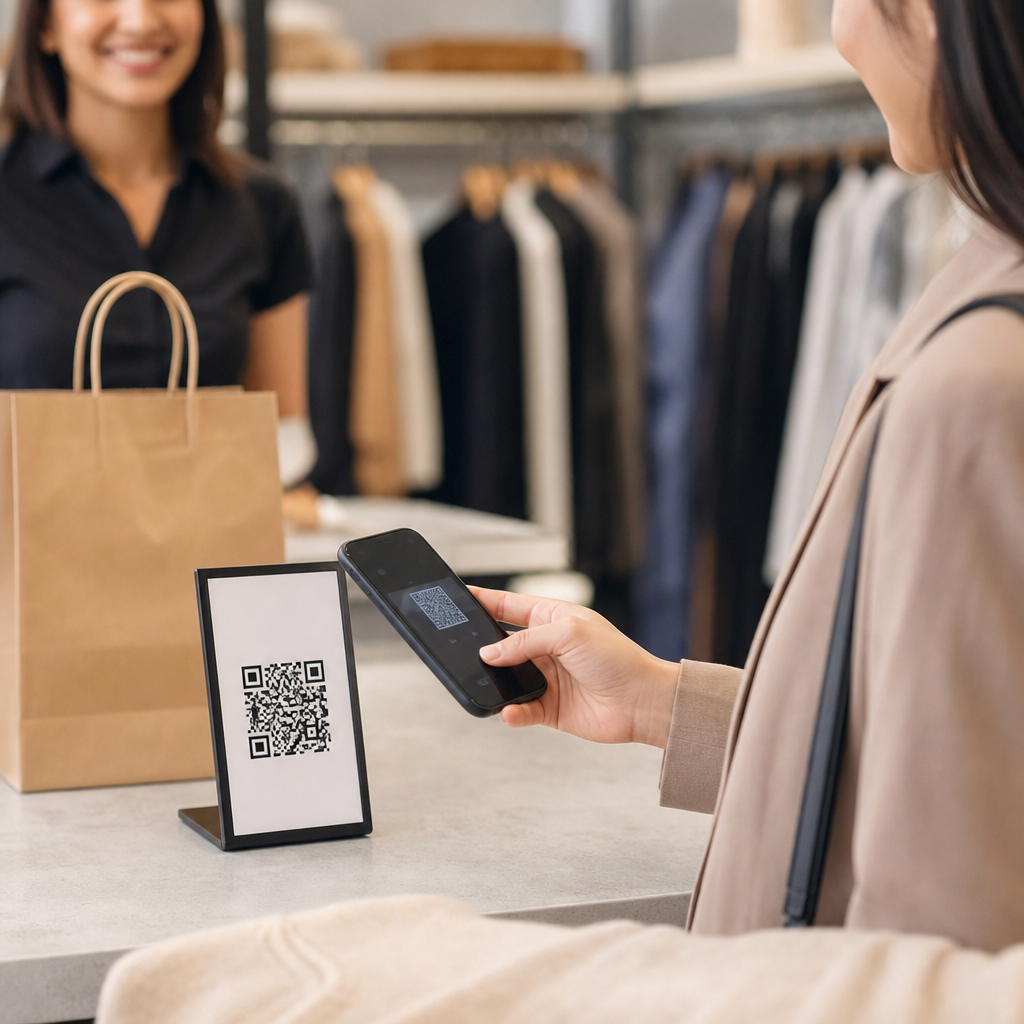
B2C campaigns usually have shorter paths to conversion. The best B2C QR code campaign examples reduce friction in the moment: instant coupon redemption, ingredient transparency, app download, loyalty sign-up, how-to video, product authentication, social contest entry, or one-tap checkout for a featured offer. The user often scans while shopping, commuting, eating, or watching media, so the destination must load quickly and deliver one obvious next step.
That difference changes execution. In B2B, I typically use dynamic QR codes tied to campaign-specific URLs, UTM parameters, CRM workflows, and lead scoring. In B2C, I prioritize mobile speed, clear incentives, and analytics tied to store traffic, transaction value, repeat purchase, or loyalty activation. Both can benefit from dynamic redirection, but B2B leans toward account intelligence while B2C leans toward conversion rate optimization.
Successful B2B QR code campaign examples
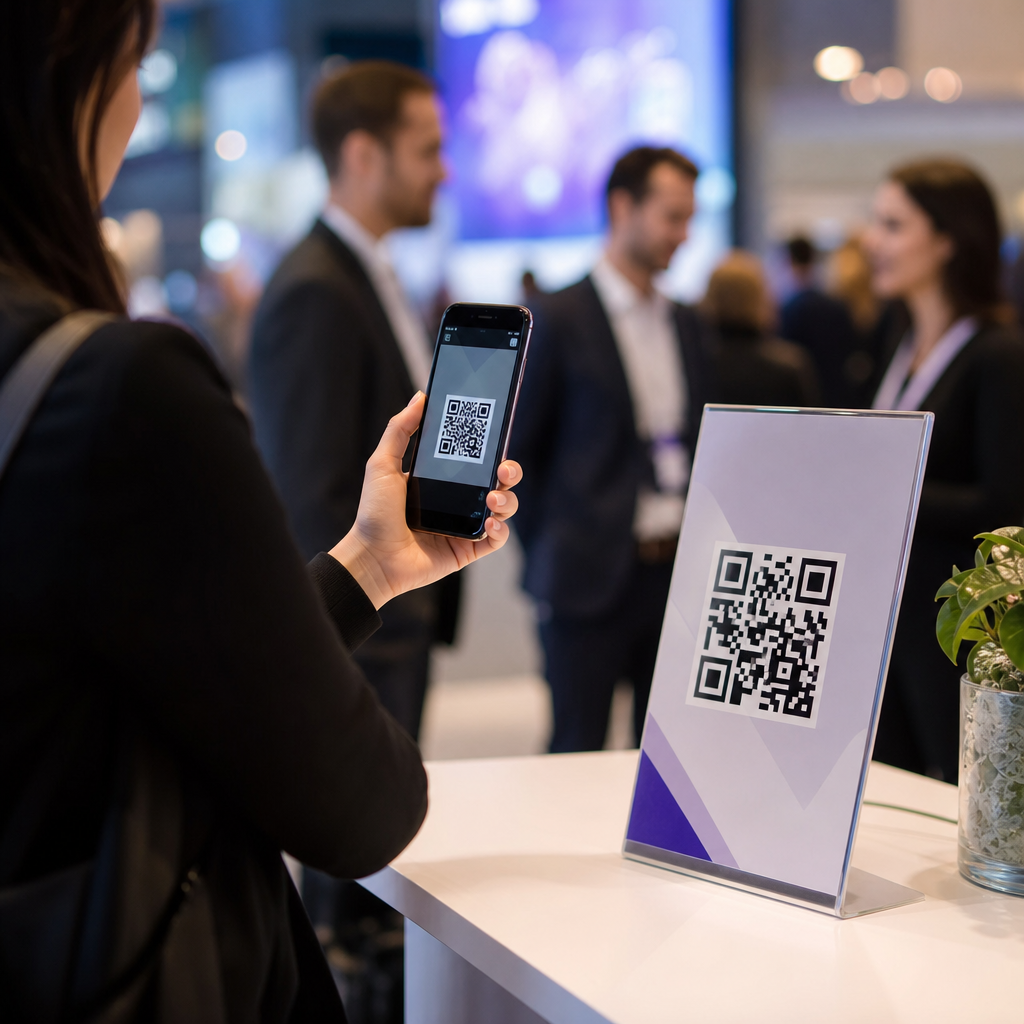
Trade shows remain one of the strongest settings for B2B QR code campaigns because the audience is already in research mode. A software company, for example, can place a large QR code on booth graphics that promises a benchmark report or a live product walkthrough. Instead of collecting paper business cards, the code directs visitors to a mobile page where they choose “book a demo,” “download the report,” or “compare integrations.” This works because it respects the attendee’s time and captures declared intent. I have seen booth scans outperform badge-only collection when the post-scan page offers role-specific paths for IT, operations, and finance.
Manufacturers also use QR codes effectively in printed sales sheets and distributor catalogs. Consider an industrial pump supplier selling through channel partners. A printed spec page can include a code that opens 3D product visuals, installation videos, maintenance intervals, and compliance certifications such as ISO or NSF documentation. Engineers and buyers need exact information, not broad brand messaging. When the QR experience provides technical depth, the scan becomes part of the evaluation workflow rather than a gimmick.
Direct mail is another underused B2B channel. A cybersecurity firm can send a dimensional mailer to CISOs with a QR code leading to a personalized landing page containing a short executive risk assessment. Because the recipient is busy, the copy should answer one question immediately: why scan now? If the page presents an industry breach statistic, a two-minute assessment, and a scheduler for a 15-minute briefing, response quality improves. The code serves as a bridge from offline outreach to measurable digital engagement.
Packaging can even matter in B2B. Medical device suppliers, lab equipment companies, and industrial component brands place QR codes on boxes or user manuals that link to setup instructions, calibration logs, training modules, and reorder portals. In these cases, the code supports onboarding and retention, not just acquisition. A service team that scans for troubleshooting or replacement parts is signaling product usage, which can feed customer success and upsell programs.
Successful B2C QR code campaign examples
Retail packaging offers some of the clearest B2C wins. Beauty brands use QR codes on boxes to connect shoppers to shade matching tools, tutorials, ingredient sourcing, and subscription options. Food brands direct scans to recipes, allergy information, sustainability disclosures, and loyalty rewards. Beverage companies often add codes to cans or multipacks for sweepstakes and music or sports content. These campaigns succeed when the payoff feels immediate and relevant to the item in hand.
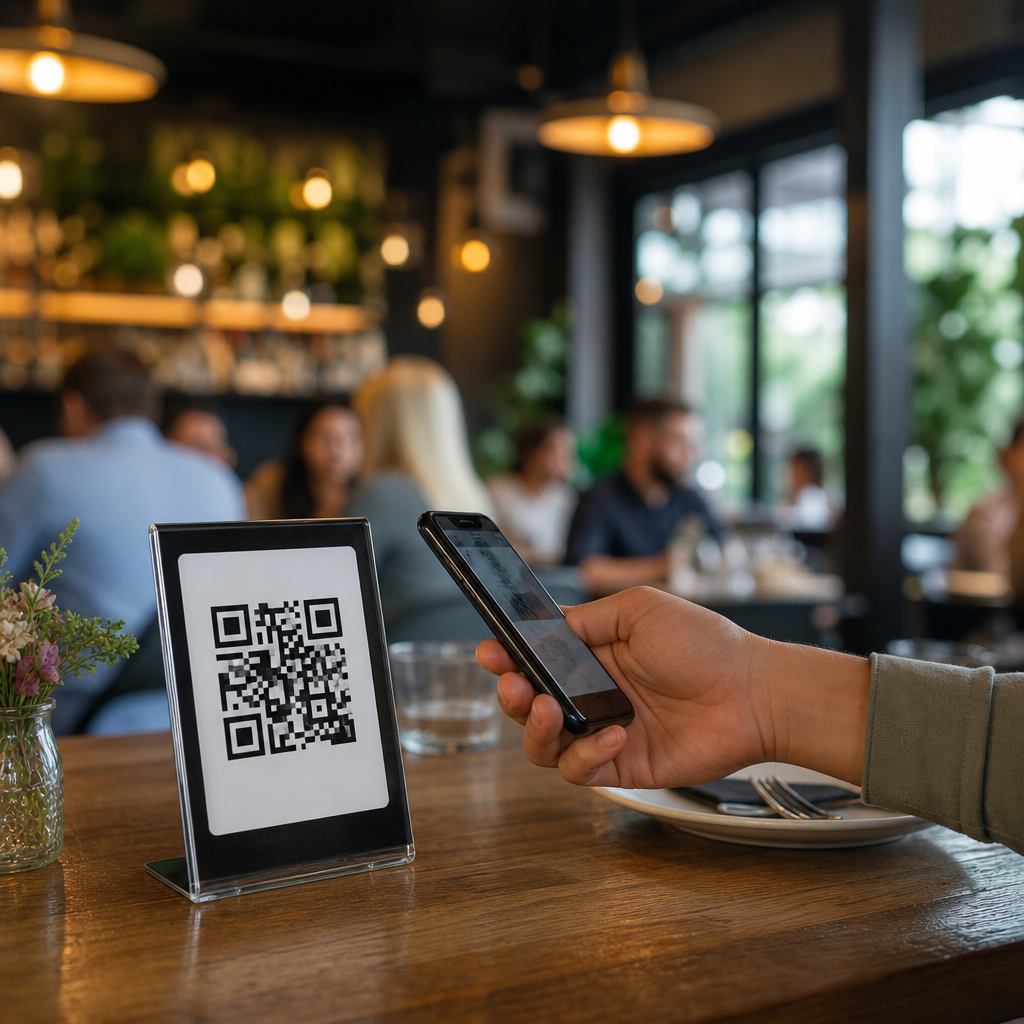
Restaurants have moved beyond menu access. A fast-casual chain can print a QR code on table tents that launches limited-time offers, allows guests to join loyalty programs, and gathers feedback after checkout. In one common pattern, the customer scans before ordering, receives a targeted add-on offer, and later gets a prompt to rate the experience. The code effectively supports both revenue lift and customer insight.
Out-of-home advertising is another powerful B2C use case because mobile scanning now feels normal. Fitness brands place QR codes on transit ads that offer free class passes. Streaming services use codes on billboards to unlock trailers or trial periods. Tourism boards link posters to neighborhood guides and map-ready itineraries. The lesson is simple: the landing page must match the context of someone standing on a street, not sitting at a desk. Short forms, tap-to-save offers, and map integration perform better than long copy.
Consumer goods brands also use QR codes for product authentication and transparency. Luxury goods makers and premium cosmetics brands connect scans to serial verification, origin stories, or anti-counterfeit checks. Parents buying infant formula or supplements often want sourcing and safety information. A quick scan that confirms batch details and testing standards builds trust while reducing service inquiries.
Campaign formats, objectives, and metrics that actually matter
The most effective way to compare B2B vs B2C QR code campaign examples is to line up objective, placement, user intent, and success metric. Too many teams track scans alone, but scan volume is only an entry metric. A poster in a busy station might generate thousands of scans and little value, while a niche trade show handout might produce fifty scans that convert into six-figure pipeline. Measurement has to match the business model.
| Campaign type | Typical placement | Primary goal | Best follow-up metric |
|---|---|---|---|
| B2B trade show demo | Booth graphics, badges, handouts | Lead qualification | Meetings booked, pipeline created |
| B2B product documentation | Catalogs, manuals, packaging | Education and support | Content completion, reorder rate |
| B2C retail packaging | Boxes, labels, shelf talkers | Product engagement | Coupon redemption, repeat purchase |
| B2C restaurant promotion | Tables, receipts, windows | Offer activation | Average order value, loyalty sign-up |
| B2C outdoor media | Posters, transit ads, billboards | Traffic and trial | Landing conversion rate, store visits |
For B2B, I recommend tracking scan-to-form rate, form-to-meeting rate, influenced opportunities, sales velocity, and account penetration when multiple contacts from one company engage. For B2C, useful measures include scan-to-purchase rate, coupon redemption, basket size, repeat visits, app installs, loyalty enrollment, and customer lifetime value where available. Dynamic QR platforms such as Bitly, QR Code Generator PRO, Beaconstac, and Flowcode can provide scan analytics, but the deeper value comes from connecting those events to GA4, CRM systems, ecommerce platforms, or POS data.
Why some QR code campaigns fail
Unsuccessful QR code campaigns usually fail for predictable reasons. The first is weak incentive. If the code says only “scan me,” users have no reason to act. The second is poor placement. Glare, distance, low contrast, small sizing, or curved packaging can make scans unreliable. The third is landing page mismatch. A shopper scanning a package for ingredients should not land on a generic homepage. A buyer scanning a trade show sign for technical specifications should not be pushed into a broad newsletter form.
Another common problem is neglecting mobile experience. Pages need fast loading, concise copy, thumb-friendly buttons, and one primary action. Forms should be short unless the value exchange justifies more fields. In B2B, progressive profiling often works better than asking for every detail at once. In B2C, Apple Pay, Google Pay, autofill, and wallet-ready coupons remove friction that otherwise kills conversion.
Compliance and privacy also matter. If a campaign collects personal data, disclose how it will be used and align with applicable rules such as GDPR or CCPA. For industries like healthcare, finance, and alcohol, review content and data handling carefully. Trust is part of conversion, especially when the scan follows from a physical object that users did not necessarily expect to be data-collecting.
How to build a successful QR code campaign hub strategy
As a hub topic, successful QR code campaigns should connect broad strategy with specific use cases. The strongest content architecture starts with this main page and expands into supporting articles on retail packaging campaigns, trade show QR code tactics, restaurant promotions, direct mail examples, product authentication, QR code tracking, landing page design, and industry-specific case studies. That structure helps readers find the exact campaign pattern they need while signaling clear topical depth.
For execution, start with one audience, one moment, and one action. Define where the scan happens, what the user expects, and what success looks like. Use dynamic codes so destinations can be updated without reprinting materials. Test contrast, size, quiet zone, and placement before launch. Create a landing page that mirrors the promise next to the code. Then measure beyond scans by tying each campaign to revenue, retention, or sales progression.
The biggest benefit of comparing B2B vs B2C QR code campaign examples is clarity. You stop treating QR as a novelty and start using it as a precise bridge between physical touchpoints and digital outcomes. B2B campaigns perform best when they deliver proof, detail, and next-step scheduling. B2C campaigns perform best when they offer convenience, rewards, and immediate relevance. In both cases, strong creative, frictionless mobile journeys, and disciplined measurement turn a scan into a business result. If you are building your own QR code campaign ideas and case studies program, audit one existing offline asset today and redesign its QR experience around user intent, not just visibility.
Frequently Asked Questions
What is the main difference between B2B and B2C QR code campaign examples?
The biggest difference is intent. In B2B QR code campaign examples, the code is usually part of a longer decision-making process. The audience may include buyers, procurement managers, operations leaders, channel partners, or trade show attendees who need specifications, pricing structures, case studies, compliance details, or a demo before moving forward. Because of that, the QR code often leads to in-depth landing pages, gated assets, meeting schedulers, product documentation, or lead capture forms. Success is typically measured by lead quality, sales pipeline influence, booked meetings, or partner engagement rather than immediate purchases.
In B2C QR code campaign examples, the goal is usually speed, ease, and conversion. A shopper scanning a code on packaging, a shelf display, a menu, a flyer, or a social ad expects an immediate next step, such as a discount, loyalty reward, product video, how-to guide, review page, or direct purchase option. The customer journey is shorter, and the content behind the QR code is designed to reduce friction and trigger action quickly. Metrics often focus on scans, sales, coupon redemptions, app downloads, and repeat purchases. In short, B2B QR codes support education and relationship building, while B2C QR codes are more often optimized for convenience, engagement, and fast response.
What are some strong B2B QR code campaign examples?
Strong B2B QR code campaign examples usually appear in environments where buyers are actively evaluating solutions. A common example is a trade show booth QR code that sends visitors to a tailored product page with technical specifications, customer case studies, and a form to request a consultation. This works well because event attendees often want information they can revisit after the show rather than relying on printed brochures. Another effective example is QR codes on sales collateral, catalogs, or product packaging that link distributors or procurement teams to installation guides, bulk pricing information, compatibility charts, or support resources.
Manufacturing, logistics, software, and professional services brands also use QR codes in account-based marketing. For instance, a direct mail package sent to target accounts might include a personalized QR code leading to a custom landing page, a video message from the sales team, or a booking page for a strategy session. In channel marketing, QR codes can route resellers or dealers to training modules, promotional assets, or partner portals. Even in office and field settings, a QR code on equipment, signage, or service documentation can connect business users to maintenance instructions, parts ordering, certification details, or support tickets. What makes these campaigns effective is that the destination matches the seriousness of the buying process and provides enough depth to move a professional audience one step closer to a qualified business decision.
What are some effective B2C QR code campaign examples?
Effective B2C QR code campaign examples are usually built around instant value for the consumer. One of the most common examples is retail packaging that includes a QR code linking to product tutorials, ingredient or sourcing information, customer reviews, or a limited-time promotion. This helps a shopper move from interest to confidence without needing to search manually. Another strong use case is in-store signage or shelf talkers that let customers scan for coupons, product comparisons, style suggestions, or “buy now” options when an item is out of stock on the shelf.
Restaurants, entertainment brands, consumer packaged goods companies, and ecommerce businesses also use QR codes to create fast, engaging experiences. A restaurant might use QR codes for menus, ordering, and loyalty sign-ups. A beauty or apparel brand might place QR codes on displays that open shade-matching tools, lookbooks, or influencer videos. Consumer brands often add codes to ads, posters, or receipts to drive app downloads, reviews, referrals, sweepstakes entries, or membership enrollment. The most successful B2C campaigns remove steps, feel intuitive on mobile, and offer a clear reason to scan right away. Whether the incentive is savings, convenience, information, or entertainment, the key is making the scan feel worthwhile in the moment.
How should businesses measure the success of B2B versus B2C QR code campaigns?
Measurement should reflect the buying journey. For B2B QR code campaigns, a high scan count alone does not mean much if the traffic does not convert into meaningful business outcomes. More valuable metrics include form submissions, demo requests, sales meeting bookings, content downloads, account-level engagement, influenced opportunities, and eventual revenue attribution. Businesses should also look at where scans happen, which audience segments engage, and whether the QR code helps move prospects from awareness to evaluation. If a QR code at an industry event produces fewer scans but generates several qualified meetings with target accounts, that may be far more successful than a campaign with broader but less relevant traffic.
For B2C QR code campaigns, measurement tends to center on speed and volume. Common metrics include total scans, unique users, click-through rate, coupon redemptions, purchases, average order value, loyalty sign-ups, repeat visits, and app installs. Because consumer campaigns often happen across physical touchpoints like packaging, point-of-sale displays, outdoor ads, and receipts, it is also useful to compare scan performance by placement and time period. Dynamic QR codes, UTM tagging, and analytics integrations make it easier to understand behavior after the scan. The bottom line is simple: B2B success is often about lead quality and sales impact, while B2C success is more often about immediate engagement and conversion efficiency.
What best practices help both B2B and B2C QR code campaigns perform better?
Regardless of audience, the first best practice is giving people a clear reason to scan. A QR code should never appear without context. The call to action should explain the value, whether that is “Download the product spec sheet,” “Book a live demo,” “Get 15% off,” or “Watch how it works.” The landing experience must also be mobile-friendly, fast, and tightly aligned with the promise made next to the code. If users scan expecting one thing and land somewhere generic or confusing, performance drops quickly. Businesses should also use dynamic QR codes whenever possible so destinations can be updated without reprinting materials and performance can be tracked more accurately.
Beyond that, the strategy should reflect the audience. For B2B, prioritize trust, relevance, and useful information. Link to assets that help buyers justify decisions, such as case studies, certifications, ROI calculators, and contact options. For B2C, prioritize simplicity, immediate benefits, and low-friction conversion paths. Link to offers, product pages, loyalty experiences, or quick how-to content that supports a faster action. In both cases, placement matters: use QR codes where interest naturally occurs, such as packaging, event signage, direct mail, print ads, product displays, invoices, or email signatures. Finally, test continuously. Adjust calls to action, landing pages, incentives, and placements based on scan and conversion data. The strongest QR code campaigns are not just technically functional; they are intentionally designed around user motivation, business goals, and the real-world context in which the scan happens.