
Small business QR code campaigns have moved from novelty to reliable marketing infrastructure because they connect physical touchpoints to measurable digital actions in seconds. A QR code, or quick response code, is a scannable two dimensional barcode that opens a web page, payment screen, review form, menu, video, coupon, app download, or contact card when viewed through a smartphone camera. For small businesses, that simple bridge matters because budgets are tight, customer attention is fragmented, and every printed asset needs to earn its keep. I have helped local retailers, restaurants, gyms, and service firms deploy these campaigns, and the best results rarely come from flashy technology. They come from clear offers, strong placement, clean landing pages, and disciplined tracking. This hub article explains real examples of small business QR code wins, the mechanics behind why they worked, and the practical patterns owners can repeat. It also serves as a foundation for deeper case studies across the broader QR Code Campaign Ideas & Case Studies topic, helping readers evaluate what fits their own storefront, service area, customer journey, and sales cycle.
Restaurant and cafe QR code campaigns that increased orders and repeat visits
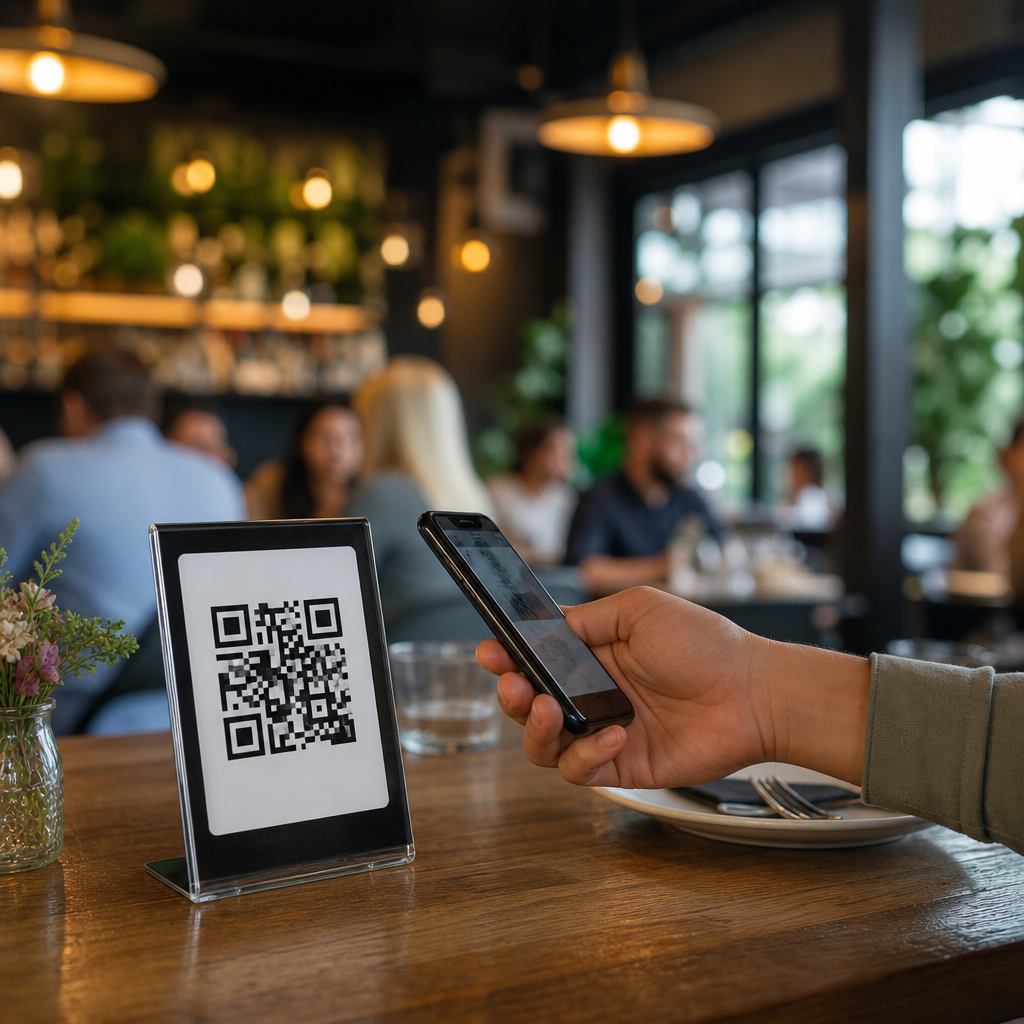
Restaurants were among the earliest small business adopters because QR codes solve several operational problems at once. A neighborhood cafe can place one code on a counter sign for loyalty signups, another on takeaway cups for review requests, and a third on street facing posters for seasonal offers. In one campaign I worked on with a three location coffee shop, table tents linked to a mobile landing page offering a free pastry after a first app based loyalty signup. The code was dynamic, so the owner could change the destination without reprinting cards. Over eight weeks, scans converted best during morning commute hours, and the campaign produced a measurable lift in repeat visits because the offer required a second purchase to redeem. The win was not the code itself. The win was matching the code to customer intent at a specific moment: waiting in line, seated at a table, or leaving with a cup in hand.
Independent restaurants have also used QR codes to raise average order value. A quick service sandwich shop added a code to in store packaging that opened a reorder page with prefilled popular combinations, making lunch reorders faster for nearby office workers. Another example came from a family run pizzeria that printed a code on direct mail menus. Instead of sending people to the home page, the code opened a location specific ordering page with a limited time family bundle. That direct path reduced friction and made attribution easy in Google Analytics 4 using UTM parameters. Small operators often assume menu codes are the whole story, but the stronger campaigns attach QR codes to a business objective such as more catering leads, more weekday traffic, or more first party orders that avoid marketplace fees. In hospitality, the clearest small business QR code wins happen when the code reduces one tap, one step, or one decision in the buying process.
Retail store examples that turned foot traffic into measurable sales
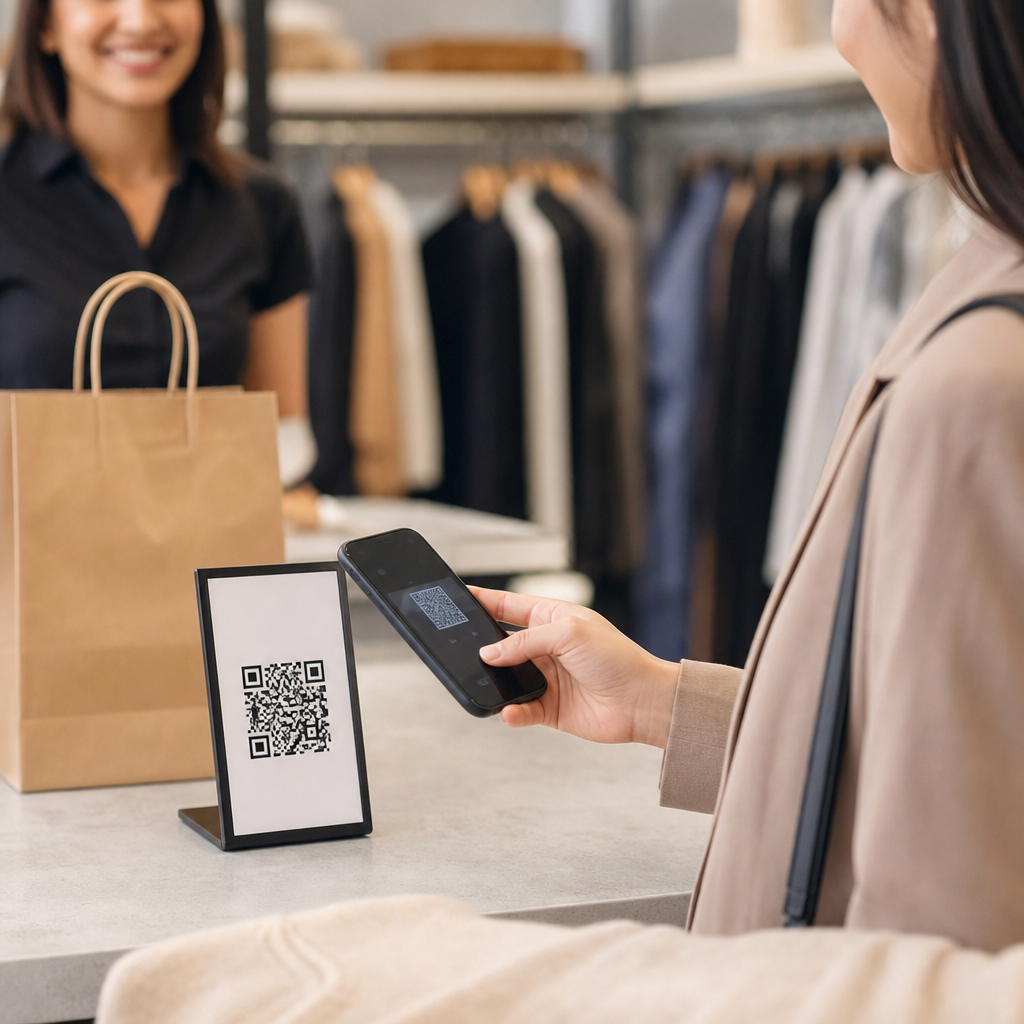
Brick and mortar retailers use QR codes best when inventory, storytelling, and post purchase follow up need a low cost digital layer. A boutique gift shop I advised used shelf talkers with QR codes next to handmade products from local makers. Each code opened a short product story page with care instructions, maker background, and a buy online option for out of stock sizes or colors. Scan data showed that customers used the codes most heavily on weekends when staff were busy. That reduced the burden on associates while preserving the premium feel of the merchandise. Another retailer, an independent hardware store, added QR codes to endcap displays for how to videos covering paint prep, faucet replacement, and lawn equipment maintenance. Those codes acted like silent sales assistants, increasing confidence for customers who were unsure whether they could complete the project themselves. In store education translated into fewer abandoned baskets and more attachment sales for related tools and supplies.
Retail QR code campaigns also perform well after checkout. A children’s bookstore printed a code on receipts that linked to a signup page for author events and reading clubs. Because the ask appeared after purchase, it felt relevant rather than intrusive. The owner segmented scans by campaign source and learned that receipt based codes drove stronger event attendance than social media posts. Another practical win came from a pet supply store that attached QR codes to bag stuffers promoting auto ship subscriptions for recurring purchases such as food and litter. The campaign succeeded because it targeted products with predictable replenishment cycles. Small retail businesses rarely need complex technology stacks to achieve this. A dynamic QR code platform, a mobile friendly landing page, and a basic analytics setup are enough to reveal which store zones, product categories, and customer moments create revenue. When implemented carefully, QR codes help retailers connect discovery, education, and retention in one trackable flow.
Service business QR code wins for leads, bookings, and reviews
Service businesses often see the fastest returns because their customer journey includes quotes, appointments, trust signals, and follow up. A local plumbing company placed QR codes on vans, invoices, and technician leave behind cards. The van code linked to an emergency service page with click to call enabled, while the invoice code linked to a review form on Google Business Profile. Separating those destinations mattered. Drivers scanning a van need immediate help; satisfied customers holding an invoice can provide social proof. In one quarter, the review request code increased review volume because technicians asked for feedback at the moment the job was complete and the homeowner had visible proof of the work. A home cleaning company used door hangers with a neighborhood specific QR code that opened to a booking page featuring local testimonials and a first visit discount. That local relevance improved conversion more than generic landing pages had.
Professional services can also use QR codes without feeling gimmicky. A solo accountant added a code to workshop slides and printed tax prep checklists, linking to an appointment scheduler and secure document checklist. This reduced back and forth emails and improved show rates because prospects could act immediately after receiving information. A physical therapy clinic placed QR codes on exercise sheets that opened demonstration videos recorded by staff, improving adherence and reducing confusion between visits. A salon used mirror clings with a code for rebooking and referral credits. In each example, the code supports a real operational need: faster scheduling, better compliance, stronger reviews, or easier referrals. The most dependable small business QR code wins in services come from pairing the code with a promise the customer already values, such as convenience, proof, speed, or confidence. If the destination page is relevant to the exact stage of the relationship, scans become appointments, and appointments become long term revenue.
What these small business QR code campaigns had in common
Across industries, the successful campaigns shared a consistent set of characteristics. First, the call to action was specific. “Scan for 10 percent off your next visit” outperforms “Scan to learn more” because it tells the customer exactly what happens next. Second, placement matched context. Codes near checkout, packaging, receipts, service completion documents, and storefront windows generally outperform codes hidden in low intent locations. Third, the destination was mobile first and narrow in scope. Sending traffic to a general home page wastes the high intent created by the scan. Fourth, owners used dynamic codes and campaign tracking so they could update destinations, compare placements, and attribute outcomes. Fifth, the best campaigns respected trust. They used branded landing pages, short explanatory text, and visible logos so customers felt safe scanning.
| Business type | QR code placement | Primary goal | Winning destination |
|---|---|---|---|
| Cafe | Table tent | Loyalty signups | Offer page with reward enrollment |
| Retail boutique | Shelf talker | Product education | Story page with buy online option |
| Plumbing company | Invoice | Reviews | Direct review form |
| Salon | Mirror cling | Rebooking | Appointment scheduler with referral credit |
| Bookstore | Receipt | Event signups | Email form for store events |
Another common factor was disciplined testing. A florist compared two poster offers: one code for same day pickup and another for wedding consultation requests. The lower volume wedding scans produced much higher revenue per lead, changing how the owner valued campaign performance. A gym tested front desk codes against locker room posters and found that post workout scans led to more class bookings because interest was highest immediately after the service experience. These examples show why scan count alone is not enough. Meaningful evaluation requires downstream metrics such as bookings, order value, repeat rate, customer lifetime value, and review growth. Small business owners do not need enterprise dashboards, but they do need a simple measurement framework that ties the campaign to profit.
How to plan a small business QR code campaign that actually works
Start with one business objective and one customer action. If the goal is more reviews, create one code that leads directly to the review prompt, not a general feedback page. If the goal is more bookings, send scanners to a scheduling page with the correct service preselected. Next, choose the physical asset customers already see at the moment they are most likely to act: packaging, a receipt, a storefront sign, a thank you card, a vehicle wrap, a product tag, or an invoice. Then build a landing page designed for mobile speed and clarity. Include a headline that matches the exact promise on the printed piece, a single call to action, and as little friction as possible. Google’s PageSpeed Insights, GA4, Google Business Profile, Canva, Bitly, and dedicated dynamic QR platforms such as QR Code Generator Pro or Uniqode can all support execution without a large budget.
Print quality and error correction matter more than many owners realize. Codes should have sufficient contrast, quiet space around the edges, and a size appropriate for scanning distance. A code on a storefront window viewed from several feet away must be larger than a code on a product insert. Test on both iPhone and Android devices under different lighting conditions. Use UTM tagging so every scan source is identifiable, and separate campaigns by placement rather than reusing one universal code everywhere. That allows a business to learn whether window signs drive new customers while receipts drive retention. Finally, train staff. When employees say, “Scan here to reorder in ten seconds” or “Scan this to leave a review if we earned it today,” results improve because the code becomes part of the service script rather than a passive graphic. Execution discipline is what turns a QR code idea into a measurable small business win.
Common mistakes, limits, and when QR codes are the wrong tool
Not every campaign succeeds, and the failures are predictable. The most common mistake is offering no reason to scan. A plain code with no benefit, no label, and no trust cue often gets ignored. Another mistake is linking to content that is not mobile optimized or that loads slowly on cellular data. I have seen campaigns fail because the owner used a PDF menu or a cluttered homepage instead of a fast landing page built for one action. Businesses also damage performance by placing codes where customers have no time or no signal, such as awkwardly inside a moving checkout line or in low reception basements. Security perception matters too. Consumers are more willing to scan when they see the brand name, a short explanation, and a destination they can recognize.
There are also strategic limits. QR codes are not a substitute for a weak offer, poor service, or unclear positioning. A struggling retailer will not fix inventory issues with a shelf label code, and a restaurant with slow fulfillment will not create loyalty simply by printing a reorder link. Some audiences still prefer short URLs, NFC taps, or verbal instructions, especially in older demographics or lower trust settings. In regulated fields such as healthcare, finance, or legal services, any QR destination collecting personal data must align with privacy, consent, and record retention requirements. Used thoughtfully, QR codes are powerful connectors between offline attention and online conversion. Used carelessly, they become visual clutter. The practical next step is simple: pick one customer moment, build one focused destination, track one outcome, and launch a test you can improve with real data.
Frequently Asked Questions
What are some real examples of small business QR code campaigns that actually worked?
Small business QR code campaigns work best when they solve a specific customer problem quickly. A neighborhood coffee shop, for example, might place a QR code on table tents and takeaway cups that links directly to a digital loyalty program. Instead of asking customers to download an app or carry a punch card, the code takes them to a simple mobile landing page where each purchase is tracked. That kind of campaign can increase repeat visits because it removes friction from the reward process. A salon might use QR codes on appointment reminder cards that open a rebooking page, making it easy for customers to schedule their next service before they forget. A boutique retailer could add QR codes to in-store signage that link to styling videos, product details, or limited-time discounts, helping shoppers make faster purchase decisions. Restaurants commonly use QR codes for menus, but many also use them for review generation by placing a code on receipts that leads directly to a Google review form. In each case, the campaign succeeds not because the code itself is exciting, but because it connects an offline moment to a useful digital action in seconds.
Why are QR code campaigns especially effective for small businesses with limited marketing budgets?
QR code campaigns are effective for small businesses because they are low-cost, easy to deploy, and highly measurable. A business can print a single code on packaging, flyers, signage, receipts, product labels, or window decals without investing in expensive software or hardware. That matters when marketing dollars need to stretch as far as possible. More importantly, QR codes turn everyday physical materials into trackable marketing assets. A bakery can place one code on its cake boxes to collect reviews, another on counter signs for seasonal preorders, and a third on social media graphics for catering inquiries. By using unique links or campaign-specific landing pages, the owner can see which touchpoints generate traffic, orders, or leads. This level of attribution is valuable because many traditional local marketing tactics, such as print ads or in-store posters, are hard to measure accurately. QR codes also reduce the steps required to take action. Instead of expecting a customer to remember a website, search for a business later, or manually enter a coupon code, the business can offer one quick scan and an immediate result. That combination of affordability, convenience, and measurable performance makes QR codes a practical part of modern small business marketing infrastructure.
Where should a small business place QR codes to get the best results?
The best placement depends on the action you want customers to take, but the general rule is to match the QR code to a moment of high intent. If a customer is already engaged, curious, waiting, or completing a purchase, a QR code can perform very well. For example, a restaurant can place QR codes on tables for menus, on receipts for review requests, and on takeaway bags for reorder links. A retail shop might put them on shelf tags for product information, at checkout for SMS signup offers, and on shopping bags for post-purchase care instructions or referral discounts. Service businesses can use QR codes on business cards, invoices, storefront windows, vehicle wraps, and thank-you emails to guide people toward booking pages or testimonial forms. Placement should also be practical. The code needs to be easy to scan, large enough to read, and accompanied by a clear call to action such as “Scan to book your next appointment” or “Scan for 10% off your first order.” Without that context, customers may ignore it. Businesses should also consider the environment. A dimly lit wall, a moving vehicle, or a glossy surface can reduce scan rates. The strongest placements are visible, relevant, and tied to a clear benefit for the customer.
How can a small business measure whether a QR code campaign is successful?
Success starts with defining the goal before the campaign launches. A QR code campaign can be built to drive online orders, collect reviews, increase bookings, grow an email list, distribute coupons, promote app downloads, or generate repeat purchases. Once the goal is clear, the business can assign a unique QR code to each campaign, location, or physical asset and track performance through analytics tools, URL parameters, landing page metrics, and conversion data. For instance, a florist might use one code on wedding brochures and another on store receipts. If the brochure code generates more consultation requests while the receipt code drives more review submissions, the owner immediately knows which customer touchpoint is producing which result. Useful metrics include total scans, unique scans, time of day, device type, bounce rate, completed actions, and revenue tied to the landing page. It is also smart to compare scan activity with real business outcomes such as appointment volume, coupon redemptions, repeat customer rates, or average order value. The most successful small businesses do not just ask whether people scanned the code; they ask what happened after the scan. That is the difference between a gimmick and a real marketing channel.
What are the most common mistakes small businesses make with QR code campaigns?
The most common mistake is sending people to a generic homepage instead of a focused mobile-friendly destination. If a customer scans a code expecting a menu, discount, booking page, or review form and lands on a cluttered website homepage, the campaign loses momentum immediately. Another frequent mistake is failing to explain why someone should scan. A QR code without supporting text often gets ignored because customers do not know what they will receive. Businesses should always pair the code with a specific benefit and a direct call to action. Poor design choices also cause problems. Codes that are too small, placed too high, printed with low contrast, or displayed on reflective materials can be difficult to scan. Some businesses make the error of using a single code for every purpose, which limits tracking and makes optimization harder. Others launch a campaign but never test the scan experience on multiple phone types or internet connections. There is also the issue of long-term maintenance. If the linked page breaks, expires, or becomes outdated, the code continues to exist in the real world but no longer delivers value. The best QR code campaigns are simple, relevant, tested thoroughly, and connected to a clear business objective that can be measured over time.