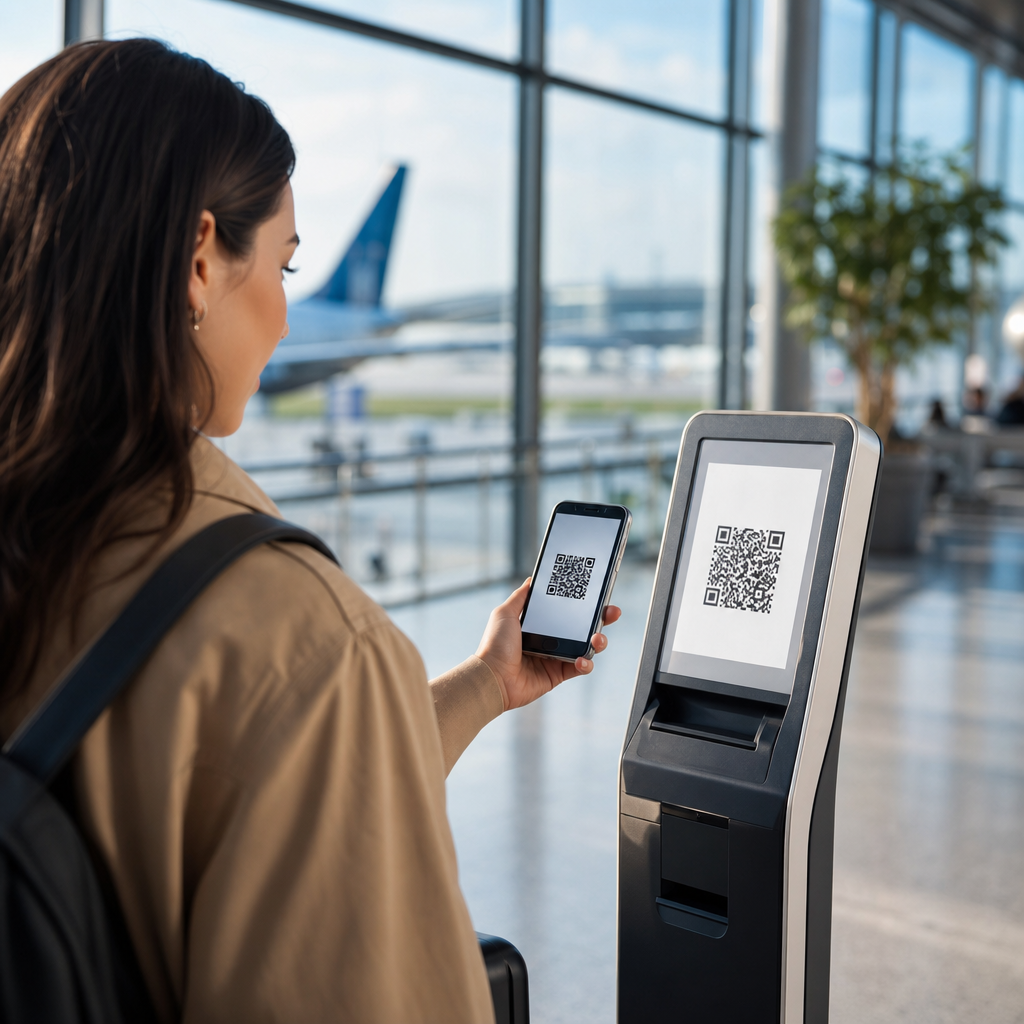
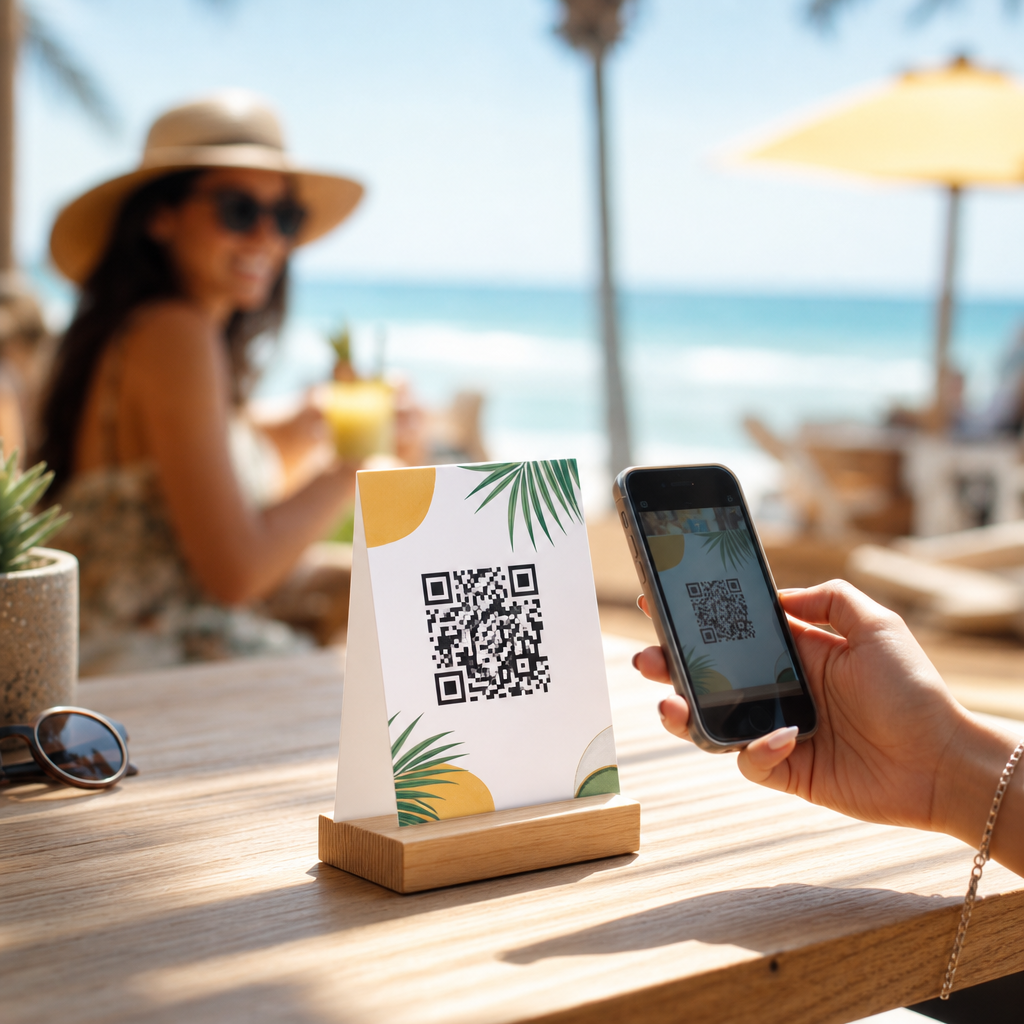
Summer marketing campaign ideas using QR codes give brands a practical way to connect offline attention with online action during the busiest event season of the year. A QR code is a scannable two-dimensional barcode that sends a user to a digital destination such as a landing page, coupon, video, menu, form, app download, or social profile. In summer, that simple bridge matters more because customers are moving: they are at festivals, beaches, parks, airports, stadiums, farmers markets, outdoor malls, hotel pools, and neighborhood events. I have used QR codes in seasonal promotions for retail, hospitality, food service, and events, and summer consistently produces the widest range of placements and the strongest reason to scan: speed, convenience, and immediate value.
For marketers, summer creates unusual conditions. Foot traffic rises, dwell time shifts outdoors, print materials multiply, and mobile usage spikes while attention spans shrink. People do not want to type URLs under bright sun or in a crowded queue. They will scan if the offer is obvious and the experience loads fast. That makes summer campaigns ideal for QR code strategy, but only when execution is tight. A code placed on signage with no incentive usually underperforms. A code tied to a time-sensitive reward, localized content, or event utility can outperform traditional static calls to action because it reduces friction at the exact moment intent appears.
This seasonal campaign hub explains how to plan summer QR code marketing in a way that is measurable, useful, and easy for customers. It covers campaign formats, placements, content destinations, operational details, and performance metrics, with examples in plain terms. If you are building a local activation, a tourism promotion, a retail giveaway, or a multi-location summer loyalty push, the core question is the same: what should the customer get immediately after the scan? The strongest answers are convenience, savings, entertainment, or participation. When those outcomes match the season and context, QR codes become more than a novelty. They become one of the most efficient tools in an integrated summer campaign.
Why QR Codes Work Especially Well in Summer Campaigns
Summer changes consumer behavior in ways that naturally favor scan-based marketing. People spend more time away from desks and more time with phones in hand. Outdoor environments reward quick interactions. Pop-up retail, food trucks, concerts, and travel all generate moments where a brand has only a few seconds to turn awareness into action. QR codes shorten that path. Instead of asking a person to remember a brand name and search later, the brand captures intent immediately.
In practice, I have seen four reasons summer scans convert better than generic year-round uses. First, urgency is built in. Limited-time drinks, same-day event schedules, flash discounts, and heat-related promotions all create immediate reasons to act. Second, location matters more. A code on a poolside table can open a menu or order page; a code at a trailhead can open a tourism map; a code at a festival booth can enter a giveaway without paper forms. Third, sharing increases. Friends pass drinks, compare deals, post photos, and recommend experiences on the spot. Fourth, summer campaigns often rely on temporary physical media like posters, tents, wristbands, coolers, cups, and vehicle wraps, all of which can carry dynamic QR codes.
There is also a measurement advantage. Dynamic QR platforms let marketers update destinations without replacing printed materials and track scans by location, time, and device. That matters in seasonal windows when a campaign may run only six to ten weeks. If a beach sign drives scans but a street banner does not, you can change creative, destination content, or offer while the campaign is still live. Tools from Bitly, QR Code Generator Pro, Beaconstac, Uniqode, and HubSpot campaign tracking make this operationally realistic for both small teams and larger brands.
High-Impact Summer Campaign Formats by Industry
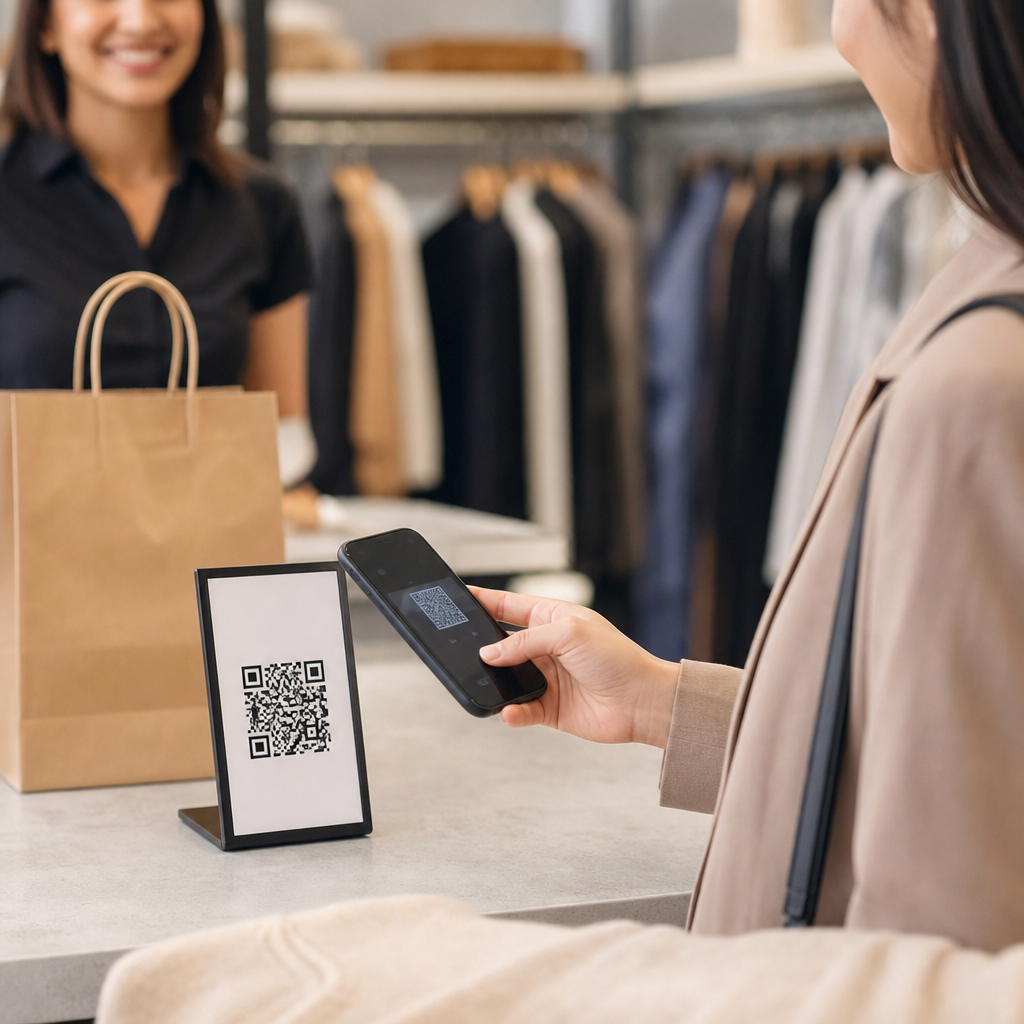
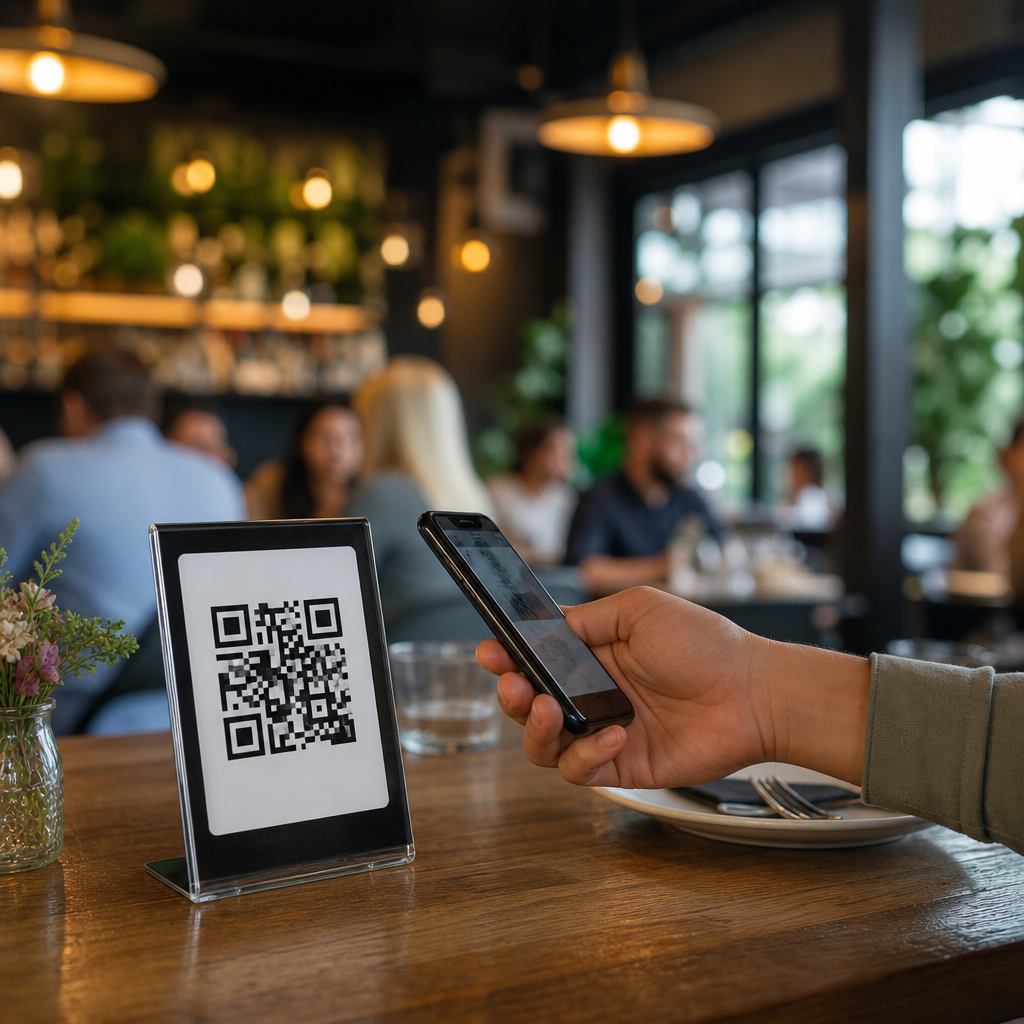
The best summer marketing campaign ideas using QR codes are built around the customer’s immediate need. In retail, that often means a discount, product details, or a contest. A sidewalk A-board outside an apparel store can feature a code for “scan for today’s summer bundle” and send users to a mobile page with lightweight inventory highlights, store hours, and a same-day redeemable coupon. In hospitality, the need is often convenience. Hotels can place codes at check-in, in elevators, and by the pool for cabana reservations, event calendars, dining menus, and upsell packages. Restaurants can use table tents and takeout packaging for seasonal menu launches, loyalty enrollment, or referral rewards.
Tourism and destination marketing organizations have especially strong summer use cases. A code on visitor center posters can open neighborhood guides, walking tours, parking maps, or event calendars filtered by date. Museums and zoos can turn static signs into multilingual audio content and scavenger hunts. Sports venues can place codes on concourse signs to route fans to express food ordering, seat upgrades, or postgame offers. Real estate teams can use open house signs for neighborhood summer guides and lead capture. Community organizations can add codes to banners at concerts in the park for sponsor promotions, donations, and next-event reminders.
Consumer packaged goods brands can also use summer packaging strategically. A beverage brand running a grilling-season promotion might print a code on multi-packs that opens recipes, retailer offers, and a sweepstakes entry form. Beauty brands can tie sunscreen or travel-size products to tutorials and replenishment reminders. The key is not merely adding a code, but matching the destination to a seasonal behavior. If the customer is outdoors, thirsty, traveling, waiting in line, or planning a weekend, the landing page should solve that specific problem fast.
| Industry | Summer QR placement | Best destination | Main metric |
|---|---|---|---|
| Retail | Window cling, sidewalk sign, receipt | Flash offer or product collection page | Coupon redemptions |
| Restaurant | Table tent, cup, takeout bag | Seasonal menu, loyalty sign-up, reorder page | Orders and repeat visits |
| Hospitality | Key card sleeve, pool signage, lobby poster | Amenities booking or activity calendar | On-property revenue |
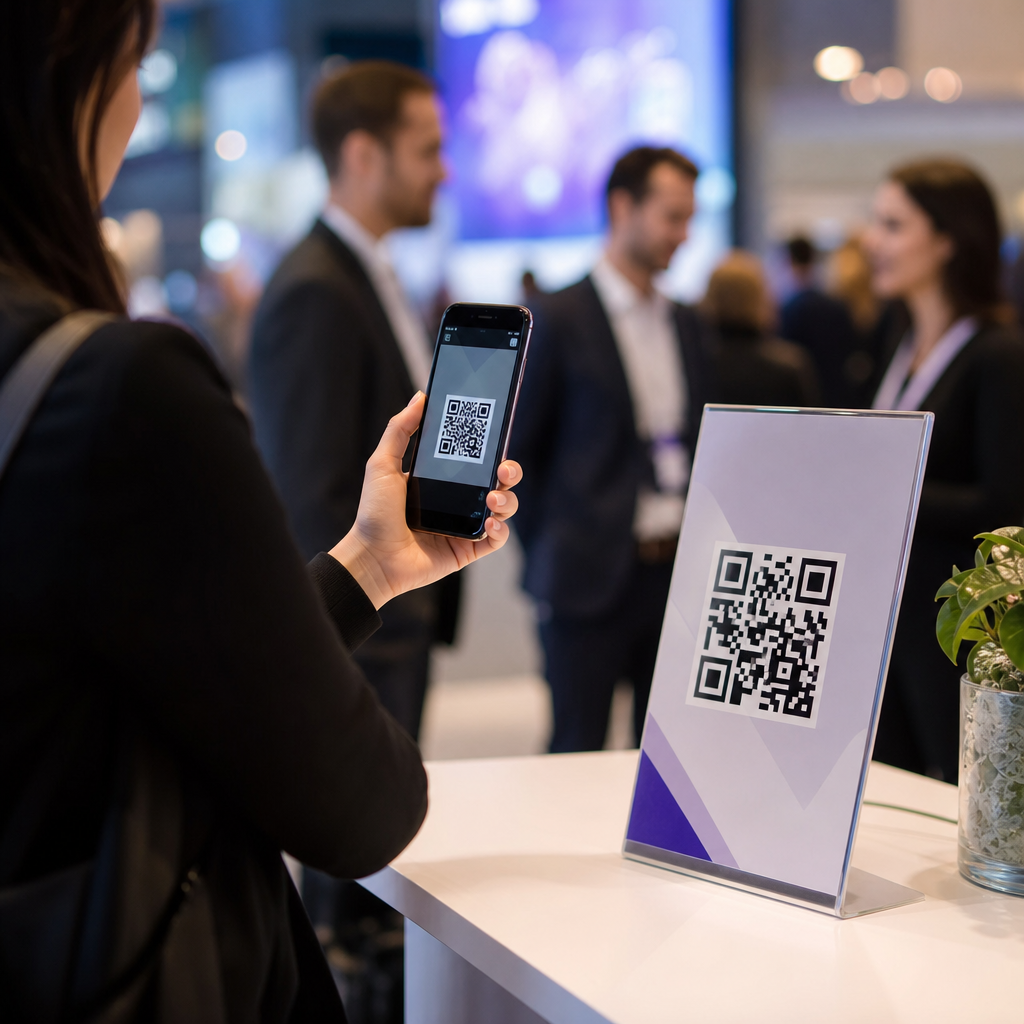
| Events | Wristband, stage signage, booth display | Schedule, giveaway form, sponsor offers | Scans and lead captures |
| Tourism | Map kiosk, brochure, transit poster | Local guide or itinerary builder | Time on page and referrals |
Creative Seasonal Campaign Ideas That Drive Scans and Sales
Several campaign models repeatedly work because they align with summer psychology. One is the instant-win promotion. Customers scan a code on signage, packaging, or receipts to reveal whether they won a free item, a discount, or bonus loyalty points. This works well for convenience stores, quick-service restaurants, and beverage brands because the reward is immediate and mobile-friendly. Another strong model is the weather-triggered offer. Brands can use dynamic landing pages to change the message based on temperature, UV index, or local conditions: “Over 90 degrees? Scan for a cold drink upgrade.” This feels timely rather than generic.
Scavenger hunts perform well for family attractions, malls, downtown associations, and campuses. Place codes at multiple checkpoints and reward completion with a digital badge, prize drawing, or merchant bundle. Because each scan occurs at a different location, you gain traffic insights while participants explore the area. I have used this format for mixed-use districts where the actual goal was to spread visitors beyond anchor tenants. It worked because the hunt turned navigation into entertainment. Another strong approach is user-generated content. A poster or product tag can invite people to scan, upload a summer photo, and vote on finalists. That extends reach beyond the physical setting.
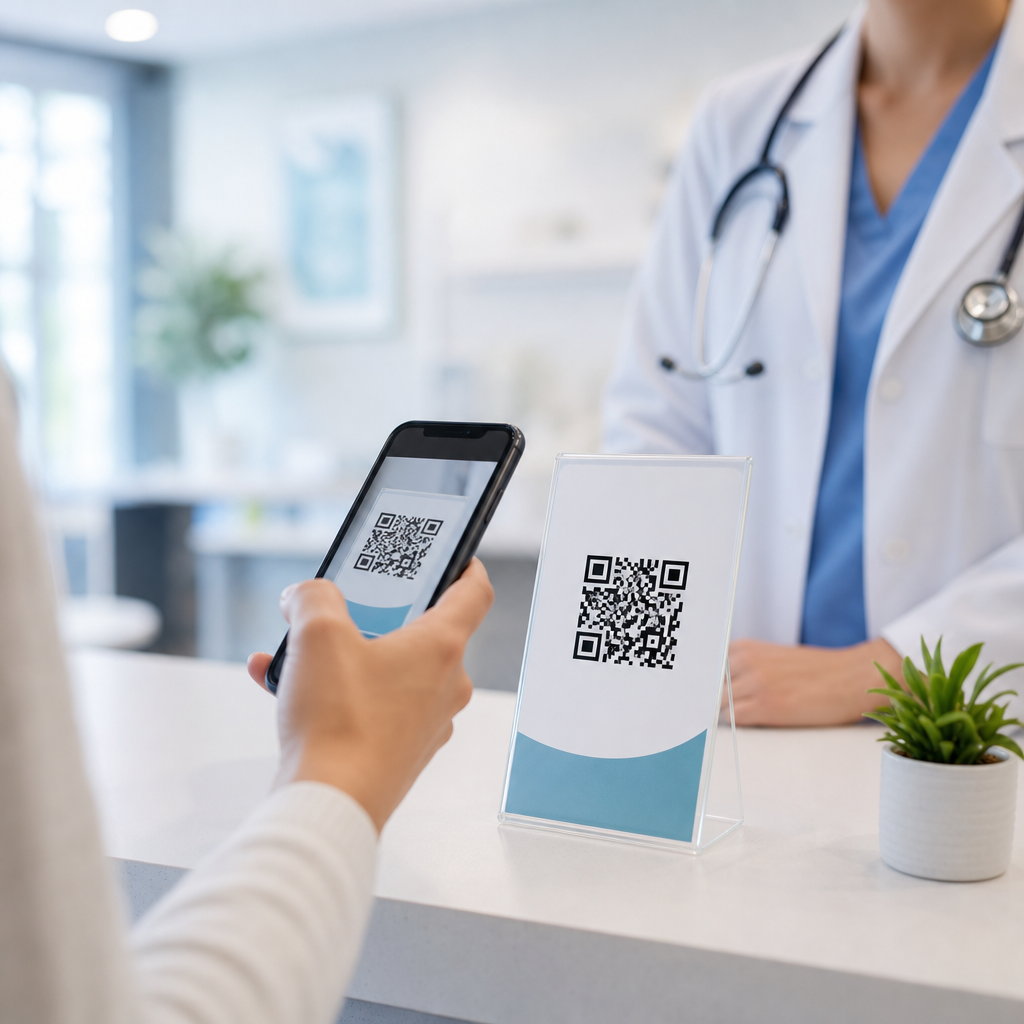
For service businesses, QR lead generation can feel more useful than promotional. A fitness studio can place a code at a summer street fair for a free class pass. A home services company can add codes to vehicle wraps offering a seasonal checklist, such as “scan for a patio and HVAC summer prep guide.” Healthcare providers can use codes in community events for hydration tips, urgent care wait times, or school sports physical booking. The strongest campaign ideas are specific, low-friction, and visibly relevant to where the person is standing when they scan.
How to Build Landing Pages and Offers That Convert After the Scan
The landing page determines whether a scan becomes a result. On mobile, the page must load quickly, show the value proposition above the fold, and remove unnecessary choices. If the code promises “summer giveaway,” the page should open directly to the giveaway, not the homepage. If the code promises “festival schedule,” users should see today’s schedule first, with location, times, and save-to-calendar options. Every extra step lowers conversion, especially outdoors on cellular data.
Good summer QR campaigns use a one-purpose page with tight copy, clear imagery, and one primary action. Include a headline that matches the physical call to action, a short supporting sentence, and a button or form. Use UTM parameters so analytics platforms can attribute scans by source and placement. Add structured campaign naming conventions so you can compare beach signage versus in-store posters or event booth versus receipt print. If the campaign spans locations, dynamic QR codes should route users to localized pages with relevant inventory, weather-aware offers, or nearest-store details.
Offer design matters as much as page design. Generic “learn more” prompts rarely motivate summer audiences. Better calls to action are “Get today’s poolside menu,” “Claim your fair discount,” “Enter to win festival VIP passes,” or “Unlock the weekend itinerary.” Practical incentives outperform abstract branding. That said, not every campaign needs a discount. Utility can be enough. Menus, maps, how-to content, reservations, and schedules often convert because they save time. The rule I use is simple: the destination should deliver value within five seconds of load and complete the intended action within thirty seconds.
Placement, Design, and Technical Setup Best Practices
A QR code campaign fails more often from poor placement and setup than from weak creative. Size, contrast, distance, and context all matter. For posters and signs, use dark codes on a light background with a quiet zone around the code. Avoid glossy surfaces in direct sunlight when possible because glare reduces scannability. If people will scan from several feet away, increase the code size; a common rule is roughly one inch of code width for every ten inches of scanning distance, then test in the actual environment. Add a short text instruction and a benefit-oriented label so people know why to scan.
Use dynamic rather than static codes for most seasonal campaigns. Dynamic codes let you change the destination, pause a campaign, and collect scan analytics without reprinting materials. They also support A/B testing across placements. If one audience responds better to a sweepstakes and another to a coupon, you can adjust the destination while keeping the same physical asset live. Always test on iPhone and Android devices, on Wi-Fi and cellular, and with low brightness in outdoor conditions. Summer campaigns often fail because the page is heavy, the form is long, or the connection is weak.
Operational details are just as important. Train frontline staff to explain the offer in one sentence. If codes are used at a live event, have a fallback short URL for customers whose camera app is unreliable. Make sure redemption workflows are simple for staff, especially in retail and food service. If a cashier has to inspect a complicated landing page, lines slow down and the campaign loses goodwill. The best programs use a clear confirmation screen, unique promo code, or POS-compatible barcode. Accessibility also matters: include nearby short links, readable typography, and language options where audiences are diverse.
Measurement, Optimization, and Compliance for Seasonal Success
To evaluate summer marketing campaign ideas using QR codes, track more than scan volume. The important metrics depend on campaign purpose: coupon redemption rate, form completion rate, average order value, booking value, repeat visits, assisted conversions, and geographic performance. A festival sponsor may care about leads and email sign-ups, while a restaurant may care about menu views that turn into orders. Define the primary success metric before launch and map every code to a campaign taxonomy so reporting stays clean.
Optimization should happen weekly during summer, not after the season ends. Review scans by hour and location, compare creative variants, and inspect drop-off on landing pages. Heat and time of day can affect response. I have seen poolside codes surge from 11 a.m. to 2 p.m. while evening concert codes drove stronger contest entries after 7 p.m. Those patterns should influence staffing, ad support, and content rotation. If a code gets scans but no conversions, the problem is usually the destination, not the placement. If there are few scans, revisit incentive clarity and visibility first.
Compliance and trust are non-negotiable. If you collect personal data for sweepstakes, loyalty enrollment, or lead forms, include clear consent language and link to your privacy policy. Follow SMS and email rules where applicable, including TCPA and CAN-SPAM obligations in the United States and GDPR standards if you serve European users. Secure landing pages with HTTPS, avoid deceptive redirects, and keep brand identity consistent so users feel safe after the scan. Fraud prevention matters too. Monitor public codes for tampering, especially on posters in high-traffic areas, and inspect signage regularly.
Summer marketing campaign ideas using QR codes work best when the code is not treated as the campaign itself, but as the fastest path to a useful seasonal experience. That experience can be a discount, a menu, a map, a booking flow, a giveaway, a scavenger hunt, or a localized guide. The common thread is relevance. People scan when the benefit is immediate, the context is obvious, and the next step is effortless. Brands that win in summer usually pair strong physical placement with mobile-first landing pages, dynamic tracking, and offers tailored to heat, travel, events, and limited-time behavior.
As the hub for seasonal campaign ideas, this topic should guide planning across retail, hospitality, tourism, events, restaurants, and service businesses. Start with one clear use case, one audience, and one measurable outcome. Use dynamic QR codes, test in real conditions, and connect every placement to a landing page that solves a specific customer need fast. Then expand into supporting articles on industry tactics, case studies, signage design, and analytics. If you are planning your next summer push, audit your physical touchpoints, identify moments of mobile intent, and launch a QR code campaign that turns seasonal attention into trackable action.
Frequently Asked Questions
1. Why are QR codes especially effective for summer marketing campaigns?
QR codes work particularly well in summer because they help brands capture attention in fast-moving, high-traffic environments where people are often away from their desks and making quick decisions on their phones. During summer, customers are more likely to be at outdoor concerts, community events, sports venues, beaches, parks, pop-up markets, food festivals, travel hubs, and retail activations. In those settings, a QR code creates an immediate bridge between a physical moment and a digital action without requiring someone to type a long URL, search for a brand online, or download extra materials. That convenience matters when people are walking, waiting in line, browsing a booth, or responding to signage they only see for a few seconds.
They are also effective because summer campaigns often depend on speed, mobility, and measurable engagement. A single scan can lead someone to a limited-time coupon, contest entry page, event schedule, product demo, loyalty signup, social campaign, or location-specific landing page. This makes it easier for brands to turn temporary foot traffic into trackable conversions. QR codes also support a smoother customer experience in bright, crowded, or busy environments where printed information alone may not be enough. Instead of trying to fit every campaign detail onto a poster, tent card, package, or banner, brands can keep creative simple and direct people to the deeper digital experience.
From a performance standpoint, QR codes offer flexibility that is ideal for seasonal marketing. Brands can update the destination behind a code, test different offers, personalize landing pages by location or audience, and measure which placements generate the strongest response. That means a summer campaign can evolve as the season progresses without needing to reprint every asset. When used with clear calls to action and mobile-friendly landing pages, QR codes become one of the most practical tools for turning summer visibility into real engagement, lead generation, and sales.
2. What are the best summer marketing campaign ideas that use QR codes?
Some of the strongest summer QR code campaign ideas are built around high-energy, seasonal moments where people are already primed to interact. One effective approach is to use QR codes on festival signage, booth displays, wristbands, or product packaging to give attendees access to exclusive discounts, giveaways, VIP experiences, or event-specific content. A beverage brand, for example, could place QR codes on coolers or sampling stations that unlock a “summer instant win” promotion. A restaurant or food truck could use codes on tables, umbrellas, or receipts to deliver loyalty rewards, digital menus, or a bounce-back offer for the next visit.
Travel and tourism campaigns also benefit from QR code use in summer. Hotels, resorts, airports, transit hubs, and local attractions can place codes on posters, brochures, key cards, or visitor maps to guide users to booking pages, destination guides, itinerary planners, mobile check-in tools, or upgrade offers. Retailers can use storefront window codes to promote flash sales, limited-edition summer collections, or location-based scavenger hunts that encourage in-store visits. At outdoor markets and pop-up shops, codes can help vendors collect email signups, share product stories, process orders for out-of-stock items, or encourage customers to follow social channels for future events.
Interactive campaigns often perform especially well. Brands can create QR-powered photo contests, “scan to vote” experiences, digital stamp cards, treasure hunts, or gamified check-ins across multiple summer locations. A family entertainment venue might use codes throughout the park to unlock clues or bonus offers. A fitness brand could place them at community races or beach workouts to connect people to training plans, event recaps, or ambassador programs. The most effective idea depends on the audience, but the general rule is simple: pair the QR code with a clear benefit. If the scan leads to something useful, fun, exclusive, or timely, customers are much more likely to engage.
3. Where should businesses place QR codes during summer promotions for the best results?
Placement has a major impact on QR code performance, especially in summer environments where attention spans are short and surroundings can be busy or distracting. The best placements are highly visible, easy to access, and naturally connected to the moment when someone is most likely to take action. For outdoor campaigns, that often means placing QR codes on event signage, entrance displays, table tents, product packaging, sandwich boards, banners, vehicle wraps, receipts, posters, tickets, lanyards, menus, and point-of-sale materials. If customers are standing still for even a few moments, such as in a line, at a checkout counter, near a waiting area, or at a sampling station, that is often an ideal place to invite a scan.
Businesses should also think about environmental factors. Summer placements need to account for sunlight glare, weather exposure, distance from the viewer, and internet connectivity. A QR code that works fine on a desktop flyer may fail if it is too small on a street banner or washed out by reflective materials. Codes should be large enough to scan comfortably, printed with strong contrast, and positioned where people can stop safely without blocking traffic or feeling rushed. It is also important to include a short, direct call to action such as “Scan for today’s offer,” “Scan to enter,” or “Scan for the festival map” so people understand the value immediately.
For best results, placement should align with customer intent. If the goal is lead capture, put the code where people are already showing interest, such as at demos, displays, or interactive installations. If the goal is conversion, place the code near products, pricing information, or purchase decision points. If the goal is social engagement, use high-visibility branded areas where people are already taking photos or sharing content. Testing multiple placements is also important. A code on a large entrance banner may generate awareness, while a code on packaging or a receipt may drive stronger follow-up actions. The highest-performing campaigns usually treat placement as a strategic decision, not an afterthought.
4. How can businesses track and measure the success of a summer QR code campaign?
One of the biggest advantages of QR code marketing is that it can be measured much more precisely than many traditional offline tactics. To track success effectively, businesses should start by defining the specific campaign objective before the first code is deployed. That objective might be coupon redemptions, email signups, app downloads, event registrations, product purchases, menu views, video plays, or social follows. Once the goal is clear, the QR code should point to a dedicated digital destination that is built for tracking, such as a unique landing page or campaign-specific URL with analytics parameters in place.
Dynamic QR codes are often the better choice for summer campaigns because they allow brands to monitor scan activity and update the destination without changing the printed code itself. With the right setup, businesses can measure total scans, unique scans, scan time, device type, approximate location, conversion rate, and downstream actions such as purchases or form submissions. This helps marketers understand not just whether people scanned, but whether the scan led to meaningful engagement. If a code on a festival banner receives a lot of scans but few conversions, for example, the issue may be the landing page, the offer, or the audience match rather than the QR code itself.
It is also smart to compare performance across locations, creative formats, and calls to action. A beach event activation may drive more scans than an in-store poster, while a “scan to win” message may outperform a generic “learn more” prompt. Businesses should review scan-to-conversion data regularly throughout the campaign so they can adjust offers, messaging, or placement while the summer season is still active. To get the clearest view of ROI, connect QR code data with broader marketing systems such as CRM tools, email platforms, e-commerce analytics, or point-of-sale reporting. That way, brands can see how offline exposure contributes to leads, repeat visits, revenue, and long-term customer value.
5. What are the biggest mistakes to avoid when using QR codes in summer marketing?
A common mistake is treating the QR code as the strategy instead of the access point. A code by itself does not create engagement; the value behind the scan does. If customers scan and land on a generic homepage, a slow-loading page, or content that is not relevant to the context, they are unlikely to continue. Summer campaigns need to respect immediacy. People are often outdoors, on mobile data, multitasking, and making quick choices. The destination should be mobile-friendly, fast, easy to understand, and directly tied to the promise made on the sign, package, or display. If the call to action says “Scan for 20% off today,” the landing page should deliver that offer instantly and clearly.
Another mistake is poor execution in the physical environment. QR codes that are too small, placed too high, printed with weak contrast, distorted by design elements, or positioned in bright glare can become difficult or impossible to scan. Summer also introduces practical challenges such as heat, rain, movement, and outdoor wear on materials, so durability matters. Brands should test every code on multiple devices in real-world conditions before launch. It is also a mistake to assume people will scan without context. A short, benefit-focused instruction is essential because it tells users what they will get and why it is worth the effort.
Finally, many businesses miss opportunities by failing to personalize, test, or measure.