
Innovative QR code campaign ideas for events can turn a passive attendee list into an engaged audience, measurable pipeline, and post-event community when they are planned as part of the event journey rather than added as a last-minute gimmick. In event marketing, a QR code is a scannable matrix barcode that sends people to a destination such as a landing page, registration form, coupon, map, video, contact card, or app-free interactive experience. The difference between a basic QR code and a strong campaign is intent: the code must answer a specific attendee need at a specific moment. I have built QR-driven experiences for trade shows, conferences, retail pop-ups, campus events, and nonprofit fundraisers, and the pattern is consistent. When the code is relevant, visible, fast to load, and tied to a clear value exchange, scans rise sharply. When it is generic, buried in design, or sent to a weak mobile page, performance collapses. That matters because event budgets are scrutinized, foot traffic is fragmented, and sponsors increasingly expect measurable engagement instead of logo placement alone.
Creative marketing ideas using QR codes work best when teams define the full path from scan to outcome. That outcome may be lead capture, content consumption, session attendance, social sharing, cashless purchase, donation, review generation, or booth revisit. Dynamic QR codes are usually the right choice because they let marketers change the destination without reprinting signage and track scans by time, device, and location. Static codes have a place for simple evergreen actions, but events are fluid, and flexibility matters. This hub article explains how to design QR code campaigns for every event stage, what formats perform in real venues, how to align codes with sponsors and exhibitors, and how to measure results without annoying attendees. If you want a practical framework for event activation, this guide shows where QR codes fit, what to avoid, and which campaign ideas consistently produce the highest return.
Why QR codes are effective at events
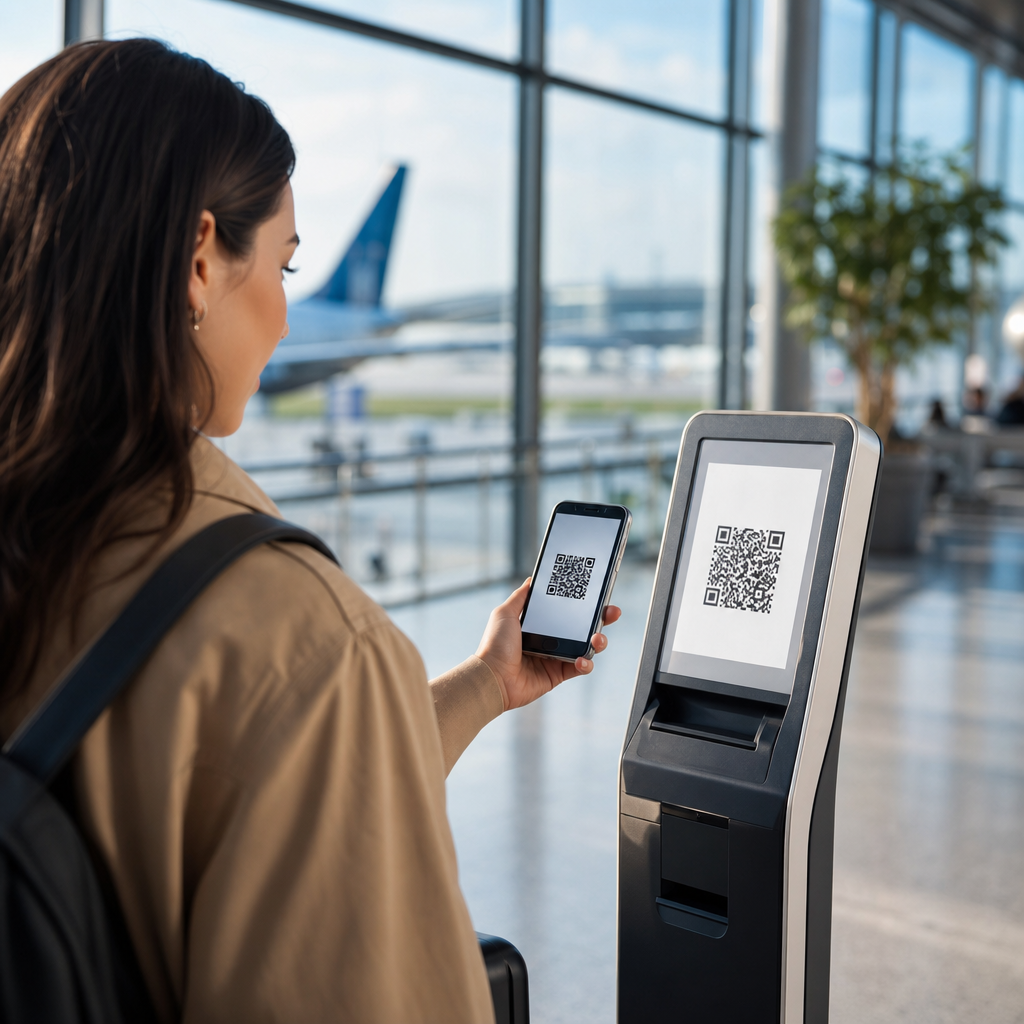
QR codes solve a real event problem: attendees need fast access to information without typing long URLs, downloading a new app, or waiting in line for printed materials. A scan reduces friction in crowded, noisy, time-sensitive environments. At conferences, that can mean pulling up a session deck in seconds. At a music festival, it can mean checking a map, claiming a drink offer, or joining a waitlist for merch. At a fundraising gala, it can mean opening a donation page while emotion and attention are high. The best event QR code campaigns respect context. Codes near entrances help with check-in, agendas, venue maps, and Wi-Fi access. Codes at booths support demos, giveaways, appointment booking, and digital brochures. Codes near exits drive feedback, post-event offers, and community signups.
From a marketing operations standpoint, QR codes create attribution that many offline tactics lack. You can assign unique codes by entrance, sponsor zone, breakout room, tabletop display, lanyard insert, or printed handout to compare performance. This turns physical environments into measurable channels. In one B2B conference program I supported, separate dynamic codes on booth towers, product one-pagers, and speaking-session slides revealed that slide-based scans converted to booked demos at a far higher rate than general booth traffic. That changed staffing, follow-up sequencing, and sponsorship packaging for the next event. The lesson is straightforward: QR code campaigns are not just engagement tools; they are data collection points that reveal attendee intent if you tag destinations properly with analytics parameters and connect them to your CRM or marketing automation platform.
Event-stage QR code campaign ideas that convert
The strongest event programs use QR codes before, during, and after the event instead of relying on a single activation. Before the event, use codes on email signatures, direct mail, posters, partner kits, and social graphics to drive registration, calendar adds, and VIP waitlists. For local events, a code on storefront signage or out-of-home placements can send people to a mobile registration page with map integration. During the event, deploy codes for agenda changes, speaker bios, scavenger hunts, product comparisons, food menus, sponsor offers, and lead forms. After the event, use codes on thank-you signage, takeaway cards, packaging inserts, and recap emails to collect feedback, share recordings, and continue conversations. This lifecycle approach keeps the attendee journey coherent and gives each scan a purpose.
Several campaign structures consistently perform well. A scavenger hunt works because it adds movement, discovery, and reward; each station can teach a product feature, sponsor message, or brand story before unlocking points. A content unlock works when the value is exclusive, such as a benchmark report, template pack, behind-the-scenes video, or limited discount. A “scan to vote” campaign energizes panels, pitch competitions, and fan events because attendees can participate instantly from their phones. A “scan to meet” flow helps exhibitors book appointments without exchanging business cards. At consumer events, “scan to claim” offers tied to timed drops create urgency and spread foot traffic across zones. At internal events, codes linked to pulse surveys can surface operational issues in real time, letting organizers fix signage, seating, or catering before complaints spread.
| Event moment | Best QR code use | Primary goal | Example |
|---|---|---|---|
| Pre-event | Registration and calendar add | Attendance growth | Flyer code opens mobile signup page with Apple and Google calendar links |
| Check-in | Wayfinding and Wi-Fi access | Reduced friction | Entrance sign links to map, badge pickup info, and network password |
| Booth visit | Demo request form | Lead capture | Product display code routes visitors to a two-field booking form |
| Session | Slides, polls, and Q&A | Engagement | Presenter slide code opens live poll and downloadable deck |
| Sponsor zone | Offer redemption | Sponsor ROI | Beverage partner code unlocks one-time coupon tied to badge ID |
| Post-event | Survey and replay access | Retention | Exit signage code leads to feedback form and session recordings |
Creative marketing ideas using QR codes for different event formats
Different venues require different QR code strategies. Trade shows reward speed and lead quality, so booth-side codes should point to concise mobile forms, product selectors, case studies, and meeting calendars. A useful pattern is to place one code for top-of-funnel visitors who want a brochure and another for high-intent buyers who want pricing or a consultation. Conferences reward content utility, so codes belong on stage screens, seat drops, name badges, hallway signs, and coffee areas where attendees have short dwell times. Consumer pop-ups reward delight and social sharing, so codes can trigger augmented reality filters, limited-edition drops, digital stamp cards, or user-generated content contests. Fundraising events reward emotional immediacy, so donation codes should use streamlined payment pages with preset amounts, digital wallet support, and messaging that connects the gift to a tangible outcome.
Hybrid and virtual-adjacent events have their own opportunities. If your event has livestreams or on-demand sessions, a QR code shown on venue screens can let in-person attendees bookmark content they missed, while printed codes in mailed attendee kits can route remote participants to the same hub. Sports events can use section-specific codes for concessions, seat upgrades, fan voting, and sponsor games. Hospitality events can connect codes on table tents to chef notes, wine pairings, waitlists, or loyalty enrollment. University and campus events can place codes on orientation signs, department booths, and residence hall materials to centralize schedules, maps, and student service resources. The principle is not novelty for its own sake. The principle is matching the code destination to the friction point attendees are most likely to experience in that setting.
How to design QR code experiences people actually scan
Placement, design, and landing-page performance determine whether a campaign succeeds. Start with scan distance. A code on a presentation slide must be large enough to scan from the back of the room; a code on a tabletop sign can be smaller because the viewer is close. Contrast matters more than decoration. Dark code, light background, and a quiet zone around the symbol outperform stylized treatments that interfere with camera recognition. Include a short call to action beside the code, because attendees need a reason to scan. “Scan for agenda” beats “Learn more.” “Scan to get your free sample,” “Scan to book a demo,” and “Scan to vote now” beat vague copy every time. Where possible, add a short fallback URL for accessibility and edge cases.
The destination page needs equal attention. Mobile-first design is nonnegotiable. Keep load times low, use compressed images, and avoid heavy scripts on venue Wi-Fi. If the code opens a form, reduce fields aggressively. I usually start with email, company, and one qualifying question for B2B events, then enrich later through follow-up. If the code unlocks content, place the asset above the fold or gate it lightly; making people hunt for the promised value destroys trust. Branded but simple pages convert best. Add analytics parameters, event naming conventions, and consent language where required. Test codes on multiple phones, lighting conditions, and connection speeds. Also test the surrounding environment. A perfect QR code on a reflective acrylic stand under harsh lights may scan poorly in practice.
Measurement, compliance, and operational pitfalls
Event marketers should treat QR code campaigns as performance channels with operational dependencies. Measure scans, unique users, click-through to downstream actions, form completion, coupon redemption, appointment bookings, and influenced revenue where possible. Distinguish curiosity scans from meaningful conversions. A sponsor may celebrate a thousand scans, but if only twenty people redeemed the offer or shared contact details, the activation needs work. Use UTM conventions, event-specific dashboards, and CRM source mapping to compare placements and campaigns. If multiple stakeholders are involved, create a naming taxonomy before the event. That prevents the common reporting mess where booth signage, speaker slides, and partner inserts all appear under inconsistent labels and can no longer be compared cleanly.
Compliance and trust are just as important. If a scan collects personal data, disclose what happens next and honor regional privacy requirements. For European audiences, teams should review consent practices against GDPR expectations. For California residents, CCPA considerations may apply depending on data handling. Security matters because users are increasingly aware that malicious codes can redirect them to harmful destinations. Use recognizable branding, plain-language destination descriptions, and secure HTTPS pages. Avoid covering venue surfaces with too many codes; choice overload lowers response rates and confuses attribution. Another pitfall is using one generic code everywhere. That may simplify printing, but it erases insight. Segment by use case and location. Finally, train staff. A booth team that can explain exactly what a scan delivers will outperform a team that points silently at a sign.
Building a sustainable hub strategy around QR code campaign ideas
As a sub-pillar hub, this topic should connect broad event strategy with deeper articles on specific use cases, industries, and execution details. The hub’s job is to orient the reader, define the main campaign models, and guide them toward related content such as trade show lead capture ideas, QR code scavenger hunt examples, restaurant and hospitality activations, nonprofit donation campaigns, packaging-based event follow-up, and analytics setup for dynamic QR codes. That structure helps readers find the right tactic quickly while signaling topical depth across the site. It also mirrors how buyers think. Most do not start by searching for a specific tool feature. They start with a business goal: drive registrations, increase booth engagement, improve sponsor ROI, or capture post-event feedback.
For the strongest long-term results, document campaign patterns that can be repeated. Build templates for landing pages, signage copy, UTM structures, consent language, and post-scan follow-up. Keep a library of proven call-to-action phrases by event type. Review scan heatmaps and conversion data after each event, then update standards. Over time, this turns QR code marketing from a clever add-on into an operating capability. The main benefit is not simply more scans. It is better event orchestration: clearer journeys, stronger attribution, better sponsor packaging, and faster optimization across events of every size. If you are planning your next conference, expo, fundraiser, or pop-up, start by mapping attendee questions at each moment and assigning one useful QR action to each. Then test, measure, and expand what works.
Frequently Asked Questions
1. What makes a QR code campaign for events truly effective instead of just a novelty?
An effective QR code campaign is not defined by the code itself, but by the experience it unlocks and where it fits within the attendee journey. At events, the strongest QR code campaigns are planned intentionally across pre-event, on-site, and post-event touchpoints. Instead of placing a generic code on a banner and hoping people scan it, successful organizers connect each code to a clear purpose such as accelerating registration, delivering personalized agendas, unlocking booth experiences, collecting lead data, sharing presentation materials, offering time-sensitive incentives, or extending networking after the event ends.
The key difference between a basic QR code and a strategic campaign is relevance, context, and measurability. A basic QR code may simply send everyone to a homepage. A strategic QR code sends a specific audience to a mobile-friendly destination tailored to what they need in that moment. For example, a code at check-in might open a digital badge and venue map, while a code at a sponsor booth might trigger a product demo, giveaway entry, or meeting request form. This creates less friction for attendees and more useful behavioral data for organizers and exhibitors.
Effective campaigns also remove unnecessary steps. If an attendee has to pinch and zoom, fill out a long form, download an app, or search for the right page after scanning, response rates usually drop. The best event QR experiences are fast, mobile-first, and immediately rewarding. They tell attendees exactly why they should scan, what they will get, and how long it will take. A simple call to action such as “Scan to book a 5-minute demo and receive the session slides” performs far better than “Scan here.”
Finally, effectiveness depends on measurement. Dynamic QR codes allow marketers to update destinations without reprinting assets and track scan volume, time, location, and engagement patterns. That data helps teams identify which placements worked, which messages drove action, and how event interactions contributed to pipeline and follow-up. In other words, a truly effective QR code campaign turns a scan into a meaningful next step and gives the event team a way to prove impact.
2. What are some innovative QR code campaign ideas that work especially well at events?
Some of the most innovative QR code campaign ideas work because they blend utility, interactivity, and incentive. One strong idea is to build a QR-powered event journey. Before the event, QR codes on email invitations, direct mail, and social posts can lead to registration pages, teaser videos, speaker announcements, or calendar add-ons. At arrival, another code can simplify check-in, provide venue navigation, or help attendees select tracks and sessions. During the event, QR codes can power live polls, scavenger hunts, sponsor engagement, instant lead capture, session handouts, product demos, and networking opt-ins. After the event, they can direct people to recordings, special offers, community signups, or meeting scheduling pages.
Interactive gamification is especially effective. Organizers can place unique QR codes throughout the venue and reward attendees for scanning stations tied to exhibitors, keynote sessions, or educational checkpoints. That can increase booth traffic, distribute footfall more evenly, and encourage discovery beyond the most visible attractions. A leaderboard, prize drawing, or points-based reward system adds momentum, especially when tied to sponsor participation.
Another high-performing concept is QR-enabled personalization. Rather than offering the same destination to everyone, event marketers can create segmented landing pages for attendees, VIPs, media, sponsors, students, or prospects from different industries. A code on a breakout-room sign might lead to session-specific resources, while a code at a hospitality area could unlock curated content or networking groups based on attendee interests. This makes the event feel more relevant and more intentionally designed.
Content distribution is another major opportunity. Instead of asking attendees to search for slides, brochures, menus, or speaker bios later, event teams can place QR codes directly where interest happens. A code on a stage screen can deliver real-time presentation assets. A code at a demo table can launch a case study, pricing guide, or comparison sheet. A code at a networking lounge can open a digital contact card or opt-in form for follow-up. These practical uses are innovative because they transform static spaces into measurable engagement moments.
Brands can also use QR codes to create app-free experiences, which is particularly valuable when event app adoption is low. Examples include instant surveys, RSVP pages for side events, digital swag redemption, feedback collection, waitlist signups, photo gallery access, menu ordering, and donation prompts for cause-related activations. The most successful ideas align with attendee intent and reduce friction while giving sponsors and organizers clear data on participation and conversion.
3. Where should QR codes be placed at an event to maximize scans and engagement?
Placement has a major influence on campaign performance because even the most compelling QR experience will underperform if people do not notice it, trust it, or have enough time and motivation to scan it. The best placements are high-visibility areas where attendees naturally pause, wait, decide, or seek information. Registration desks, welcome signage, badge pickup stations, session entrances, booth counters, table tents, presentation screens, printed agendas, lanyard cards, attendee gift bags, and networking lounges are all strong candidates when the code matches the attendee’s immediate need.
The context around the QR code matters just as much as the physical location. People are more likely to scan when the purpose is obvious. For example, a code near the entrance that says “Scan for venue map and today’s schedule” feels useful and timely. A code outside a session room that says “Scan for slides, speaker bio, and live Q&A” gives a clear reason to engage. A code on a sponsor booth that says “Scan for instant giveaway entry and 2-minute demo” creates a direct value exchange. The message should explain the benefit, not assume that the code alone will generate curiosity.
Practical scanability is also essential. Codes should be large enough to scan from the expected viewing distance, printed with high contrast, and placed at a comfortable eye or hand level where crowds will not block access. Lighting conditions, glossy materials, curved surfaces, and cluttered design can all reduce performance. It is also smart to include a short backup URL for accessibility and to reassure attendees about where the code leads. At larger venues, teams should test scan distance and mobile load times in real conditions before the event begins.
To maximize engagement, marketers should map placements to event stages. At arrival, use QR codes for onboarding and orientation. In content zones, use them for session resources and interaction. In exhibitor areas, use them for demos, lead capture, and gamification. In hospitality and networking spaces, use them for contact exchange, community signup, and side-event registration. After sessions or activations, use exit-point placements for feedback, next-step offers, and content downloads. When placement is tied to intent, scan rates and downstream conversions typically improve significantly.
4. How can event marketers track the success of a QR code campaign and connect it to real business results?
Tracking success starts with defining what the QR code campaign is supposed to accomplish. For some events, the goal may be higher session participation, more sponsor interaction, or faster check-in. For others, it may be qualified lead capture, content downloads, meeting bookings, or post-event community growth. Once the objective is clear, marketers can assign distinct dynamic QR codes to each placement, message, audience segment, or activation so performance can be measured accurately rather than blending all scans together.
The most useful metrics go beyond raw scan count. Scan volume is a starting point, but it does not reveal whether the campaign created meaningful engagement. Stronger indicators include unique scans, repeat scans, conversion rate on the landing page, form completions, dwell time, meeting requests, coupon redemptions, session attendance influenced by the scan, resource downloads, and opt-ins for future communication. For sponsors and revenue teams, the most valuable data often includes lead quality, account matching, sales follow-up outcomes, pipeline influence, and eventual closed-won business tied to event interactions.
To connect QR activity to real outcomes, integrate the landing experiences with analytics, CRM, marketing automation, and event platforms whenever possible. For example, if a booth QR code directs attendees to a short form that captures company, role, area of interest, and demo request, that scan can become a qualified lead in the CRM with source attribution already attached. If a session QR code delivers a content asset and asks one follow-up question about buying timeline, the organizer gains both engagement insight and actionable qualification data. This is where QR campaigns move from convenience tool to measurable demand-generation channel.
Marketers should also compare results by placement, timing, CTA wording, and audience type. A code on stage may generate more scans than one on a flyer, but the flyer may produce more qualified leads if it is distributed to a targeted audience. Similarly, “Scan to win” may drive volume, while “Scan to book a strategy consult” may drive fewer but higher-intent conversions. Reviewing this performance after the event helps teams improve future campaigns and justify spend to stakeholders, sponsors, and leadership.
Ultimately, the campaign should be judged not just by how many people scanned, but by what happened next. The strongest QR code programs create a measurable path from attendee engagement to pipeline, retention, sponsorship value