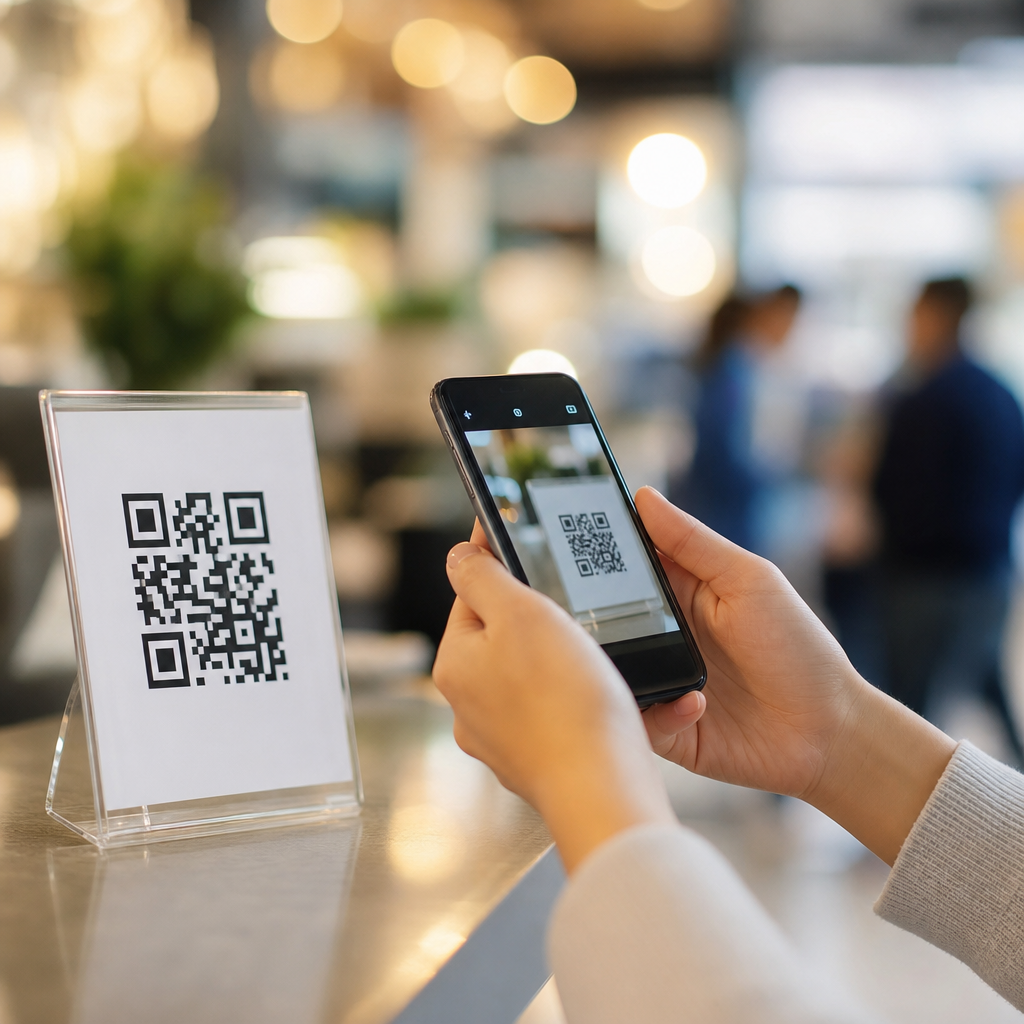

QR codes are not only useful for younger consumers, and treating them that way is one of the most persistent myths in digital engagement. A QR code, or quick response code, is a two-dimensional barcode that opens a link, downloads a file, starts a payment flow, saves contact information, or triggers another digital action when scanned with a smartphone camera. In the years before widespread smartphone adoption, many campaigns used QR codes poorly and audiences of all ages ignored them. That history still shapes assumptions today. I have seen clients dismiss QR programs because they believed older adults would never scan, only to watch participation rise after basic design, placement, and instruction improved. The core issue is not age alone. It is usefulness, clarity, accessibility, and trust.
This matters because QR codes now sit at the intersection of physical and digital customer journeys. Restaurants use them for menus and payments. Healthcare systems use them for appointment check-in and patient education. Retailers use them for product details, loyalty enrollment, and post-purchase support. Government agencies, event venues, transit systems, and nonprofits use them to connect printed materials to live information without reprinting every asset. When businesses assume only younger users engage, they make bad decisions about campaign design, channel mix, and customer support. They also miss a practical truth: smartphone use among older age groups has climbed steadily for years, and familiarity with scanning behavior expanded dramatically during the pandemic through menus, vaccine forms, ticketing, and contactless services.
As the hub article for QR code myths and misconceptions, this guide addresses the biggest misunderstandings directly. It explains why age is a weak predictor of QR success, what actually drives scan rates, where adoption barriers still exist, and how to design QR experiences that work across generations. It also clarifies related myths, including whether QR codes are outdated, insecure by default, difficult to use, or effective only for simple web links. If you want a grounded view of QR code basics and education, start here: the strongest QR strategies are built around customer context, not stereotypes about who is willing to scan.
Why the “young people only” myth persists
The myth survives because it contains a small historical truth wrapped in a larger modern error. Early QR campaigns in North America and Europe often targeted tech-forward audiences, especially in consumer electronics, entertainment, and youth marketing. At the time, scanning usually required a dedicated app, data connections were slower, and many codes sent people to non-mobile-friendly pages. That created friction. Marketers then confused poor implementation with audience limitation. In practice, older users were not rejecting QR codes as a concept; they were rejecting awkward experiences.
My work auditing underperforming QR campaigns shows the same pattern repeatedly. A code placed too high on a poster, printed too small, or paired with no explanation underperforms across all age groups. A code that launches a cluttered form with tiny text will fail with younger users too, even if they are more comfortable experimenting. Once Apple and Android camera apps normalized native scanning and brands started using cleaner landing pages, the behavior became mainstream. The pandemic accelerated this shift because millions of people scanned out of necessity, not novelty. That behavior change cut across generations.
Another reason the myth remains popular is that age is an easy story to tell. It feels intuitive, and it gives teams a simple excuse when results disappoint. But scan behavior depends more on perceived value than birth year. If the code promises something concrete, such as “view ingredient list,” “pay invoice,” “watch setup video,” or “check train times,” people scan when they need the answer. Utility beats demographic assumptions almost every time.
What the data and real-world behavior actually show
Older consumers are not a monolith, and neither are younger consumers. Pew Research Center has consistently documented high smartphone ownership across U.S. adults, including older segments, even though the percentages decline somewhat with age. That matters because smartphone ownership is the first gating factor for QR use. The second is situational familiarity. Once people have scanned successfully in one context, such as a restaurant or pharmacy, the behavior transfers more easily to retail packaging, printed mail, or service counters.
In healthcare settings, I have seen patients in their sixties and seventies scan codes to access preparation instructions because paper handouts are easier to lose and phone support lines have wait times. In home services, older homeowners regularly scan invoice codes to pay balances or save contractor details. In museums, retirees use QR codes for expanded exhibit labels, audio guides, and multilingual content. These are not edge cases. They reflect practical adoption where the value is immediate and the instructions are clear.
| Myth | Reality | What improves results |
|---|---|---|
| Only younger people scan QR codes | Adoption spans age groups when the task is useful | Clear benefit, visible placement, simple instructions |
| QR codes are hard to use | Most modern phones scan from the native camera | Short prompt such as “Open camera and point here” |
| QR codes are unsafe by nature | Risk comes from destination quality, not the symbol itself | Branded domains, HTTPS, and destination transparency |
| QR codes are outdated marketing gimmicks | They are standard utilities in payments, tickets, menus, and support | Use live information and measurable landing pages |
| QR codes only link to websites | They can trigger payments, app actions, downloads, forms, and contacts | Match the code type to the customer task |
The stronger interpretation of market behavior is straightforward: QR adoption rises when friction falls and utility is obvious. This is why sectors with clear next steps, including payments, transport, healthcare, and events, often outperform purely promotional use cases. It is also why campaign measurement should focus on location, offer, and landing-page completion rather than age-based assumptions. If a code near a product shelf gets scans but poor conversion, the problem is usually the follow-through experience, not the scanner’s age.
The real barriers to QR code adoption across generations
If age is not the main obstacle, what is? In practice, four barriers matter most: discoverability, usability, trust, and connectivity. Discoverability means people must notice the code and understand why scanning is worth their effort. A lonely black-and-white square with no call to action is easy to ignore. Usability covers print quality, size, contrast, scan distance, and mobile page performance. Trust determines whether the user believes the destination is legitimate. Connectivity still matters in rural areas, dense venues, or older buildings where signal is unreliable.
Accessibility issues also matter more than many teams realize. Some users have reduced vision, limited dexterity, or lower confidence switching between physical and digital tasks. Those realities affect people of many ages, but prevalence can increase with age, making thoughtful design essential. I recommend larger codes, high contrast, plain-language prompts, and fallback options such as a short URL or phone number. None of these additions weaken a QR strategy. They make it stronger because they widen the addressable audience.
There is also a difference between inability and reluctance. Someone may know how to scan but choose not to if the request feels invasive, unnecessary, or risky. For example, asking a shopper to scan simply to read a basic price or ingredient panel can feel manipulative. Asking them to scan for a detailed product demo, comparison chart, or warranty registration feels more reasonable. Respect for user effort is central to adoption.
How to design QR code experiences that work for everyone
Effective QR design starts before the code is generated. First, define the user’s job to be done. Are they trying to learn, buy, register, pay, compare, troubleshoot, or contact support? Then choose the destination accordingly. A dynamic QR code linked through a management platform can be updated later without reprinting, which is useful for seasonal campaigns, changing menus, or rotating PDFs. Static codes have their place for permanent information, but they are less flexible when destinations change.
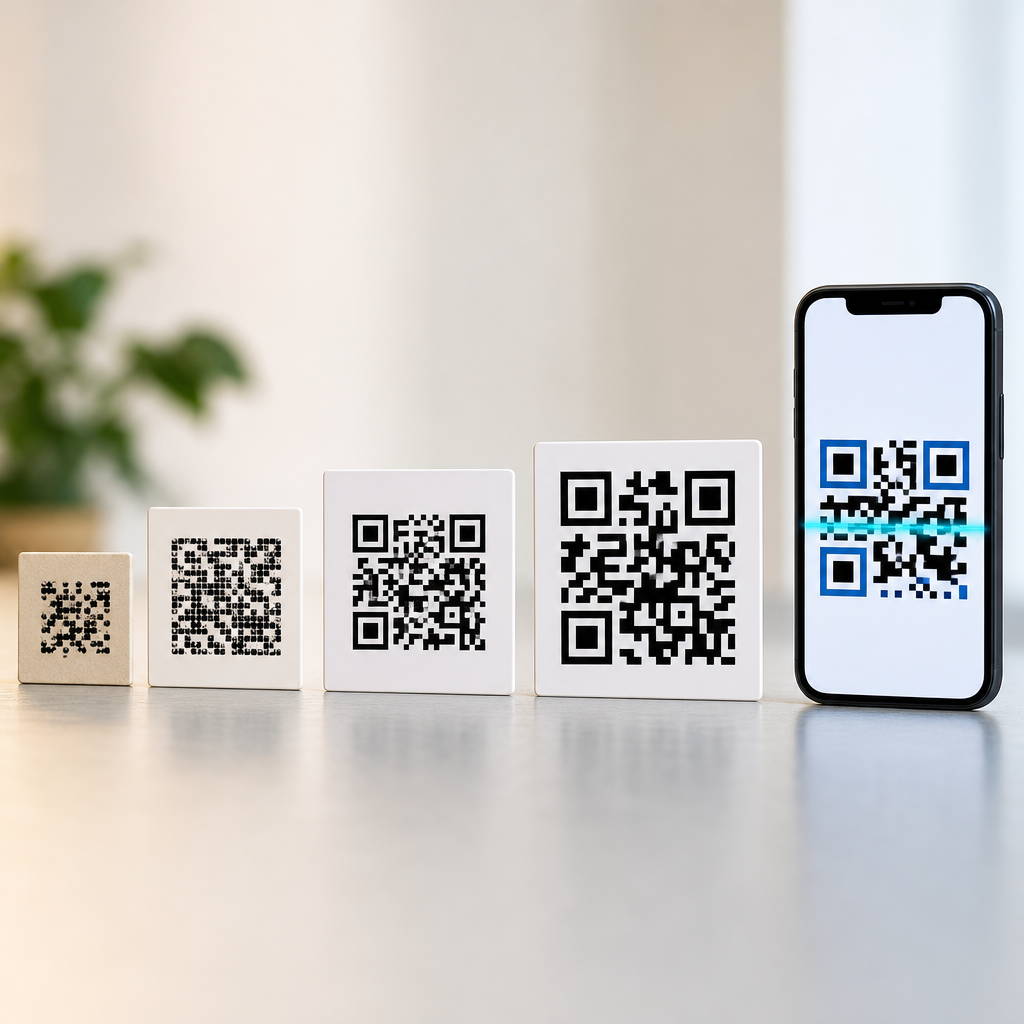
Placement and context are decisive. A package code may be scanned from a hand’s length away, while a poster code in a station may be scanned from several feet away. That changes minimum size requirements. Good practice usually means preserving a quiet zone around the code, ensuring strong contrast, and testing on multiple devices under realistic lighting. The destination should load quickly, use large tap targets, and get to the answer immediately. If the QR promise is “assembly video,” do not send visitors to a homepage where they must hunt for the tutorial.
Instructional copy matters more than many marketers think. A brief line such as “Scan to see side effects,” “Scan to hear audio tour,” or “Scan to pay securely” sets expectations and reduces hesitation. In older audiences, this simple prompt often boosts use because it removes uncertainty about what will happen next. So does visible branding. When users recognize the organization and can preview a trustworthy domain, confidence improves.
Measurement should go beyond scans. Track successful page loads, completion rates, bounce rates, and downstream actions such as form submission, payment, or video completion. Use UTM parameters, analytics events, and unique codes by placement so you can learn which contexts succeed. This discipline quickly reveals whether assumptions about audience age are actually masking issues with offer relevance or landing-page design.
Addressing related QR code myths and misconceptions
The age myth connects to several others. One is that QR codes are a temporary trend. In reality, they are durable because they solve a persistent problem: linking offline surfaces to live digital content cheaply and instantly. Another myth is that QR codes are inherently insecure. The real security question is destination control. Reputable use means HTTPS pages, clear branding, and governance over redirect rules. In higher-risk environments, organizations should monitor for tampering on physical signage and use shortened paths on owned domains rather than unfamiliar link shorteners.
A third misconception is that every QR experience should force an app download. Usually that hurts performance. Mobile web flows are often better for first-time interactions because they remove installation friction. A fourth myth is that QR codes replace all other access methods. They should not. Inclusive execution preserves alternatives such as NFC, short links, printed instructions, or staff assistance. Redundancy is not inefficiency when it prevents drop-off.
Finally, many teams assume QR codes are mainly for marketing attribution. Measurement is valuable, but utility comes first. The best-performing codes I have worked with answered a specific customer need in the moment. When a code delivers immediate value, attribution becomes a byproduct of good service rather than the only reason the code exists.
Building a strong QR education hub for this subtopic
Because this article anchors a broader “QR Code Myths & Misconceptions” cluster, it should guide readers naturally to deeper questions. Useful companion articles include whether QR codes are safe, whether businesses still need printed URLs, whether static or dynamic codes are better, why some QR campaigns fail, and how to make QR codes accessible for older adults and users with disabilities. Those topics support internal linking and help readers move from broad myth-busting to implementation detail.
The main takeaway is clear. QR codes are not age-locked technology. They are task-driven tools whose success depends on context, design, clarity, and trust. Younger consumers may adopt new interfaces faster on average, but older consumers routinely use QR codes when the experience is relevant and well built. If your goal is stronger engagement, better service, and measurable offline-to-online journeys, stop segmenting by stereotype and start optimizing for real customer needs. Audit your current codes, test the full journey on multiple devices, add plain-language prompts and fallback options, and use this hub as the starting point for a smarter QR code education strategy.
Frequently Asked Questions
Are QR codes only effective with younger consumers?
No. QR codes are not limited to younger consumers, and assuming they only work with Gen Z or millennials is one of the most outdated ideas in digital marketing. A QR code is simply a fast bridge between a physical touchpoint and a digital action. When someone scans a code, they can open a webpage, view a menu, download a coupon, make a payment, save contact details, or access support information in seconds. That convenience appeals to people across age groups, not just younger audiences. What matters most is not age alone, but whether the QR code solves a problem clearly and quickly.
Older consumers are often very willing to use QR codes when the value is obvious. If a code helps them avoid typing a long web address, access step-by-step instructions, register a product, refill a prescription, or claim a discount, adoption can be strong. Smartphone use among older adults has grown significantly, and scanning a code with a built-in camera is now a simple behavior for many people. In other words, QR code performance is less about generational identity and more about usability, trust, and relevance. When brands design the experience well, QR codes can be effective with younger, middle-aged, and older consumers alike.
Why did QR codes once seem unpopular with broad audiences?
QR codes developed a weak reputation in the early years because many campaigns used them badly, not because consumers of a certain age were inherently uninterested. Before smartphone cameras made scanning easy, people often had to download a separate app just to read a code. That extra step created friction. On top of that, many businesses placed QR codes in inconvenient places, linked them to non-mobile-friendly pages, or offered little reason to scan in the first place. If a code led to a generic homepage, a confusing website, or irrelevant content, consumers quickly learned to ignore it.
Those poor experiences affected audiences across all demographics. A badly implemented QR code is frustrating whether someone is 22 or 72. The difference today is that the technology and user expectations have matured. Most smartphones can scan codes directly from the camera, mobile websites are more common, and consumers are far more familiar with contactless interactions. Restaurants, healthcare offices, retailers, event venues, and service providers have all normalized QR-based experiences. As a result, the earlier failure of many QR campaigns should be viewed as a usability issue and a timing issue, not evidence that QR codes are only for younger people.
What makes a QR code campaign work well for older consumers?
The best QR code campaigns for older consumers follow the same principle as good marketing in general: make the next step obvious, useful, and easy. Start with a clear call to action near the code, such as “Scan to book an appointment,” “Scan for larger-print instructions,” or “Scan to view product support videos.” People are more likely to engage when they know exactly what will happen after scanning. Size and placement also matter. The code should be large enough to scan comfortably, printed with strong contrast, and placed in a well-lit, accessible location.
Just as important is what happens after the scan. The landing page should load quickly, be mobile-friendly, use readable fonts, and avoid clutter. If the destination includes tiny text, confusing navigation, or too many form fields, users of any age may abandon it. Trust is another major factor. Consumers are more willing to scan when the brand is recognizable and the context feels legitimate. In many cases, QR codes work particularly well for older audiences when they reduce effort, such as providing instant access to warranty registration, medication instructions, contact information, coupons, customer service, or payment options. The simpler and more beneficial the experience, the stronger the response.
In which industries or situations do QR codes appeal to consumers of all ages?
QR codes are versatile because they support everyday tasks that matter to nearly everyone. In retail, they can connect shoppers to product details, reviews, promotions, loyalty programs, or out-of-stock ordering options. In healthcare, they can direct patients to appointment check-in, forms, educational materials, and follow-up instructions. In hospitality and restaurants, they can open menus, special offers, reservation systems, or feedback forms. At events, they streamline ticketing, schedules, maps, and networking. In financial or service contexts, they can trigger secure payment flows, account access, or support resources.
What these use cases have in common is not youth appeal, but convenience. Consumers across age groups appreciate fewer steps, faster access to information, and less manual input. A parent in their 40s, a retiree in their 60s, and a college student in their 20s may all value a code that instantly brings up installation instructions or a discount offer. QR codes are especially effective when they remove friction from a real-world moment. If someone is standing in a store aisle, receiving a mailed statement, opening product packaging, or waiting in an office, a well-placed QR code can provide immediate help. That broad utility is why QR codes are relevant across industries and demographics.
How can businesses avoid the myth that QR codes are only for younger users when planning marketing campaigns?
Businesses should begin by shifting their mindset from demographics-first thinking to experience-first thinking. Instead of asking, “Will older consumers use QR codes?” the better question is, “What useful action can we make easier with a QR code?” That change in approach leads to stronger execution. If a business uses QR codes to simplify common tasks, explain the benefit clearly, and ensure the mobile experience is intuitive, it can reach a far wider audience than many assume. The code itself is not the strategy; the value delivered after the scan is what determines success.
It also helps to test campaigns with a mix of age groups rather than relying on assumptions. Real user feedback often reveals that older consumers are comfortable scanning when instructions are clear and the destination is worthwhile. Businesses should use plain language, visible design, and trustworthy branding, while also offering a fallback option such as a short URL or phone number for those who prefer another path. Tracking scan rates, conversions, and user behavior can then show which placements and messages resonate best. When companies focus on accessibility, clarity, and relevance, they usually find that QR codes are not a youth-only tactic at all, but a practical engagement tool for modern consumers of all ages.