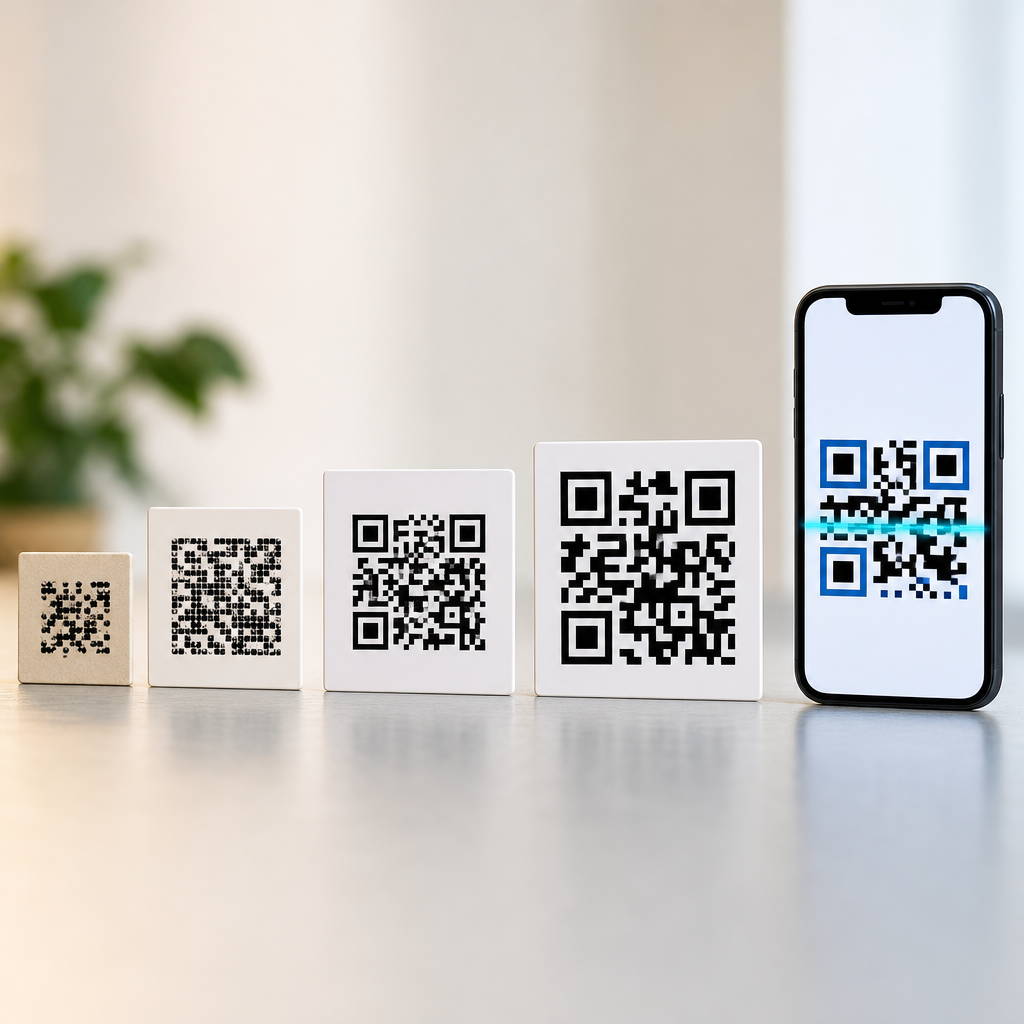

Static QR codes are often more reliable over the long term, but only when reliability is defined correctly and weighed against flexibility, analytics, and maintenance risk. In QR code projects, “static” means the encoded destination is fixed inside the symbol itself, while “dynamic” means the symbol points to a short redirect URL that can be edited later in a management platform. That distinction matters because businesses usually ask one practical question: will this code still work years from now on packaging, signs, manuals, menus, labels, and archived documents? I have worked with QR deployments on retail packaging, trade show materials, and industrial documentation, and the strongest long-term results came from teams that matched code type to the lifespan and change frequency of the content. A static QR code can remain scannable indefinitely because it has no dependency on a third-party redirect service after printing. A dynamic QR code can also last for years, but only if the platform, domain, subscription, and redirects are actively maintained. Understanding static vs dynamic QR codes is essential because the wrong choice creates broken scans, compliance issues, reprint costs, and lost traffic. This hub explains how both types work, where each is strongest, what can fail over time, and how to choose a QR strategy that stays dependable.
What static and dynamic QR codes actually do
A static QR code directly stores the final payload. That payload might be a website URL, plain text, Wi-Fi credentials, contact data in vCard format, an email template, or an SMS command. When a phone scans the code, the scanner reads the data from the pattern and acts on it immediately. If the payload is a URL, the user goes straight to that address. There is no editable middle layer. If the destination changes, the printed code becomes outdated and must be replaced. That is the main tradeoff: permanence of content structure versus flexibility of destination management.
A dynamic QR code works differently. The visible code usually contains a short URL controlled by a QR platform. That URL redirects the user to the final destination. Because the redirect can be updated in a dashboard, the printed symbol stays the same even if the target page changes. Dynamic systems also support scan analytics such as timestamp, rough location, device type, campaign tagging, and A/B routing. In my experience, marketing teams immediately see the appeal because dynamic codes reduce reprint costs and make campaign measurement possible. Operations teams, however, are right to ask what happens if the provider shuts down, a subscription lapses, or a domain is misconfigured.
Are static QR codes more reliable over the long term?
Yes, static QR codes are generally more reliable over the long term if your only goal is enduring access to a fixed destination without vendor dependence. They remove one entire failure layer: the redirect service. If the encoded URL remains valid and the printed code stays physically legible, the scan works. That simplicity is why static QR codes are often the safer option for documents expected to live for many years, such as equipment labels, printed manuals, museum placards, and educational handouts linking to stable web pages.
However, “more reliable” does not mean “always better.” A static QR code that points to a webpage later removed, redirected poorly, or renamed is no longer useful. Reliability depends on the entire chain, not just the symbol type. In practice, long-term QR reliability has four components: durable print quality, sufficient error correction, a stable destination, and governance over the linked content. Dynamic QR codes are less inherently durable because they add platform and redirect dependencies, yet they can be operationally more reliable when content is expected to change. If a restaurant updates its menu weekly, a static code printed on thousands of tables is actually less reliable for diners because the destination will age fast or require endless reprints.
Long-term failure points that matter most
When teams compare static vs dynamic QR codes, they often focus only on editability. The more important issue is failure modes over time. Static codes can fail when the landing page URL changes, when printed size is too small, when contrast is poor, or when logos and styling interfere with finder patterns. Dynamic codes can fail for all the same physical reasons, plus redirect problems, expired accounts, DNS errors, server outages, SSL certificate failures, and provider shutdowns. I have seen campaigns fail simply because someone changed a destination domain structure without preserving the old path.
The standards side is straightforward. QR codes are defined under ISO/IEC 18004, and scanners generally tolerate damage through Reed-Solomon error correction. That does not protect against bad governance. A code printed on metal equipment can remain readable for ten years, yet still produce a 404 error if the content team retires the page after two. For long-lived assets, URL permanence matters as much as symbol quality. That means planning redirects, owning domains directly, documenting destinations, and avoiding link structures tied to short-term campaigns or vendor subdomains.
Static vs dynamic QR codes at a glance
| Factor | Static QR Code | Dynamic QR Code |
|---|---|---|
| Destination after printing | Cannot be changed | Can be updated anytime |
| Dependency on platform | Low | High |
| Analytics | Very limited | Usually included |
| Best for | Stable long-term content | Campaigns and changing content |
| Risk over many years | URL obsolescence | Platform, domain, and subscription failure |
| Reprint need | High if destination changes | Low unless design changes |
Where static QR codes are the better long-term choice
Static QR codes perform best when the destination is unlikely to change and the asset has a long physical life. Good examples include product serial lookup pages with stable URL architecture, PDF manuals hosted on a permanent resource center, public Wi-Fi credentials in a fixed environment, digital business cards for individuals with established domains, and classroom materials that point to evergreen resources. In regulated settings, static codes can also simplify review because the exact encoded content is known at print time and cannot be altered later without replacing the symbol.
Another strong use case is offline redundancy. If the QR code encodes text, contact details, or Wi-Fi access directly, it remains useful even without a hosted landing page. I often recommend static encoding for emergency procedures, machine configuration notes, and field-service references where network access may be intermittent. The practical lesson is that static codes shine when permanence, transparency, and low dependency are more important than flexibility. They are especially attractive to organizations that already control stable web infrastructure and have discipline around keeping old URLs alive.
Where dynamic QR codes are the better long-term choice
Dynamic QR codes are often the better long-term operational choice when the printed object outlasts the first version of the content. Think of real estate signs, restaurant table tents, product packaging with seasonal offers, event badges, warranty cards, and software setup inserts. In these cases, keeping the same code while changing the destination prevents costly reprints and avoids dead links when a campaign ends. For multi-location businesses, dynamic routing also enables device-aware or geography-based experiences without changing the printed piece.
They also solve measurement problems. If a company wants to know which brochure version drove scans, what time users scanned, or whether in-store signage outperformed direct mail, dynamic QR codes are the practical answer. Platforms such as Bitly, QR Code Generator, Beaconstac, Flowcode, and enterprise link management systems provide redirect control and analytics dashboards. The tradeoff is governance. For long-term dependability, the organization should own the redirect domain when possible, document renewal dates, monitor uptime, and define account ownership so the code does not die when an employee leaves or a subscription card expires.
How to choose the right QR code for durability
The best selection process starts with three questions. First, how long will the printed item remain in use? Second, how likely is the destination to change? Third, do you need analytics or editing after launch? If the print life is long, the destination is stable, and analytics are unnecessary, a static QR code is usually the strongest fit. If the print life is long but the destination is likely to evolve, dynamic is safer despite added technical dependencies. If the print life is short and the campaign is measurable, dynamic is almost always worth it.
I advise clients to score projects against content volatility, ownership stability, and reprint cost. A warehouse label linking to a standard operating procedure may deserve a static code if the document lives at a permanent URL under the company’s own domain. A cereal box promoting rotating recipes should be dynamic because packaging inventories can circulate for months after printing. If uncertainty exists, build a stable evergreen landing page and use the QR code to point there. That one design choice reduces failure risk for both static and dynamic implementations.
Best practices that improve reliability for both types
Regardless of type, QR code reliability begins with scannability. Use high contrast, preserve quiet zones, and avoid over-stylizing modules. For most print uses, a minimum size around 2 x 2 centimeters can work at close range, but larger is safer, especially on posters or packaging scanned in motion. Test across iPhone and Android devices, native camera apps, and lower-end phones. Error correction level should reflect the design environment; higher correction helps when logos or wear are expected, though it increases density and can make very small codes harder to scan.
The landing experience matters just as much. Use mobile-optimized pages, fast hosting, HTTPS, and simple URL structures. If you are using static QR codes for long-term assets, never point directly to fragile campaign pages. Point to a permanent resource hub you control. If you are using dynamic codes, maintain backups of redirect mappings, monitor 301 or 302 behavior, and keep admin access under a shared business account. I also recommend printing human-readable fallback text near important codes so users have an alternative if a scan fails.
Common misconceptions about static vs dynamic QR codes
One common myth is that static QR codes are always free and dynamic QR codes always require expensive subscriptions. In reality, cost depends on tools and scale. Many generators create static codes at no charge, but a business may still incur design, hosting, and governance costs. Dynamic services range from free tiers with branding or limits to enterprise platforms with SLAs and compliance support. Another myth is that dynamic QR codes are inherently less secure. The real issue is trust and transparency. A redirect can hide the final destination from the printed piece, so brand-owned domains and clear labeling matter.
Another misunderstanding is that static codes have no analytics at all. They usually lack built-in scan tracking, but analytics can still come from the destination, such as page visits in Google Analytics 4, server logs, or campaign parameters in the URL. Those methods are less precise than dedicated dynamic scan reporting, yet they are sufficient for many educational and support use cases. Finally, some teams assume a QR code’s lifespan is determined only by the code itself. In practice, content governance, domain ownership, and organizational process decide whether the scan experience survives.
Conclusion
Static QR codes are more reliable over the long term when you need a fixed destination, minimal vendor dependency, and the highest chance that a printed code will still function years later. Dynamic QR codes are more adaptable and often more practical when content changes, measurement matters, or reprints are expensive. The right answer in the static vs dynamic QR codes debate depends on destination stability, print lifespan, and operational ownership. If the content is evergreen and the URL can remain permanent, static is usually the safest foundation. If the content will evolve, dynamic can be the more dependable user experience because the printed code does not need to change.
For most organizations, the winning strategy is simple: protect long-term URLs, match the QR type to content volatility, and test before large-scale printing. Treat QR codes as part of your information architecture, not just as graphics added at the end of a design project. When you do that, reliability stops being guesswork. Review your current printed assets, map where each code leads, and choose static or dynamic based on how that destination will hold up over time.
Frequently Asked Questions
Are static QR codes actually more reliable over the long term?
Static QR codes are often more reliable over the long term if you define reliability as the ability to keep working without depending on a third-party redirect service, subscription, dashboard, or hosted campaign infrastructure. A static QR code contains the final destination directly in the pattern, so when someone scans it, their device goes straight to that encoded URL, text, phone number, email address, or other data. That removes one layer of technical dependency, which is a real advantage over time. If there is no redirect platform in the middle, there is no risk of that platform shutting down, changing pricing, suspending the account, misconfiguring the redirect, or failing to renew a domain used for link routing.
However, static does not automatically mean “always safer” in every practical sense. If the destination you encoded changes, the QR code cannot be edited. If you printed a static QR code pointing to a product page, event page, or campaign URL that later gets removed, restructured, or redirected poorly, the code may still scan perfectly but lead users to a dead end. That is why long-term reliability depends not just on the QR format, but on the durability of the destination itself. A static QR code tied to a stable, well-managed URL structure can be extremely dependable for years. A static QR code tied to a short-lived marketing page may become useless quickly.
So the best answer is that static QR codes are more reliable when the linked content is intended to remain stable and when minimizing outside dependencies is the top priority. They are less reliable when the business expects frequent updates, changing destinations, or a need for later correction. Long-term success comes from matching the code type to the lifespan and maintenance reality of the content behind it.
What is the biggest long-term risk with static QR codes if they do not depend on a platform?
The biggest long-term risk is not usually the QR code symbol itself. It is the destination management behind it. A static QR code can survive for years on packaging, signage, manuals, labels, monuments, and printed materials because the image itself does not expire. But if the encoded URL changes, the code cannot follow that change unless the original destination is still under your control and properly redirected. In other words, static QR codes are only as durable as your commitment to maintaining the exact address they contain.
This becomes especially important when businesses redesign websites, migrate to new ecommerce systems, change domain names, retire campaign pages, or reorganize content structures. A company might assume a QR code is “permanent” because it is static, but if it points to a page that gets deleted two years later, end users will experience failure just the same. For that reason, organizations using static QR codes long term should encode stable URLs, avoid temporary campaign paths, and build URL governance into website operations. That may include maintaining redirects indefinitely, using evergreen landing pages, and documenting where printed QR codes have been deployed.
Another risk is human error at the time of creation. Because static QR codes cannot be changed after printing, a typo, tracking parameter mistake, or incorrect destination can become expensive. With dynamic codes, a bad destination can be fixed centrally. With static codes, the only remedy may be reprinting and redistributing materials. So while static QR codes reduce vendor dependency, they increase the importance of careful planning, QA, and long-term URL stewardship.
When should a business choose a static QR code instead of a dynamic one?
A business should choose a static QR code when the destination is highly stable, the use case is simple, and the goal is maximum independence from external platforms. Good examples include linking to a homepage with a durable URL, connecting to a permanent product support page, sharing Wi-Fi credentials, storing contact information, or placing a code in an environment where the organization wants as few moving parts as possible. Static codes can be an excellent fit for long-lived assets such as equipment labels, manuals, facility signs, permanent displays, and packaging that may circulate for a long time.
Static codes also make sense when analytics are not essential. Since they do not route through a management platform, they typically do not provide built-in scan tracking, device statistics, geography data, or time-based reporting. For some organizations, that is a worthwhile tradeoff. They prefer a direct, no-subscription, no-dashboard approach and are willing to give up editability and measurement in exchange for simplicity and control.
By contrast, a business should think carefully before using static QR codes for active marketing campaigns, promotions, menus, event materials, seasonal offers, or any destination likely to change. If there is a real chance the content will be updated, moved, localized, tested, or replaced, dynamic codes are often more practical because the printed symbol can stay the same while the destination changes behind the scenes. The decision is less about which type is universally better and more about whether permanence or flexibility matters more in that specific project.
Do dynamic QR codes make long-term reliability worse because they add a redirect?
Dynamic QR codes do add another layer, and that layer can introduce failure points. A dynamic code typically sends users to a short URL managed by a QR platform, which then redirects them to the current final destination. That means long-term reliability depends not only on the end page and the printed code, but also on the health of the redirect service, the account status, the platform’s domain, DNS, hosting, SSL certificates, and business continuity. If that ecosystem breaks, scans may fail even if the final destination still exists.
That said, it would be too simplistic to conclude that dynamic codes are therefore unreliable. In many real-world situations, dynamic codes are more operationally reliable because they let teams correct mistakes, update destinations, preserve functionality during website migrations, and avoid broken scans when campaign URLs change. If a company has strong vendor management, documented ownership of the QR platform account, and confidence in the provider’s long-term stability, the extra redirect layer may be an acceptable and even valuable tradeoff.
The more accurate view is that static and dynamic codes fail differently. Static codes are vulnerable to destination drift and irreversible setup mistakes. Dynamic codes are vulnerable to platform dependency and redirect-layer failures. Long-term reliability therefore depends on what kind of risk your organization is better equipped to manage. If you can maintain stable URLs for years, static may be stronger. If your content changes often and you need control after printing, dynamic may be more resilient in practice despite the added technical dependency.
How can you make a static QR code as reliable as possible for years to come?
To maximize long-term reliability, start by encoding a destination that is designed to be permanent. Use a stable domain your organization controls directly, and avoid temporary landing pages, campaign parameters that may become obsolete, or URLs tied to a particular CMS structure likely to change. If possible, create an evergreen page specifically intended for long-term printed use. That page can then be maintained over time even if the broader website evolves around it.
Next, test thoroughly before production. Scan the code with multiple devices, under different lighting conditions, and at realistic print sizes. Confirm that the destination works on mobile, loads quickly, uses HTTPS, and is accessible without region-specific or login barriers unless that is intentional. Because static codes cannot be edited after deployment, pre-launch quality assurance is much more important than many teams realize.
It is also wise to establish a maintenance policy for the encoded URL. Document where each static QR code has been placed, who owns the linked destination, and what must happen if the website is redesigned or the domain strategy changes. In many cases, the smartest long-term tactic is not to point the code to a deep page that may move, but to a controlled URL path that can be preserved indefinitely through redirects or content updates. Finally, make sure the physical code itself is durable: use adequate contrast, sufficient quiet space, high-resolution artwork, and materials appropriate for weather, abrasion, sunlight, or industrial conditions. A static QR code can be technically permanent, but only if both the printed symbol and the destination behind it are managed with permanence in mind.